4 Best Practices for Effective Automated Email Signatures
Many organizations overlook the potential of their email signatures, treating them as mere formalities rather than strategic tools. Automated email signatures
Sophie Grant
Email Signature Specialist, Scribe

On this page
- Introduction
- Understand Automated Email Signatures and Their Importance
- Leverage Benefits of Automation for Brand Consistency and Marketing
- Implement Steps for a Successful Automated Email Signature Strategy
- Integrate Email Signatures with Existing Tools for Maximum Efficiency
- Conclusion
- Frequently Asked Questions
- List of Sources
Introduction
Many organizations overlook the potential of their email signatures, treating them as mere formalities rather than strategic tools. Automated email signatures are more than just a digital sign-off; they are a powerful tool for maintaining brand consistency and enhancing communication effectiveness. As organizations strive to present a unified image, implementing best practices in automated signatures can transform routine emails into strategic marketing opportunities.
So, how can businesses make sure their email signatures reflect their brand identity while also boosting engagement and compliance? This article explores four essential practices that can elevate automated email signatures from mere formalities to impactful assets in any marketing strategy.
Understand Automated Email Signatures and Their Importance
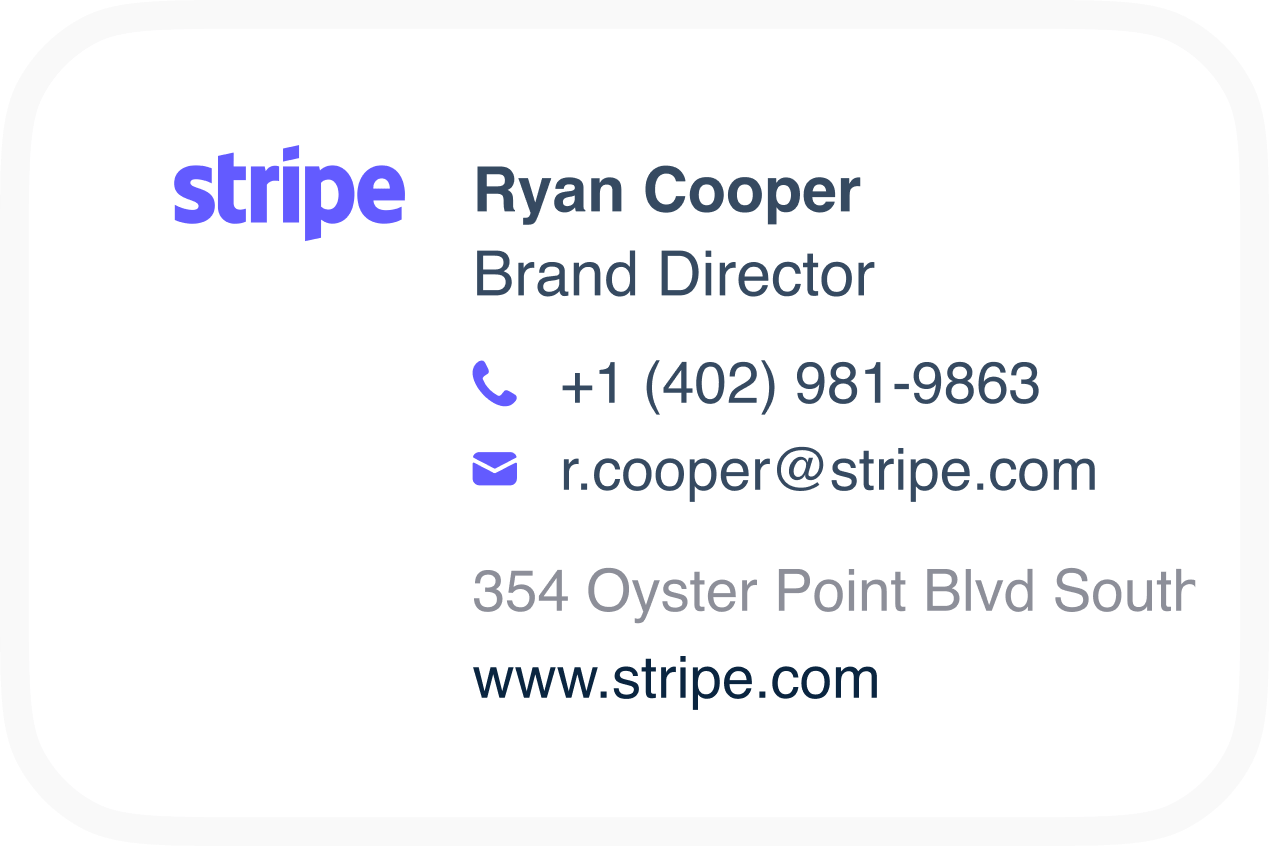
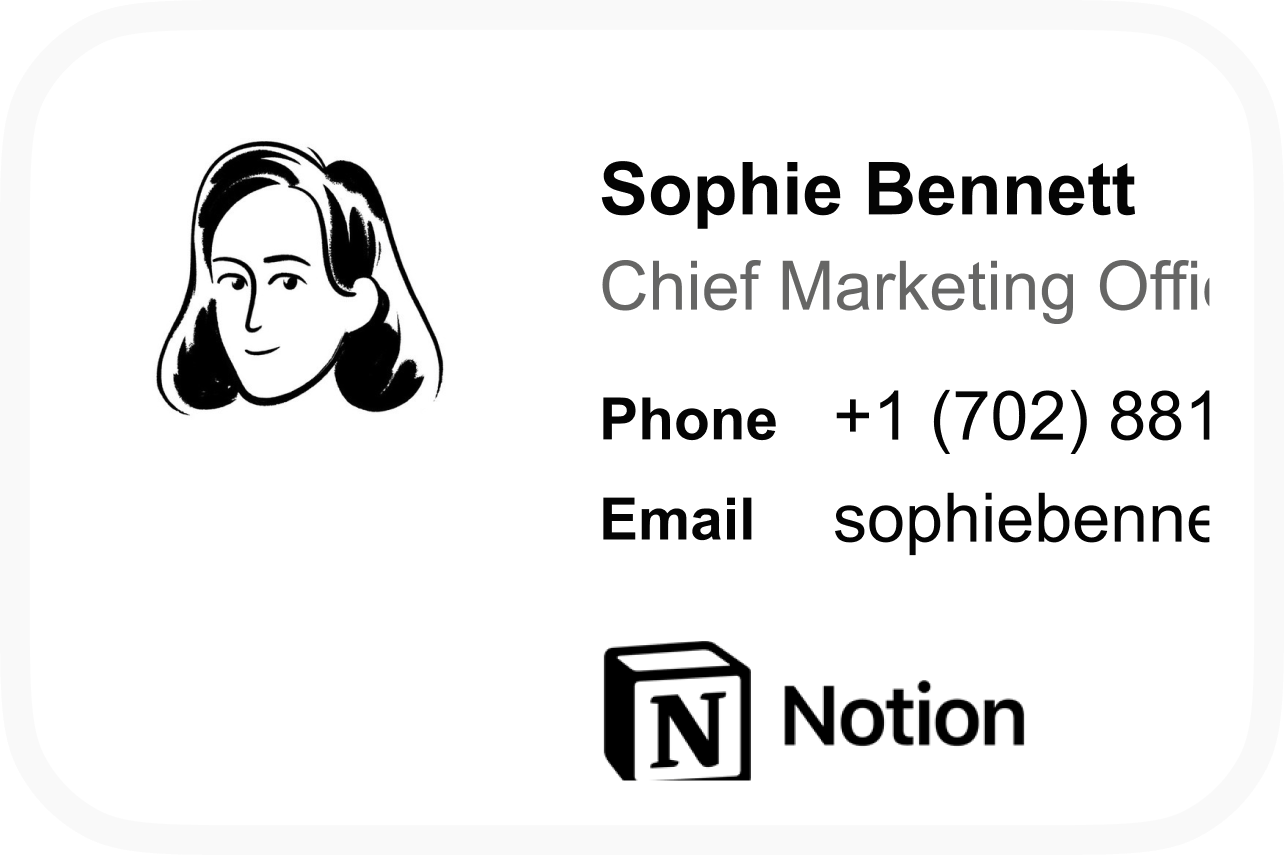
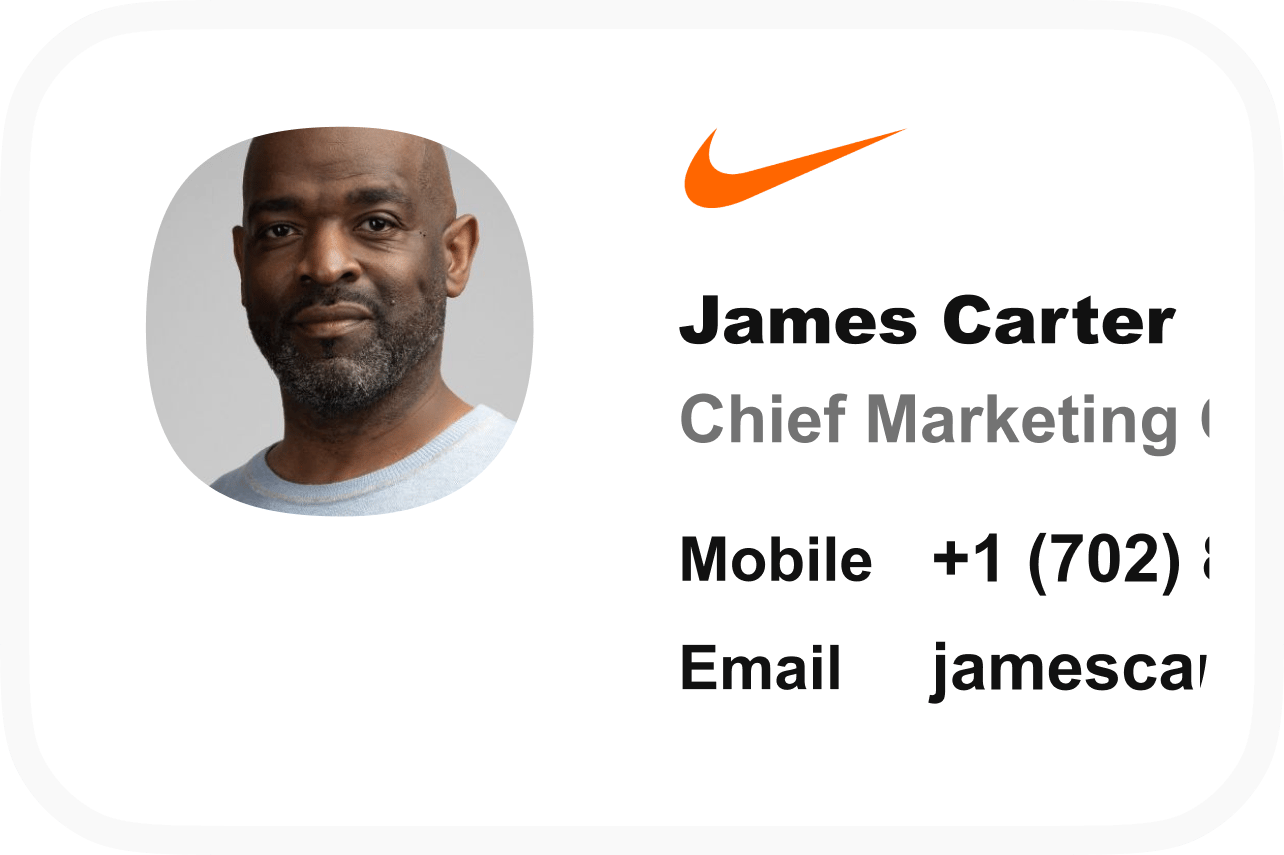
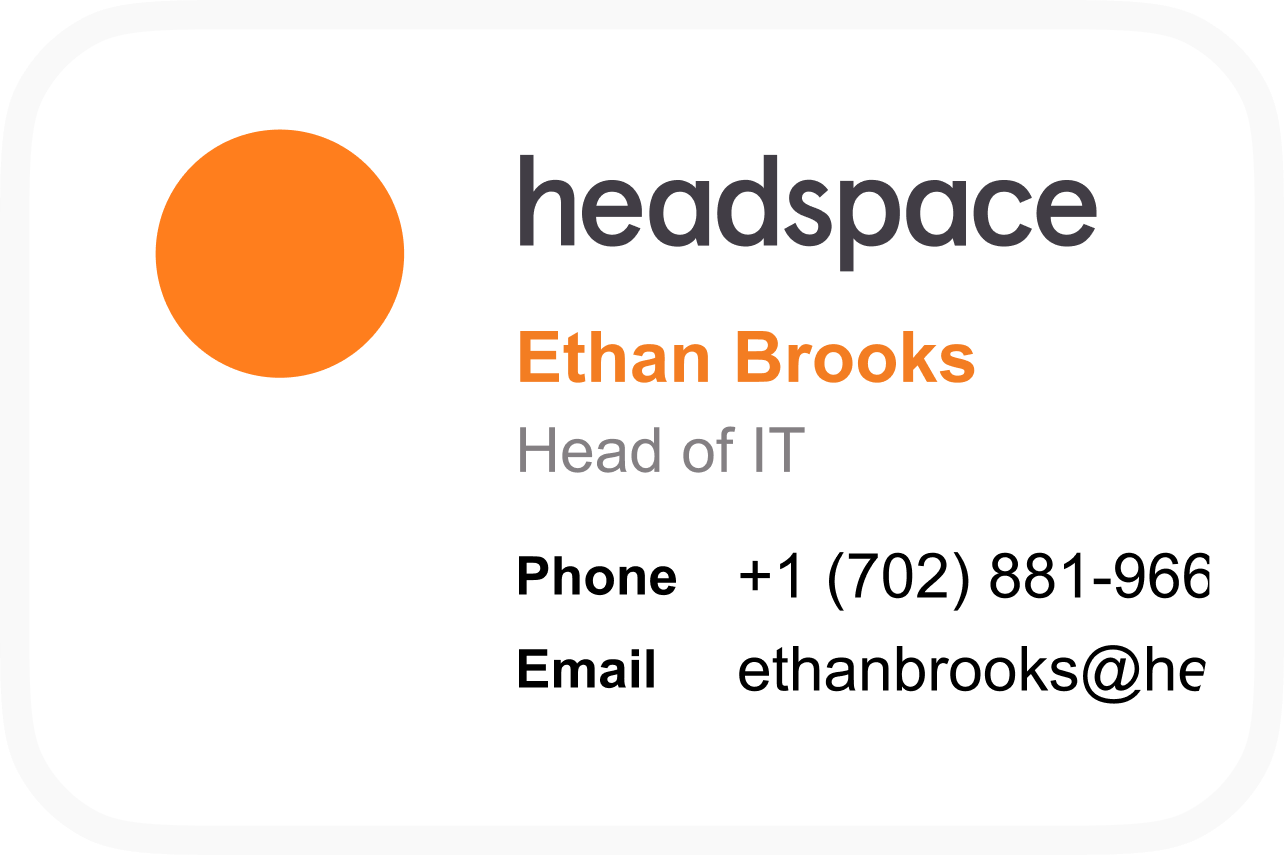
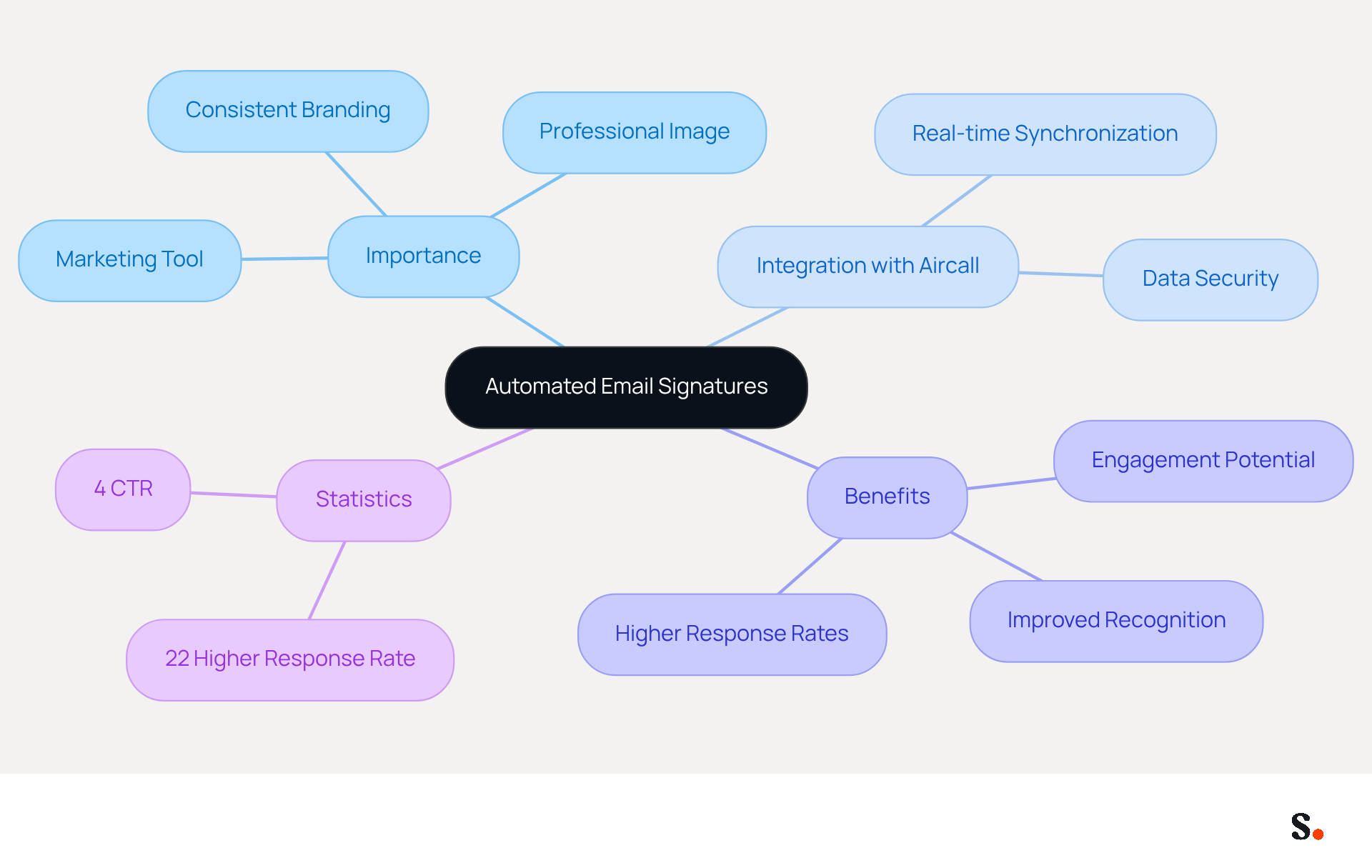
Inconsistent branding can undermine your organization's professional image, making automated identifiers essential for cohesive communication. Automated identifiers are standardized marks that are automatically added to outgoing messages, ensuring that every communication sent from your organization maintains a consistent image. These endorsements typically include essential information such as the sender's name, title, company logo, and contact details. The significance of automated electronic identifiers lies in their capacity to improve recognition, uphold professionalism, and function as a marketing instrument. By automating this process, businesses can eliminate inconsistencies that arise from manual updates, ensuring that all employees present a unified brand identity in their communications.
Scribe integrates seamlessly with Aircall, allowing for smooth synchronization of correspondence identifiers. This means that any modifications made in your Aircall settings will automatically appear in Scribe identifiers. This real-time synchronization not only saves time by auto-filling your teammates' details using your business phone system as a data source but also ensures that your team's information is always current without requiring any action from your teammates. Additionally, Scribe meets SOC 2 Type II compliance standards, ensuring your data remains secure while managing correspondence.
Automated sign-offs can also feature promotional banners or calls to action, transforming every message into a potential marketing opportunity. Messages that feature a branded footer receive a 22% higher response rate than those lacking it, illustrating the impact of branding in enhancing communication. Furthermore, dynamic digital identifiers have demonstrated an average click-through rate (CTR) of 4%, considerably surpassing the 2.5% CTR of standard marketing messages, highlighting their enhanced engagement potential. Regular evaluations of digital identifiers are crucial to maintain consistency and precision in branding. With 44.4% of professionals updating their electronic correspondence identifiers 2-4 times a year, maintaining fresh and relevant branding is crucial for effective communication. By leveraging an automated email signature, organizations can transform every message into a strategic opportunity, enhancing both recognition and engagement.
Leverage Benefits of Automation for Brand Consistency and Marketing
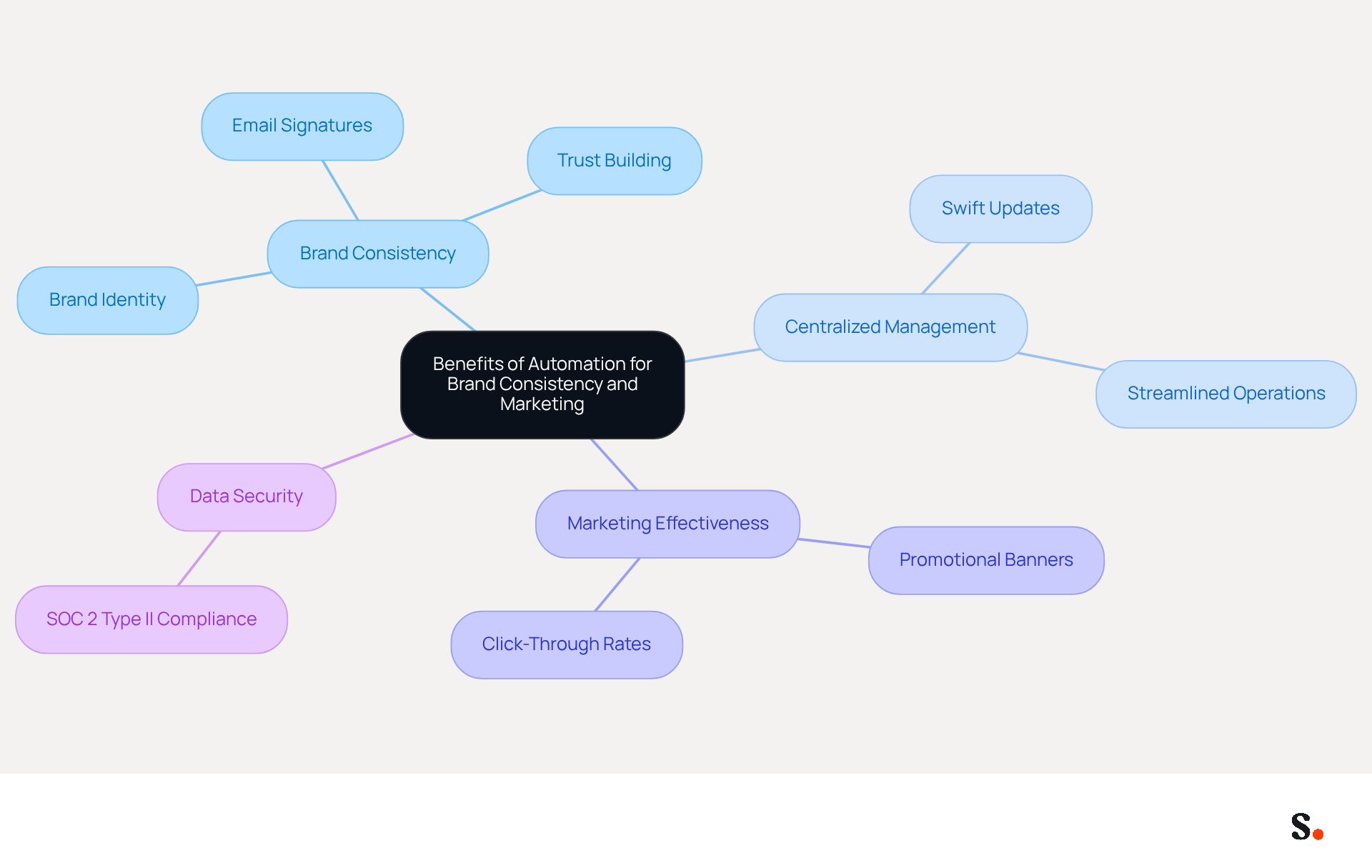
The automation of electronic identifiers is crucial for enhancing brand consistency and marketing effectiveness. An automated email signature helps maintain consistency in branding elements like logos, colors, and fonts across all employee communications, which is vital for reinforcing brand identity. This consistency builds trust with clients and partners, as research indicates that 76% of individuals feel more confident in a sender when messages are branded.
Furthermore, centralized management allows for swift updates to promotional messages or contact information in the automated email signature, eliminating the need for individual employee action. This efficiency not only streamlines operations but also enhances the overall effectiveness of marketing strategies.
For instance, adding a promotional banner in the footer can result in higher click-through rates, with Scribe attaining an average of 12% on footer banners, transforming routine communications into effective marketing tools. With Scribe's unique setup, Marketing teams can take charge of digital branding on their own after IT gets things started, making it easier to adapt and respond quickly.
Additionally, Scribe's SOC 2 Type II compliance ensures that your data is secure, providing peace of mind as you leverage these automated solutions.
Implement Steps for a Successful Automated Email Signature Strategy
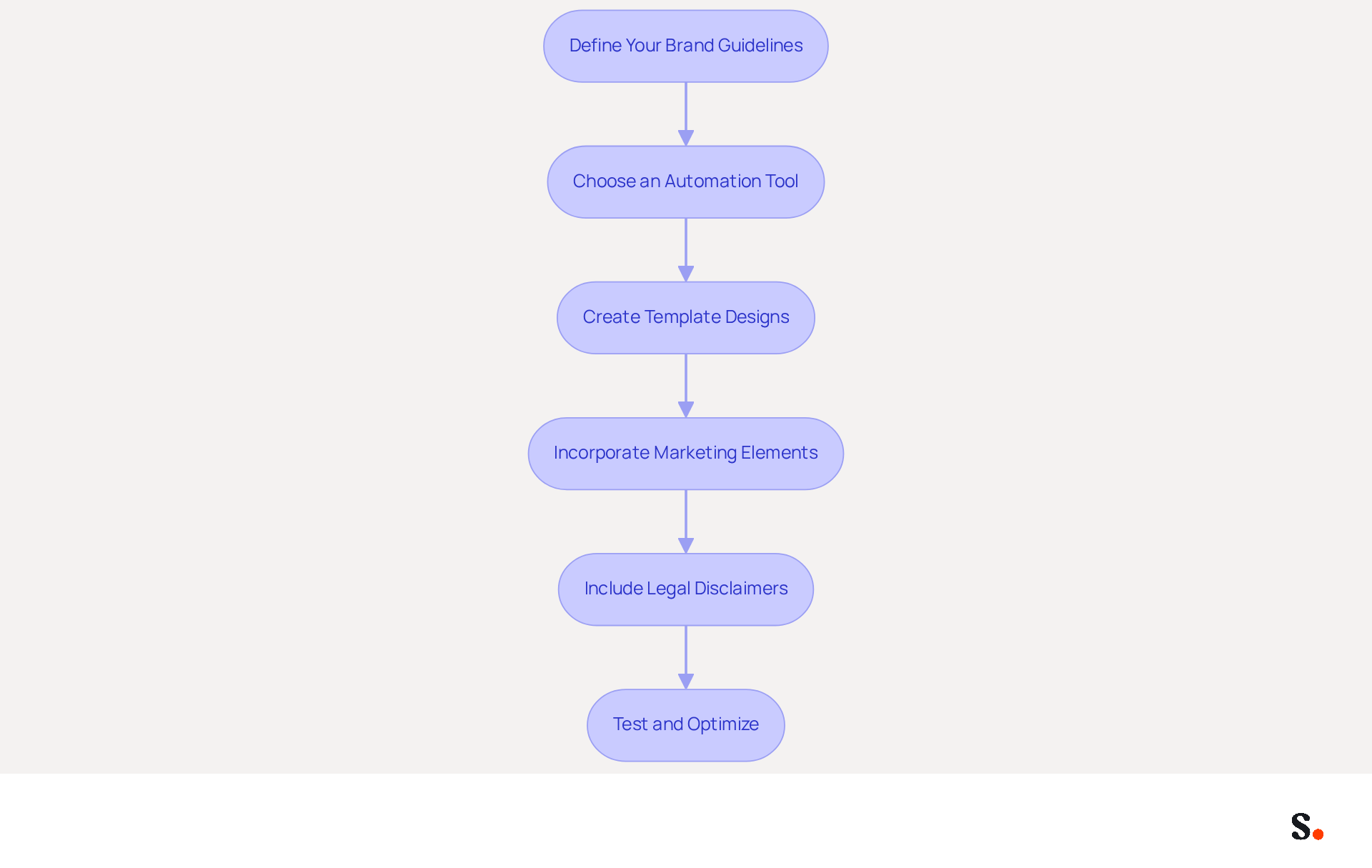
To effectively implement an automated message strategy, it is essential to follow a structured approach that ensures brand consistency and maximizes communication impact:
- Define Your Brand Guidelines: Establish clear protocols for your correspondence identifiers, including logo usage, color schemes, and font styles. This ensures consistency across all identifiers, boosting brand recognition.
- Choose an Automation Tool: Select a dependable management tool for managing email identifiers, such as Scribe, that facilitates easy creation and administration of them. Look for features like centralized control and integration capabilities to streamline the process. Note that to enable one-click synchronization with Google Workspace, you must grant permission as a Super Admin of your email provider. Scribe enables automatic syncing of your teammates' data, which can be utilized to auto-fill details for signing.
- Create Template Designs: Develop on-message template designs that can be easily tailored for various departments or individuals while preserving overall identity consistency. This approach helps in turning employees into brand ambassadors.
- Incorporate Marketing Elements: Add promotional banners or calls to action in the footers to leverage every message as a marketing opportunity. Studies indicate that companies using branded digital identifiers see a significant increase in recognition and trust, making them effective marketing tools. Additionally, including links to social media profiles can enhance brand visibility and customer engagement.
- Include Legal Disclaimers: Ensure that your correspondence complies with relevant privacy laws, such as GDPR and CCPA, by including necessary legal disclaimers. This protects your organization from potential liabilities.
- Test and Optimize: Ensuring that email identifiers display correctly across all platforms can be challenging. Regularly evaluate the identifiers to gather feedback from users and make adjustments as necessary to optimize performance. This ongoing process is key to keeping your communications professional and effective. Additionally, routinely refresh your electronic correspondence footer to reflect any modifications in your role, organization, or contact information for precise recipient details. With Scribe, any modifications in your Google Workspace, such as relocating teammates or updating their details, will be automatically reflected, ensuring your contact information is always current. With Scribe's capabilities, organizations can turn their email signatures into a vital asset for brand engagement and compliance.
Integrate Email Signatures with Existing Tools for Maximum Efficiency
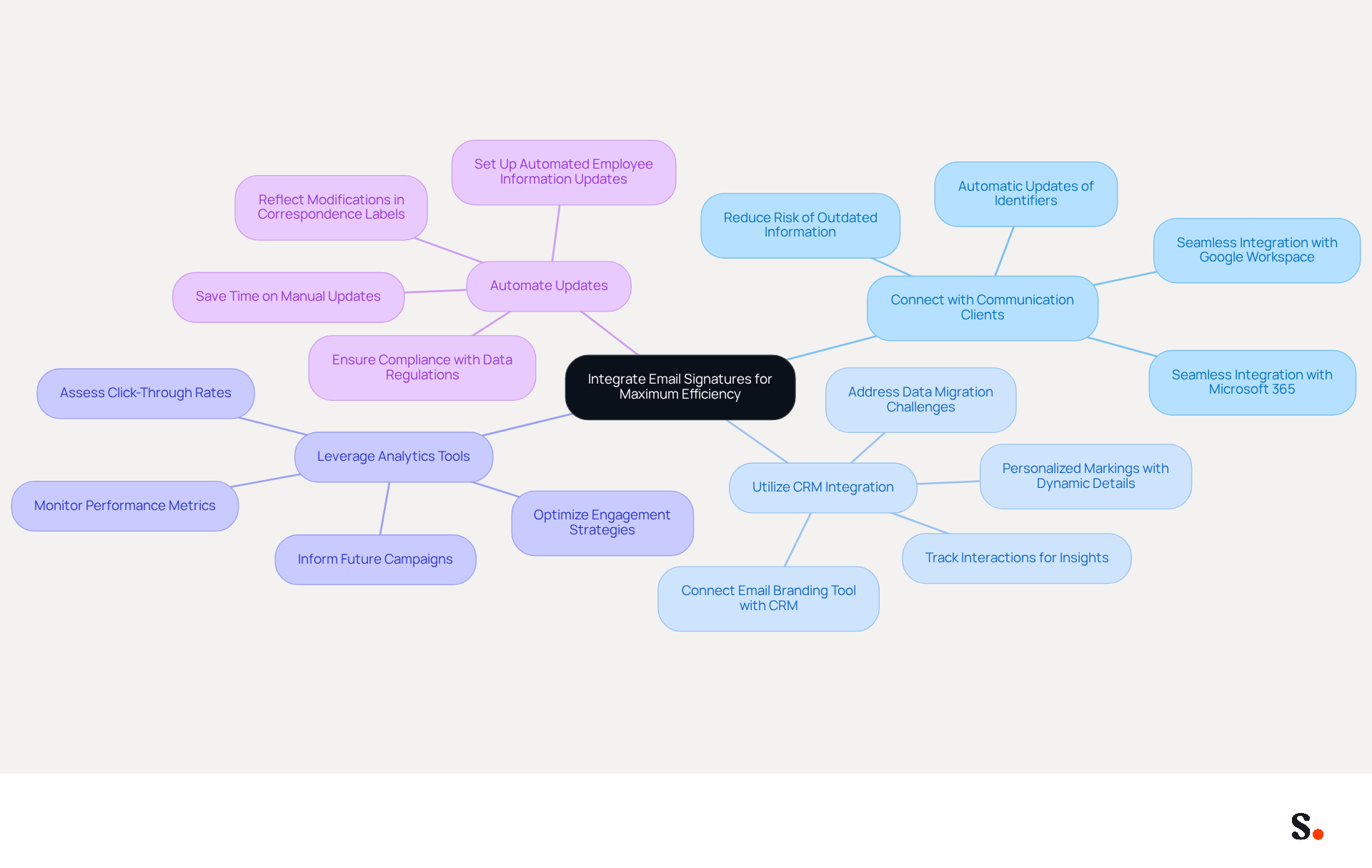
Integrating messaging identifiers with existing tools is crucial for enhancing operational efficiency in today's fast-paced business environment. Here are some best practices for effective integration:
- Connect with Communication Clients: Ensure that your management tool for digital identities integrates seamlessly with popular platforms like Google Workspace and Microsoft 365. This integration enables automatic updates and consistent application of identifiers across all outgoing messages, reducing the risk of outdated information. With the average worker sending 35 messages daily, a team of ten can generate 400 to 500 communications. Thus, maintaining consistent message identifiers is crucial.
- Utilize CRM Integration: Connect your email branding tool with your Customer Relationship Management (CRM) system, such as Salesforce. This allows for personalized markings that can incorporate dynamic details such as the recipient's name or company, enhancing engagement and improving lead quality. CRM-connected annotations can track interactions, providing valuable insights into customer behavior and preferences. Data migration and user adoption often pose significant hurdles during CRM integration, potentially undermining the success of your implementation.
- Leverage Analytics Tools: Utilize analytics tools to monitor the performance of your messages. Monitoring metrics such as click-through rates on promotional banners can help assess the effectiveness of your marketing efforts. For instance, a well-integrated system can provide actionable insights that inform future campaigns and optimize engagement strategies. Research has demonstrated that incorporating messaging identifiers with CRM systems can result in enhanced engagement and conversion rates.
- Automate Updates: Set up automated updates for employee information, ensuring that approvals reflect the most current data without manual intervention. With Scribe, every modification made in your Aircall setup will automatically be reflected in your correspondence labels, ensuring brand consistency and professionalism across all communications. This is especially beneficial for organizations with frequent personnel changes, as it saves considerable time-up to 100 hours annually for a company of 50 individuals-by removing manual update requirements, enabling teams to concentrate on strategic initiatives instead of administrative duties. Furthermore, Scribe adheres to SOC 2 Type II, GDPR, and CCPA, ensuring trust and security in your management of identifiers.
By implementing these best practices, organizations can not only streamline their operations but also significantly boost their marketing effectiveness.
Conclusion
Automated email signatures play a crucial role in reinforcing brand identity and enhancing marketing effectiveness. By implementing best practices for automated signatures, organizations can ensure that every communication reflects a unified brand identity, ultimately fostering trust and recognition among clients and partners.
This discussion reveals that maintaining brand consistency through automated identifiers is essential for organizations. The benefits of integrating these signatures with existing tools and strategically using promotional elements can maximize engagement. With Scribe's capabilities, including fast deployment and compliance with security standards like SOC 2 Type II, organizations can efficiently manage their email signatures while empowering marketing teams to take control of their branding efforts.
Many organizations face challenges in ensuring that their email communications consistently reflect their brand identity. By implementing these practices, organizations can transform their email communications into strategic assets. Embracing automated email signatures can elevate your brand and drive measurable marketing ROI.
Frequently Asked Questions
What are automated email signatures?
Automated email signatures are standardized marks that are automatically added to outgoing messages, ensuring consistent branding and communication for an organization.
Why are automated email signatures important?
They improve recognition, uphold professionalism, and serve as a marketing tool, helping to maintain a cohesive image in all communications.
What information is typically included in automated email signatures?
Automated email signatures usually include the sender's name, title, company logo, and contact details.
How does Scribe integrate with Aircall?
Scribe integrates seamlessly with Aircall, allowing for smooth synchronization of correspondence identifiers, meaning any changes made in Aircall settings will automatically reflect in Scribe identifiers.
What are the benefits of real-time synchronization in Scribe?
Real-time synchronization saves time by auto-filling teammates' details using the business phone system as a data source and ensures that team information is always current without requiring action from teammates.
What compliance standards does Scribe meet?
Scribe meets SOC 2 Type II compliance standards, ensuring that data remains secure while managing correspondence.
How can automated sign-offs enhance marketing efforts?
Automated sign-offs can include promotional banners or calls to action, turning every message into a potential marketing opportunity.
What impact do branded footers have on response rates?
Messages featuring a branded footer receive a 22% higher response rate compared to those without, highlighting the importance of branding in communication.
What is the average click-through rate (CTR) for dynamic digital identifiers?
Dynamic digital identifiers have an average CTR of 4%, which is significantly higher than the 2.5% CTR of standard marketing messages.
How often should digital identifiers be evaluated?
Regular evaluations of digital identifiers are crucial for maintaining consistency and precision in branding, with 44.4% of professionals updating their identifiers 2-4 times a year.
List of Sources
- Understand Automated Email Signatures and Their Importance
- Email signature statistics: Why every business should optimize their email signatures — Stripo.email (https://stripo.email/blog/email-signature-statistics-why-every-business-should-optimize-their-email-signatures)
- Email Signature Statistics: A Closer Look at Email Signatures in 2026 (https://mysignature.io/blog/email-signature-statistics)
- Leverage Benefits of Automation for Brand Consistency and Marketing
- Research Recap: Branded Email Signatures Increase Company Recognition, Trust - Demand Gen Report (https://demandgenreport.com/industry-news/research-recap-branded-email-signatures-increase-company-recognition-trust/47252)
- The impact of email signatures on your branding (https://signitic.com/en/resources/the-impact-of-email-signatures-on-your-branding)
- Why Are Email Signatures Key to Brand Awareness? | QuickMail (https://quickmail.com/role-of-email-signatures-in-brand-awareness)
- How Automated Email Signatures in Outlook Can Help Businesses Spread Their Marketing Message (https://linkedin.com/pulse/how-automated-email-signatures-outlook-can-help-businesses-spread-gc5we)
- The ROI of Branding: Building Brand Value, Backed by Stats (https://fuelforbrands.com/the-roi-of-branding-a-story-of-building-brand-value-backed-by-statistics)
- Implement Steps for a Successful Automated Email Signature Strategy
- Email Signature Best Practices - NEWOLDSTAMP (https://newoldstamp.com/blog/email-signature-best-practices)
- 10 Strategies for Increasing User Engagement with Business Email Signatures (https://exclaimer.com/blog/email-signatures-key-business-tool)
- The Signitic blog: expert advice on email branding (https://signitic.com/en/resources)
- 10 Do's & Don'ts for Email Signature Branding (https://constantcontact.com/blog/email-signature-branding)
- 4 Best Practices for Your Work Email Signature Strategy (https://scribe-mail.com/en-US/blog/4-best-practices-for-your-work-email-signature-strategy)
- Integrate Email Signatures with Existing Tools for Maximum Efficiency
- CRM Email Signature Tools: List and Comparison | Signitic (https://signitic.com/en/resources/crm-email-signature-tools-the-complete-guide-to-align-sales-and-marketing)
- Behind the Scenes: The Real Benefits of Effective CRM Integration (https://aem.org/news/behind-the-scenes-the-real-benefits-of-effective-crm-integration)
- Positive connects Positive Signitic to the CRM – the email signature becomes a marketing channel in its own right (https://positivegroup.com/news/signitic-crm-email-signature-marketing)
- CRM-Connected Email Signatures for SMB Sales Follow-Up (https://bluechiptt.com/blog/crm-email-signatures-everyday-messages-sales-signals)
- Salesforce Connector: Now Live! (https://letsignit.com/blog/salesforce-integration)
Get started with Scribe
See why teams switch to Scribe
Free 14-day trial — no credit card.