Best Regards vs Sincerely: Choosing the Right Sign-Off for Impact
The nuances of email sign-offs can significantly shape professional interactions, yet their impact is often underestimated. The choice between "Best Regards"
Sophie Grant
Email Signature Specialist, Scribe
Introduction
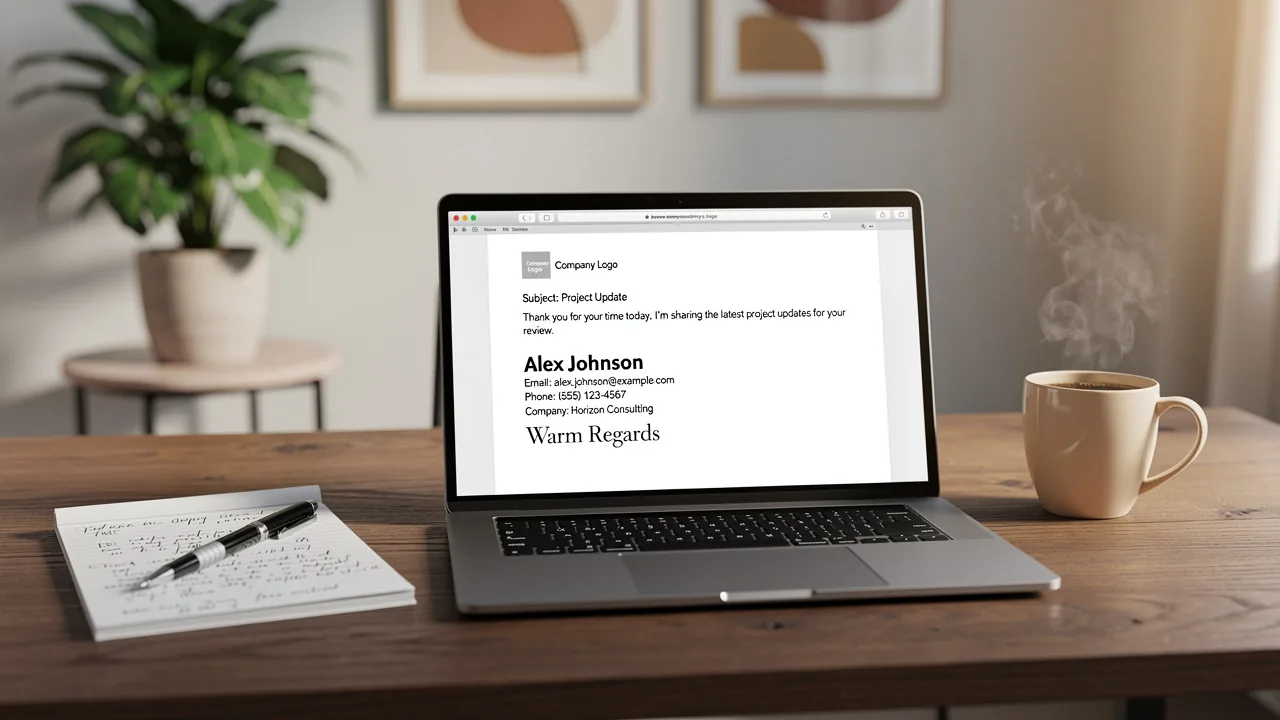
The nuances of email sign-offs can significantly shape professional interactions, yet their impact is often underestimated. The choice between "Best Regards" and "Sincerely" not only reflects the sender's intent but also influences the recipient's perception of the message.
For organizations aiming for effective communication, it is essential to understand the appropriate contexts for each sign-off. The choice of an inappropriate sign-off can lead to misunderstandings and strain workplace relationships.
This article delves into the distinctions between these two common closings, exploring their implications for tone, formality, and overall communication effectiveness.
Define Best Regards and Sincerely in Professional Contexts
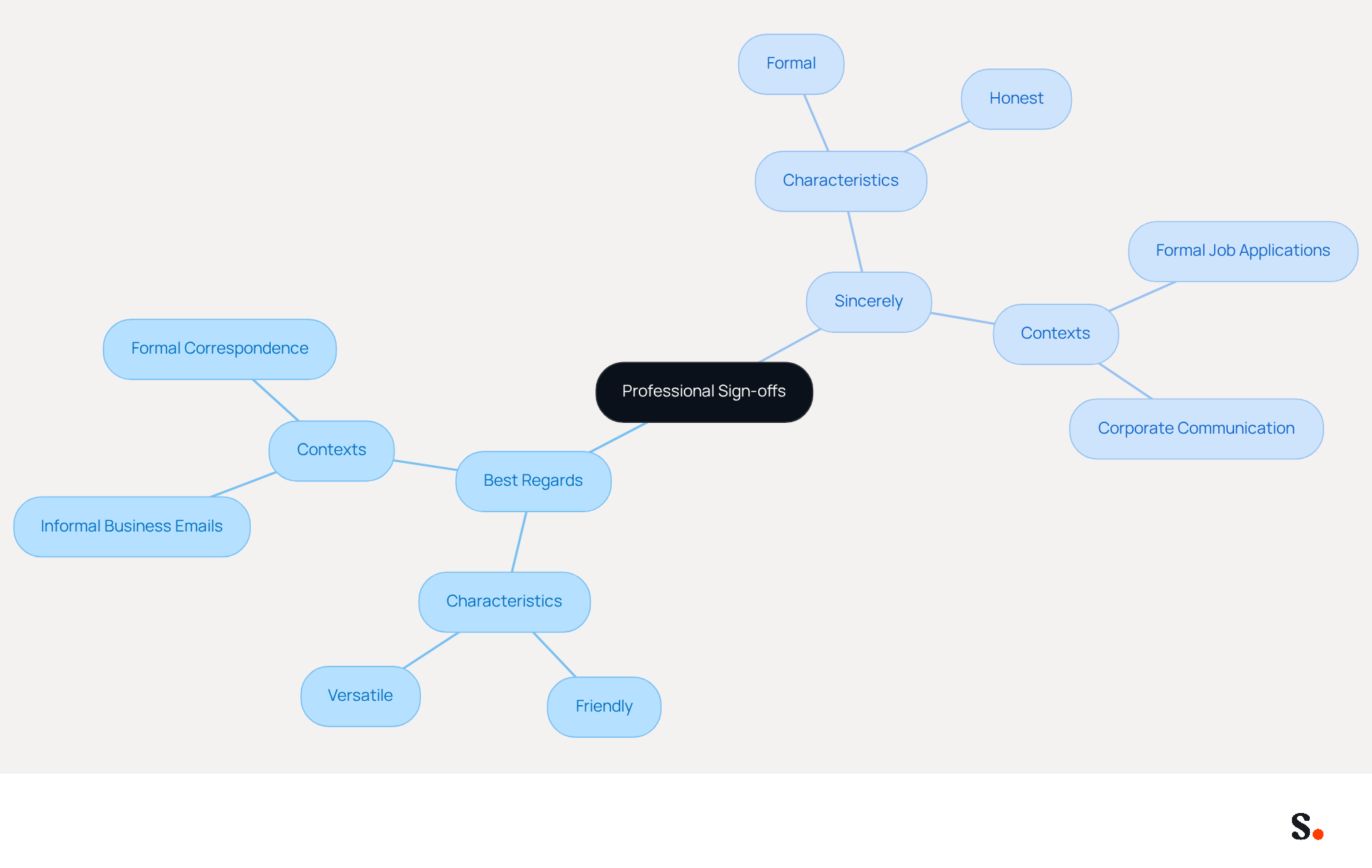
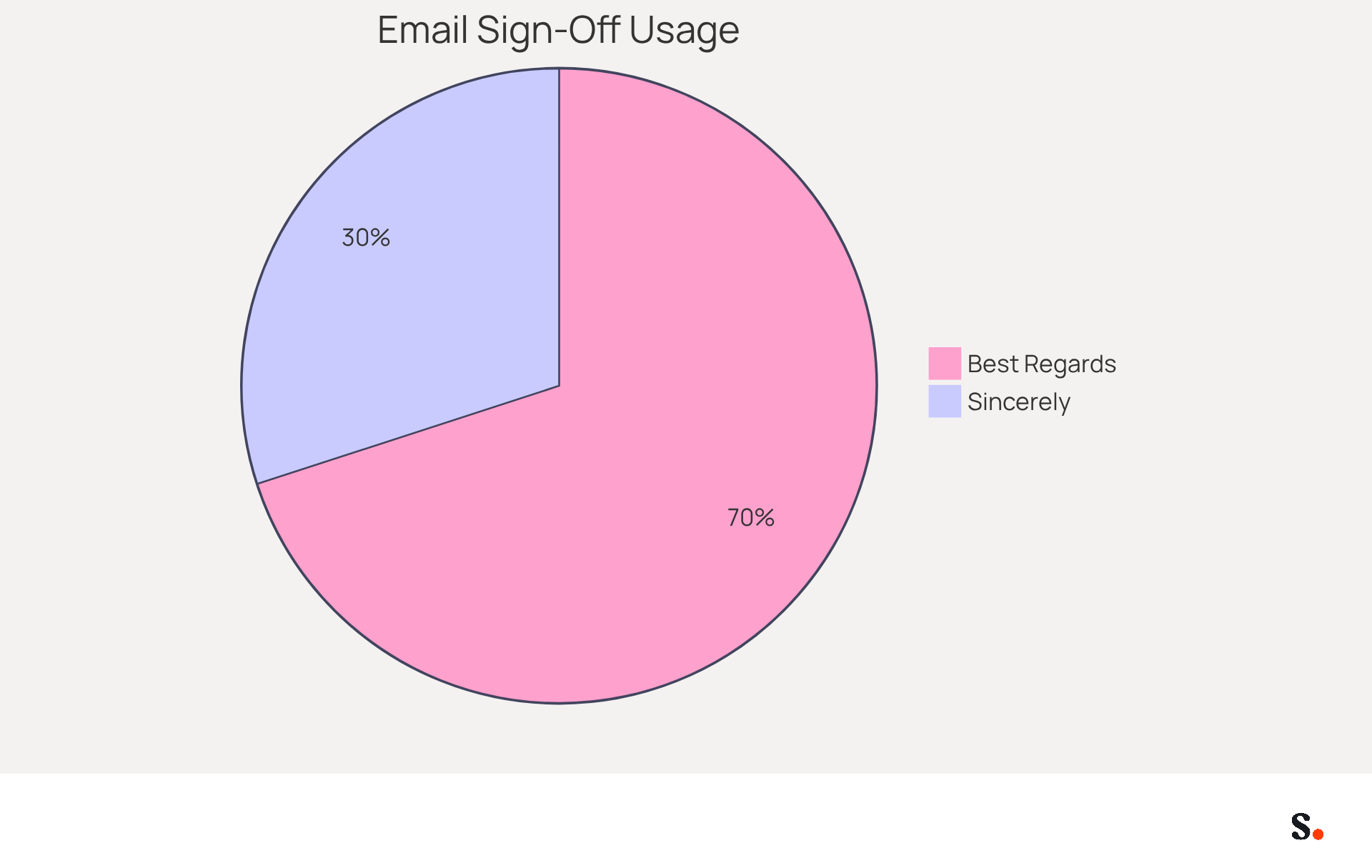
The choice between best regards vs sincerely as closing remarks in workplace communication significantly influences the tone and perception of messages. Best Regards is often regarded as a friendly yet professional closing, conveying goodwill and respect without being overly formal. This closing is versatile, suitable for various contexts, from informal business emails to more formal correspondence. In contrast, Sincerely is a traditional closing that emphasizes honesty and formality; however, misusing Sincerely in casual contexts can lead to misunderstandings about the sender's intent. Understanding these distinctions is essential for choosing the right sign-off, particularly when considering best regards vs sincerely, according to the communication context.
Case studies highlight the impact of tailored sign-offs on workplace relationships. For example, the choice between 'best regards vs sincerely' in messages to new contacts establishes a warm yet professional tone, while 'sincerely' is often preferred in formal job applications, reinforcing the sender's respect for the recipient. In 2026, the effectiveness of these sign-offs continues to evolve, with 'Best Regards' being a safe choice for most situations, while 'Sincerely' remains a staple for formal interactions. Ultimately, the wrong sign-off can undermine the sender's professionalism and affect workplace relationships, making it a vital aspect of effective interaction.
Furthermore, integrating Scribe with Google Workspace simplifies signature management, ensuring that any updates in your Google Workspace, such as moving teammates from one group to another or updating their information, will be automatically reflected in Scribe without any input on your part. This efficiency not only saves time but also ensures that the sign-offs used in messages are consistently aligned with the latest information, enhancing professionalism in communication. Additionally, Scribe's attribute feature allows for the auto-filling of signature information, further simplifying the process and ensuring accuracy.
Analyze Tone and Formality: Best Regards vs. Sincerely
The choice between best regards vs sincerely as an email closing significantly influences the recipient's perception of the message. Best Regards strikes a harmonious balance between professionalism and friendliness, making it suitable for a wide range of situations. This sign-off is seen as friendly, helping to build a positive rapport with recipients. In contrast, Sincerely conveys a more formal tone, closely associated with traditional business etiquette. It is particularly effective in contexts where the sender aims to express utmost respect or when addressing individuals in higher positions. Understanding these tonal differences can prevent confusion and enhance communication; the choice between best regards vs sincerely can create confusion and weaken professional ties.
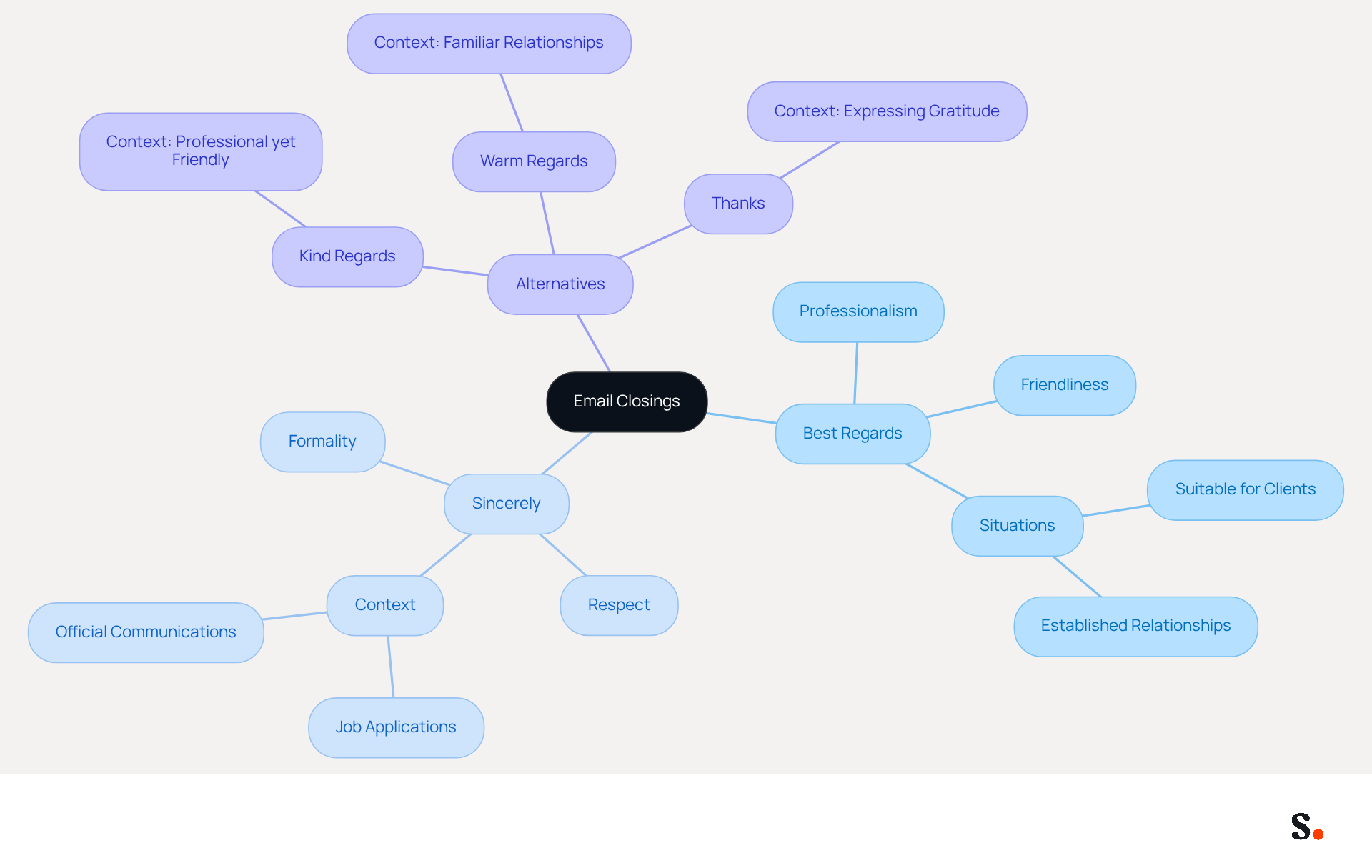
Alternatives such as Kind regards, Warm regards, and Thanks can offer a more personable touch depending on the context and relationship with the recipient.
With Scribe's seamless integration with Calendly, all changes made to your Calendly configuration automatically sync with your Scribe signatures, ensuring brand consistency and effortless updates. This integration not only simplifies signature management but also enhances your professional image while supporting SOC 2 Type II compliance and adhering to GDPR and CCPA for secure data handling.
A survey indicated that 80% of respondents preferred using Gmail, which facilitates easy email signature setup and personalization, allowing users to tailor their sign-offs effectively in line with Scribe's capabilities. Case studies emphasize that maintaining a consistent closing method enhances professionalism and reinforces the sender's image. Ultimately, choosing between best regards vs sincerely as a closing can transform interactions and fortify professional connections.
Identify Appropriate Scenarios for Each Sign-Off
It is essential for effective communication and professionalism to choose the right email sign-off, particularly when considering best regards vs sincerely. Selecting the appropriate sign-off depends on the context of the message and the relationship with the recipient.
- 'Best Regards' is suitable for most business interactions, particularly when there is an established rapport.
- It proves effective in follow-up emails, networking messages, and casual business correspondence.
- A case study titled 'Managing Email Sign-Offs in Organizations' illustrates that consistent use of 'Best Regards' not only reinforces brand identity but also enhances professionalism in business communications.
- Furthermore, expert Sean Butcher highlights that mirroring the recipient's sign-off is a safe strategy, underscoring the importance of adapting to their style of interaction.
In contrast, the distinction between 'best regards vs sincerely' is that 'Sincerely' is reserved for more formal situations, such as job applications, official requests, or initial communications with unfamiliar recipients.
- This distinction is vital for maintaining professionalism in communication; understanding the difference between 'best regards vs sincerely' in these contexts conveys respect and seriousness.
- Expert advice from Talaera suggests that when in doubt, opting for 'Best Regards' is a safe choice that maintains professionalism without presuming familiarity.
- Moreover, it is crucial to avoid informal sign-offs like 'Thx' or 'Cheers' in workplace settings, as they can detract from the intended message.
- Recognizing these scenarios allows senders to maintain professionalism and ensure their messages are effectively received.
Evaluate Impact on Professional Relationships and Communication
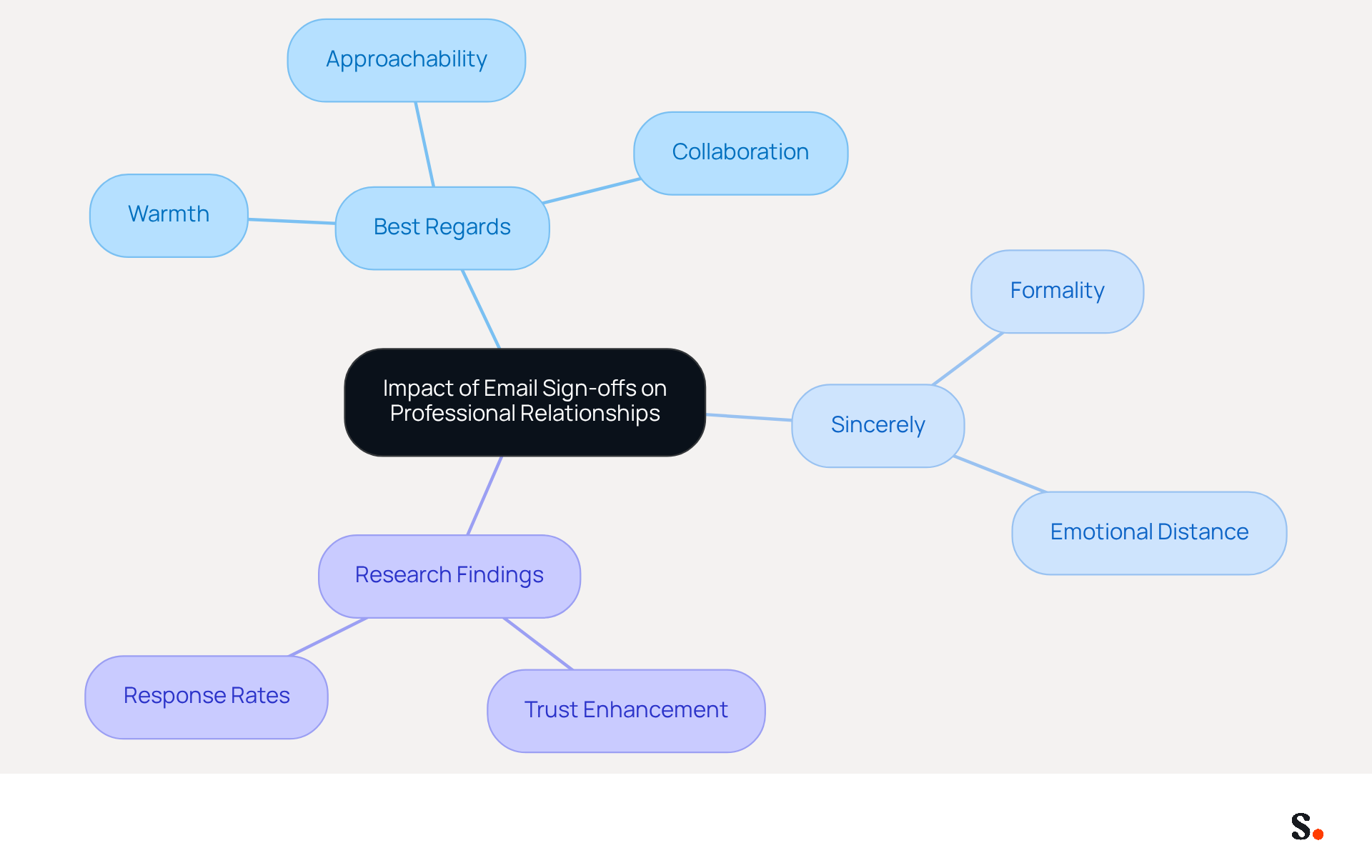
The choice between best regards vs sincerely as an email sign-off plays a crucial role in shaping professional relationships. Choosing between best regards vs sincerely fosters warmth and approachability, signaling the sender's commitment to collaboration and openness in dialogue. In contrast, the discussion of best regards vs sincerely shows that sincerely sets a formal tone that may create emotional distance in some contexts.
Research indicates that 76% of individuals feel a branded signature enhances trust in the sender, underscoring the importance of thoughtful sign-offs in building rapport. Case studies reveal that effective sign-offs can enhance interaction effectiveness, with messages expressing gratitude receiving more replies; for instance, adding a phrase like 'Thank you so much!' can double the response rate for requests for help.
By understanding the impact of these sign-offs and matching them to the tone of the email, professionals can tailor their communication style to better suit their audience, ultimately enhancing their effectiveness in building and maintaining relationships.
Conclusion
The choice of email sign-off can profoundly affect professional communication, influencing how messages are perceived. Each sign-off carries its own connotations and is suited to different contexts, making it essential for professionals to understand their implications. "Best Regards" offers a friendly yet professional touch, while "Sincerely" conveys formality and respect, particularly in more serious or official communications.
This article has outlined the appropriate scenarios for each sign-off. "Best Regards" is versatile and effective for most business interactions, fostering rapport and warmth, while "Sincerely" is reserved for formal situations, such as job applications or initial communications with unfamiliar recipients. The importance of adapting sign-offs to the context and the recipient's style has also been emphasized, showcasing how thoughtful choices can enhance professionalism and strengthen workplace relationships.
In the end, the right sign-off can make a real difference in how we connect with others at work. By carefully selecting the appropriate sign-off, professionals can convey their intent more clearly and foster a positive atmosphere in their interactions. Embracing the nuances of "Best Regards" and "Sincerely" can lead to more meaningful connections and improved communication outcomes in the workplace.
Frequently Asked Questions
What is the difference between "Best Regards" and "Sincerely" in professional communication?
"Best Regards" is a friendly yet professional closing that conveys goodwill and respect, suitable for various contexts. In contrast, "Sincerely" is a traditional closing that emphasizes honesty and formality, but can be misused in casual contexts, leading to misunderstandings.
When should I use "Best Regards"?
"Best Regards" is versatile and can be used in both informal business emails and more formal correspondence, making it a safe choice for most situations.
When is "Sincerely" the appropriate closing to use?
"Sincerely" is often preferred in formal job applications and other formal interactions, as it reinforces the sender's respect for the recipient.
How can the choice of sign-off impact workplace relationships?
The choice between "Best Regards" and "Sincerely" can establish the tone of the message. For example, using "Best Regards" with new contacts creates a warm yet professional tone, while "Sincerely" in formal contexts emphasizes respect.
How does Scribe enhance signature management in Google Workspace?
Scribe integrates with Google Workspace to simplify signature management, automatically reflecting updates in Google Workspace, such as changes in team members' information, without requiring manual input.
What features does Scribe offer to ensure accuracy in signatures?
Scribe's attribute feature allows for the auto-filling of signature information, simplifying the process and ensuring that the sign-offs used in messages are accurate and up-to-date.
List of Sources
- Define Best Regards and Sincerely in Professional Contexts
- Best Regards Alternatives - Professional Email Sign-Offs & Closings (https://mysignature.io/blog/best-regards-alternatives)
- Define Best Regards: Master Email Sign-Offs for Success (https://scribe-mail.com/en-US/blog/define-best-regards-master-email-sign-offs-for-success)
- Mastering Professional Email Sign-Offs in 2026 (https://linkedin.com/pulse/mastering-professional-email-sign-offs-2026-bulksignature-qsr4e)
- Best regards, Kind regards, Best wishes, Yours sincerely - which to use and when | Email Signature Rescue Blog (https://emailsignaturerescue.com/blog/best-regards-kind-regards-best-wishes-yours-sincerely-which-to-use-and-when)
- Analyze Tone and Formality: Best Regards vs. Sincerely
- 105 Alternatives to “Best Regards” for Your Email Sign-Off (https://wisestamp.com/blog/best-regard-alternatives)
- Best Email Sign-Offs: 15 Examples for Every Situation (https://beanstalkconsulting.co/blogs/best-email-sign-offs)
- Email Sign Offs for Every Industry and Situation | Mailchimp (https://mailchimp.com/resources/email-sign-offs)
- How to Sign Off on an Email Correctly | Rocketseed (https://rocketseed.com/blog/correct-way-to-sign-off-emails)
- Identify Appropriate Scenarios for Each Sign-Off
- Best email endings - best practices for closing an email (https://mail-signatures.com/articles/best-email-sign-offs)
- How to Sign Off on an Email Correctly | Rocketseed (https://rocketseed.com/blog/correct-way-to-sign-off-emails)
- How to Sign Off a Professional Email: 33 Examples for Business Professionals - Talaera (https://talaera.com/emails-and-writing/how-to-sign-off-a-professional-email)
- ‘Yours sincerely’ is dead. So how should you sign off an email? (https://theguardian.com/lifeandstyle/2023/sep/13/yours-sincerely-is-dead-so-how-should-you-sign-off-an-email)
- Evaluate Impact on Professional Relationships and Communication
- What is a Professional Email Sign-Off and Why It Matters (https://scribe-mail.com/en-US/blog/what-is-a-professional-email-sign-off-and-why-it-matters)
- How to end an email: 70+ professional sign-offs & examples (https://blog.superhuman.com/how-to-end-an-email)
- 50 Best Email Sign-Offs to End an Email Properly in [year] (https://elementor.com/blog/best-email-sign-offs)
- Email Sign Offs for Every Industry and Situation | Mailchimp (https://mailchimp.com/resources/email-sign-offs)
- Email Sign Offs Professional: Best Practices for Business Emails (https://mailwarm.com/blog/professional-email-sign-offs-best-practices)
Get started with Scribe
Build a professional email signature
Free 14-day trial — no credit card.