Master Email Stamps: Best Practices for Effective Signatures
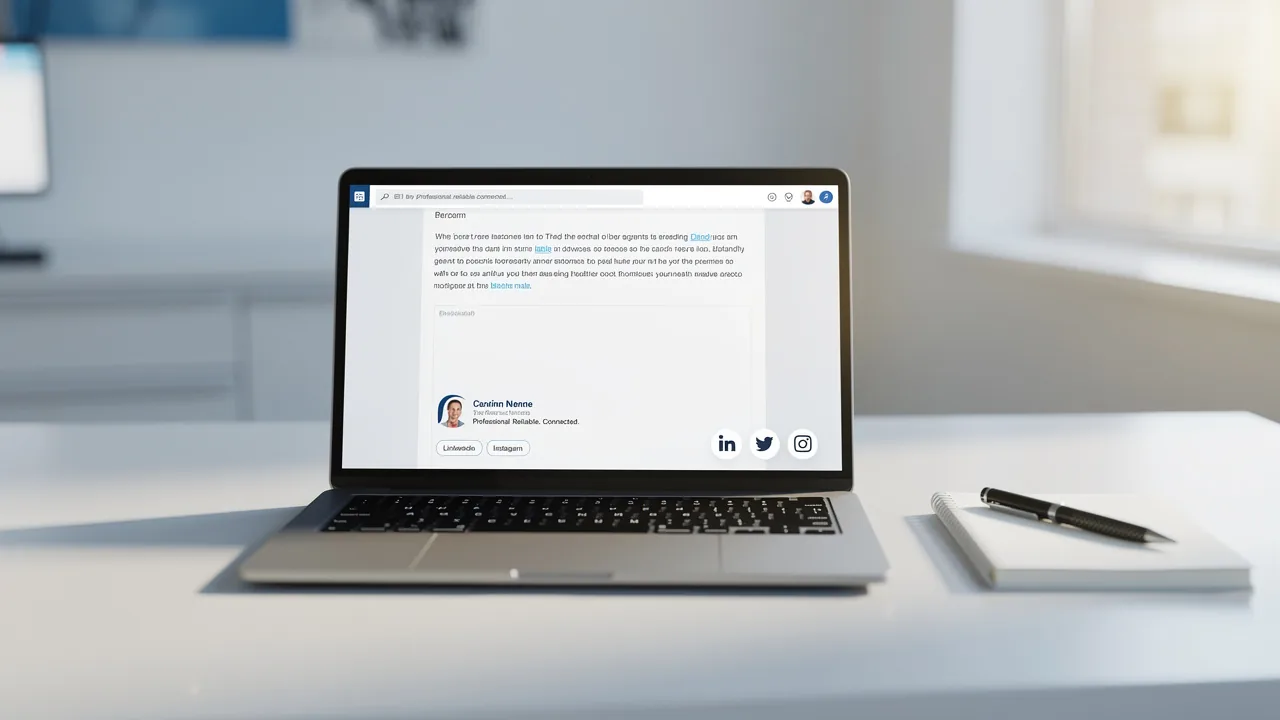
While many view email signatures as mere aesthetics, they are, in fact, pivotal to brand identity and marketing effectiveness. Effective email signatures can
Sophie Grant
Email Signature Specialist, Scribe

Introduction
While many view email signatures as mere aesthetics, they are, in fact, pivotal to brand identity and marketing effectiveness. Effective email signatures can enhance professionalism, foster trust, and even drive engagement through well-placed calls to action. Yet, organizations often find it challenging to maintain consistency and fully leverage these digital footers as effective marketing tools. This raises the question: how can businesses transform their email signatures into strategic assets that drive measurable marketing success?
Get started with Scribe
Manage signatures across your whole team
Free 14-day trial — no credit card.
Establish Brand Consistency in Email Signatures
To maintain a strong brand identity, companies must implement consistent practices in their email signatures:
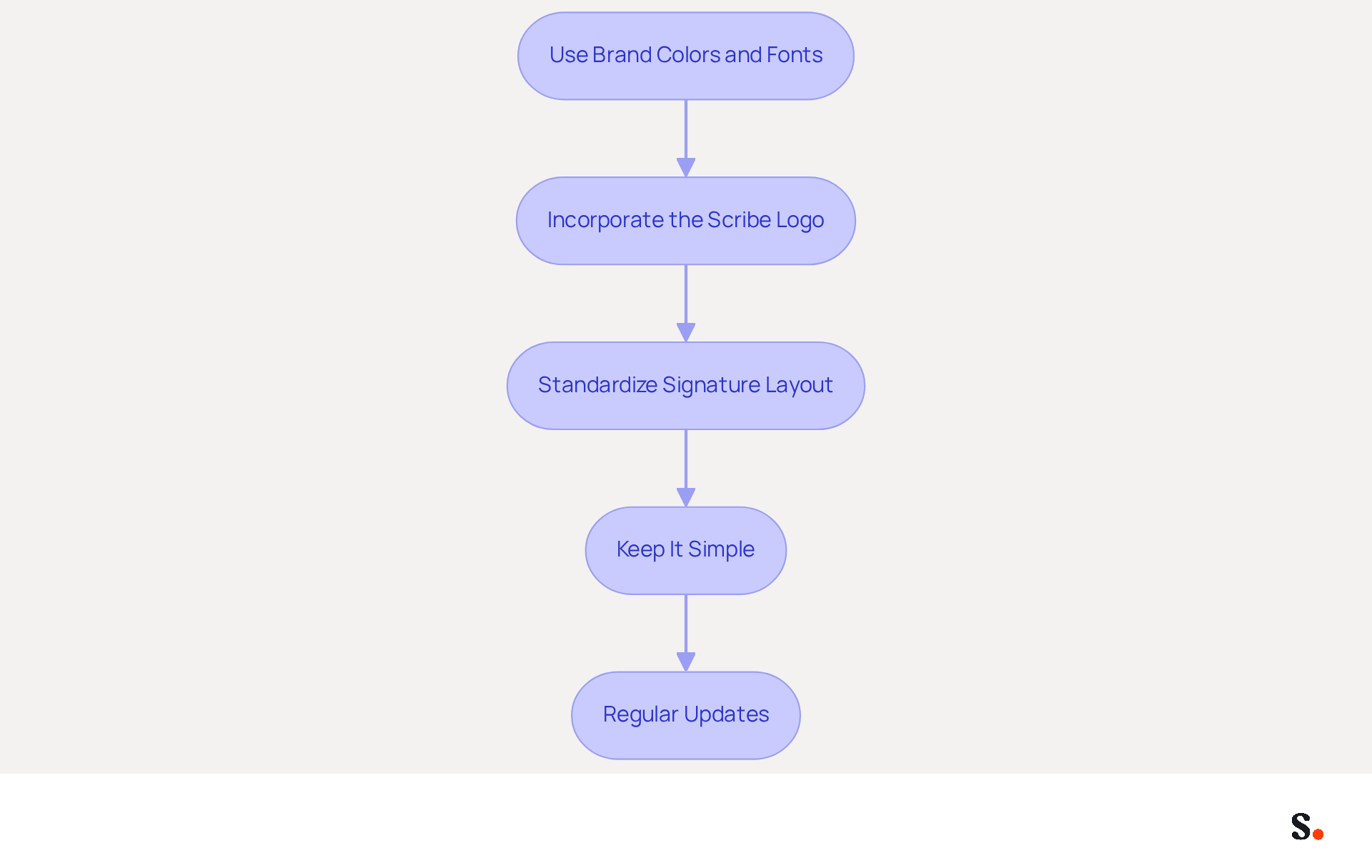
- Use Brand Colors and Fonts: Ensure that the colors and fonts utilized in the email footer match those of Scribe's branding. This creates a cohesive appearance that recipients can easily connect with Scribe. A unique color can boost a company's recognition by as much as 80%, making it easier for customers to identify them.
- Always incorporate the Scribe logo in the email footer. This not only strengthens identity but also adds a professional touch to the message. Consistent branding across all channels can lead to a 10-20% increase in revenue growth, highlighting the importance of visual elements in establishing trust.
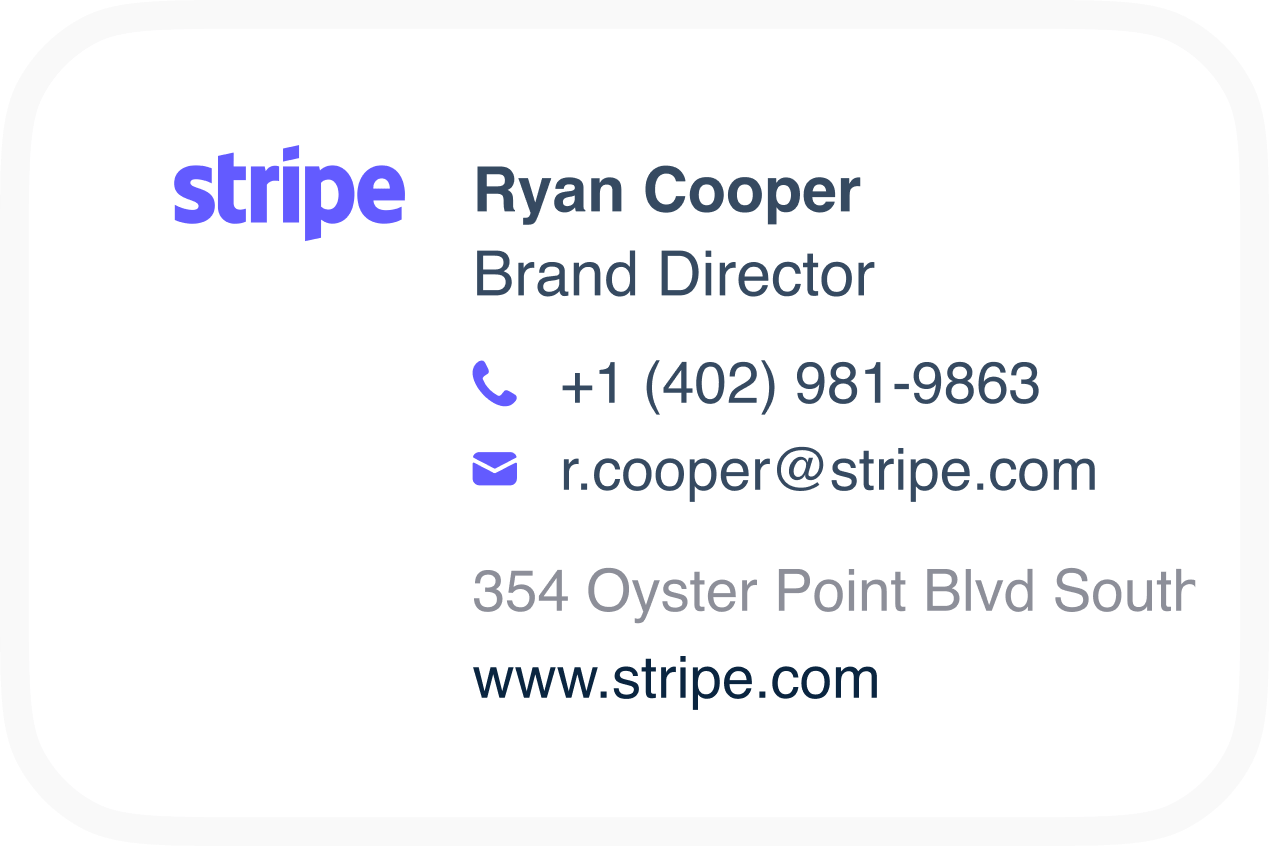
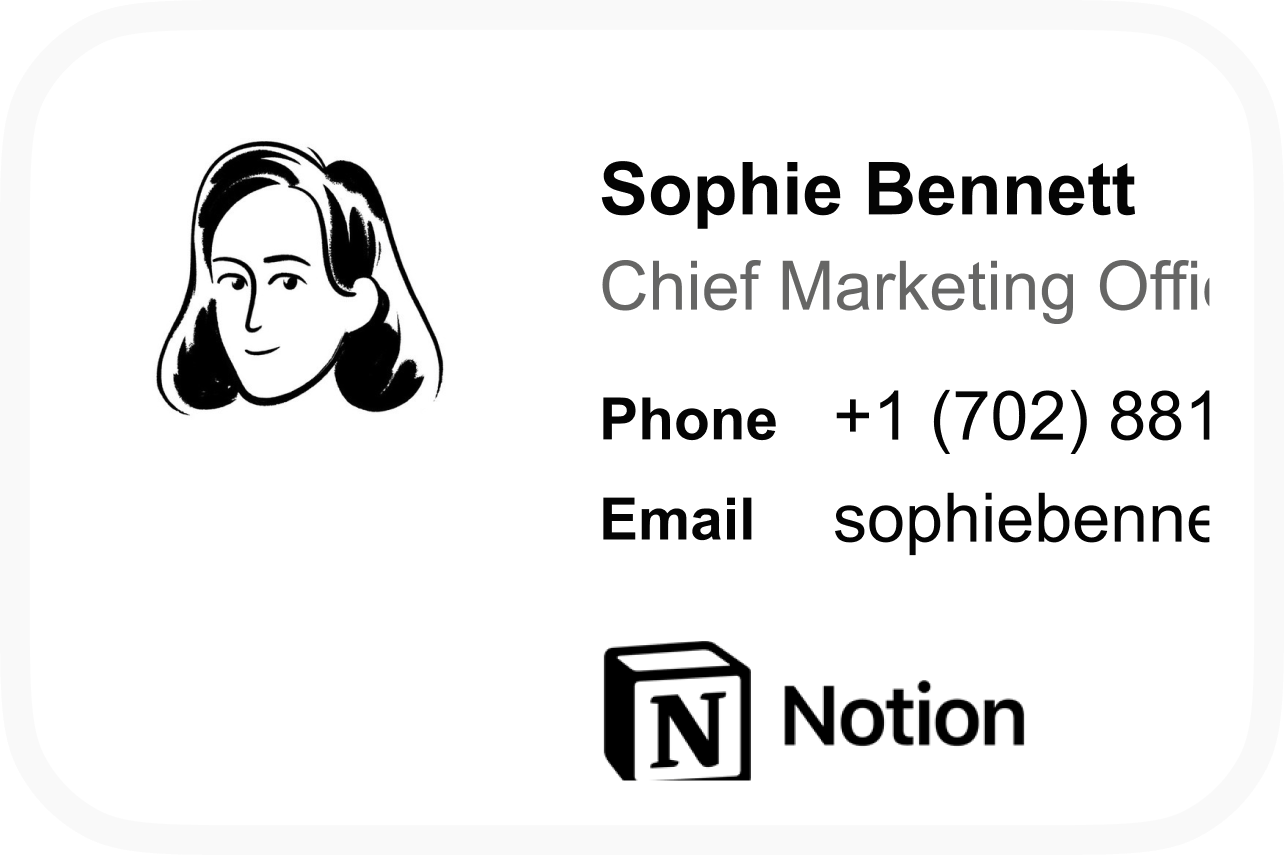
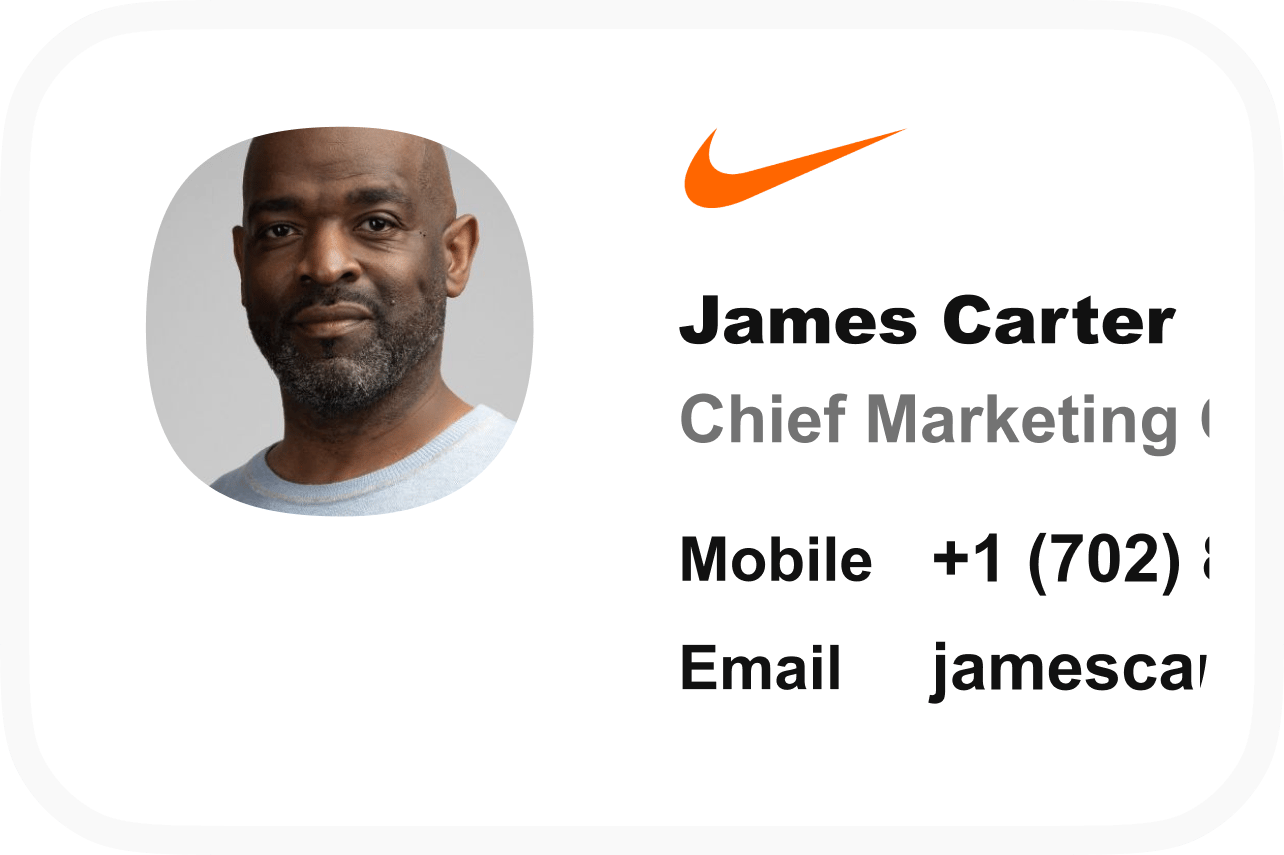
- Standardize Signature Layout: Create a standardized layout for all employees to follow. This includes the placement of the logo, contact information, and any additional elements like social media links or disclaimers. Centralized management of digital identifiers ensures consistent logos, fonts, colors, and messaging across all employees, which is essential for preserving corporate integrity.
- Keep It Simple: Avoid cluttering the sign-off with excessive information or graphics. Cluttered designs can confuse recipients and dilute the message. Research shows that well-designed email stamps can significantly improve message clarity and professionalism.
- Regular Updates: Ensure that the emblem is updated regularly to reflect any changes in branding, such as new logos or updated contact information. This can be effortlessly handled through Scribe's automated management features, which assist in maintaining consistency and preventing outdated information from being presented.
When businesses adopt these practices, they not only reflect their identity but also boost professionalism and trust in every interaction. Failing to implement these practices can lead to miscommunication and a loss of professional credibility.
Incorporate Effective Call-to-Action Elements
Incorporating an email stamp with effective call-to-action elements in email signatures can significantly enhance engagement and conversion rates.
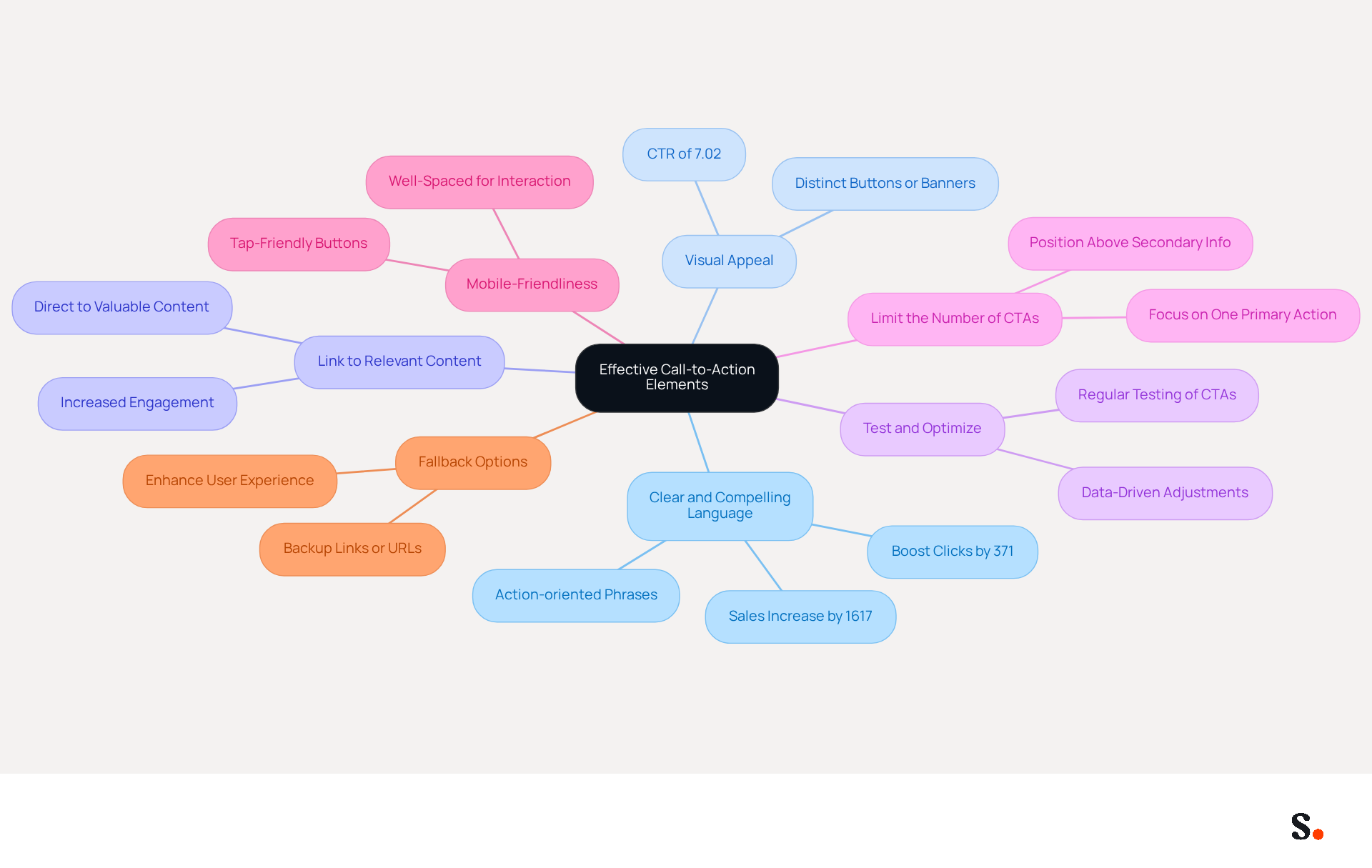
- Clear and Compelling Language: Utilize action-oriented phrases such as 'Download Now', 'Sign Up Today', or 'Learn More' to encourage recipients to take the desired action. This clarity is crucial; messages with a well-defined CTA can boost clicks by 371% and sales by 1617%, according to WordStream.
- Visual Appeal: Ensure the CTA stands out by employing buttons or banners that are visually distinct from the rest of the signature. This visual differentiation draws attention and significantly boosts the likelihood of clicks. For example, messages featuring a prominent banner achieved a click-through rate of 7.02%, as reported in a recent study.
- Link to Relevant Content: The CTA should direct recipients to valuable content, such as a landing page, promotional offer, or event registration. This relevance adds value and increases the chances of conversion, as recipients are more likely to engage with content that meets their interests.
- Test and Optimize: Regularly test various CTA placements, wording, and designs to identify what resonates best with your audience. Utilizing analytics to track performance allows for data-driven adjustments, ensuring continuous improvement in engagement rates.
- Limit the Number of CTAs: Have you ever felt overwhelmed by too many choices? That's why it's crucial to limit CTAs. Focusing on one primary action enhances clarity and effectiveness, especially in transactional messages where a single, strong CTA is advised to direct users toward completing their tasks. Furthermore, primary CTAs should be positioned above secondary information in signatures to prevent being overlooked.
- Mobile-Friendliness: Ensure that CTAs are designed to be mobile-friendly, as a significant portion of messages are accessed on mobile devices. This includes making buttons tap-friendly and ensuring they are well-spaced for easy interaction.
- Fallback Options: Always include a fallback option in transactional messages, such as a backup link or copy-paste URL, to ensure accessibility and enhance user experience.
By implementing these strategies, businesses can ensure their email signatures, featuring an email stamp, serve as effective tools for driving engagement and fostering connections.
Leverage Email Signatures for Marketing Campaigns
To maximize the impact of email signatures in marketing campaigns, businesses must adopt strategic best practices:
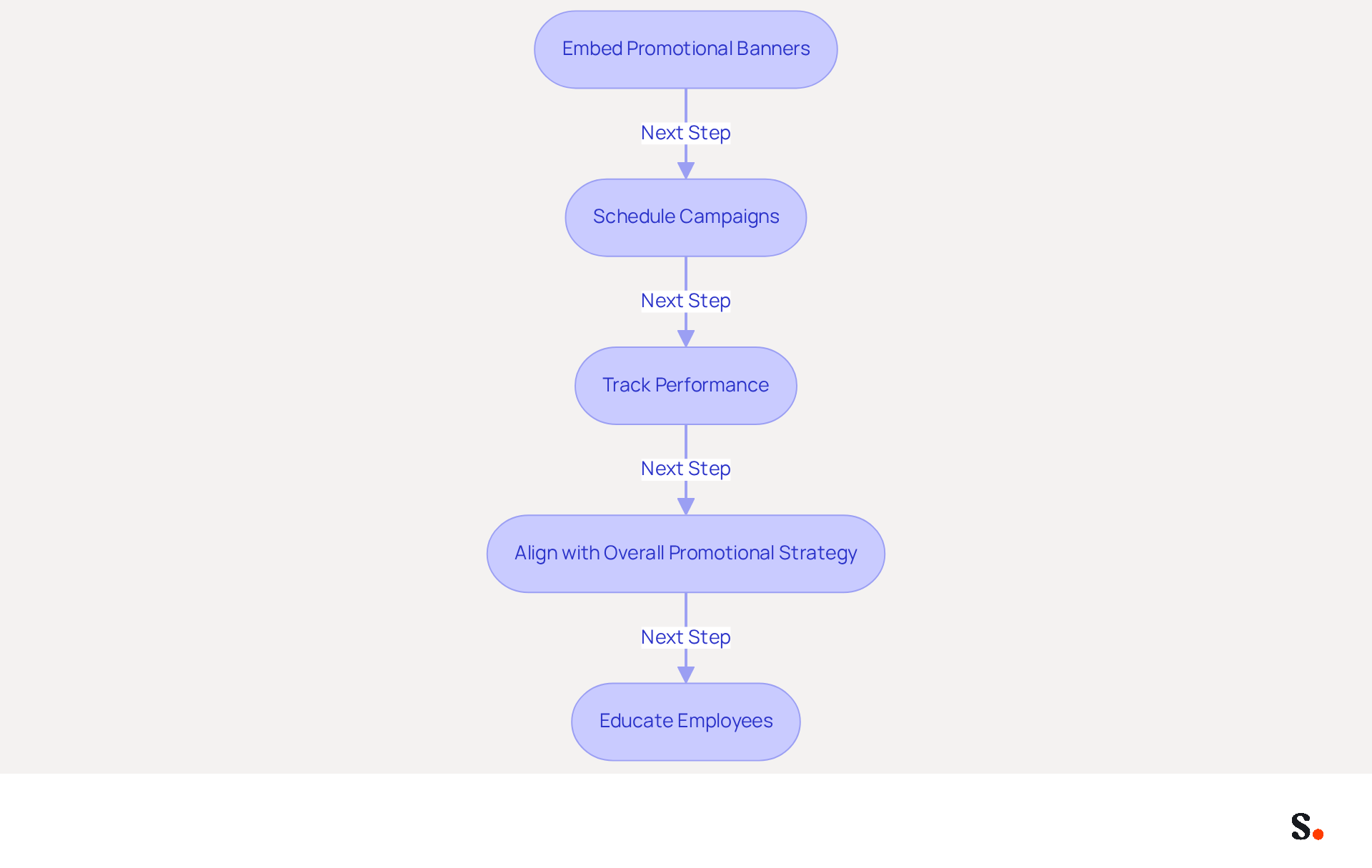
- Embed Promotional Banners: Incorporate promotional banners within message footers to showcase current offers, events, or new products. This approach effectively captures recipients' attention, resulting in higher click-through rates. Customized digital banners can achieve click-through rates (CTR) ranging from 2.5% to 5.0%, with peak campaigns reaching up to 7%.
- Schedule Campaigns: Utilize Scribe's scheduling feature to rotate various promotional messages or banners in digital formats according to specific campaigns or seasonal promotions. This ensures that your messaging remains fresh and relevant, maximizing engagement opportunities.
- Track Performance: Implement tracking links in your correspondence to monitor campaign effectiveness. Analyzing metrics such as click-through rates and conversions allows for data-driven adjustments, enhancing overall performance. For example, tracking performance can reveal significant results, as seen in Cognism's campaigns, which generated over 113,000 tracked clicks.
- Align with Overall Promotional Strategy: Ensure that the messaging in your contact details is consistent with your broader promotional approach. Aligning messaging for digital identifiers with other channels enhances campaign recall and brand effectiveness, reinforcing brand recognition across all touchpoints.
- Educate Employees: Train staff on the significance of using electronic identifiers as a promotional tool. Encouraging them to promote campaigns in their communications can significantly amplify reach and impact. When employees use a professional closing line, it can enhance trust and credibility; studies show that 64-70% of people feel more confident in the sender.
By implementing these strategies, organizations can ensure that every email sent includes an email stamp that serves as a strategic marketing tool, enhancing brand visibility and engagement.
Automate Signature Management for Efficiency
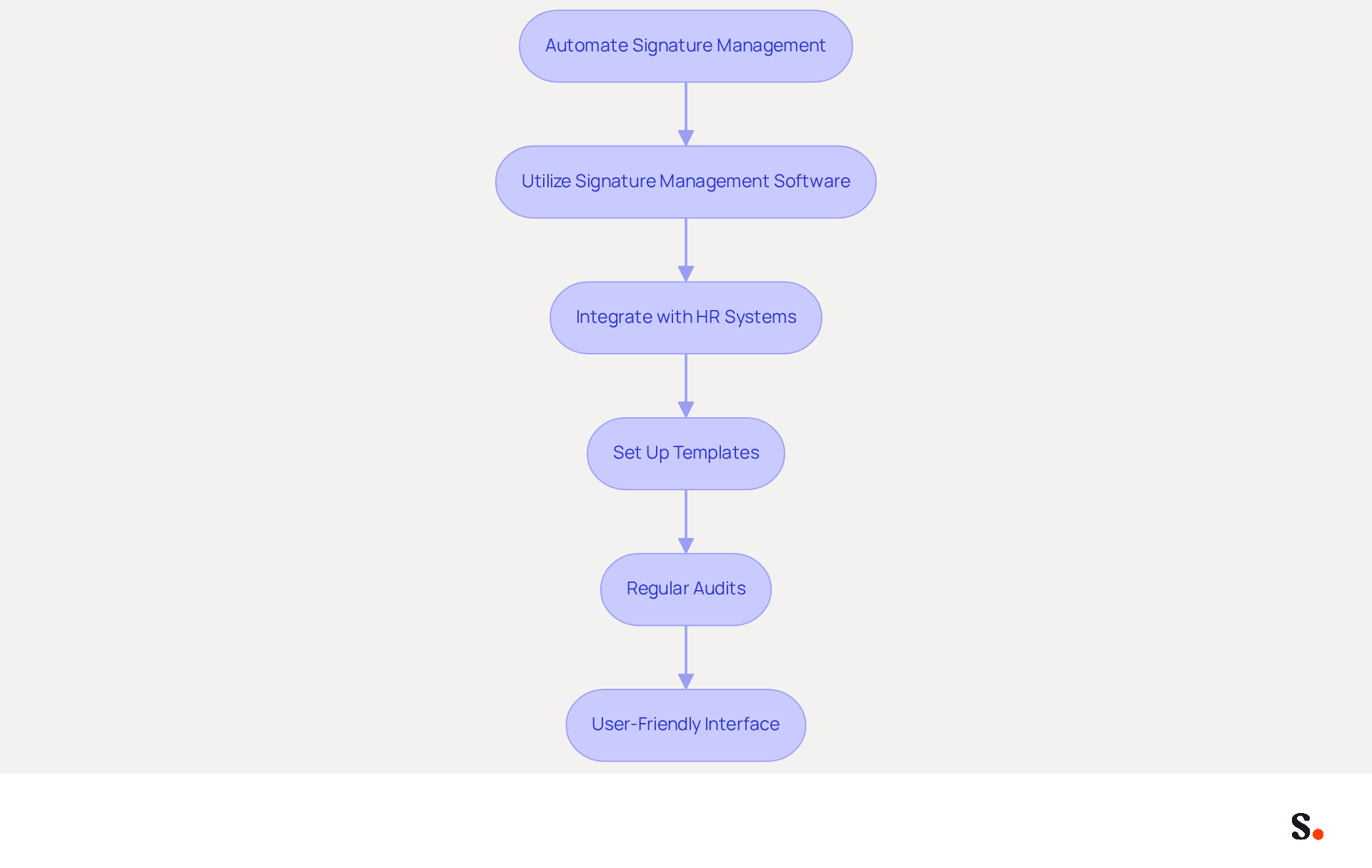
To automate signature management effectively, consider the following best practices:
- Utilize Signature Management Software: Implement tools like Scribe that enable centralized management of identifiers across the organization. This ensures all endorsements are consistent and follow brand guidelines, which boosts professionalism in every message. Scribe's automated synchronization with your business phone system keeps teammate identification information current without manual intervention, and its one-click synchronization feature simplifies the process for users.
- Integrate with HR Systems: Automate the synchronization of employee data with digital identifiers. This ensures that any changes in personnel or contact information are reflected in real-time, reducing the risk of outdated information and enhancing operational efficiency. Scribe allows for seamless integration with HR software, improving teammate information and ensuring precision in digital identifiers.
- Set Up Templates: Create standardized templates for different departments or roles within the organization. This enables customization while preserving brand consistency, ensuring that every message reflects the organization's identity. With Scribe, you can easily manage these templates and ensure compliance with branding guidelines.
- Regular Audits: Schedule regular evaluations of email formats to ensure compliance with branding and legal requirements. Automated tools like Scribe can help identify any discrepancies, ensuring that all approvals meet necessary standards and reducing the risk of litigation from non-compliance. For example, Voxpopme's transformation with centralized document management illustrates how such practices can enhance communication and branding.
- User-Friendly Interface: Choose a management solution that is easy for employees to use, requiring minimal technical expertise. This encourages adoption and reduces the likelihood of errors, making it easier for teams to maintain consistent branding. Scribe's one-click synchronization feature streamlines the process, enabling quick updates and ensuring that all approvals are current.
Billy Mahoney emphasizes that using a management tool for electronic correspondence can optimize processes and benefit the entire organization. By automating document management with Scribe, businesses can improve operational efficiency, uphold brand consistency, and free up valuable resources for other promotional initiatives. Centralized email signature management not only saves time but also transforms email signatures into effective marketing tools, particularly through the use of an email stamp, as evidenced by organizations that have successfully implemented such solutions.
Conclusion
Effective email signatures are essential for reinforcing brand identity and maximizing marketing impact. By following best practices, organizations can make sure their email communications reflect their brand identity and act as effective marketing tools. The strategies discussed highlight how cohesive branding is crucial, along with the use of compelling call-to-action elements and the automation of signature management to streamline processes and improve engagement.
Key insights include the necessity of using brand colors, logos, and standardized layouts to create a professional appearance. Incorporating compelling CTAs can significantly boost engagement, while leveraging email signatures for marketing campaigns can enhance visibility and drive conversions. Additionally, automating signature management through tools like Scribe not only saves time but also ensures that all communications remain up-to-date and compliant with branding guidelines.
Organizations need to see email signatures as more than just a sign-off; they play a vital role in branding and marketing. By adopting these best practices, businesses can transform their email signatures into effective tools for engagement and brand promotion, ultimately leading to increased recognition and revenue growth. Recognizing the strategic value of email signatures can significantly enhance your brand's visibility and market presence.
Frequently Asked Questions
Why is brand consistency important in email signatures?
Brand consistency in email signatures helps maintain a strong brand identity, making it easier for customers to recognize and connect with Scribe. It can lead to increased brand recognition and trust, ultimately contributing to revenue growth.
What elements should be included in an email signature to ensure brand consistency?
An email signature should include Scribe's brand colors, fonts, the Scribe logo, standardized layout for contact information, and any additional elements like social media links or disclaimers.
How can using brand colors and fonts impact a company's recognition?
Utilizing brand colors and fonts can boost a company's recognition by as much as 80%, making it easier for customers to identify the brand.
What is the significance of incorporating the Scribe logo in email signatures?
Including the Scribe logo in email signatures strengthens brand identity and adds a professional touch to communications, which can enhance trust and credibility.
How can companies standardize email signature layouts?
Companies can create a standardized layout for all employees to follow, ensuring consistent placement of the logo, contact information, and additional elements, which helps preserve corporate integrity.
What should be avoided in email signatures to maintain clarity?
Cluttered designs with excessive information or graphics should be avoided, as they can confuse recipients and dilute the message.
How often should email signatures be updated?
Email signatures should be updated regularly to reflect any changes in branding, such as new logos or updated contact information.
How can Scribe assist in maintaining email signature consistency?
Scribe offers automated management features that help ensure email signatures are consistent and prevent outdated information from being presented.
List of Sources
- Establish Brand Consistency in Email Signatures
- Branding statistics you need to know in 2026 (https://dash.app/blog/branding-statistics)
- Email signature branding: importance, tips & best practices (https://exclaimer.com/email-signature-handbook/email-signature-branding-importance)
- Why Email Signatures Must Be In Your 2026 Marketing Plan | Rocketseed (https://rocketseed.com/blog/2026-marketing-plan-email-signatures)
- demandgenreport.com (https://demandgenreport.com/industry-news/research-recap-branded-email-signatures-increase-company-recognition-trust/47252)
- Incorporate Effective Call-to-Action Elements
- Best practices for email CTAs in 2026, with examples | Zoho Zeptomail (https://zoho.com/zeptomail/articles/email-cta.html)
- The Ultimate Guide to Email Signature Call-to-Action - NEWOLDSTAMP (https://newoldstamp.com/blog/the-ultimate-guide-to-email-signature-call-to-action)
- Email Call to Action Ideas To Get Better Results in 2026 (https://getwpfunnels.com/email-call-to-action-ideas)
- 7 tips for an effective CTA in your email signature (https://letsignit.com/blog/efficient-call-to-action-signature)
- Why Email Signatures Must Be In Your 2026 Marketing Plan | Rocketseed (https://rocketseed.com/blog/2026-marketing-plan-email-signatures)
- Leverage Email Signatures for Marketing Campaigns
- 12 email signature marketing examples that drive clicks (2026) (https://signitic.com/en/resources/12-email-signature-marketing-examples-that-actually-drive-clicks)
- 6 Ways to Use Email Signature to Support Marketing Campaigns (https://clearout.io/blog/use-email-signature-to-support-marketing-campaigns)
- 40+ Email Signature Statistics for 2026 (Data + Insights) (https://wavecnct.com/blogs/email-signature-statistics)
- Email Signature Banners: Turn Every Email Into a Marketing Channel (https://bulksignature.com/blog/email-signature-banners-turn-every-email-into-a-marketing-channel)
- Why Email Signatures Must Be In Your 2026 Marketing Plan | Rocketseed (https://rocketseed.com/blog/2026-marketing-plan-email-signatures)
- Automate Signature Management for Efficiency
- Email Signature Trends 2026: Centralized Control & Automation | SIGNandGO posted on the topic | LinkedIn (https://linkedin.com/posts/signngo_email-signature-trends-to-watch-in-2026-activity-7401523471786217473-zAVL)
- Why Email Signatures Must Be In Your 2026 Marketing Plan | Rocketseed (https://rocketseed.com/blog/what-are-the-biggest-email-trends-for-2026)
- Company-Wide Email Signature Management | CloudM (https://cloudm.io/resources/blog/optimize-your-process-with-company-wide-email-signature-management)
- 5 Benefits of Using Centrally Managed Email Signatures | Crossware365 (https://crossware365.com/blog/5-benefits-of-using-centrally-managed-email-signatures)
- 40+ Email Signature Statistics for 2026 (Data + Insights) (https://wavecnct.com/blogs/email-signature-statistics)
Get started with Scribe
Manage signatures across your whole team
Free 14-day trial — no credit card.