What Do Best Regards Mean? Origins, Uses, and Examples Explained
Navigating the complexities of professional communication can be challenging, especially when it comes to choosing the right sign-off. Among the myriad of
Sophie Grant
Email Signature Specialist, Scribe
Introduction
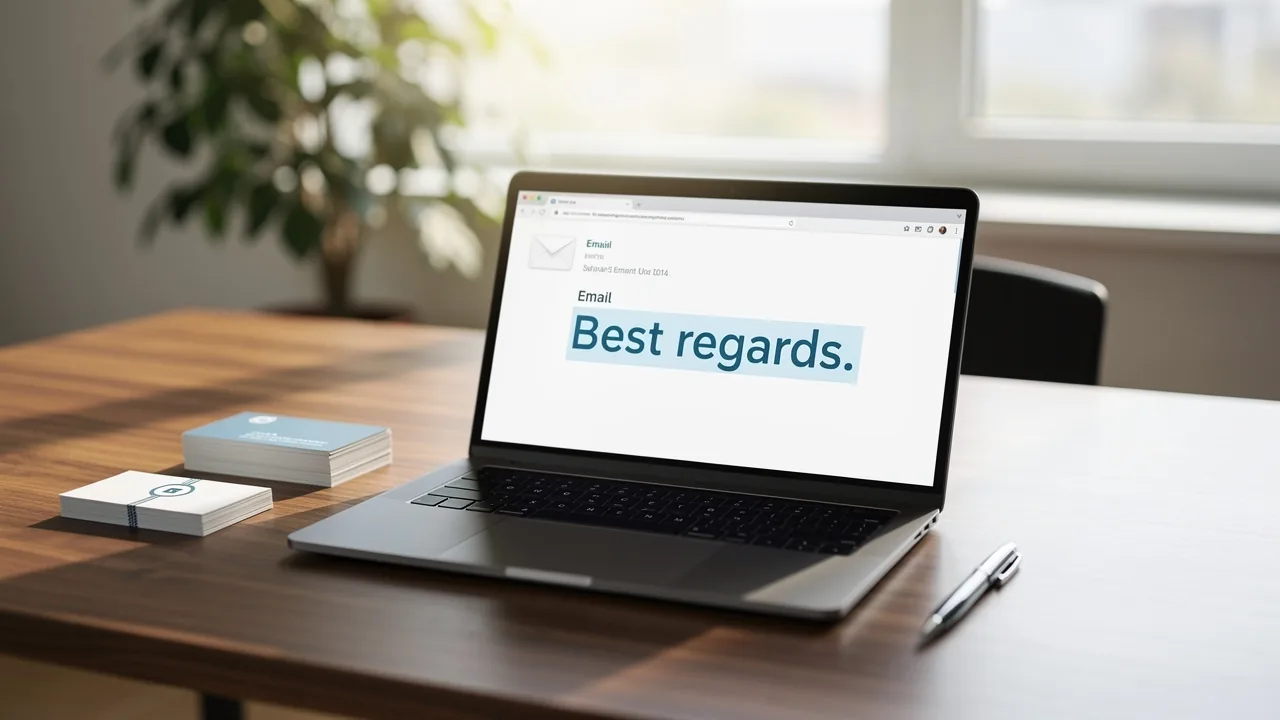
Navigating the complexities of professional communication can be challenging, especially when it comes to choosing the right sign-off. Among the myriad of options, "Best regards" stands out as a versatile phrase that balances formality with a personal touch, making it a preferred choice in various contexts.
However, what exactly does "Best regards" convey, and how has its usage evolved over time? Let’s take a closer look at what this common sign-off means and how it can be effectively used, shedding light on its importance in fostering positive professional relationships.
Define 'Best Regards': Meaning and Context
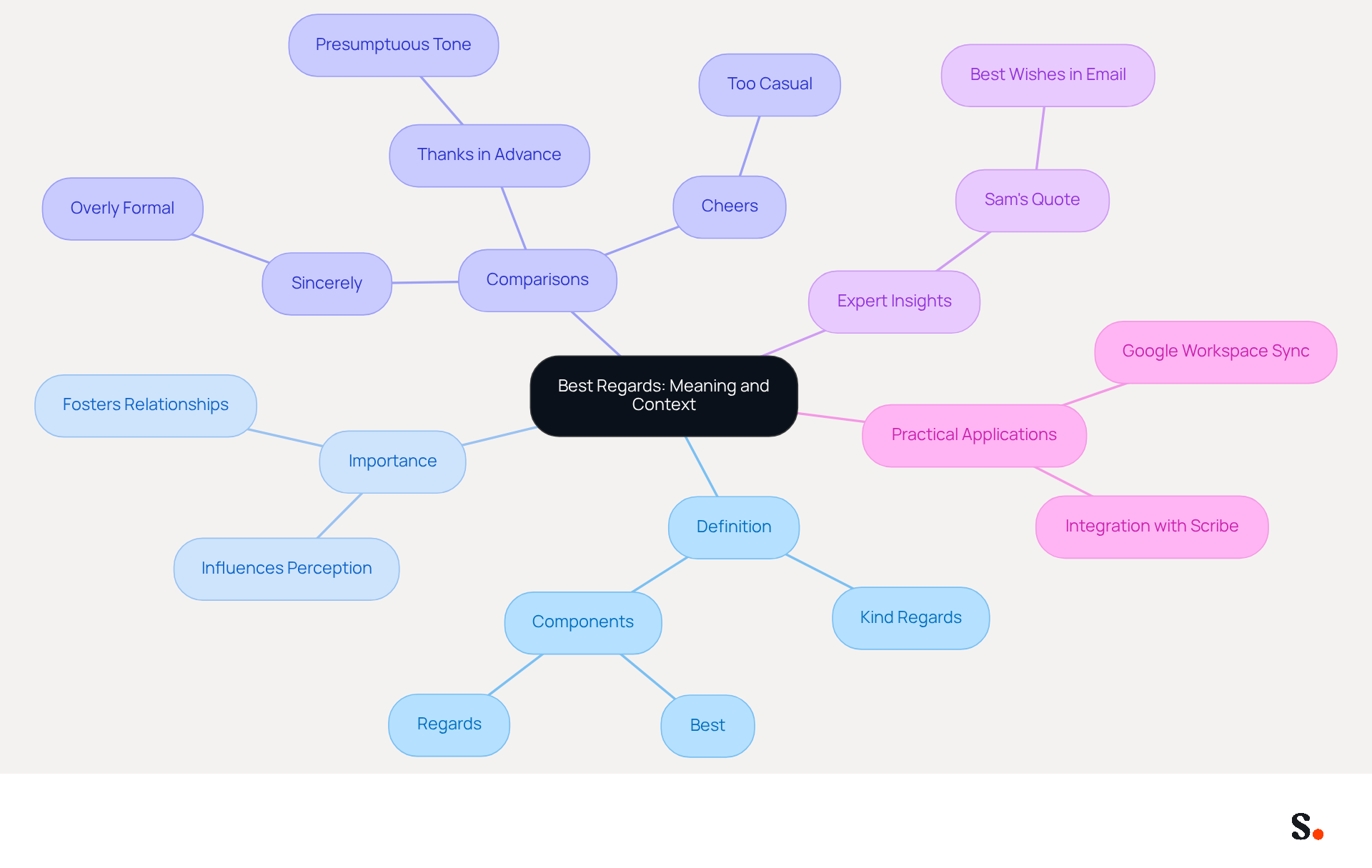
The choice of sign-off in professional communication can significantly influence the recipient's perception. 'Kind regards' shows goodwill and respect towards the recipient. This phrase merges 'best', which signifies the highest level of regard, with 'regards', reflecting thoughts or feelings towards someone. Consequently, 'Kind regards' acts as a courteous and suitable method to conclude a message, indicating that the sender appreciates the recipient's time and relationship.
Understanding what do best regards mean is important in your messages, as it strikes a balance between formality and friendliness, making it suitable for various contexts. It is particularly effective in professional settings, where it can enhance the sender's image and foster positive relationships. For instance, it is often preferred over alternatives like 'Sincerely', which may come off as overly formal or outdated in modern correspondence.
The choice of sign-off can greatly influence how recipients perceive your message. A study comparing different sign-offs found that 'Kind regards' is viewed as neutral and non-offensive, meeting the requirement of a sign-off without negatively impacting the recipient's perception. In contrast, sign-offs like 'Thanks in advance' can be seen as presumptuous, while 'Cheers' may be too casual for formal interactions. Significantly, 40% of Koreans perceived Australian correspondence as impolite, emphasizing the cultural subtleties in communication.
Expert insights emphasize the adaptability of 'Kind regards', making it a reliable option for messages to colleagues, clients, and other business contacts. Sam, an email marketing specialist, states, 'Yes, you should definitely include best wishes in email as your sign-off.' This endorsement strengthens the case for utilizing 'Kind regards' in professional environments. Furthermore, case studies comparing 'Kind regards' with other sign-offs, such as 'Sincerely' and 'Thanks in advance', demonstrate its versatility and suitability in various contexts.
Furthermore, integrating Scribe with Google Workspace greatly improves the efficiency of using 'Kind regards'. By syncing your Google Workspace with Scribe, you save time as your teammates' data is automatically updated, allowing for seamless auto-filling of signature information. This means any changes in your Google Workspace, such as moving teammates between groups or updating their job positions, will be reflected in Scribe without any manual input. This efficiency not only improves the professionalism of your email communications but also guarantees that your use of 'Kind regards' is consistently backed by precise and current signature information. Ultimately, the right sign-off can enhance your professional image and strengthen your relationships.
Explore the Origins of 'Best Regards'
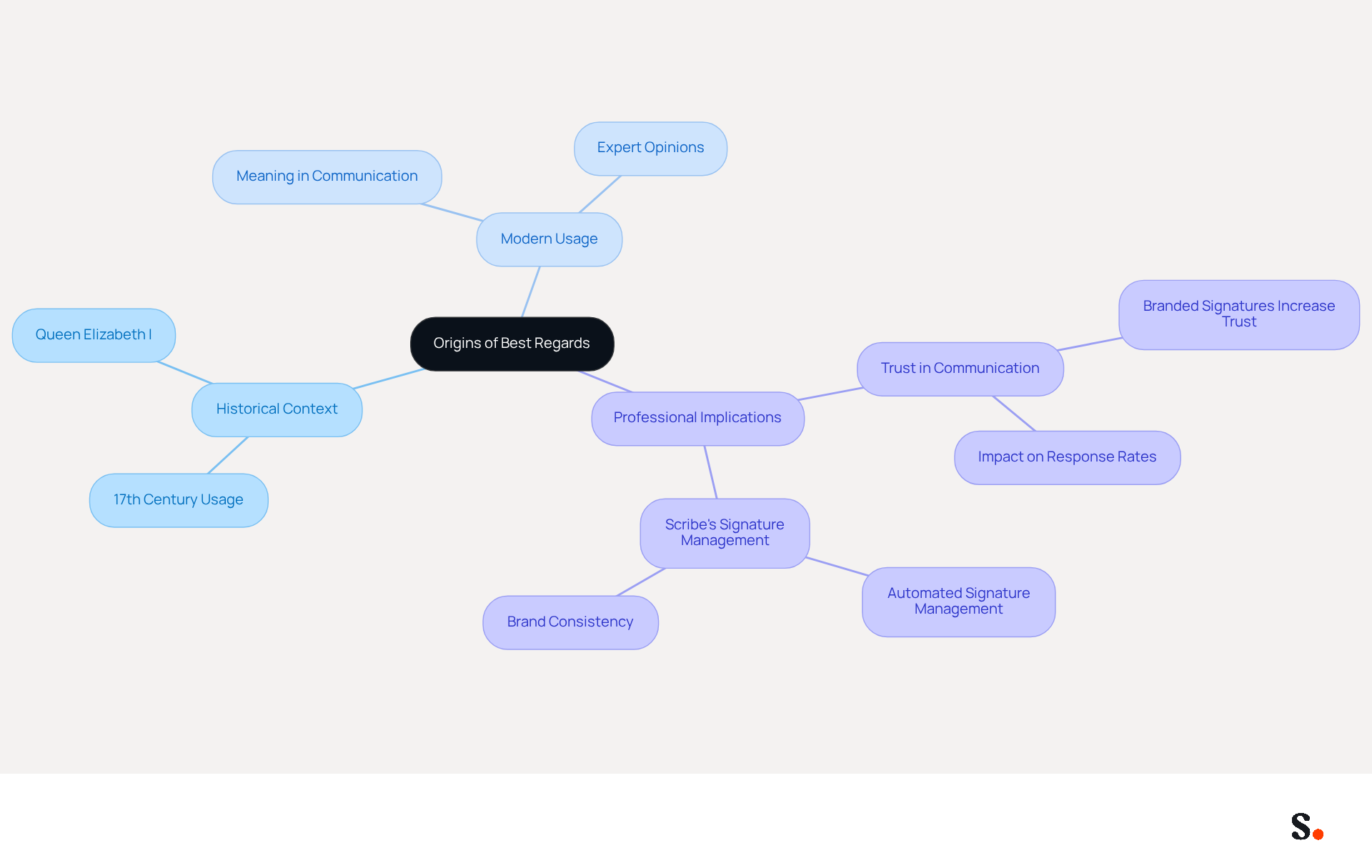
The phrase 'Kind wishes' reflects a long-standing tradition in letter writing, serving as a polite closing that has evolved over centuries. Historical records suggest that variations of this phrase have been used since at least the 17th century. For instance, a letter from Queen Elizabeth I in 1601 included a similar valediction, indicating that expressions of goodwill have long been a part of formal correspondence.
Over time, 'Best regards' has become a staple in modern communication, prompting the question of what do best regards mean, as it reflects a blend of professionalism and personal touch that is valued in today's digital interactions. Research indicates that 76% of experts believe a branded signature boosts trust in the sender, underscoring the need for a polite tone.
Furthermore, with Scribe's automated signature management, organizations can save time by auto-filling signatures using HRIS data, ensuring that every message sent reflects consistent branding and professionalism. This shift towards professionalism not only fosters trust but also enhances the overall effectiveness of communication. Scribe's SOC 2 Type II compliance ensures that your data is securely managed, reinforcing the need for brand consistency and credibility in all communications.
Identify Key Characteristics and Usage of 'Best Regards'
Choosing the right closing phrase in professional communication is crucial for establishing rapport and conveying respect.
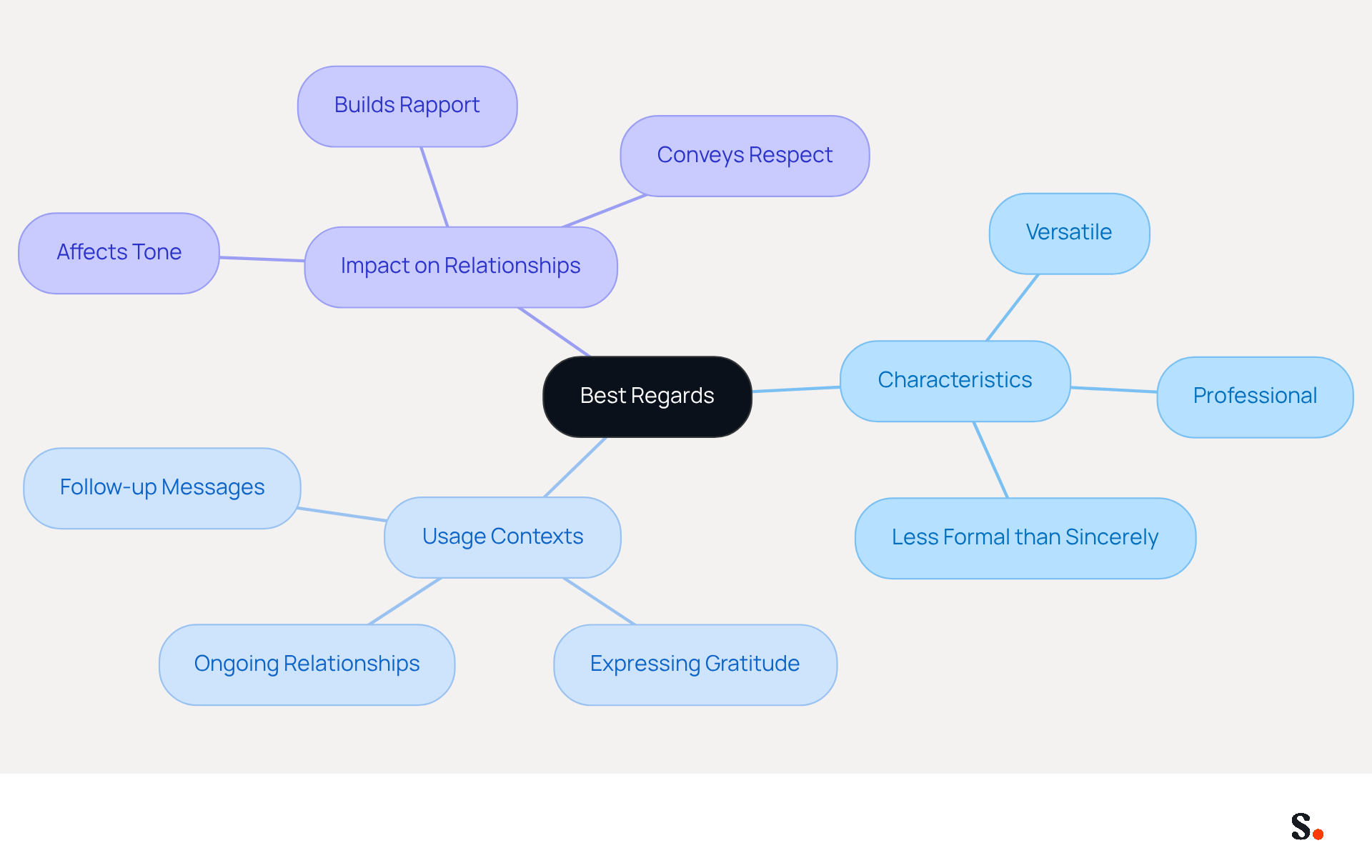
'What do best regards mean' is a phrase characterized by its versatility and professionalism. This phrase is particularly effective for recipients with whom the sender has an ongoing relationship. It's a bit less formal than 'Sincerely,' making it a great choice when you want to keep things friendly while still being professional.
Grasping the context is essential; for example, it may be more appropriate in follow-up messages after meetings or when expressing gratitude for assistance.
Ultimately, the choice of closing phrase, such as what do best regards mean, can significantly impact the tone of your correspondence and the relationship with your recipient.
Provide Examples of 'Best Regards' in Professional Emails
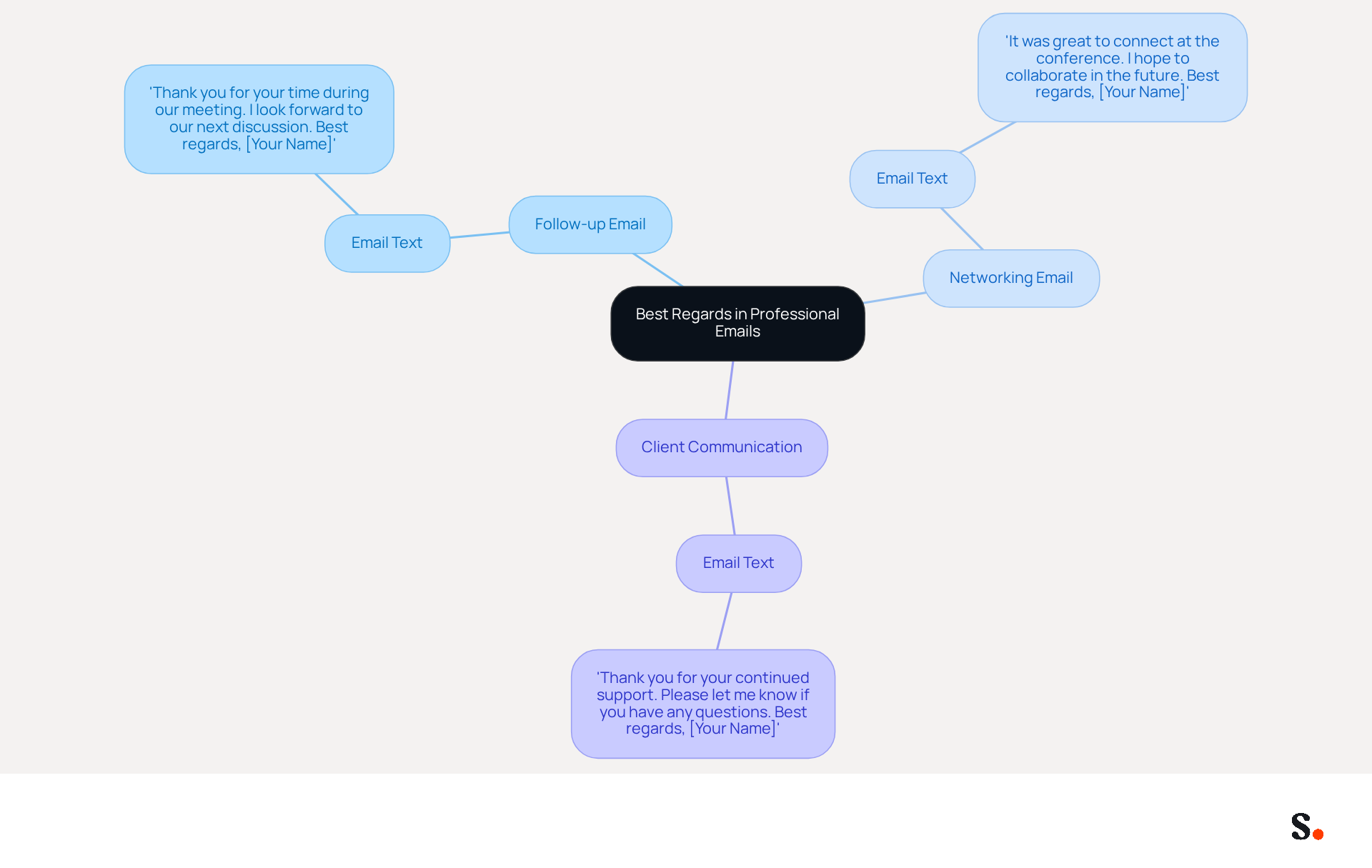
Choosing the right email sign-off can influence the effectiveness of your communication. Instances of utilizing 'Best regards' in professional emails include:
- Follow-up Email: 'Thank you for your time during our meeting. I look forward to our next discussion. Best regards, [Your Name]
- Networking Email: 'It was great to connect at the conference. I hope to collaborate in the future. Best regards, [Your Name]
- Client Communication: 'Thank you for your continued support. Please let me know if you have any questions. Best regards, [Your Name]
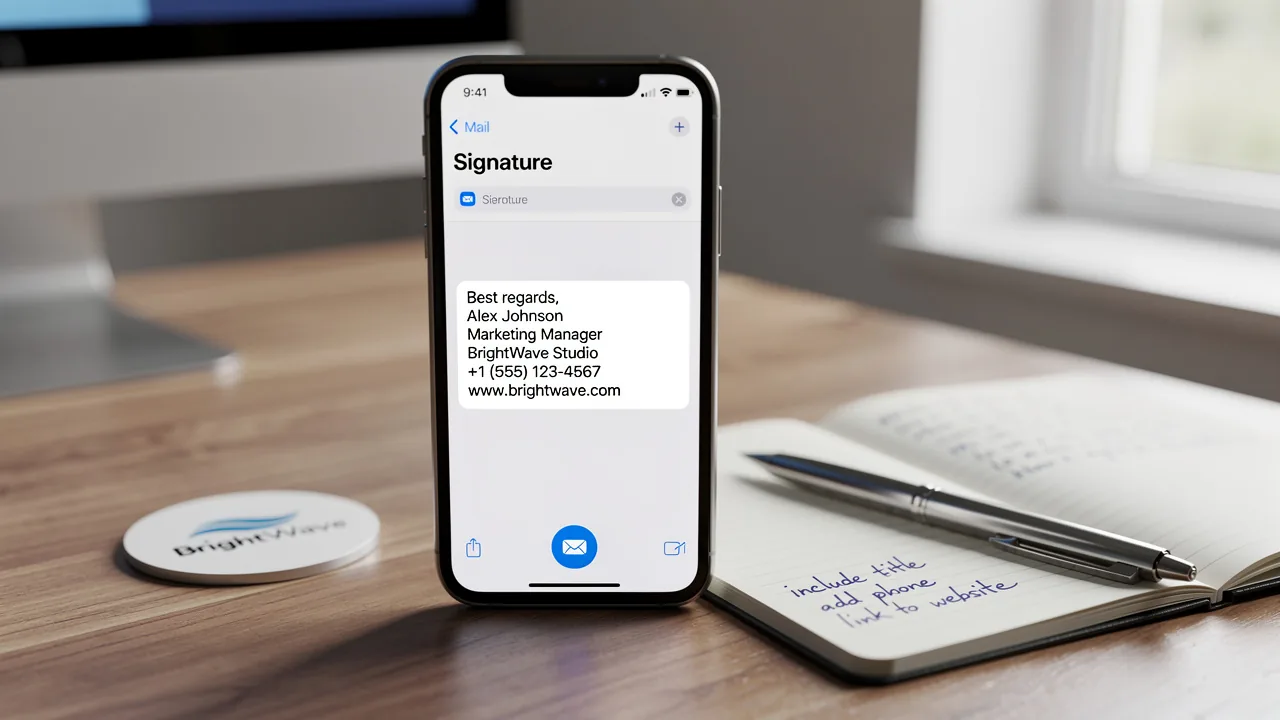
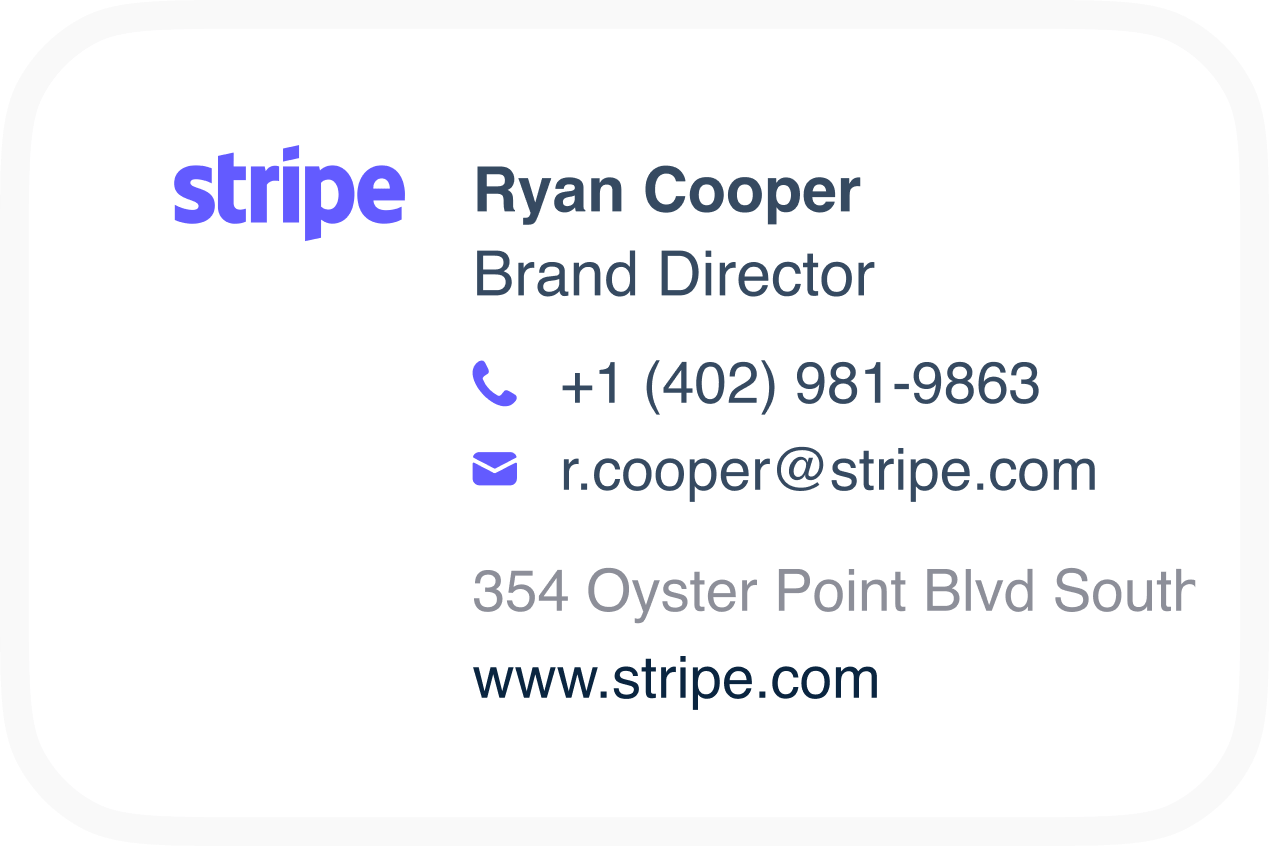
These examples show how 'Best regards' strikes a balance between professionalism and friendliness. Using this sign-off not only reinforces a respectful closing but also enhances the likelihood of a positive response, as clear and courteous communication is essential in professional networking. Furthermore, it is crucial to align the tone of your message with the situation, ensuring that your communication is suitable for the context. Including a signature block with your full name, role, company, and contact details further enhances professionalism. Keeping messages concise - ideally under 125 words - respects the recipient's time and enhances the likelihood of a response. Clarity in your message is paramount, as it ensures that your intent is understood, making 'Best regards' a fitting choice for closing your emails.
Conclusion
The choice of sign-off in professional communication can either strengthen or weaken relationships, depending on the phrase used. The phrase 'Best regards' serves as a vital component in professional communication, effectively conveying goodwill and professionalism, making it suitable for various business contexts.
This article has explored how 'Best regards' has evolved and why it remains relevant today. Key insights reveal that this sign-off strikes a balance between formality and approachability, making it preferable over alternatives like 'Sincerely' or overly casual options. The adaptability of 'Best regards' is further supported by expert opinions and case studies, emphasizing its effectiveness in fostering positive relationships and enhancing communication.
Choosing the wrong sign-off can lead to misunderstandings and missed opportunities in professional settings. By adopting 'Best regards,' professionals can enhance their communication and build stronger connections. Utilizing 'Best regards' not only reflects a courteous tone but also aligns with the need for brand consistency and professionalism in email communications. Choosing 'Best regards' can transform how your messages are perceived, ultimately shaping the success of your professional interactions.
Frequently Asked Questions
What does "Best Regards" mean in professional communication?
"Best Regards" is a sign-off that signifies goodwill and respect towards the recipient, merging 'best' (the highest level of regard) with 'regards' (thoughts or feelings towards someone). It indicates appreciation for the recipient's time and relationship.
Why is it important to understand the meaning of "Best Regards"?
Understanding the meaning of "Best Regards" is important as it strikes a balance between formality and friendliness, making it suitable for various contexts, particularly in professional settings where it can enhance the sender's image and foster positive relationships.
How does "Best Regards" compare to other sign-offs like "Sincerely"?
"Best Regards" is often preferred over "Sincerely" as it is viewed as less formal and more modern, making it more suitable for contemporary correspondence.
What are the perceptions of different sign-offs in communication?
A study found that "Best Regards" is seen as neutral and non-offensive, while sign-offs like "Thanks in advance" can be perceived as presumptuous, and "Cheers" may be too casual for formal interactions.
How does cultural context affect the perception of sign-offs?
Cultural subtleties can influence how sign-offs are perceived; for example, 40% of Koreans viewed Australian correspondence as impolite, highlighting the importance of understanding cultural differences in communication.
In what contexts is "Best Regards" considered a reliable option?
"Best Regards" is considered a reliable option for messages to colleagues, clients, and other business contacts due to its adaptability and positive reception.
How can integrating Scribe with Google Workspace improve the use of "Best Regards"?
Integrating Scribe with Google Workspace improves efficiency by automatically updating teammates' data, allowing for seamless auto-filling of signature information, which enhances the professionalism of email communications.
What is the overall impact of using the right sign-off like "Best Regards"?
The right sign-off can enhance your professional image and strengthen relationships, making it an important aspect of effective communication.
List of Sources
- Define 'Best Regards': Meaning and Context
- Are people misinterpreting your email sign-off? (https://bbc.com/worklife/article/20180413-best-wishes-kind-regards-or-an-icy-yrs)
- The beautiful ways different cultures sign emails (https://bbc.com/worklife/article/20190508-why-the-way-you-close-your-emails-is-causing-confusion)
- Why Best Regards Is the Ultimate Email Sign-Off (With One Exception) (https://gmass.co/blog/best-regards)
- Explore the Origins of 'Best Regards'
- 40+ Email Signature Statistics for 2026 (Data + Insights) (https://wavecnct.com/blogs/email-signature-statistics)
- Are people misinterpreting your email sign-off? (https://bbc.com/worklife/article/20180413-best-wishes-kind-regards-or-an-icy-yrs)
- english.stackexchange.com (https://english.stackexchange.com/questions/11666/when-did-the-valediction-best-regards-come-into-use)
- Identify Key Characteristics and Usage of 'Best Regards'
- 100 Compelling Email Statistics for 2026 | PGM Solutions (https://porchgroupmedia.com/blog/100-compelling-email-statistics-to-inform-your-strategy-in-2023)
- Why Best Regards Is the Ultimate Email Sign-Off (With One Exception) (https://gmass.co/blog/best-regards)
- Are people misinterpreting your email sign-off? (https://bbc.com/worklife/article/20180413-best-wishes-kind-regards-or-an-icy-yrs)
- 105 Alternatives to “Best Regards” for Your Email Sign-Off (https://wisestamp.com/blog/best-regard-alternatives)
- Provide Examples of 'Best Regards' in Professional Emails
- 7 Professional Email Writing Tips: Clear, Effective Emails That Get Noticed | Analyst Academy (https://theanalystacademy.com/professional-email-writingsthat-get-noticed)
- Forget “Best” or “Sincerely,” This Email Closing Gets the Most Replies – The Boomerang Blog (https://blog.boomerangapp.com/2017/01/how-to-end-an-email-email-sign-offs)
- Writing Professional Emails: Effective Strategies and Etiquette : Biological Engineering Communication Lab (https://mitcommlab.mit.edu/be/2025/10/03/writing-professional-emails-effective-strategies-and-etiquette)
- 25 email communication examples that drive results (https://blog.superhuman.com/email-communication-examples)
Get started with Scribe
Build a professional email signature
Free 14-day trial — no credit card.