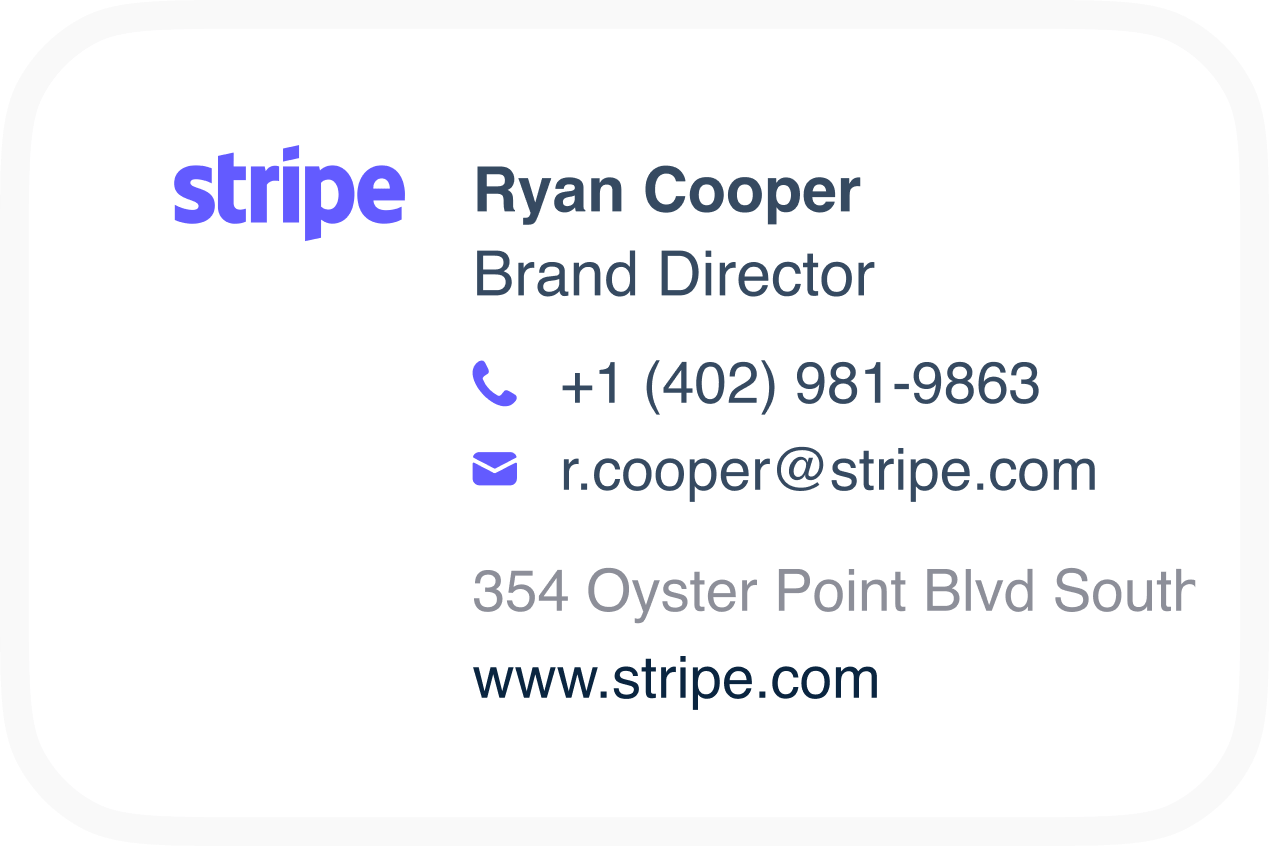
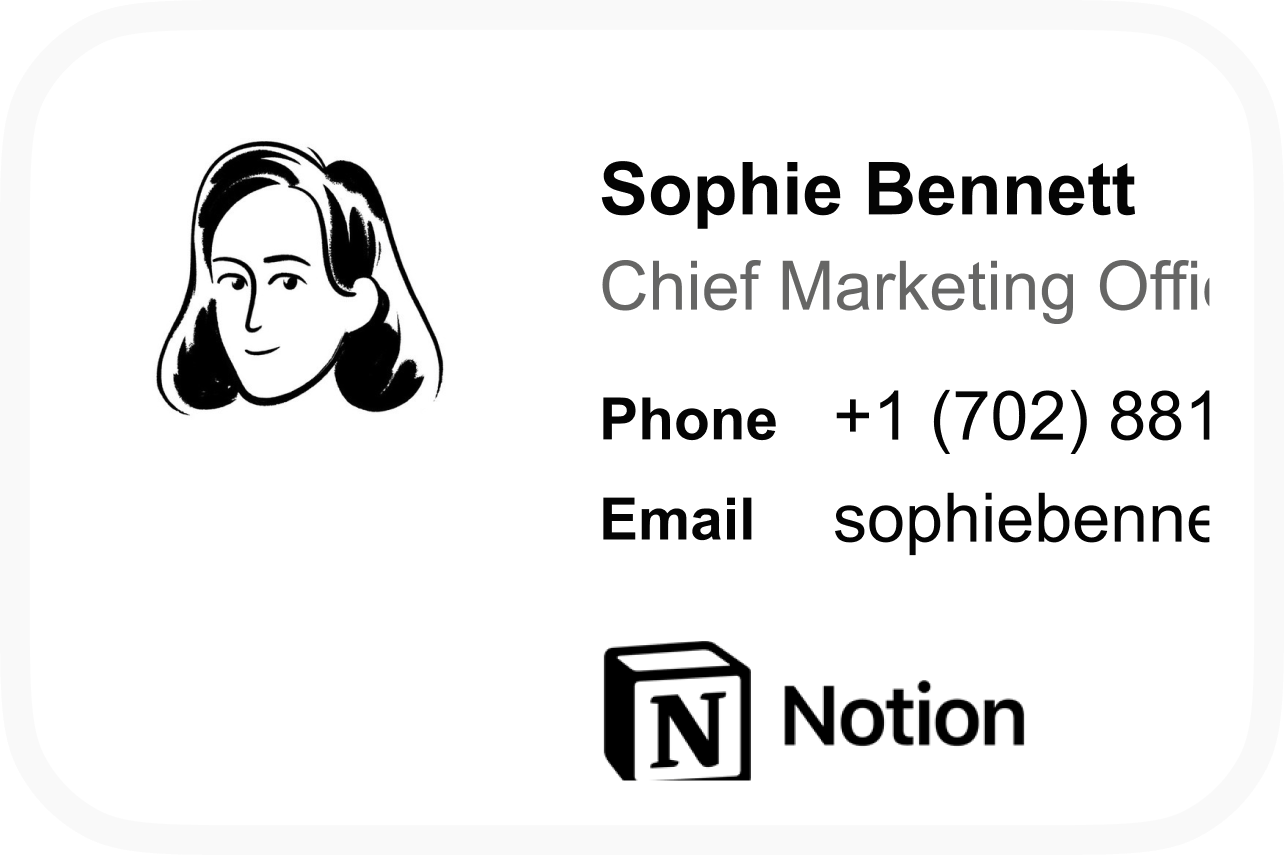
4 Best Practices for a Professional Resident Email Signature
Creating a professional resident email signature presents a unique challenge that extends beyond mere formality. It is a vital component of effective
Sophie Grant
Email Signature Specialist, Scribe
Introduction
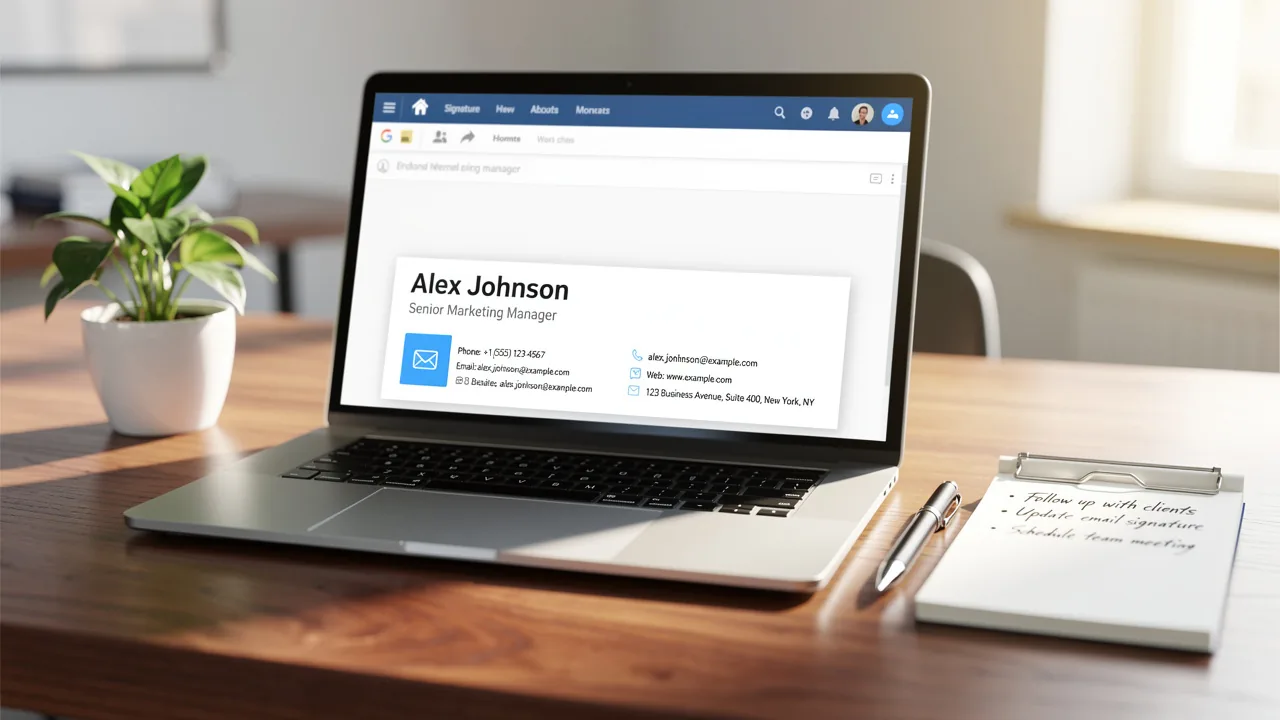
Creating a professional resident email signature presents a unique challenge that extends beyond mere formality. It is a vital component of effective communication and brand representation. By incorporating essential contact information and maintaining visual consistency, professionals can enhance their credibility and foster trust with recipients. Yet, finding the right balance between professionalism and engagement can be a real challenge for organizations.
How can they ensure their email signatures not only convey necessary information but also serve as powerful marketing tools? This article will delve into best practices for crafting impactful resident email signatures that not only resonate with recipients but also comply with necessary standards.
Include Essential Contact Information and Credentials
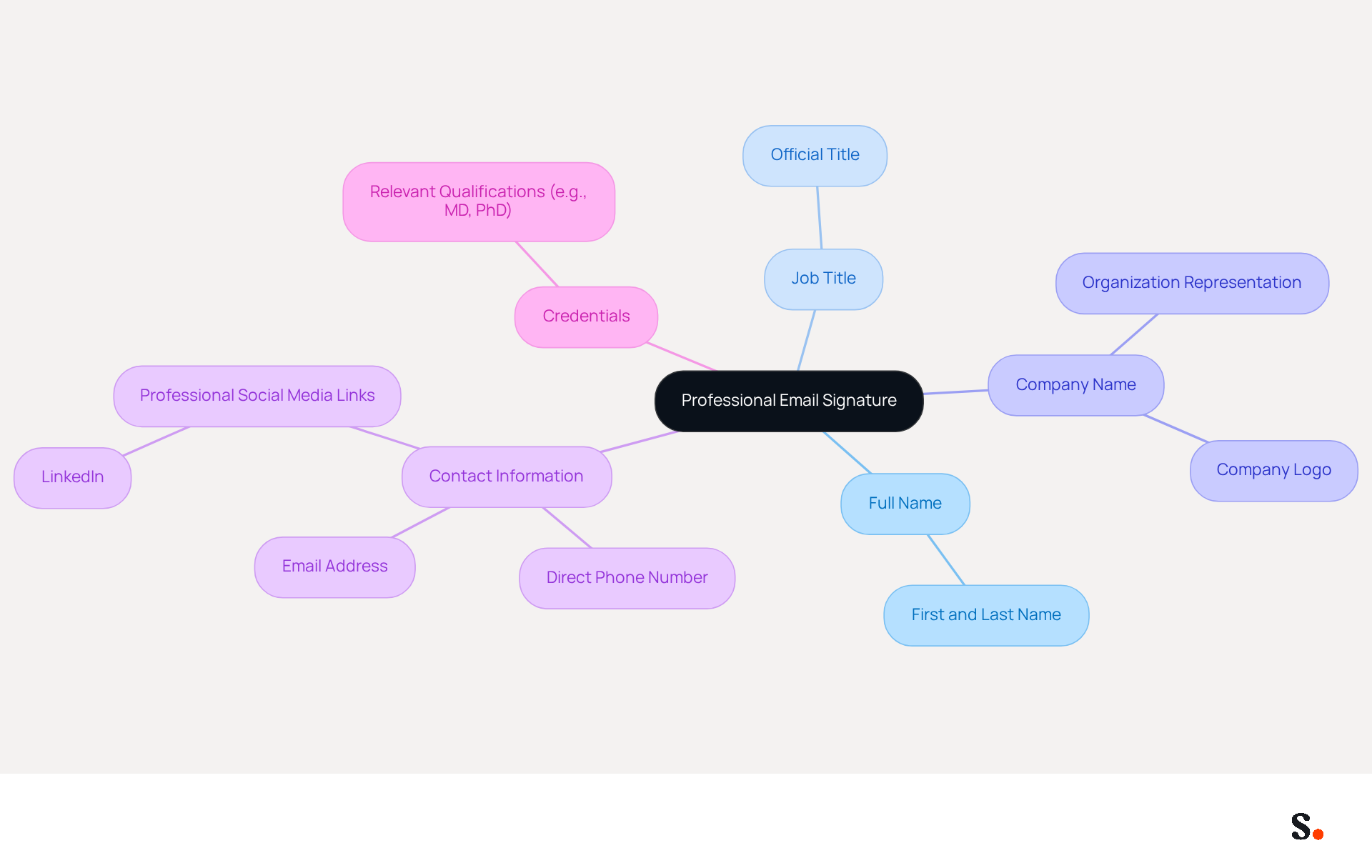
A professional resident email signature is crucial for effective communication and establishing credibility. A well-crafted signature must include essential contact information to facilitate seamless interactions. Key elements to incorporate are:
- Full Name: Clearly state your first and last name to personalize the communication.
- Job Title: Include your official title to establish your role and authority.
- Company Name: Mention the organization you represent, ideally accompanied by the company logo to reinforce branding.
- Contact Information: Provide a direct phone number and email address. If applicable, include links to professional social media profiles, such as LinkedIn.
- Credentials: For professionals in fields like healthcare or academia, listing relevant credentials (e.g., MD, PhD) enhances credibility.
These elements not only refine your identity but also ensure that recipients can easily reach you via your resident email signature. Research shows that thorough contact information, such as a resident email signature, can significantly boost engagement rates, with well-designed email footers leading to up to 40% higher interaction rates. Furthermore, entities that standardize their communication footers experience a 22% rise in recognition and trust, underscoring the importance of professionalism in all interactions. Scribe ensures that any changes you make in your Aircall settings are instantly updated in your email signatures, maintaining brand consistency and simplifying updates. Additionally, Scribe's SOC 2 Type II compliance guarantees secure data management, making it an ideal solution for organizations committed to high security standards while managing their digital identifiers.
Maintain Professional Branding and Visual Consistency
Creating a professional resident email signature is essential for maintaining brand integrity and visual consistency. Here are some best practices:
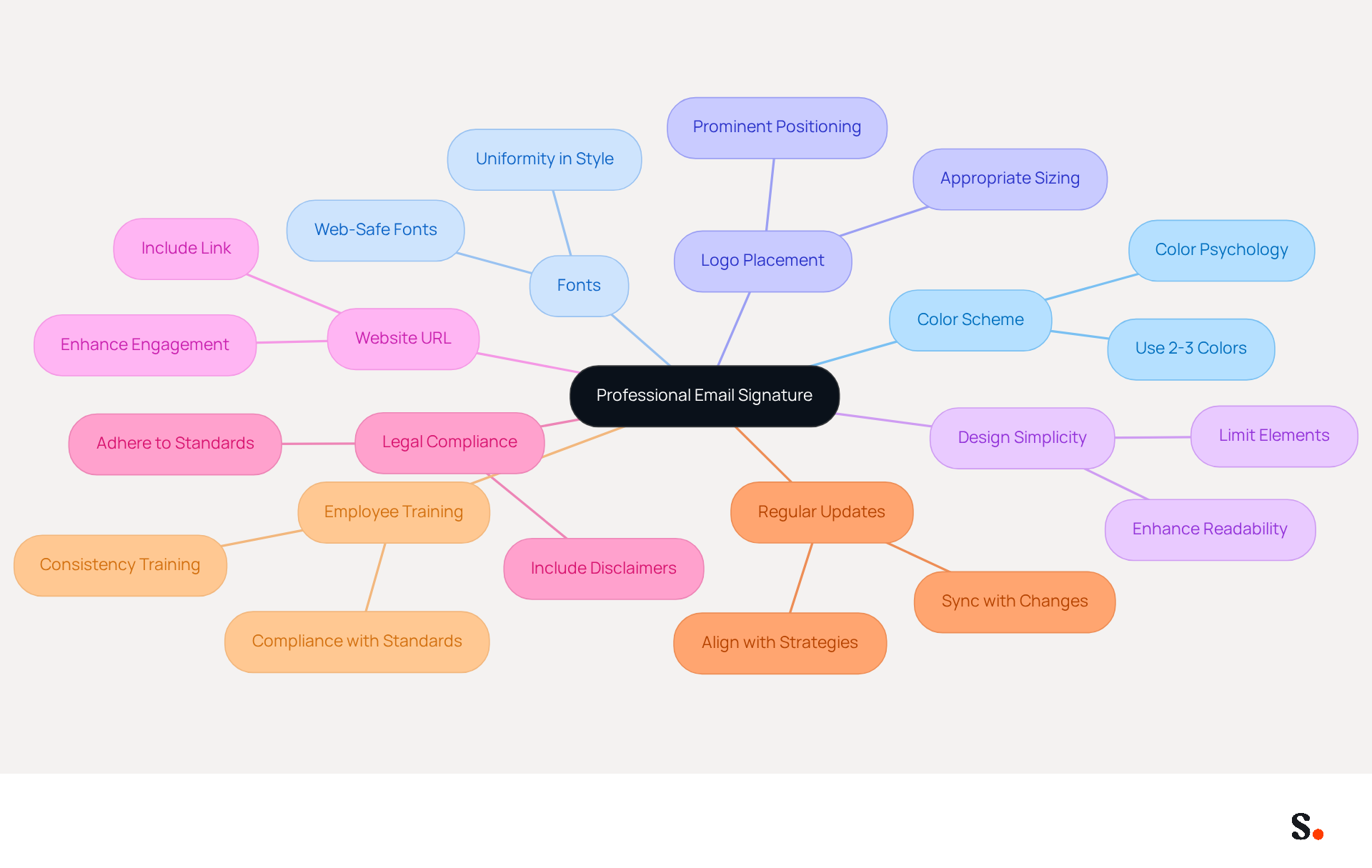
- Color Scheme: Using two to three colors helps maintain professionalism and trust without overwhelming the recipient. Color psychology plays a significant role in shaping perceptions of credibility.
- Fonts: Select web-safe fonts that are easy to read. Uniformity in font style and size throughout all communications within the organization is essential, as it strengthens identity and improves clarity.
- Logo Placement: Position your company logo prominently, ensuring it is appropriately sized and does not overshadow the text. A well-placed logo enhances recognition and credibility.
- Design Simplicity: Limit the number of elements in your footer to avoid clutter. A clean design not only enhances readability but also communicates professionalism, which is essential for sustaining a positive image.
- Website URL: Including a website link in your correspondence can direct recipients to further engage with Scribe, enhancing overall interaction.
- Legal Compliance: Ensure that your correspondence identifiers adhere to relevant legal standards, including necessary disclaimers, to maintain professionalism and build trust with clients.
- Regular Updates: Consistently refresh key elements to align with evolving strategies and ensure compliance with current guidelines. With Scribe, modifications made in your linked business phone system, such as Aircall, will automatically sync to your correspondence identifiers, ensuring that your branding remains consistent without needing manual updates.
- Employee Training: Implement consistency training for staff to ensure compliance with standards in communication formats.
By following these guidelines, you can create a resident email signature that not only looks professional but also reinforces your brand with every email. Ultimately, a well-crafted email footer can significantly enhance your brand's credibility and foster stronger client relationships.
Leverage Email Signatures for Engagement and Marketing
When strategically designed, a resident email signature can serve as a powerful marketing tool that enhances engagement and drives results. Here are effective strategies to enhance engagement through your email signature:
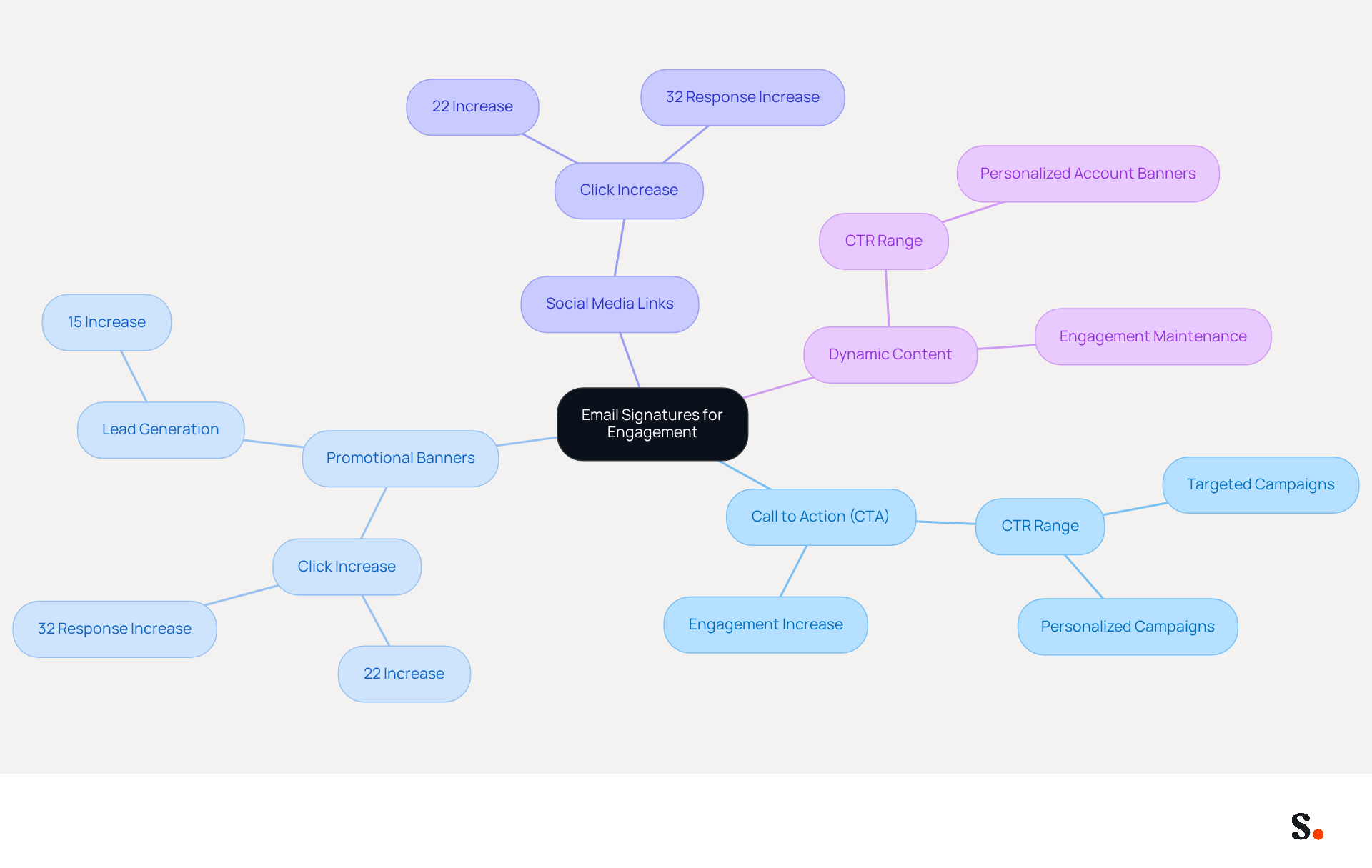
- Call to Action (CTA): When crafted well, CTAs can really make a difference in engagement, with tailored messages often seeing click-through rates (CTR) between 2.5% and 5% in targeted campaigns, and some personalized campaigns even hitting up to 7%. Incorporate a clear and compelling CTA that prompts recipients to take specific actions, such as visiting your website, signing up for a newsletter, or exploring new products.
- Promotional Banners: Utilize visually appealing banners to showcase current promotions, events, or important announcements. Studies indicate that email branding campaigns can increase clicks by 22%, responses by 32%, and leads by 15%, proving to be a powerful way to drive traffic. Align these banners with your identity to maintain consistency.
- Social Media Links: Add icons linking to your company’s social media profiles to encourage recipients to connect with your brand across multiple platforms. This integration can lead to a 22% increase in clicks and a 32% rise in response rates, enhancing your overall online presence.
- Dynamic Content: Implement dynamic content that updates automatically, such as rotating banners or seasonal promotions. This keeps your mark fresh and relevant, ensuring ongoing engagement. For example, entities that utilize automated scheduling for banner advertisements can synchronize their messaging with product launches and events, maximizing impact, with anticipated CTRs for personalized account banners ranging from 2.5% to 5.0%.
By implementing these strategies, you not only enhance engagement but also position your brand for greater visibility and success in the digital landscape.
Ensure Compliance and Security in Signature Design
To safeguard your organization and ensure compliance, it is essential to implement effective email signature design practices:
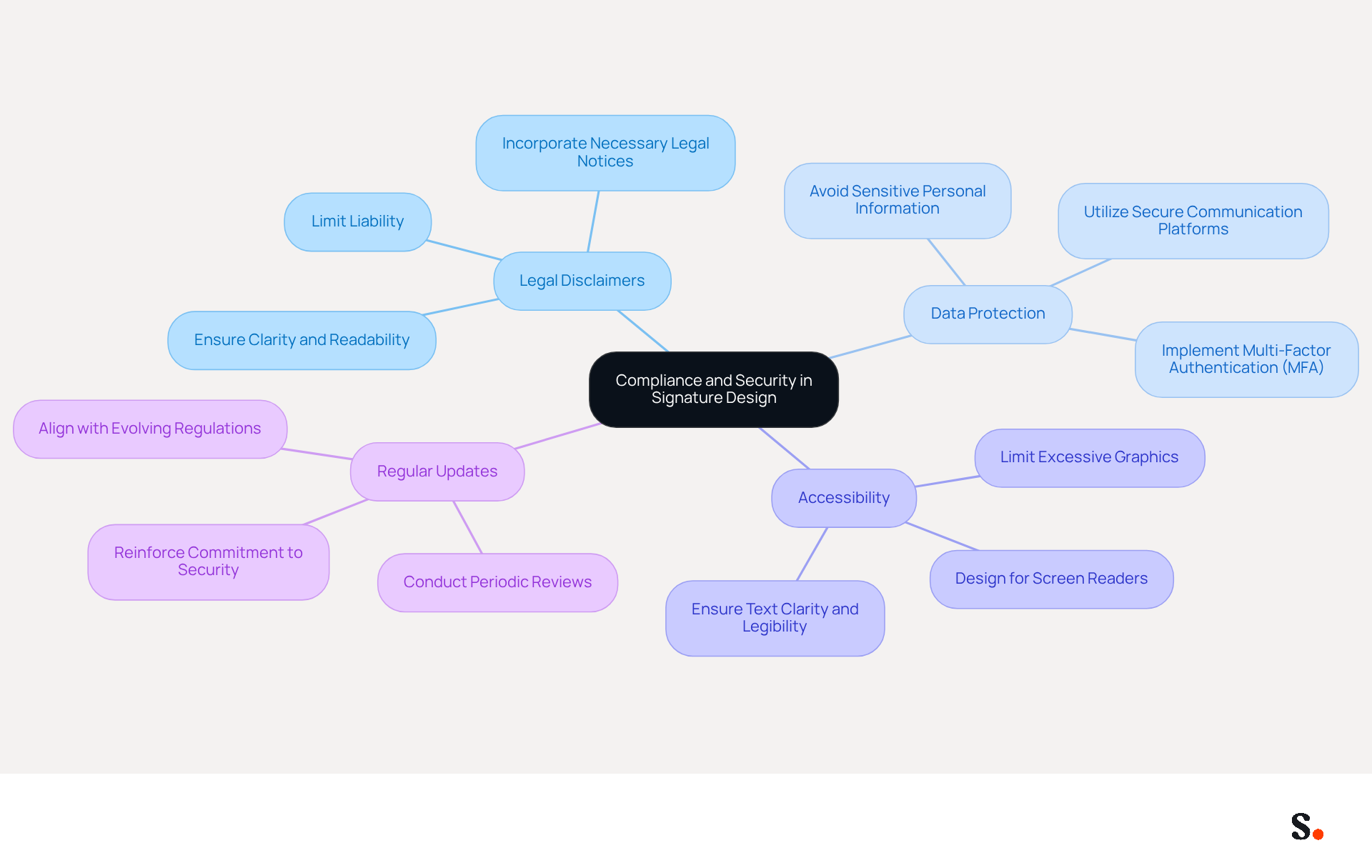
- Legal Disclaimers: Incorporate necessary legal disclaimers or confidentiality notices, particularly in regulated industries. This approach helps protect sensitive information and makes it clear what the communication entails, which can significantly lower the chances of legal problems.
- Data Protection: Avoid including sensitive personal information in your correspondence that could be exploited. Utilize secure communication platforms to manage identifiers, ensuring data integrity and compliance with data protection regulations.
- Accessibility: Design documents to be accessible for all recipients, including those using screen readers. Limit excessive graphics and ensure that text is clear and legible, enhancing the overall user experience.
- Regular Updates: Conduct regular reviews and updates of your correspondence identifiers to align with evolving regulations and organizational policies. This proactive approach helps maintain compliance and reinforces your commitment to security.
By implementing these guidelines, your organization can not only avoid risks but also enhance its reputation and trustworthiness in communications.
Conclusion
A professional email signature is essential for effective communication and brand representation, not merely an aesthetic choice. By including key details like contact information and ensuring visual consistency, organizations can enhance their credibility and foster stronger client relationships.
The article outlined four best practices that are crucial for crafting an impactful email signature:
- Including essential details such as your name, job title, and credentials establishes authority and facilitates communication.
- Maintaining professional branding through consistent colors, fonts, and logo placement reinforces brand identity.
- Leveraging email signatures as marketing tools through CTAs and promotional banners can drive engagement and increase visibility.
- Ensuring compliance and security protects sensitive information and builds trust with recipients.
In today's digital world, first impressions count, and a well-crafted email signature can really make a difference. Organizations should prioritize these best practices to not only enhance their professional image but also to maximize engagement and compliance. Ultimately, a strategic approach to email signatures can transform them into a key asset for building trust and enhancing client relationships.
Frequently Asked Questions
Why is a professional resident email signature important?
A professional resident email signature is crucial for effective communication and establishing credibility. It helps personalize communication and facilitates seamless interactions.
What essential elements should be included in a resident email signature?
Key elements to include are your full name, job title, company name (ideally with the company logo), contact information (direct phone number and email address), links to professional social media profiles (like LinkedIn), and relevant credentials (e.g., MD, PhD) for certain professions.
How does a well-crafted email signature impact engagement rates?
Research shows that thorough contact information in a resident email signature can significantly boost engagement rates, with well-designed email footers leading to up to 40% higher interaction rates.
What benefits do standardized communication footers provide?
Standardizing communication footers can lead to a 22% rise in recognition and trust, highlighting the importance of professionalism in all interactions.
How does Scribe assist with email signature management?
Scribe ensures that any changes made in Aircall settings are instantly updated in your email signatures, maintaining brand consistency and simplifying updates.
What security standards does Scribe comply with?
Scribe's SOC 2 Type II compliance guarantees secure data management, making it an ideal solution for organizations committed to high security standards while managing their digital identifiers.
List of Sources
- Include Essential Contact Information and Credentials
- 4 Best Practices for a Typical Email Signature That Boosts Marketing (https://scribe-mail.com/en-US/blog/4-best-practices-for-a-typical-email-signature-that-boosts-marketing)
- Email Signature Best Practices for 2026 (+ 15 Pro Examples) (https://wavecnct.com/blogs/email-signature-best-practices-2026)
- Best practices for business email signatures in 2026 (https://bybrand.io/blog/best-practices)
- Email Signature Best Practices (https://uschamber.com/co/grow/thrive/email-signature-best-practices)
- 20 best email signature design examples for 2026 — Stripo.email (https://stripo.email/blog/10-best-email-signature-design-examples)
- Maintain Professional Branding and Visual Consistency
- Email Signature Branding: Consistency and Impact | Crossware365 (https://crossware365.com/blog/mastering-email-signature-branding-market-presence)
- The impact of email signatures on your branding (https://signitic.com/en/resources/the-impact-of-email-signatures-on-your-branding)
- Email signature do’s & don’ts: from chaos to consistency and performance in every send (https://marketingtechnews.net/news/email-signature-dos-donts-from-chaos-to-consistency-and-performance-in-every-send)
- "Email Signature Trends for 2026: What's In, What's Out" | Crossware posted on the topic | LinkedIn (https://linkedin.com/posts/crossware-ltd_new-year-new-trends-even-for-your-email-activity-7394554686046908416-vD_O)
- Leverage Email Signatures for Engagement and Marketing
- 12 email signature marketing examples that drive clicks (2026) (https://signitic.com/en/resources/12-email-signature-marketing-examples-that-actually-drive-clicks)
- Email Signature Trends 2026: Centralized Control & Automation | SIGNandGO posted on the topic | LinkedIn (https://linkedin.com/posts/signngo_email-signature-trends-to-watch-in-2026-activity-7401523471786217473-zAVL)
- Why Email Signatures Must Be In Your 2026 Marketing Plan | Rocketseed (https://rocketseed.com/blog/2026-marketing-plan-email-signatures)
- Signature marketing: Triple your conversions with your signatures (https://mailbutler.io/blog/email/signature-marketing)
- 10 ideas for marketing campaigns in email signatures (https://signitic.com/en/resources/10-ideas-for-marketing-campaigns-in-email-signatures)
- Ensure Compliance and Security in Signature Design
- How do I add a legal disclaimer or confidentiality notice to my Gmail signature? | Email Signature Rescue Blog (https://emailsignaturerescue.com/blog/how-do-i-add-a-legal-disclaimer-or-confidentiality-notice-to-my-gmail-signature)
- Email Signature & Disclaimer: Stay Legally Compliant | Proofpoint (https://proofpoint-total-protection.com/services/email-signature-and-disclaimer)
- Enterprise-Grade Email Signature Security Enforcement | WiseStamp (https://wisestamp.com/blog/email-signature-security)
- The Importance of Email Disclaimers for Businesses - Tyler Law LLP (https://tylerlawllp.com/blog-posts/the-importance-of-email-disclaimers-for-businesses)
- What is an Email Legal Disclaimer and Why It Matters for Businesses (https://scribe-mail.com/en-US/blog/what-is-an-email-legal-disclaimer-and-why-it-matters-for-businesses)
Get started with Scribe
Manage signatures across your whole team
Free 14-day trial — no credit card.