4 Best Practices for an Effective Lawyer Signature Block
In the legal profession, a signature block is not merely a formality; it is a vital component of professional identity and compliance. By mastering the
Sophie Grant
Email Signature Specialist, Scribe

Introduction
In the legal profession, a signature block is not merely a formality; it is a vital component of professional identity and compliance. By mastering the essential components and branding elements of an effective signature block, legal professionals can enhance their credibility and foster trust with clients. Yet, as legal standards evolve and ethical transparency becomes paramount, lawyers must consider how to make their signature blocks both compliant and distinctive in a crowded marketplace. This article explores best practices for creating impactful lawyer signature blocks that reflect professionalism and compliance while leveraging automation tools for efficiency.
Define Essential Components of a Lawyer Signature Block
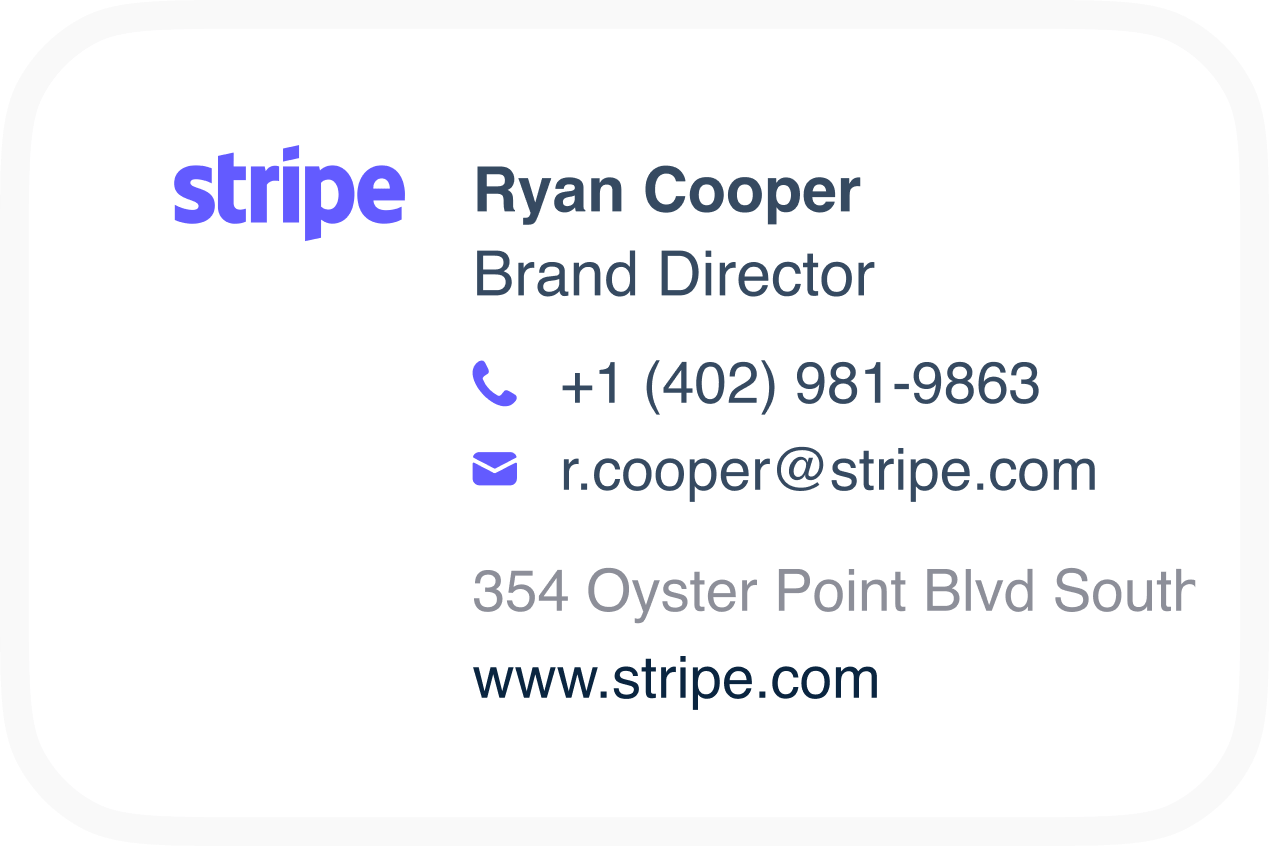
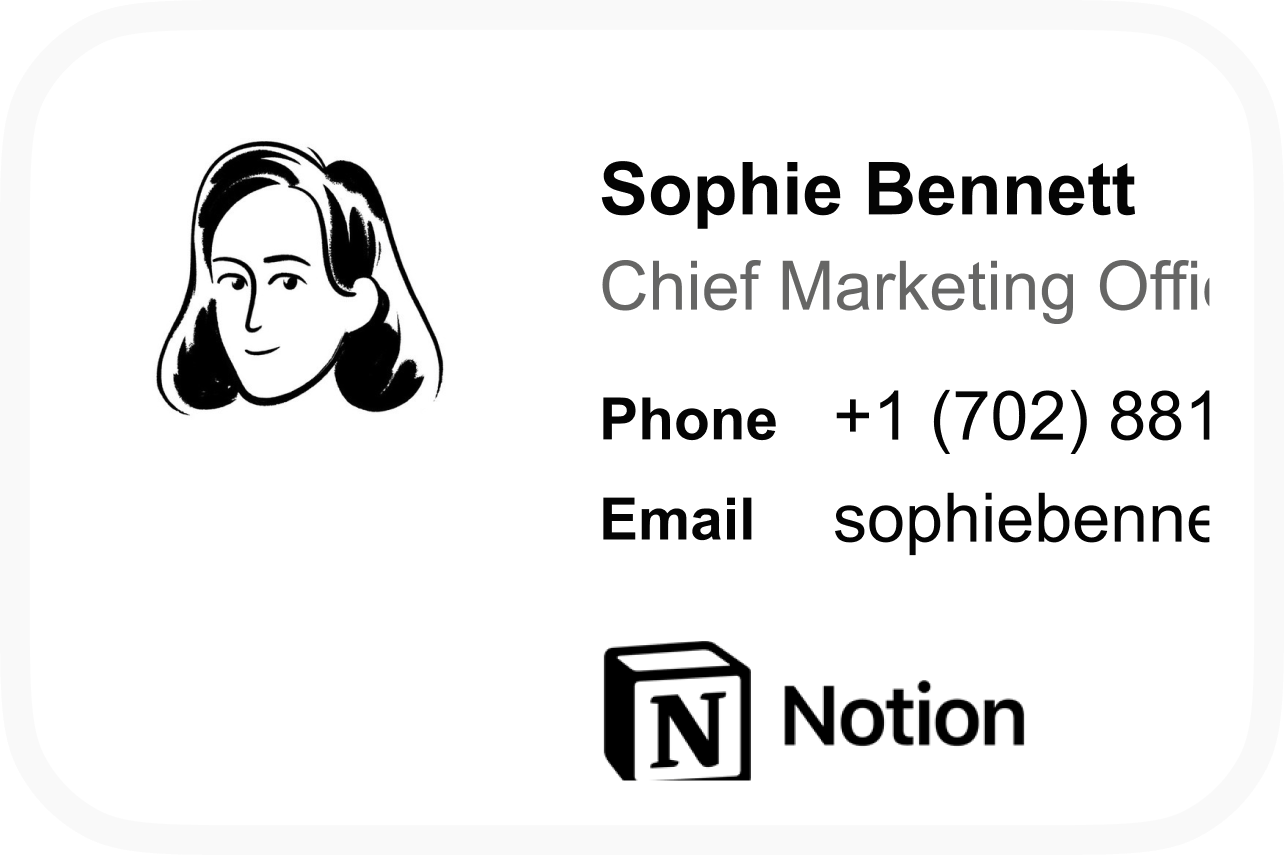
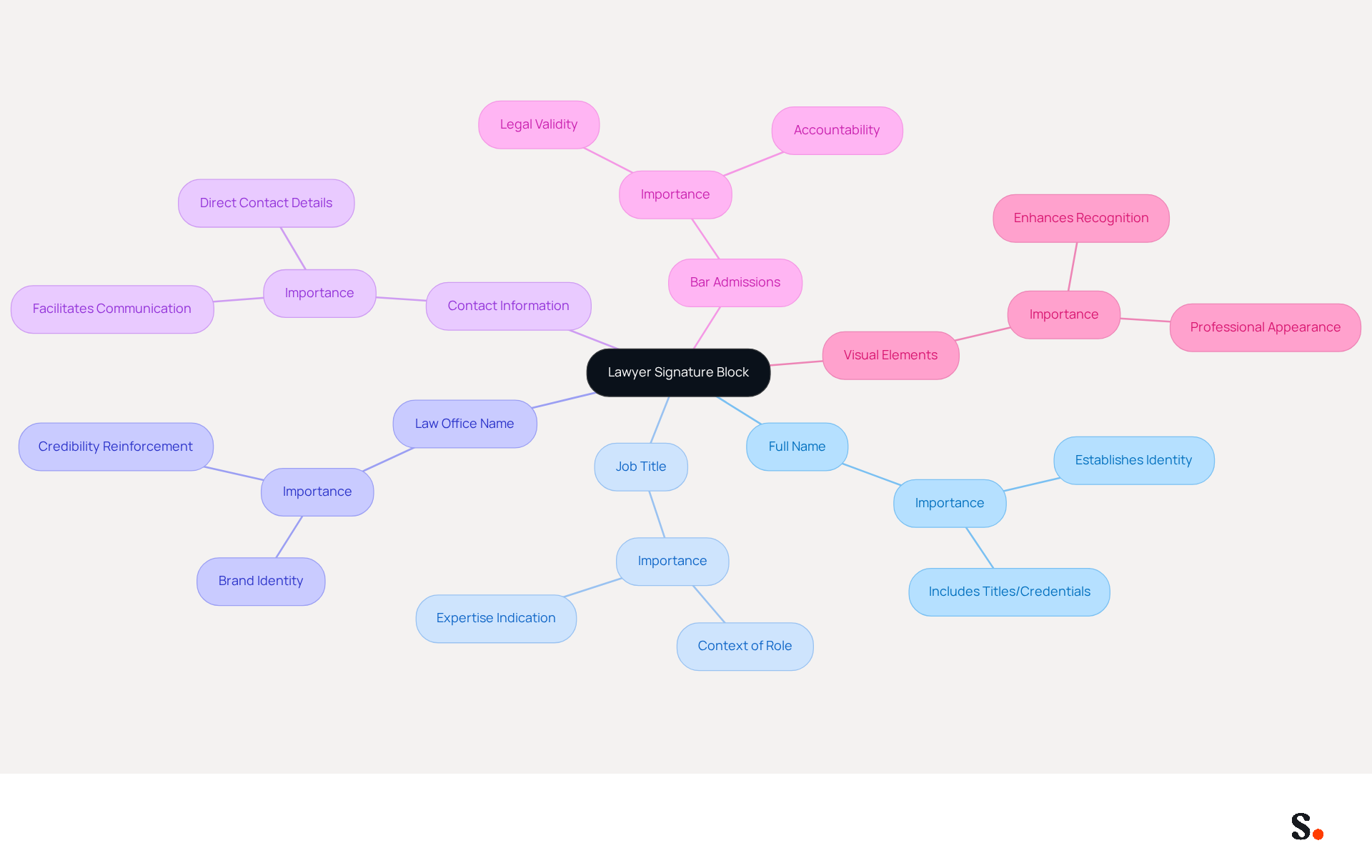
A lawyer signature block is not just a formality; it is a vital component of their professional identity and legal compliance. It should encompass several key components:
- Full Name: Clearly state the lawyer's full name, including any relevant titles or credentials (e.g., JD, Esq.), to establish their identity.
- Job Title: Specify the lawyer's position within the organization (e.g., Partner, Associate) to provide context about their role and expertise.
- Law Office Name: Include the name of the law office to reinforce brand identity and credibility.
- Contact Information: Provide direct phone numbers, email addresses, and links to the organization's website to facilitate easy interaction.
- Bar Admissions: Mention the jurisdictions where the lawyer is licensed to practice, which is essential for legal validity and accountability.
- Visual Elements: Incorporate the law firm's logo or branding elements to enhance recognition and professionalism.
Incorporating these components in the lawyer signature block meets legal requirements and effectively reflects the lawyer's professional identity. A well-designed email footer can greatly improve interactions, as 47% of prospects perceive companies more positively with professional email endings. Moreover, ensuring that signing areas are optimized for mobile is essential, considering that 60% of business communications are accessed on mobile devices. Regular updates not only ensure compliance but also enhance the lawyer's credibility and the firm's reputation.
To sync these identification sections with Scribe easily, you must grant permission for Scribe to connect with your email provider. As a Super Admin, you can select which teammates to sync, ensuring that not all Google Workspace accounts need to be included. Scribe automatically syncs teammate data daily, and for immediate updates, simply click 'Refresh' in the Teammates tab. With Scribe's compliance with SOC 2 Type II, you can trust that all data handling is secure, providing peace of mind for legal professionals. Furthermore, implementing compliance checks can reduce the risk of misrepresentation, ensuring that all signing areas conform to legal and branding standards.
Incorporate Branding Elements for Professionalism
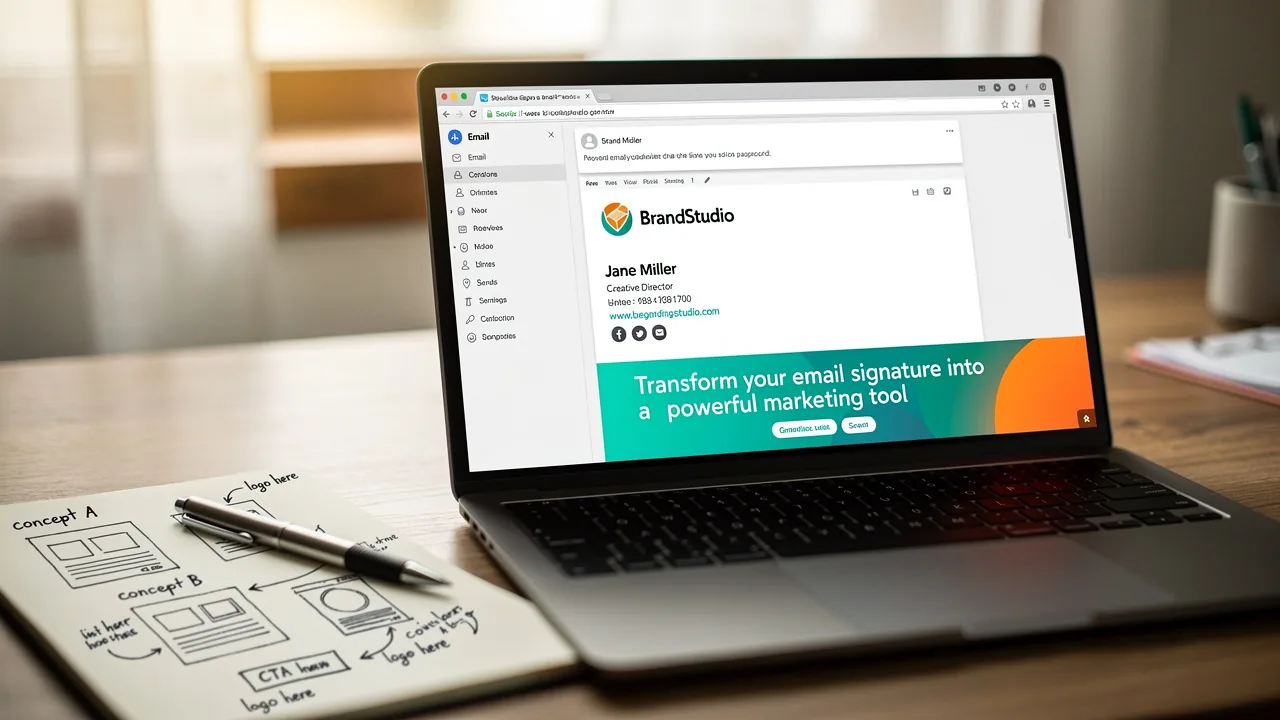
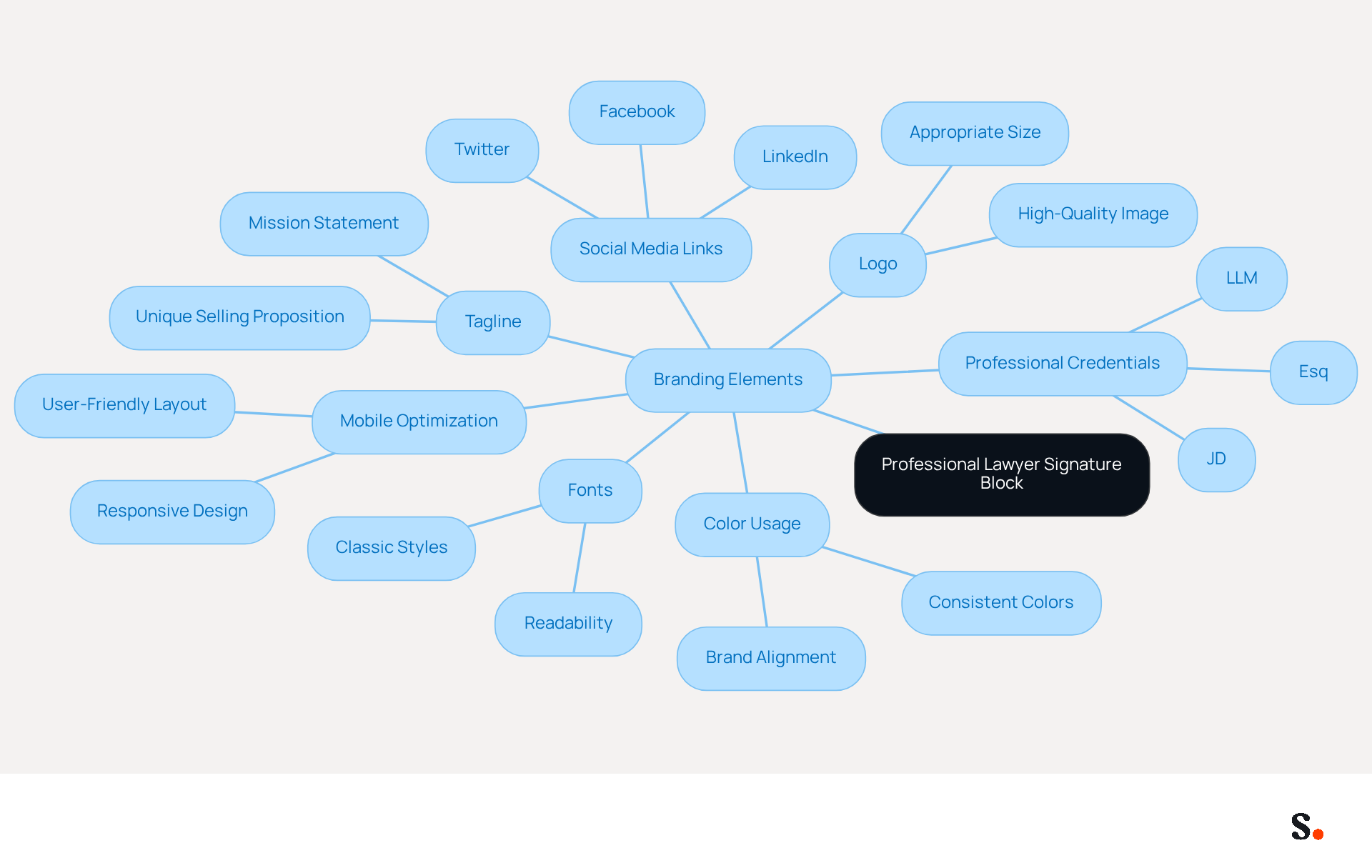
To project professionalism in a lawyer signature block, it is essential to integrate key branding elements. Incorporating the law office's logo is a vital step in enhancing brand recognition. A high-quality, appropriately sized logo ensures that the organization's identity is clearly communicated. Additionally, utilizing colors that align with the firm's branding creates a visually appealing email block.
Consistency in color usage across all communications strengthens brand identity; research indicates that 76% of recipients are more likely to trust senders who display professional credentials, and 47% of prospects say professional credentials enhance their trust. Selecting professional fonts that are easy to read is also crucial. Limiting the use of fonts to one or two classic styles maintains clarity and professionalism, avoiding overly decorative fonts that may detract from the signature's effectiveness.
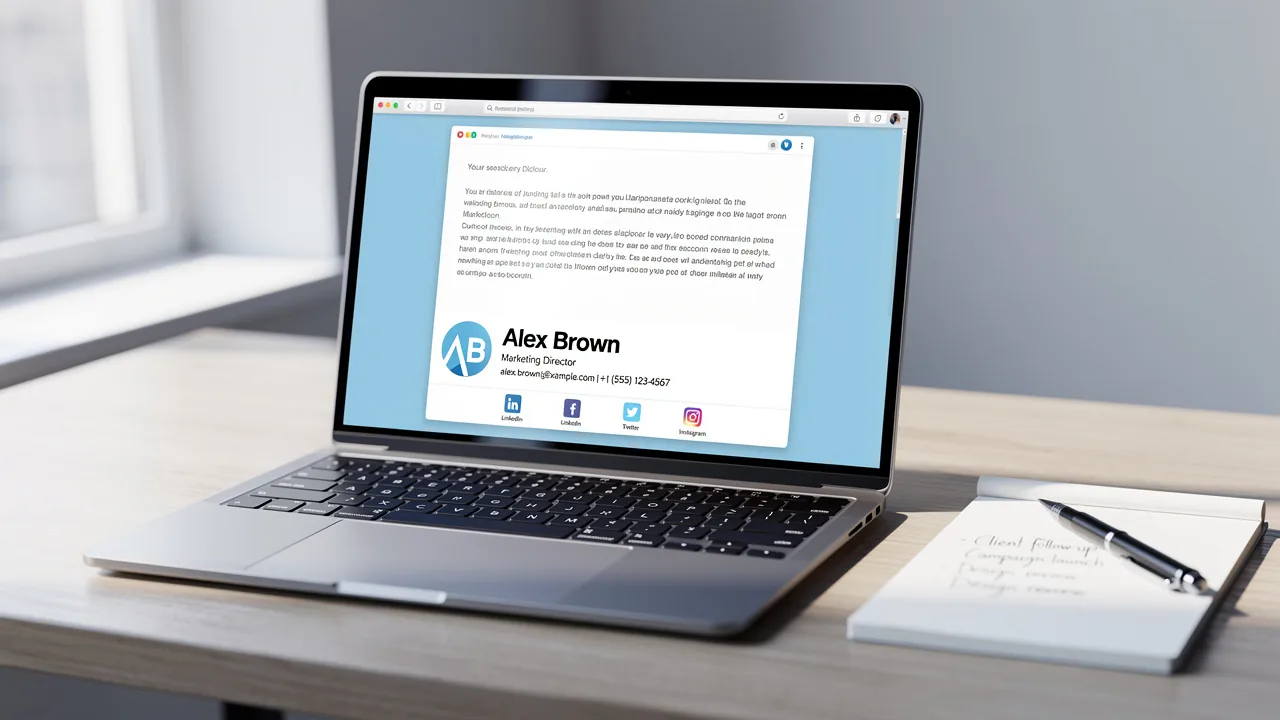
If applicable, including a brief tagline that encapsulates the organization's mission or values can help convey the organization's unique selling proposition and enhance client engagement. Furthermore, if the firm has a professional presence on platforms like LinkedIn, consider including these links to enhance connectivity and engagement. Incorporating social media icons can effectively engage customers and partners, contributing to a more dynamic email footer.
It's also important to ensure that the email footer is optimized for mobile devices, as many recipients read emails on smartphones. This is crucial for maintaining professionalism and accessibility. Be cautious of including too much information or distractions in the closing, as this can overwhelm recipients and detract from its effectiveness. Adding professional credentials such as 'JD', 'LLM', or 'Esq' after your name boosts both professionalism and credibility.
Ultimately, a thoughtfully designed email footer that features a lawyer signature block can significantly influence client perceptions and foster stronger professional relationships.
Ensure Compliance with Legal and Ethical Standards
Lawyers face critical obligations to ensure their signature blocks meet legal and ethical standards:
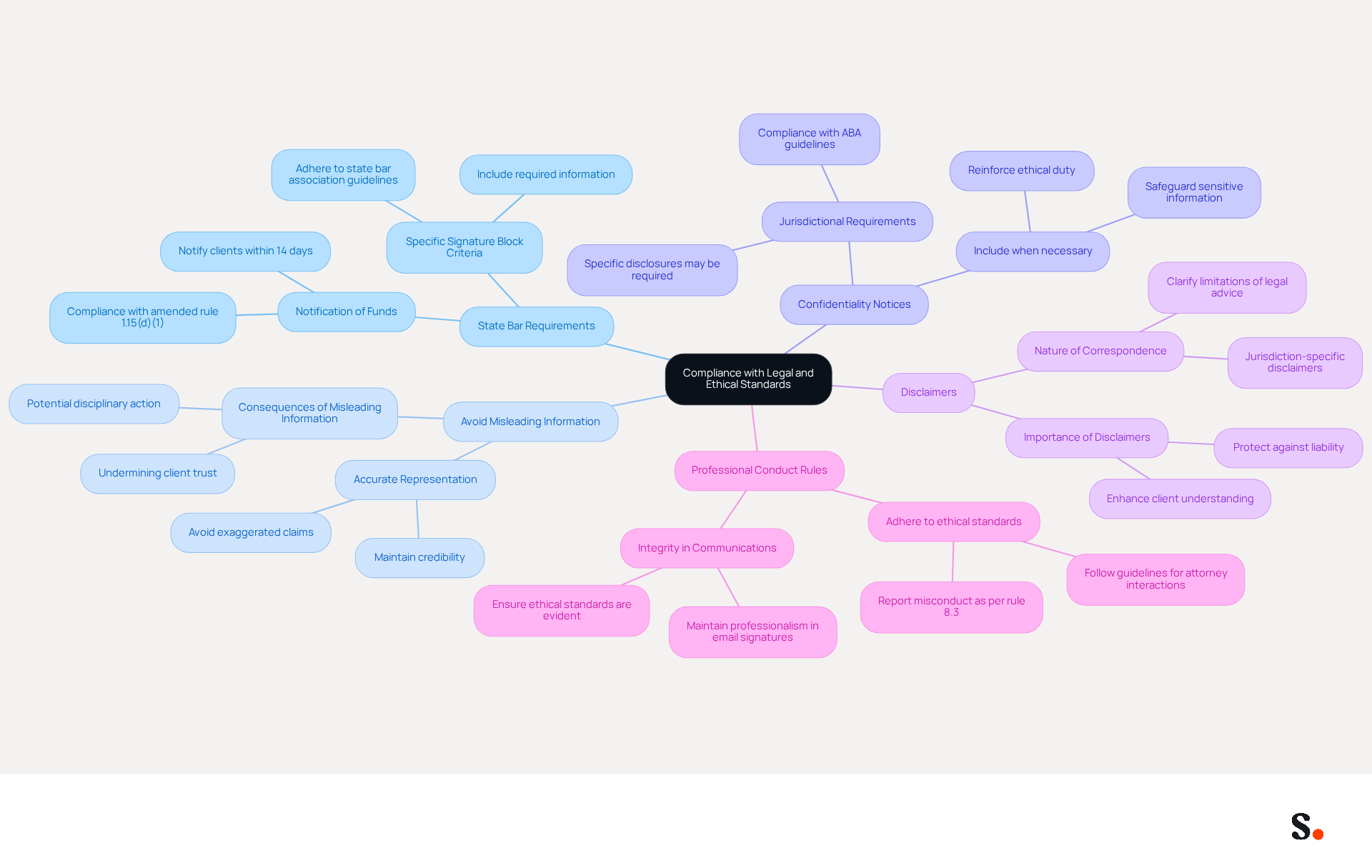
- State Bar Requirements: Familiarize yourself with the specific criteria established by your state bar association regarding what must be included in a signing area. For example, the California Supreme Court requires attorneys to notify clients within 14 days of receiving funds, as stated in amended rule 1.15(d)(1). Additionally, state bar associations may have other specific requirements for lawyer signature blocks that must be adhered to.
- Avoid Misleading Information: Accurate information is crucial; misleading clients or opposing parties can lead to serious consequences, including disciplinary action. This includes avoiding exaggerated claims about qualifications or services, which can undermine credibility.
- Confidentiality Notices: When necessary, include a confidentiality notice to safeguard sensitive information shared in emails. This is especially significant in legal interactions, as it reinforces the ethical duty to uphold client confidentiality, as highlighted by the American Bar Association. Be aware that specific legal jurisdictions may require such disclosures.
- Disclaimers: Consider adding disclaimers regarding the nature of the correspondence, especially if it pertains to legal advice or client confidentiality. This is essential for adherence to jurisdiction-specific regulations, ensuring that clients are aware of the limitations of the interaction.
- Professional Conduct Rules: Follow the guidelines of professional behavior that regulate attorney interactions, ensuring that the identification section reflects ethical standards. For instance, the new rule 8.3 mandates attorneys to report misconduct, emphasizing the significance of upholding integrity in all interactions. This requirement highlights the necessity for ethical standards to be evident in email communications, including closing lines.
By adhering to these standards, lawyers not only protect their practice but also reinforce their commitment to client trust and ethical integrity.
Utilize Automation Tools for Efficient Signature Management
To effectively manage lawyer signature blocks, law firms must embrace automation tools that streamline processes and enhance professionalism:
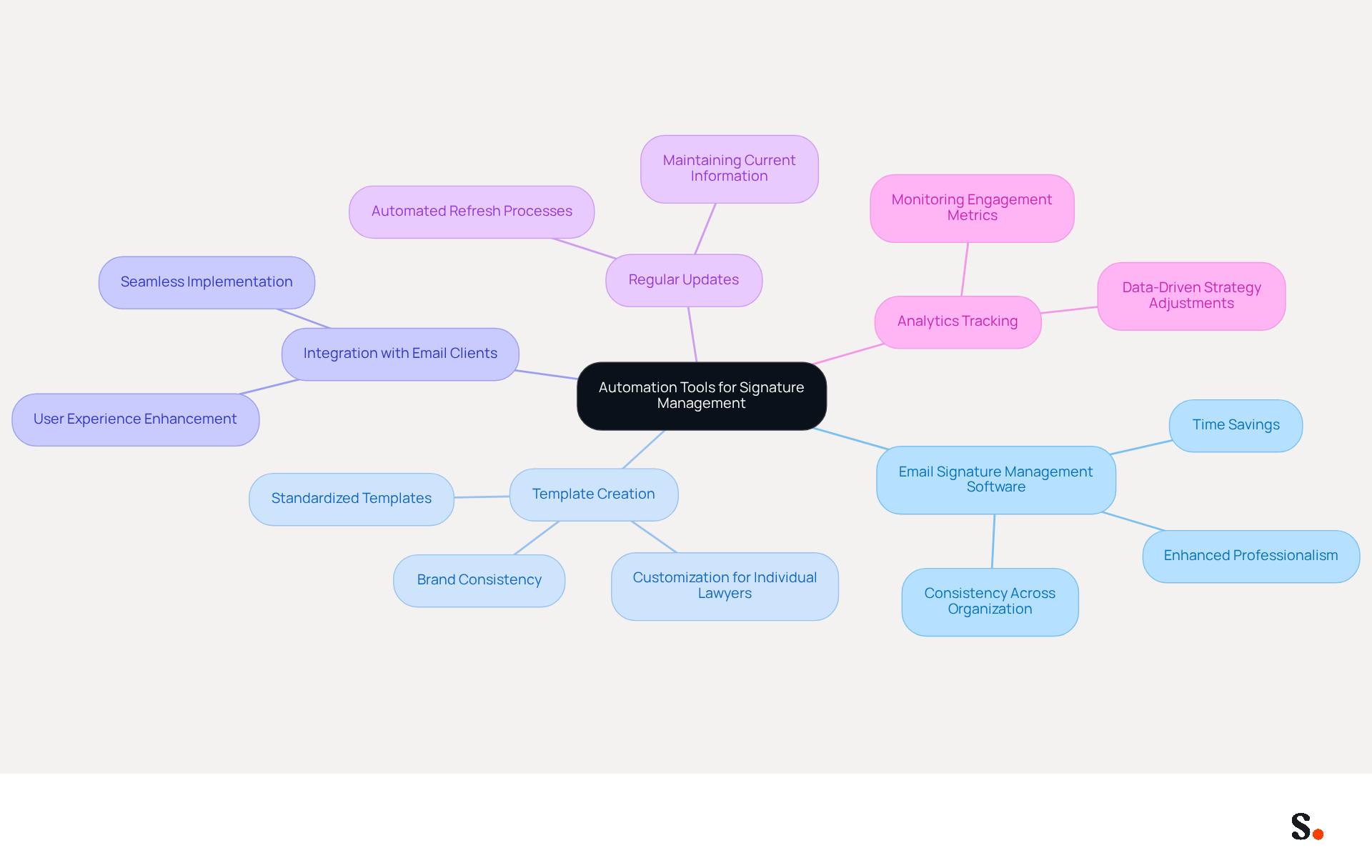
- Email Signature Management Software: Platforms like Scribe automate the creation and updating of email identifiers across the organization, ensuring consistency and saving valuable time. This approach significantly reduces administrative tasks, enabling lawyers to concentrate on client work.
- Template Creation: Standardized templates for lawyer signature blocks can be developed, allowing for easy customization for individual lawyers. This maintains brand consistency while enabling personalization, which is crucial for building trust with clients.
- Integration with Email Clients: Ensure that the automation tool integrates seamlessly with popular email clients such as Outlook and Gmail. This facilitates easy implementation and enhances user experience, making it simpler for legal teams to adopt the new system.
- Regular Updates: Establish automated processes or reminders to refresh identifiers regularly, particularly when there are changes in contact information or firm branding. This ensures that every interaction showcases the latest information, which is vital for maintaining professionalism.
- Analytics Tracking: Utilize analytics features to monitor the effectiveness of email signatures in terms of engagement and lead generation. This data-driven method enables legal practices to make informed modifications to their strategies, improving overall effectiveness in interactions.
By leveraging automation tools, law firms can significantly enhance efficiency, maintain brand consistency, and improve communication outcomes. Ultimately, the strategic use of automation tools can redefine how law firms engage with clients, fostering stronger relationships and improved outcomes.
Conclusion
A well-crafted lawyer signature block is not just a formality; it is a vital component of professional identity and compliance in the legal field. Incorporating key elements like your full name, job title, law office name, and contact information helps lawyers create signature blocks that meet legal standards while boosting credibility and brand recognition. The integration of visual branding elements further solidifies a lawyer's professional image, making it easier for clients and colleagues to connect and engage.
Key insights from this discussion highlight the importance of adhering to legal and ethical standards, including state bar requirements and confidentiality notices. Maintaining compliance can be challenging, yet it is essential for protecting a lawyer's practice and fostering client trust. Additionally, the use of automation tools like Scribe streamlines the management of signature blocks, allowing for consistent branding and efficient updates, ultimately freeing lawyers to focus on their core responsibilities.
Without a professional signature, lawyers risk losing credibility in a competitive legal landscape. By implementing these best practices, lawyers can enhance their communication effectiveness, project professionalism, and build stronger relationships with clients. Ultimately, a well-managed email signature reflects a lawyer's dedication to professionalism and ethical practice, setting the stage for successful client relationships.
Frequently Asked Questions
What is a lawyer signature block?
A lawyer signature block is a vital component of a lawyer's professional identity and legal compliance, encompassing key elements that establish their identity and facilitate communication.
What are the essential components of a lawyer signature block?
The essential components include the lawyer's full name (with titles or credentials), job title, law office name, contact information, bar admissions, and visual elements like the law firm's logo.
Why is it important to include a lawyer's full name in the signature block?
Including the lawyer's full name, along with any relevant titles or credentials, establishes their identity and professionalism.
How does specifying a job title in the signature block benefit communication?
Specifying the lawyer's position within the organization provides context about their role and expertise, enhancing clarity in communication.
What role does contact information play in a lawyer signature block?
Providing direct phone numbers, email addresses, and links to the organization's website facilitates easy interaction and communication with clients and prospects.
Why should bar admissions be mentioned in the signature block?
Mentioning the jurisdictions where the lawyer is licensed to practice is essential for legal validity and accountability.
How can visual elements enhance a lawyer's signature block?
Incorporating the law firm's logo or branding elements enhances recognition and professionalism, reinforcing the firm's identity.
What impact does a well-designed email footer have on client perception?
A professional email footer can improve interactions, as 47% of prospects perceive companies more positively with professional email endings.
Why is it important to optimize signing areas for mobile devices?
Optimizing signing areas for mobile is essential because 60% of business communications are accessed on mobile devices.
How does Scribe assist with syncing lawyer signature blocks?
Scribe allows Super Admins to grant permission to connect with email providers, select teammates to sync, and automatically syncs teammate data daily.
What security measures does Scribe implement for data handling?
Scribe complies with SOC 2 Type II, ensuring that all data handling is secure, providing peace of mind for legal professionals.
How can compliance checks reduce the risk of misrepresentation in signature blocks?
Implementing compliance checks ensures that all signing areas conform to legal and branding standards, reducing the risk of misrepresentation.
List of Sources
- Define Essential Components of a Lawyer Signature Block
- Why Signatures Matter in a Legal Brief - TypeLaw (https://typelaw.com/blog/why-signatures-matter-in-a-legal-brief)
- What is Signature Block: Purpose, Components, and Types (https://signeasy.com/blog/business/signature-block)
- Best Practices: Email Signatures for Law Firms (https://paperstreet.com/blog/best-practices-email-signatures-for-law-firms)
- What is a Signature Block? It's purpose, components, and types | WeSignature (https://wesignature.com/blog/signature-block)
- Best Practices for Your Signature Block in Outlook (https://scribe-mail.com/en-US/blog/best-practices-for-your-signature-block-in-outlook)
- Incorporate Branding Elements for Professionalism
- Lawyer & Attorney Email Signature: Templates & Tips - MySignature (https://mysignature.io/professional-email-signatures/lawyer)
- The impact of email signatures on your branding (https://signitic.com/en/resources/the-impact-of-email-signatures-on-your-branding)
- 5 Email Signature Templates for Lawyers (https://signature.email/blog/five-email-signature-templates-for-lawyers)
- Lawyer Email Signature Examples & Tips (https://wisestamp.com/examples/lawyer-email-signatures)
- Best Practices: Email Signatures for Law Firms (https://paperstreet.com/blog/best-practices-email-signatures-for-law-firms)
- Ensure Compliance with Legal and Ethical Standards
- Email Signatures for Lawyers and Attorneys | Email Signature Rescue Blog (https://emailsignaturerescue.com/blog/email-signatures-for-lawyers-and-attorneys)
- Ethics News | The State Bar of California (https://calbar.ca.gov/legal-professionals/ethics-compliance-practice-resources/ethics/ethics-news)
- Email Signature for Lawyers: Compliant, Professional Templates & Best Practices (https://syncsignature.com/blog/email-signature-for-lawyers)
- Email Signature Management Guide for US Law Firms | Rocketseed (https://rocketseed.com/blog/email-signature-management-guide-for-law-firms)
- State Bar Raises Concerns Over Federal Overreach in Law Firm Executive Orders and DOJ Discipline Rule | The State Bar of California (https://calbar.ca.gov/news/state-bar-raises-concerns-over-federal-overreach-law-firm-executive-orders-and-doj-discipline-rule)
- Utilize Automation Tools for Efficient Signature Management
- Compare 5 Software for Email Signature: Features and Benefits for Marketers (https://scribe-mail.com/en-US/blog/compare-5-software-for-email-signature-features-and-benefits-for-marketers)
- Best Email Signature Management Software (Evaluated May 2026) (https://wisestamp.com/guides/best-email-signature-management-software)
- Legal Workflow Automation in 2026: What’s Working and What’s Hype? - Bloomberg Law (https://pro.bloomberglaw.com/insights/legal-solutions/legal-workflow-automation-in-2026-whats-working-and-whats-hype)
- Elevate Your Law Firm: Workflow Automation Tools That Transform Practice - North Carolina Bar Association (https://ncbar.org/nc-lawyer/2025-11/elevate-your-law-firm-workflow-automation-tools-that-transform-practice)
- Legal Automation for Law Firms: Tools, Tips, and Benefits (https://mycase.com/blog/law-firm-operations/legal-automation)
Get started with Scribe
Build a professional email signature
Free 14-day trial — no credit card.