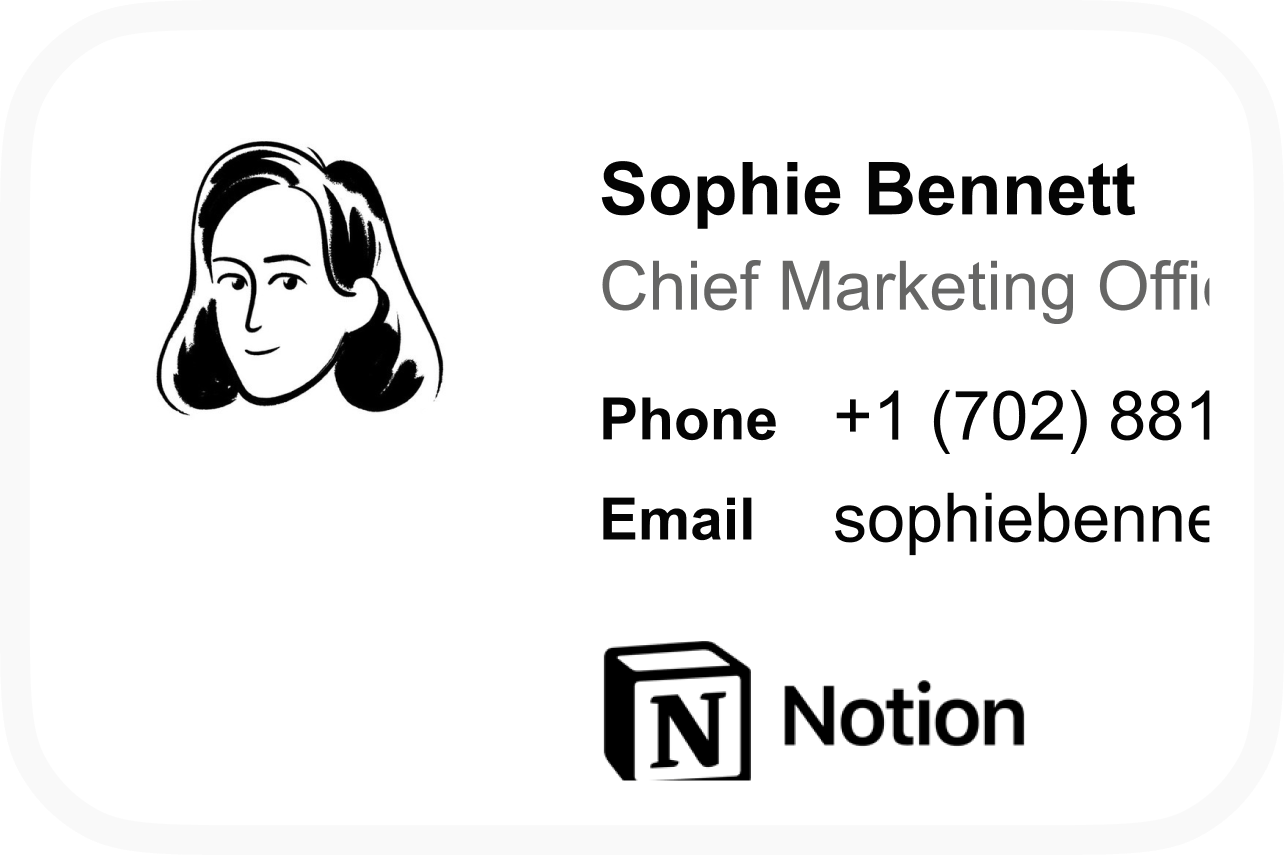
4 Best Practices for an Effective Therapist Email Signature
A professional email signature is essential for therapists aiming to build trust and foster engagement with clients. Incorporating key elements like branding
Sophie Grant
Email Signature Specialist, Scribe

Introduction
A professional email signature is essential for therapists aiming to build trust and foster engagement with clients. Incorporating key elements like branding, contact details, and strong calls to action helps therapists strengthen their professional image and connect more deeply with clients. However, therapists often struggle to keep their email signatures uniform and current, which can undermine their professional image. This inconsistency can lead to missed opportunities for connection and trust-building with clients.
How can therapists leverage automation tools to streamline this process while maintaining brand integrity and client engagement?
Define Essential Elements of a Therapist Email Signature
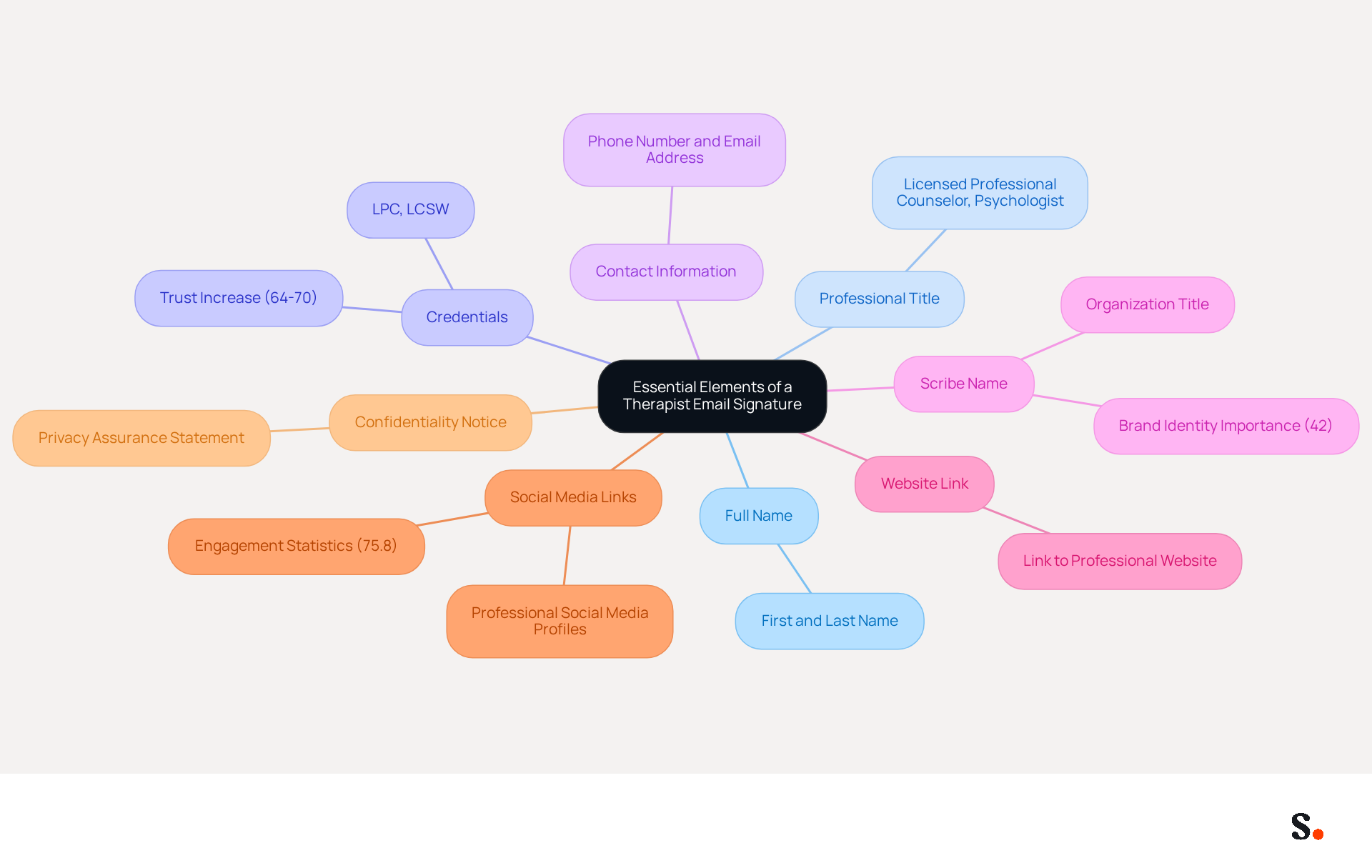
Creating an effective therapist email signature is crucial for therapists aiming to enhance professionalism and client engagement. An effective therapist email signature should incorporate several essential elements:
- Full Name: Clearly state your first and last name to ensure individuals know who they are communicating with.
- Professional Title: Include your title (e.g., Licensed Professional Counselor, Psychologist) to establish your qualifications and expertise.
- Credentials: List relevant qualifications (e.g., LPC, LCSW) to enhance your professional image and credibility, as 64-70% of respondents believe a professional branded mark increases trust.
- Contact Information: Provide a phone number and email address for easy communication, ensuring individuals can reach you without hassle.
- Scribe Name: Include the title of your organization to strengthen brand identity, which is essential as 42% of consumers have a negative perception of businesses lacking a branded mark.
- Website Link: A link to your professional website can assist individuals in learning more about your services and offerings, enhancing their connection to your practice.
- Social Media Links: If applicable, include links to professional social media profiles to enhance engagement and visibility, as 75.8% of users incorporate social media icons in their email communications.
- Confidentiality Notice: A brief statement regarding confidentiality can reassure individuals about the privacy of their communications, which is particularly important in the mental health field.
By integrating these essential elements and taking advantage of Scribe's automatic updates and compliance features, therapists can create a therapist email signature that not only appears professional but also serves as a valuable tool for engagement and brand consistency. Ultimately, a well-crafted email signature not only reflects professionalism but also fosters trust and connection with clients.
Incorporate Branding for Consistency and Trust
Incorporating branding into your therapist email signature is crucial for creating a professional identity that resonates with clients.
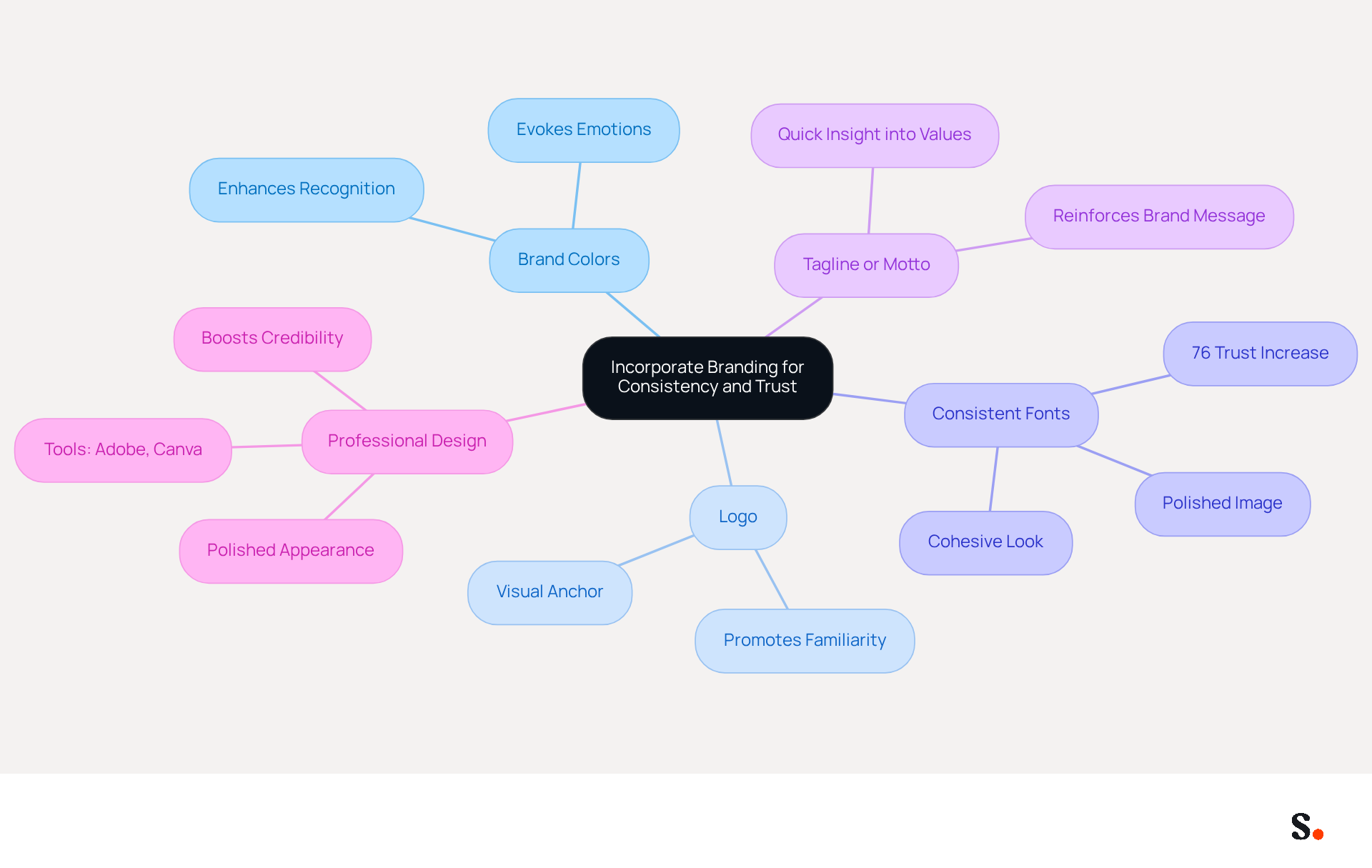
- Use Brand Colors: Integrate colors from your logo or branding to create a visually appealing signature that aligns with your overall brand identity. This approach enhances recognition and evokes emotions tied to your work, which helps build trust.
- Include Your Logo: Adding your practice logo can significantly enhance brand recognition and professionalism. A strategically positioned logo acts as a visual anchor, making your communications instantly recognizable and promoting familiarity with customers.
- Consistent Fonts: Utilize fonts that match your branding guidelines to maintain a cohesive look across all communications. Consistency in typography contributes to a polished image and strengthens your brand identity. In fact, 76% of recipients say that branded email formats increase their trust in the sender. This statistic underscores the importance of maintaining a uniform therapist email signature across communications, as it can significantly impact client perceptions.
- Tagline or Motto: If applicable, include a short tagline that encapsulates your philosophy or services. This reinforces your brand message and provides recipients with a quick insight into your practice's values and offerings.
- Professional Design: Leverage design tools like Adobe Creative Cloud or Canva to create a polished and professional appearance that reflects your brand values. A well-designed therapist email signature boosts your credibility and leaves a lasting impression, illustrating how effective design can enhance brand perception.
By ensuring that your contact information aligns with your branding, you can build trust with clients and create a memorable impression. Without regular updates, your branding risks becoming outdated and less engaging. Furthermore, using Scribe's automated synchronization with Aircall guarantees that any modifications made to your identifiers are promptly reflected, preserving brand consistency across all communications. This efficiency not only saves time but also enhances your ability to generate leads effectively. Scribe is also compliant with security standards such as SOC 2 Type II, GDPR, and CCPA, addressing potential security risks related to digital communications and ensuring a professional and secure communication strategy. By prioritizing branding in your communications, you position yourself as a trusted professional in your field.
Utilize Call-to-Action Elements to Drive Engagement
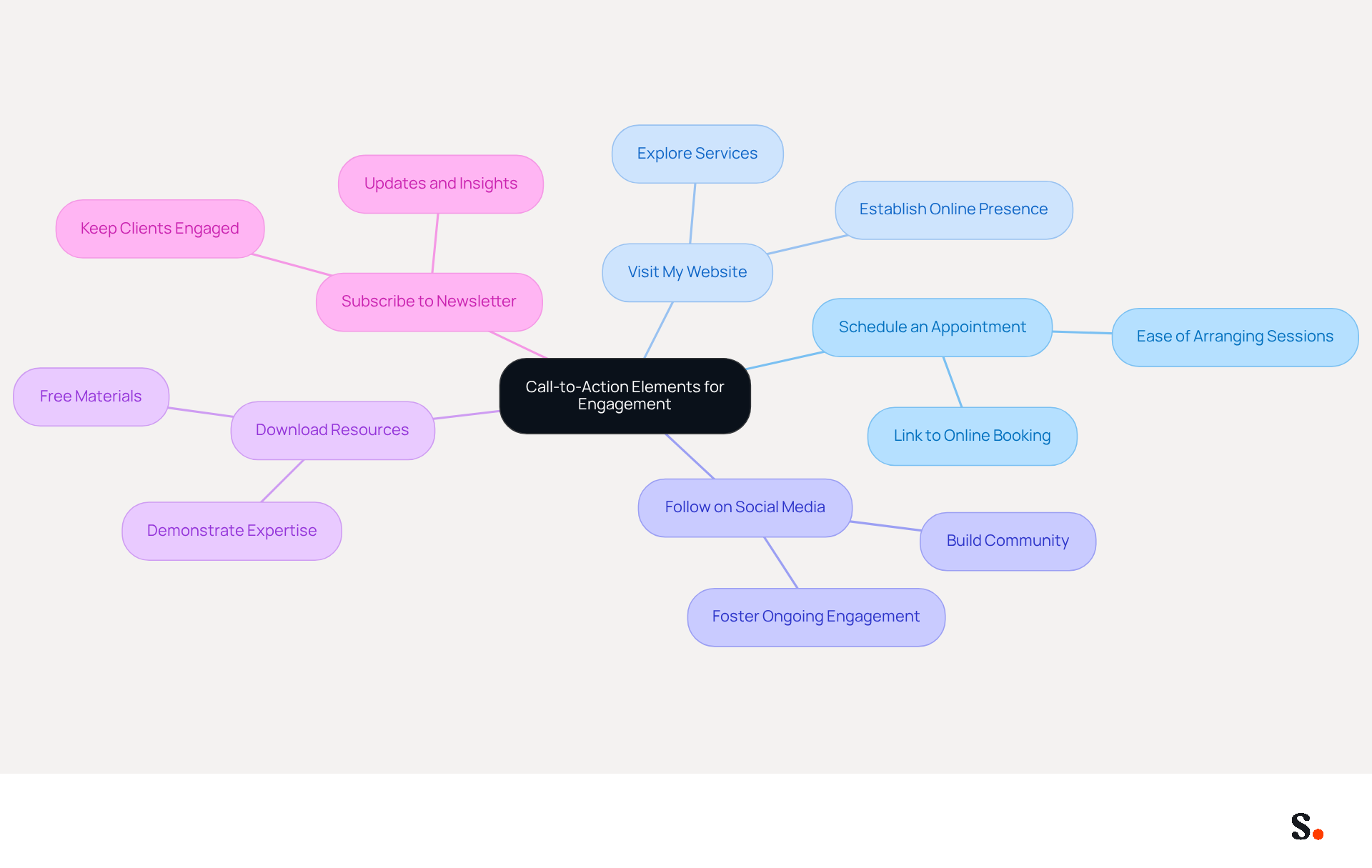
Incorporating call-to-action (CTA) elements into your therapist signature can transform client engagement. Here are some effective CTAs to consider:
- Schedule an Appointment: Include a link to an online booking system, such as Calendly, allowing users to easily arrange sessions directly from your email. Many potential clients struggle to find time for therapy, leading to missed opportunities.
- Visit My Website: Encourage customers to explore your services by linking to your website. This not only provides more information but also helps establish your online presence.
- Follow on Social Media: Invite customers to connect with you on social media platforms. This fosters ongoing engagement and community building, which is crucial in the therapeutic relationship.
- Download Resources: If you provide free materials like e-books or worksheets, include a link for users to download them. Providing these resources demonstrates your expertise and commitment to client well-being.
- Subscribe to Newsletter: Encourage customers to subscribe to your newsletter for updates and insights. This keeps them engaged with your work and informed about new offerings.
Strategically positioning these CTAs in your therapist email signature can encourage clients to take significant actions, strengthening their connection with your practice. Research shows that messages with effective CTAs can boost click-through rates by as much as 371%, making them a powerful tool for engagement. Implementing these strategies can redefine how clients interact with your practice, ultimately enhancing their therapeutic journey.
Leverage Automation for Efficient Signature Management
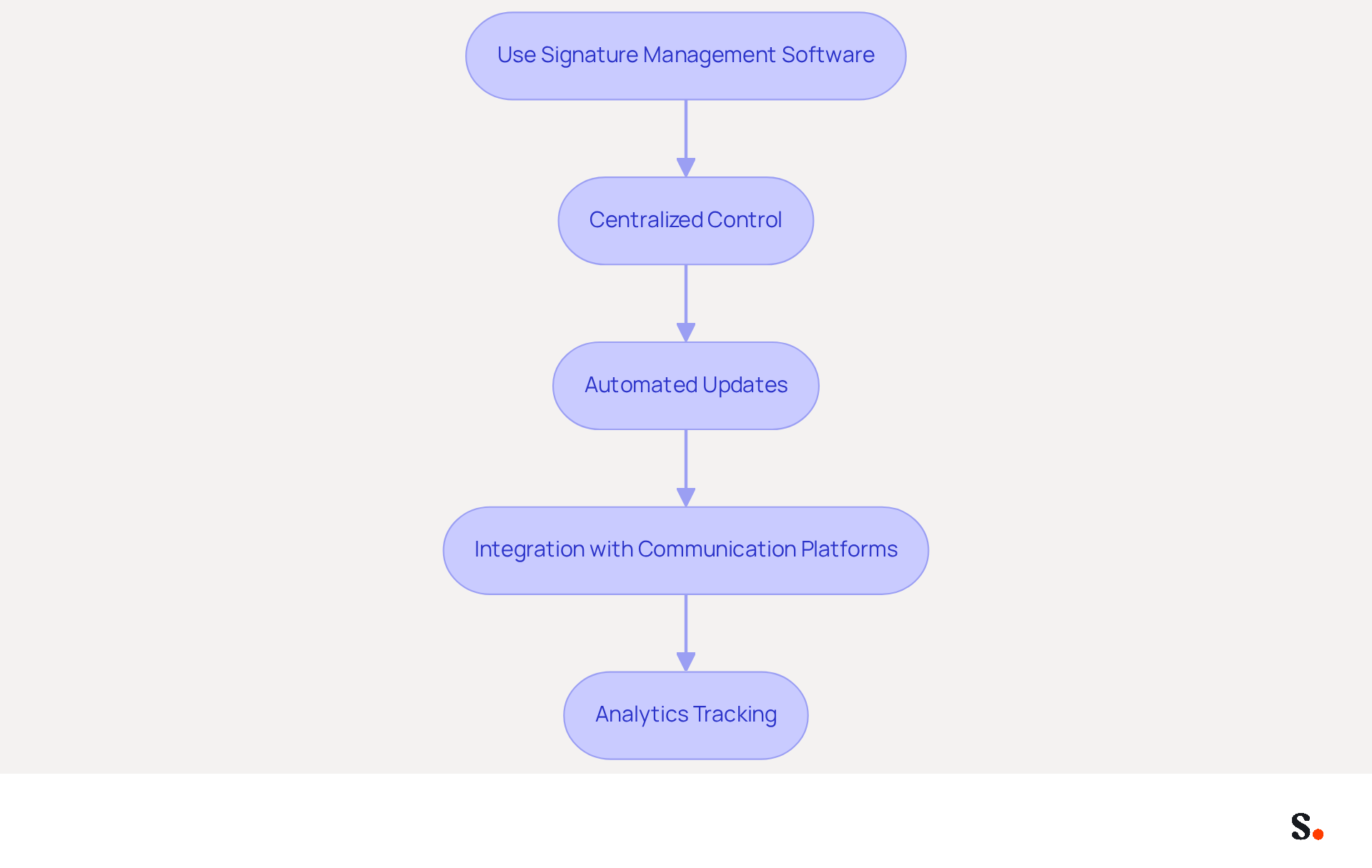
Managing contact information manually can lead to significant time loss and errors, making automation a crucial consideration for therapists. To simplify management of contact information, therapists should consider utilizing automation tools. Here are some best practices:
- Use Signature Management Software: Implement tools like Scribe that enable the creation, updating, and administration of email identifiers across your organization with ease. This approach can save up to 200 hours annually for a team of 100 by eliminating manual updates.
- Centralized Control: Ensure that all team members utilize a standardized format to maintain brand consistency. This is vital as 69% of consumers think a consistent professional branded identity is important for companies.
- Automated Updates: Set up automated updates for any changes in contact information or branding elements, ensuring that all identifiers are current without manual intervention. This automation can significantly reduce human errors, such as outdated information or inconsistent styles.
- Integration with Communication Platforms: Choose automation tools that integrate seamlessly with your service provider (e.g., Google Workspace, Microsoft 365) for a smooth implementation process. This integration enables rapid updates to messaging identifiers in just a few clicks.
- Analytics Tracking: Utilize analytics features to monitor engagement metrics related to your digital identifiers, helping you refine your approach over time. Tracking clicks on links within signature blocks offers valuable insights into customer engagement, with 72% of marketers prioritizing click-through rates.
Ultimately, embracing automation not only saves time but also reinforces a therapist's professional image, which can be effectively communicated through a therapist email signature, fostering greater trust with clients.
Conclusion
A professional email signature is not just a formality; it is a critical component in establishing trust and engagement with clients. By incorporating key elements such as:
- Full name
- Professional title
- Credentials
- Contact information
Therapists can ensure their communications are clear and trustworthy. Integrating branding elements, such as logos and consistent colors, enhances recognition. This builds a strong professional identity, crucial in the mental health field.
The article highlights the importance of utilizing call-to-action elements to drive engagement, such as:
- Scheduling appointments
- Subscribing to newsletters
These strategies not only encourage clients to interact with the practice but also significantly boost engagement metrics. Furthermore, leveraging automation tools like Scribe streamlines the management of email signatures, ensuring that contact information remains current and consistent across all communications. This efficiency saves time and helps therapists maintain a strong professional image.
In conclusion, by adopting these best practices, therapists can not only enhance their professional image but also create lasting connections with their clients. Prioritizing essential elements, branding, effective CTAs, and automation positions therapists to better serve their clients in a competitive landscape.
Frequently Asked Questions
What are the essential elements of a therapist email signature?
The essential elements of a therapist email signature include your full name, professional title, credentials, contact information, Scribe name, website link, social media links, and a confidentiality notice.
Why is it important to include your full name in your email signature?
Including your full name ensures that individuals know who they are communicating with, enhancing clarity and professionalism.
How does listing professional credentials in an email signature benefit therapists?
Listing relevant credentials enhances your professional image and credibility, as many individuals believe that a professional branded mark increases trust.
What contact information should be provided in a therapist email signature?
You should provide a phone number and email address to facilitate easy communication, allowing individuals to reach you without hassle.
Why is it important to include the Scribe name in your email signature?
Including the Scribe name strengthens brand identity, which is crucial since a significant percentage of consumers have a negative perception of businesses lacking a branded mark.
How can a website link in an email signature assist clients?
A link to your professional website allows individuals to learn more about your services and offerings, enhancing their connection to your practice.
Should therapists include social media links in their email signatures?
Yes, including links to professional social media profiles can enhance engagement and visibility, as many users incorporate social media icons in their email communications.
What is the purpose of a confidentiality notice in a therapist email signature?
A confidentiality notice reassures individuals about the privacy of their communications, which is particularly important in the mental health field.
How can Scribe's features assist therapists in creating an email signature?
Scribe's automatic updates and compliance features help therapists create a professional email signature that serves as a valuable tool for engagement and brand consistency.
List of Sources
- Define Essential Elements of a Therapist Email Signature
- 40+ Email Signature Statistics for 2026 (Data + Insights) (https://wavecnct.com/blogs/email-signature-statistics)
- 20 best email signature design examples for 2026 — Stripo.email (https://stripo.email/blog/10-best-email-signature-design-examples)
- Email Marketing For Therapists | Brighter Vision (https://brightervision.com/blog/email-marketing-for-therapists)
- Email Signature Statistics: A Closer Look at Email Signatures in 2026 (https://mysignature.io/blog/email-signature-statistics)
- Professional email signatures: use cases for therapists (https://bybrand.io/blog/for-therapists)
- Incorporate Branding for Consistency and Trust
- Why Are Email Signatures Key to Brand Awareness? | QuickMail (https://quickmail.com/role-of-email-signatures-in-brand-awareness)
- Why Consistent Email Signatures Matter More Than You Think - Signite (https://signite.io/blog/consistent-email-signatures-matter-more-than-you-think)
- Exclaimer Research: 67% of Marketers Expect Email Signatures to Support With Lead Gen In 2023 (https://businesswire.com/news/home/20230612141095/en/Exclaimer-Research-67-of-Marketers-Expect-Email-Signatures-to-Support-With-Lead-Gen-In-2023)
- Email Signature Branding: Consistency and Impact | Crossware365 (https://crossware365.com/blog/mastering-email-signature-branding-market-presence)
- The impact of email signatures on your branding (https://signitic.com/en/resources/the-impact-of-email-signatures-on-your-branding)
- Utilize Call-to-Action Elements to Drive Engagement
- Exclaimer Research: 67% of Marketers Expect Email Signatures to Support With Lead Gen In 2023 (https://businesswire.com/news/home/20230612141095/en/Exclaimer-Research-67-of-Marketers-Expect-Email-Signatures-to-Support-With-Lead-Gen-In-2023)
- The Ultimate Guide to Email Signature Call-to-Action - NEWOLDSTAMP (https://newoldstamp.com/blog/the-ultimate-guide-to-email-signature-call-to-action)
- 4 Best Practices to Enhance Your Signature Client Engagement (https://scribe-mail.com/en-US/blog/4-best-practices-to-enhance-your-signature-client-engagement)
- 40+ Email Signature Statistics for 2026 (Data + Insights) (https://wavecnct.com/blogs/email-signature-statistics)
- 10 Strategies for Increasing User Engagement with Business Email Signatures (https://exclaimer.com/blog/email-signatures-key-business-tool)
- Leverage Automation for Efficient Signature Management
- Automating Email Signatures: How IT Teams Streamline Processes & Reduce Risk (https://exclaimer.com/blog/streamlining-it-processes-automated-email-signatures)
- How to Automate Email Signatures for Effective Marketing Campaigns (https://scribe-mail.com/en-US/blog/how-to-automate-email-signatures-for-effective-marketing-campaigns)
- How to combine automation and email signatures (https://signitic.com/en/resources/how-to-combine-automation-and-email-signatures)
- Exclaimer Research: 67% of Marketers Expect Email Signatures to Support With Lead Gen In 2023 (https://businesswire.com/news/home/20230612141095/en/Exclaimer-Research-67-of-Marketers-Expect-Email-Signatures-to-Support-With-Lead-Gen-In-2023)
- Email Signature Trends 2026: Centralized Control & Automation | SIGNandGO posted on the topic | LinkedIn (https://linkedin.com/posts/signngo_email-signature-trends-to-watch-in-2026-activity-7401523471786217473-zAVL)
Get started with Scribe
Manage signatures across your whole team
Free 14-day trial — no credit card.