4 Best Practices for Changement Signature Outlook in Marketing
Many organizations overlook the strategic potential of email signatures, missing out on opportunities for brand engagement. As marketing professionals seek
Sophie Grant
Email Signature Specialist, Scribe

Introduction
Many organizations overlook the strategic potential of email signatures, missing out on opportunities for brand engagement. As marketing professionals seek innovative ways to connect with their audience, leveraging email signatures can help enhance brand visibility.
So, how can organizations make sure their email signatures reflect their brand identity while also delivering measurable results? This article outlines four best practices for optimizing email signatures in marketing, including insights into:
- Creating on-brand templates
- Automating management
- Effectively measuring ROI
Create On-Brand Signature Templates
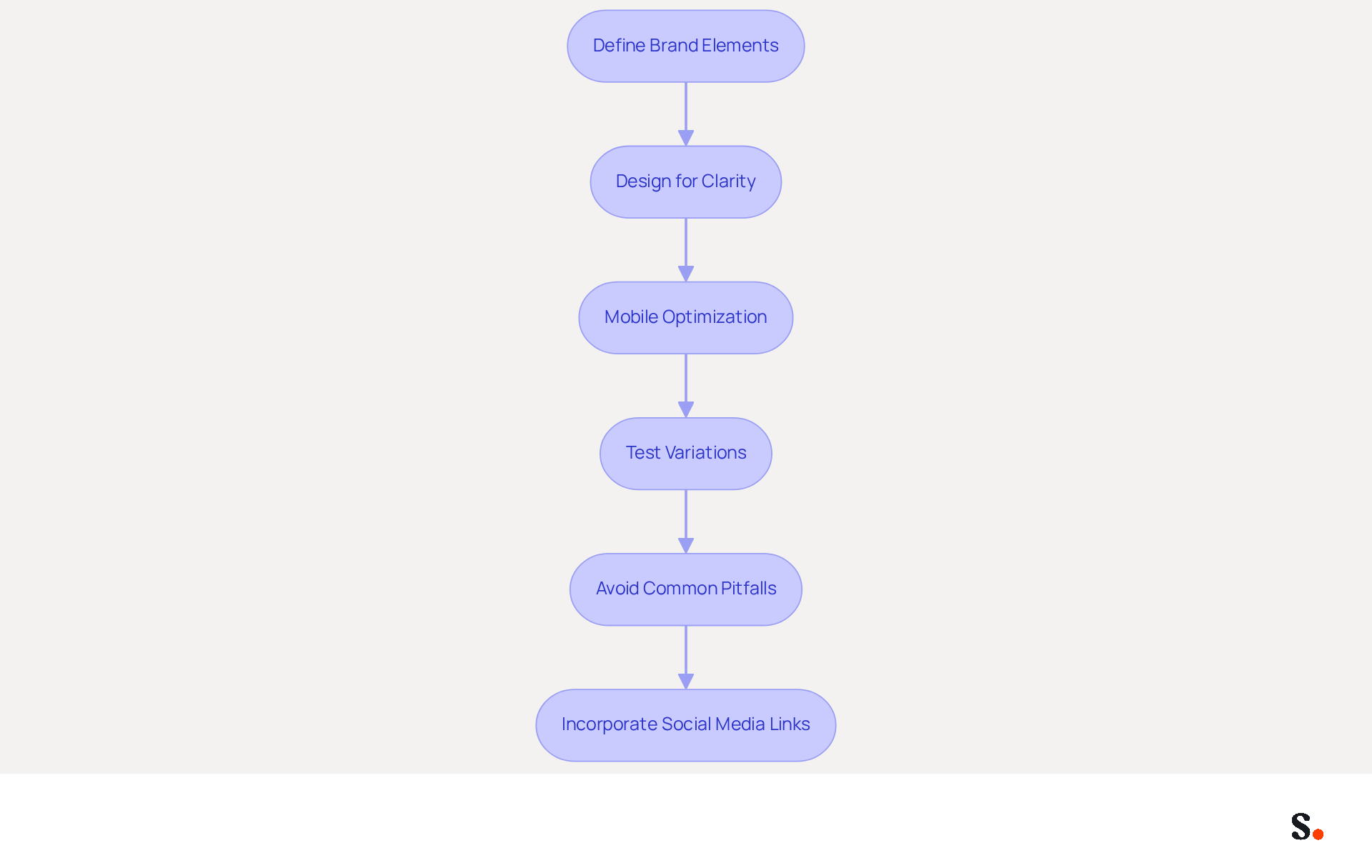
To create effective email templates that resonate with your audience, it is crucial to establish a clear visual identity, which includes defining your colors, fonts, and logos. Consistent application of these elements across all identifiers strengthens recognition of the company. Follow these best practices:
- Define Brand Elements: Identify your brand colors, fonts, and logo. Ensure these elements are consistently integrated into the design to maintain a cohesive look.
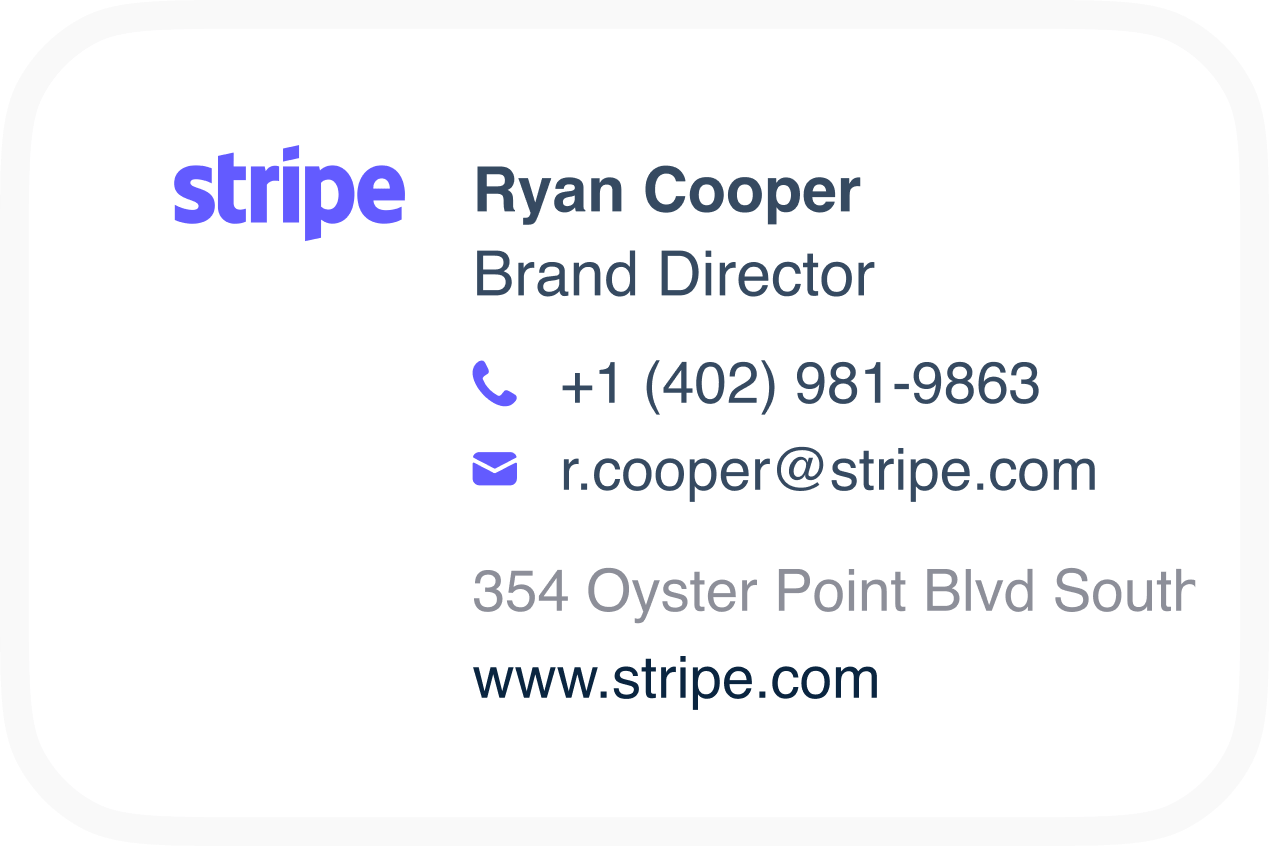
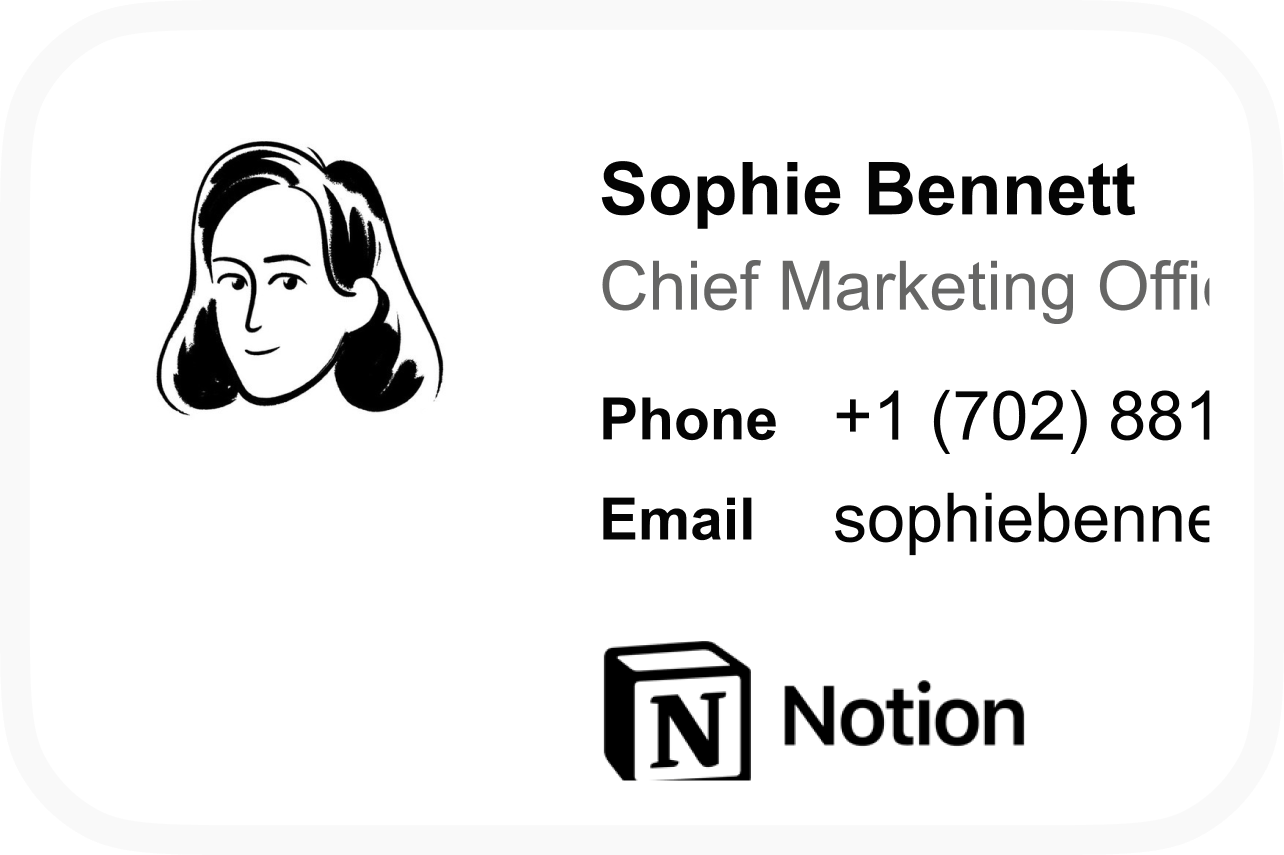
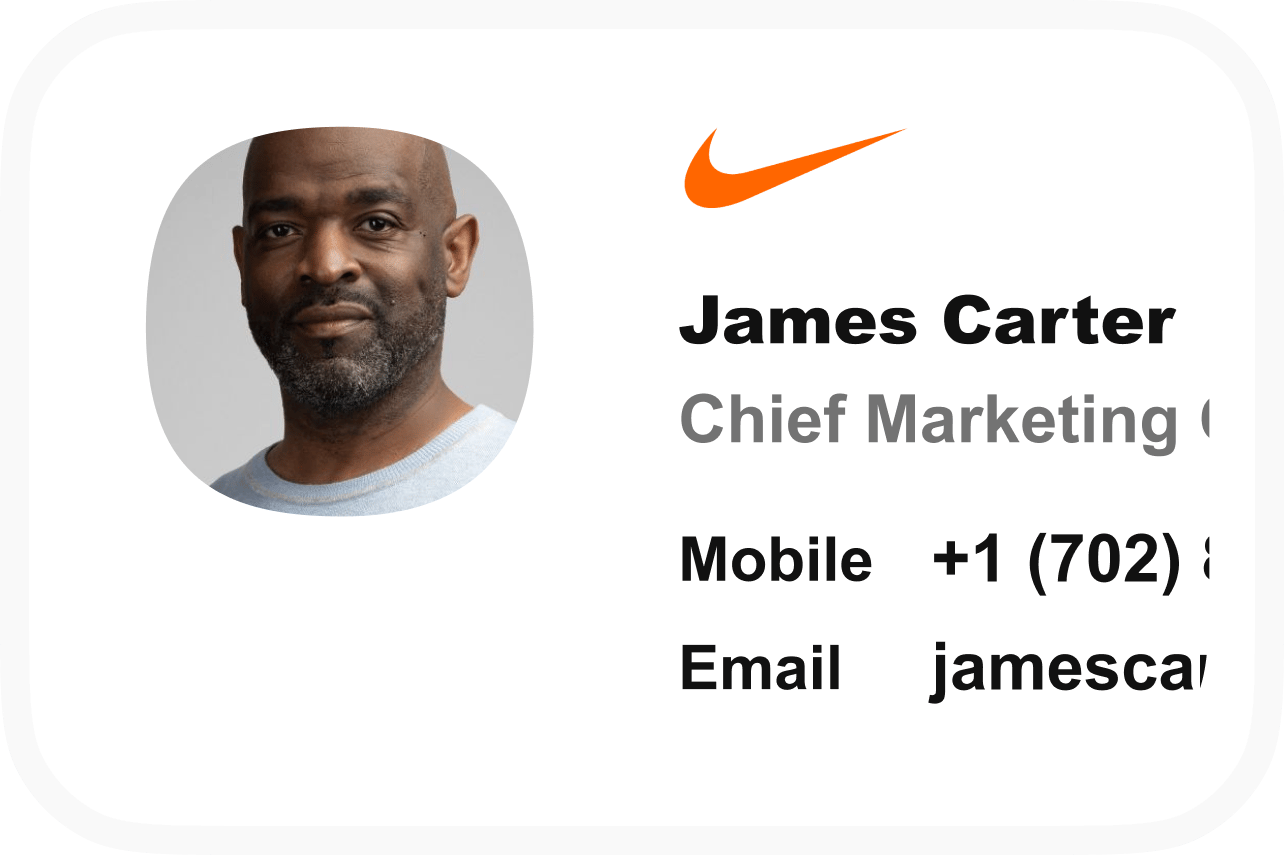
- Design for Clarity: Maintain a clean and organized layout. Use a hierarchy in text size to highlight essential information, such as the sender's name and title, ensuring they stand out.
- Mobile Optimization: Given that over 60% of business emails are opened on mobile devices, optimizing for mobile is key to keeping your audience engaged. This ensures that the closing element is visually appealing and functional on smartphones.
- Test Variations: Create multiple versions of the emblem and conduct A/B testing to determine which design resonates best with your audience. This method can lead to a notable rise in engagement, with well-optimized sign-offs driving up to 40% higher interaction rates compared to generic closures.
- Avoid Common Pitfalls: Regularly reviewing your identifiers helps avoid formatting errors and outdated information that can harm professionalism.
- Incorporate Social Media Links: Including links to your social media profiles can enhance visibility and foster deeper audience engagement.
By following these steps, you can create identifiers that not only convey professionalism but also improve your visibility in every email communication. By consistently refining your email identifiers, you not only enhance professionalism but also adapt to the evolving landscape of digital communication.
Leverage Email Signatures for Marketing Campaigns
Email footers, often overlooked, can serve as impactful marketing tools when strategically utilized. Here are some best practices for leveraging them effectively:
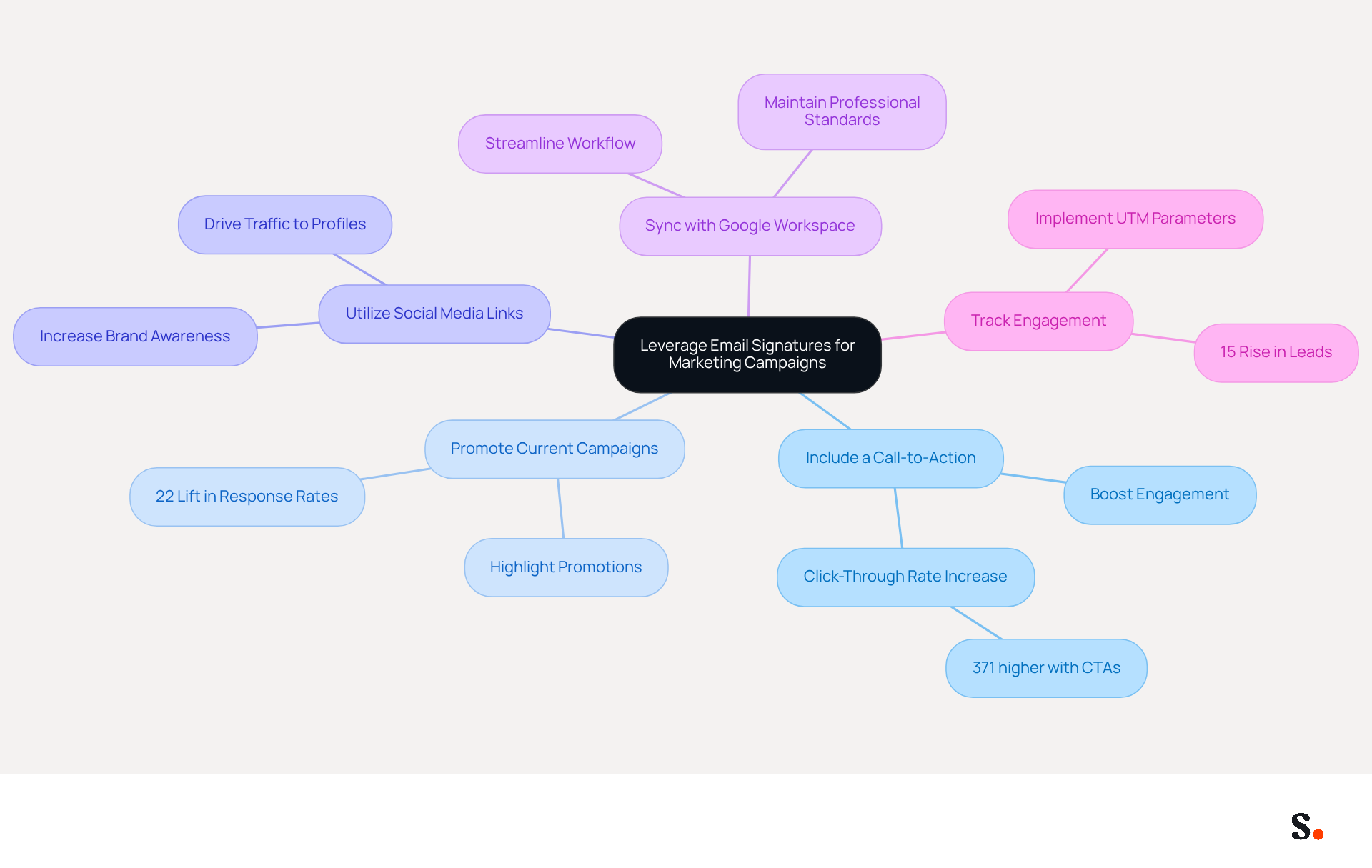
- Include a Call-to-Action (CTA): Incorporate a clear and compelling CTA in your email footer, such as 'Book a Demo' or 'Download Our Free Guide.' This approach can significantly boost engagement, with messages that include a CTA seeing click-through rates up to 371% higher than those without.
- Promote Current Campaigns: Use your personal mark to highlight ongoing promotions or events. For instance, including a banner for a limited-time offer can significantly enhance visibility and response rates, with branded email signatures driving a 22% lift in response rates.
- Utilize Social Media Links: Incorporate links to your social media profiles to encourage recipients to engage with your identity across multiple platforms. This approach can increase brand awareness and direct more traffic to your social media profiles, as evidenced by numerous successful campaigns.
- Sync with Google Workspace: Managing correspondence identifiers manually can be time-consuming and prone to errors, but linking your Google Workspace with Scribe simplifies this process. This integration not only streamlines your workflow but also ensures that your communications maintain a professional standard.
- Track Engagement: Implement UTM parameters in your links to monitor the effectiveness of your correspondence campaigns. Monitoring engagement is essential, as businesses that successfully assess their digital branding can experience a 15% rise in leads compared to those lacking organized programs.
By recognizing the potential of email footers, businesses can transform a simple communication tool into a significant driver of engagement and brand loyalty. As noted, 'Email footers are more than just endings - they are strategic marketing assets that reinforce your brand and support core business objectives.
Automate Signature Management for Consistency and Efficiency
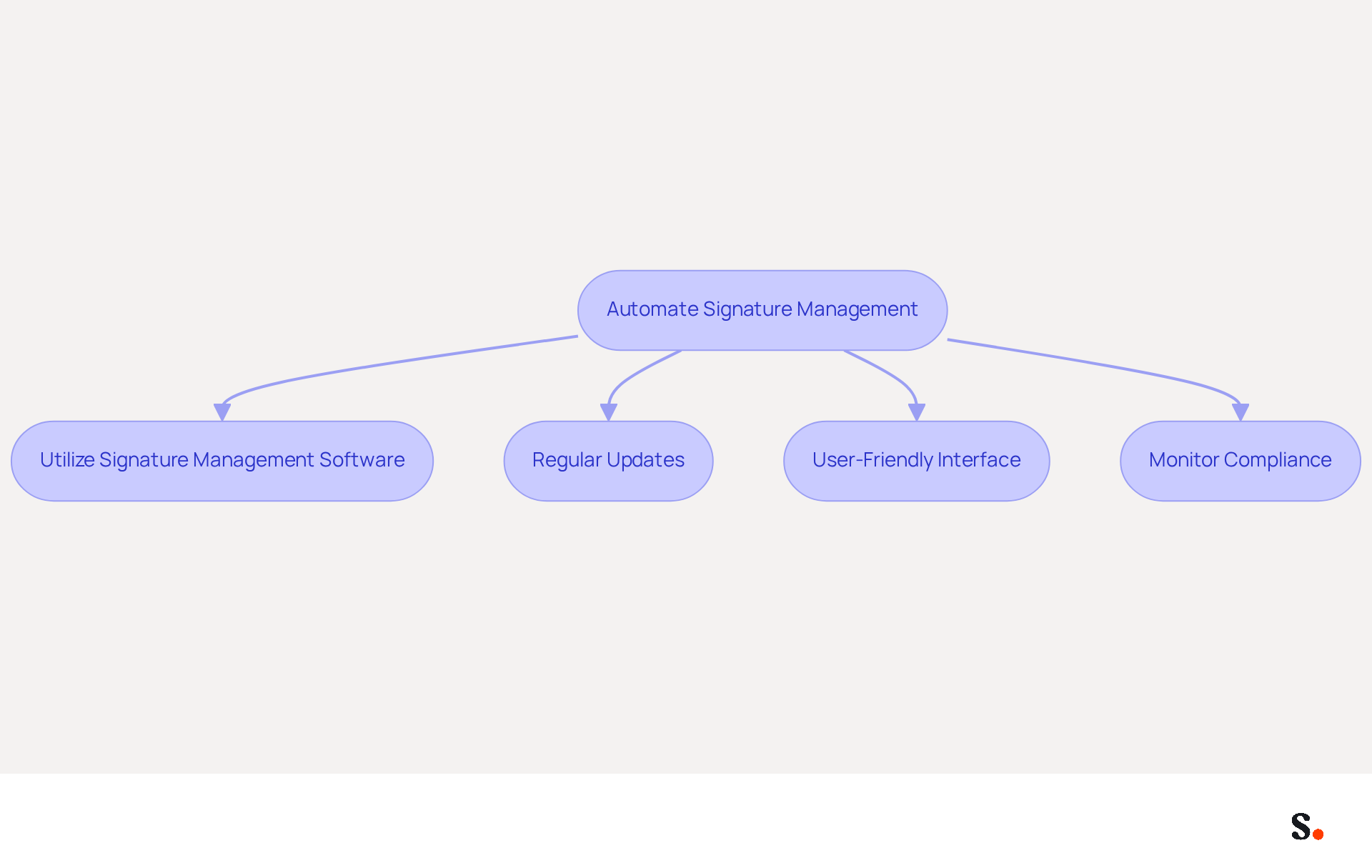
The changement signature outlook is crucial for effective email signature management, which helps maintain brand consistency and professionalism. To ensure consistency and efficiency in email signature management, consider the following best practices:
- Utilize Signature Management Software: Implement tools like Scribe that provide centralized control over email identifiers. This approach helps all employees adopt a uniform format for their signatures, contributing to a changement signature outlook that enhances brand consistency in communications. Thanks to Scribe's one-click synchronization, the Marketing team can easily manage and auto-fill teammates' information after the initial IT setup, streamlining the process and reducing errors.
- Regular Updates: Schedule routine updates to template designs to reflect any changes in branding or contact information. Research indicates that organizations maintaining consistent branding report a 22% increase in response rates and a 15% rise in click-through rates to their websites. Scribe automatically syncs teammate data from your email provider daily, ensuring that your identifiers are always current.
- User-Friendly Interface: Opt for software that is intuitive and requires minimal technical expertise from employees. This encourages compliance and significantly reduces support requests, allowing IT teams to focus on higher-priority tasks. Scribe's rapid deployment ensures that company-wide installation typically takes less than a day, making it user-friendly for non-technical individuals.
- Monitor Compliance: Regularly verify that all employees are using the correct signatures. Automated reminders can help maintain adherence to branding guidelines, ensuring that every email sent reflects the company’s professional image with changement signature outlook. With Scribe's SOC 2 Type II compliance, you can rest assured that your data is secure while maintaining consistency in your identity.
By leveraging automated solutions, organizations can not only enhance their operational efficiency but also elevate their brand presence in every communication. For instance, companies that have adopted automated solutions like Scribe have reported significant time savings, allowing IT teams to reclaim hours previously spent on manual updates. This efficiency not only improves operational workflows but also boosts brand visibility, transforming every message into a potential promotional opportunity. Furthermore, Scribe's average click-through rate on banners is 12%, showcasing the effectiveness of campaigns utilizing signatures.
Measure ROI and Lead Generation from Email Signatures
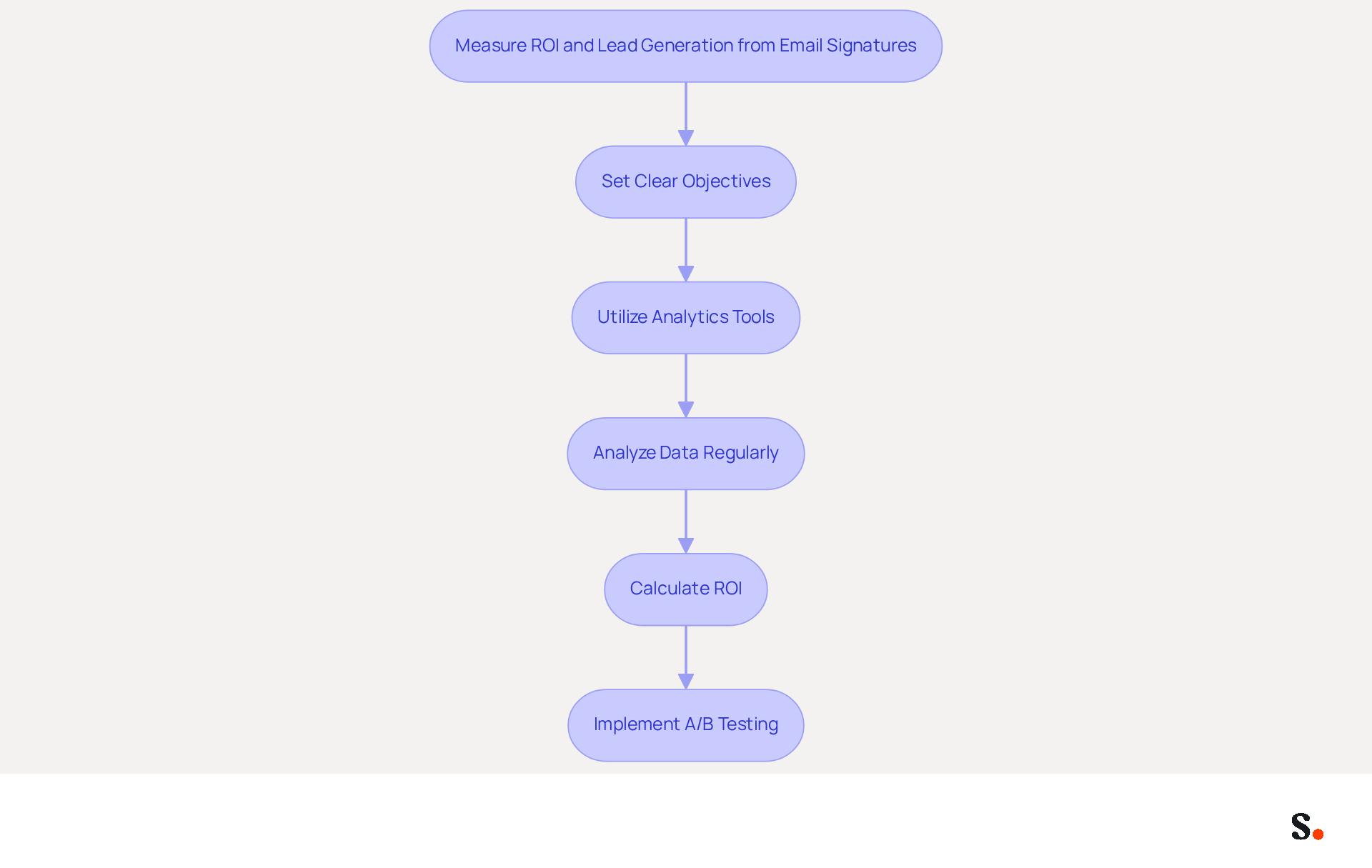
To maximize the effectiveness of your email signatures, it is essential to measure their impact on ROI and lead generation. Here are some best practices to follow:
- Set Clear Objectives: Define success metrics for your campaigns, such as click-through rates, conversions, or new leads generated. This clarity will guide your strategy.
- Utilize Analytics Tools: Implement robust analytics tools, like Google Analytics or specialized management software, to track engagement metrics and gain insights into performance.
- Analyze Data Regularly: Conduct regular reviews of your data to identify trends and areas for improvement. Look for engagement patterns and adjust your strategies accordingly to enhance effectiveness.
- Calculate ROI: Use the formula
ROI = (Revenue - Cost) / Costto assess the effectiveness of your campaigns related to electronic correspondence. This formula helps you understand how your investment in digital branding is performing.
By closely monitoring these metrics, businesses can fine-tune their communication strategies, leading to improved lead generation and maximized ROI. With the average ROI for promotional messages in the US and UK ranging between 3600% and 3800%, effective signature management can significantly boost your returns. Furthermore, 52% of advertisers indicated their ROI from campaigns doubled in 2023 compared to the prior year, highlighting the effectiveness of these practices. Incorporating A/B testing can further increase marketing ROI by 83%, making it a valuable strategy to implement. Implementing email signature analytics can be challenging due to issues like data integration and tracking accuracy. Recognizing and addressing these challenges can ultimately enhance your marketing strategy and drive better results.
Conclusion
Effective email signatures go beyond aesthetics; they strategically enhance brand visibility and engagement. Implementing best practices in email signature management transforms every email into a powerful marketing tool that reinforces brand identity and drives measurable results.
Key strategies discussed include:
- The importance of on-brand signature templates
- Leveraging email signatures for marketing campaigns
- Automating signature management for consistency
- Measuring ROI and lead generation
Each of these elements plays a crucial role in transforming email signatures from a simple footer into a dynamic marketing asset. For instance, utilizing tools like Scribe allows for seamless integration and management, ensuring that branding remains consistent across all communications while also providing valuable analytics to track performance.
The potential of email signatures as a marketing strategy is significant and often overlooked. By adopting these best practices, organizations can not only enhance their professional image but also unlock new avenues for engagement and lead generation. Embracing automated solutions like Scribe empowers marketing teams to take control of their email signatures, ensuring brand consistency and maximizing the impact of every email sent. As the digital landscape evolves, those who effectively leverage email signatures will gain a competitive edge in their marketing efforts.
Frequently Asked Questions
What is the importance of establishing a visual identity for email templates?
Establishing a clear visual identity, including defining colors, fonts, and logos, is crucial for creating effective email templates that resonate with your audience and strengthen recognition of the company.
What are the key brand elements to define when creating email templates?
The key brand elements to define include your brand colors, fonts, and logo, which should be consistently integrated into the design to maintain a cohesive look.
How should the layout of email templates be designed?
The layout should be clean and organized, using a hierarchy in text size to highlight essential information, such as the sender's name and title, ensuring they stand out.
Why is mobile optimization important for email templates?
Mobile optimization is important because over 60% of business emails are opened on mobile devices, and optimizing for mobile ensures that the email is visually appealing and functional on smartphones.
What is A/B testing and how can it be applied to email templates?
A/B testing involves creating multiple versions of the email design to determine which resonates best with the audience, potentially leading to a notable rise in engagement, with well-optimized sign-offs driving up to 40% higher interaction rates compared to generic closures.
What common pitfalls should be avoided when creating email templates?
Common pitfalls include failing to regularly review identifiers, which can lead to formatting errors and outdated information that harm professionalism.
How can incorporating social media links benefit email templates?
Including links to social media profiles can enhance visibility and foster deeper audience engagement.
What is the overall goal of refining email identifiers?
The overall goal is to convey professionalism and improve visibility in every email communication while adapting to the evolving landscape of digital communication.
List of Sources
- Create On-Brand Signature Templates
- Email Signature Design Trends in 2026: What Works and What to Drop (https://bulksignature.com/blog/email-signature-design-trends)
- Email Signature Design Guide: Best Practices and Examples (https://designmodo.com/email-signature)
- Best Practices for Outlook Email Signature Templates That Boost Engagement (https://scribe-mail.com/en-US/blog/best-practices-for-outlook-email-signature-templates-that-boost-engagement)
- 7 ways email signatures boost brand image (https://signitic.com/en/resources/7-ways-email-signatures-boost-brand-image)
- Email Signature Branding: Consistency and Impact | Crossware365 (https://crossware365.com/blog/mastering-email-signature-branding-market-presence)
- Leverage Email Signatures for Marketing Campaigns
- 40+ Email Signature Statistics for 2026 (Data + Insights) (https://wavecnct.com/blogs/email-signature-statistics)
- What is email signature marketing? Complete B2B definition (2026) (https://signitic.com/en/resources/what-is-email-signature-marketing-a-complete-definition-for-b2b-teams)
- The Ultimate Guide to Email Signature Call-to-Action - NEWOLDSTAMP (https://newoldstamp.com/blog/the-ultimate-guide-to-email-signature-call-to-action)
- Why Email Signatures Must Be In Your 2026 Marketing Plan | Rocketseed (https://rocketseed.com/blog/2026-marketing-plan-email-signatures)
- 2026 Marketing Trends: Email Signatures as a Marketing Tool (https://bluechiptt.com/blog/5-marketing-trends-for-2026-and-how-your-email-signature-fits-in)
- Automate Signature Management for Consistency and Efficiency
- Best Email Signature Management Software: Top 12 Tools (2026)
- NEWOLDSTAMP (https://newoldstamp.com/blog/email-signature-software)
- The Complete Email Signature Guide 2026: Best Practices and Policy (https://opensense.com/complete-email-signature-guide)
- Automating Email Signatures: How IT Teams Streamline Processes & Reduce Risk (https://exclaimer.com/blog/streamlining-it-processes-automated-email-signatures)
- Why Team Email Signatures Matter More Than You Think: The Hidden Impact on Brand Trust and Customer Experience (https://getmailbird.com/why-team-email-signatures-matter-brand-trust)
- 4 Best Practices for Brand Consistency in Email Signatures (https://scribe-mail.com/en-US/blog/4-best-practices-for-brand-consistency-in-email-signatures)
- Measure ROI and Lead Generation from Email Signatures
- Beyond the Sign-Off: Leveraging Email Signature Analytics for Strategic Insights (https://patronum.io/beyond-the-sign-off-leveraging-email-signature-analytics-for-strategic-insights)
- Email Marketing ROI Statistics: The Ultimate List for 2026 (https://emailmonday.com/email-marketing-roi-statistics)
- How to Measure Email Marketing Agency ROI: A Complete 2026 Framework (https://hustlermarketing.com/how-to-measure-email-marketing-agency-roi-a-complete-2026-framework)
- Email Signature Analytics: Unlocking Potential for Business Growth (https://wisestamp.com/blog/email-signature-analytics)
- How to Track Email Signature Performance: Email Signature Analytics & UTM Guide (https://bulksignature.com/blog/how-to-track-email-signature-performance-email-signature-analytics-utm-guide)
Get started with Scribe
Create your signature in minutes
Free 14-day trial — no credit card.