4 Best Practices for Using 'Warm Regards' in Email Signatures
The choice of email sign-off can profoundly impact professional relationships, yet its significance is often underestimated.
Sophie Grant
Email Signature Specialist, Scribe

On this page
- Introduction
- Understand the Importance of 'Warm Regards' in Professional Communication
- Implement Best Practices for Using 'Warm Regards' in Signatures
- Explore the Benefits of Using 'Warm Regards' in Email Signatures
- Avoid Common Mistakes with 'Warm Regards' in Signatures
- Conclusion
- Frequently Asked Questions
- List of Sources
Introduction
The choice of email sign-off can profoundly impact professional relationships, yet its significance is often underestimated.
- 'Warm Regards' serves as a bridge between formality and friendliness, fostering a welcoming atmosphere that encourages open dialogue.
- Yet, effectively using this sign-off requires understanding the right context and timing.
- Identifying best practices for using 'Warm Regards' can enhance communication dynamics significantly.
Understand the Importance of 'Warm Regards' in Professional Communication
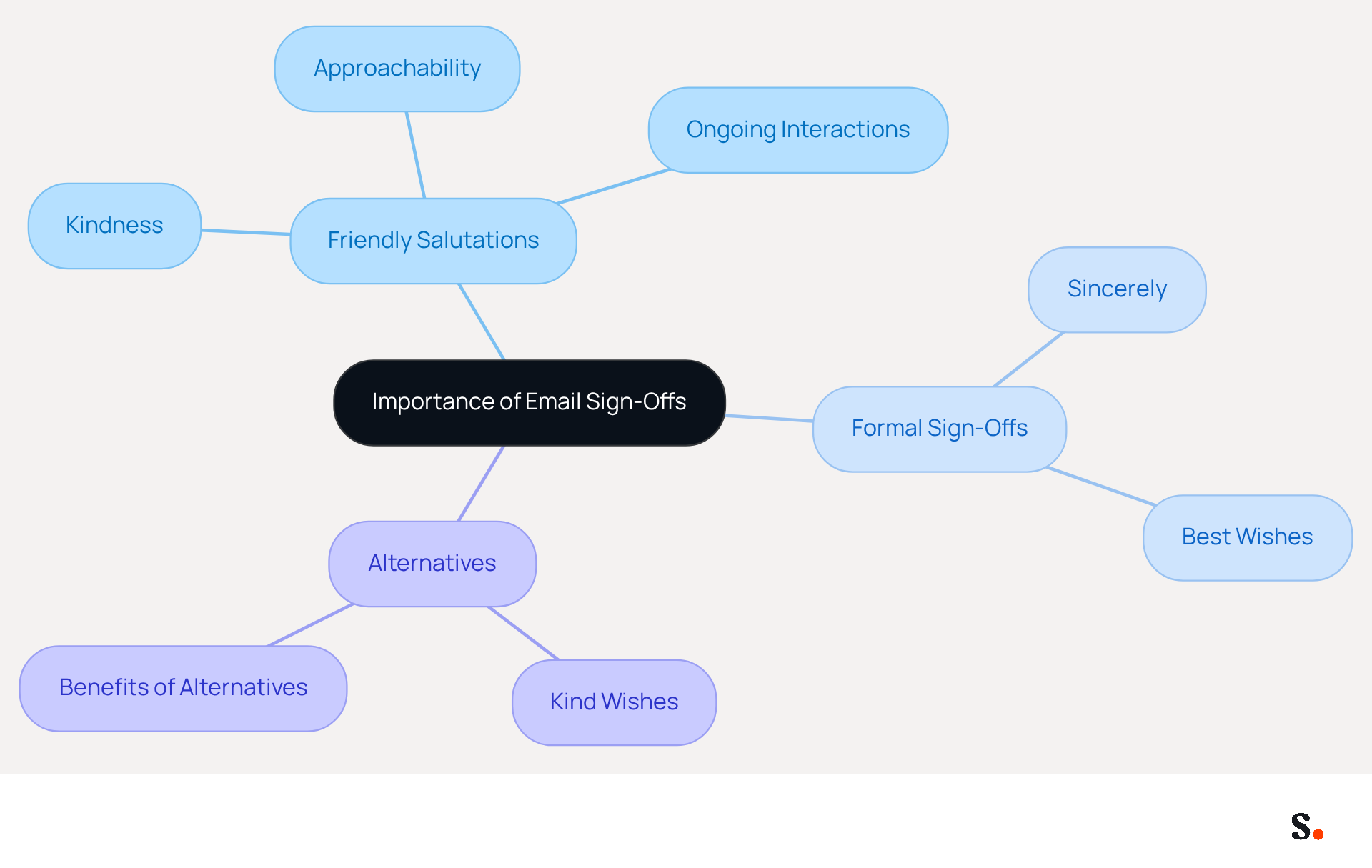
Selecting the right email sign-off is crucial for fostering professional relationships. 'Friendly Salutations' is more than just a courteous closing; it conveys kindness and approachability, making it suitable for professional environments where relationships are important. This sign-off works well in emails where a personal touch enhances rapport, especially in ongoing interactions. It signals to the recipient that the sender values the relationship and is open to further dialogue.
In contrast to more formal sign-offs like 'Best Wishes,' 'Friendly Salutations' strikes a balance between professionalism and approachability, making it ideal for both established relationships and new connections. Using 'Kind Wishes' helps professionals create a welcoming atmosphere, encouraging collaboration and open dialogue.
However, choosing the appropriate sign-off can be challenging, especially in formal contexts, where more traditional sign-offs like 'Sincerely' or 'Best Wishes' might be better suited. As highlighted in various case studies, thoughtful sign-offs can strengthen professional relationships. Incorporating alternatives such as 'Kind Wishes' can also provide a more balanced perspective on sign-offs, ensuring that the tone aligns with the context of the interaction.
Ultimately, the right sign-off can pave the way for more productive and meaningful interactions.
Implement Best Practices for Using 'Warm Regards' in Signatures
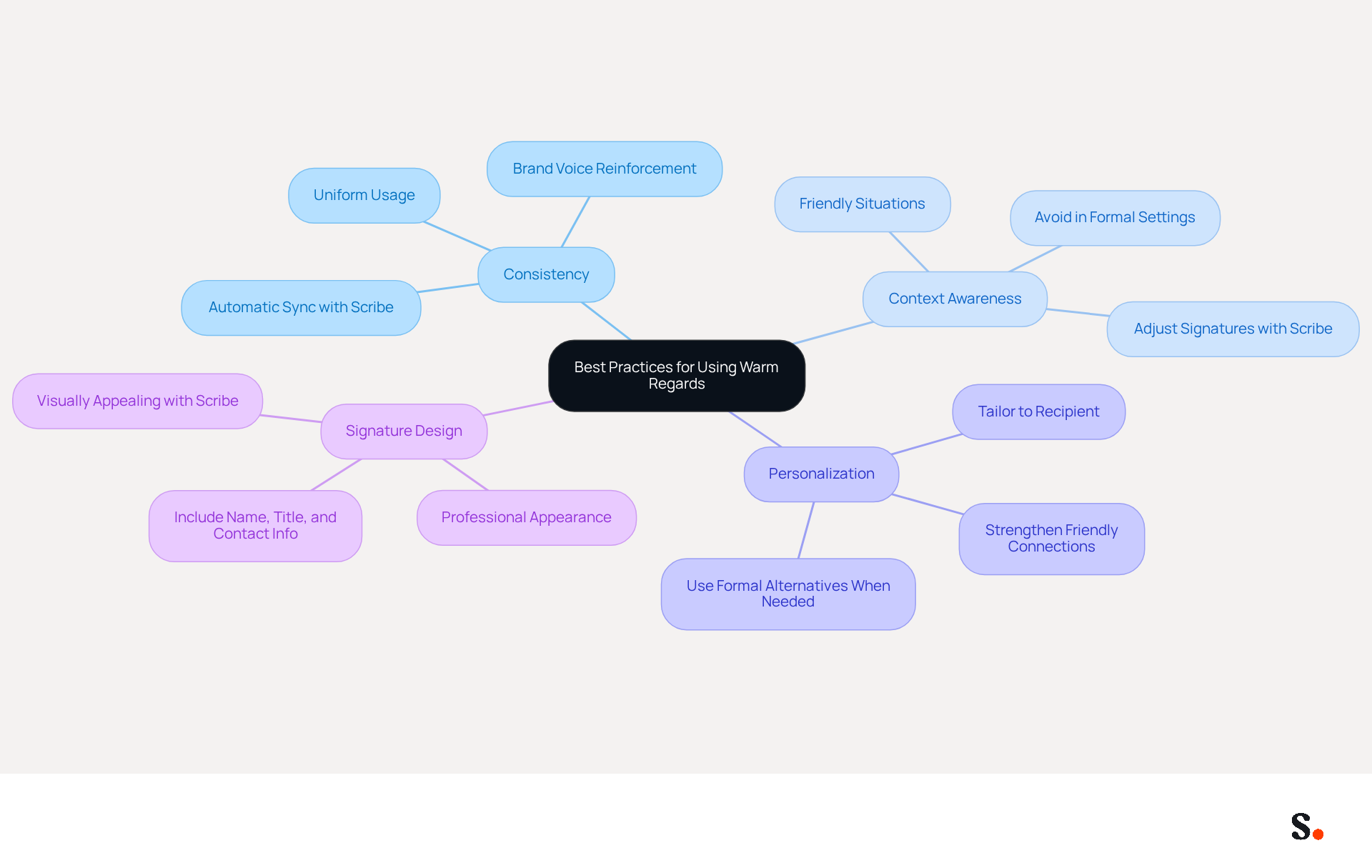
To maximize the impact of your email signatures, it is essential to implement best practices for using 'Warm Regards':
- Consistency: Ensure that 'Kind Wishes' is used uniformly across all communications to reinforce your brand's voice. This consistency helps establish a recognizable tone that recipients can expect. Scribe automatically syncs with Aircall, so any changes to your signature are instantly updated, keeping your brand voice consistent.
- Context Awareness: Use 'Warm Regards' in situations where a friendly tone is suitable, such as follow-up emails or after a successful meeting. Choosing the right sign-off can be challenging in formal settings. Avoid it in highly formal interactions where a more traditional sign-off may be warranted. With Scribe's integration, you can easily adjust your signatures to fit the context of your communication.
- Personalization: Tailor your sign-off to the recipient when possible. For instance, if you have a friendly relationship, 'Kind Wishes' can strengthen that connection. On the other hand, if the relationship is more formal, consider using 'Best Wishes' instead. Scribe's features enable you to personalize signatures easily, making it simple to adjust your tone based on the recipient.
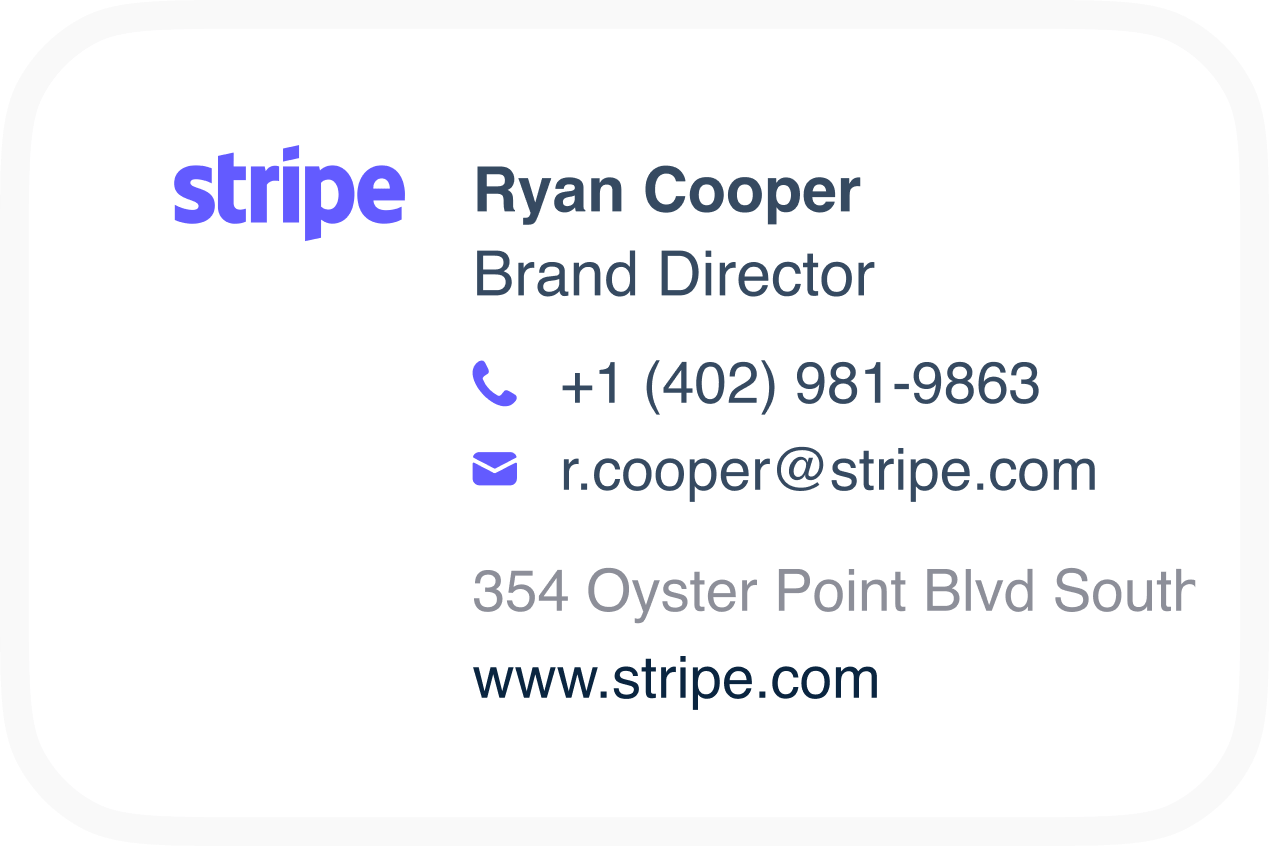
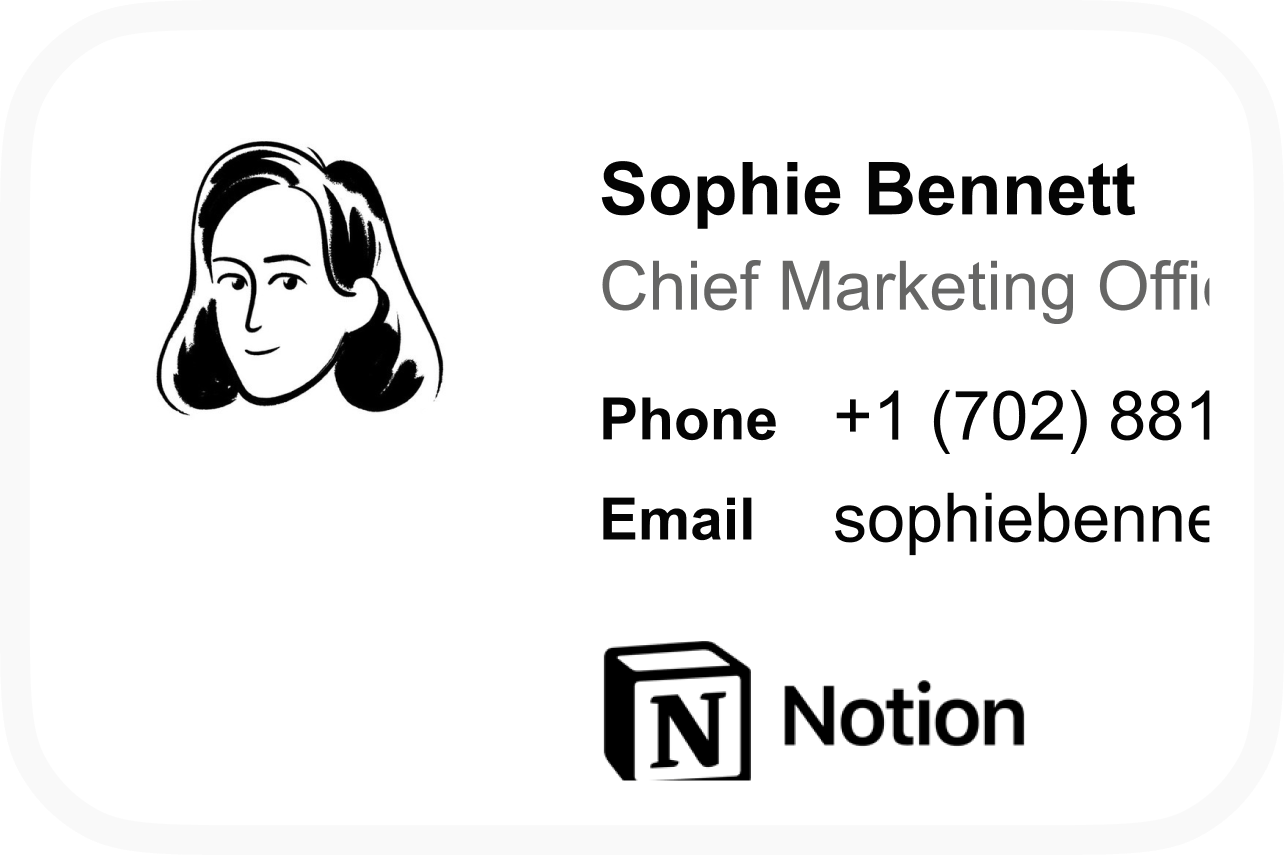
- Signature Design: A well-designed signature not only looks professional but also boosts the effectiveness of your sign-off. Incorporate 'Kind Wishes' into a well-crafted email signature that includes your name, title, and contact information. With Scribe, you can create visually appealing signatures that align with your brand's identity, ensuring that 'Kind Regards' is presented effectively.
By leveraging these strategies, you can enhance your email communication and foster stronger relationships with your recipients.
Explore the Benefits of Using 'Warm Regards' in Email Signatures
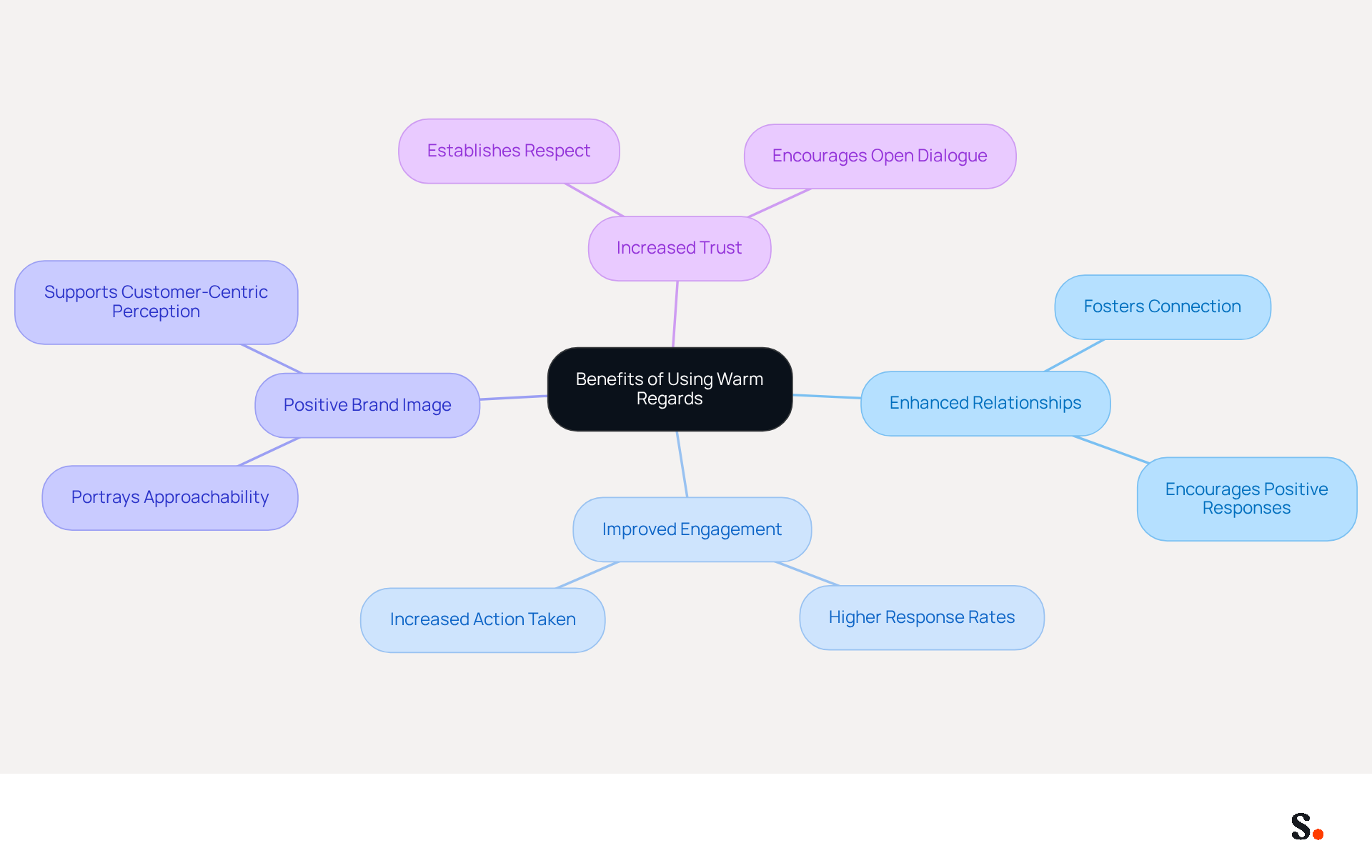
Incorporating 'Warm Regards' in email signatures can significantly enhance communication effectiveness:
- Enhanced Relationships: This sign-off fosters a sense of connection and warmth, which can strengthen professional relationships. Recipients are more likely to respond positively to messages that conclude on a friendly note.
- Improved Engagement: Emails that convey warmth and friendliness can lead to higher engagement rates. Recipients may feel more inclined to respond or take action when they perceive a personal touch in the interaction.
- Incorporating 'Warm Regards' into your email signature can enhance your positive brand image, portraying it as approachable and customer-centric. This perception can be particularly beneficial for businesses looking to build long-term relationships with clients.
- Increased Trust: A warm sign-off can help establish trust between the sender and recipient. When recipients feel appreciated and respected, they are more likely to engage in open and honest dialogue.
Without a warm sign-off, emails may come across as cold and impersonal, hindering relationship-building. This simple adjustment can transform your email interactions, leading to more meaningful connections. Ultimately, adopting this simple practice can lead to more fruitful professional interactions.
Avoid Common Mistakes with 'Warm Regards' in Signatures
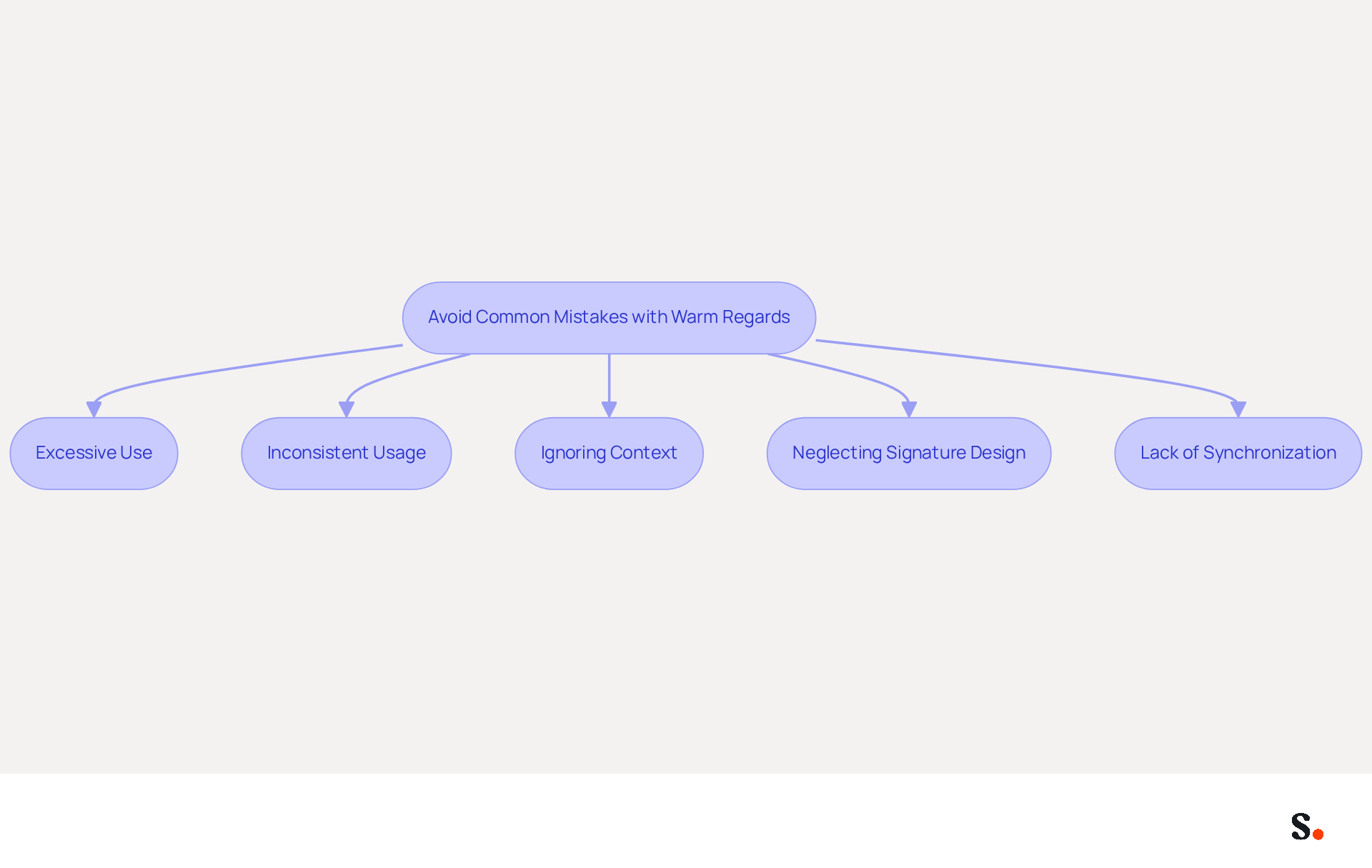
To enhance the impact of 'Warm Regards' in your email signatures, it is crucial to recognize and avoid common pitfalls:
- Excessive use of 'Kind Wishes' can lessen its effectiveness. Reserve it for appropriate contexts to maintain its impact and avoid sounding insincere.
- Inconsistent Usage: Make sure your sign-off reflects your unique communication style. Failing to use 'Kind Wishes' consistently across messages can create confusion about your tone.
- Ignoring Context: Using 'Warm Regards' in highly formal or serious communications can come across as unprofessional. Evaluate the context of your message and choose a sign-off, like 'warm regards', that aligns with the tone of the communication.
- Neglecting Signature Design: A poorly designed signature can lead to misinterpretations of your professionalism. Ensure that your signature is visually appealing and includes all necessary contact information.
- Lack of Synchronization: By steering clear of these pitfalls and utilizing Scribe's features effectively, you can save time and ensure that your teammates' signature information is always up-to-date. Any modifications in your Google Workspace, such as updates to job positions or group assignments, will automatically reflect in Scribe, allowing you to maintain a consistent and professional image in your interactions.
By implementing these strategies, you can elevate your email communication and reinforce your professional image.
Conclusion
Choosing the right sign-off in emails is crucial for effective communication. Using 'Warm Regards' in email signatures is not just a matter of etiquette; it is a strategic choice that can significantly enhance professional communication. This sign-off strikes a balance between warmth and professionalism, effectively fostering relationships and encouraging dialogue. Adopting 'Warm Regards' can create a welcoming atmosphere, leading to more engaging and productive conversations.
The article outlines several best practices for implementing 'Warm Regards' effectively. Key strategies include:
- Maintaining consistency across communications
- Being context-aware when choosing sign-offs
- Personalizing messages to suit the recipient
- Ensuring that signature design is visually appealing
These practices boost the sign-off's effectiveness and help maintain a consistent brand voice, especially when utilizing tools like Scribe that streamline signature management and ensure compliance with security standards such as SOC 2 Type II, GDPR, and CCPA.
In conclusion, the impact of a simple sign-off like 'Warm Regards' extends beyond mere politeness; it can transform email interactions into meaningful connections. By embracing these best practices, professionals can enhance their communication, build trust, and foster stronger relationships. Integrating 'Warm Regards' into email signatures is not just a choice; it's a strategic move that can redefine professional interactions.
Frequently Asked Questions
Why is selecting the right email sign-off important in professional communication?
Selecting the right email sign-off is crucial for fostering professional relationships, as it conveys kindness and approachability, making it suitable for environments where relationships are important.
What does the sign-off 'Friendly Salutations' signify in emails?
'Friendly Salutations' signifies that the sender values the relationship with the recipient and is open to further dialogue, enhancing rapport in ongoing interactions.
How does 'Friendly Salutations' compare to more formal sign-offs like 'Best Wishes'?
'Friendly Salutations' strikes a balance between professionalism and approachability, making it ideal for both established relationships and new connections, whereas 'Best Wishes' is more formal.
What is the impact of using sign-offs like 'Kind Wishes' in professional emails?
Using sign-offs like 'Kind Wishes' helps create a welcoming atmosphere, encouraging collaboration and open dialogue among professionals.
Are there situations where more traditional sign-offs are preferred?
Yes, in formal contexts, more traditional sign-offs like 'Sincerely' or 'Best Wishes' might be better suited than more casual options.
How can thoughtful sign-offs strengthen professional relationships?
Thoughtful sign-offs can strengthen professional relationships by ensuring that the tone aligns with the context of the interaction, paving the way for more productive and meaningful communications.
List of Sources
- Understand the Importance of 'Warm Regards' in Professional Communication
- 100 Compelling Email Statistics for 2026 | PGM Solutions (https://porchgroupmedia.com/blog/100-compelling-email-statistics-to-inform-your-strategy-in-2023)
- 36+ essential workplace communication statistics for 2026 (https://zoom.com/en/blog/workplace-communication-statistics)
- Warm Regards vs Best Regards vs Kind Regards: Choosing the Right Email Sign-Off (https://salesforge.ai/blog/warm-regards-vs-best-regards-vs-kind-regards)
- Warm Regards Meaning: Understanding the Significance of This Common Email Sign-Off (https://serchen.com/blog/warm-regards-meaning)
- Email Sign Offs for Every Industry and Situation | Mailchimp (https://mailchimp.com/resources/email-sign-offs)
Get started with Scribe
Manage signatures across your whole team
Free 14-day trial — no credit card.