4 Best Practices to Boost Your Email Signature Campaign Success
Despite the clear benefits, many organizations fail to recognize the untapped potential of their email signatures as a marketing tool. By implementing best
Sophie Grant
Email Signature Specialist, Scribe

Introduction
Despite the clear benefits, many organizations fail to recognize the untapped potential of their email signatures as a marketing tool. By implementing best practices, businesses can enhance brand visibility, drive engagement, and ultimately boost conversion rates. However, with numerous strategies available, how can one determine the most effective methods to ensure success? Let’s explore four essential practices that can elevate your email signature campaigns and provide actionable insights for marketing and IT professionals alike.
Design On-Brand Email Signature Templates
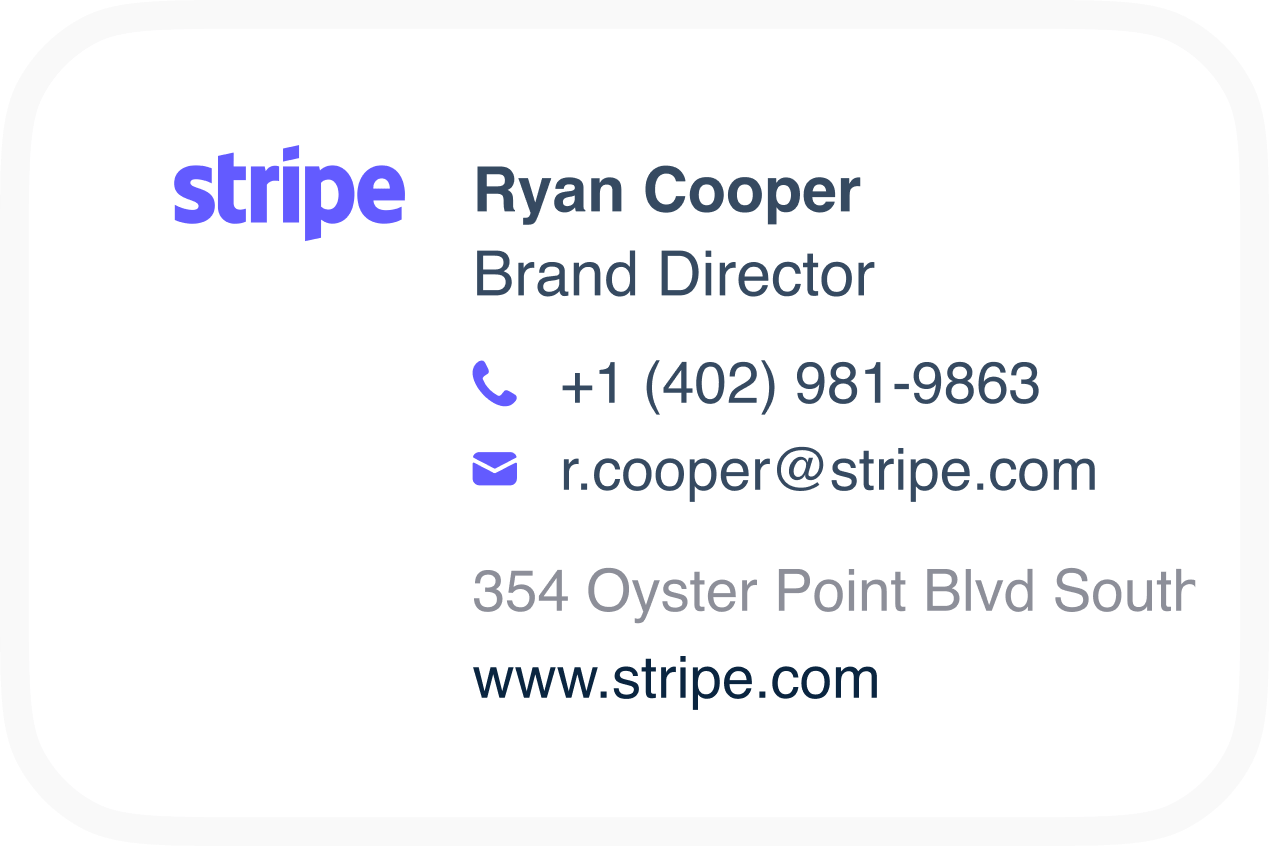
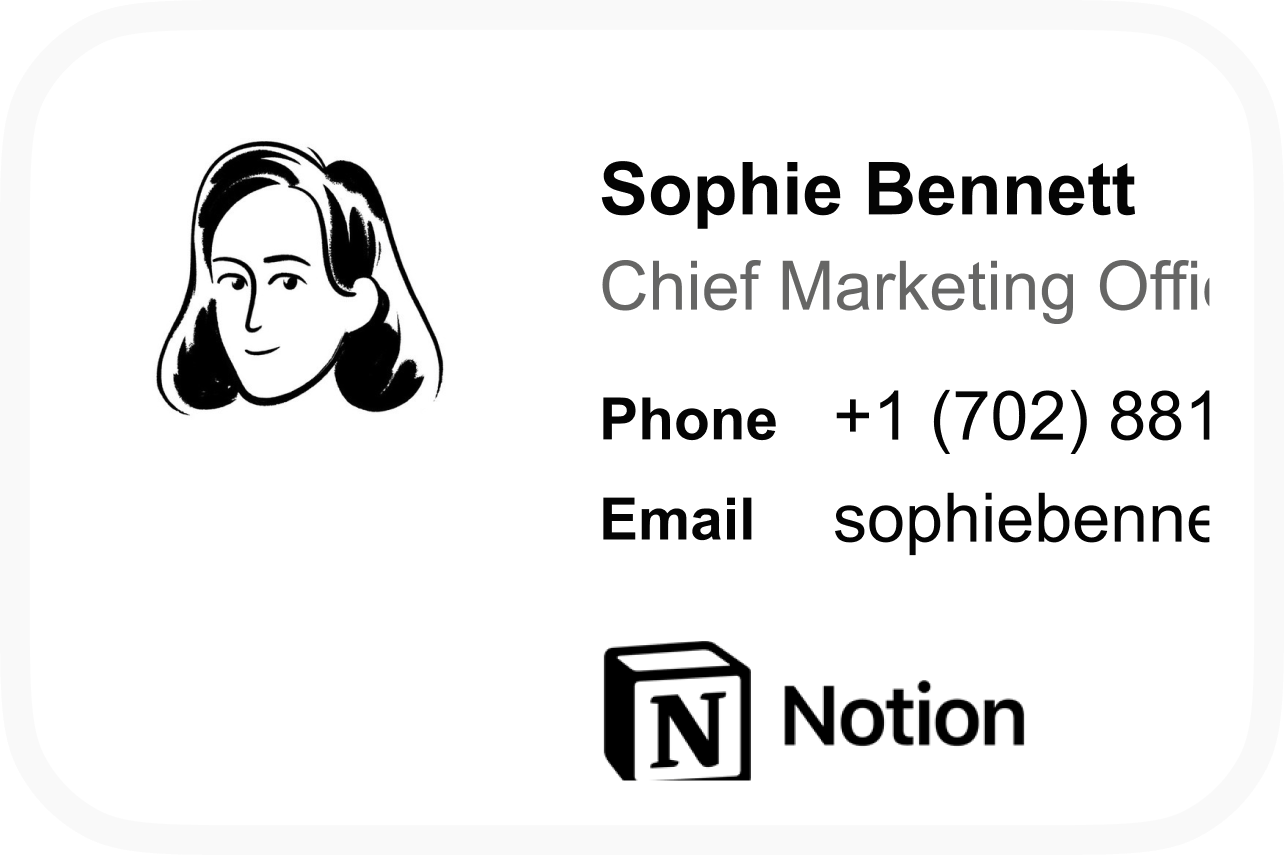
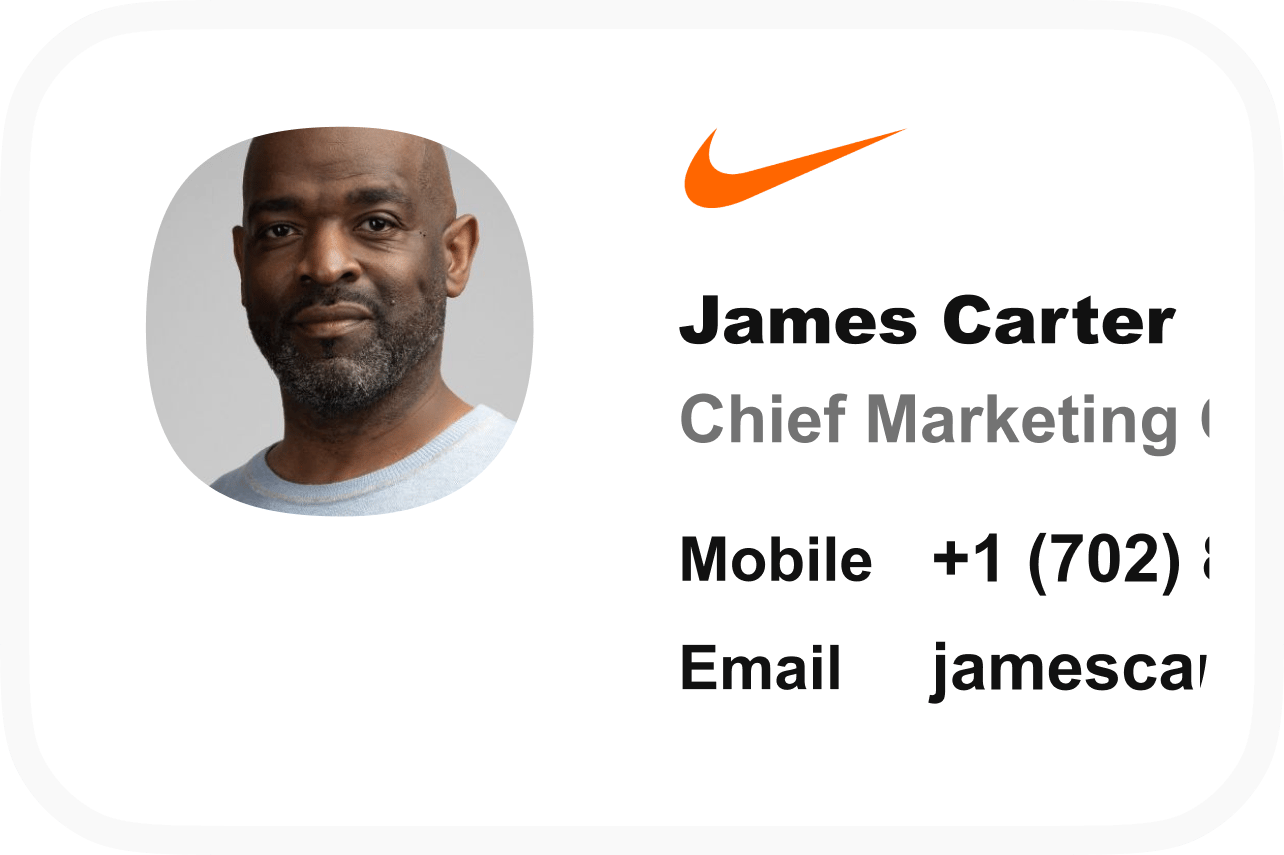
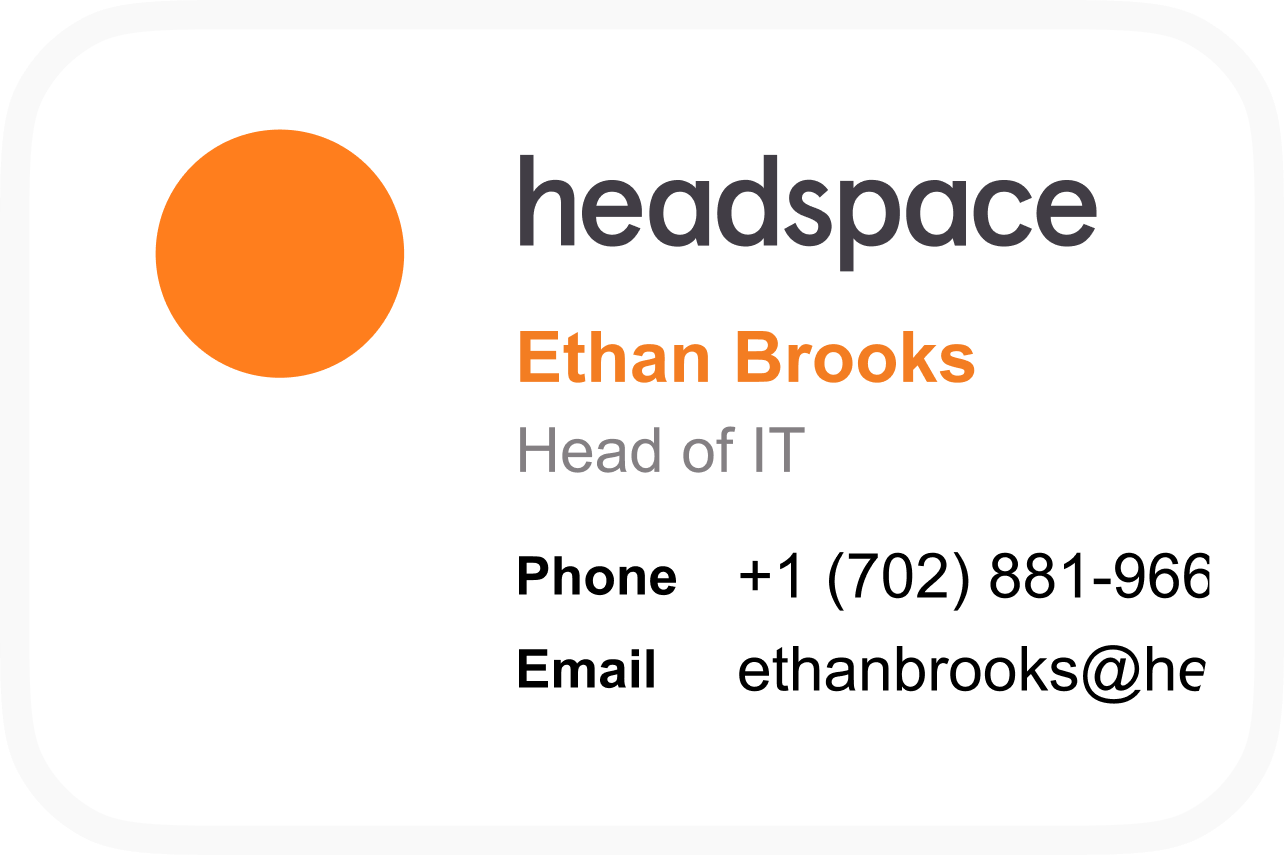
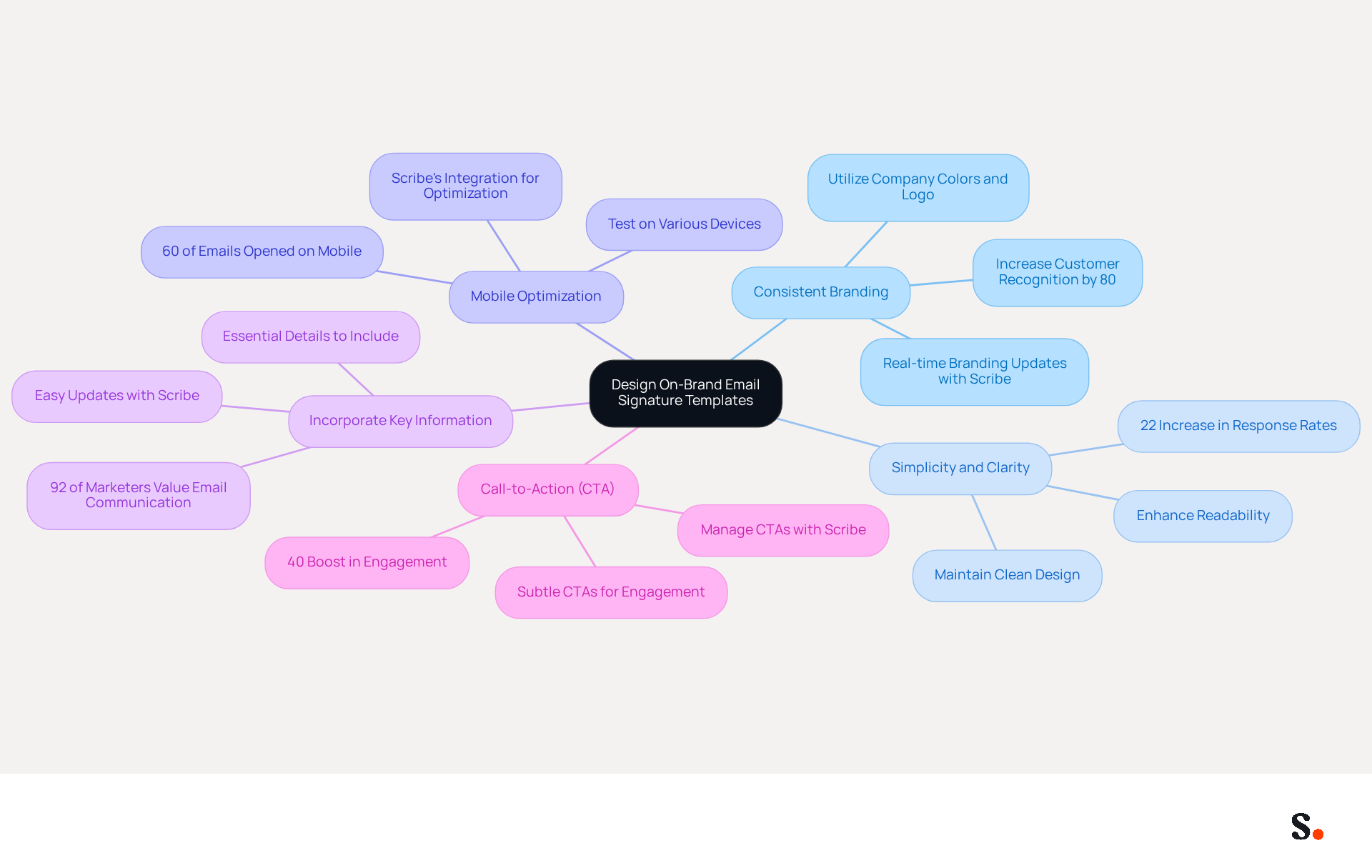
Creating effective email signature templates requires attention to several key elements that enhance brand recognition and marketing impact:
- Consistent Branding: Utilize your company's colors, fonts, and logo to ensure that the mark aligns with your overall brand identity. Studies show that consistent branding can increase customer recognition by up to 80%, highlighting the need for a cohesive visual identity. Scribe's automated synchronization with Aircall ensures that branding updates are reflected in real-time, maintaining consistency.
- Simplicity and Clarity: Maintain a clean and straightforward design. Too many elements can confuse the recipient, making it harder for them to grasp the key message. A simple layout not only enhances readability but also ensures that critical information stands out. This clarity can significantly improve engagement, as evidenced by a 22% increase in response rates for organizations that prioritize clarity.
- Mobile Optimization: Since over 60% of business emails are opened on mobile devices, it's crucial to make sure your email footer looks good and works well on all screen sizes. Testing the mark on various devices is essential to confirm its effectiveness and accessibility. Scribe's integration with Aircall ensures that your marks are optimized for all platforms, enhancing user experience.
- Incorporate Key Information: Essential details such as the sender's name, title, company name, contact information, and social media links should be included. This information must be easy to locate and comprehend, as 92% of marketers acknowledge the importance of electronic mail for customer communication. Scribe's synchronization feature enables easy updates to this information, ensuring your marks are up to date.
- Call-to-Action (CTA): Adding a subtle CTA, such as a link to a current promotion or a recent blog post, can drive engagement without overwhelming the recipient. Effective CTAs in message footers can result in a 40% boost in engagement, making them a valuable enhancement to your footer design. With Scribe, you can easily manage and update these CTAs to align with your promotional efforts.
By leveraging these strategies, businesses can transform their email signatures through an email signature campaign into powerful tools for brand promotion and lead generation.
Schedule and Execute Targeted Marketing Campaigns
To maximize the impact of your email signature campaign, a strategic approach is essential. Consider the following steps:
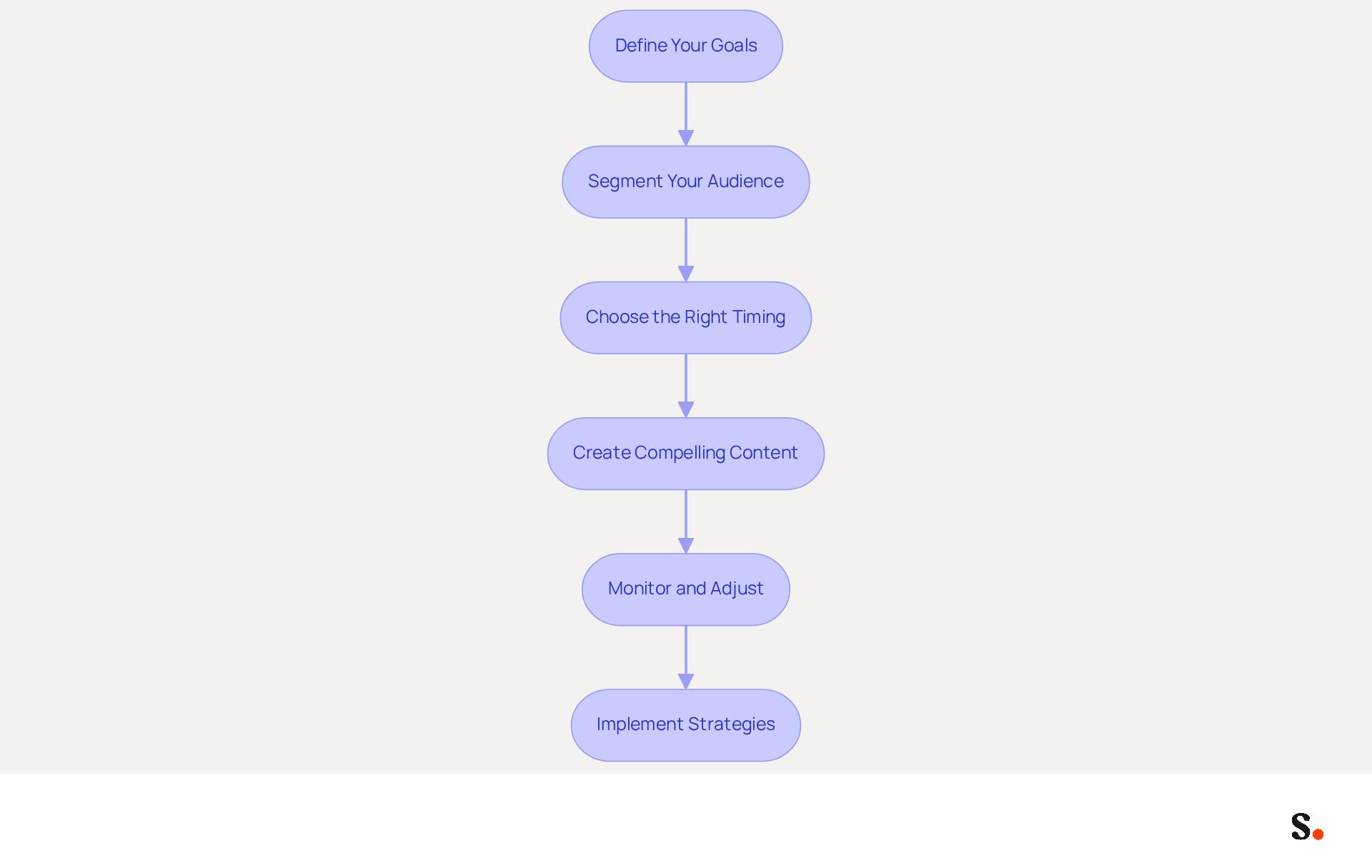
- Define Your Goals: Clearly outline what you want to achieve with your campaign. Whether it's increasing website traffic, promoting a new product, or enhancing brand awareness, having specific goals will guide your strategy.
- Segment Your Audience: Utilize data analytics to segment your audience based on demographics, behavior, or previous interactions. Tailoring your messages to specific audiences increases engagement, with focused campaigns generating an average return of $42 for every $1 spent.
- Choose the Right Timing: Research indicates that certain days and times yield higher open and click-through rates. For example, mid-week mornings are frequently ideal for sending marketing messages. Organizing your initiatives accordingly can greatly improve engagement, as the typical open rate to target is approximately 34.23%.
- Create Compelling Content: Develop engaging content that resonates with your audience. This could include promotional offers, informative articles, or event invitations. Ensure that the content aligns with your brand voice and objectives, as personalized emails can lead to a 15-25% increase in revenue compared to traditional segmentation. Additionally, consider leveraging Scribe's affiliate program to earn a 50% commission on referrals, boosting your profitability.
- Monitor and Adjust: After launching your initiative, closely observe its performance using analytics tools to track open rates, click-through rates, and conversions. Monitoring performance can be challenging without the right tools. Be ready to modify your approach based on the information gathered to enhance future initiatives. Continuous refinement is key to maintaining high engagement levels. With Scribe's self-serve affiliate platform, you can monitor your referrals in real-time, ensuring you optimize your earnings while maintaining brand consistency through automated synchronization of contact details with Aircall. Scribe also adheres to SOC 2 Type II certification and complies with GDPR and CCPA, ensuring your data is handled securely.
Implementing these strategies not only enhances your marketing effectiveness but also positions your brand for sustained growth.
Integrate Email Signatures with Key Business Tools
Integrating digital identifiers with essential business tools is crucial for enhancing operational efficiency. Here are some best practices:
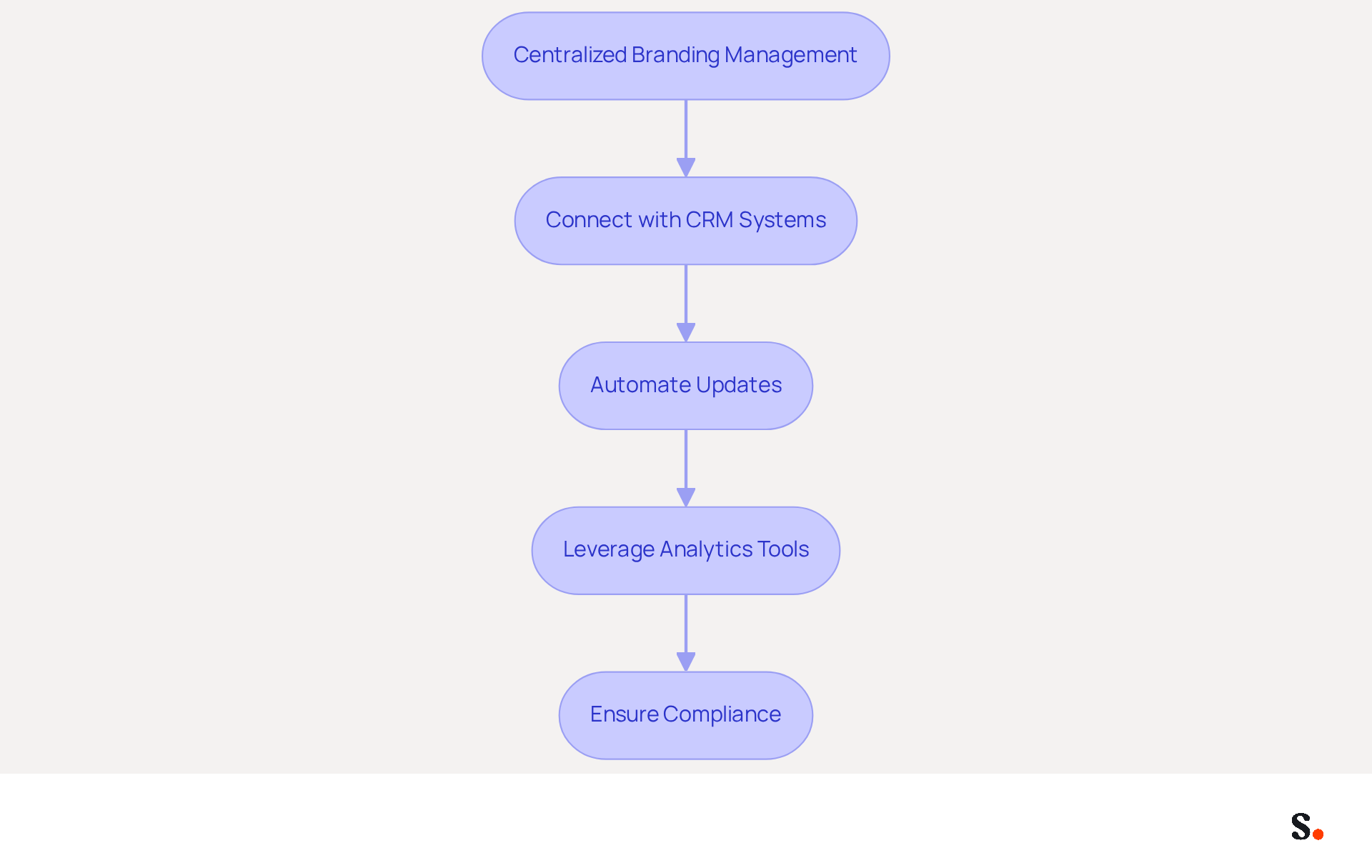
- Consider using management software to streamline branding efforts across your organization: Implement software that allows for centralized management of branding. This ensures that all employees use uniform markings that reflect the brand. Without centralized management, inconsistencies in branding can lead to confusion and diminish trust.
- Connect with CRM Systems: Integrate your management tool with your CRM system, such as Salesforce or HubSpot. This connection enables personalized markings based on customer data, enhancing engagement and relevance. Studies indicate that integrating CRM systems with messaging footers can boost campaign reach at no additional cost, turning standard communications into targeted engagement opportunities.
- Automate Updates: Utilize automation features to guarantee that any modifications to branding or contact information are refreshed across all email footers in real-time. By syncing with Google Workspace, Scribe enables you to automatically reflect any changes in your provider directory, saving time and minimizing manual input. This seamless synchronization process not only enhances brand integrity but also mitigates the risk of legal repercussions. Additionally, Scribe's SOC 2 Type II compliance guarantees the safety of your data during this process.
- Leverage Analytics Tools: Integrate analytics tools to monitor the performance of your email branding. Understanding how recipients engage with your email signature campaign can provide valuable insights for future marketing efforts. For example, organizations that incorporate UTM parameters in their links can track engagement metrics, achieving click-through rates of 7-15%, which surpass typical display ads.
- Ensure Compliance: Make sure that your electronic correspondences adhere to legal requirements and industry standards. This includes adding necessary disclaimers or confidentiality notices as required by law, which is crucial for maintaining credibility and avoiding reputational damage.
By adhering to these integration practices, businesses can optimize their management of digital identifiers, enhancing marketing effectiveness and transforming each message into a strategic marketing tool.
Measure and Analyze Campaign Performance
To optimize your email signature campaign, it is essential to measure and analyze its performance effectively. Consider the following metrics and practices:
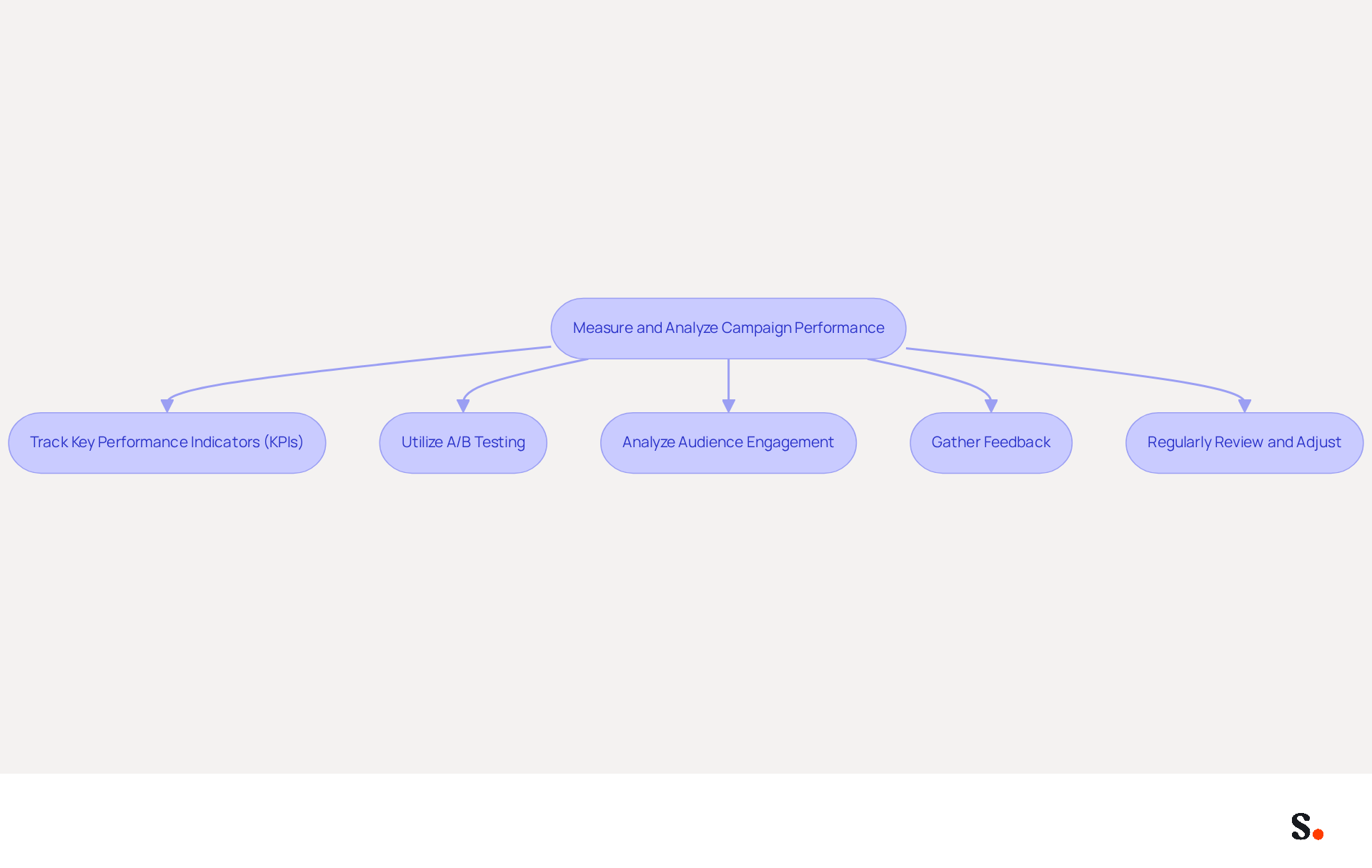
- Track Key Performance Indicators (KPIs): Concentrate on vital KPIs such as open rates, click-through rates, conversion rates, and bounce rates. These metrics provide insights into campaign effectiveness. They also help gauge audience engagement. Furthermore, track subscriber churn and list health metrics, as these are becoming increasingly vital for success in messaging.
- Utilize A/B Testing: By testing different designs and CTAs, you can see what resonates with your audience and make informed improvements. This approach helps identify which versions of your communication identifiers yield the best results.
- Analyze Audience Engagement: Examine how recipients interact with your correspondence. Are they clicking on links? Engaging with CTAs? Understanding these behaviors can guide future design and content decisions, enhancing overall effectiveness. Personalized subject lines can significantly boost open rates, with studies showing increases of up to 26%.
- Gather Feedback: Encourage recipients to share their thoughts on your email designs through surveys or direct communication. This feedback can provide valuable insights into how your signatures are perceived and what improvements can be made.
- Regularly Review and Adjust: Establish a routine for assessing performance metrics. Consistent analysis enables you to identify trends, successes, and areas needing improvement. Use this information to refine your strategies and enhance future campaigns. Additionally, ensure that your authentication practices (SPF, DKIM, DMARC) are robust, as they are essential for improving deliverability and sender reputation.
Understanding these metrics is not just beneficial; it is essential for the success of your email signature campaign.
Conclusion
Effective email signature campaigns are essential for maximizing brand visibility and engagement in today's competitive market. Focusing on best practices like on-brand design, strategic scheduling, and integration with business tools allows organizations to turn their email signatures into effective marketing assets. With Scribe, marketing teams can effectively manage their email signatures, ensuring consistency and maximizing their marketing potential.
Key strategies discussed include:
- The importance of maintaining consistent branding
- Optimizing for mobile devices
- Incorporating clear calls-to-action
Additionally, leveraging data analytics for audience segmentation and timing can significantly boost engagement rates. Integrating email signatures with CRM systems and utilizing automation tools further enhances operational efficiency, while compliance with legal standards safeguards brand reputation.
Ultimately, the success of an email signature campaign hinges on continuous measurement and refinement. Without continuous measurement, businesses risk stagnation in their email marketing efforts. By tracking key performance indicators and gathering audience feedback, businesses can adapt their strategies to maximize impact. This adaptability not only enhances engagement but also secures long-term brand loyalty. By embracing these strategies, organizations can not only enhance their marketing efforts but also secure a competitive edge in their industry.
Frequently Asked Questions
What are the key elements to consider when designing email signature templates?
The key elements include consistent branding, simplicity and clarity, mobile optimization, incorporation of key information, and the inclusion of a call-to-action (CTA).
Why is consistent branding important in email signatures?
Consistent branding enhances brand recognition, with studies showing it can increase customer recognition by up to 80%. It ensures that the email signature aligns with the overall brand identity.
How does Scribe help maintain consistent branding in email signatures?
Scribe's automated synchronization with Aircall ensures that branding updates are reflected in real-time, maintaining consistency across email signatures.
What design approach should be taken to ensure simplicity and clarity in email signatures?
A clean and straightforward design should be maintained to avoid confusion. This enhances readability and ensures that critical information stands out, potentially improving engagement by 22%.
Why is mobile optimization crucial for email signatures?
Over 60% of business emails are opened on mobile devices, making it essential for email signatures to look good and function well on all screen sizes.
What essential information should be included in an email signature?
Essential details include the sender's name, title, company name, contact information, and social media links, all of which should be easy to locate and comprehend.
How does Scribe facilitate the incorporation of key information in email signatures?
Scribe's synchronization feature allows for easy updates to key information, ensuring that email signatures are always up to date.
What is the benefit of including a call-to-action (CTA) in email signatures?
A subtle CTA can drive engagement without overwhelming the recipient, potentially resulting in a 40% boost in engagement.
How can Scribe assist in managing call-to-action links in email signatures?
With Scribe, users can easily manage and update CTAs to align with current promotional efforts, enhancing the effectiveness of email signatures.
List of Sources
- Design On-Brand Email Signature Templates
- Why Email Signatures Must Be In Your 2026 Marketing Plan | Rocketseed (https://rocketseed.com/blog/2026-marketing-plan-email-signatures)
- Branding statistics you need to know in 2026 (https://dash.app/blog/branding-statistics)
- 4 Best Practices for Brand Consistency in Email Signatures (https://scribe-mail.com/en-US/blog/4-best-practices-for-brand-consistency-in-email-signatures)
- Email Signature Design Trends in 2026: What Works and What to Drop (https://bulksignature.com/blog/email-signature-design-trends)
- Top 10+ best practices for email signatures design in 2026 (https://mysignature.io/blog/email-signature-best-practices)
- Schedule and Execute Targeted Marketing Campaigns
- Up Your Email Campaign Potential: Proven Strategies for 2026 (https://litmus.com/blog/how-to-plan-your-email-campaign-strategy)
- Email Marketing Benchmarks & Industry Statistics | Mailchimp (https://mailchimp.com/resources/email-marketing-benchmarks)
- Email marketing best practices in 2024 | Insider (https://insiderone.com/email-marketing-best-practices)
- 8 Targeted Email Marketing Strategies That Convert in 2026 (https://bloomreach.com/en/blog/targeted-email-marketing-guide)
- Email Marketing in 2026: Trends, Tactics, and What to Do Now (https://verticalresponse.com/blog/email-marketing-in-2026-trends-tactics-and-what-to-do-now)
- Integrate Email Signatures with Key Business Tools
- Positive connects Positive Signitic to the CRM – the email signature becomes a marketing channel in its own right (https://positivegroup.com/news/signitic-crm-email-signature-marketing)
- CRM Email Signature Integration (https://exclaimer.com/email-signature-handbook/integrating-email-signatures-with-crm-platforms)
- Top Software Integrations to Supercharge Your Email Signature Management (https://mysignature.io/blog/software-for-email-signature-management)
- 5 Best Practices for Your Email Signature Marketing Platform (https://scribe-mail.com/en-US/blog/5-best-practices-for-your-email-signature-marketing-platform)
- Business email signatures: use cases for CRM software (https://bybrand.io/blog/crm-software)
- Measure and Analyze Campaign Performance
- Email Marketing Trends 2026: Here's What to Keep an Eye on (https://mailjet.com/blog/email-best-practices/email-marketing-trends-2026)
- Email Marketing A/B Testing: A Complete Guide (2024) (https://salesforce.com/ap/marketing/email/a-b-testing)
- 10 Essential Email Marketing Metrics & KPIs to Track in 2026 (https://maropost.com/blog/10-essential-email-marketing-metrics-and-kpis)
- 13 email marketing KPIs to watch closely in 2026 (https://twilio.com/en-us/blog/insights/13-email-marketing-kpis-to-watch-closely-in-2024)
- The Top Email Marketing Trends for 2026 (https://litmus.com/blog/trends-in-email-marketing)
Get started with Scribe
Build a professional email signature
Free 14-day trial — no credit card.