Master Effective Banner Ads in Emails: Key Strategies for Success
In a landscape where digital engagement is paramount, understanding how to craft effective banner ads in emails is crucial for marketers. With the right
Sophie Grant
Email Signature Specialist, Scribe

Introduction
In a landscape where digital engagement is paramount, understanding how to craft effective banner ads in emails is crucial for marketers. With the right approach, these ads can significantly enhance engagement and drive conversions, making them a vital component of any email marketing campaign.
Marketers often struggle to identify the essential components that make banner ads effective, and without a clear strategy, these ads may fail to engage audiences, resulting in lost opportunities for conversions.
What specific strategies can marketers implement to transform their banner ads into effective tools for engagement and conversion?
Define Key Elements of Effective Banner Ads
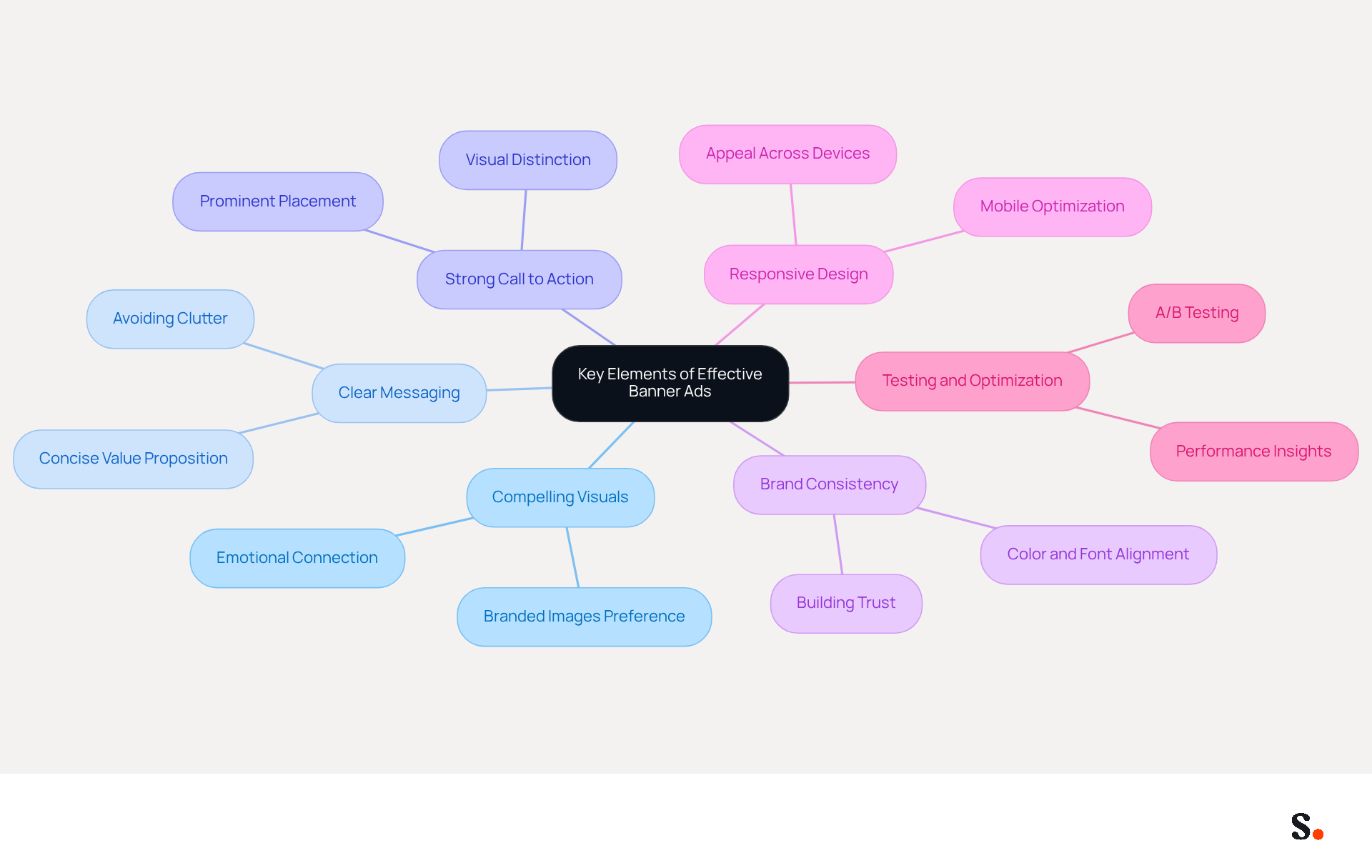
To create effective banner ads, it is crucial to consider several key elements that drive engagement and conversion:
- Compelling Visuals: Use visuals that connect with your message and stir emotions; 87.70% of marketers prefer branded images for better visibility and originality.
- Clear Messaging: The copy should be concise and focused, delivering a clear value proposition. Avoid clutter to ensure that the main message is easily understood at a glance. Users often overlook ads due to information overload, making clarity essential for engagement.
- Strong Call to Action (CTA): A well-defined CTA encourages users to take the desired action, such as 'Learn More' or 'Shop Now.' The CTA should stand out visually and be placed prominently within the ad, as studies show that ads with strong CTAs can increase click-through rates significantly.
- Brand Consistency: Ensure that the display reflects your brand's colors, fonts, and overall aesthetic. Consistency helps in building brand recognition and trust, which is crucial for effective advertising.
- Responsive Design: With mobile devices representing approximately two-thirds of global web traffic, advertisements should be designed to be responsive, ensuring they appear appealing on all screen sizes. This adaptability is essential as mobile traffic continues to grow, and ensuring ads are visually appealing across devices is critical.
- Testing and Optimization: Make it a habit to test various elements of your ads, like visuals and copy, to see what really clicks with your audience. A/B testing can provide valuable insights into performance, allowing for continuous improvement. Additionally, optimizing file sizes for faster loading times is crucial for user retention and engagement. Ultimately, the effectiveness of your banner ads in emails hinges on a strategic approach that prioritizes clarity and user engagement.
Target Audience and Personalization Strategies
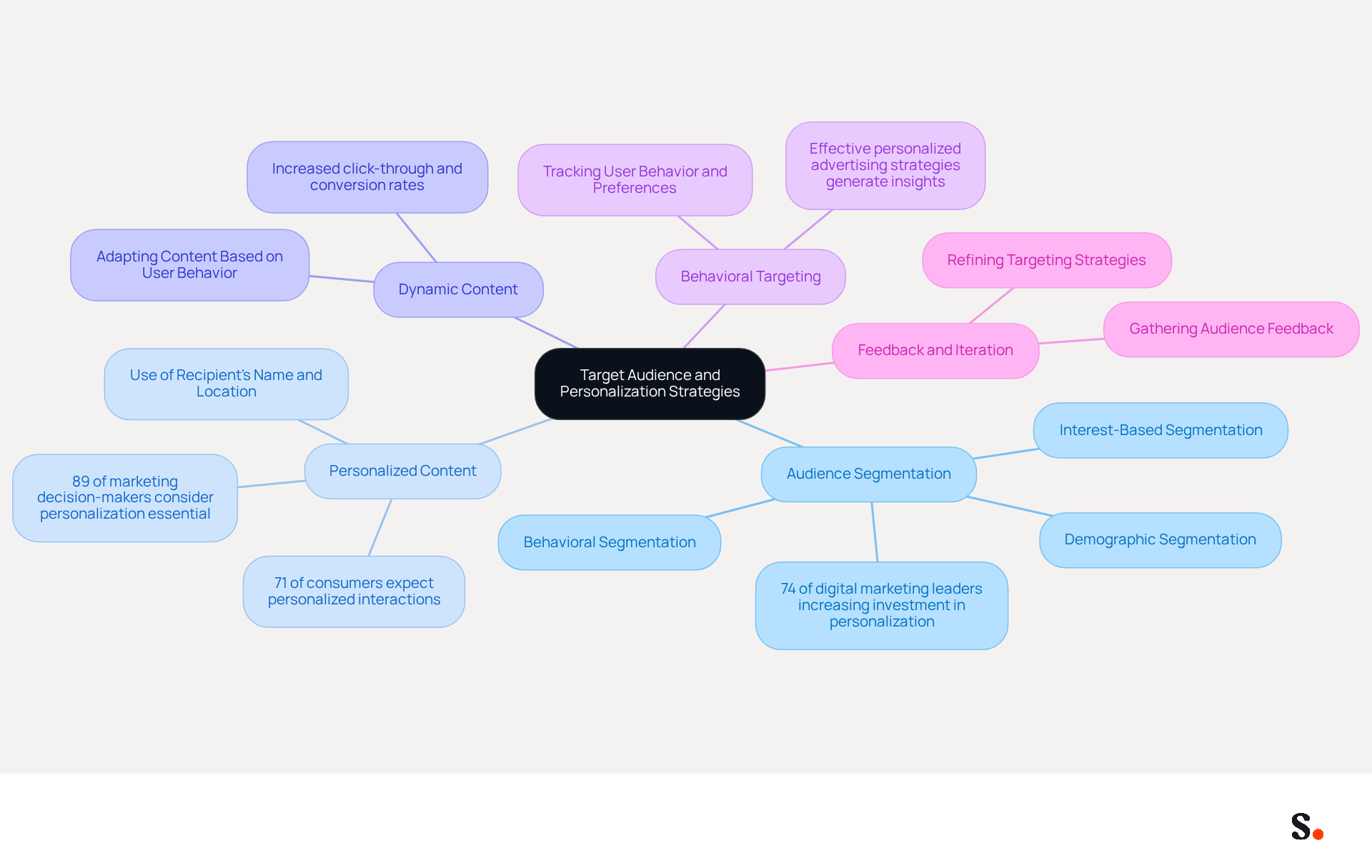
Understanding your target audience is crucial for creating impactful advertisements. Here are key strategies:
- Audience Segmentation: Divide your audience into segments based on demographics, interests, and behaviors. This approach allows for tailored messaging that speaks directly to each group's needs. Research shows that targeted advertising results in higher engagement levels and enhanced customer satisfaction, with 74% of digital marketing leaders reporting increased investment in personalization.
- Personalized Content: Utilize data to customize advertisement displays. Incorporate elements such as the recipient's name, location, or past interactions to create a more engaging experience. A significant 71% of consumers expect companies to deliver personalized interactions, and 89% of marketing decision-makers consider personalization essential for business success, highlighting its critical role in enhancing customer loyalty.
- Dynamic Content: Implement dynamic content that changes based on user behavior or preferences. For instance, showcasing different products based on previous purchases can significantly enhance relevance. Personalized ads have been shown to increase click-through and conversion rates, making them a powerful marketing tool.
- Behavioral Targeting: Utilize analytics to track user behavior and preferences. This data can inform when and how to present advertisements, ensuring they reach users at the right moment. Effective personalized advertising strategies generate valuable insights for future marketing efforts, enhancing overall campaign effectiveness.
- Feedback and Iteration: Many brands find it difficult to maintain effective personalization due to inconsistent data. Regularly gathering feedback from your audience is essential to refine your targeting and personalization strategies. Use surveys or engagement metrics to understand what resonates with your audience. Failing to adapt to audience feedback can lead to missed opportunities in customer engagement.
Implement Banner Ads in Email Campaigns
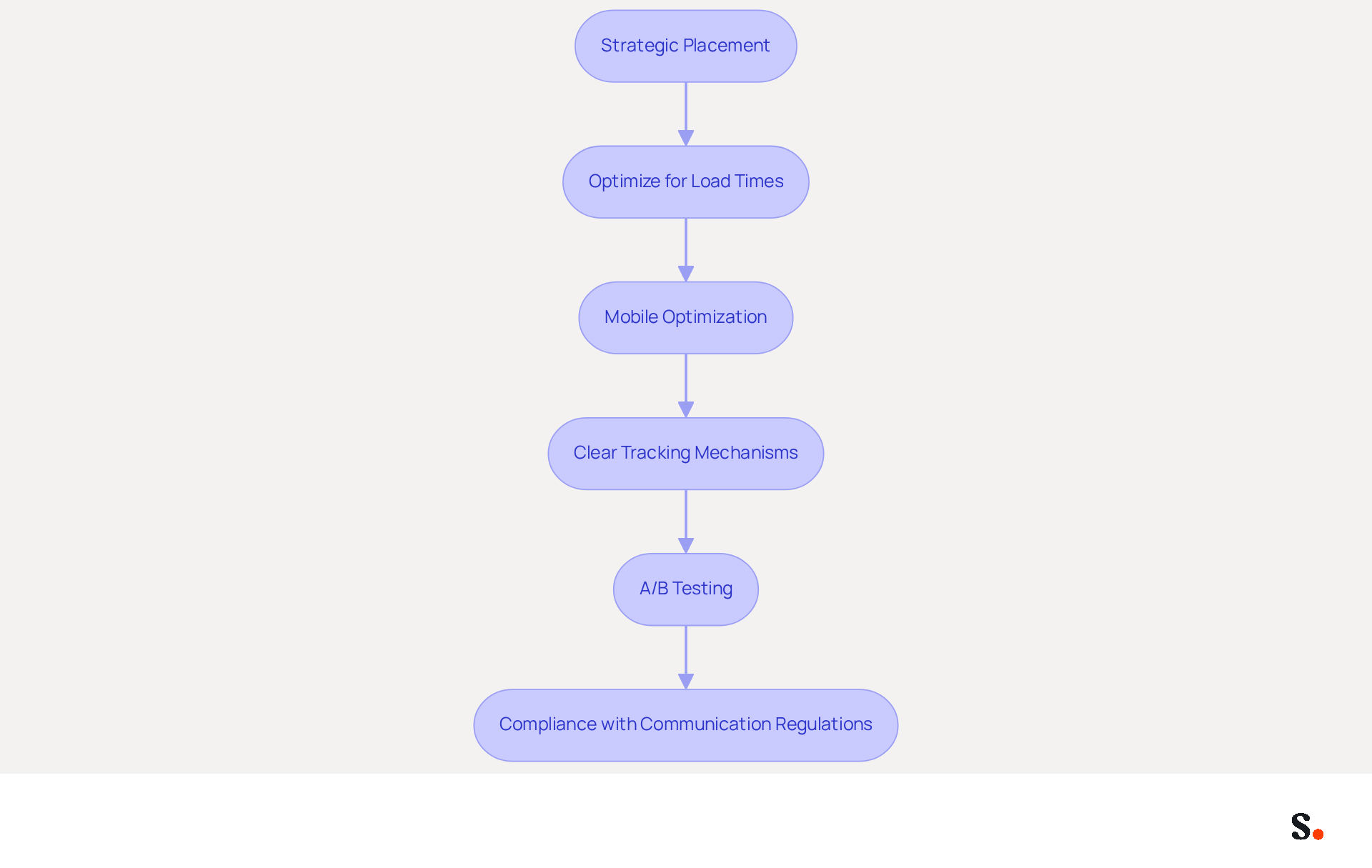
To maximize the effectiveness of banner ads in email campaigns, it is crucial to follow established best practices:
- Strategic Placement: Position banner ads prominently at the top of the message or within the main content to maximize visibility. Avoid placing them in areas where they may be overlooked, as strategic placement, supported by industry data, can significantly enhance engagement rates. According to industry insights, top publishers allocate over 60% of digital space to content, ensuring that ads are integrated without overwhelming the reader.
- Optimize for Load Times: Ensure that images are optimized for quick loading. Large files can slow down loading times for messages, frustrating users and leading to higher bounce rates. Optimizing advertisements improves user experience and encourages retention. Remember, a tidy display featuring one product image with a brief, concise description keeps your message direct and distraction-free.
- Mobile Optimization: Since many users check emails on smartphones, it's vital to test how your visuals look on various screen sizes. Create visuals that are responsive and visually appealing on mobile devices. Minimalist designs are easier to adapt for mobile screens and look clean across all email clients.
- Clear Tracking Mechanisms: Implement tracking links to monitor the performance of your banner ads. This facilitates effective analysis of click-through metrics and conversions, enabling data-driven decisions to improve future campaigns. Metrics such as open rates and click-through rates are crucial for assessing the effectiveness of your ads, as 73% of in-house marketers worldwide state that digital marketing delivers strong ROI.
- A/B Testing: Experiment with different design variations, placements, and messaging to identify what resonates best with your audience. A/B testing can yield valuable insights into audience preferences and behaviors, helping to refine your advertising strategy. As Sam Chadson Ng observes, 'A strong visual header establishes the mood before any text is read,' making it essential to get the design correct.
- Compliance with Communication Regulations: Ensure that your promotional ads adhere to marketing regulations, including the inclusion of an unsubscribe option and compliance with privacy laws. Compliance not only builds trust with your audience but also protects your brand from potential legal issues. Transparency in sponsored content fosters trust with readers and enhances the overall effectiveness of the advertising.
By following these best practices, you can effectively utilize banner ads in emails within your campaigns, enhancing engagement and driving conversions. Implementing these best practices not only enhances engagement but also positions your brand for greater success in digital marketing.
Measure and Optimize Banner Ad Performance
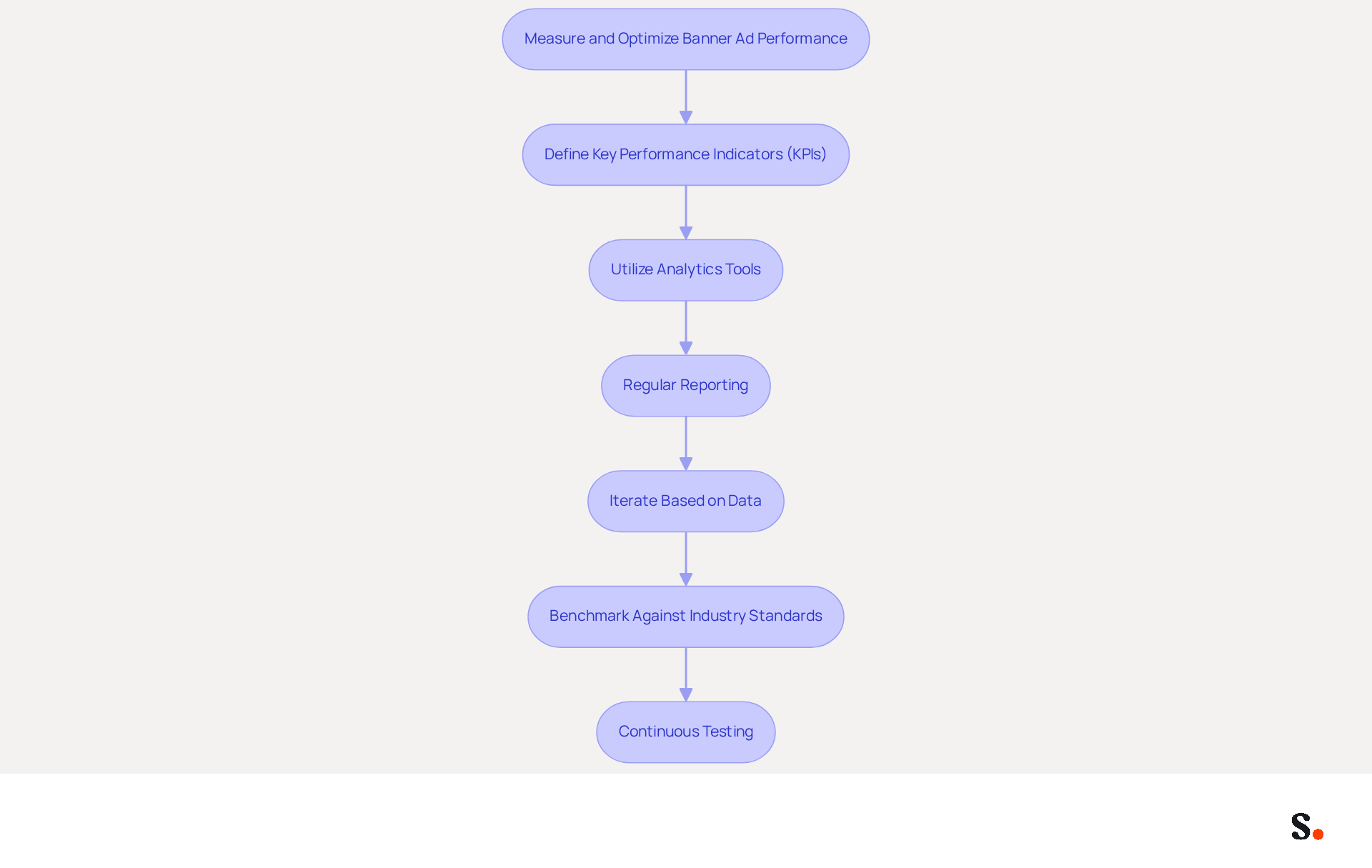
To maximize the impact of your banner ads, implementing effective measurement and optimization strategies is essential:
- Define Key Performance Indicators (KPIs): Establish clear KPIs such as click-through rates (CTR), conversion rates, and engagement metrics to assess the effectiveness of your advertisements. Email campaigns typically see an average CTR of 1.4%, but technology and transportation services stand out with rates of 2.6%. This highlights the need to establish benchmarks tailored to your goals.
- Utilize Analytics Tools: Leverage analytics platforms to track user interactions with your advertisements. Tools like Google Analytics provide insights into traffic sources and user behavior, helping you understand how recipients engage with your content.
- Regular Reporting: Create regular reports to analyze the performance of your advertisement ads. Identifying which ads resonate with your audience can be challenging. Look for trends over time and pinpoint which ads are performing well and which need improvement. Regular monitoring reveals insights that can enhance your decision-making.
- Iterate Based on Data: Use the information gathered to make informed decisions about your advertisement strategies. Adjust messaging, visuals, and placements based on what the data reveals about audience preferences. Personalized messages can achieve a 26% higher open rate, and 80% of individuals are more likely to make a purchase from a customized message, underscoring the value of tailored content.
- Benchmark Against Industry Standards: Compare your advertisement performance against industry benchmarks to gauge effectiveness. This can help identify areas for improvement and set realistic goals. For instance, recognizing that anniversary messages generate nearly seven times more revenue than bulk mailings (66 cents vs. 10 cents per message) can inform your strategy.
- Continuous Testing: Implement a culture of continuous testing and optimization. Regularly test new designs, messages, and placements to keep your banner ads in emails fresh and engaging. This is particularly relevant given that automated email flows can yield up to 30 times more revenue per recipient than standard campaigns, emphasizing the need for innovation in your marketing efforts.
Ultimately, embracing a data-driven approach can transform your advertising outcomes.
Conclusion
In a landscape where attention is fleeting, effective banner ads in emails are crucial for capturing interest and driving engagement. Marketers can create ads that resonate with their audience by incorporating:
- Compelling visuals
- Clear messaging
- Strong calls to action, supported by data-driven insights
Additionally, understanding the target audience through segmentation and personalization strategies enhances the relevance of these ads, ultimately leading to higher conversion rates.
Throughout the article, various strategies have been discussed, including:
- The importance of strategic placement
- Mobile optimization
- Compliance with regulations
Implementing A/B testing and utilizing analytics tools are crucial for measuring performance and iterating on designs based on data-driven insights. By continuously optimizing banner ads, marketers can ensure their campaigns remain effective and aligned with audience expectations.
In a competitive digital landscape, mastering the art of email banner ads is not just beneficial but necessary for achieving marketing success. Organizations should prioritize these best practices to enhance brand visibility and engagement. By neglecting these strategies, organizations may find themselves overshadowed in a crowded digital marketplace.
Frequently Asked Questions
What are the key elements of effective banner ads?
The key elements of effective banner ads include compelling visuals, clear messaging, a strong call to action (CTA), brand consistency, responsive design, and testing and optimization.
Why are compelling visuals important in banner ads?
Compelling visuals are important because they connect with the message and stir emotions, enhancing visibility and originality. About 87.70% of marketers prefer branded images for better engagement.
How should the messaging in banner ads be structured?
The messaging should be concise and focused, delivering a clear value proposition. It is essential to avoid clutter to ensure that the main message is easily understood at a glance.
What role does a strong call to action (CTA) play in banner ads?
A strong CTA encourages users to take the desired action, such as 'Learn More' or 'Shop Now.' It should stand out visually and be placed prominently, as ads with strong CTAs can significantly increase click-through rates.
How does brand consistency affect banner ads?
Brand consistency ensures that the ad reflects the brand's colors, fonts, and overall aesthetic, which helps build brand recognition and trust, making advertising more effective.
Why is responsive design important for banner ads?
Responsive design is important because mobile devices account for approximately two-thirds of global web traffic. Ads must be visually appealing on all screen sizes to engage users effectively.
What is the significance of testing and optimization in banner ads?
Testing and optimization are significant because they allow advertisers to experiment with various elements, like visuals and copy, to determine what resonates with the audience. A/B testing provides insights into performance, leading to continuous improvement. Additionally, optimizing file sizes for faster loading times is crucial for user retention and engagement.
List of Sources
- Define Key Elements of Effective Banner Ads
- The 2018 Banner Ad Design Statistics and Trends - The Brief AI (https://thebrief.ai/blog/banner-ad-design-statistics)
- What is a Banner Ad? | Mailchimp (https://mailchimp.com/marketing-glossary/banner-ad)
- Display Advertising 2026: How It Works, Types & Strategy (https://improvado.io/blog/display-ads-best-practices)
- Display Advertising Best Practices for 2026: Full Guide - Aimers Blog (https://aimers.io/blog/display-ads-best-practices)
- How to Create Display Ads That Sell in 2026 (https://uptickmarketing.com/learning-center/effective-display-ads)
- Target Audience and Personalization Strategies
- Personalized Advertising: Creating an Effective Ad Strategy. (https://business.adobe.com/blog/basics/personalized-advertising)
- The Complete Marketer’s Guide to Personalized Advertising - AX Insights (https://insights.audiencex.com/personalized-advertising)
- Ad Personalization | AdRoll (https://adroll.com/digital-advertising/ad-personalization)
- Personalization in Display Advertising - The Ultimate Guide | Bannerflow (https://bannerflow.com/resources/ebooks-guides/ultimate-guide-to-personalization)
- Personalized Advertising: Benefits & Strategies — AI Digital (https://aidigital.com/blog/ad-personalization)
- Implement Banner Ads in Email Campaigns
- Newsletter Advertising 101: A Brand’s Guide | Passionfroot Blog (https://passionfroot.me/blog/newsletter-advertising-101-a-brands-guide-to-newsletter-ads)
- Advertising in Newsletters: Strategies for Effective Engagement | CreativeOS (https://creativeos.com/blog/advertising-in-newsletters)
- 5 Email Banner Ideas For Marketing Campaigns - SmartSites (https://smartsites.com/blog/5-email-banner-ideas-for-marketing-campaigns)
- A Publisher’s Guide to Email Advertising (https://beefree.io/blog/email-advertising-best-practices)
- 5 Ways to Effectively Use Email Banner Communications (https://salesandmarketing.com/5-ways-effectively-use-email-banner-communications)
- Measure and Optimize Banner Ad Performance
- 49 Top Email Marketing Statistics (https://forbes.com/advisor/business/software/email-marketing-statistics)
- 5 Key Metrics for Your Performance Marketing Reports (https://adverity.com/blog/key-metrics-for-performance-marketing-reports)
- 2026 Marketing Statistics, Trends, & Data (https://hubspot.com/marketing-statistics)
- Advertising Measurement: Digital Performance Metrics That Matter - BidsCube (https://bidscube.com/blog/measuring-ad-performance-key-metrics-and-analytics)
- 33+ email marketing stats you need to know in 2026 (https://wix.com/blog/email-marketing-statistics)
Get started with Scribe
Build a professional email signature
Free 14-day trial — no credit card.