4 Effective Ways to Close an Email for Maximum Engagement
Many professionals underestimate the power of a well-crafted email closing, which can significantly impact engagement and response rates. By mastering
Sophie Grant
Email Signature Specialist, Scribe
Introduction
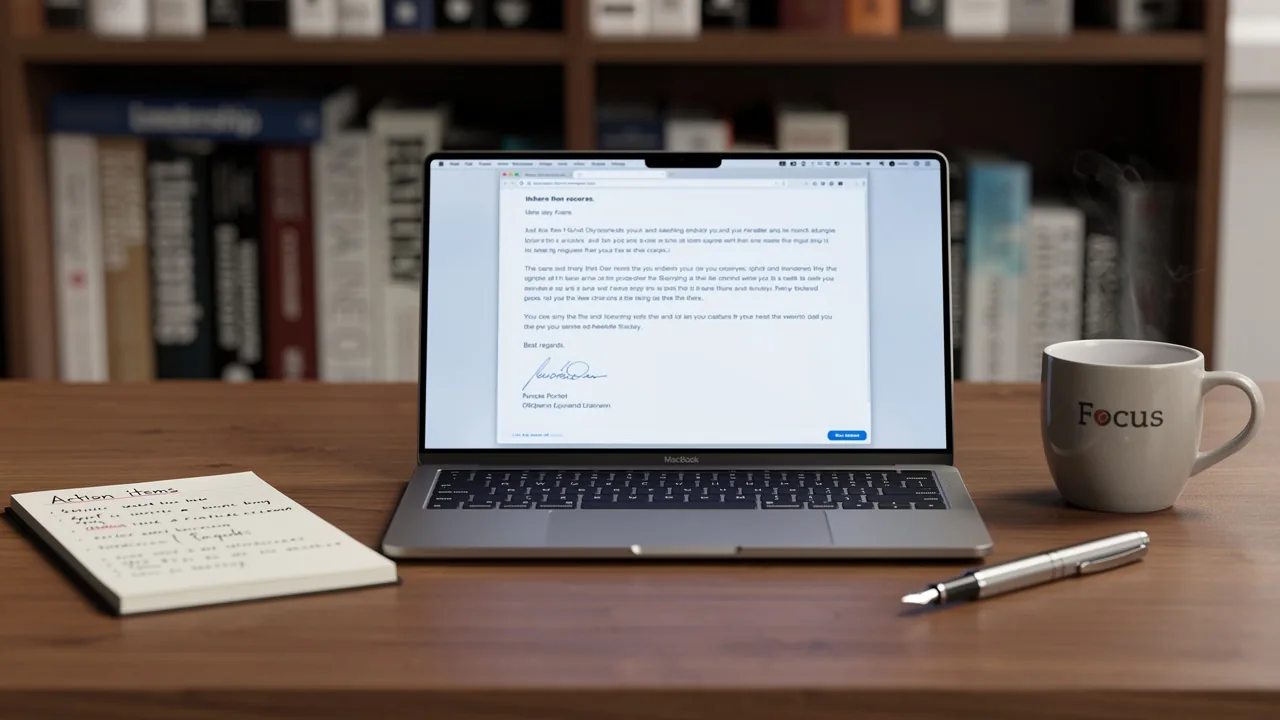
Many professionals underestimate the power of a well-crafted email closing, which can significantly impact engagement and response rates. By mastering effective closing techniques, individuals can enhance clarity, maintain professionalism, and foster a personal connection with recipients. How can you balance formality with a personal touch while ensuring your email has a clear call-to-action? This article outlines four strategies for closing emails that capture attention and drive meaningful interactions.
Establish Clarity and Professionalism in Your Closings
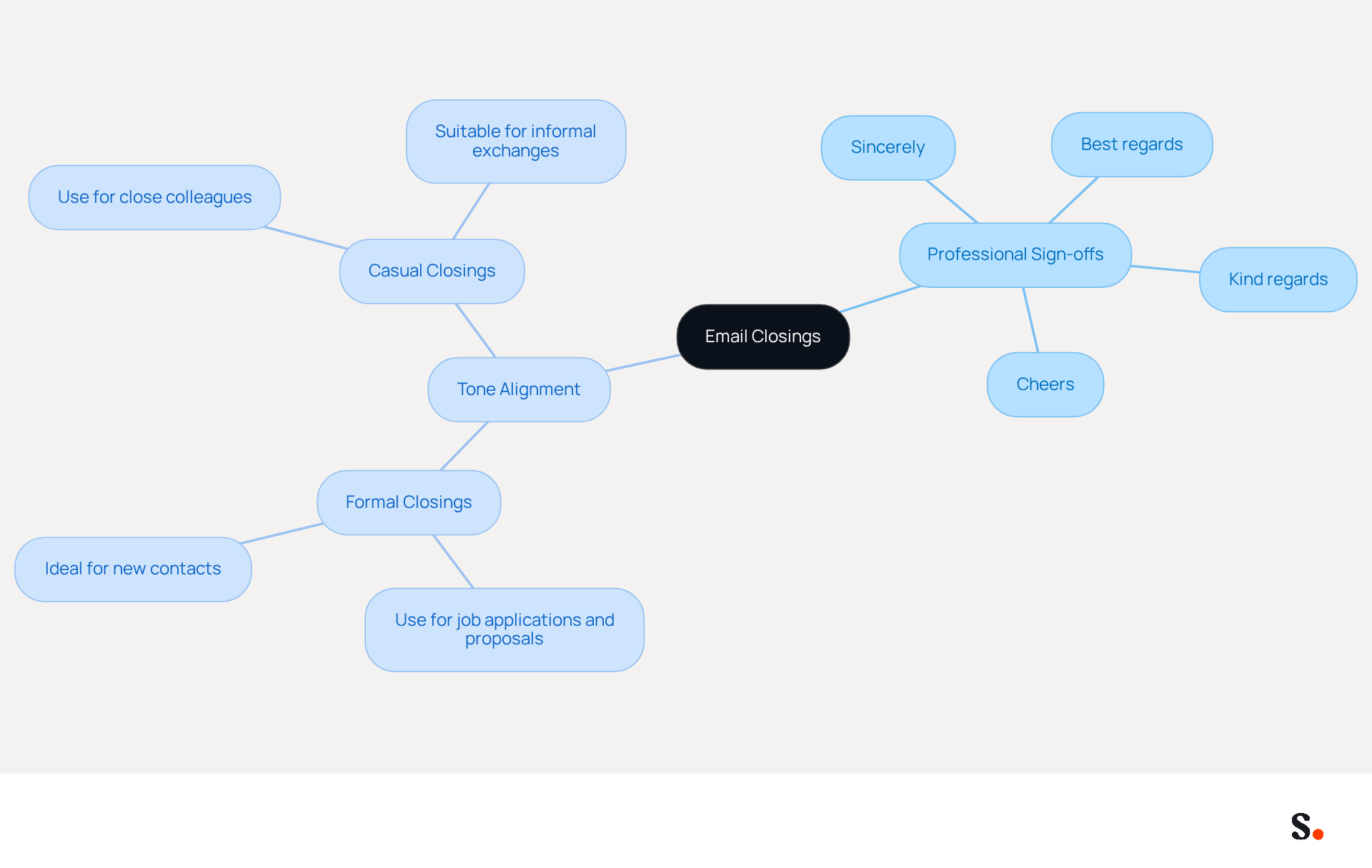
To ensure effective communication, clarity in your message is paramount. Use straightforward language and avoid jargon that may confuse the recipient. Professional sign-offs such as:
- 'Sincerely,'
- 'Best regards,'
- 'Kind regards,'
are important ways to close an email, conveying respect and formality in business communications. Furthermore, ensure that your ways to close an email align with the overall tone of your message. For instance, if your correspondence is formal, choose a more traditional sign-off. Conversely, if the message is casual, a friendly closing like 'Cheers' may be suitable. Using clear sign-offs is one of the best ways to close an email, as it enhances your professional image and encourages better engagement. Choosing the right sign-off is one of the effective ways to close an email that can significantly impact how your message is perceived and received.
Incorporate Personalization to Enhance Engagement
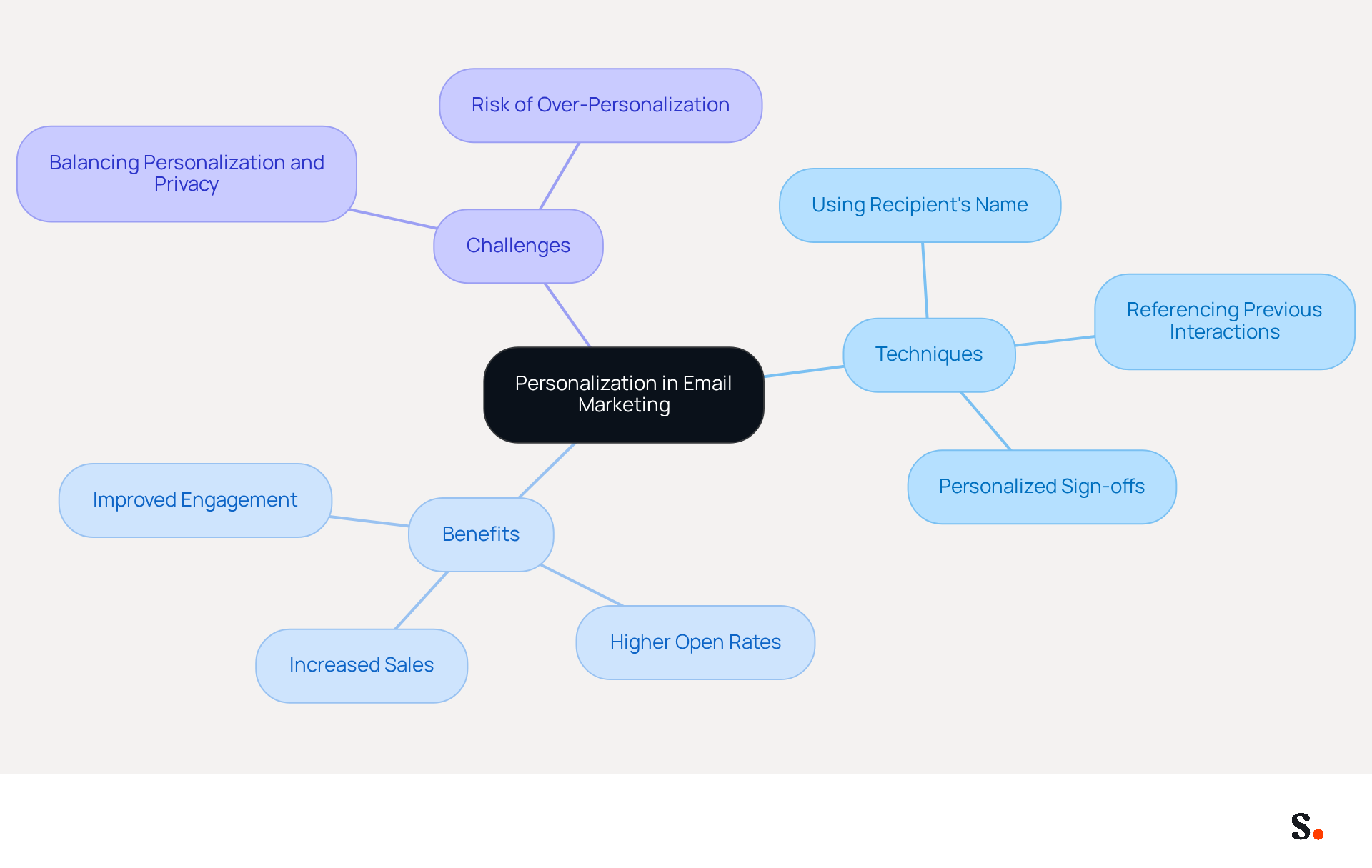
Personalization in email marketing is not just a trend; it is a necessity for enhancing engagement. One of the effective ways to close an email is by addressing the individual by their name in the closing, which creates a sense of familiarity and connection. Furthermore, consider referencing previous interactions or specific details pertinent to the individual. For example, you might say, 'I look forward to hearing your thoughts on our last discussion, John.' This approach personalizes the message and prompts a more engaging response.
Additionally, using personalized sign-offs, such as 'Warm regards' or 'Best wishes,' is one of the best ways to close an email and can enhance the emotional connection. By tailoring your ways to close an email to the recipient, you foster a more engaging and meaningful communication experience.
Research indicates that personalized emails can boost sales by over 50% compared to their generic counterparts, while personalized subject lines can lead to a 26% higher unique open rate and increase click-through rates by 41%. This underscores how effective personalization can be in enhancing engagement rates.
However, marketers often struggle with balancing personalization and privacy to build trust with their audience. Over-personalization can alienate recipients, leading to negative perceptions. By implementing these strategies, marketers can create a more impactful and engaging messaging experience.
Include a Clear Call-to-Action for Desired Outcomes
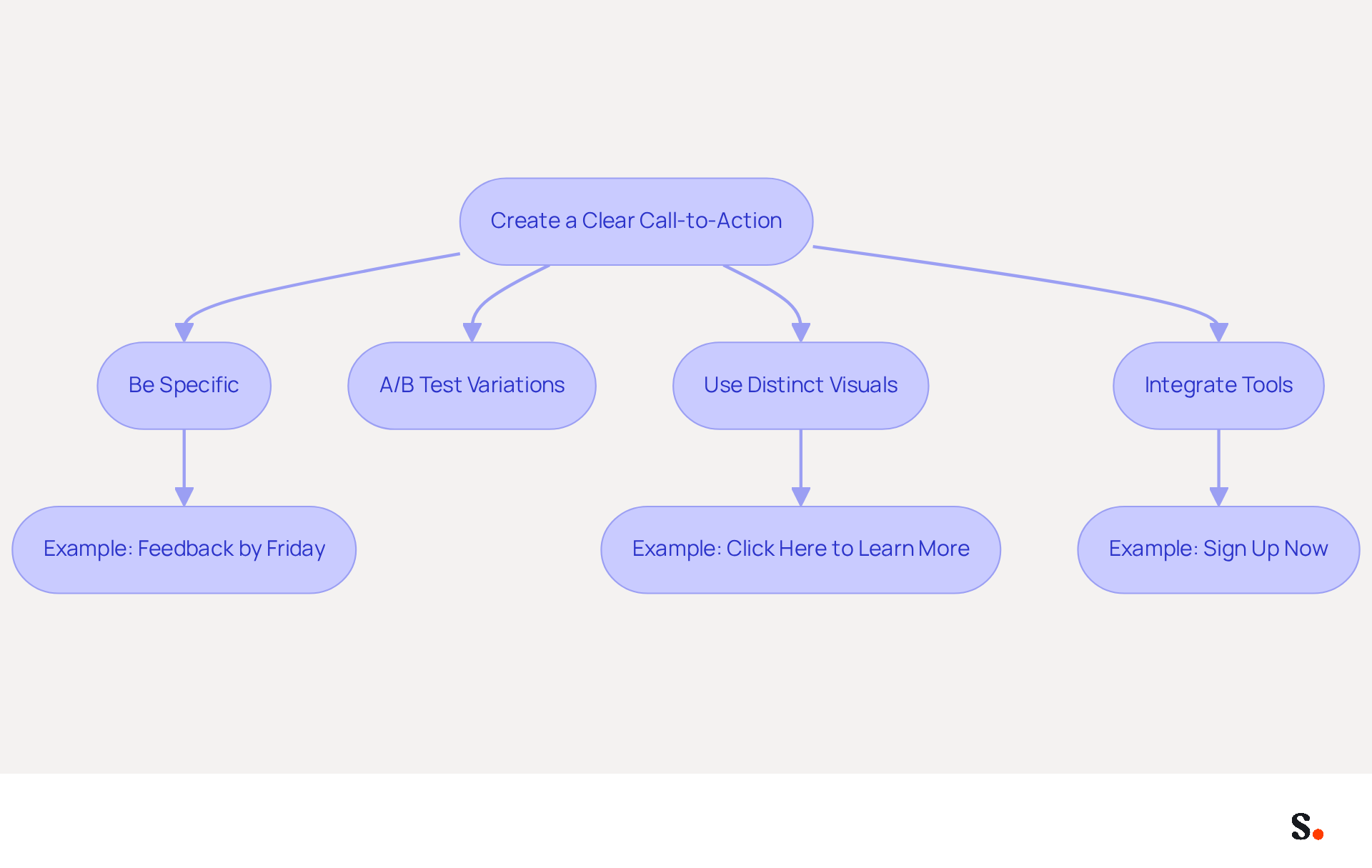
A clear call-to-action (CTA) is crucial for guiding recipients toward the next steps in your communication, whether that involves scheduling a meeting, providing feedback, or clicking a link. Phrases such as 'Please let me know your availability for a call' or 'Click here to learn more' are both straightforward and actionable.
To maximize effectiveness, ensure your CTA is specific and easy to follow. For example, instead of a vague 'Let me know what you think,' opt for 'I would appreciate your feedback by Friday.' Specificity in your CTA sets clear expectations and prompts quicker responses.
Additionally, consider A/B testing different variations of your CTAs to determine which phrasing resonates best with your audience. Research shows that a strong CTA directs action and underscores the benefits of engaging with your content.
Incorporating visually distinct buttons that stand out in color and size can also enhance engagement. Remember to keep your CTA buttons concise, ideally limited to 3-4 words or 25 characters, to ensure clarity.
By integrating Scribe's capabilities, such as syncing with Google Workspace, you can streamline signature management. This means any updates to your teammates' details are automatically reflected, which saves time and boosts the professionalism of your communications.
By incorporating these strategies, you not only improve clarity but also increase the chances of achieving your communication goals.
Implement Follow-Up Strategies to Maintain Engagement
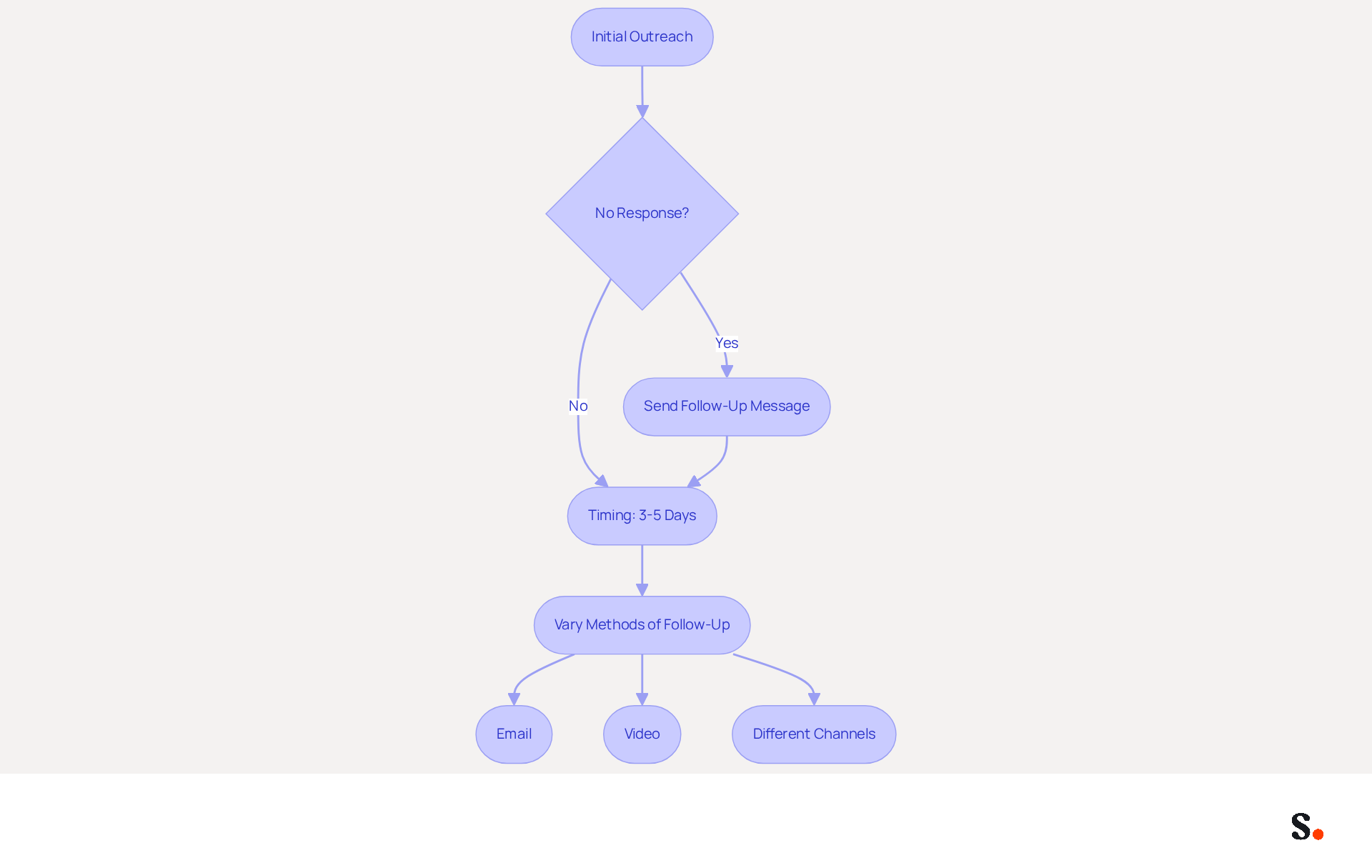
Effective follow-up strategies are crucial for sustaining engagement after your initial outreach. If you haven't received a response within a few days, sending a courteous follow-up message can be beneficial. Start with a friendly reminder, such as, 'I wanted to check in regarding my previous message about [topic].' This approach shows that you value the recipient's input and are eager to continue the conversation.
It's important to time your follow-up right - try to reach out within three to five days after your initial message to keep the conversation alive. Research indicates that waiting three business days before following up can lead to a 31% increase in response rates compared to immediate inquiries. Furthermore, sending 2-3 reminders starting three days after the initial email can boost response rates by as much as 65.8%.
Varying your methods of follow-up - such as using different communication channels or formats - can further increase the chances of a response. For example, incorporating a customized video in your subsequent communication can improve interaction and clarity, increasing click-through rates by 65%.
It's also important to maintain concise language in your emails to respect the recipient's time and improve clarity. By adopting these follow-up strategies, you can transform potential silence into productive conversations that drive results.
Conclusion
Closing an email effectively is crucial for ensuring that messages achieve their intended impact. By employing clear, professional sign-offs, personalizing interactions, incorporating strong calls-to-action, and implementing follow-up strategies, engagement can be significantly enhanced. These practices foster better relationships and ensure the message resonates with the recipient, driving desired outcomes.
The article outlined four key strategies:
- Establishing clarity and professionalism in email closings
- Enhancing engagement through personalization
- Including clear and actionable calls-to-action
- Maintaining engagement with effective follow-up techniques
Each of these elements plays a crucial role in crafting emails that not only convey information but also encourage interaction and response. Clarity, personalization, and strategic follow-ups are essential for effective communication, as they collectively contribute to a more engaging and productive communication experience.
Effective communication is essential for professional success. Adopting these best practices can lead to improved engagement and stronger relationships. By focusing on how to close an email effectively, professionals can ensure their messages are not only read but also acted upon. Implementing these strategies can fundamentally change how your emails are perceived and acted upon.
Frequently Asked Questions
Why is clarity important in email communication?
Clarity is paramount in email communication to ensure effective communication and to avoid confusion for the recipient.
What type of language should be used in emails?
It is recommended to use straightforward language and avoid jargon that may confuse the recipient.
What are some examples of professional sign-offs for emails?
Professional sign-offs include 'Sincerely,' 'Best regards,' and 'Kind regards.'
How should the tone of the email influence the sign-off?
The sign-off should align with the overall tone of the message; for formal correspondence, a traditional sign-off is appropriate, while a casual message may use a friendly closing like 'Cheers.'
How do clear sign-offs impact professional image?
Using clear sign-offs enhances your professional image and encourages better engagement with the recipient.
Why is choosing the right sign-off significant?
Choosing the right sign-off can significantly impact how your message is perceived and received by the recipient.
List of Sources
- Establish Clarity and Professionalism in Your Closings
- Mastering Professional Email Sign-Offs in 2026 (https://linkedin.com/pulse/mastering-professional-email-sign-offs-2026-bulksignature-qsr4e)
- How to Use Proper Email Etiquette in 2026 (https://linkedin.com/pulse/how-use-proper-email-etiquette-2026-get-ahead-by-linkedin-news-v5zke)
- How to Sign Off on an Email Correctly | Rocketseed (https://rocketseed.com/blog/correct-way-to-sign-off-emails)
- Email Etiquette in the Workplace (https://adminvc.ucla.edu/news/email-etiquette-workplace)
- Email Sign Offs Professional: Best Practices for Business Emails (https://mailwarm.com/blog/professional-email-sign-offs-best-practices)
- Incorporate Personalization to Enhance Engagement
- Personalized email marketing: top 5 strategies for 2026 (https://maropost.com/blog/personalized-email-marketing-top-5-strategies)
- The Complete Guide to Personalized Email Marketing in 2026 (https://twilio.com/en-us/blog/insights/6-tips-and-examples-for-personalized-email-marketing)
- Marketer’s guide to email personalization best practices for 2024 (https://insiderone.com/email-personalization)
- The Top Email Marketing Trends for 2026 (https://litmus.com/blog/trends-in-email-marketing)
- Email Marketing Trends 2026: Here's What to Keep an Eye on (https://mailjet.com/blog/email-best-practices/email-marketing-trends-2026)
- Include a Clear Call-to-Action for Desired Outcomes
- 15 CTA Best Practices to Increase Conversions (2026) (https://ventureharbour.com/15-call-action-best-practices-increase-conversions)
- Effective calls-to-action for reader engagement - BlueLena (https://bluelena.io/2023/08/01/best-practices-for-calls-to-action-or-ctas)
- The Importance Of A Strong Call-to-action In Email Marketing | Email Marketing Blog | Mail Blaze (https://mailblaze.com/thinking/call-to-actions-in-emails)
- Calls-to-Action, Buttons & Links (https://salesforce.ucm.iu.edu/creating-emails/best-practices/links-buttons.html)
- A Strategic Guide to Calls-to-Action (CTAs) in Email Marketing: Best Practices for Success (https://litmus.com/blog/click-tap-and-touch-a-guide-to-cta-best-practices)
- Implement Follow-Up Strategies to Maintain Engagement
- 10 sales follow-up email templates that get responses | Outreach (https://outreach.ai/resources/blog/follow-up-email)
- How to Craft a Follow-Up Email After No Response (https://atlassian.com/blog/loom/follow-up-email-after-no-response)
- Cold Email Guide 2026: Best Practices & Benchmarks (https://autobound.ai/blog/cold-email-guide-2026)
- Tips for Successful Follow-Up Strategies (https://linkedin.com/top-content/communication/follow-up-communication-tips/tips-for-successful-follow-up-strategies)
Get started with Scribe
Manage signatures across your whole team
Free 14-day trial — no credit card.