Best Practices for a Real Estate Agent Email Signature
For real estate agents, an email signature is not merely a digital sign-off; it is a crucial element in building trust and fostering client relationships. By
Sophie Grant
Email Signature Specialist, Scribe

Introduction
For real estate agents, an email signature is not merely a digital sign-off; it is a crucial element in building trust and fostering client relationships. By incorporating essential elements such as professional titles, contact details, and compelling calls-to-action, agents can create a signature that not only reflects their brand but also drives client interactions.
Navigating the complexities of legal requirements and design principles can be daunting for agents. Failing to address these challenges could result in lost client interactions and diminished brand trust.
In this article, we’ll explore effective strategies for creating standout email signatures that meet the unique needs of real estate professionals, turning a simple footer into a powerful marketing asset.
Get started with Scribe
See why teams switch to Scribe
Free 14-day trial — no credit card.
Identify Essential Elements for Your Email Signature
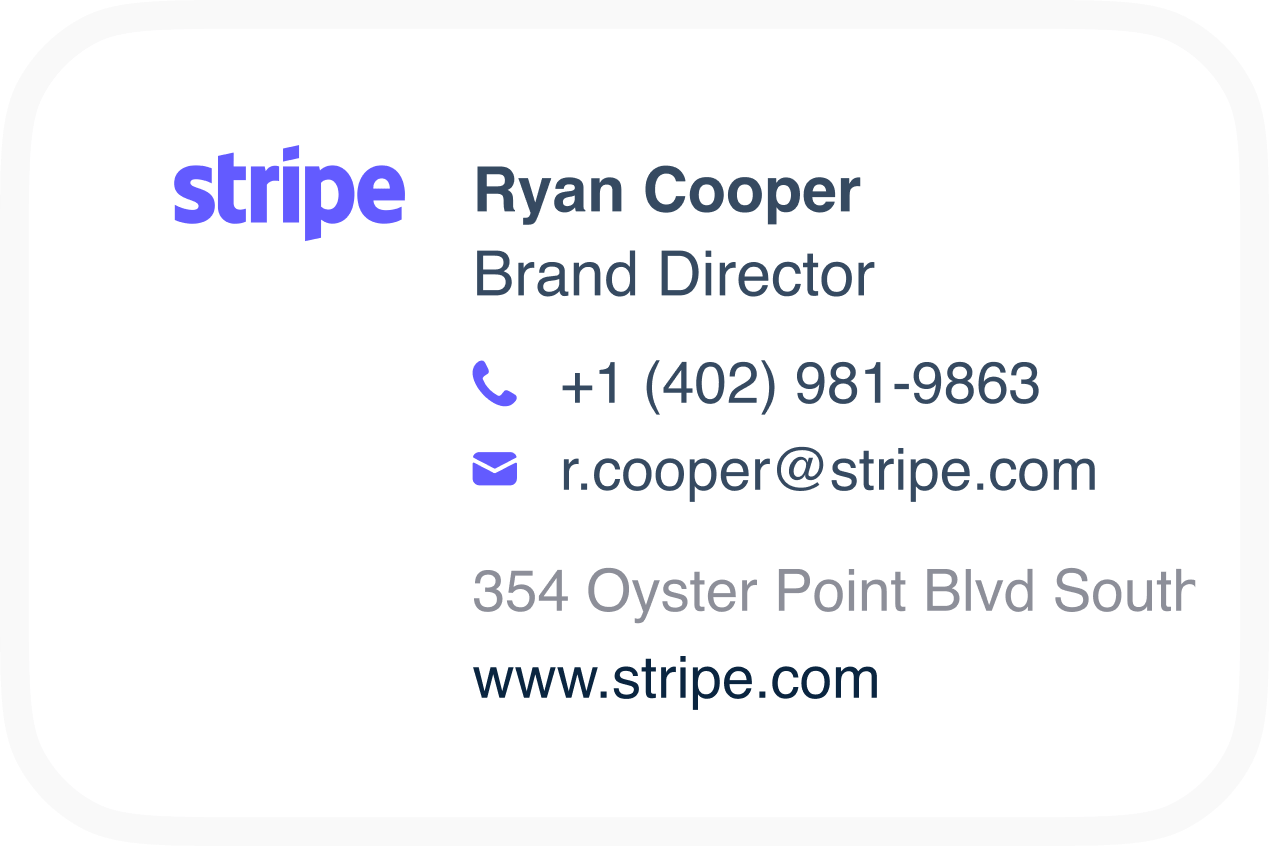
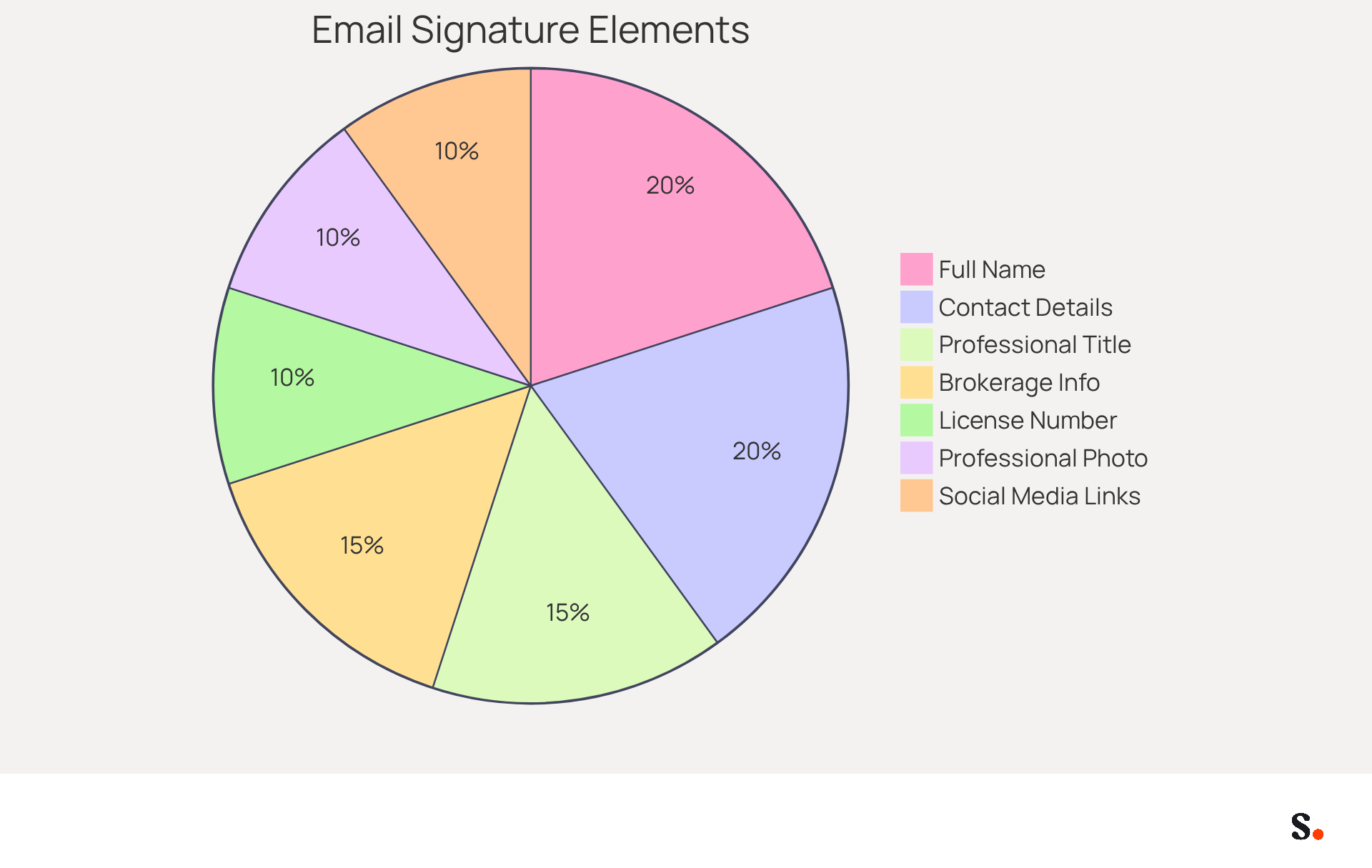
A well-crafted real estate agent email signature is essential for agents aiming to establish trust and enhance client engagement. It should include the following essential elements:
- Full Name: Use your complete name as it appears on your business card and website to maintain consistency. This aids in establishing trust, as 76% of consumers believe branded email identifiers enhance trust.
- Professional Title: Clearly state your role, such as 'Real Estate Agent' or 'Realtor', to establish your professional identity. Including recognized credentials can further enhance your credibility.
- Brokerage Information: Include the name of your brokerage to enhance credibility and provide a point of reference for clients. Many states require this for compliance, ensuring transparency in your communications.
- Contact Details: Provide multiple ways for clients to reach you, including your mobile number (labeled M:) and office number (labeled O:). Offering at least three contact methods is recommended to improve accessibility.
- License Number: If required by your state, include your property license number to comply with legal regulations. This is crucial in many jurisdictions, including California and Texas, where omitting this information can lead to violations.
- Professional Photo: Did you know that including a headshot can boost your response rates by as much as 20%? It really helps in making you more relatable to clients.
- Social Media Links: Consider adding links to your professional social media profiles, but limit them to one or two platforms to avoid overwhelming recipients. This enables clients to connect with you on various platforms while maintaining clarity in your branding.
Incorporating these elements allows property agents to present a professional image while effectively marketing their services. This strategy can generate significant visibility, with branded digital identifiers yielding 60,000-80,000 impressions monthly for a 100-person property team. Moreover, messages with a single, clear call to action achieve a 22% click-through rate, greatly enhancing response rates and making it a vital element of effective communication. Ultimately, a professional email signature, such as a real estate agent email signature, is not just a formality; it is a strategic asset that can significantly influence client interactions.
Design an Engaging and Professional Layout
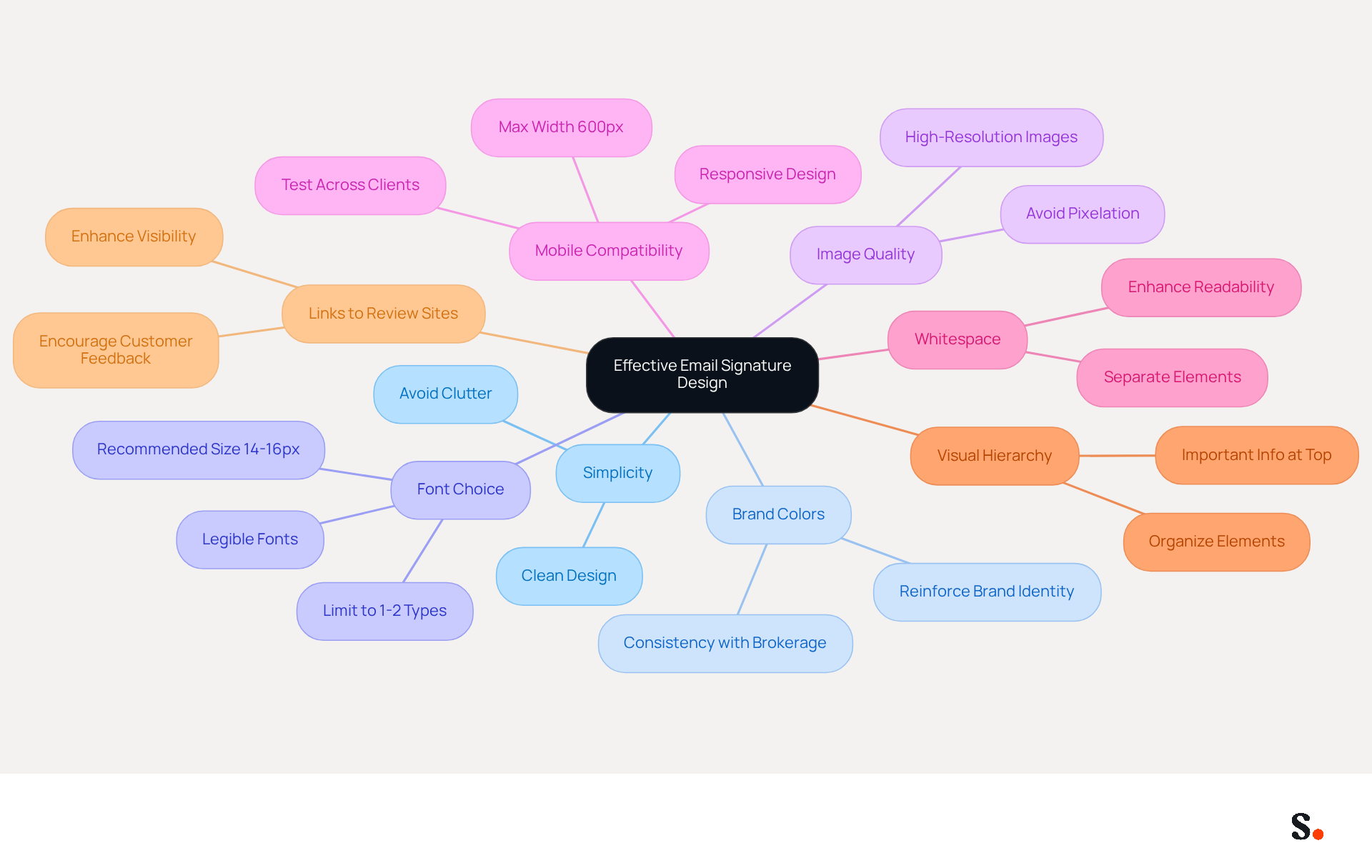
Creating an effective real estate agent email signature is essential for agents looking to enhance their professional image and client engagement. To achieve this, agents should adhere to the following design principles:
- Simplicity: Maintain a clean and uncluttered design. Avoid excessive colors or fonts that may distract from essential information.
- Brand Colors: Incorporate your brokerage's brand colors to ensure consistency and reinforce brand identity.
- Font Choice: Choose a legible font that conveys professionalism. Limit yourself to one or two font types to maintain coherence. The recommended font size for body text is between 14-16px.
- Image Quality: Use high-resolution images for your photo or logo to prevent pixelation and ensure a polished appearance.
- Mobile Compatibility: Design your signature to be responsive, ensuring it displays well on both desktop and mobile devices. The maximum width for mobile-friendliness should be 600px, and testing across various messaging clients is crucial for compatibility.
- Whitespace: Effectively utilize whitespace to separate different elements, enhancing readability and visual appeal.
- Visual Hierarchy: Organize elements to guide the reader's eye, placing the most important information at the top.
- Links to Review Sites: Consider including links to review platforms in your correspondence to enhance visibility and encourage customer feedback.
When agents apply these design principles, they can create a real estate agent email signature that not only looks professional but also boosts their branding efforts. With Scribe, every modification made in your Aircall configuration will automatically be reflected in your correspondence identifiers, ensuring seamless updates and enhanced brand consistency. Statistics show that well-crafted digital identifiers can enhance engagement, with strategic CTAs resulting in a 40% rise in interaction. Case studies show that agents who prioritize mobile-friendly designs see improved communication effectiveness, as mobile internet usage has surpassed desktop since 2016, marking the first year mobile internet searches exceeded desktop. Ultimately, a real estate agent email signature can be a powerful tool in a real estate agent's marketing strategy, influencing client perceptions and interactions.
Incorporate Effective Calls-to-Action
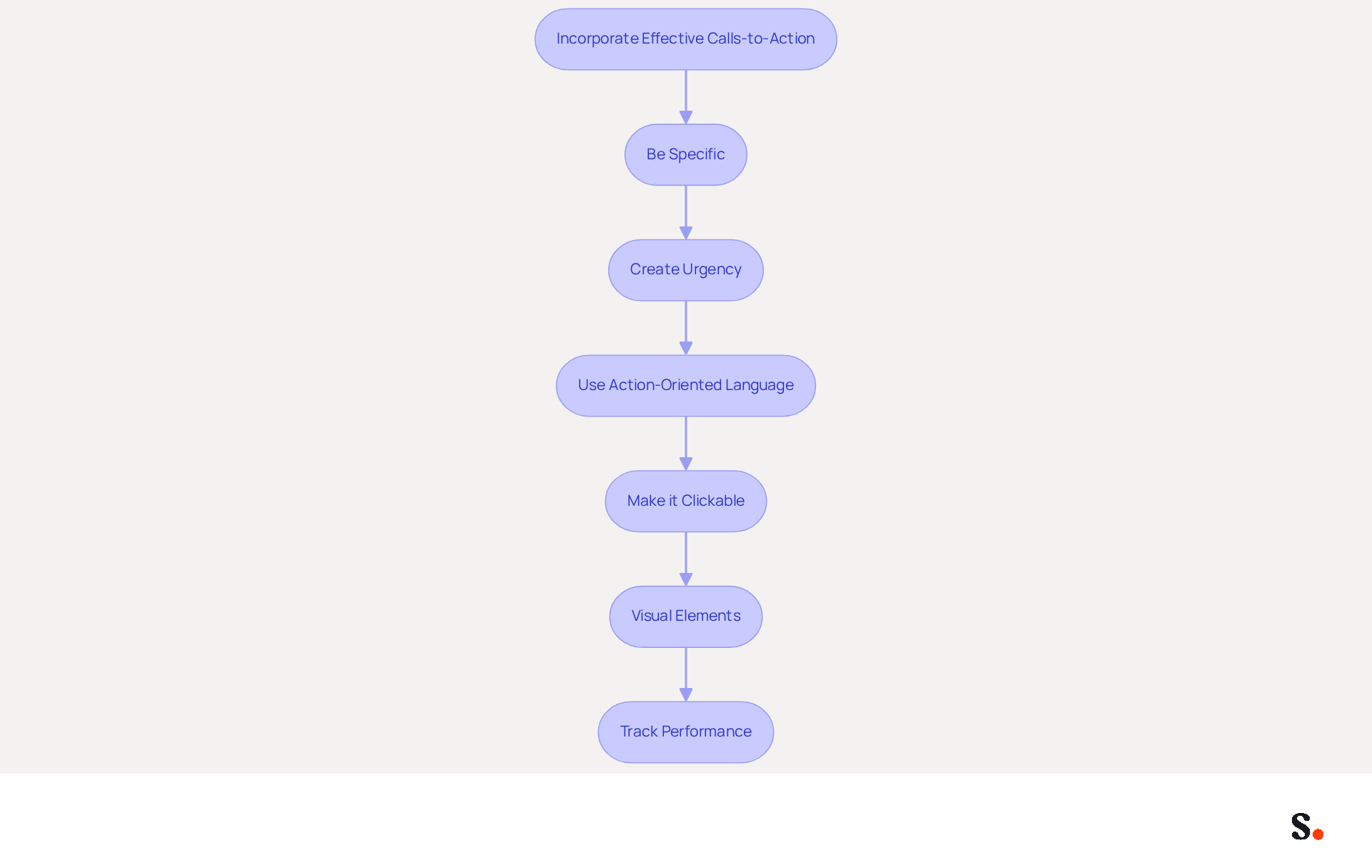
Without clear calls-to-action, your email footer may fail to engage potential clients effectively. To maximize the effectiveness of your message footer, it is essential to include clear and compelling calls-to-action (CTAs). Here are some strategies:
- Be Specific: Use direct language that clearly states what you want the recipient to do, such as 'Schedule a Viewing' or 'Get a Free Property Valuation'.
- Create Urgency: Phrases like 'Limited Time Offer' or 'Book Now' can encourage quicker responses from potential clients.
- Use Action-Oriented Language: Start your CTAs with action verbs to prompt immediate engagement, such as 'Explore Listings' or 'Contact Me Today'.
- Make it Clickable: Ensure that your CTAs are hyperlinked to relevant pages, such as your booking calendar or property listings, to facilitate easy access.
- Visual Elements: Consider using buttons or banners for your CTAs to make them stand out visually within your email footer.
- Track Performance: Use tracking links to measure the effectiveness of your CTAs, allowing you to adjust strategies based on performance data.
By implementing these strategies, you can transform your email footer into a lead generation powerhouse. Statistics show that strategic CTAs can result in a 40% boost in engagement, making them an essential element of effective marketing strategies. Ultimately, the right CTAs can turn your email footer into a vital asset for attracting new business.
Ensure Compliance with Legal Requirements
Real estate agents face significant legal obligations regarding their real estate agent email signature, which must comply with various regulations. Here are key considerations:
- Licensing Information: Include your property license number if required by your state or local regulations to maintain transparency. This is essential, as most states mandate active producers to disclose their license numbers in outbound communications.
- Brokerage Disclosure: Clearly state your brokerage's name and any necessary disclaimers to comply with local laws. This helps establish credibility and adhere to regulatory standards.
- Confidentiality Notices: Consider adding a confidentiality notice to safeguard sensitive information shared in messages. This is especially crucial in property transactions where confidentiality is vital.
- Equal Housing Opportunity Statement: If applicable, include a statement that promotes equal housing opportunities to align with fair housing laws. This not only fulfills legal obligations but also demonstrates a commitment to inclusivity.
- Review Local Regulations: Stay informed about specific legal requirements in your area, as they can vary significantly by state or region. For instance, starting January 1, 2026, California law will require disclosure for digitally altered listing photos, emphasizing the need for transparency in marketing.
- Regular Updates: Regularly review and update your email footer to stay compliant with changing regulations. Failure to disclose required information in a real estate agent email signature can lead to significant legal repercussions for real estate agents.
By adhering to these compliance guidelines, real estate agents can protect themselves legally while fostering trust and professionalism in their communications. For instance, a recent case study demonstrated how automated systems helped agents avoid costly regulatory violations by ensuring timely updates to their signatures. This not only protects agents legally but also enhances their reputation in the market.

Conclusion
For real estate agents, an email signature is more than just a digital formality; it’s a critical marketing tool that can shape client perceptions. Many agents overlook key elements that could enhance their email signatures, such as:
- Their full name
- Professional title
- Brokerage information
- Contact details
Including a professional photo and links to social media can help agents connect with clients on a more personal level, ultimately leading to increased visibility and engagement.
The importance of adhering to design principles that ensure clarity and professionalism in email signatures cannot be overstated. By maintaining simplicity, utilizing brand colors, and ensuring mobile compatibility, agents can create visually appealing signatures that resonate with clients. Additionally, incorporating effective calls-to-action can transform an email footer into a lead generation powerhouse, driving engagement and prompting potential clients to take action. Compliance with legal requirements is equally crucial, as it protects agents from potential liabilities while reinforcing their commitment to transparency and professionalism.
In conclusion, real estate agents should view their email signatures as strategic assets that can influence client perceptions and interactions. By following best practices in design, content, and compliance, agents can enhance their branding efforts and improve communication effectiveness. Ultimately, a well-crafted email signature can be the difference between a missed opportunity and a lasting client relationship.
Frequently Asked Questions
Why is a well-crafted email signature important for real estate agents?
A well-crafted email signature is essential for real estate agents as it helps establish trust and enhance client engagement.
What essential elements should be included in a real estate agent's email signature?
Essential elements include full name, professional title, brokerage information, contact details, license number (if required), professional photo, and social media links.
How does using a full name in an email signature contribute to trust?
Using your complete name as it appears on your business card and website helps maintain consistency, which aids in establishing trust; 76% of consumers believe branded email identifiers enhance trust.
What should be included under professional title in an email signature?
Clearly state your role, such as 'Real Estate Agent' or 'Realtor', and consider including recognized credentials to enhance credibility.
Why is it important to include brokerage information in an email signature?
Including the name of your brokerage enhances credibility and provides a point of reference for clients. Many states also require this for compliance.
What contact details should be provided in an email signature?
Provide multiple ways for clients to reach you, including your mobile number (labeled M:) and office number (labeled O:), with at least three contact methods recommended for improved accessibility.
Is it necessary to include a license number in an email signature?
Yes, if required by your state, including your property license number is crucial for compliance with legal regulations.
How can a professional photo impact client engagement?
Including a headshot can boost response rates by as much as 20%, making you more relatable to clients.
Should social media links be included in an email signature?
Yes, consider adding links to one or two professional social media profiles to enable clients to connect with you while maintaining clarity in your branding.
What is the potential visibility generated by a branded email signature?
Branded digital identifiers can yield 60,000-80,000 impressions monthly for a 100-person property team.
How does a clear call to action in an email signature affect response rates?
Messages with a single, clear call to action achieve a 22% click-through rate, greatly enhancing response rates and making it a vital element of effective communication.
List of Sources
- Identify Essential Elements for Your Email Signature
- Email Signature for Real Estate Agents: The 2026 Guide | Saleswise (https://saleswise.ai/blog/email-signature-for-real-estate-agents)
- 5 Creative Real Estate Agent Email Signature Examples that Generate Leads in 2026 (https://realestatebees.com/realtor-email-signature-examples)
- Real Estate Agent Email Signatures: Examples and Best Practices | Send Like a Pro (https://sendlikeapro.com/blog/real-estate-agent-email-signature)
- Realtor Email Signature: Free Templates & Examples (2026) (https://uniqode.com/blog/email-signature/for-real-estate-agents)
- Realtor Email Signature Examples for Real Estate Agents (https://exclaimer.com/email-signature-handbook/realtor-email-signature)
- Design an Engaging and Professional Layout
- Email Signature Best Practices for 2026 (+ 15 Pro Examples) (https://wavecnct.com/blogs/email-signature-best-practices-2026)
- Top 10+ best practices for email signatures design in 2026 (https://mysignature.io/blog/email-signature-best-practices)
- Why Email Signatures Must Be In Your 2026 Marketing Plan | Rocketseed (https://rocketseed.com/blog/what-are-the-biggest-email-trends-for-2026)
- Email Signature Best Practices - NEWOLDSTAMP (https://newoldstamp.com/blog/email-signature-best-practices)
- "Email Signature Trends for 2026: What's In, What's Out" | Crossware posted on the topic | LinkedIn (https://linkedin.com/posts/crossware-ltd_new-year-new-trends-even-for-your-email-activity-7394554686046908416-vD_O)
- Incorporate Effective Calls-to-Action
- Email Call to Action Ideas To Get Better Results in 2026 (https://getwpfunnels.com/email-call-to-action-ideas)
- Why and how to add an effective CTA to your email signature? (https://signitic.com/en/resources/why-and-how-to-add-an-effective-cta-to-your-email-signature)
- Top 10+ best practices for email signatures design in 2026 (https://mysignature.io/blog/email-signature-best-practices)
- Email Signature Best Practices for 2026 (+ 15 Pro Examples) (https://wavecnct.com/blogs/email-signature-best-practices-2026)
- 12 email signature marketing examples that drive clicks (2026) (https://signitic.com/en/resources/12-email-signature-marketing-examples-that-actually-drive-clicks)
- Ensure Compliance with Legal Requirements
- Legal-Ease: New federal real estate rule takes effect March 1 - LimaOhio.com (https://limaohio.com/top-stories/2026/02/28/legal-ease-new-federal-real-estate-rule-takes-effect-march-1)
- 10 Key Compliance Issues With Email Signatures | Insurance Thought Leadership (https://insurancethoughtleadership.com/agent-broker/10-key-compliance-issues-email-signatures)
- 2026 California real estate law updates explained by TeamTitleGuy and Ryan Orr. (https://teamtitleguy.com/2026-california-real-estate-law-changes-what-inland-empire-realtors-need-to-know-now)
- The Real Estate Agent’s Guide to Email Marketing Compliance + CAN-SPAM | OutboundEngine (https://outboundengine.com/blog/email-compliance-can-spam-real-estate-agents)
- New Real Estate Laws Taking Effect in 2026: What You Need to Know – PASADENA-FOOTHILLS REALTORS® (https://pfar.org/new-real-estate-laws-taking-effect-in-2026-what-you-need-to-know)
Get started with Scribe
See why teams switch to Scribe
Free 14-day trial — no credit card.