Best Practices for an Effective MD Candidate Email Signature
For MD candidates in healthcare, crafting a professional email signature is a critical yet often neglected task. A well-structured signature conveys essential
Sophie Grant
Email Signature Specialist, Scribe

Introduction
For MD candidates in healthcare, crafting a professional email signature is a critical yet often neglected task. A well-structured signature conveys essential contact information and serves as a powerful branding tool, reflecting the candidate's affiliation with their medical school. Candidates often find it challenging to create a signature that reflects both their professionalism and personal brand. Identifying the key elements that elevate a simple email footer into a powerful introduction to their professional identity is essential.
Include Essential Contact Information
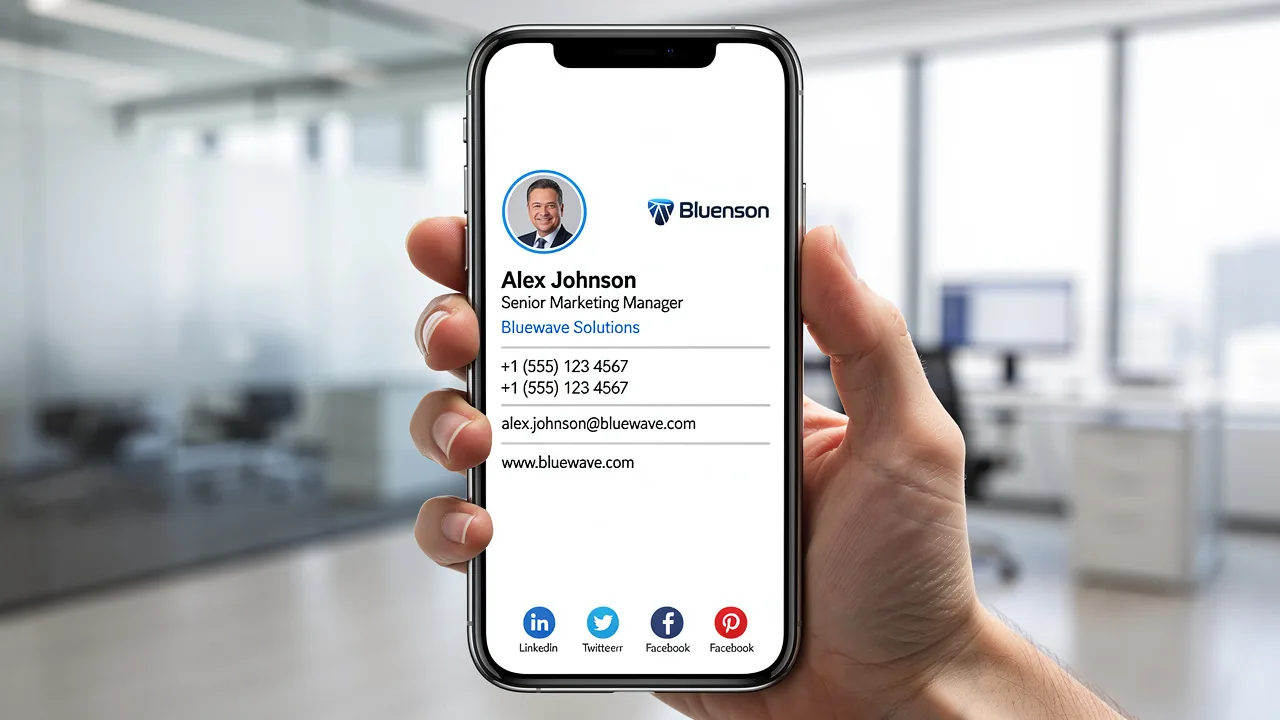
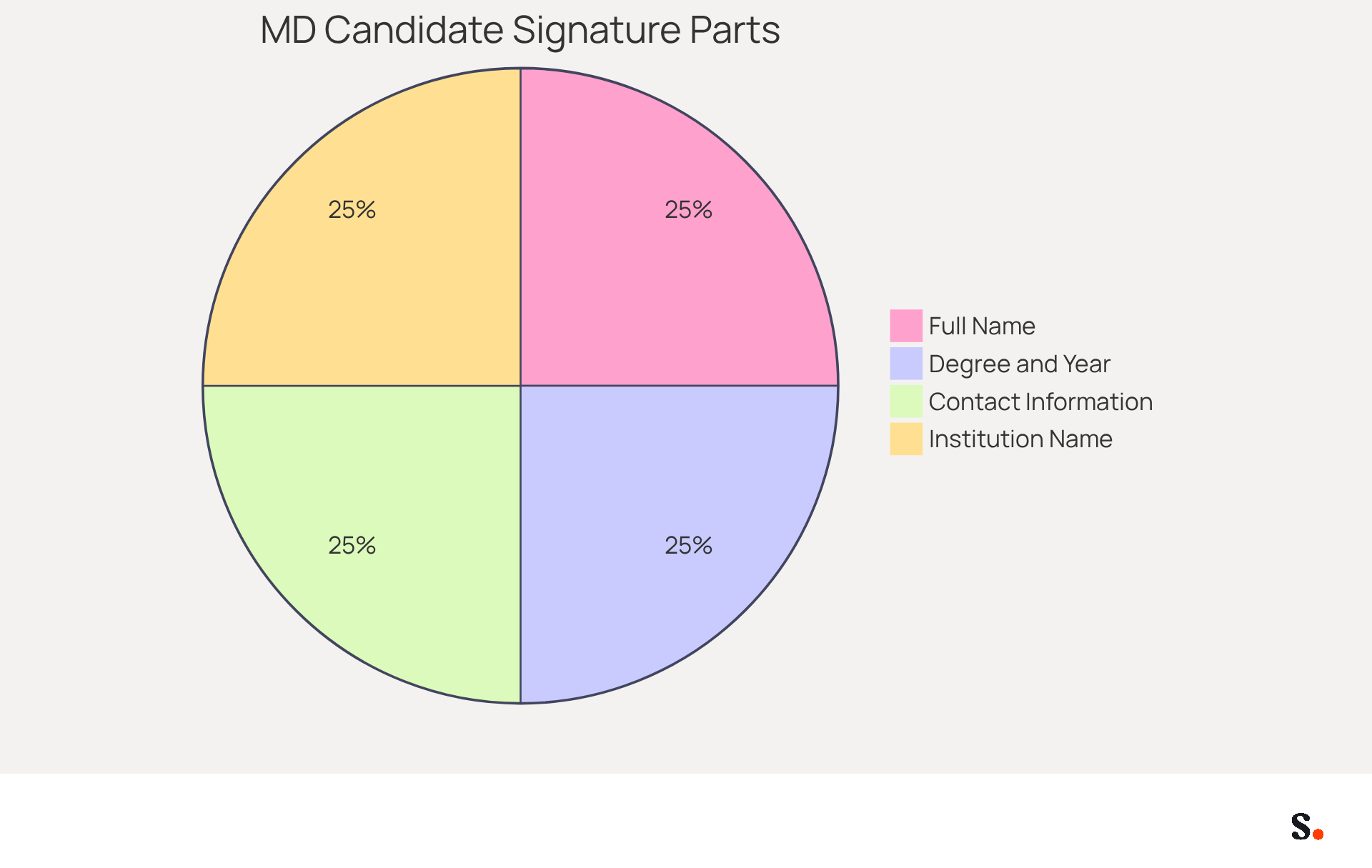
Many MD candidates overlook the importance of having a professional md candidate email signature, which can significantly impact their networking opportunities. An effective email signature for MD candidates should include the following essential contact information:
- Full Name: Clearly state your first and last name to ensure recipients know who they are communicating with.
- Degree and Year: Indicate your current status, such as 'Medical Student, Class of 2026', to provide context about your educational journey. This is essential, as 64-70% of participants confirm the significance of a formal footer in communication.
- Contact Information: Include a professional contact address and, if appropriate, a phone number. Avoid personal email addresses to maintain professionalism; 42% of consumers feel negatively toward a business when receiving an email without a branded signature.
- Institution Name: Mention your healthcare school to establish credibility and context.
Providing this information makes it easier for recipients to get in touch with you and understand your current academic status, which is especially crucial in the healthcare sector where networking can lead to future opportunities. Ultimately, an md candidate email signature that is well-structured can be a key factor in establishing professional relationships in the healthcare sector.
Incorporate Your Medical School's Branding
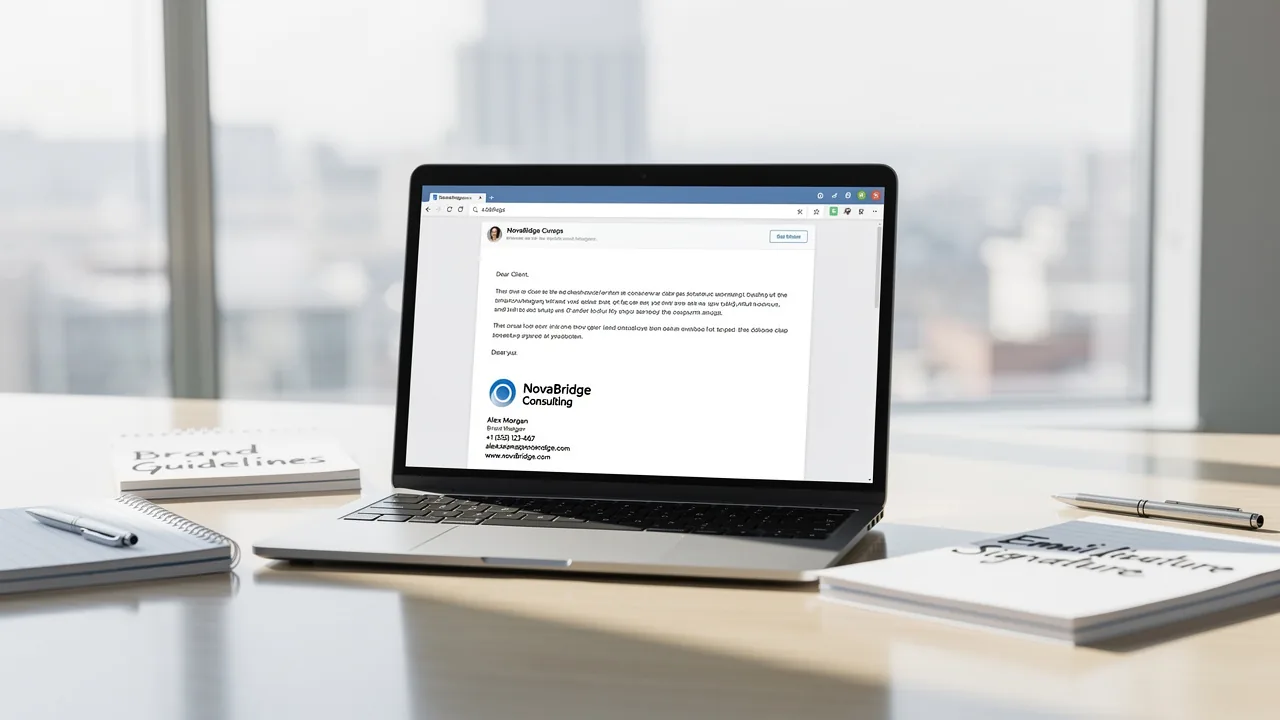
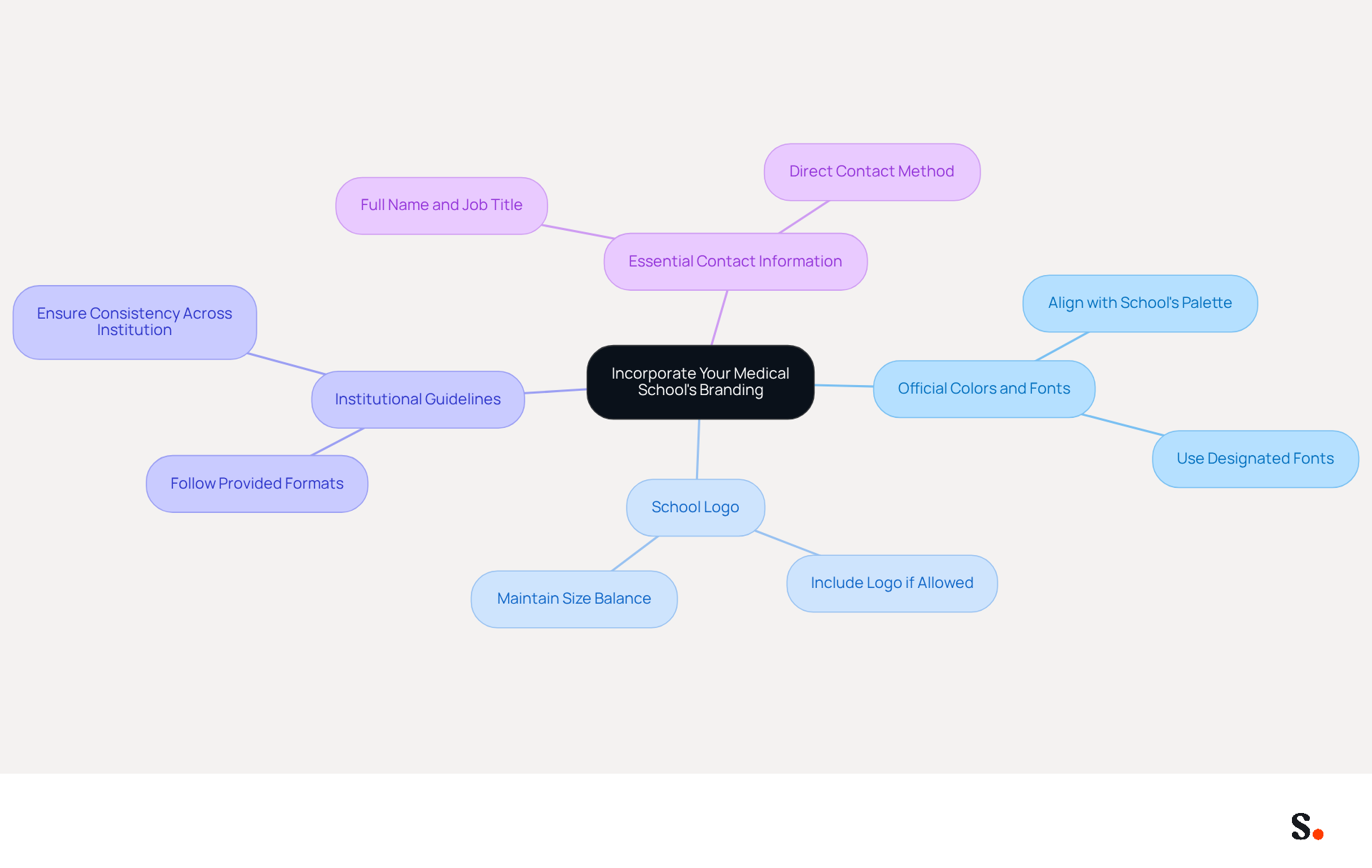
Incorporating your school's branding into your md candidate email signature is essential for establishing a strong professional presence. Here are some best practices to consider:
- Use Official Colors and Fonts: Align your signature with your school's official colors and fonts to create a cohesive and recognizable look. This not only showcases your connection to the institution but also highlights your commitment to professionalism.
- Include the School Logo: If allowed, add your institution's logo to your sign-off. Ensure that it is appropriately sized and does not overwhelm the text, maintaining a balance between branding and clarity.
- Follow Institutional Guidelines: Numerous healthcare schools provide specific instructions for email formats. Adhering to these can help maintain consistency across the institution and reinforce your connection to it.
- Include Essential Contact Information: Ensure your closing includes your full name, job title, and direct contact method. This facilitates communication and enhances professionalism.
Integrating these elements strengthens your personal brand while simultaneously elevating the reputation of your medical school, particularly through your md candidate email signature. Research indicates that nearly 29% of organizations leverage electronic communication to enhance their branding efforts, highlighting the significance of a well-designed mark in professional environments. Moreover, case studies indicate that branded digital identifiers can result in a 15% rise in website click-through rates, emphasizing their effectiveness in marketing and communication. By utilizing Scribe, you can automate the synchronization of your messages with Aircall, ensuring that any changes made in your Aircall configuration are effortlessly reflected in your Scribe messages. This not only streamlines the management process but also enhances brand consistency across communications. Furthermore, Scribe's SOC 2 Type II compliance guarantees secure data management, making it a trustworthy option for healthcare providers. By adhering to these optimal methods, healthcare providers can ensure their electronic communication identifiers function as effective instruments for both personal and institutional branding.
Keep Design Simple and Professional
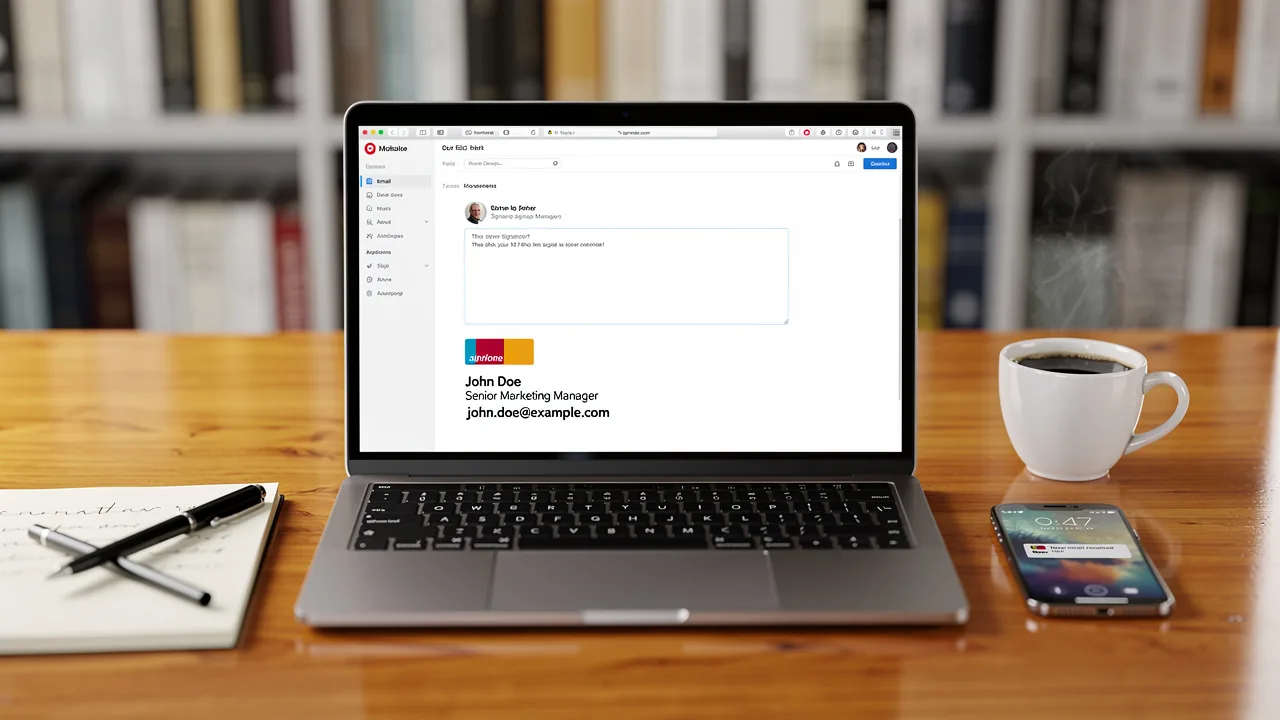
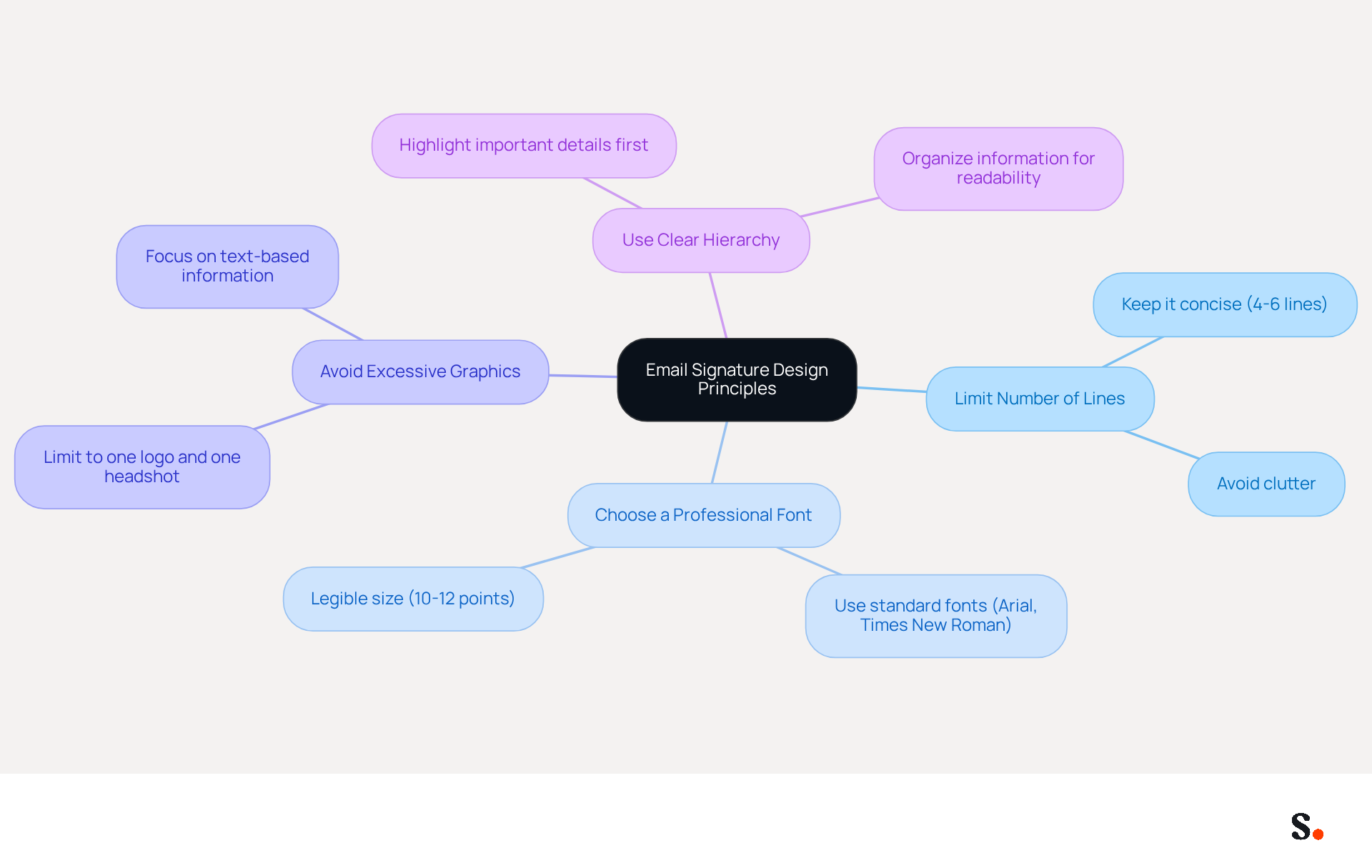
A well-designed md candidate email signature is essential for effective communication in the medical field. Here are some tips to achieve this:
- Limit the Number of Lines: Aim for a signature that is no more than 4-6 lines long. This keeps the information concise and easy to read, enhancing clarity and professionalism.
- Choose a Professional Font: Use standard fonts such as Arial or Times New Roman in a legible size (10-12 points). Avoid decorative fonts that may detract from professionalism, as clarity is paramount in medical communications.
- Avoid Excessive Graphics: While a logo can enhance branding, avoid using too many images or graphics that can clutter the email footer. Focus on text-based information that is essential for communication, as messages with branded identifiers achieve a 22% greater response rate.
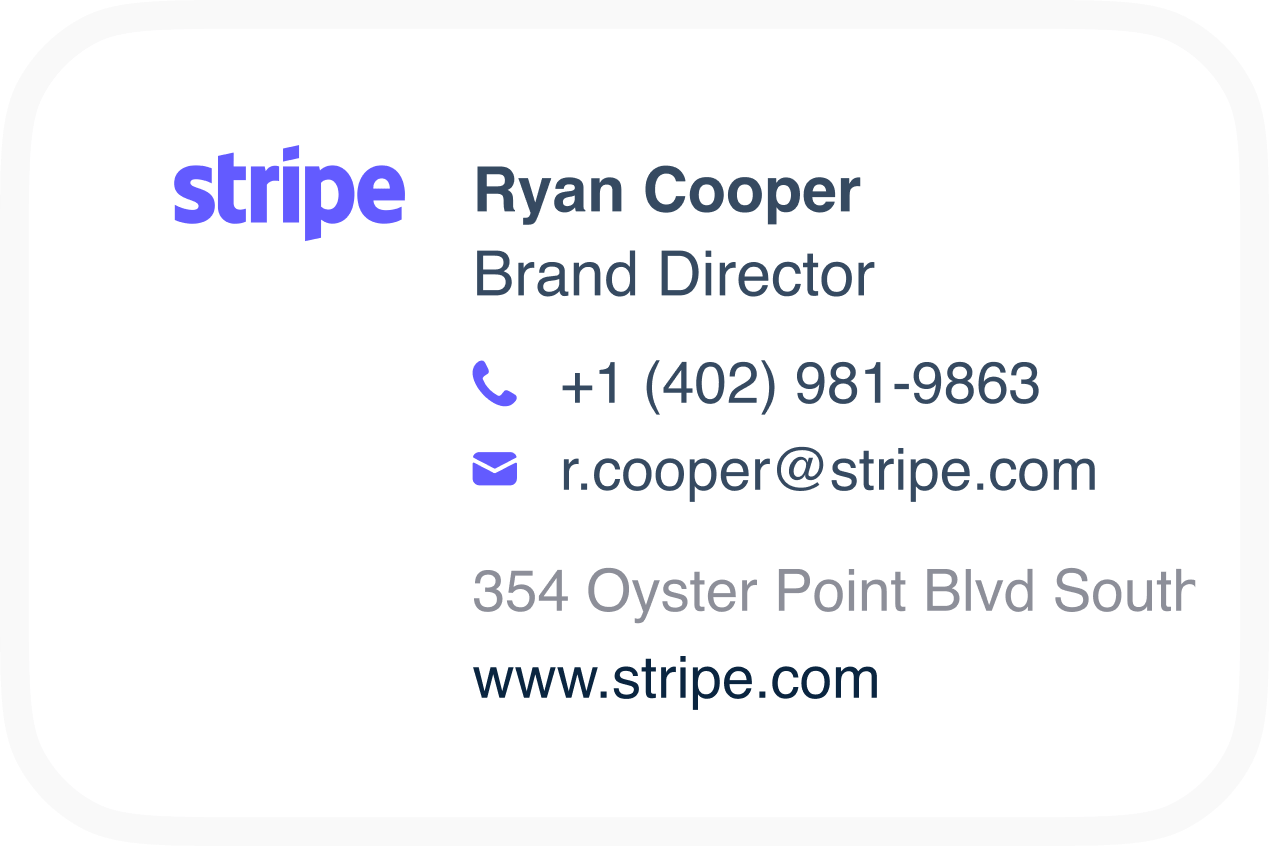
- Use Clear Hierarchy: Organize the information in a way that highlights the most important details first, such as your name and title, followed by contact information. This structured approach not only enhances readability but also strengthens your career identity.
By following these design principles, you present a polished image while effectively showcasing your identity as a medical student in your md candidate email signature. Furthermore, syncing your Google Workspace with Scribe can greatly enhance the management of your correspondence identifiers. This integration enables automatic updates, so any changes in your Google Workspace - like moving teammates or updating their information - will automatically reflect in Scribe. This not only conserves time but also guarantees that your correspondence identifiers remain uniform and current, boosting your brand visibility and reliability in business communications. For medical professionals, this allows you to spend less time on administrative tasks and more time on patient care, enhancing your overall effectiveness.
Update Your Signature Regularly
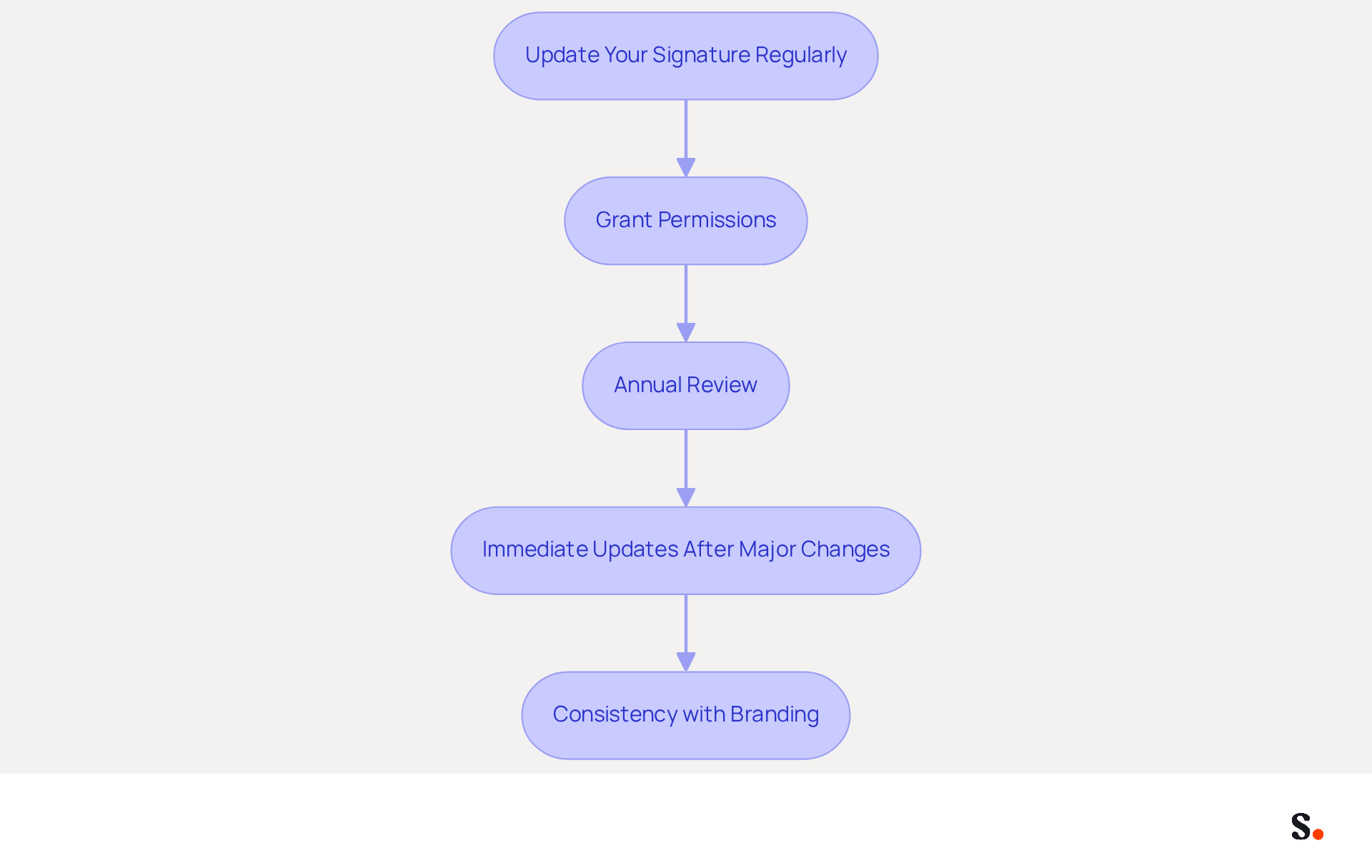
Regularly updating your contact details is essential for maintaining professionalism and ensuring accurate communication. Scribe offers a streamlined one-click synchronization with Google Workspace. This feature saves you time and ensures your correspondence reflects the most current information without the need for manual updates. Implement these best practices to enhance your email signature management:
- Grant Permissions: To enable synchronization, you must be a Super Admin of your email provider and grant Scribe permission to connect with your Google Workspace. This allows you to select which teammates to sync, ensuring that only relevant data is updated.
- Annual Review: At least once a year, review your email details to confirm that all information is current, including your degree status, contact information, and any new credentials. This practice helps maintain a professional image and ensures that your communications reflect your latest qualifications.
- Immediate Updates After Major Changes: Whenever you change your position, graduate, or receive new qualifications, update your credentials promptly. Failing to update your credentials can lead to miscommunication and a lack of professionalism. Scribe allows you to auto-fill identification information using attributes from your synced data, making updates seamless.
- Consistency with Branding: Ensure that your correspondence aligns with any updates to your institution's branding or guidelines. Consistency in visual elements reinforces your professional image and enhances recognition among peers and patients.
By prioritizing these updates, you not only enhance your professional image but also foster trust and reliability among your contacts. Plus, with Scribe's SOC 2 Type II compliance, you can rest assured that your data is secure.
Conclusion
In a competitive medical field, establishing credibility can be challenging for MD candidates. An effective email signature serves as a professional introduction and establishes credibility for MD candidates in the medical field. By incorporating essential contact information, aligning with institutional branding, maintaining a simple design, and committing to regular updates, candidates can significantly enhance their networking opportunities and professional image.
Key practices include:
- Clearly stating your name and degree
- Using your medical school's branding elements
- Ensuring a clean, readable format
These elements not only facilitate communication but also reinforce the candidate's affiliation with their institution, which is crucial in a competitive environment. Regular updates to the signature ensure that all information remains accurate and reflects the candidate's current status, further enhancing professionalism.
A well-crafted email signature is a strategic asset that can significantly influence perceptions and opportunities in the medical field. MD candidates can use Scribe to efficiently manage their signatures, ensuring brand consistency and adherence to security standards. Adopting these best practices can transform how candidates are perceived in their professional interactions.
Frequently Asked Questions
Why is having a professional email signature important for MD candidates?
A professional email signature is important for MD candidates as it significantly impacts their networking opportunities and helps establish credibility in the healthcare sector.
What essential contact information should be included in an MD candidate email signature?
An MD candidate email signature should include the following essential contact information: Full Name, Degree and Year, Contact Information (professional email address and phone number), and Institution Name.
How should I format my name in the email signature?
Clearly state your first and last name to ensure recipients know who they are communicating with.
Why is it important to indicate my degree and year in the email signature?
Indicating your degree and year, such as 'Medical Student, Class of 2026', provides context about your educational journey, which is essential for networking.
What type of contact information should I include?
Include a professional contact email address and, if appropriate, a phone number. Avoid using personal email addresses to maintain professionalism.
How does mentioning my institution name benefit my email signature?
Mentioning your healthcare school establishes credibility and context, which is particularly important in the healthcare sector.
What impact does a well-structured email signature have on networking?
A well-structured email signature makes it easier for recipients to get in touch with you and understand your current academic status, which can lead to future opportunities in the healthcare sector.
List of Sources
- Include Essential Contact Information
- Email Signature Statistics: A Closer Look at Email Signatures in 2026 (https://mysignature.io/blog/email-signature-statistics)
- MD & DO - Proper email signature for medical students (https://forums.studentdoctor.net/threads/proper-email-signature-for-medical-students.1444289)
- 40+ Email Signature Statistics for 2026 (Data + Insights) (https://wavecnct.com/blogs/email-signature-statistics)
- Contact Info in Email Signatures: Best Practice | Rocketseed (https://rocketseed.com/blog/best-practices-for-adding-contact-information-on-an-email-signature)
- 4 Best Practices for a Professional Medical Student Email Signature (https://scribe-mail.com/en-US/blog/4-best-practices-for-a-professional-medical-student-email-signature)
- Incorporate Your Medical School's Branding
- Email signature statistics: Why every business should optimize their email signatures — Stripo.email (https://stripo.email/blog/email-signature-statistics-why-every-business-should-optimize-their-email-signatures)
- 4 Best Practices for a Professional Medical Student Email Signature (https://scribe-mail.com/en-US/blog/4-best-practices-for-a-professional-medical-student-email-signature)
- Make Your Mark: Why a Professional Email Signature Matters for K-12 Educators (https://alcoaschools.net/apps/news/article/2069647)
- 40+ Email Signature Statistics for 2026 (Data + Insights) (https://wavecnct.com/blogs/email-signature-statistics)
- Doctor Email Signature: Examples, Templates & Best Practices
- NEWOLDSTAMP (https://newoldstamp.com/blog/doctor-email-signatures)
- Keep Design Simple and Professional
- Email Signature Best Practices - NEWOLDSTAMP (https://newoldstamp.com/blog/email-signature-best-practices)
- 4 Best Practices for a Modern Email Signature That Engages (https://scribe-mail.com/en-US/blog/4-best-practices-for-a-modern-email-signature-that-engages)
- Email Signature Design Guide: Best Practices and Examples (https://designmodo.com/email-signature)
- Email Signature Best Practices Guide With Examples - MailerLite (https://mailerlite.com/blog/email-signature-best-practices)
- Best Practices Designing Email Signatures - Lynne Golodner (https://lynnegolodner.com/articles/best-practices-designing-email-signatures)
- Update Your Signature Regularly
- 40+ Email Signature Statistics for 2026 (Data + Insights) (https://wavecnct.com/blogs/email-signature-statistics)
- The impact of email signatures on your branding (https://signitic.com/en/resources/the-impact-of-email-signatures-on-your-branding)
- Email Signature Essentials: Key Statistics to Know for 2023 (https://blog.hubspot.com/marketing/email-signature-statistics)
- Email Signature Best Practices (https://uschamber.com/co/grow/thrive/email-signature-best-practices)
Get started with Scribe
Manage signatures across your whole team
Free 14-day trial — no credit card.