Compare Company Email Signature Examples for Effective Marketing
An effective email signature is crucial for enhancing brand visibility and engagement, serving as a powerful marketing tool. Looking at successful email
Sophie Grant
Email Signature Specialist, Scribe

On this page
- Introduction
- Essential Components of Effective Email Signatures
- Industry-Specific Email Signature Examples and Best Practices
- Manual vs. Automated Email Signature Management: Pros and Cons
- Manual Management
- Automated Management
- Compliance and Security Considerations in Email Signature Management
- Conclusion
- Frequently Asked Questions
- List of Sources
Introduction
An effective email signature is crucial for enhancing brand visibility and engagement, serving as a powerful marketing tool. Looking at successful email signature examples from different industries can help organizations discover best practices that boost professionalism and lead to measurable marketing outcomes.
Companies often face challenges in maximizing their email signatures' potential while ensuring compliance and security with either manual or automated management methods. This article delves into the essential components of impactful email signatures, industry-specific adaptations, and the pros and cons of different management approaches, providing insights that can transform a simple signature into a powerful marketing asset.
Essential Components of Effective Email Signatures
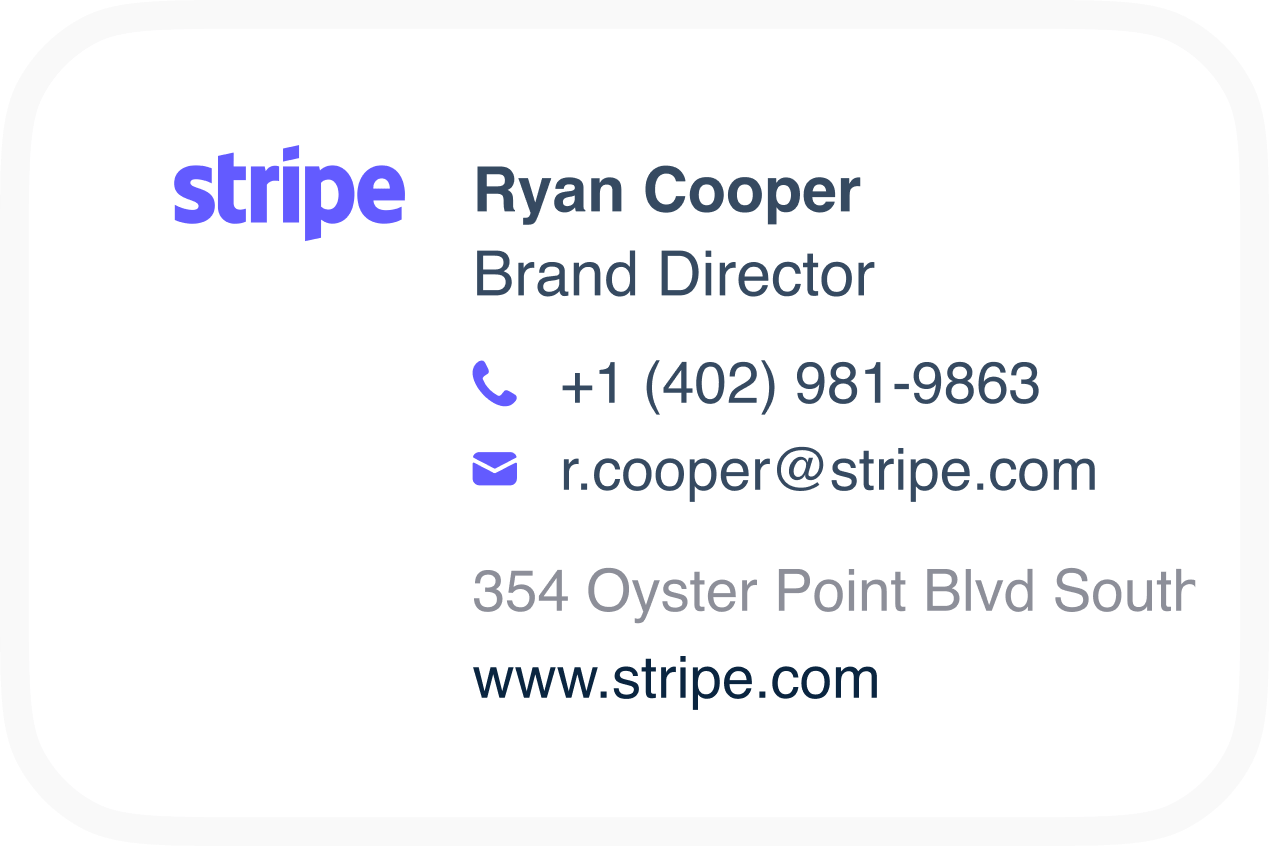
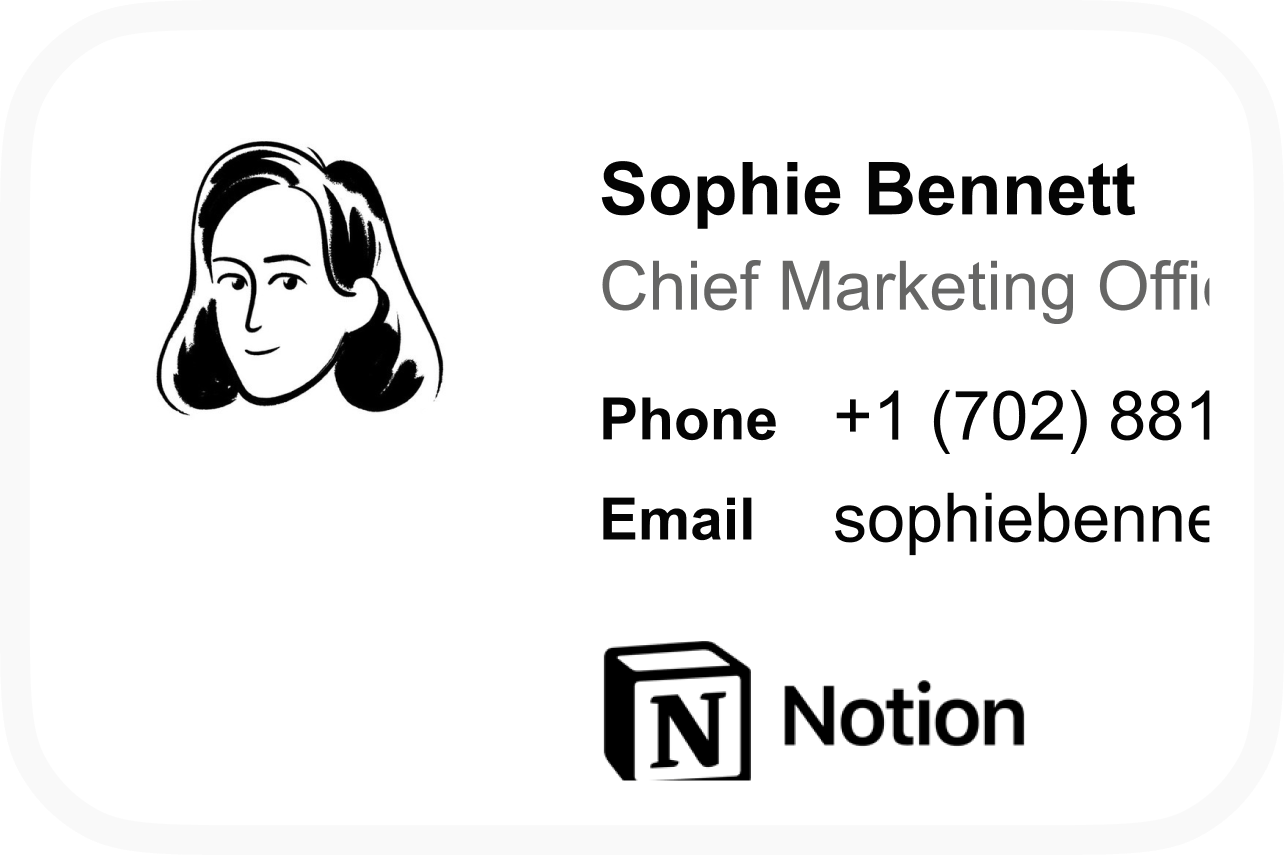
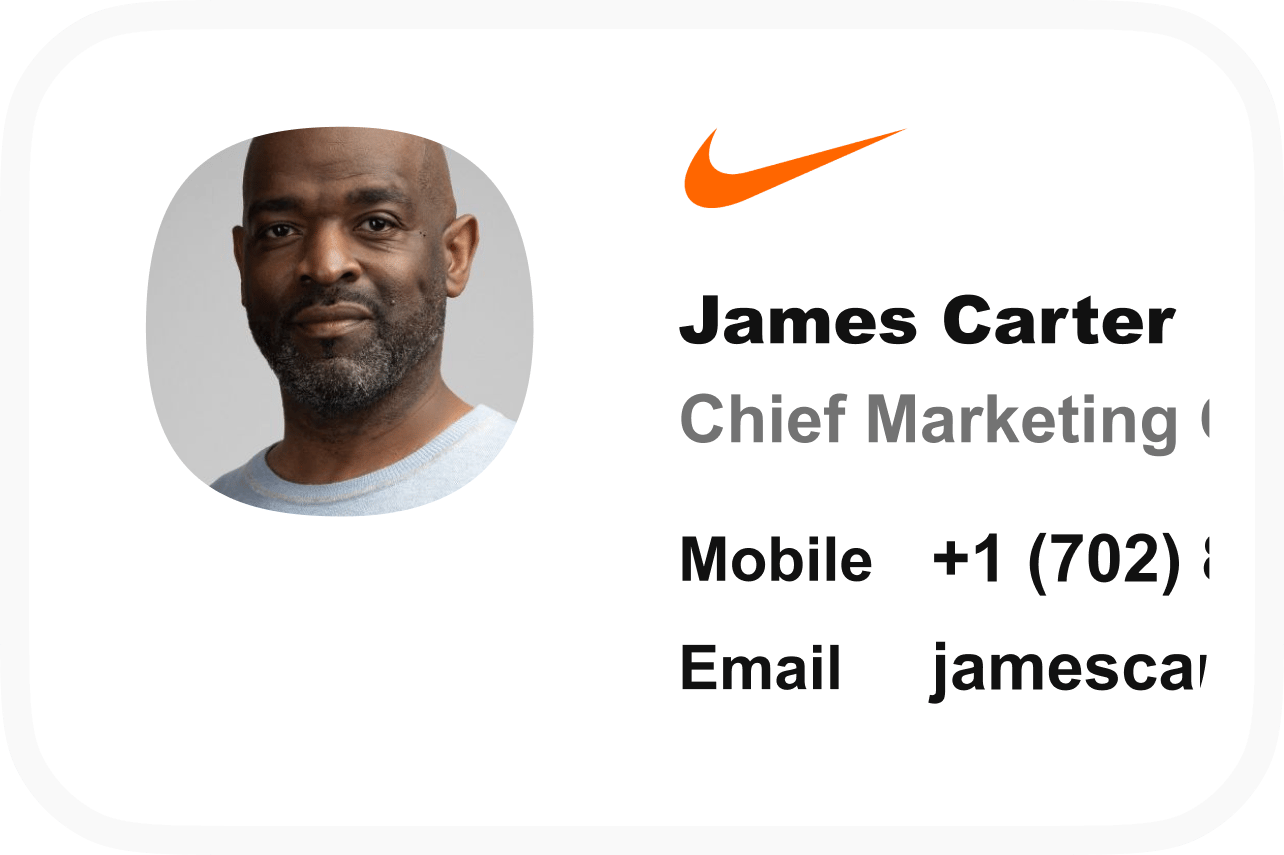
A well-crafted email signature, as seen in various company email signature examples, serves not only as a digital business card but also as a strategic marketing asset. The key components include:
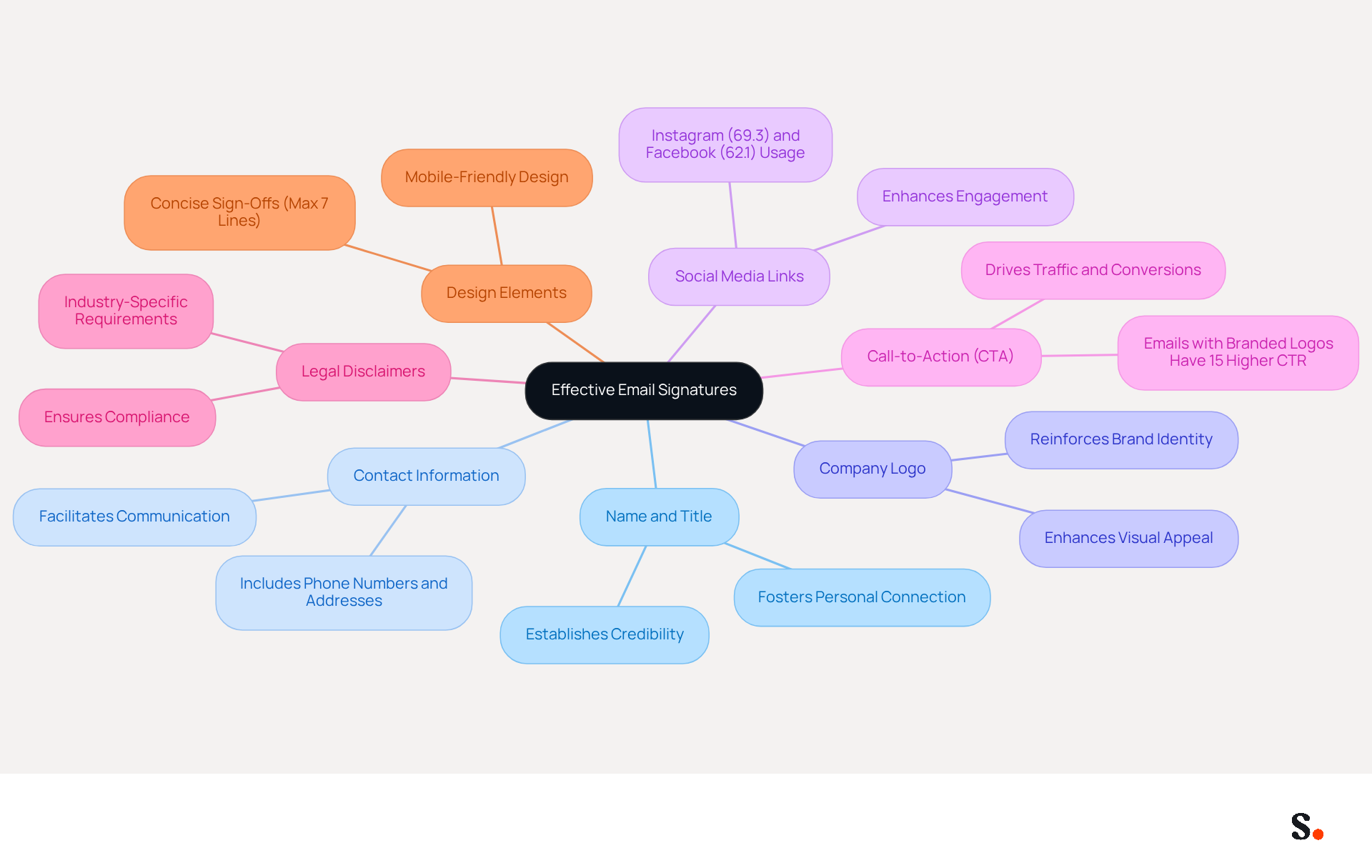
- Name and Title: Clearly stating the sender's name and job title establishes credibility and fosters a personal connection.
- Contact Information: Including phone numbers, addresses, and company websites ensures recipients can easily reach out, facilitating communication.
- Company Logo: A recognizable logo reinforces brand identity and professionalism, enhancing the visual appeal of the message.
- Social Media Links: Directing recipients to social media profiles enhances engagement and provides additional touchpoints for brand interaction. Notably, Instagram and Facebook are present in 69.3% and 62.1% of digital correspondences, respectively, underscoring their importance in modern communication.
- Call-to-Action (CTA): Incorporating a CTA, such as a link to a current promotion or event, can significantly drive traffic and conversions. Emails with branded logos experience a 15% higher click-through rate, illustrating the effectiveness of strategic CTAs.
- Legal Disclaimers: Depending on the industry, legal disclaimers may be necessary to comply with regulations, ensuring that the email meets legal standards.
- Design Elements: A clean, mobile-friendly design ensures the signature looks great on any device. Keeping sign-offs concise-ideally no more than seven lines-helps maintain professionalism and clarity.
These elements enhance the professionalism of company email signature examples while opening up new marketing avenues. For instance, 18.8% of businesses use digital identifiers for lead generation, highlighting their potential as a cost-efficient marketing channel. By integrating these components thoughtfully, businesses can transform their digital identifiers into powerful tools for brand awareness and customer engagement. Neglecting these components could mean losing valuable opportunities for engagement and brand recognition.
Industry-Specific Email Signature Examples and Best Practices
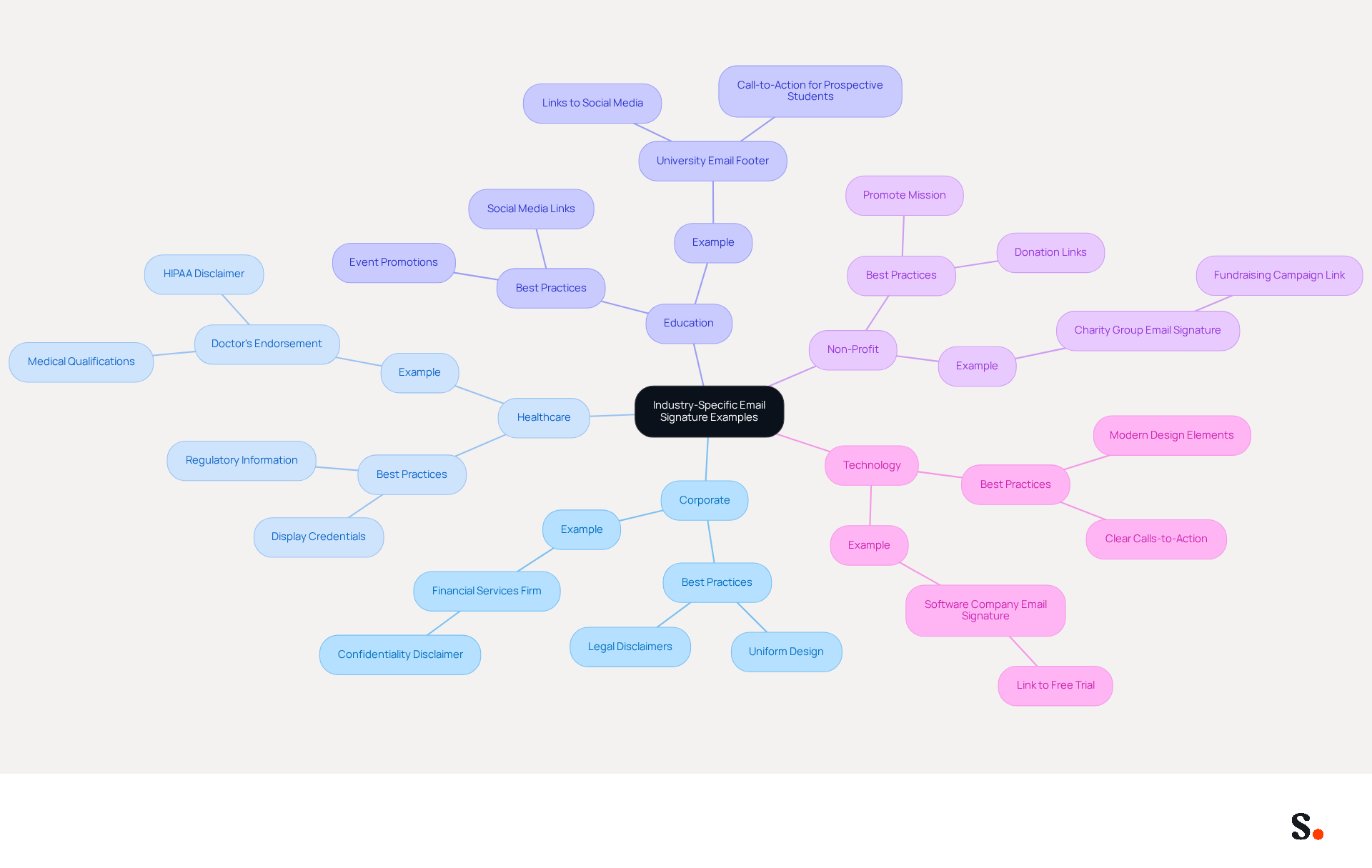
Different sectors have unique demands for digital identifiers, which can significantly influence their communication strategies. Here are examples and best practices tailored to specific sectors:
-
Corporate email layouts typically showcase company email signature examples that feature a professional design, including the company logo, employee name, title, and contact information. Best practices emphasize uniform design across the organization to reinforce brand consistency. Scribe automatically syncs with Aircall, so any changes in your Aircall settings are instantly reflected in your Scribe branding, making brand consistency easy.
- Example: A financial services firm might include a legal disclaimer about confidentiality to comply with industry regulations.
-
In the healthcare sector, endorsements should prominently display credentials and regulatory information, often featuring a straightforward design to maintain professionalism. With Scribe's SOC 2 Type II compliance, healthcare organizations can trust that their data is handled securely. This ensures that patient confidentiality is upheld while maintaining trust.
- Example: A doctor's endorsement may include their medical qualifications, practice name, and a HIPAA disclaimer to ensure patient confidentiality.
-
Educational institutions often incorporate links to social media and upcoming events in their email footers, reflecting the institution's branding. Scribe allows for easy updates to these identifiers, ensuring that marketing teams can manage them independently after the initial IT setup. This flexibility is crucial for adapting to changing marketing strategies.
- Example: A university might include links to its social media pages and a call-to-action encouraging prospective students to apply or visit the campus.
-
Non-Profit: Non-profit entities can utilize endorsements to promote their mission and upcoming events, with the inclusion of a donation link being particularly effective. Managing approvals can be a time-consuming task for non-profits, often diverting focus from their core mission. Scribe's automated management features simplify keeping approvals current and compliant, allowing entities to concentrate on their mission without concerns about approval consistency.
- Example: A charity group might feature a link to their latest fundraising campaign, encouraging recipients to contribute.
-
Technology: Tech companies frequently adopt modern design elements and clear calls-to-action (CTAs) to drive engagement with their products. Scribe's rapid implementation and user-friendliness for non-technical individuals enable tech firms to execute effective branding strategies swiftly, boosting their marketing initiatives. This leads to a more impactful outreach and engagement with their audience.
- Example: A software company might include a link to a free trial or demo, enticing potential customers to explore their offerings.
By customizing company email signature examples to align with industry standards and incorporating best practices, organizations can significantly enhance their communication effectiveness and improve brand perception. Statistics indicate that 70% of professionals believe a well-crafted digital identifier enhances credibility, making it crucial for businesses to invest in this frequently neglected element of their marketing strategy. Investing in well-crafted digital identifiers not only enhances credibility but also positions organizations for greater success in their respective fields.
Manual vs. Automated Email Signature Management: Pros and Cons
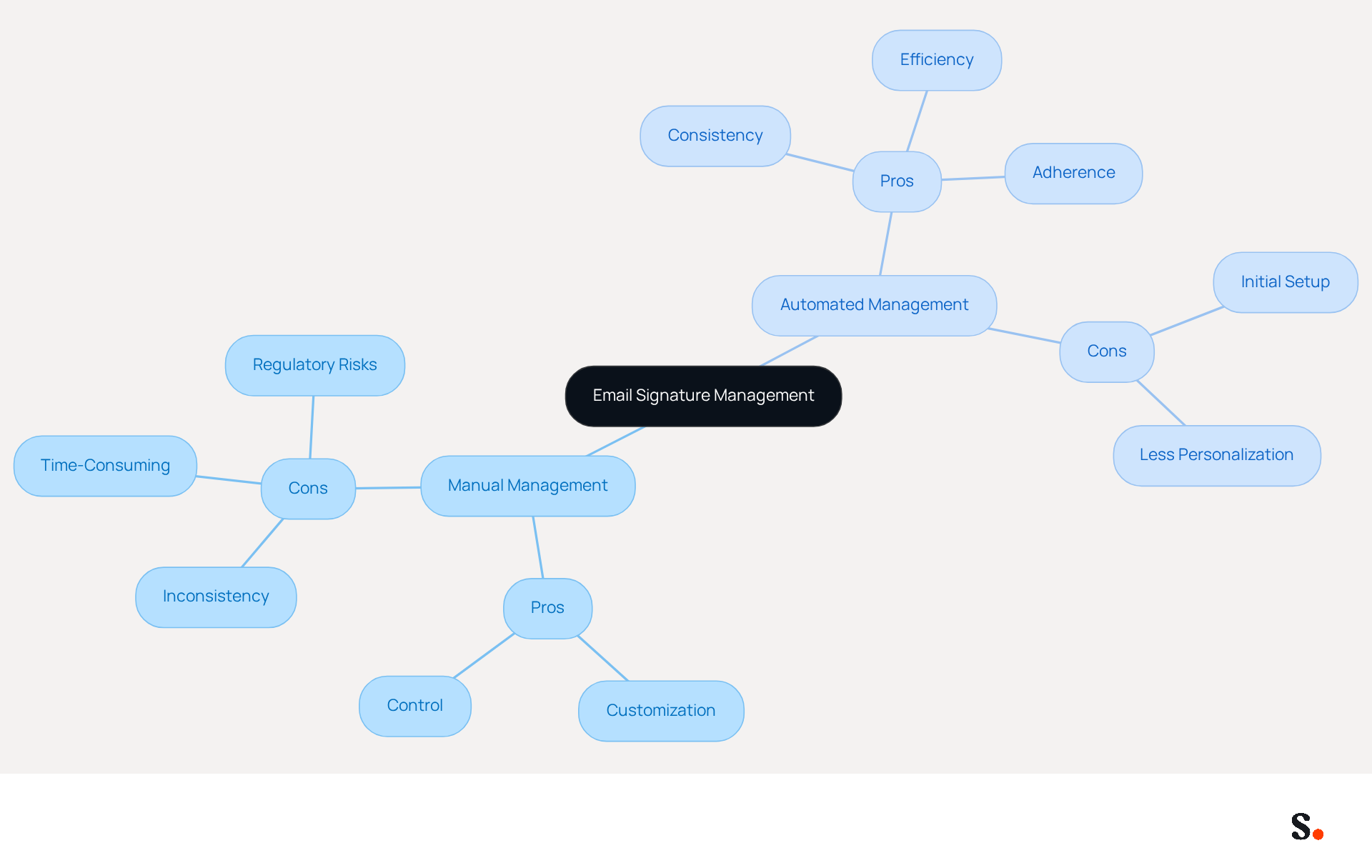
When it comes to managing email identifiers, businesses face a critical choice between manual and automated methods. Here’s a breakdown of the pros and cons of each approach:
Manual Management
Pros:
- Customization: Offers personalized signatures tailored to individual preferences, allowing for unique branding.
- Control: Users maintain full control over content and design, enabling specific adjustments as needed.
Cons:
- Inconsistency: Variability in signatures can lead to branding issues and confusion among recipients.
- Time-Consuming: Keeping signatures updated across the organization can really eat up time, especially when personnel changes or rebranding come into play.
- Regulatory Risks: The likelihood of outdated or incorrect information increases, potentially leading to regulatory issues.
Automated Management
Pros:
- Consistency: It keeps all employee signatures looking the same, which helps strengthen the brand and cuts down on any confusion.
- Efficiency: Saves time by automating updates and changes, significantly reducing the workload on IT and marketing teams.
- Adherence: Automatically includes necessary legal disclaimers and up-to-date information, minimizing risks and enhancing trust with clients.
Cons:
- Initial Setup: May require a more complex setup process and investment in software, which can be a barrier for some organizations.
- Less Personalization: Limited ability for individual customization may not suit all employees, potentially impacting personal branding.
Ultimately, the choice between manual and automated management can significantly impact an organization’s communication effectiveness and brand integrity.
Compliance and Security Considerations in Email Signature Management
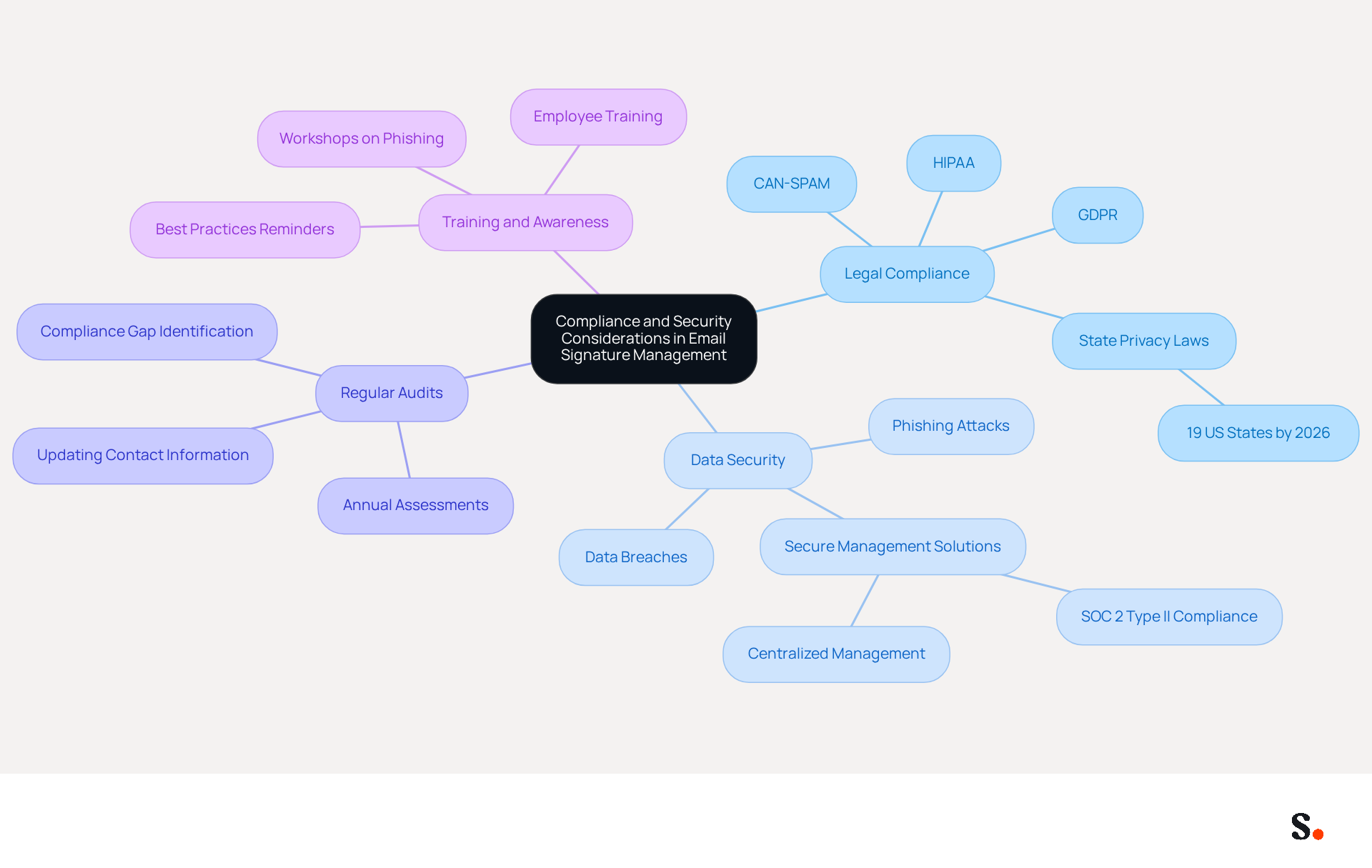
In the rapidly evolving digital landscape, managing email signatures presents both challenges and opportunities for organizations. Key considerations include:
- Legal Compliance: Organizations must ensure that their email signatures adhere to relevant regulations, such as GDPR, HIPAA, and CAN-SPAM. This includes providing accurate contact information and necessary disclaimers. For example, a healthcare provider must include specific disclaimers to protect patient confidentiality, ensuring adherence to industry standards. Starting January 1, 2026, 19 US states will implement comprehensive consumer privacy laws, so organizations must stay informed about these changes. Scribe's commitment to GDPR compliance ensures that your email management aligns with these evolving regulations.
- Data Security: Email identifiers can serve as a vector for phishing attacks and data breaches. Without secure management, organizations risk falling victim to phishing attacks and data breaches. Implementing secure management solutions for signed documents reduces these risks by ensuring that they are applied correctly and consistently. Scribe's SOC 2 Type II compliance guarantees that sensitive data is handled securely, while a centralized management system prevents unauthorized changes to signatures, safeguarding sensitive information. Furthermore, to enable one-click synchronization, organizations must grant Scribe permission to connect with their service provider, requiring Super Admin access. This ensures that all changes made in the provider directory are automatically synced with Scribe, enhancing data security.
- Regular Audits: Conducting regular evaluations of email formats helps identify outdated information and compliance gaps. This proactive approach, such as conducting annual assessments, helps organizations stay compliant and avoid legal pitfalls. For instance, an annual assessment of approvals can assist organizations in staying ahead of regulatory changes, minimizing the risk of non-compliance. Frequent updates to your contact information reduce the chance of outdated details being misused, emphasizing the significance of this practice.
- Training and Awareness: Educating employees about the significance of compliance and security in digital signatures is crucial. This includes training on recognizing phishing attempts and understanding the implications of non-compliance. Holding regular workshops helps employees remember best practices and stay alert to security threats, fostering a culture of vigilance within the entity. As Billy Mahoney observed, 'Every message your team sends is more than just a communication. It’s an opportunity to communicate professionalism, reinforce your brand, and even drive engagement.'
By prioritizing compliance and security in managing digital identifiers, organizations can safeguard their brand reputation and reduce legal risks, ultimately improving their marketing effectiveness. By embracing these practices, organizations not only protect their reputation but also enhance their operational efficiency.
Conclusion
An effective email signature serves as a crucial marketing tool, significantly impacting brand visibility and engagement. By incorporating essential components such as contact information, company logos, and strategic calls-to-action, organizations can transform their email signatures into powerful assets that foster communication and drive conversions.
Industry-specific examples demonstrate how tailored email signatures can effectively meet unique sector demands. From the financial sector's need for legal disclaimers to the healthcare industry's emphasis on confidentiality, aligning email signatures with industry standards is essential. Additionally, the comparison between manual and automated management highlights the efficiency and consistency that automated solutions like Scribe provide, ensuring compliance and security while allowing marketing teams to maintain control over branding.
Investing in effective email signature management is essential for organizations looking to boost their marketing strategies and maintain brand integrity. By prioritizing compliance, security, and design best practices, businesses can leverage their email signatures to communicate professionalism while driving engagement and fostering lasting connections with their audience. This proactive approach not only enhances brand visibility but also strengthens customer relationships, making it crucial to view email signatures as a key component of overall marketing efforts.
Frequently Asked Questions
What is the purpose of an effective email signature?
An effective email signature serves as a digital business card and a strategic marketing asset, enhancing professionalism and brand identity.
What are the key components of an email signature?
The key components include the sender's name and title, contact information, company logo, social media links, a call-to-action (CTA), legal disclaimers, and design elements.
Why is it important to include the sender's name and title in an email signature?
Including the sender's name and title establishes credibility and fosters a personal connection with the recipient.
How does contact information in an email signature facilitate communication?
Including phone numbers, addresses, and company websites ensures recipients can easily reach out, making communication more accessible.
What role does a company logo play in an email signature?
A recognizable logo reinforces brand identity and professionalism, enhancing the visual appeal of the message.
Why are social media links important in email signatures?
Social media links enhance engagement and provide additional touchpoints for brand interaction, with platforms like Instagram and Facebook being commonly included.
What is a call-to-action (CTA) in an email signature, and why is it important?
A CTA, such as a link to a current promotion or event, can drive traffic and conversions, making it a crucial element for marketing effectiveness.
Are legal disclaimers necessary in email signatures?
Yes, depending on the industry, legal disclaimers may be necessary to comply with regulations and ensure the email meets legal standards.
What design elements should be considered for an email signature?
A clean, mobile-friendly design is essential, and keeping sign-offs concise-ideally no more than seven lines-helps maintain professionalism and clarity.
How can neglecting email signature components affect a business?
Neglecting these components could lead to lost opportunities for engagement and brand recognition, diminishing the effectiveness of digital communication.
List of Sources
- Essential Components of Effective Email Signatures
- Email signature statistics: Why every business should optimize their email signatures — Stripo.email (https://stripo.email/blog/email-signature-statistics-why-every-business-should-optimize-their-email-signatures)
- Email Signature Statistics: A Closer Look at Email Signatures in 2026 (https://mysignature.io/blog/email-signature-statistics)
- How Email Signatures Can Boost Your Marketing Efforts | Crossware365 (https://crossware365.com/blog/how-email-signatures-can-boost-your-marketing-efforts)
- Email signature marketing: Triple your conversions with signature marketing (https://mailbutler.io/blog/email/signature-marketing)
- Why Email Signatures Must Be In Your 2026 Marketing Plan | Rocketseed (https://rocketseed.com/blog/what-are-the-biggest-email-trends-for-2026)
- Industry-Specific Email Signature Examples and Best Practices
- Why Email Signatures Must Be In Your 2026 Marketing Plan | Rocketseed (https://rocketseed.com/blog/what-are-the-biggest-email-trends-for-2026)
- Email Signature Trends 2026: Centralized Control & Automation | SIGNandGO posted on the topic | LinkedIn (https://linkedin.com/posts/signngo_email-signature-trends-to-watch-in-2026-activity-7401523471786217473-zAVL)
- 27 Professional Email Signature Examples for Business Email 2026 (https://wisestamp.com/signature-examples)
- Business email signatures: examples for health industry (https://bybrand.io/blog/health-and-nursing)
- Manual vs. Automated Email Signature Management: Pros and Cons
- Email Signature Trends 2026: Centralized Control & Automation | SIGNandGO posted on the topic | LinkedIn (https://linkedin.com/posts/signngo_email-signature-trends-to-watch-in-2026-activity-7401523471786217473-zAVL)
- The costly reality of manual email signature management for IT teams (https://signitic.com/en/resources/costs-email-signature-management)
- Company-Wide Email Signature Management | CloudM (https://cloudm.io/resources/blog/optimize-your-process-with-company-wide-email-signature-management)
- Automating Email Signatures: How IT Teams Streamline Processes & Reduce Risk (https://exclaimer.com/blog/streamlining-it-processes-automated-email-signatures)
- Email signature statistics: Why every business should optimize their email signatures — Stripo.email (https://stripo.email/blog/email-signature-statistics-why-every-business-should-optimize-their-email-signatures)
- Compliance and Security Considerations in Email Signature Management
- Why Email Signatures Must Be In Your 2026 Marketing Plan | Rocketseed (https://rocketseed.com/blog/what-are-the-biggest-email-trends-for-2026)
- Why You Should Manage Your Business Email Signatures | PS Tech (https://pstechnology.co.uk/blogs/blog/why-you-should-manage-your-business-email-signatures?srsltid=AfmBOoqkmBZ0RNOPNjBX-QhE7BnbM-hpu9PxibD36AVD-xOOlIWAT8kn)
- Company-Wide Email Signature Management | CloudM (https://cloudm.io/resources/blog/optimize-your-process-with-company-wide-email-signature-management)
- 10 Key Compliance Issues With Email Signatures | Insurance Thought Leadership (https://insurancethoughtleadership.com/agent-broker/10-key-compliance-issues-email-signatures)
- Did You Know Your Email Signature Could be a Security Weak Point? - Oklahoma Society of CPAs (https://oscpa.com/news/990e5e16-6ad4-4ff4-91bb-236c7634b1f6:did-you-know-your-email-signature-could-be-a-security-weak-point)
Get started with Scribe
Build a professional email signature
Free 14-day trial — no credit card.