Comparing Below the Line and Above the Line Marketing Strategies
Businesses face a critical challenge in balancing above the line (ATL) and below the line (BTL) marketing strategies to enhance outreach and engagement. While
Sophie Grant
Email Signature Specialist, Scribe
On this page
- Introduction
- Define Above the Line and Below the Line Marketing
- Evaluate the Pros and Cons of ATL and BTL Strategies
- Apply ATL and BTL Marketing to Business Goals
- Integrate ATL and BTL for a Comprehensive Marketing Strategy
- Integrate ATL and BTL for a Comprehensive Marketing Strategy
- Strategies for Integration
- Conclusion
- Frequently Asked Questions
- List of Sources
Introduction
Businesses face a critical challenge in balancing above the line (ATL) and below the line (BTL) marketing strategies to enhance outreach and engagement. While ATL focuses on broad media channels to build brand awareness, BTL hones in on targeted communication to foster direct consumer interactions. The integration of both strategies is not just beneficial; it is essential for achieving sustainable growth in a competitive market.
Define Above the Line and Below the Line Marketing
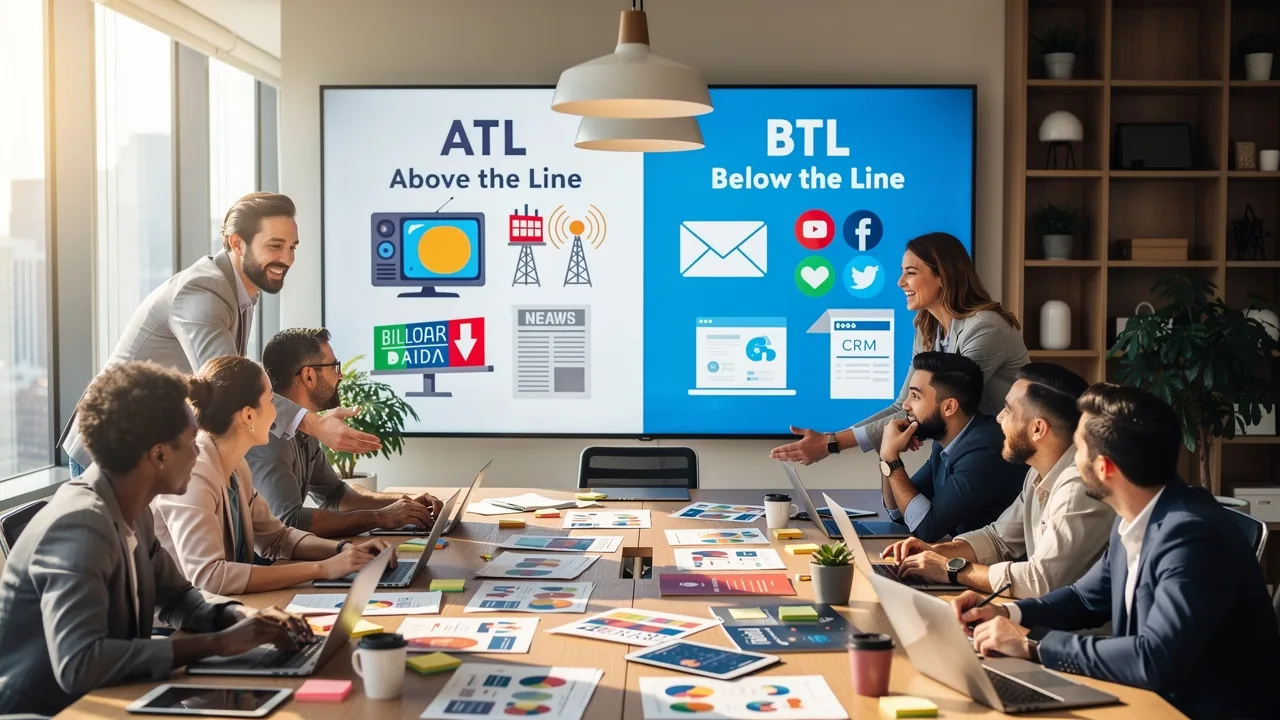
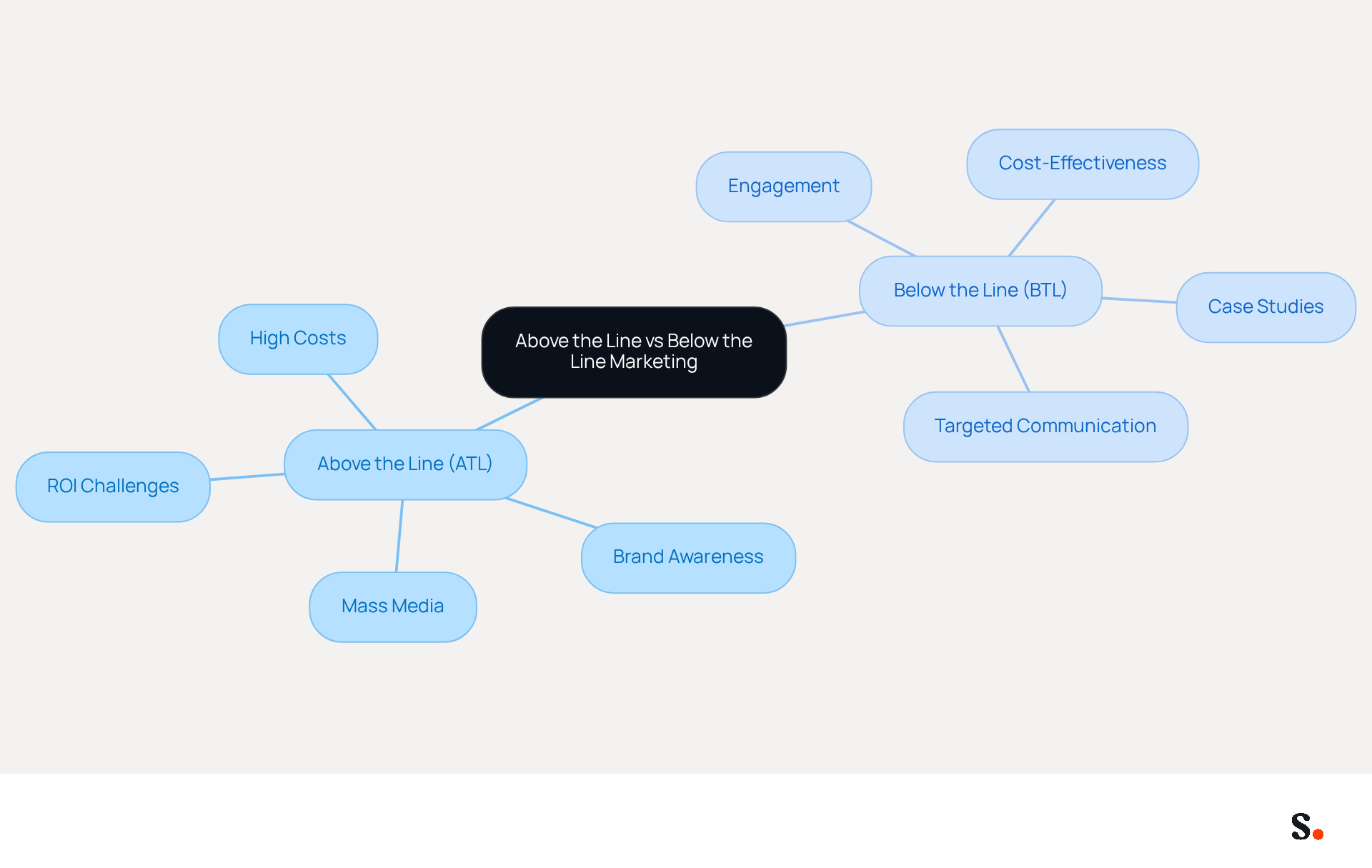
Understanding the distinctions between below the line and above the line marketing is crucial for businesses aiming to optimize their marketing strategies. ATL promotion refers to mass media strategies aimed at reaching a broad audience through channels such as television, radio, and print. The primary goal of ATL is to build brand awareness and create a strong market presence. For example, ATL activities can incur significant costs, like $5.5 million for a 30-second Super Bowl ad, which tends to favor larger brands. This broad approach complicates the assessment of return on investment (ROI), as it often lacks the personalization needed for precise measurement.
In contrast, BTL promotion focuses on targeted, direct communication with specific audience segments through channels like email, direct mail, and events. BTL approaches aim to foster engagement and drive immediate responses from consumers. This approach is particularly effective for generating product trials and fostering customer loyalty, as evidenced by numerous case studies. Tadeusz II Piotr Górski notes that one of the key advantages of BTL advertising is its precise targeting, which increases the likelihood of reaching the right audience while often being more cost-effective than ATL methods.
It's essential for businesses to grasp these definitions to choose the right strategy that aligns with their objectives and target demographics. As a result, businesses must adapt their promotional strategies to remain competitive and effectively engage their target audience. In 2026, the integration of both below the line and above the line marketing strategies, known as Through The Line (TTL), is becoming increasingly important. TTL enables brands to create a consistent message across various channels while optimizing their budgets, ensuring flexibility in selecting promotional tools and maintaining effective communication across different platforms. Ultimately, the decision between ATL and BTL strategies can determine a brand's success in reaching and engaging its audience.
Evaluate the Pros and Cons of ATL and BTL Strategies
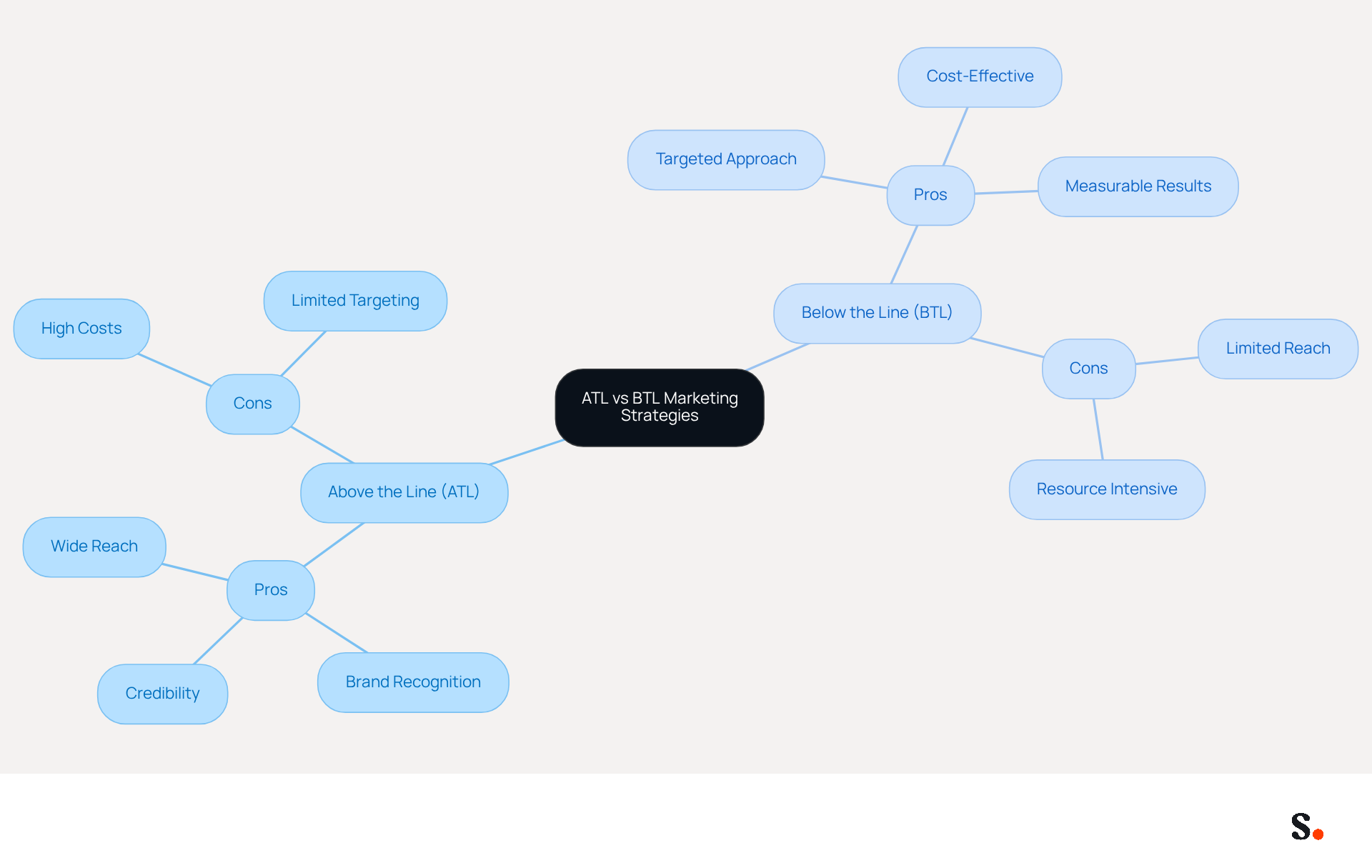
Evaluating the effectiveness of marketing strategies requires a careful consideration of both below the line and above the line marketing approaches, each presenting distinct advantages and challenges.
Pros of ATL Marketing:
- Wide Reach: ATL campaigns leverage mass media channels such as television, radio, and print to quickly reach a vast audience, making them particularly effective for building brand awareness.
- Brand Recognition: ATL advertising really boosts brand recall thanks to its high visibility, allowing companies to establish a strong presence in the market. For instance, Coca-Cola's 'Share a Coke' campaign exemplifies how ATL can significantly enhance brand recognition.
- Credibility: Utilizing established media channels lends credibility to the brand, as consumers often perceive these platforms as trustworthy sources of information.
Cons of ATL Marketing:
- High Costs: The expenses associated with media buying and production can be significant, making ATL marketing a costly endeavor for many businesses.
- Limited Targeting: ATL approaches often lack precision in reaching specific demographics, which can lead to resource wastage and less effective campaigns. Additionally, measuring the return on investment (ROI) for ATL advertising can be challenging, complicating budget planning and long-term strategy.
Pros of BTL Marketing:
- Targeted Approach: BTL marketing allows for precise targeting of specific audience segments, significantly increasing the likelihood of conversion through personalized communication.
- Cost-Effective: Generally, BTL campaigns are less expensive than ATL, making them accessible for smaller businesses and startups looking to maximize their marketing budgets.
- Measurable Results: BTL approaches often provide clearer metrics for assessing success and return on investment (ROI), enabling businesses to track the effectiveness of their campaigns more accurately.
Cons of BTL Marketing:
- Limited Reach: While BTL campaigns excel in targeting, they may not achieve the same level of mass awareness as ATL strategies, potentially limiting brand visibility.
- Resource Intensive: Running BTL campaigns often takes more time and effort, especially when personal interaction is involved, making them resource-intensive compared to ATL approaches. This aspect can pose challenges for companies seeking simpler promotional solutions.
Ultimately, the strategic integration of below the line and above the line marketing methods can empower businesses to enhance their marketing effectiveness and achieve sustainable growth.
Apply ATL and BTL Marketing to Business Goals
Effective marketing strategies are essential for achieving business goals and driving growth.
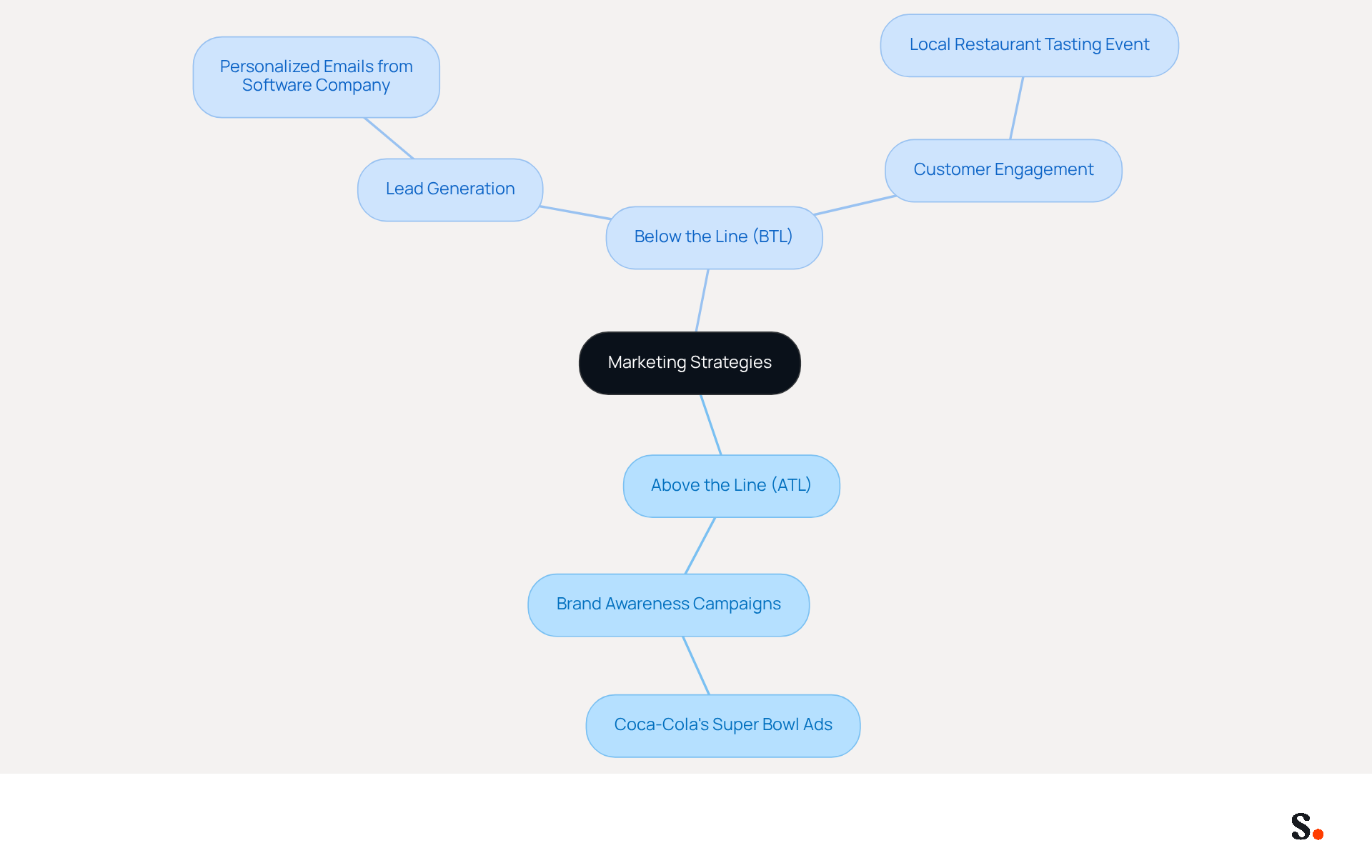
Brand Awareness Campaigns: Companies launching new products often utilize below the line and above the line marketing strategies to create buzz and reach a wide audience quickly. For instance, Coca-Cola's Super Bowl ads aim to create excitement and enhance brand visibility.
Successfully entering new markets through below the line and above the line marketing can lead to increased sales and brand recognition, making ATL a valuable strategy for businesses.
Applying BTL Marketing to Business Goals
- Lead Generation: Converting leads into customers can be a complex process for many businesses, and BTL strategies can help simplify this challenge. For example, a software company might use personalized emails to engage potential clients.
- Customer Engagement: Building strong customer relationships can significantly impact long-term success, and below the line and above the line marketing tactics, such as events and promotions, can facilitate this engagement. A local restaurant might host a tasting event to attract new patrons and gather feedback.
Integrate ATL and BTL for a Comprehensive Marketing Strategy
Integrate ATL and BTL for a Comprehensive Marketing Strategy
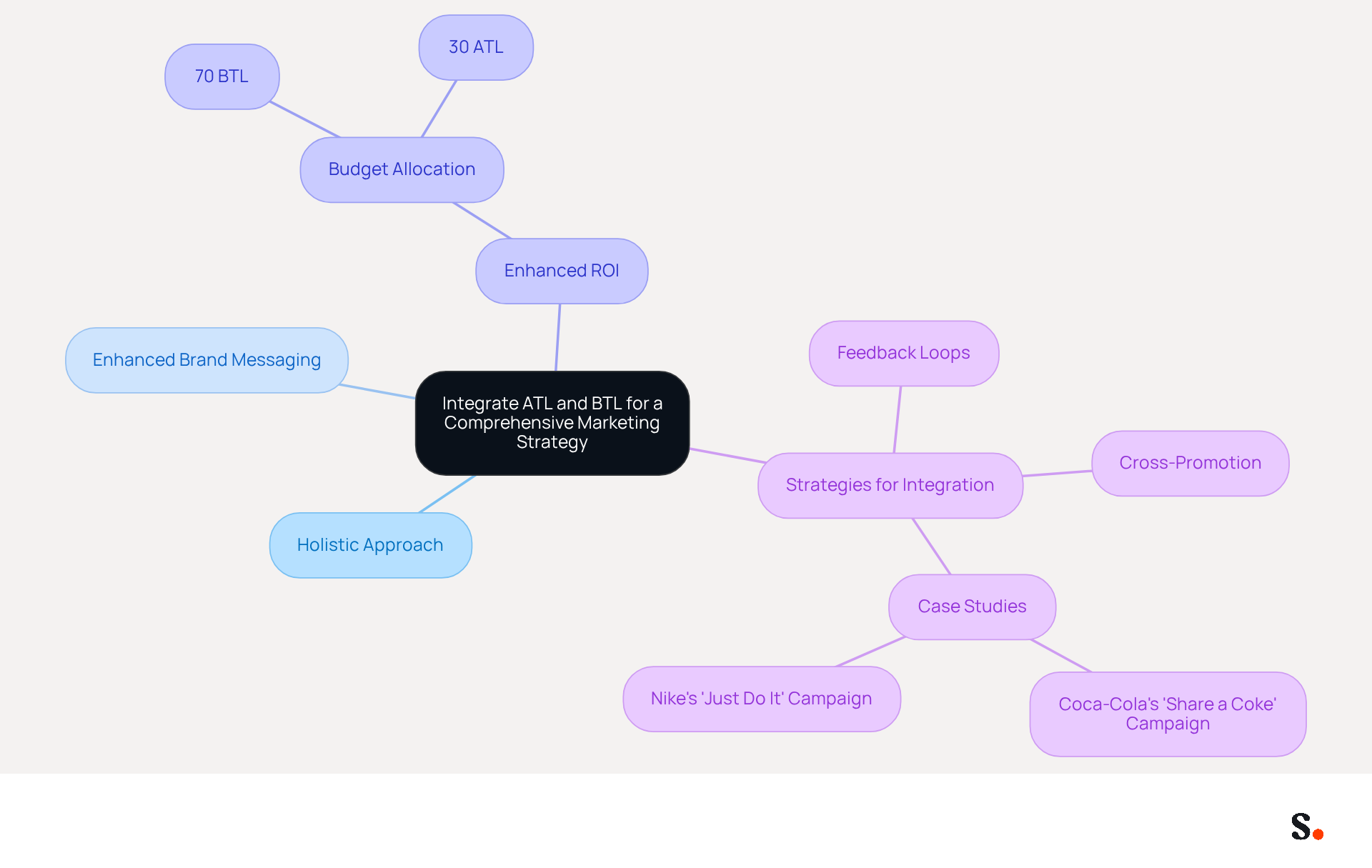
- Holistic Approach: Integrating ATL and BTL strategies is essential for businesses aiming to maximize their market reach and engagement. This thorough promotional plan improves overall effectiveness and ensures that various consumer needs are addressed.
- Enhanced Brand Messaging: A unified approach guarantees consistent messaging across all channels, reinforcing brand identity and values. This consistency is crucial for building trust and recognition among consumers.
- Enhanced ROI: Optimizing expenditure through the integration of both approaches can significantly enhance profitability for businesses. Integrated efforts often yield better returns on investment, as they capitalize on the broad reach of below the line and above the line marketing while driving targeted engagement. For instance, a suggested marketing budget split is 70% for BTL and 30% for ATL, which can significantly enhance ROI.
Strategies for Integration
- Cross-Promotion: Utilize ATL campaigns to direct traffic to BTL initiatives, such as exclusive offers on a website. This approach not only enhances engagement but also drives conversions by guiding potential customers through the sales funnel using below the line and above the line marketing.
Using insights from below the line and above the line marketing campaigns can help shape data-driven decisions effectively. This ensures that mass media efforts are targeted based on audience insights, maximizing the impact of advertising spend.
- Feedback Loops: Implement mechanisms to gather feedback from BTL interactions. This information can enhance ATL messaging, boosting overall campaign effectiveness and ensuring that promotional efforts resonate with the target audience.
- Case Studies: Successful brands have demonstrated the power of integration. For instance, Coca-Cola's 'Share a Coke' campaign effectively combined ATL visibility with BTL engagement, resulting in increased sales and brand recognition. Similarly, Nike's 'Just Do It' campaign utilized storytelling to create emotional connections, reinforcing brand loyalty while driving direct consumer actions through targeted BTL efforts.
As Megan Saraceno emphasizes, "Without this alignment, the core brand message gets diluted, and direct-to-consumer efforts lack the reinforcement needed to drive real impact." Ultimately, the integration of ATL and BTL strategies not only enhances brand visibility but also fosters deeper connections with consumers, driving sustainable growth.
Conclusion
Navigating the complexities of marketing strategies requires a clear understanding of the distinctions between above the line (ATL) and below the line (BTL) approaches. Each approach presents unique advantages and challenges, and organizations often struggle to choose the right marketing strategy due to these factors. By effectively integrating both ATL and BTL methods, brands can create a comprehensive marketing strategy that not only maximizes reach but also enhances engagement, leading to improved marketing outcomes.
The article highlights the strengths of ATL marketing, such as its ability to build brand awareness through mass media channels, while also addressing its limitations, including high costs and limited targeting. Conversely, BTL marketing is praised for its targeted approach and cost-effectiveness, though it may lack the broad reach of ATL campaigns. Successful case studies, including Coca-Cola and Nike, demonstrate how a combined approach can enhance brand visibility and foster deeper consumer connections.
In today’s fast-changing marketing world, adapting and integrating both ATL and BTL strategies is crucial. Businesses should consider employing a balanced approach that utilizes the broad reach of ATL while capitalizing on the precision of BTL. This balanced approach not only enhances marketing effectiveness but also positions brands for long-term success in a competitive landscape.
Frequently Asked Questions
What is Above the Line (ATL) marketing?
Above the Line (ATL) marketing refers to mass media strategies aimed at reaching a broad audience through channels such as television, radio, and print. The primary goal of ATL is to build brand awareness and create a strong market presence.
What are some examples of ATL marketing activities?
Examples of ATL marketing activities include advertising on television, radio, and print media. A notable example is a 30-second Super Bowl ad, which can cost around $5.5 million.
What are the challenges associated with ATL marketing?
One of the challenges of ATL marketing is the difficulty in assessing return on investment (ROI), as it often lacks the personalization needed for precise measurement.
What is Below the Line (BTL) marketing?
Below the Line (BTL) marketing focuses on targeted, direct communication with specific audience segments through channels like email, direct mail, and events. BTL aims to foster engagement and drive immediate responses from consumers.
What are the advantages of BTL marketing?
The key advantages of BTL marketing include precise targeting, which increases the likelihood of reaching the right audience, and it is often more cost-effective than ATL methods. BTL is particularly effective for generating product trials and fostering customer loyalty.
Why is it important for businesses to understand ATL and BTL marketing?
Understanding ATL and BTL marketing is crucial for businesses to choose the right strategy that aligns with their objectives and target demographics, allowing them to remain competitive and effectively engage their target audience.
What is Through The Line (TTL) marketing?
Through The Line (TTL) marketing is an integration of both ATL and BTL strategies, becoming increasingly important in 2026. TTL enables brands to create a consistent message across various channels while optimizing their budgets and maintaining effective communication.
How can the choice between ATL and BTL strategies impact a brand?
The decision between ATL and BTL strategies can significantly determine a brand's success in reaching and engaging its audience, influencing overall marketing effectiveness.
List of Sources
- Define Above the Line and Below the Line Marketing
- ATL advertising vs BTL Pros and Cons: Which is Best for Your Business (https://projectcor.com/blog/atl-advertising-vs-btl-pros-and-cons-which-is-best-for-your-business)
- ATL vs BTL vs TTL Marketing: Differences Explained (2026 Guide) (https://primeavenuegroup.com/atl-btl-tll-advertising-what-is-difference)
- Above-The-Line vs. Below-The-Line Marketing: What Are The Differences? - Podium (https://podium.com/article/above-the-line-vs-below-the-line-marketing-what-are-the-differences)
- Above the Line vs Below the Line Marketing: The Strategy Most Businesses Get Completely Wrong - Brina Solutions (https://brinasolutions.com/2026/03/11/above-the-line-vs-below-the-line-marketing-the-strategy-most-businesses-get-completely-wrong)
- Create Above the Line Advertising Campaigns | Mailchimp (https://mailchimp.com/resources/above-the-line-advertising)
- Evaluate the Pros and Cons of ATL and BTL Strategies
- Understanding ATL, BTL, and TTL Marketing Strategies (https://wisestamp.com/blog/atl-btl-ttl-marketing)
- Above-The-Line vs. Below-The-Line Marketing: What Are The Differences? - Podium (https://podium.com/article/above-the-line-vs-below-the-line-marketing-what-are-the-differences)
- Below the Line Marketing: Key Advantages & Disadvantages Explained (https://themediaant.com/blog/below-the-line-marketing-advantages-and-disadvantages)
- ATL advertising vs BTL Pros and Cons: Which is Best for Your Business (https://projectcor.com/blog/atl-advertising-vs-btl-pros-and-cons-which-is-best-for-your-business)
- ATL, BTL & TTL: What to Choose, Pros & Cons of Each Type (https://altcraft.com/blog/atl-btl-ttl-what-to-choose)
- Apply ATL and BTL Marketing to Business Goals
- Salesgenie® | Business & Consumer Data to Reach Your Audience (https://salesgenie.com/blog/brand-awareness-statistics)
- Understanding ATL, BTL, and TTL Marketing Strategies (https://wisestamp.com/blog/atl-btl-ttl-marketing)
- BTL Marketing Guide: Strategies for Success in 2026 - Adviser Atlas (https://adviseratlas.com/btl-marketing)
- Brand Awareness Statistics 2026 (https://kandephotobooths.com/blog/brand-awareness-statistics)
- ATL, BTL, and TTL Marketing: What They Are & How to Use Them (https://salesmate.io/blog/atl-btl-and-ttl)
- Integrate ATL and BTL for a Comprehensive Marketing Strategy
- Above the Line and Below the Line Marketing Explained (https://adwave.com/resources/above-the-line-and-below-the-line)
- How ATL Marketing Boosts Brand Awareness | Mailchimp (https://mailchimp.com/resources/atl-marketing)
- The Power of Integrated Marketing: Why Your Below-the-Line Agency Should Act Like Above-the-Line - BRIGADE (https://brigadebranding.com/the-power-of-integrated-marketing-why-your-below-the-line-agency-should-act-like-above-the-line)
- Understanding ATL, BTL, and TTL Marketing Strategies (https://wisestamp.com/blog/atl-btl-ttl-marketing)
- 2026 Marketing Statistics, Trends, & Data (https://hubspot.com/marketing-statistics)
Get started with Scribe
See why teams switch to Scribe
Free 14-day trial — no credit card.