Master Email Ending Sincerely: 4 Best Practices for Professionals
The way an email concludes can significantly influence the recipient's perception of the sender. A well-structured sign-off conveys respect and reinforces the
Sophie Grant
Email Signature Specialist, Scribe
Introduction
The way an email concludes can significantly influence the recipient's perception of the sender. A well-structured sign-off conveys respect and reinforces the sender's identity and intentions, making it essential for effective correspondence. Many professionals struggle to find the right words to close their emails effectively. This article outlines four best practices for mastering email endings, emphasizing:
- Tone
- Context
- Key components that enhance professional communication
Include Essential Components in Your Email Ending
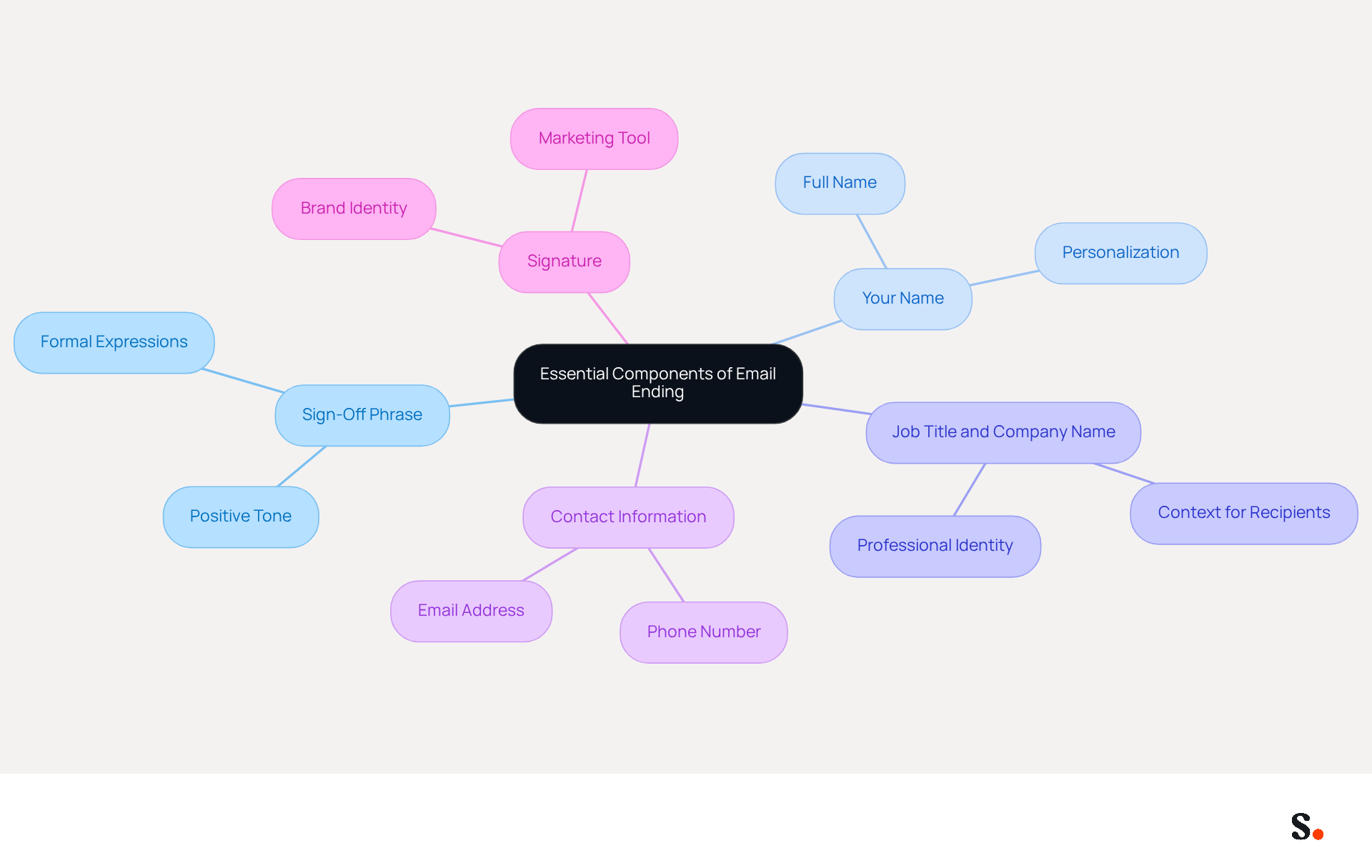
Many professionals underestimate the impact of their email signatures on communication effectiveness. A professional email ending should encompass several key components to enhance this effectiveness:
- Sign-Off Phrase: Utilize formal phrases such as 'Sincerely,' 'Best regards,' or 'Kind regards.' These expressions convey respect and professionalism, setting a positive tone for the correspondence, particularly with an email ending sincerely.
- Your Name: Clearly stating your full name personalizes the interaction and establishes credibility, making it easier for recipients to remember who you are.
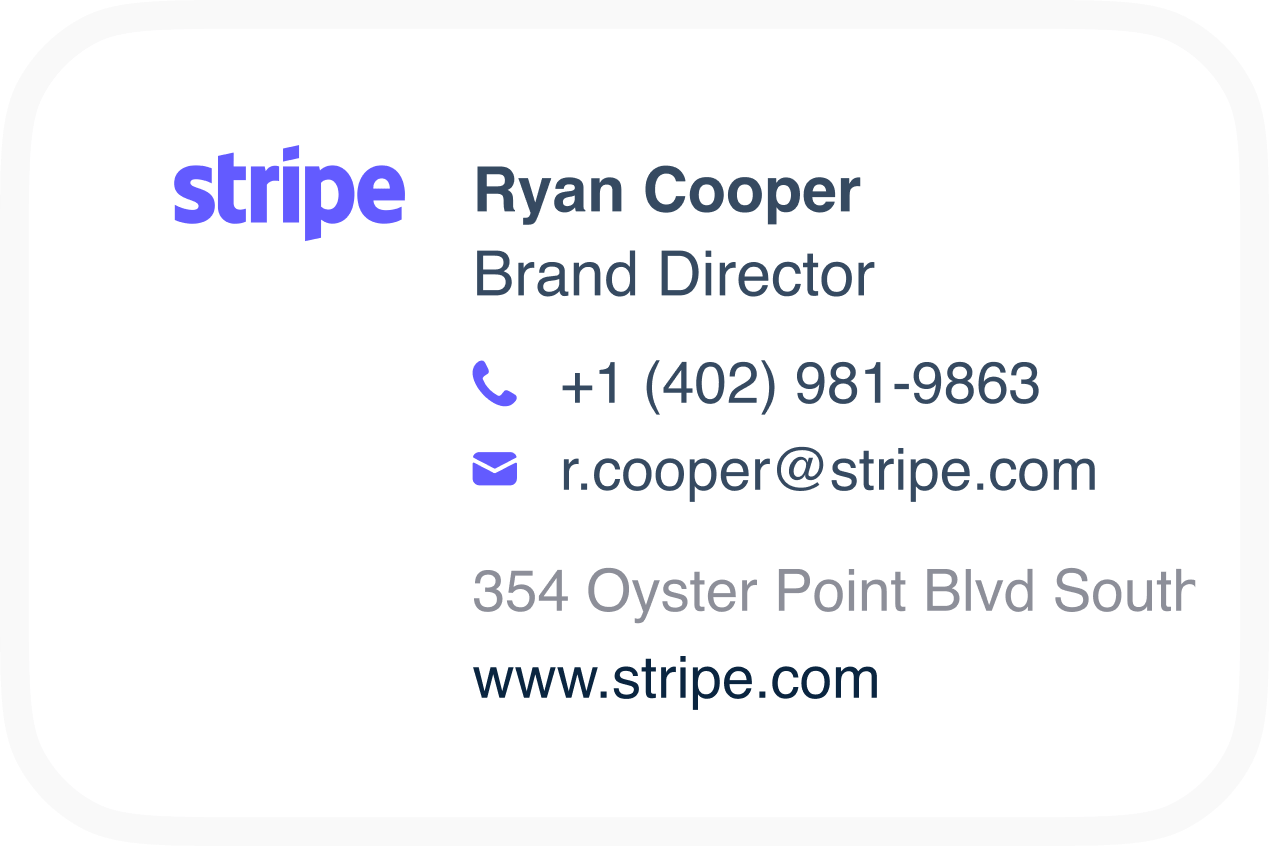
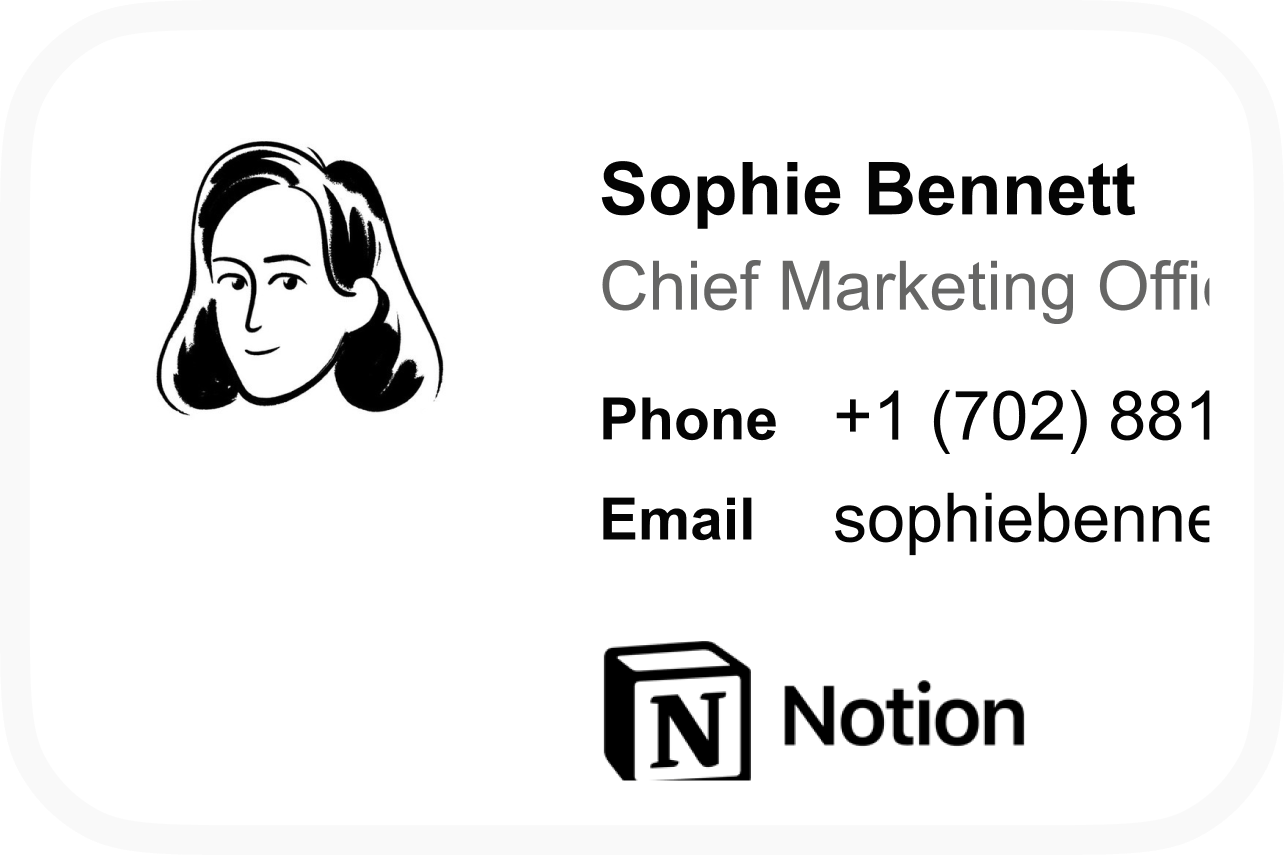
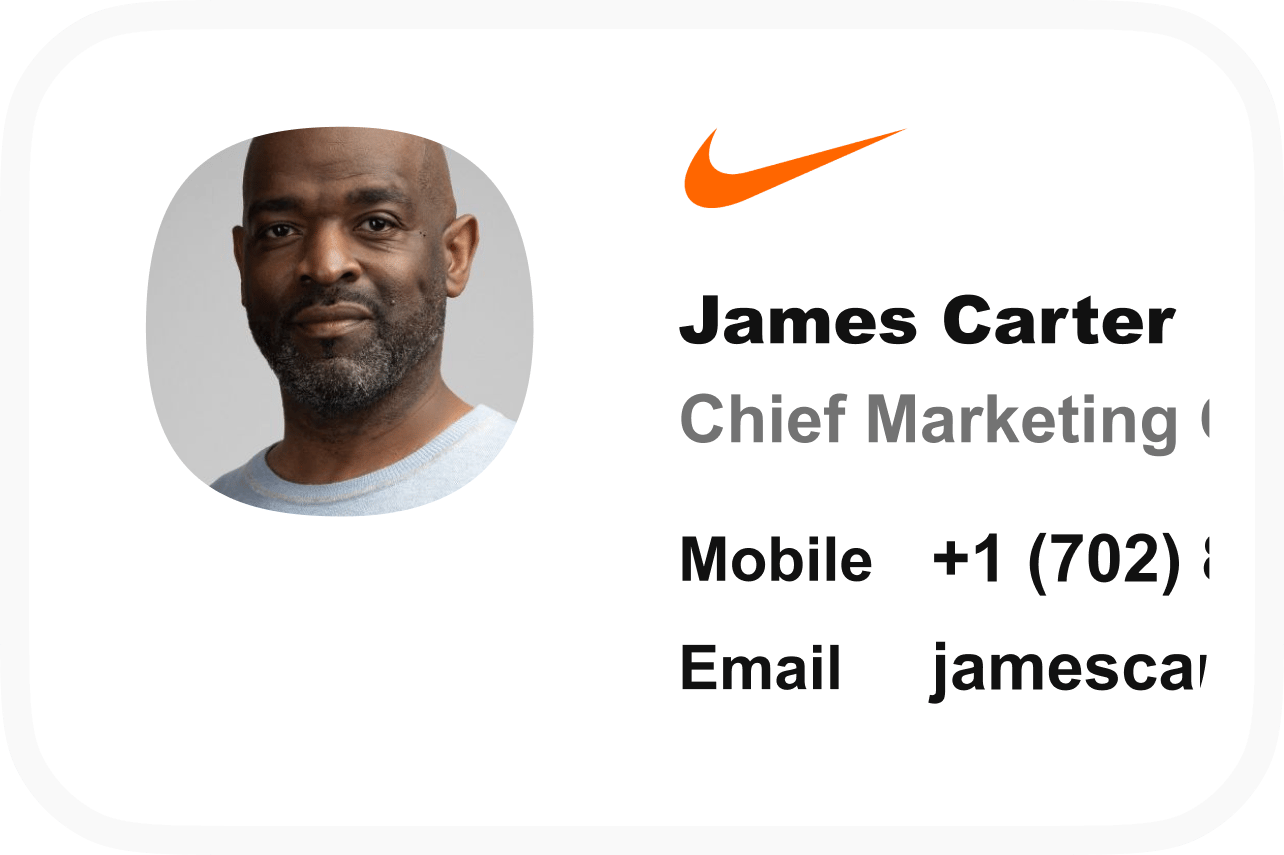
- Job Title and Company Name: Including your title and the name of your organization reinforces your professional identity and provides context to the recipient, which is crucial for establishing authority.
- Contact Information: Adding your phone number or other relevant contact details facilitates further communication, ensuring that recipients can easily reach out if needed.
- Signature: Utilize a consistent signature that reflects your brand identity, incorporating logos or promotional banners where applicable. This not only enhances professionalism but also serves as a marketing tool. For example, a tech firm that updated its signatures with registration links experienced a 180% rise in webinar signups, illustrating the potential effect of well-designed signatures.
Effective signatures can drive engagement, with statistics indicating that teams using centralized signature management experience 85% better brand consistency and three times higher campaign engagement. Neglecting your email signature could mean losing valuable opportunities for engagement and brand consistency.
Match Tone and Context with Your Sign-Off
Choosing the appropriate email ending sincerely is crucial for ensuring your message resonates with the recipient. Here are some effective strategies:
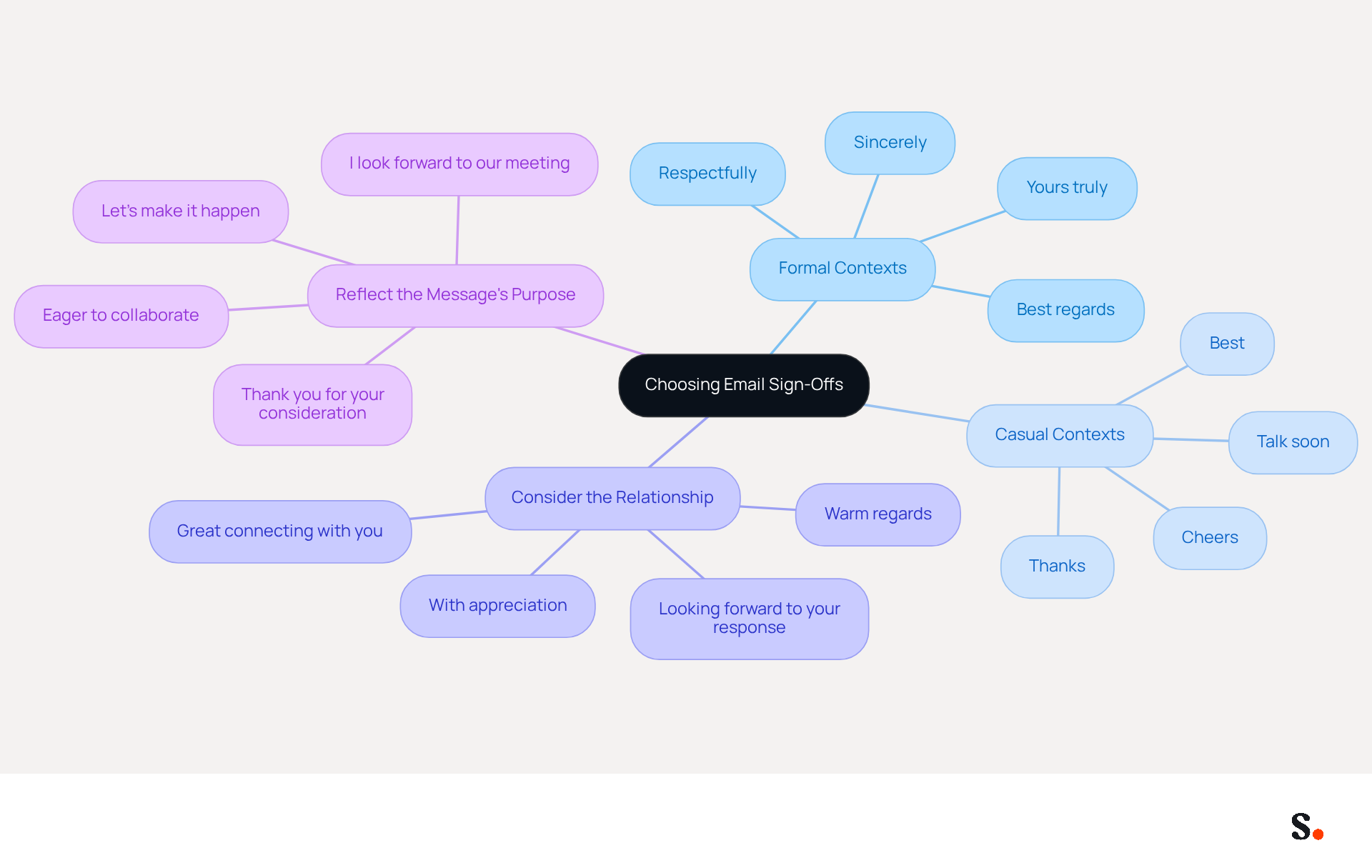
- In formal contexts such as business proposals, legal correspondence, or first-time interactions, it is important to use an email ending sincerely with sign-offs like 'Sincerely' or 'Respectfully.' These options convey professionalism and seriousness, establishing a respectful tone. Itamar Haim points out that using a casual sign-off like 'Talk soon' with a teammate is too informal for a potential investor, where 'Respectfully' would be more appropriate. This highlights the importance of context in your choice of an email ending sincerely.
- Casual Contexts: For less formal interactions, such as messages to colleagues or familiar clients, consider using 'Cheers' or 'Best.' These sign-offs maintain a friendly demeanor while still upholding professionalism. However, be cautious; choosing the wrong sign-off can lead to misunderstandings and damage your professional image.
- Consider the Relationship: Tailor your sign-off based on your relationship with the recipient. A more personal touch may be suitable for long-term clients, while new contacts typically warrant a more formal approach, especially in an email ending sincerely to foster respect. Studies indicate that using gratitude-based closings, like 'Thank you,' can improve response rates by up to 20%. This makes them a powerful tool in your outreach strategy.
- Reflect the Message's Purpose: If your correspondence serves as a follow-up or a thank-you note, sign-offs like 'Thank you' or 'Looking forward to your response' reinforce the purpose of your communication and encourage engagement. The right sign-off can either strengthen your relationship or create distance, influencing the recipient’s subsequent actions and enhancing the overall effectiveness of your message.
When you align your sign-off with the tone and context of your message, you not only improve its effectiveness but also build stronger professional relationships. Ultimately, the right sign-off can be the difference between a successful interaction and a missed opportunity.
Avoid Common Pitfalls in Email Closings
To uphold professionalism in your email closings, it is essential to recognize common pitfalls:
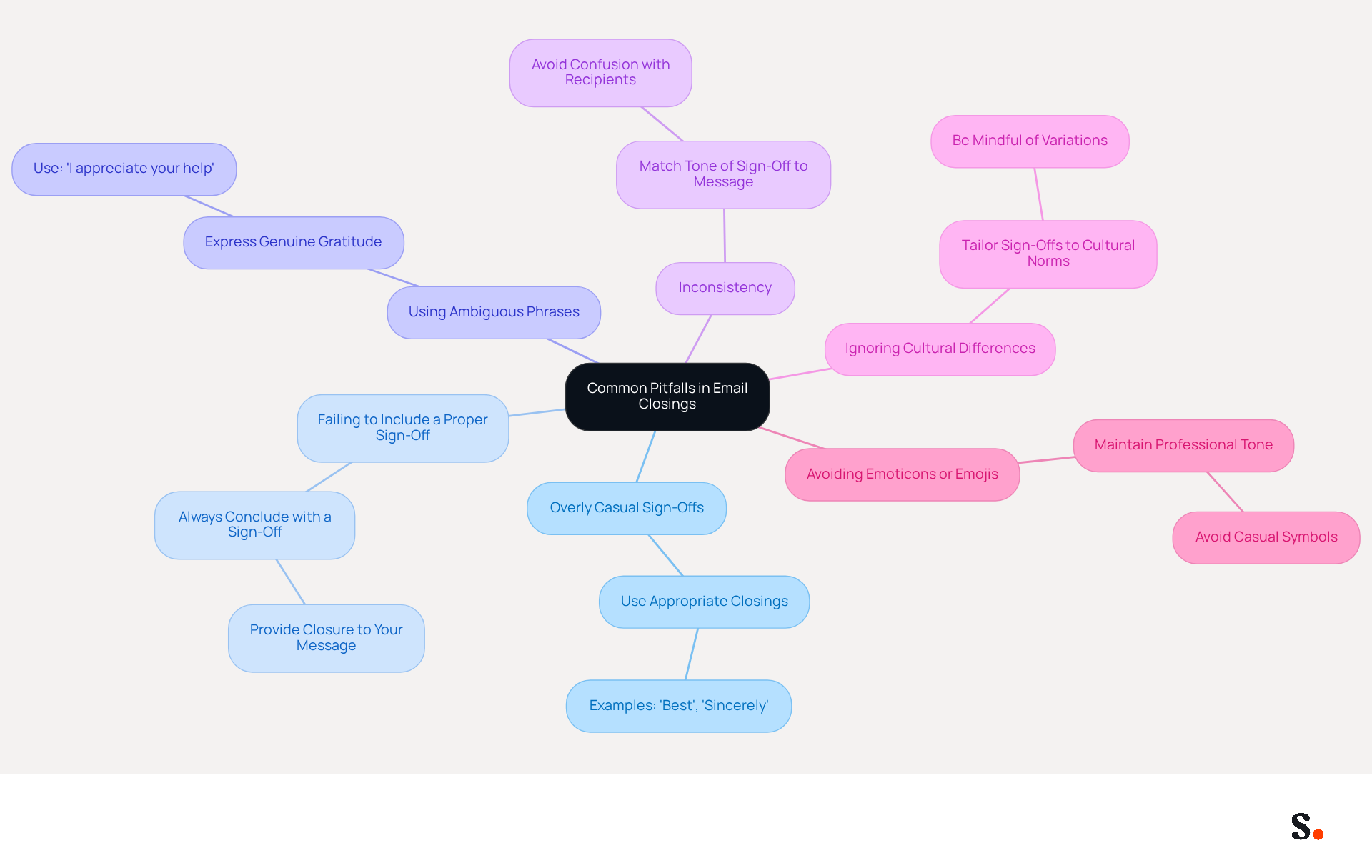
- Overly Casual Sign-Offs: Informal phrases like 'Cheers' or 'Later' can come off as disrespectful or unprofessional in a business context. Opt for more appropriate closings such as 'Best' or an email ending sincerely to convey respect, especially in high-stakes situations like job applications and proposals.
- Failing to Include a Proper Sign-Off: Concluding a message abruptly with just your name can seem careless. Always include a proper sign-off, like an email ending sincerely, to provide closure to your message and reinforce professionalism.
- Using Ambiguous Phrases: Phrases like 'Thanks in advance' may come across as presumptuous. Instead, express genuine gratitude with phrases like 'I appreciate your help,' which fosters a more positive tone.
- Inconsistency: Make sure your sign-off matches the tone of your message. Switching between formal and informal can confuse recipients and undermine your credibility. Remember, recipients often only read the first line or two before deciding whether to keep or discard a message, so clarity is crucial.
- Ignoring Cultural Differences: Be mindful of cultural variations in correspondence etiquette. What is acceptable in one culture may be inappropriate in another, so tailor your sign-offs accordingly.
- Avoiding Emoticons or Emojis: Refrain from using emoticons or emojis in formal correspondence, as they are seen as inappropriate and can undermine the seriousness of your message.
By steering clear of these pitfalls, you enhance your professional image and foster more effective communication.
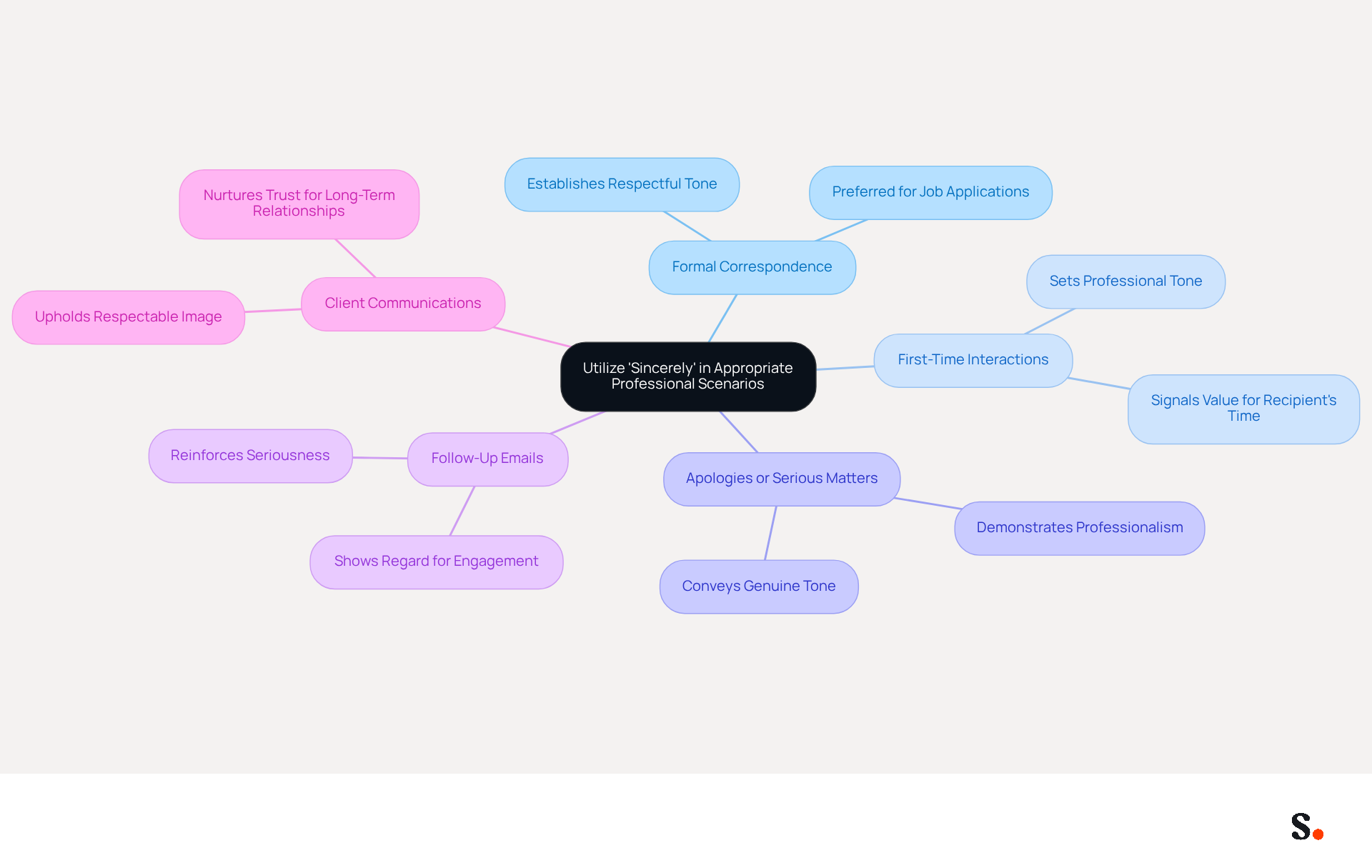
Utilize 'Sincerely' in Appropriate Professional Scenarios
The effectiveness of your communication can be significantly impacted by choosing the right email ending sincerely. 'Respectfully' remains a timeless sign-off that embodies respect and professionalism, particularly in the context of secure digital interactions facilitated by Scribe's SAML Single Sign-On integration and GDPR compliance. Its impact is especially significant in the following contexts:
- Formal Correspondence: In formal messages, such as job applications or official communications, 'Respectfully' establishes a respectful tone, making it a preferred choice for conveying seriousness.
- First-Time Interactions: When reaching out for the first time, using 'Best regards' sets a professional tone and signals that you value the recipient's time and attention.
- Apologies or Serious Matters: In messages addressing sensitive topics or apologies, 'Respectfully' conveys a genuine tone, demonstrating your commitment to professionalism and accountability.
- Follow-Up Emails: When following up on important matters, 'Respectfully' reinforces the seriousness of your message and shows regard for the recipient's engagement.
- Client Communications: In formal messages to clients, 'Best regards' helps uphold a respectable image and nurtures trust, which is essential for long-term relationships.
Using 'Sincerely' as your email ending sincerely not only improves your professional communication but also makes a memorable impression. Research shows that thoughtful sign-offs can boost response rates, with 'Thanks in advance' achieving a notable 65.7% response rate. Furthermore, cultural context plays a significant role in choosing an appropriate sign-off, as different cultures may perceive formality differently. By aligning your sign-off with the context and relationship, you can effectively enhance your interactions. Moreover, incorporating Scribe's automated signature management guarantees that your communications stay consistent and polished, enhancing your brand's image while complying with GDPR regulations. As Shanique Brophy, a Marketing Executive, notes, 'Whatever email ending you choose, the easiest way to make your (and all your company’s) emails look professional is by adding a professional on-brand email signature to every email.
Conclusion
In professional communication, the choice of email sign-off can significantly influence the recipient's perception and response. Mastering the art of email endings is essential for professionals aiming to communicate effectively and maintain a polished image. The right sign-off conveys respect and reinforces the message's tone and context, making it a critical component of professional correspondence. Incorporating key elements like a formal sign-off, your name, job title, and contact information makes your email signature a vital tool for brand consistency and engagement.
Key insights from this article highlight the importance of matching the tone of your sign-off with the context of your message. Whether it's a formal communication requiring 'Sincerely' or a casual note to a colleague, the choice of sign-off can significantly impact the recipient's perception and response. Additionally, avoiding common pitfalls - such as overly casual phrases or ambiguous expressions - ensures that professionalism is upheld in every interaction. Choosing an inappropriate sign-off can lead to misinterpretations and diminish the professionalism of your communication.
Ultimately, thoughtful sign-offs can make a real difference in how your emails are perceived. By aligning your email endings with the appropriate context and relationship, and utilizing tools like Scribe for consistent branding, professionals can enhance their communication strategies. Embracing these best practices not only fosters stronger relationships but also elevates the overall professionalism of your correspondence, paving the way for successful interactions in the business world.
Frequently Asked Questions
What are the essential components of a professional email ending?
A professional email ending should include a sign-off phrase, your name, job title and company name, contact information, and a consistent signature.
Why is a sign-off phrase important in an email?
A sign-off phrase, such as 'Sincerely,' 'Best regards,' or 'Kind regards,' conveys respect and professionalism, setting a positive tone for the correspondence.
How does including my name in an email signature benefit communication?
Clearly stating your full name personalizes the interaction and establishes credibility, making it easier for recipients to remember who you are.
What role does job title and company name play in an email signature?
Including your job title and company name reinforces your professional identity and provides context to the recipient, which is crucial for establishing authority.
Why should I add contact information to my email signature?
Adding your phone number or other relevant contact details facilitates further communication, ensuring that recipients can easily reach out if needed.
How can a consistent signature enhance my email communication?
A consistent signature reflects your brand identity and can serve as a marketing tool, enhancing professionalism and potentially driving engagement.
What impact can well-designed email signatures have on engagement?
Effective signatures can drive engagement, with statistics indicating that teams using centralized signature management experience 85% better brand consistency and three times higher campaign engagement.
What are the risks of neglecting my email signature?
Neglecting your email signature could mean losing valuable opportunities for engagement and brand consistency.
List of Sources
- Include Essential Components in Your Email Ending
- Email Signature Best Practices for 2026 (+ 15 Pro Examples) (https://wavecnct.com/blogs/email-signature-best-practices-2026)
- Email Signature Best Practices - NEWOLDSTAMP (https://newoldstamp.com/blog/email-signature-best-practices)
- Best Practices for Email Signatures for Business Owners (https://scribe-mail.com/en-US/blog/best-practices-for-email-signatures-for-business-owners)
- Best practices for business email signatures in 2026 (https://bybrand.io/blog/best-practices)
- What to Include in a Business Email Signature (https://rocketseed.com/blog/email-signature-what-to-include)
- Match Tone and Context with Your Sign-Off
- Mastering Professional Email Sign-Offs in 2026 (https://linkedin.com/pulse/mastering-professional-email-sign-offs-2026-bulksignature-qsr4e)
- 50 Best Email Sign-Offs to End an Email Properly in [year] (https://elementor.com/blog/best-email-sign-offs)
- Master Business Sign-Off Emails: Best Practices for Impactful Communication (https://scribe-mail.com/en-US/blog/master-business-sign-off-emails-best-practices-for-impactful-communication)
- Email Sign Offs Professional: Best Practices for Business Emails (https://mailwarm.com/blog/professional-email-sign-offs-best-practices)
- Avoid Common Pitfalls in Email Closings
- How to End an Email Professionally (With Examples) (https://iconnect.isenberg.umass.edu/blog/2024/07/10/how-to-end-an-email-professionally-with-examples)
- Mastering Professional Email Sign-Offs in 2026 (https://linkedin.com/pulse/mastering-professional-email-sign-offs-2026-bulksignature-qsr4e)
- How to end an email: Best sign-offs for every business situation | Proton (https://proton.me/business/blog/how-to-end-an-email)
- Email Etiquette: Dos and Don’ts of Professional Emails (https://businessnewsdaily.com/8262-email-etiquette-tips.html)
- How to End a Professional Email (2026) (https://getinboxzero.com/blog/post/how-to-end-a-professional-email)
- Utilize 'Sincerely' in Appropriate Professional Scenarios
- Master Business Sign-Off Emails: Best Practices for Impactful Communication (https://scribe-mail.com/en-US/blog/master-business-sign-off-emails-best-practices-for-impactful-communication)
- Email Sign Offs Professional: Best Practices for Business Emails (https://mailwarm.com/blog/professional-email-sign-offs-best-practices)
- How to Sign Off on an Email Correctly | Rocketseed (https://rocketseed.com/blog/correct-way-to-sign-off-emails)
- ‘Yours sincerely’ is dead. So how should you sign off an email? (https://theguardian.com/lifeandstyle/2023/sep/13/yours-sincerely-is-dead-so-how-should-you-sign-off-an-email)
- The Best (and Worst) Ways To Sign an Email | Robert H. Smith School of Business (https://rhsmith.umd.edu/research/best-and-worst-ways-sign-email)
Get started with Scribe
Manage signatures across your whole team
Free 14-day trial — no credit card.