Maximize Your Email Signature: Best Practices for Brand Engagement
Email signatures are often overlooked, yet they can significantly enhance a company's branding efforts. By implementing best practices for email signatures
Sophie Grant
Email Signature Specialist, Scribe
On this page
- Introduction
- Establish Brand Consistency with On-Brand Signature Templates
- Leverage Email Signatures as Marketing Tools to Drive Engagement
- Implement Automated Management for Efficient Email Signature Updates
- Enhance Engagement with Personalized Elements in Email Signatures
- Conclusion
- Frequently Asked Questions
- List of Sources
Introduction
Email signatures are often overlooked, yet they can significantly enhance a company's branding efforts. By implementing best practices for email signatures, companies can not only strengthen their brand identity but also drive customer engagement and trust. Many businesses struggle to balance aesthetics with strategic effectiveness in their email signatures.
How can businesses turn their email signatures into effective marketing tools that engage recipients and consistently represent their brand?
Establish Brand Consistency with On-Brand Signature Templates
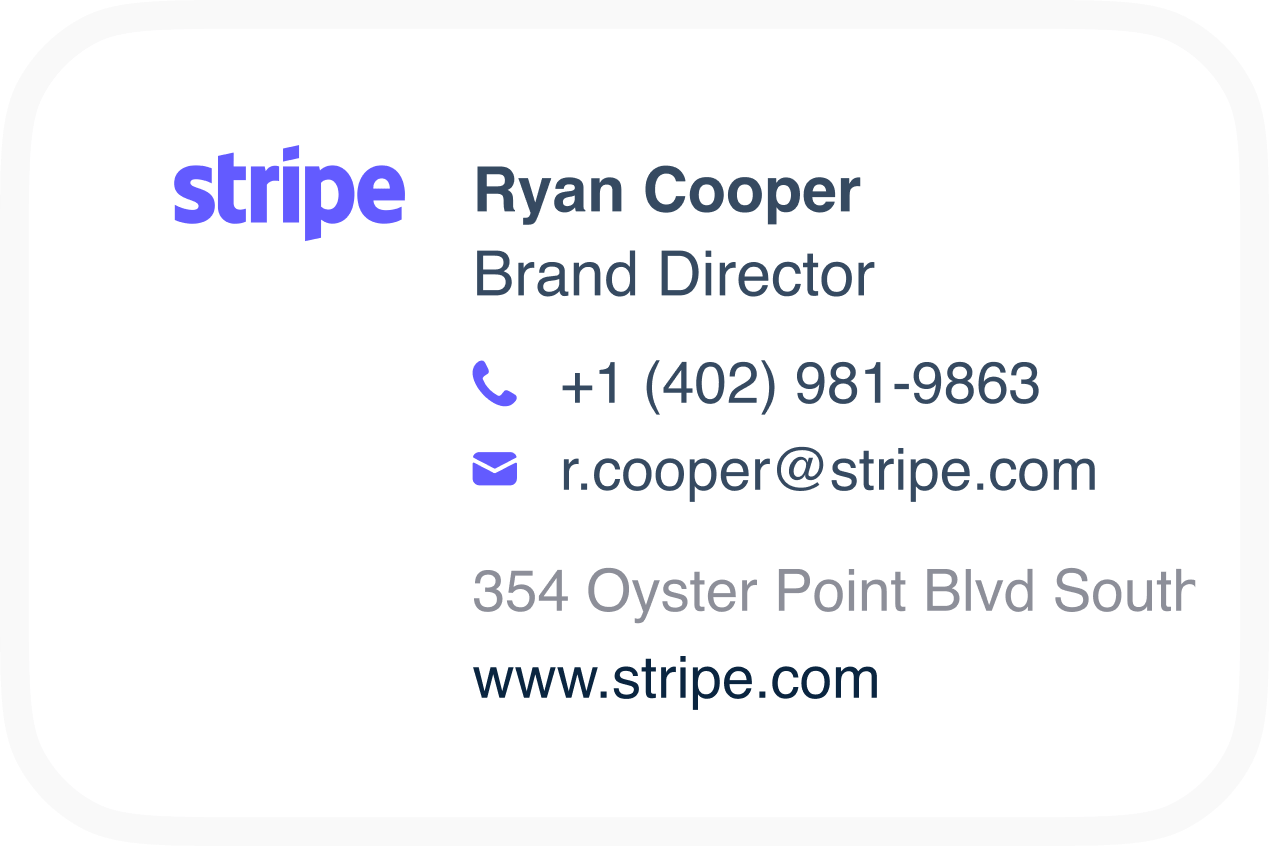
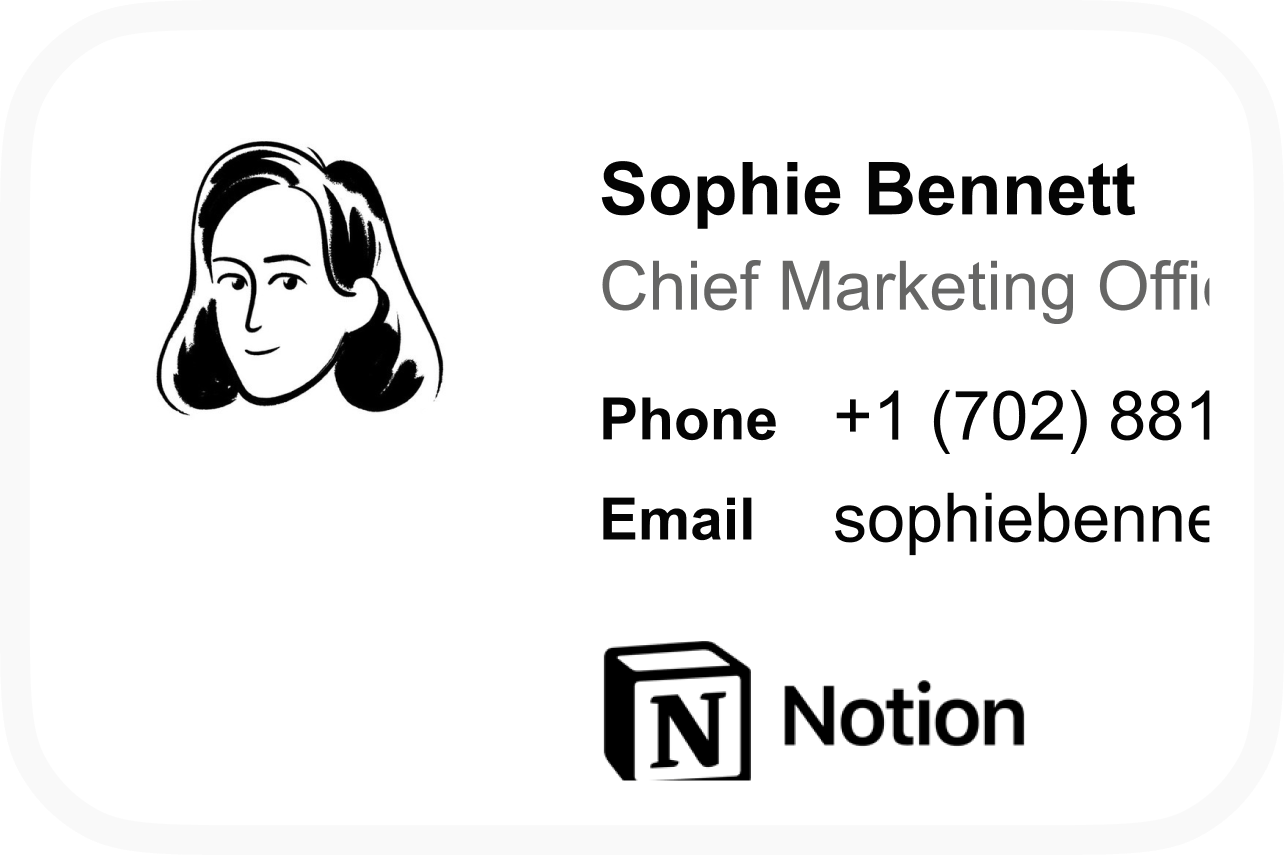
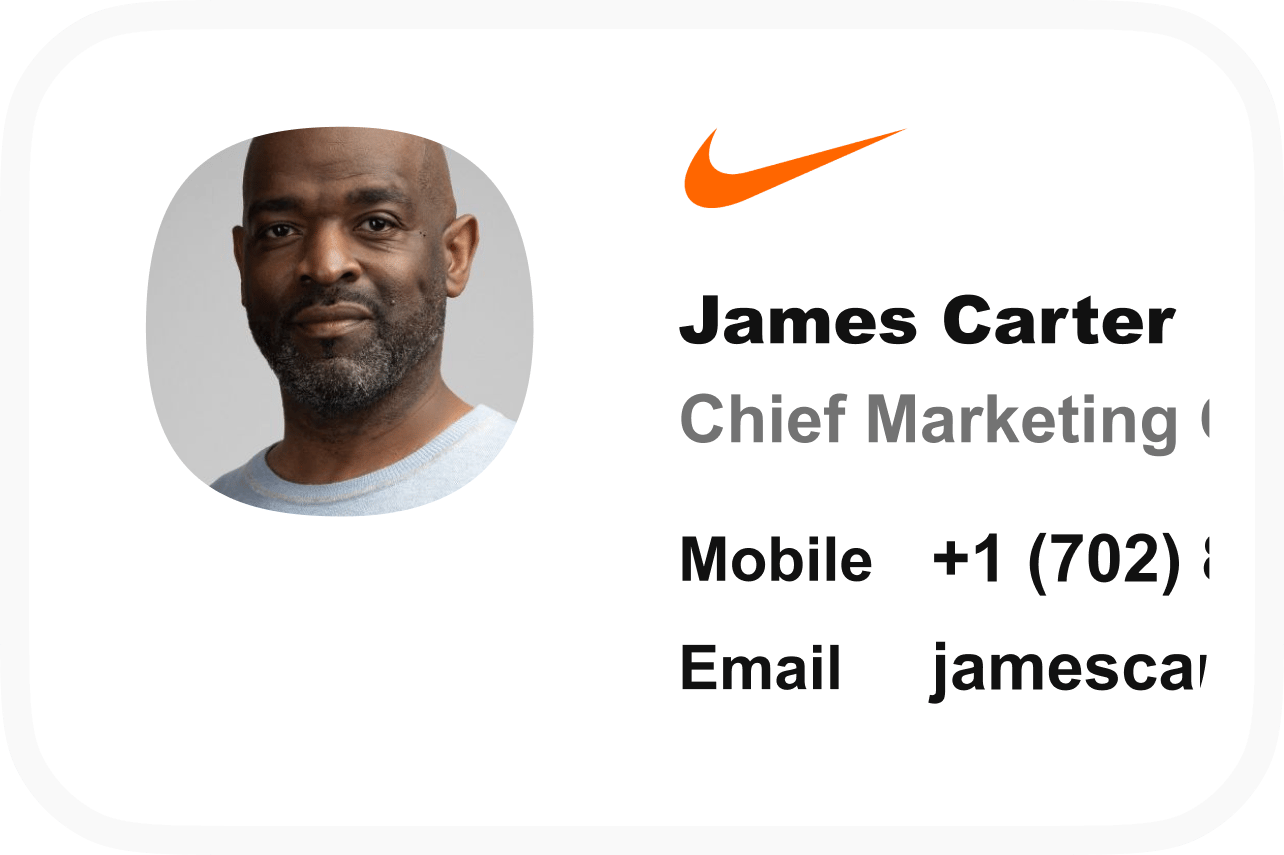
Many companies face challenges in ensuring their email signatures consistently represent their brand identity. To achieve visual consistency, companies should develop email templates that incorporate logos, colors, and fonts. Here are some best practices:
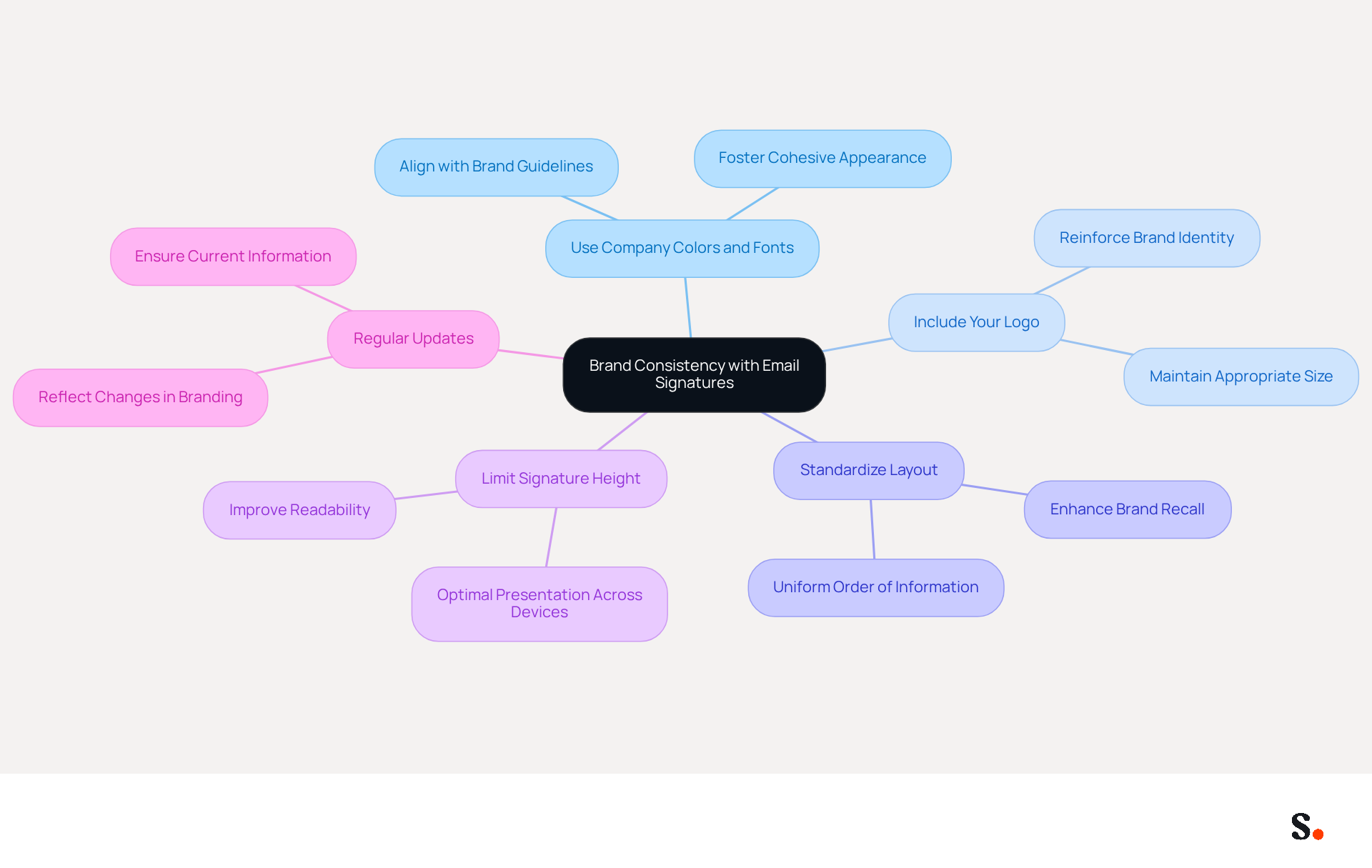
- Use Company Colors and Fonts: Ensure that the colors and fonts in the signature align with your guidelines. This consistency fosters a cohesive appearance across all communications, enhancing recognition of the identity.
- Include Your Logo: Adding your company logo reinforces brand identity. Ensure it is appropriately sized to maintain balance with the text and does not overshadow the name.
- Standardize Layout: Maintain a uniform layout for all endorsements within the organization. This includes a consistent order for information such as name, title, and contact details, which aids in brand recall.
- Limit Signature Height: Keep the overall height of the sign-off below 150 pixels to guarantee optimal presentation across different devices and messaging clients, improving readability.
- Regular Updates: Periodically review and update template designs to reflect any changes in branding or contact information, ensuring that all communications remain current and professional.
Implementing these practices helps companies transform their email signatures into powerful branding tools, thereby enhancing their professional image in every communication. An email signature that is well-crafted not only enhances brand recognition but also fosters trust and professionalism in every communication.
Leverage Email Signatures as Marketing Tools to Drive Engagement
Email signatures, when strategically utilized, can transform standard communications into impactful marketing tools. Here are best practices to leverage them effectively:
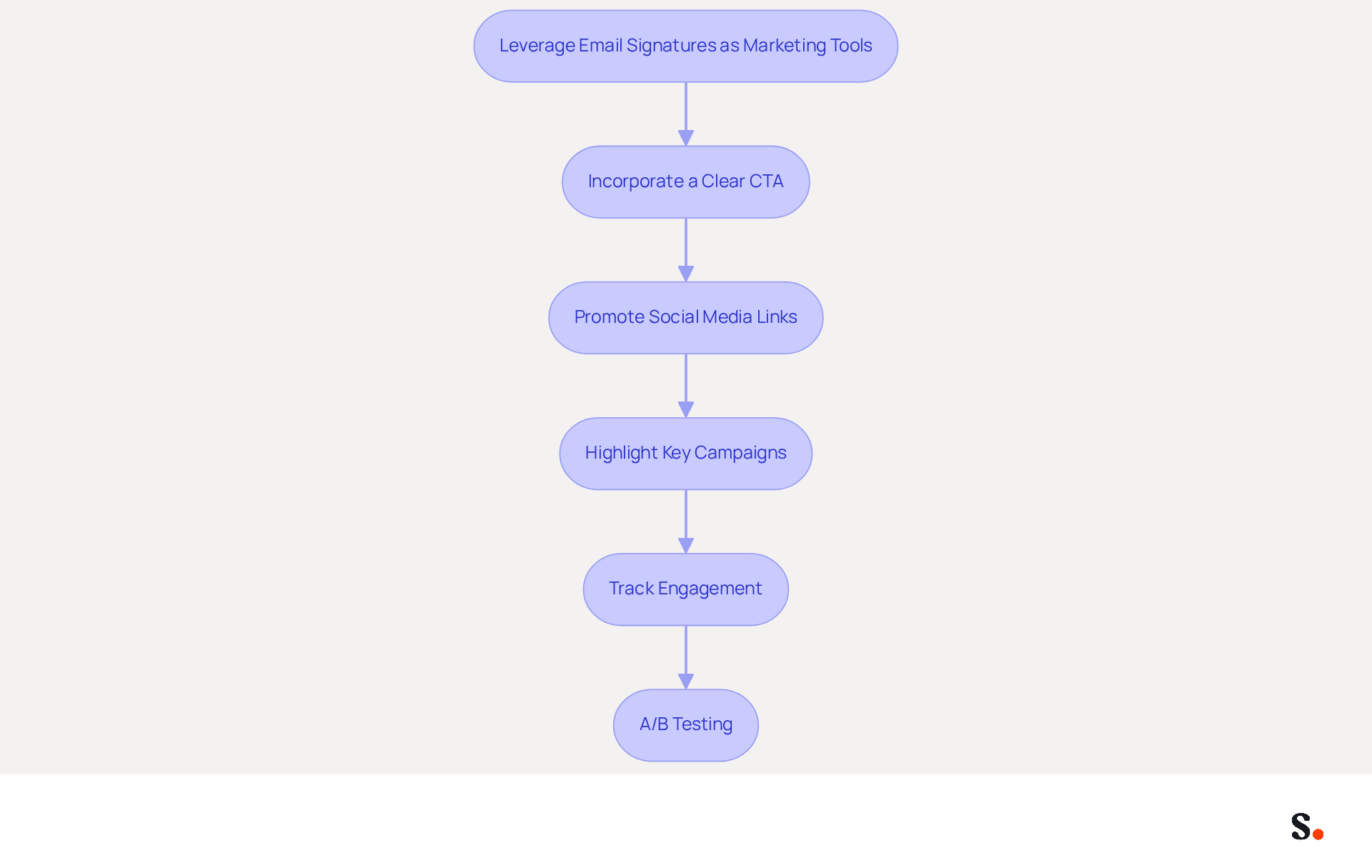
- In your email signature, incorporate a clear Call-to-Action (CTA), such as links to upcoming events, product launches, or special promotions. This encourages recipients to take action, with effective examples including 'Book a demo' or 'Register for our webinar.'
- Promote Social Media Links: Add icons linking to your social media profiles to enhance your online presence. Research shows that Instagram appears in 69.3% of digital communications, highlighting its role in engaging audiences effectively.
- Highlight Key Campaigns: Use your personal mark to promote current promotional initiatives. This can encompass banners or links to landing pages that offer additional information, effectively turning standard messages into valuable promotional tools. For instance, a well-crafted banner can generate a click-through rate (CTR) ranging from 0.6% to 2.5%, with ABM-targeted banners achieving the highest rates between 2.5% and 5%.
- Track Engagement: Without tracking engagement, companies risk missing out on valuable insights that could enhance their marketing strategies. Regular examination of click-through rates and engagement can guide future strategies, ensuring that your branding remains effective and relevant.
- A/B Testing: Experiment with various design styles and CTAs to ascertain which versions produce the highest engagement rates. Refining your approach through A/B testing can lead to a notable increase in engagement rates.
This strategic approach not only enhances engagement but also maximizes the potential of every email sent.
Implement Automated Management for Efficient Email Signature Updates
To enhance the effectiveness of electronic correspondences, companies must implement automated solutions. Here are some best practices:
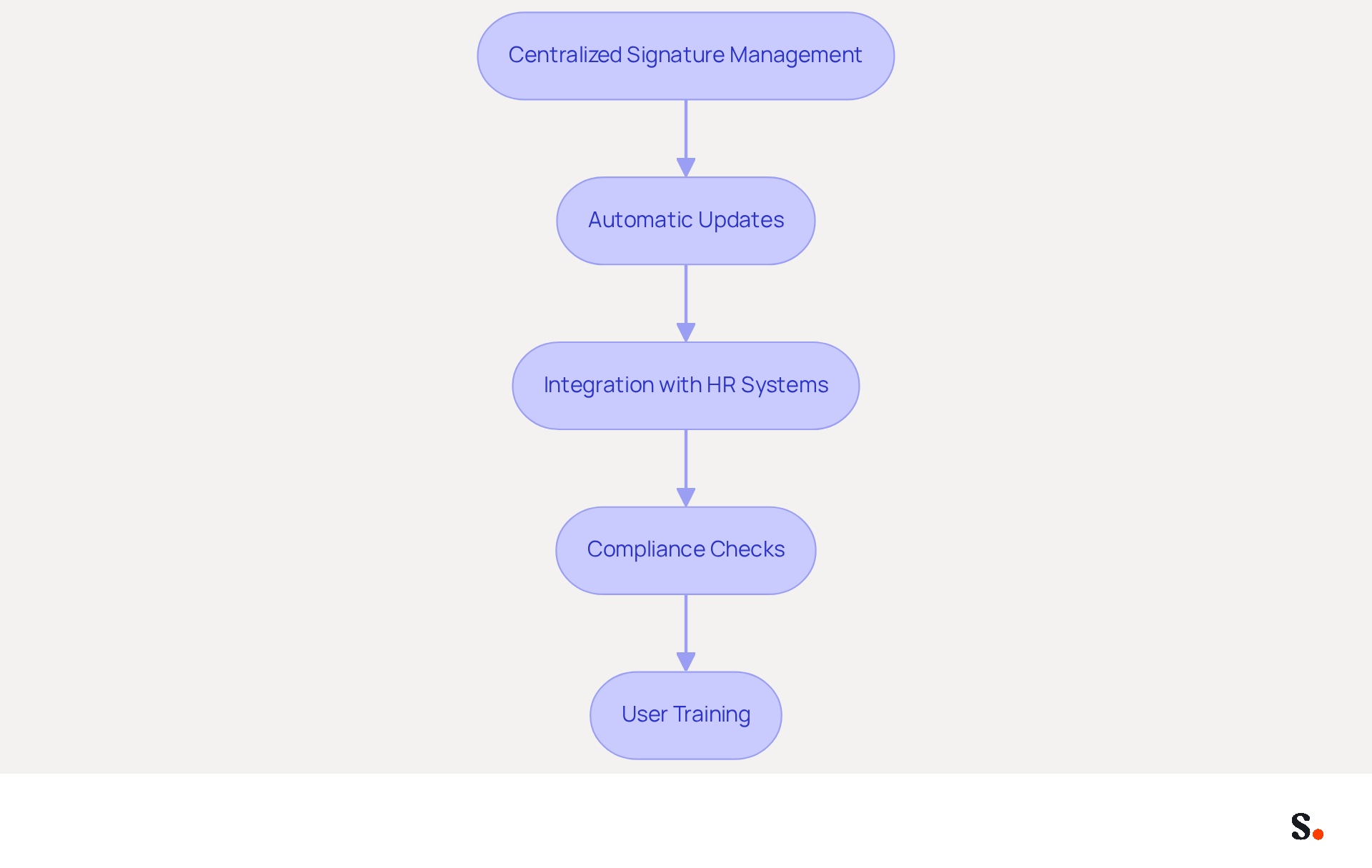
- Centralized Signature Management: Utilize a centralized platform to create and manage email signatures for all employees. This approach ensures that everyone adheres to the same branding elements and email signature template, thereby enhancing brand consistency across the organization.
- Automatic Updates: Set up automatic updates for identifiers to reflect any changes in branding, contact information, or legal disclaimers without needing manual intervention. This guarantees that all outgoing messages are current and compliant, reducing the risk of outdated information.
- Integration with HR Systems: Connect the management tool for digital footers with HR systems to automatically refresh footers when employees join or exit the company. This streamlines the onboarding process and maintains accurate branding.
- Compliance Checks: Regularly review approvals for adherence to legal and branding guidelines. Automated tools can assist in identifying discrepancies, ensuring that every message meets necessary standards and reduces liability from missing legal text.
- User Training: Offer instruction for staff on efficiently utilizing the management system for electronic correspondence, highlighting the significance of consistency in branding. Without proper training, employees may struggle with maintaining accurate branding and contact details.
Automating the management of digital identifiers saves companies valuable time and minimizes mistakes. This approach upholds a refined, professional image across all communications. This efficiency not only enhances brand perception but also fosters customer trust.
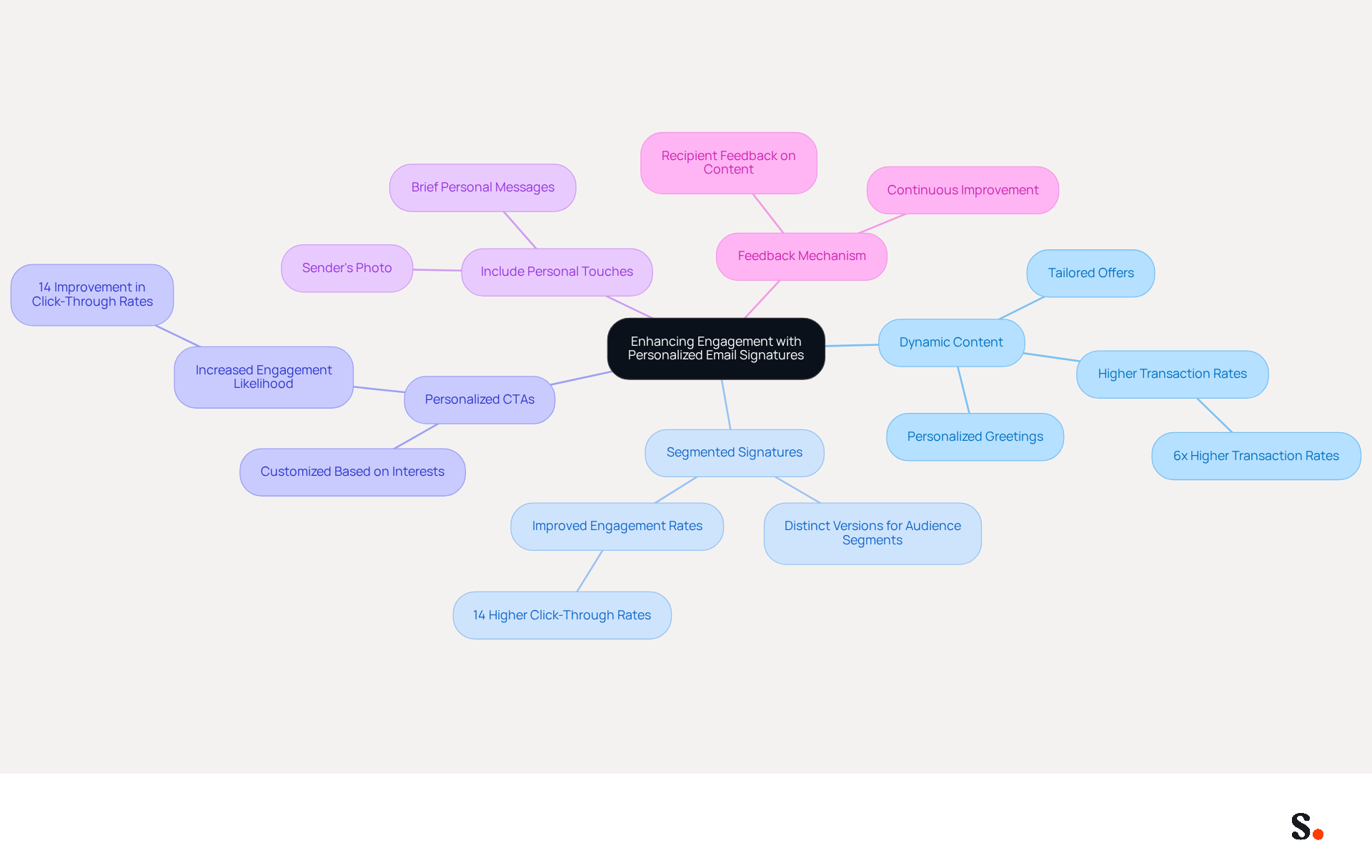
Enhance Engagement with Personalized Elements in Email Signatures
Enhancing recipient involvement through customized message footers is essential for effective communication. Here are key practices to elevate this experience:
- Dynamic Content: Implement dynamic elements in email footers that adapt based on the recipient's profile or past interactions. This could involve personalized greetings or tailored offers that resonate with individual preferences. Research indicates that personalized emails deliver transaction rates six times higher.
- Segmented Signatures: Develop distinct signature versions for various audience segments, ensuring that the content aligns with the specific interests and needs of each group. This targeted approach can lead to higher engagement rates, as click-through rates improve by an average of 14% when using personalized messages.
- Personalized CTAs: Customize calls-to-action (CTAs) according to the recipient's interests or previous interactions with your brand. This strategy increases the likelihood of engagement by making the CTAs more relevant. Jared Evers notes that personalized messages can enhance click-through rates by an average of 14%.
- Include Personal Touches: Including personal elements, like a sender's photo or a brief message, humanizes communication and strengthens recipient connections.
- Feedback Mechanism: Incorporate a method for recipients to provide feedback on the content of the electronic correspondence. This allows for continuous improvement and adaptation to audience preferences. Many organizations overlook the importance of measurable elements in their communications, which limits their marketing effectiveness.
By adopting these strategies, businesses can significantly enhance their engagement and foster loyalty among their audience. This underscores the critical role of professional email signatures in shaping consumer perceptions and enhancing engagement.
Conclusion
Many organizations overlook the potential of email signatures, missing out on valuable branding opportunities. By implementing strategies that promote brand consistency, personalized communication, and targeted marketing efforts, organizations can transform their email communications into powerful tools for brand recognition and customer interaction.
Key strategies discussed include:
- Establishing brand consistency through on-brand templates
- Leveraging email signatures as marketing tools with clear calls-to-action
- Utilizing automated management systems for efficient updates
Additionally, personalizing email signatures enhances engagement by tailoring content to individual recipients, thereby fostering stronger connections and driving higher interaction rates.
Well-crafted email signatures do more than just provide contact details; they play a crucial role in shaping a company's branding strategy. By prioritizing these practices, businesses can not only enhance their professional image but also cultivate trust and loyalty among their audience. By embracing these strategies, businesses can ensure that every email sent not only reflects their brand but also fosters lasting connections with their audience.
Frequently Asked Questions
Why is brand consistency important in email signatures?
Brand consistency in email signatures is important because it helps ensure that all communications represent the brand identity cohesively, enhancing recognition and professionalism.
What elements should be included in an email signature to maintain brand consistency?
An email signature should include company colors, fonts, and logos to align with brand guidelines, ensuring a cohesive appearance across all communications.
How should the company logo be used in an email signature?
The company logo should be included in the email signature and sized appropriately to maintain balance with the text, ensuring it does not overshadow the name.
What layout practices should be followed for email signatures?
A uniform layout should be maintained for all email signatures, including a consistent order for information such as name, title, and contact details to aid in brand recall.
What is the recommended height for an email signature?
The overall height of the email signature should be kept below 150 pixels to ensure optimal presentation across different devices and messaging clients, improving readability.
How often should email signature templates be updated?
Email signature templates should be periodically reviewed and updated to reflect any changes in branding or contact information, ensuring that all communications remain current and professional.
What benefits do well-crafted email signatures provide?
Well-crafted email signatures enhance brand recognition, foster trust, and convey professionalism in every communication, transforming them into powerful branding tools.
List of Sources
- Establish Brand Consistency with On-Brand Signature Templates
- The impact of email signatures on your branding (https://signitic.com/en/resources/the-impact-of-email-signatures-on-your-branding)
- Why Email Signatures Must Be In Your 2026 Marketing Plan | Rocketseed (https://rocketseed.com/blog/what-are-the-biggest-email-trends-for-2026)
- Why Are Email Signatures Key to Brand Awareness? | QuickMail (https://quickmail.com/role-of-email-signatures-in-brand-awareness)
- Consistently Branded Email Signatures at Scale (https://exclaimer.com/solutions/enhance-brand-consistency)
- Exclaimer Research: 67% of Marketers Expect Email Signatures to Support With Lead Gen In 2023 (https://businesswire.com/news/home/20230612141095/en/Exclaimer-Research-67-of-Marketers-Expect-Email-Signatures-to-Support-With-Lead-Gen-In-2023)
- Leverage Email Signatures as Marketing Tools to Drive Engagement
- 6 Ways to Use Email Signature to Support Marketing Campaigns (https://clearout.io/blog/use-email-signature-to-support-marketing-campaigns)
- Why Email Signatures Must Be In Your 2026 Marketing Plan | Rocketseed (https://rocketseed.com/blog/what-are-the-biggest-email-trends-for-2026)
- 12 email signature marketing examples that drive clicks (2026) (https://signitic.com/en/resources/12-email-signature-marketing-examples-that-actually-drive-clicks)
- Email signature statistics: Why every business should optimize their email signatures — Stripo.email (https://stripo.email/blog/email-signature-statistics-why-every-business-should-optimize-their-email-signatures)
- Email Signature Marketing Examples That Drive ROI | CloudM (https://cloudm.io/resources/blog/email-signature-marketing-examples-that-drive-roi)
- Implement Automated Management for Efficient Email Signature Updates
- Company-Wide Email Signature Management | CloudM (https://cloudm.io/resources/blog/optimize-your-process-with-company-wide-email-signature-management)
- Email Signature Management: What It Is and Why Companies Need It in 2026 (https://signandgo.io/blog/email-signature-management-what-it-is-and-why-companies-need-it-in-2026)
- 40+ Email Signature Statistics for 2026 (Data + Insights) (https://wavecnct.com/blogs/email-signature-statistics)
- Email signature statistics: Why every business should optimize their email signatures — Stripo.email (https://stripo.email/blog/email-signature-statistics-why-every-business-should-optimize-their-email-signatures)
- Enhance Engagement with Personalized Elements in Email Signatures
- Opt for a new email signature to welcome the takeover (https://signitic.com/en/resources/opt-for-a-new-email-signature-to-welcome-the-new-school-year)
- How to Use Dynamic Content in Email to Increase Engagement (https://campaignmonitor.com/blog/email-marketing/how-to-use-dynamic-content-to-increase-email-engagement)
- The Best Dynamic Email Content Examples by Industry and Use Case (https://litmus.com/blog/best-dynamic-email-content-examples)
- Why Email Signatures Must Be In Your 2026 Marketing Plan | Rocketseed (https://rocketseed.com/blog/what-are-the-biggest-email-trends-for-2026)
- 40+ Email Signature Statistics for 2026 (Data + Insights) (https://wavecnct.com/blogs/email-signature-statistics)
Get started with Scribe
Manage signatures across your whole team
Free 14-day trial — no credit card.