4 Best Practices for a Proper Signature Block That Engages
In an era where digital communication dominates, a well-crafted email signature block is essential for establishing professionalism and enhancing brand
Sophie Grant
Email Signature Specialist, Scribe
Introduction
In an era where digital communication dominates, a well-crafted email signature block is essential for establishing professionalism and enhancing brand visibility. It serves not only as a professional identifier but also as a powerful marketing tool that can improve engagement and brand recognition.
By examining the key elements and design principles of effective signature blocks, organizations can enhance communication and improve marketing ROI.
Businesses must ensure that their email signatures convey professionalism while also driving meaningful interactions with recipients.
Define Essential Elements of a Signature Block
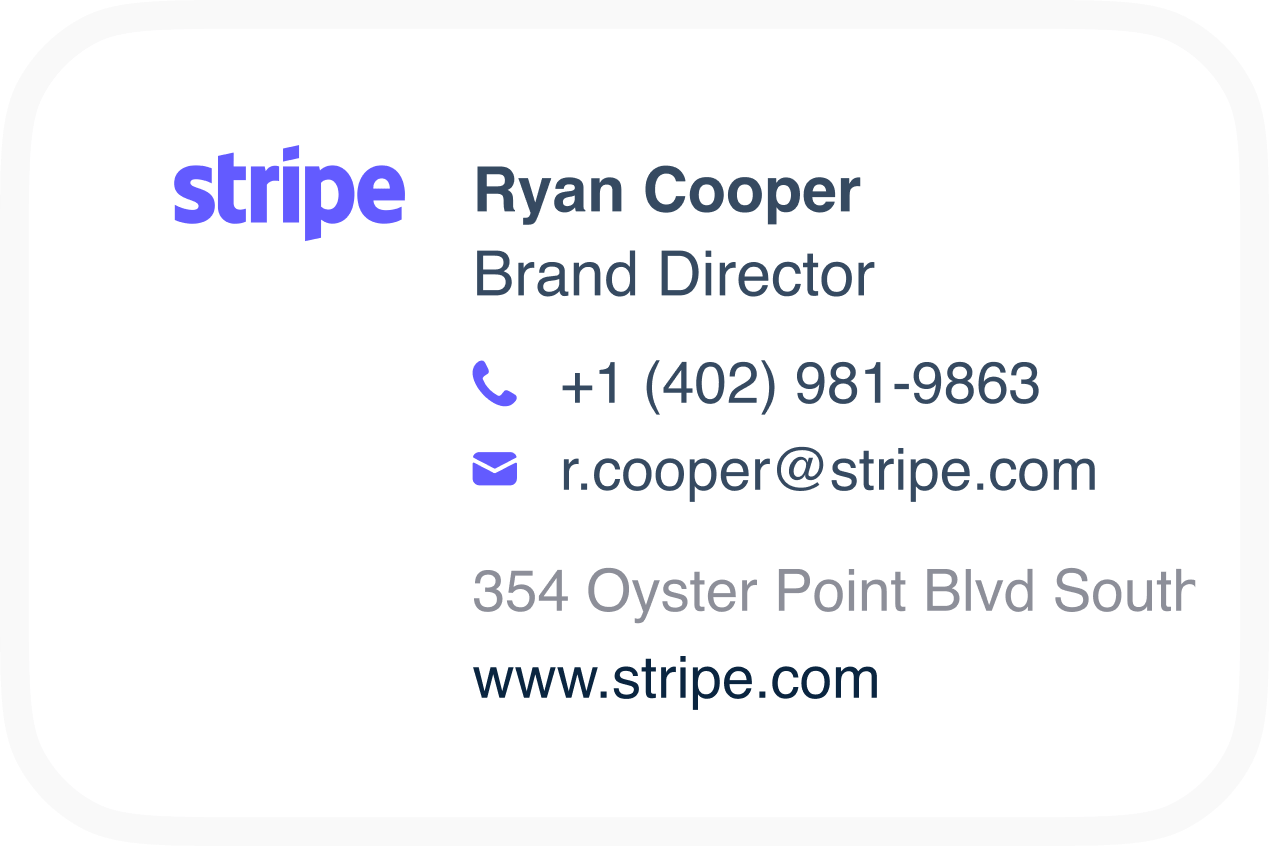
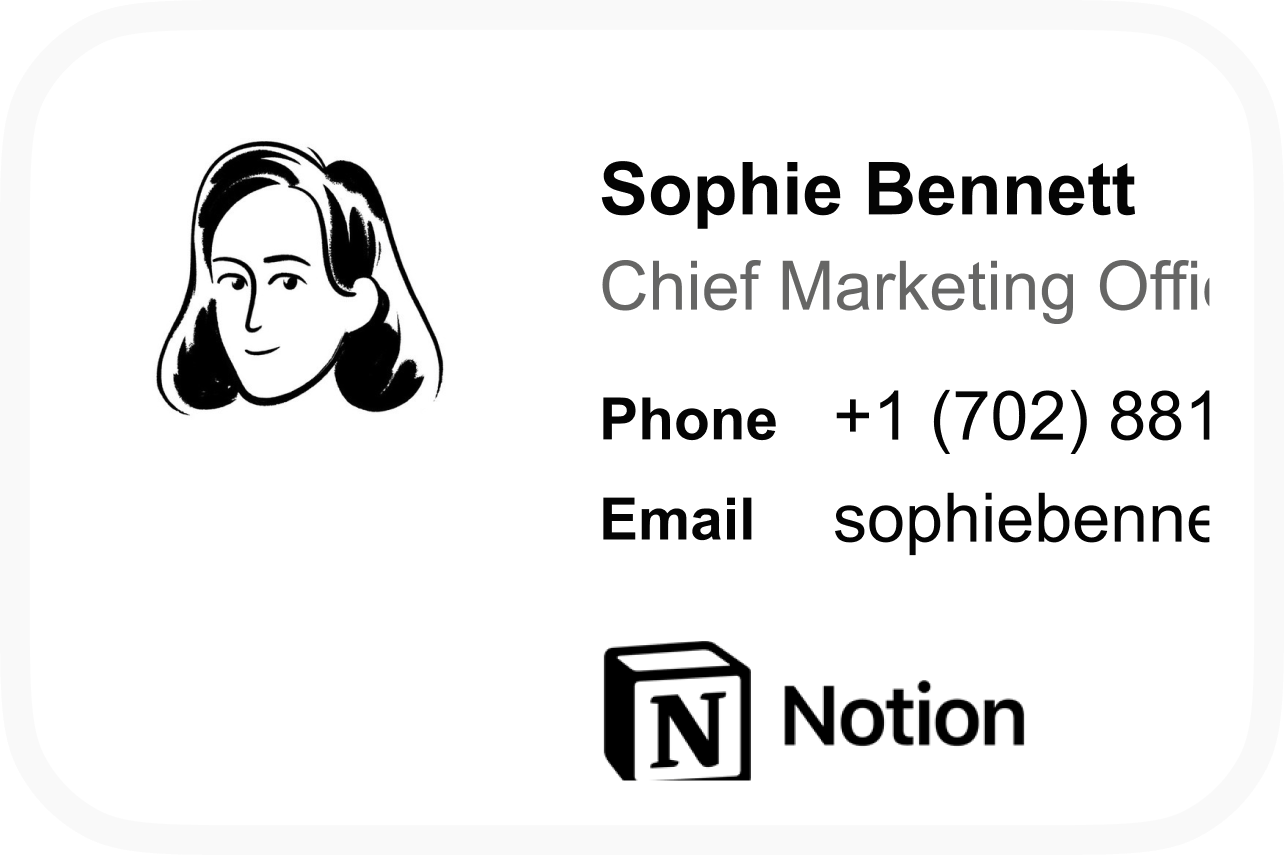
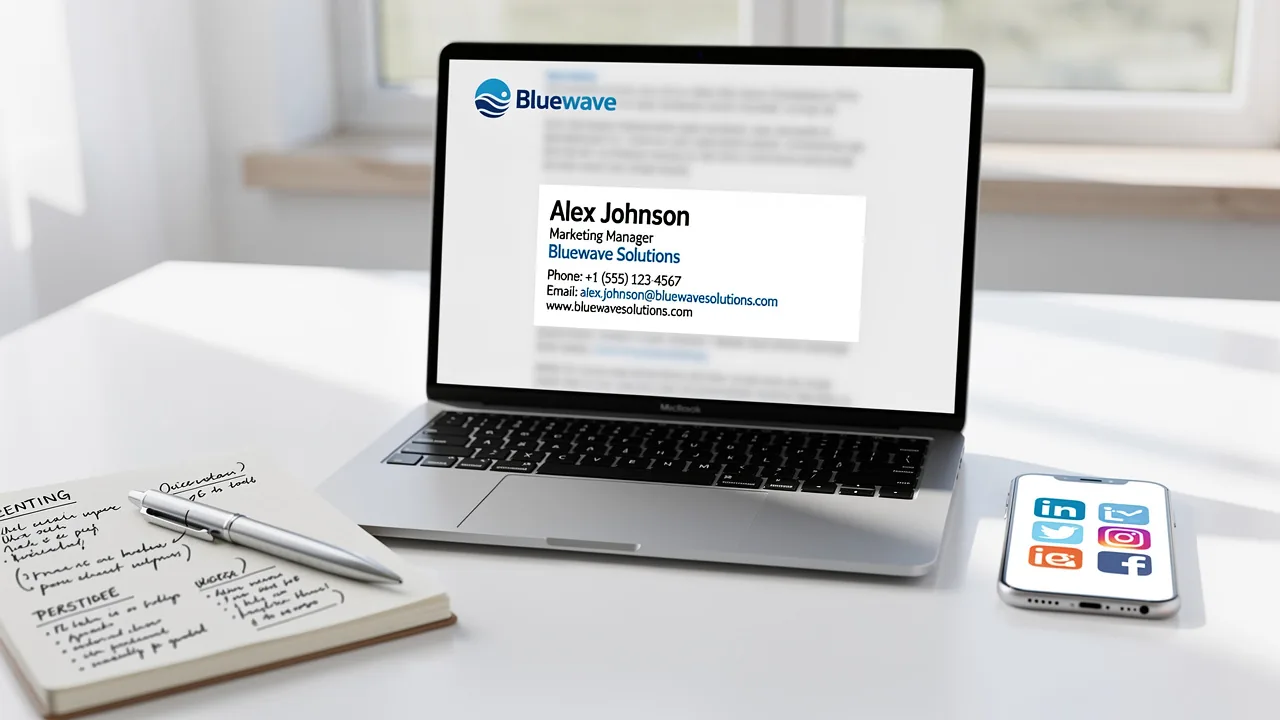
In a digital landscape where first impressions matter, a well-organized signature block is crucial for establishing professionalism and visibility. The following essential elements should be included:
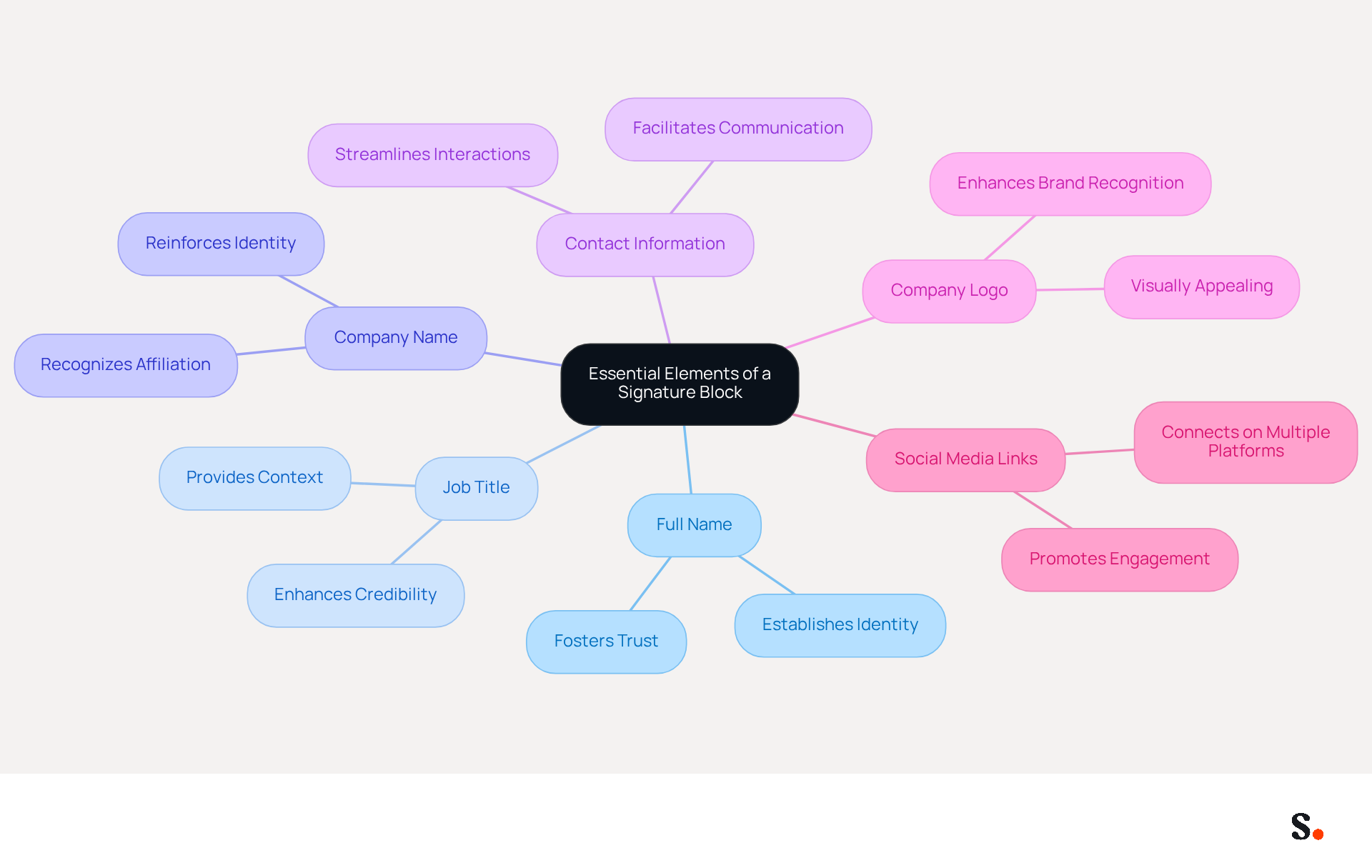
- Full Name: Clearly stating the sender's name establishes identity and fosters trust.
- Job Title: Including the sender's position provides context about their role within the organization, enhancing credibility.
- Company Name: Mentioning the organization reinforces identity and helps recipients recognize the sender's affiliation.
- Contact Information: Providing a phone number and email address facilitates easy communication, streamlining interactions.
- Company Logo: Incorporating the logo enhances brand recognition, making the signature visually appealing and memorable.
- Social Media Links: Including links to professional social media profiles promotes further engagement and enables users to connect on multiple platforms.
These elements help recipients easily identify the sender and create a polished, professional look, making it easier for them to connect and engage. In fact, a well-crafted digital communication footer can enhance response rates by as much as 22%, emphasizing its significance in professional correspondence. Regular evaluations of electronic identifiers ensure uniformity and precision, further reinforcing corporate identity. As of 2026, incorporating these key elements into email identities is essential for effective branding and communication. Ultimately, neglecting these key elements can hinder effective communication and branding efforts.
Utilize Design Principles for Visual Impact
Creating a proper signature block that aligns with your brand identity is crucial for effective communication. To achieve this while maintaining brand consistency through automated synchronization with Aircall, consider the following design principles:
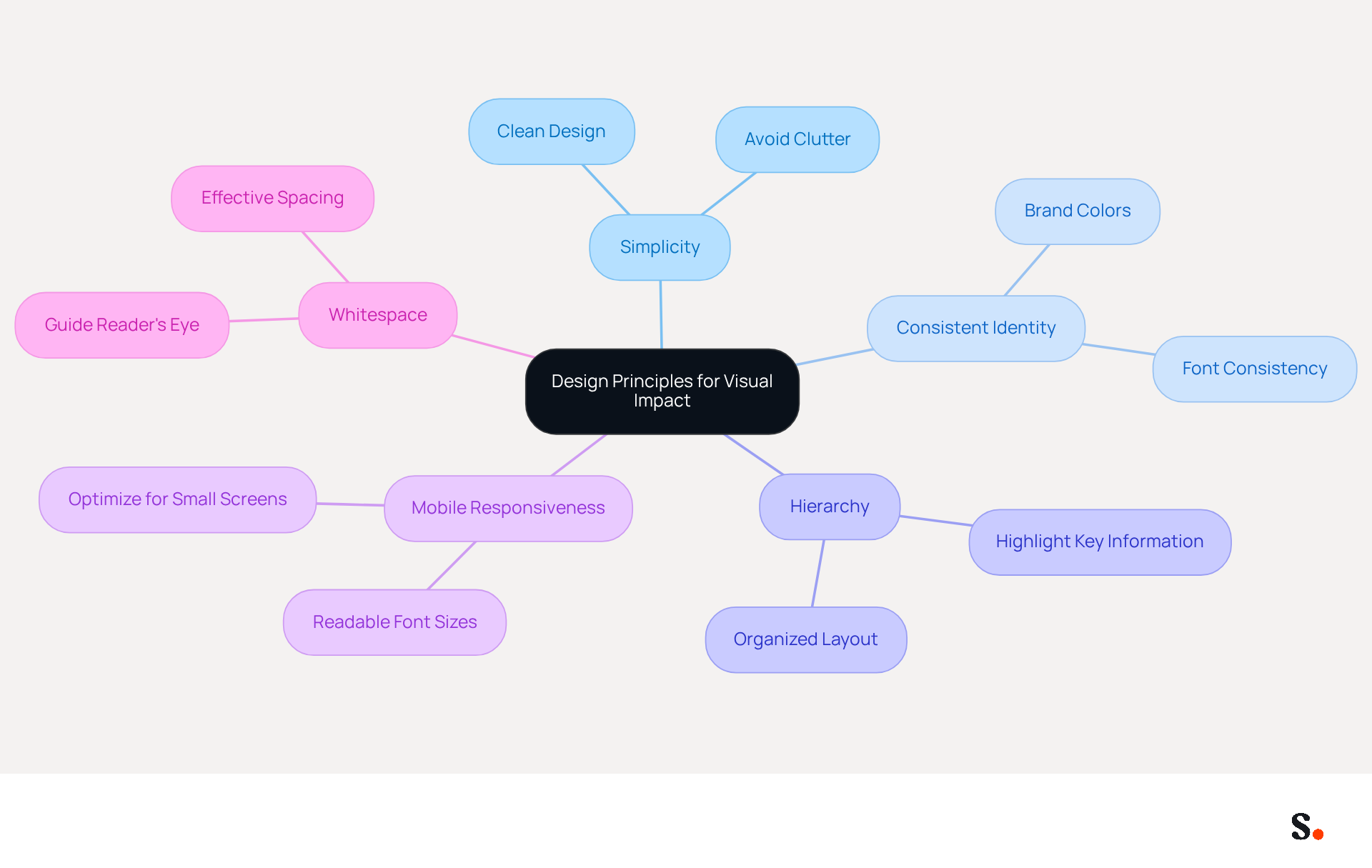
- Simplicity: A clean and uncluttered design enhances readability, making it easier for recipients to absorb key information quickly. Complex signatures often confuse recipients, leading to miscommunication.
- Consistent Identity: Incorporate specific colors and fonts that reflect your brand's personality. This approach reinforces brand identity with every outgoing message, enhancing professionalism and fostering trust with recipients. The automated synchronization with Aircall guarantees that any updates to your branding are reflected in real-time across all email footers.
- Hierarchy: Organize information to highlight the most important elements, such as the sender's name and title. Effective digital identifiers should convey key information in under three seconds, ensuring that recipients can quickly identify the sender's role and contact details.
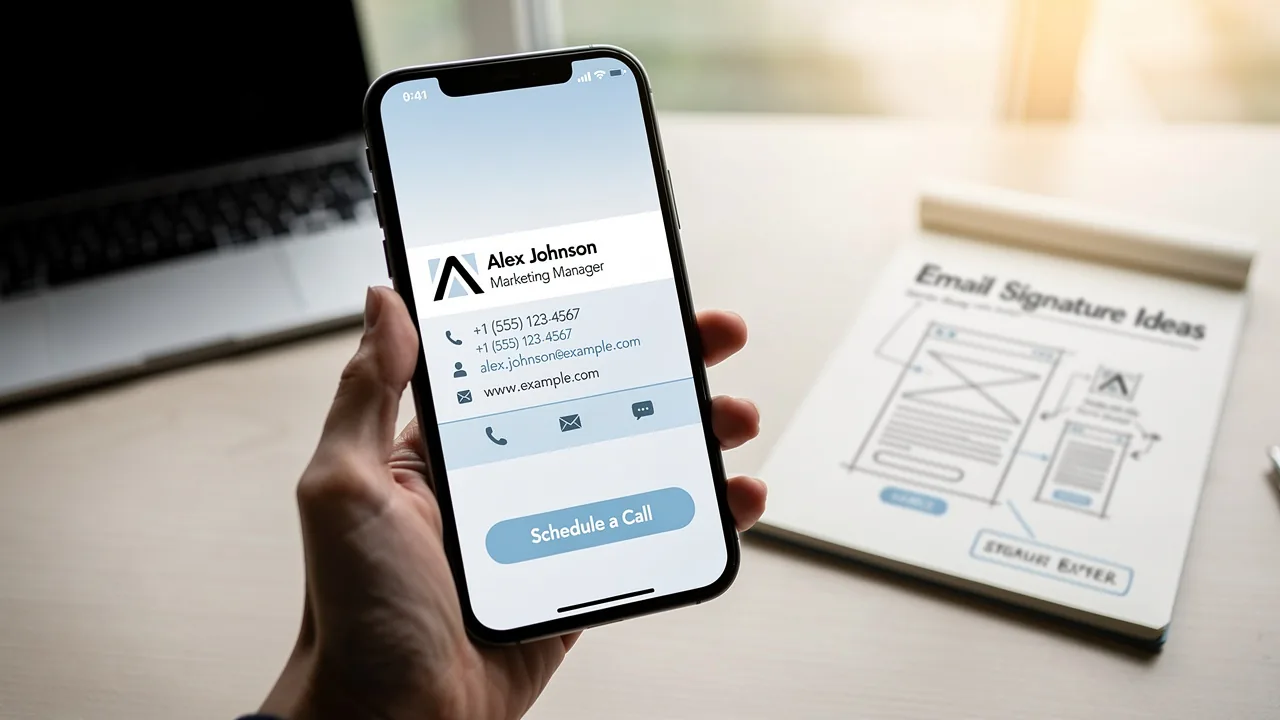
- Mobile Responsiveness: Ensure the mark appears well on both desktop and mobile devices by using appropriate sizes and formats. With over 60% of business correspondence accessed on mobile devices, identifiers must be tailored for small screens to enhance user experience.
- Whitespace: Utilize whitespace effectively to avoid overcrowding and guide the reader's eye. Proper spacing between elements enhances readability and ensures that important information stands out.
When you apply these design principles and use Scribe's automated sync with Aircall, you can create a block that not only conveys essential information but also reinforces your brand identity. Ultimately, a proper signature block can significantly impact how your brand is perceived in every email interaction.
Incorporate Marketing Elements for Engagement
To maximize engagement through your email signature, integrating strategic marketing elements is crucial:
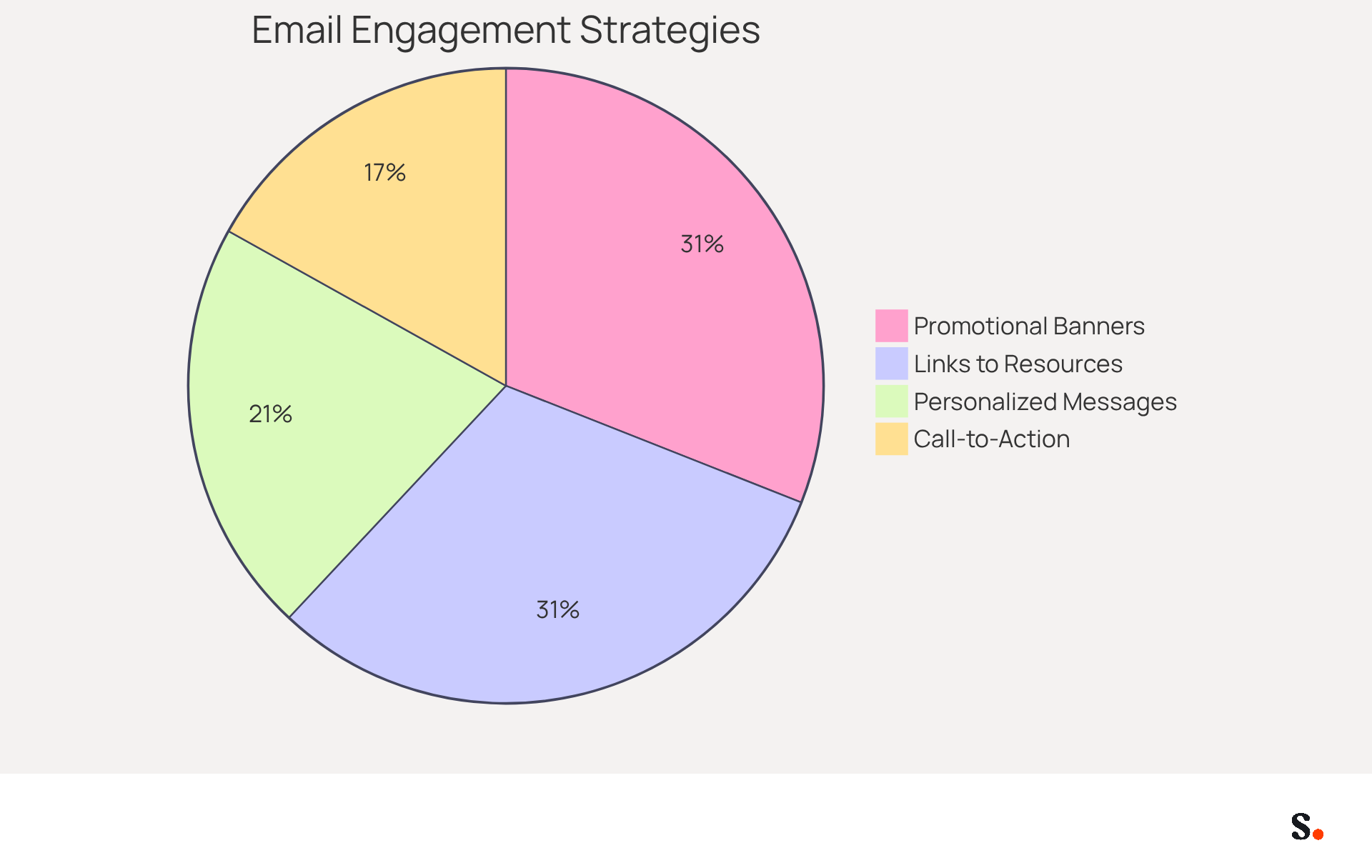
- Call-to-Action (CTA): A clear CTA is essential for guiding individuals toward specific actions, such as visiting your website or signing up for a newsletter. Effective CTAs can greatly enhance engagement. Studies indicate that email signatures with CTAs achieve click-through rates of up to 12% and can increase overall clicks by 22%.
- Promotional Banners: Use attractive banners to showcase promotions, events, or new products. This not only captures attention but also strengthens brand messaging, making it easier for audiences to engage with your offerings.
- Links to Resources: Providing links to valuable resources, such as blog posts, case studies, or company news, establishes authority and offers additional value to the audience. This strategy can lead to a 22% increase in clicks, enhancing the overall effectiveness of your email communications.
- Personalized Messages: Tailoring messages based on the individual's interests or previous interactions fosters a more personal connection. Personalization can significantly improve engagement rates, as recipients are more likely to respond to content that resonates with their needs. Additionally, personalizing survey questions based on context can improve relevance and user experience.
By implementing these strategies, you not only enhance engagement but also position your brand for greater visibility and impact.
Implement Automation for Consistency and Efficiency
To enhance efficiency and consistency in managing email signatures, organizations should consider implementing automation strategies:
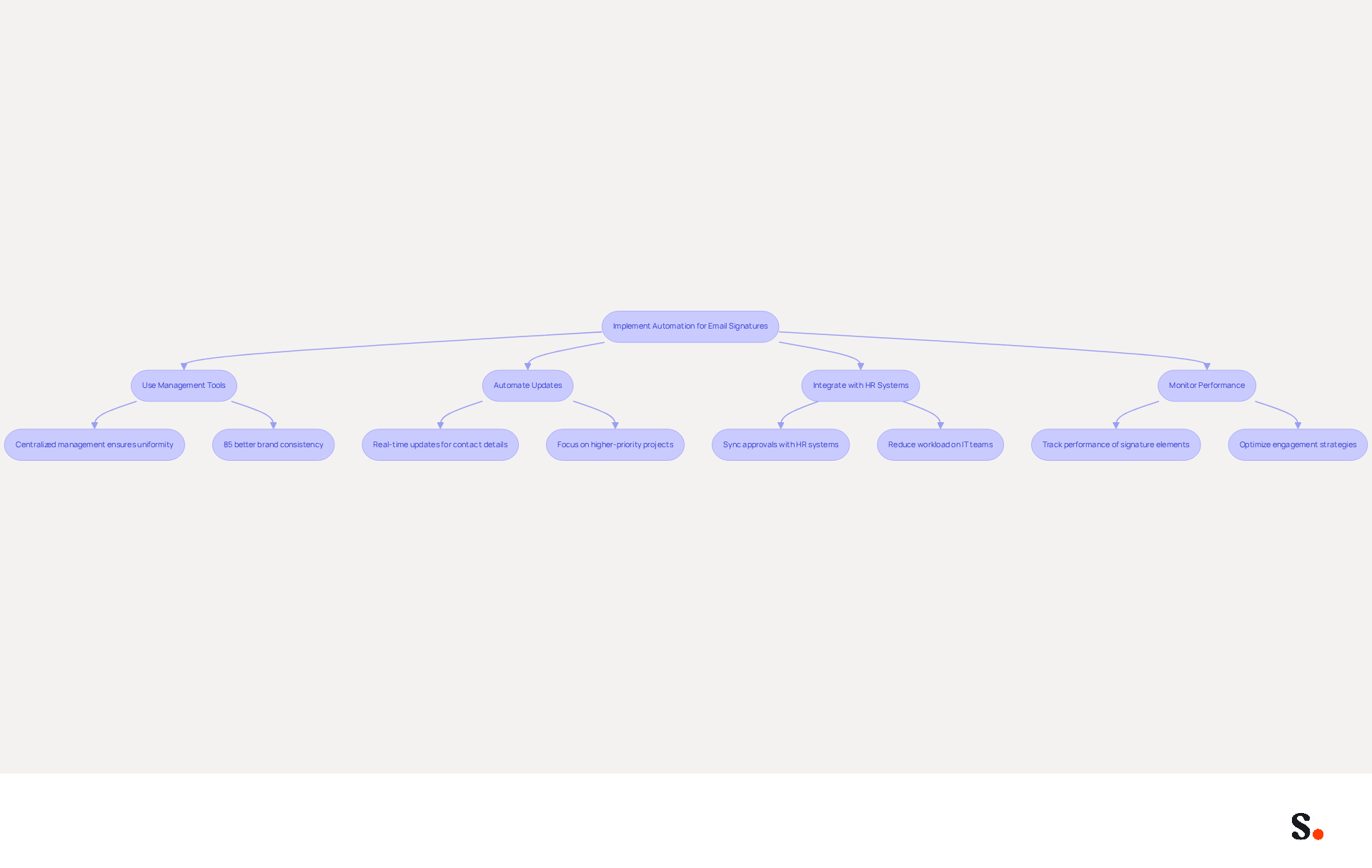
- Use Management Tools for Email Branding: Implement tools like Scribe that allow for centralized management of email branding across the organization, ensuring uniformity. Organizations utilizing centralized management solutions like Scribe experience 85% better brand consistency and three times higher campaign engagement. Furthermore, 78% of marketers agree that consistent branded identifiers across all company communications are crucial for a cohesive messaging strategy.
- Automate Updates: Scribe syncs with Google Workspace to automatically update teammates' data, reflecting any changes in real-time, such as job titles or contact details. Manual updates often consume valuable time and resources, hindering productivity. This automation allows IT teams to focus on higher-priority projects. Automating email footers also assists IT teams in adhering to evolving data privacy regulations, minimizing the risk of mistakes and enhancing efficiency. Scribe's SOC 2 Type II compliance further ensures that data privacy and security are prioritized.
- Integrate with HR Systems: Sync approvals with HR systems to automatically update employee information, reducing the workload on IT and administrative teams. By connecting directly to directory data from platforms like Google Workspace, Scribe ensures that job titles and contact details are always accurate, streamlining the management process.
- Monitor Performance: Utilize analytics to track the performance of signature elements, such as calls-to-action (CTAs), to continuously optimize engagement strategies. Effective CTAs in email footers can boost click-through rates (CTR) to as high as 12%, driving interest and interaction. A strategically placed call-to-action (CTA) can significantly enhance engagement, encouraging recipients to explore further. Scribe's average click-through rate on signature banners reinforces its effectiveness in driving engagement.
Ultimately, embracing automation not only streamlines processes but also positions businesses for greater success in a competitive landscape.
Conclusion
In today's digital communication landscape, a well-crafted email signature is essential for establishing professionalism and enhancing brand visibility. By incorporating essential elements such as the sender's name, job title, company name, and contact information, organizations can create a polished and engaging signature that fosters trust and facilitates communication. Additionally, integrating design principles ensures that these signatures are visually appealing and consistent with brand identity, making a lasting impression on recipients.
Key strategies discussed include:
- The importance of simplicity and hierarchy in design
- The incorporation of marketing elements like calls-to-action and promotional banners
- The implementation of automation tools for consistency and efficiency
Utilizing solutions like Scribe allows organizations to manage email signatures centrally, ensuring brand consistency while freeing up valuable time for IT teams. The potential for increased engagement, supported by case studies showing higher click-through rates and improved response rates, underscores the significance of a well-designed signature block in professional communication.
In a competitive landscape, the ability to effectively communicate and engage through email signatures can set an organization apart. Many organizations overlook the importance of their email signatures, which can lead to missed opportunities for branding. By focusing on these best practices, businesses can enhance their branding efforts and achieve measurable marketing ROI. Embracing these strategies will empower organizations to leverage every email interaction as an opportunity for connection and engagement, ultimately contributing to their overall success.
Frequently Asked Questions
What is the purpose of a signature block in digital communication?
A well-organized signature block establishes professionalism and visibility, making a strong first impression.
What essential elements should be included in a signature block?
The essential elements include the sender's full name, job title, company name, contact information, company logo, and social media links.
Why is it important to include the sender's full name in the signature block?
Clearly stating the sender's name establishes identity and fosters trust with the recipient.
How does including a job title in the signature block enhance communication?
Including the sender's position provides context about their role within the organization, enhancing credibility.
What role does the company name play in a signature block?
Mentioning the organization reinforces identity and helps recipients recognize the sender's affiliation.
Why is contact information important in a signature block?
Providing a phone number and email address facilitates easy communication, streamlining interactions.
How does incorporating a company logo benefit a signature block?
Incorporating the logo enhances brand recognition, making the signature visually appealing and memorable.
What is the significance of including social media links in a signature block?
Including links to professional social media profiles promotes further engagement and enables users to connect on multiple platforms.
How can a well-crafted signature block impact response rates?
A well-crafted digital communication footer can enhance response rates by as much as 22%, emphasizing its significance in professional correspondence.
Why is it important to regularly evaluate electronic identifiers in signature blocks?
Regular evaluations ensure uniformity and precision, further reinforcing corporate identity.
What is the future importance of incorporating these key elements into email identities?
As of 2026, incorporating these key elements is essential for effective branding and communication. Neglecting them can hinder effective communication and branding efforts.
List of Sources
- Define Essential Elements of a Signature Block
- The Importance Of Email Signatures | Email Marketing Blog | Mail Blaze (https://mailblaze.com/thinking/email-signatures-in-email-marketing)
- Email Signatures | Wittenberg University (https://wittenberg.edu/administration/universitycommunications/email-signatures)
- 4 Best Practices for Your Company Email Signature Strategy (https://scribe-mail.com/en-US/blog/4-best-practices-for-your-company-email-signature-strategy)
- 20 best email signature design examples for 2026 — Stripo.email (https://stripo.email/blog/10-best-email-signature-design-examples)
- Email signature statistics: Why every business should optimize their email signatures — Stripo.email (https://stripo.email/blog/email-signature-statistics-why-every-business-should-optimize-their-email-signatures)
- Utilize Design Principles for Visual Impact
- Email Signature Best Practices for 2026 (+ 15 Pro Examples) (https://wavecnct.com/blogs/email-signature-best-practices-2026)
- Email Signature Trends 2026: What Designers Are Actually Using (https://markaplugin.com/blog/email-signature-trends-2026)
- Email Signature Design Trends in 2026: What Works and What to Drop (https://bulksignature.com/blog/email-signature-design-trends)
- Top 10+ best practices for email signatures design in 2026 (https://mysignature.io/blog/email-signature-best-practices)
- Incorporate Marketing Elements for Engagement
- 6 Ways to Use Email Signature to Support Marketing Campaigns (https://clearout.io/blog/use-email-signature-to-support-marketing-campaigns)
- 10 Strategies for Increasing User Engagement with Business Email Signatures (https://exclaimer.com/blog/email-signatures-key-business-tool)
- 4 Best Practices for Your Work Email Signature Strategy (https://scribe-mail.com/en-US/blog/4-best-practices-for-your-work-email-signature-strategy)
- 12 clever ways to use your email signature to support your marketing campaigns (https://blog.hubspot.com/blog/tabid/6307/bid/31054/10-clever-ways-your-email-signature-can-support-your-marketing.aspx)
- 10 ideas for marketing campaigns in email signatures (https://signitic.com/en/resources/10-ideas-for-marketing-campaigns-in-email-signatures)
- Implement Automation for Consistency and Efficiency
- Automating Email Signatures: How IT Teams Streamline Processes & Reduce Risk (https://exclaimer.com/blog/streamlining-it-processes-automated-email-signatures)
- 4 Best Practices for Your Work Email Signature Strategy (https://scribe-mail.com/en-US/blog/4-best-practices-for-your-work-email-signature-strategy)
- Top Software Integrations to Supercharge Your Email Signature Management (https://mysignature.io/blog/software-for-email-signature-management)
- AdSigner (https://adsigner.com/en/email-signatures/benefits)
- 5 Benefits of Using Centrally Managed Email Signatures | Crossware365 (https://crossware365.com/blog/5-benefits-of-using-centrally-managed-email-signatures)
Get started with Scribe
Build a professional email signature
Free 14-day trial — no credit card.