4 Best Practices for an Effective Email Signature for Notary Public
An email signature for a notary public is not just a formality; it is crucial for establishing trust and professionalism in client interactions. By
Sophie Grant
Email Signature Specialist, Scribe
Introduction
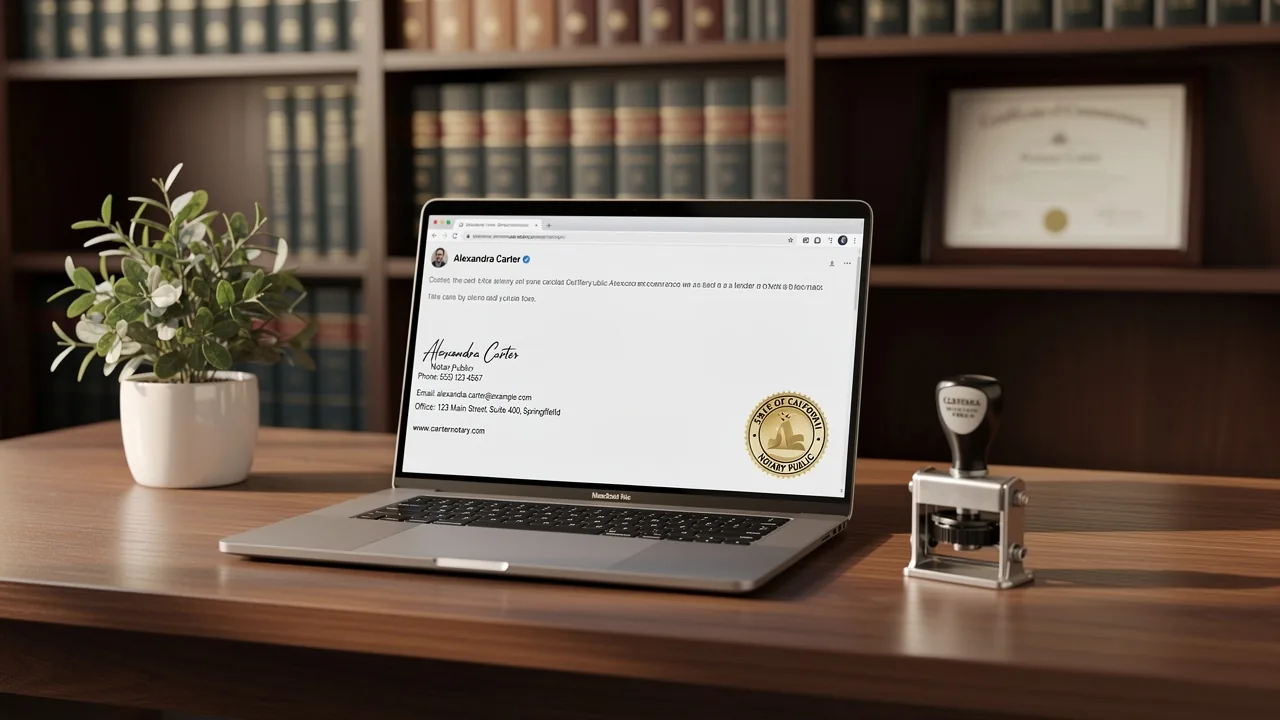
An email signature for a notary public is not just a formality; it is crucial for establishing trust and professionalism in client interactions. By incorporating essential elements such as:
- Contact information
- Branding
- Compliance features
notaries can enhance their credibility and engagement with clients. Notaries often struggle to find the right balance between essential elements and security.
What best practices can notaries implement to ensure their email signatures reflect professionalism and build client trust?
Get started with Scribe
See why teams switch to Scribe
Free 14-day trial — no credit card.
Incorporate Essential Elements in Your Notary Email Signature
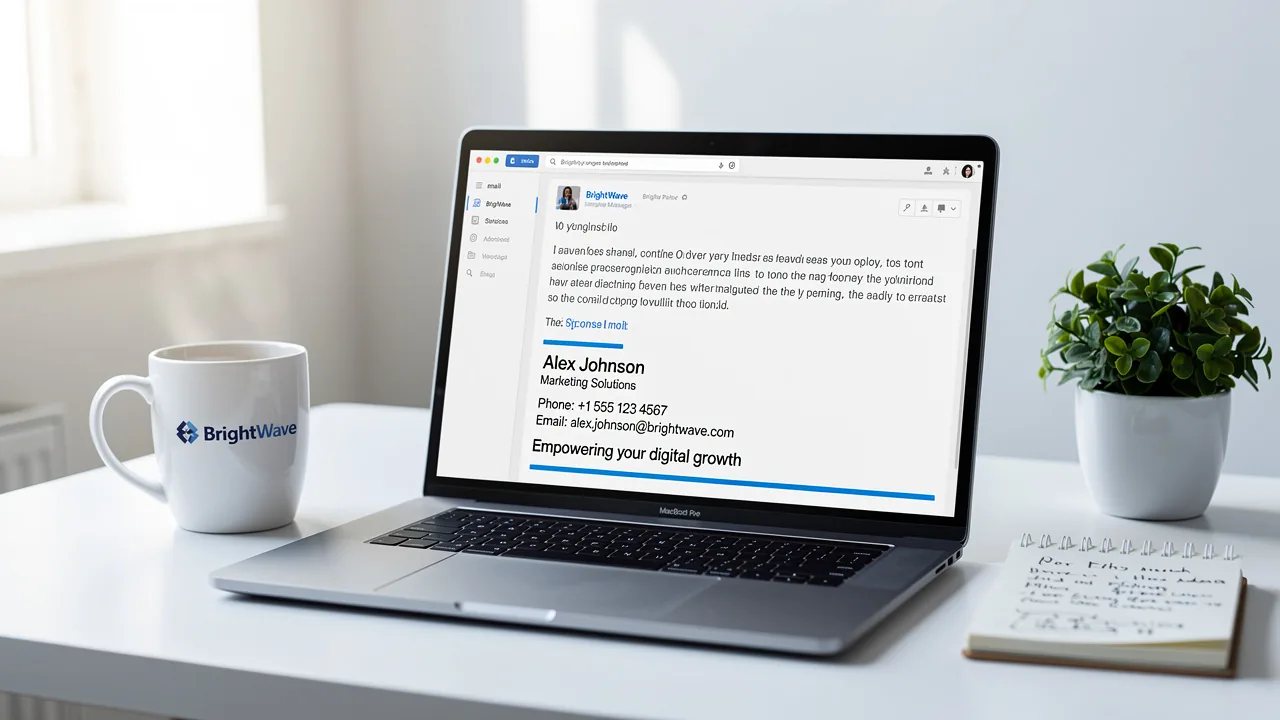
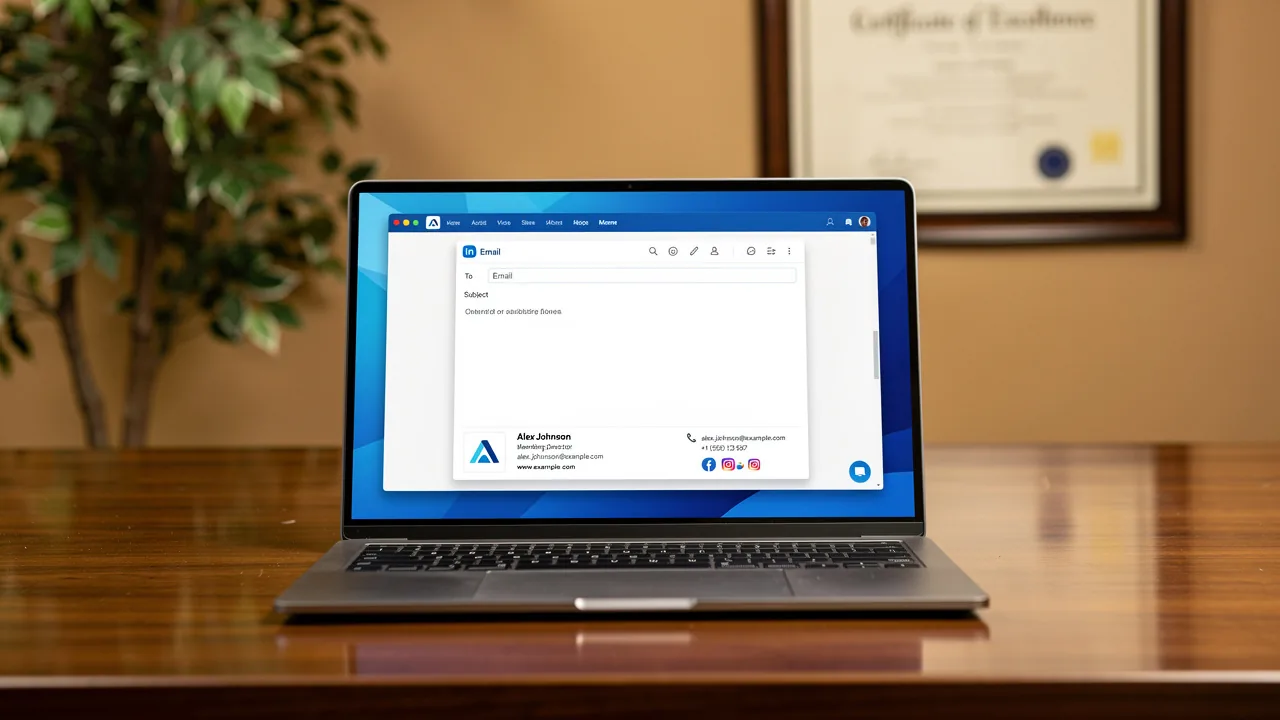
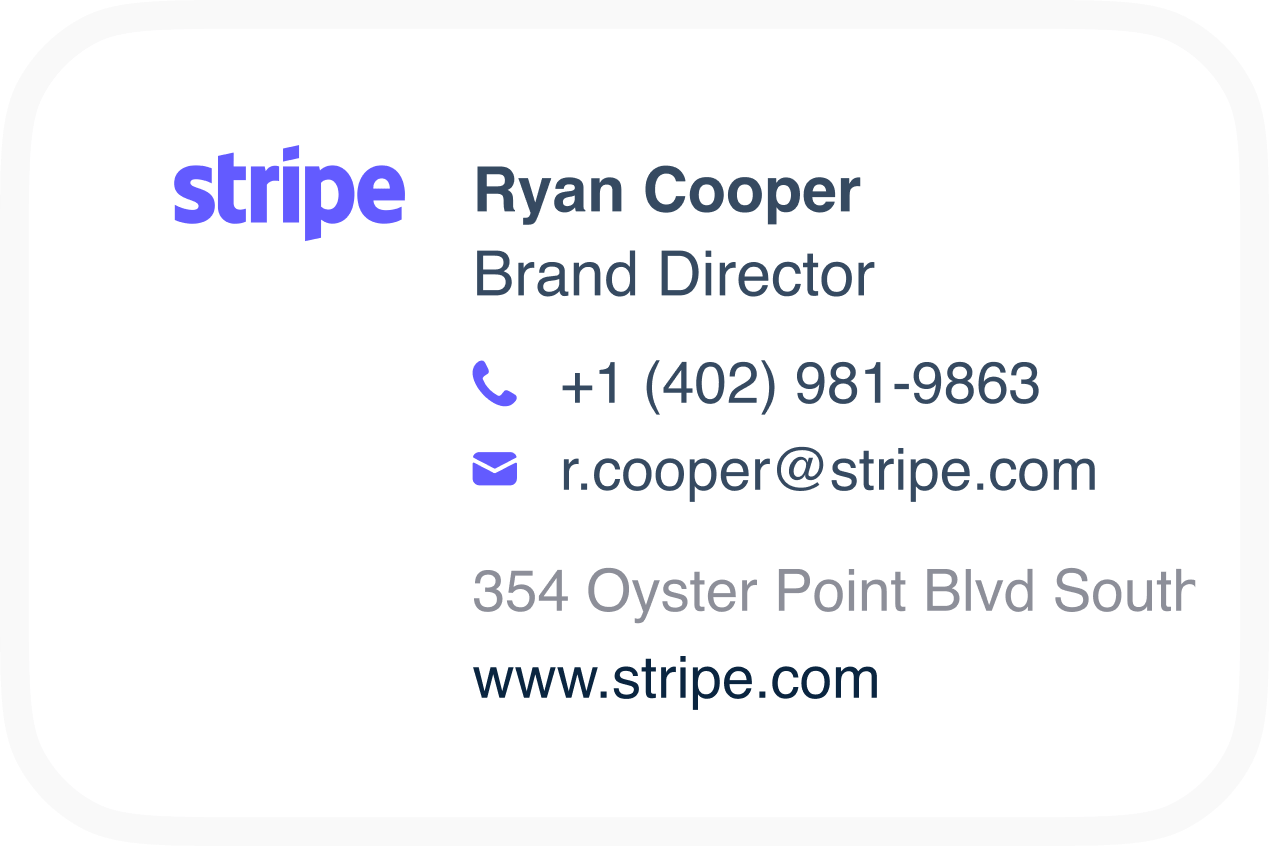
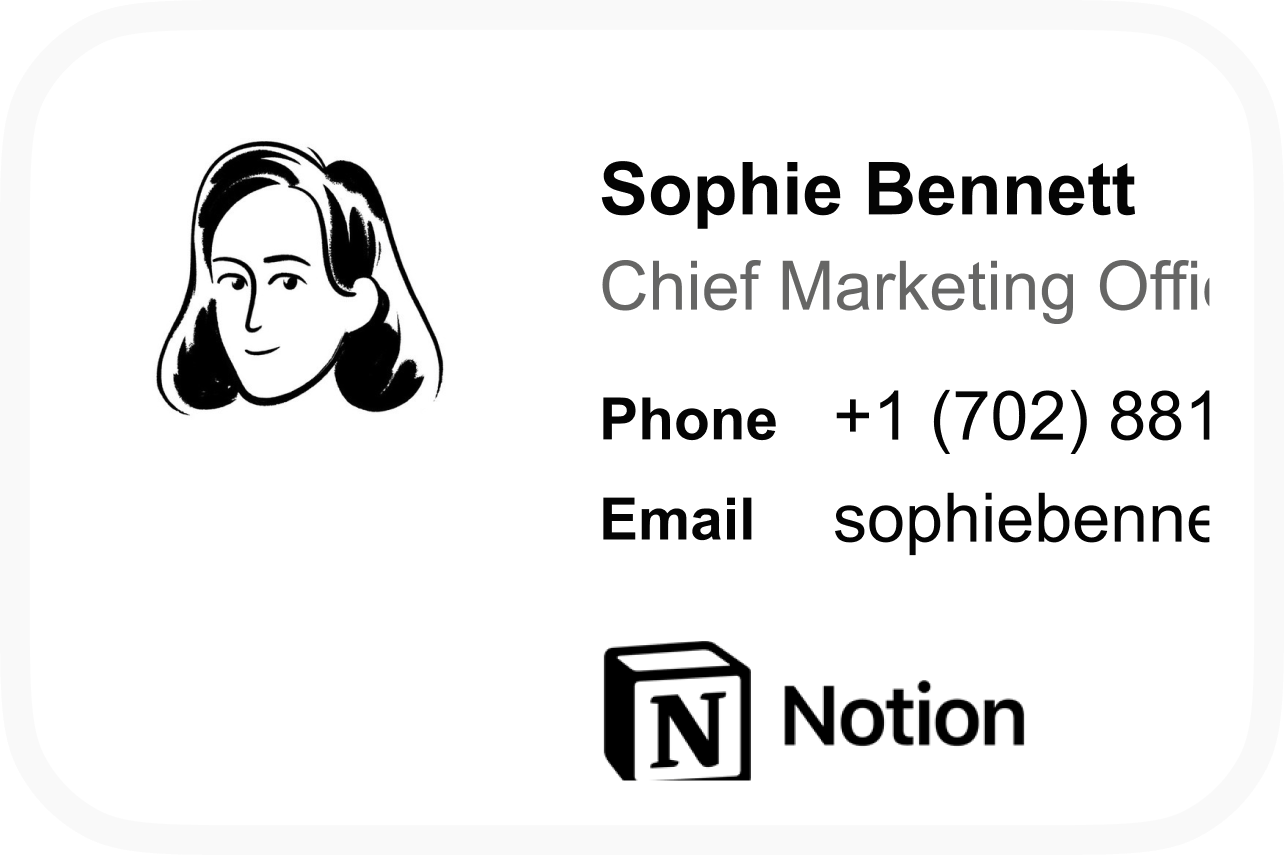
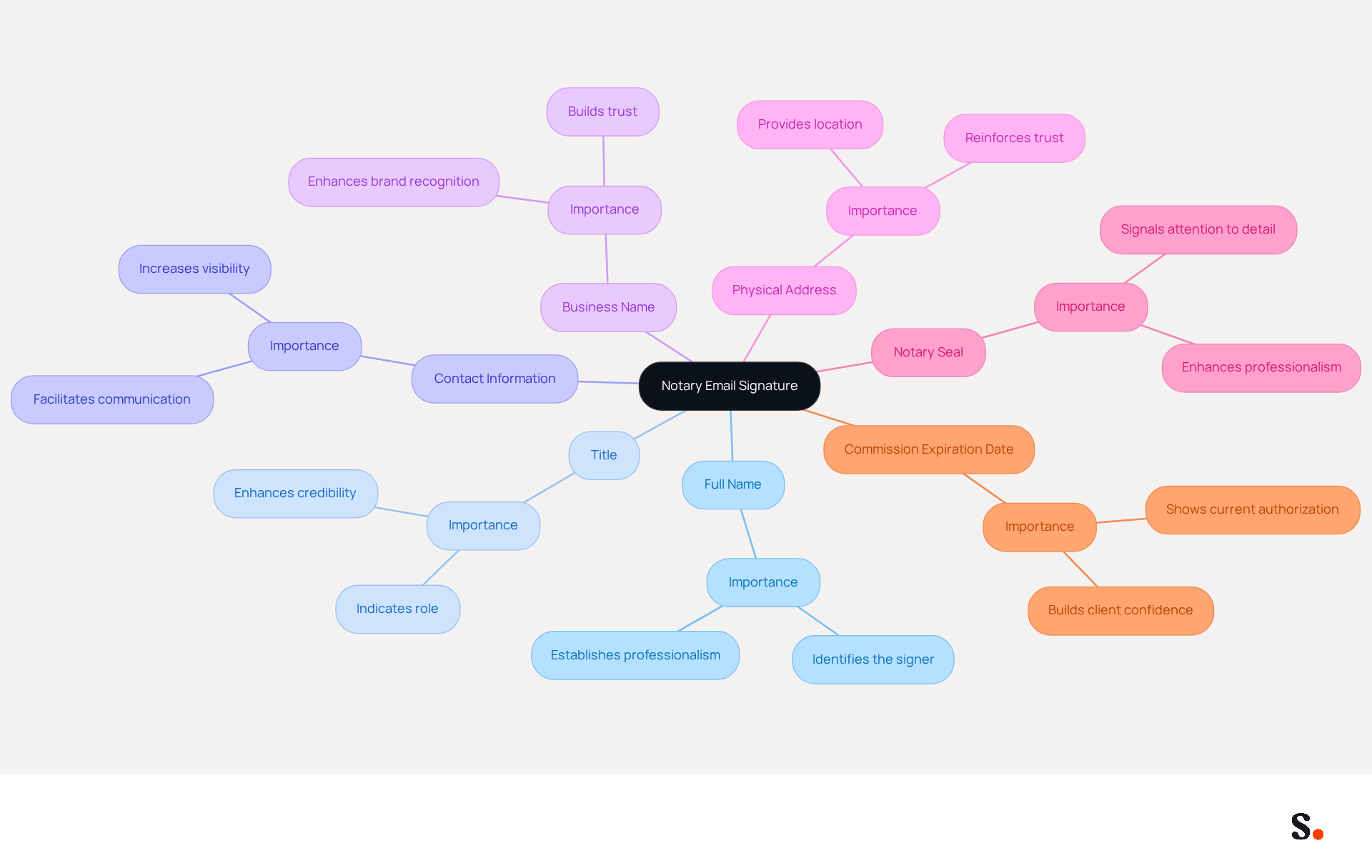
Crafting an effective email signature for notary public is not just about aesthetics; it’s about establishing trust and professionalism. To create an effective email signature, it is essential to include the following elements:
- Full Name: Clearly state your full name to ensure recipients know who they are communicating with.
- Title: Include your title, such as 'Notary Public,' in your email signature. This is crucial because many consumers view businesses without branded identifiers negatively.
- Contact Information: Provide your phone number and contact address for easy communication, as most individuals send 30-40 business messages per day, making visibility essential.
- Business Name: If applicable, include the name of your notary business to enhance brand recognition. A significant majority of consumers recognize the importance of having an email signature for notary public.
- Physical Address: Including your office location can be advantageous for individuals who may need to visit you, reinforcing trust and credibility.
- Notary Seal: Including a digital representation of your notary seal can enhance credibility and professionalism, as it signals attention to detail.
- Commission Expiration Date: This informs individuals of your current standing as a notary. Without this information, clients may question your authority as a notary.
By incorporating these key elements, you make your emails look professional and ensure clients have all the information they need. Additionally, utilizing Scribe's integration with Calendly allows for automatic updates to your contact information, ensuring brand consistency and compliance with SOC Type II standards for secure data handling. This seamless management of your communication footer enhances your interaction effectiveness and reinforces your identity, particularly for marketing managers seeking to maintain brand integrity.
Ensure Brand Consistency and Professionalism
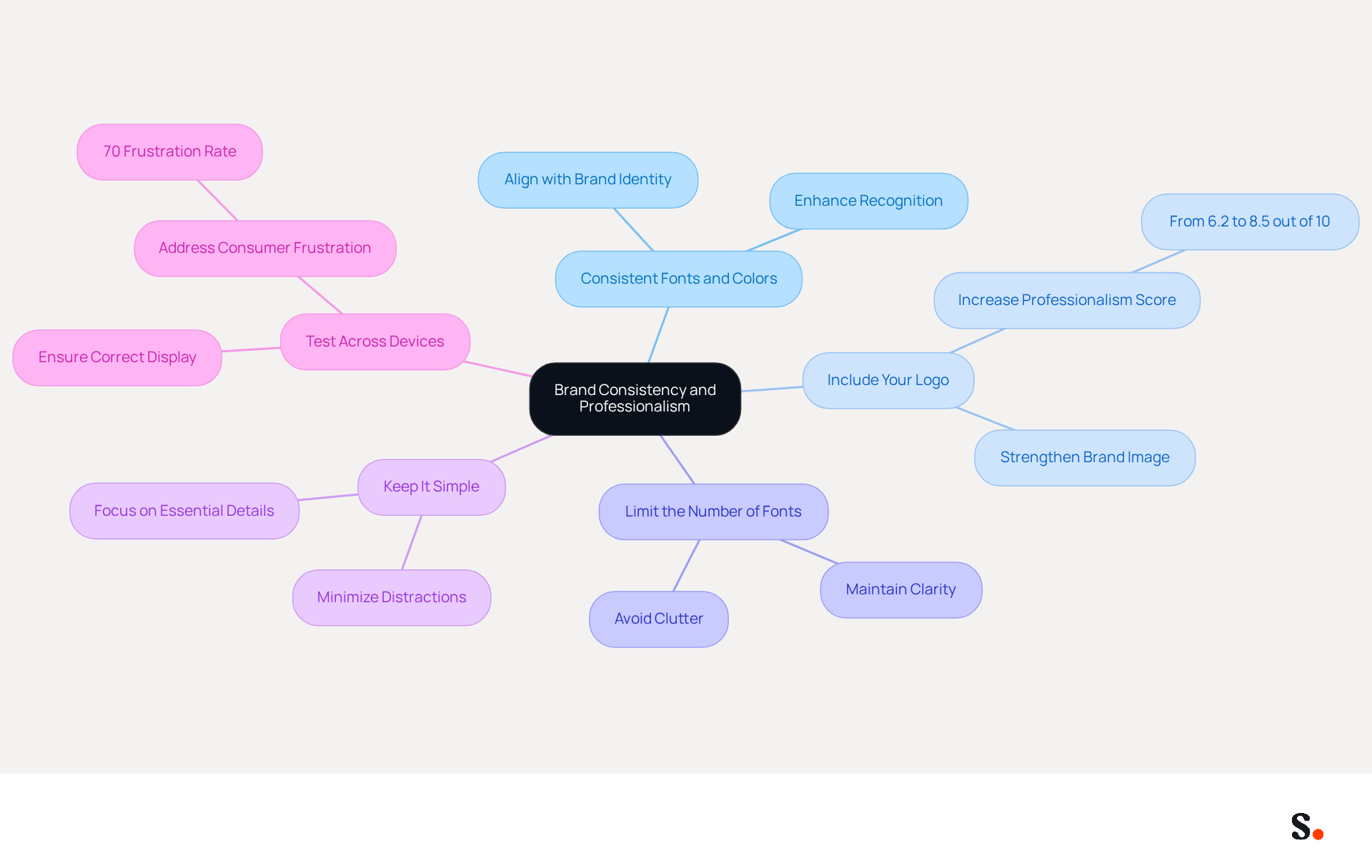
To ensure your notary email signature reflects professionalism and brand consistency, follow these best practices:
- Use Consistent Fonts and Colors: Select fonts and colors that align with your brand identity. This creates a cohesive look that is easily recognizable, enhancing the overall professionalism of your communications.
- Include Your Logo: Adding your business logo to your email footer strengthens your brand and provides a polished appearance. A strategically positioned logo can greatly enhance brand awareness, with research indicating that branded digital identifiers can elevate the average professionalism score from 6.2 to 8.5 out of 10.
- Limit the Number of Fonts: Stick to one or two fonts to avoid a cluttered appearance. This keeps your mark clean and easy to read, which is essential for maintaining clarity in business correspondence.
- Keep It Simple: Avoid excessive graphics or information that can distract from essential details. An elegant design minimizes distractions, ensuring recipients can easily access your contact information and key messages.
- Test Across Devices: Ensure your mark displays correctly on various devices and messaging platforms. This is vital, as research shows that 70% of consumers feel frustrated when brands fail to provide clear identification in their communications.
By adhering to these practices, you can create a professional closing that includes an email signature for notary public, which not only appears polished but also strengthens your brand identity, leaving a lasting impression on your clients. Consistent digital identifiers can lead to a 22% increase in response rates, demonstrating their effectiveness as a marketing tool.
Utilize Call-to-Action Features for Engagement
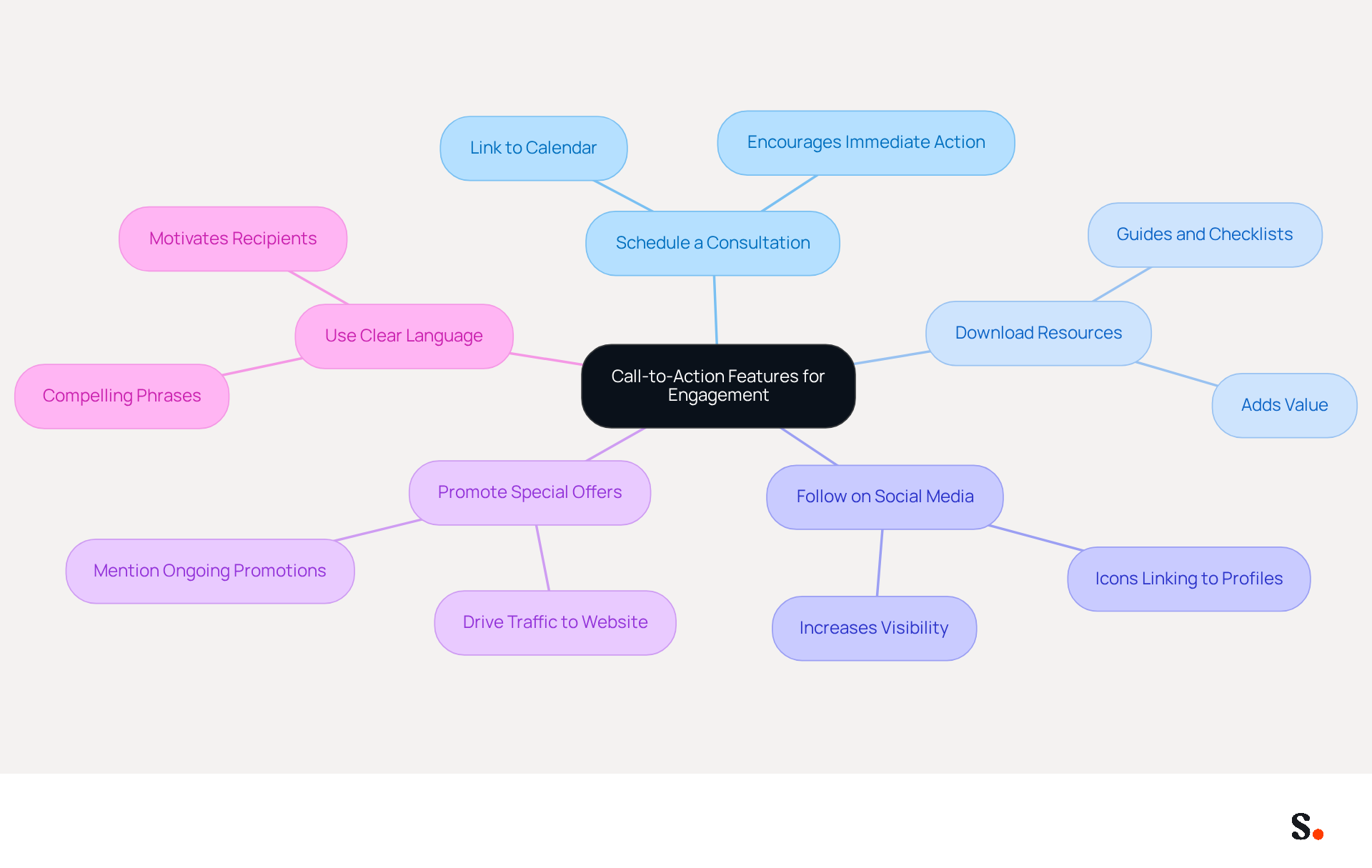
Incorporating call-to-action (CTA) features in your email signature for notary public can transform your engagement strategy. Here are some effective strategies:
- Schedule a Consultation: Include a link to a calendar where individuals can book appointments directly. This simplifies the process for potential clients and encourages immediate action.
- Download Resources: If you offer downloadable resources, such as guides or checklists, include a link in your signature. This adds value and encourages recipients to engage with your content, fostering a deeper connection.
- Follow on Social Media: Add icons linking to your professional social media profiles. This allows clients to connect with you on multiple platforms, increasing your visibility and reinforcing your brand presence.
- Promote Special Offers: If you have any ongoing promotions or services, include a brief mention with a link to more information. This can drive traffic to your website and generate leads, capitalizing on the urgency of limited-time offers.
- Use Clear Language: Ensure that your CTAs use clear and compelling language. Phrases like 'Book Now' or 'Get Your Free Guide' can motivate recipients to take action, making it easy for them to understand the benefits of engaging with your services.
By integrating Scribe with Google Workspace, you can automate the management of your signatures, ensuring that any updates to your teammates' information are reflected instantly. This approach saves time and ensures brand consistency across all communications. Scribe's SOC 2 Type II certification and compliance with GDPR and CCPA ensure that your data handling is secure and compliant. Research shows that messages with a CTA can increase clicks by 371% and sales by 1617%. As Scribe states, "With an effective call to action, each message you send to your recipient represents an opportunity for your business." However, be cautious not to clutter your correspondence with too many CTAs, as this can dilute their effectiveness. Additionally, ensure that your CTAs are designed responsively, considering the increasing number of users accessing messages on mobile devices.
Ultimately, an email signature for notary public can serve as a strategic asset in your marketing efforts.
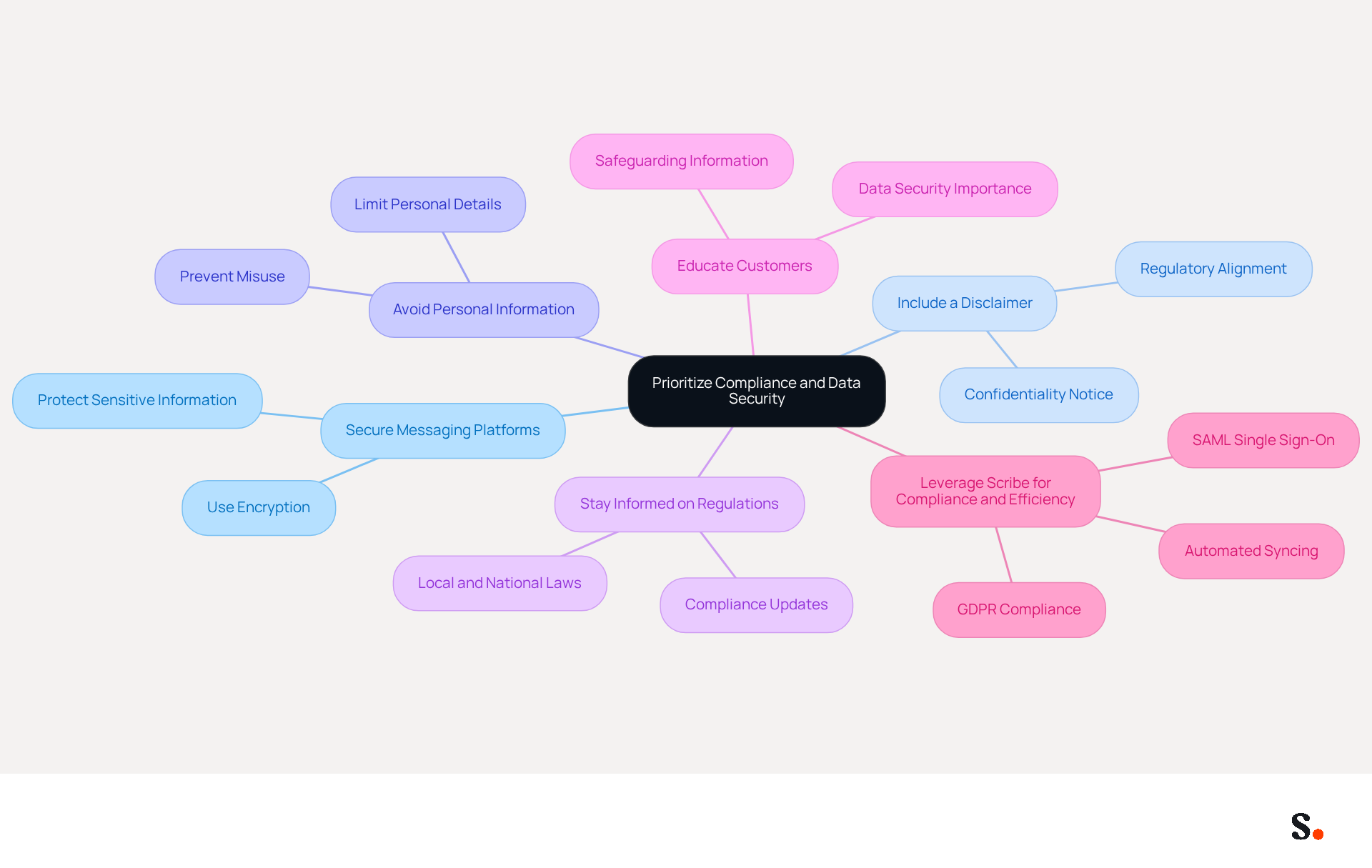
Prioritize Compliance and Data Security
As a notary public, ensuring compliance and data security in your email signature is not just important; it is essential for maintaining client trust. Here are key considerations:
- Use Secure Messaging Platforms: Ensure that your service provider offers encryption and security features to protect sensitive information. Data breaches can expose confidential client information, resulting in legal issues and a loss of trust.
- Include a Disclaimer: Consider adding a confidentiality notice in your email to inform recipients that the information contained is confidential and intended solely for the recipient. This practice aligns with regulations that mandate clear communication regarding data protection.
- Avoid Personal Information: Be cautious about including personal information in your signature that could be misused. Including personal information in your signature can lead to misuse and potential data breaches. Stick to professional details relevant to your notary services.
- Stay Informed on Regulations: Keep up-to-date with local and national regulations regarding data protection and email communications. Not staying informed on regulations can lead to significant penalties and harm your professional reputation.
- Educate Customers: Inform your customers about the significance of data security and how you safeguard their information. This approach not only enhances client trust but also demonstrates your commitment to data security.
- Leverage Scribe for Compliance and Efficiency: By integrating Scribe's SAML Single Sign-On, you can ensure secure access to your management system while maintaining GDPR compliance and benefiting from Scribe's SOC 2 Type II certification. Scribe's automated syncing with Google Workspace allows for effortless updates, ensuring that any changes in your team are automatically reflected in your email identifiers. This not only saves time but also enhances your compliance efforts by keeping your signatures consistent and up-to-date.
By adopting these practices, you not only safeguard your clients' information but also position yourself as a leader in data security within the notary profession.
Conclusion
An effective email signature is not just a formality; it is a critical component of professional communication for notaries. Incorporating key elements like your full name, title, contact information, and notary seal enhances your credibility and provides clients with easy access to important information. Furthermore, maintaining brand consistency through thoughtful design choices and clear messaging reinforces your identity and professionalism in every interaction.
Using consistent fonts and colors is essential for maintaining a professional appearance and ensuring your signature is easily recognizable. Additionally, integrating call-to-action features can significantly boost engagement, encouraging clients to take immediate action, whether it's scheduling a consultation or accessing valuable resources. Prioritizing compliance and data security is equally vital; without these measures, notaries risk losing client trust and jeopardizing their professional reputation.
A poorly designed email signature can lead to missed opportunities and diminished client engagement. Ultimately, an email signature for notary public serves as a strategic asset that can enhance client interactions and drive business growth. When notaries apply these best practices, they create a communication tool that truly reflects their professionalism. By neglecting these strategies, notaries may inadvertently undermine their professional image and client relationships.
Frequently Asked Questions
What is the purpose of an email signature for a notary public?
An email signature for a notary public establishes trust and professionalism, ensuring recipients know who they are communicating with.
What essential elements should be included in a notary email signature?
A notary email signature should include the following elements: Full Name, Title (e.g., 'Notary Public'), Contact Information (phone number and address), Business Name, Physical Address, Notary Seal, and Commission Expiration Date.
Why is it important to include a title in the email signature?
Including a title, such as 'Notary Public,' is crucial because many consumers view businesses without branded identifiers negatively.
How does providing contact information benefit communication?
Providing contact information, such as a phone number and address, enhances visibility and makes it easier for individuals to reach out, especially since most people send numerous business messages daily.
What role does a business name play in a notary email signature?
Including the name of your notary business enhances brand recognition and reinforces the professional identity of the notary.
Why should a physical address be included in the email signature?
Including a physical address can be advantageous for individuals who may need to visit the notary, reinforcing trust and credibility.
How does a notary seal contribute to the email signature?
A digital representation of the notary seal enhances credibility and professionalism, signaling attention to detail.
What is the significance of including a commission expiration date?
Including a commission expiration date informs individuals of the notary's current standing, helping to prevent any questions regarding their authority.
How can Scribe assist with managing email signatures?
Scribe's integration with Calendly allows for automatic updates to contact information, ensuring brand consistency and compliance with SOC Type II standards for secure data handling.
List of Sources
- Incorporate Essential Elements in Your Notary Email Signature
- Email Signature Statistics: A Closer Look at Email Signatures in 2026 (https://mysignature.io/blog/email-signature-statistics)
- 40+ Email Signature Statistics for 2026 (Data + Insights) (https://wavecnct.com/blogs/email-signature-statistics)
- Professional Email Address (https://notaryassn.org/professional-email-address)
- 10 Elements of the Perfect Email Signature for Notary Publics | oboloo Blog (https://oboloo.com/blog/10-elements-of-the-perfect-email-signature-for-notary-publics)
- Notaries: Why a Professional Email Matters - Professional Notary Services (https://professionalnotaryservices.biz/notaries-why-a-professional-email-matters)
- Ensure Brand Consistency and Professionalism
- Email Signature Branding: Consistency and Impact | Crossware365 (https://crossware365.com/blog/mastering-email-signature-branding-market-presence)
- demandgenreport.com (https://demandgenreport.com/industry-news/research-recap-branded-email-signatures-increase-company-recognition-trust/47252)
- The impact of email signatures on your branding (https://signitic.com/en/resources/the-impact-of-email-signatures-on-your-branding)
- 4 Best Practices for Your Work Email Signature Strategy (https://scribe-mail.com/en-US/blog/4-best-practices-for-your-work-email-signature-strategy)
- Why email signature is important in corporate world ? (https://linkedin.com/pulse/why-email-signature-important-corporate-world-vibhuti-chauhan-fprzc)
- Utilize Call-to-Action Features for Engagement
- Why and how to add an effective CTA to your email signature? (https://signitic.com/en/resources/why-and-how-to-add-an-effective-cta-to-your-email-signature)
- How to Increase Email Engagement: Top 5 Tactics - Email on Acid (https://emailonacid.com/blog/article/email-marketing/increase-email-engagement)
- A Strategic Guide to Calls-to-Action (CTAs) in Email Marketing: Best Practices for Success (https://litmus.com/blog/click-tap-and-touch-a-guide-to-cta-best-practices)
- The Ultimate Guide to Email Signature Call-to-Action - NEWOLDSTAMP (https://newoldstamp.com/blog/the-ultimate-guide-to-email-signature-call-to-action)
- How to Create Effective CTA Email Signatures That Drive Conversions? - RoundPie (https://theroundpie.com/blog.html/2021/09/27/how-to-create-effective-cta-email-signatures-that-drive-conversions)
- Prioritize Compliance and Data Security
- Safeguarding Your Notary Data From Hackers (https://notaries.com/articles/safeguarding-your-notary-data-from-hackers)
- The Importance of Cyber-Security for Notaries in the Digital Age (https://closewise.com/importance-of-cyber-security-for-notaries)
- How to Protect Signer Data | Notary Everyday Help Center (https://intercom.help/notary-everyday/en/articles/15652540-how-to-protect-signer-data)
- Email Compliance Requirements for Business (https://kiteworks.com/risk-compliance-glossary/email-compliance)
- Data Security For Notaries: Protecting Your Critical Information (https://nationalnotary.org/notary-bulletin/blog/2014/12/data-security-for-notaries?srsltid=AfmBOoprcuwW77L9PokDbyTfFInwyNrfPnXIYV9FfoJu2NY9RlMf7BHD)
Get started with Scribe
See why teams switch to Scribe
Free 14-day trial — no credit card.