4 Best Practices for Crafting a Doctor Signature Example
Creating a professional email signature is crucial, yet many medical professionals overlook its significance in patient communication. By establishing a clear
Sophie Grant
Email Signature Specialist, Scribe

Introduction
Creating a professional email signature is crucial, yet many medical professionals overlook its significance in patient communication. By establishing a clear brand identity through thoughtful design, healthcare practices can enhance trust and communication. Yet, ensuring these signatures are consistent, compliant, and secure across all communications presents a significant challenge.
What best practices must medical professionals implement to create effective signatures that not only reflect their brand but also strengthen patient relationships?
Define Brand Identity for Signature Design
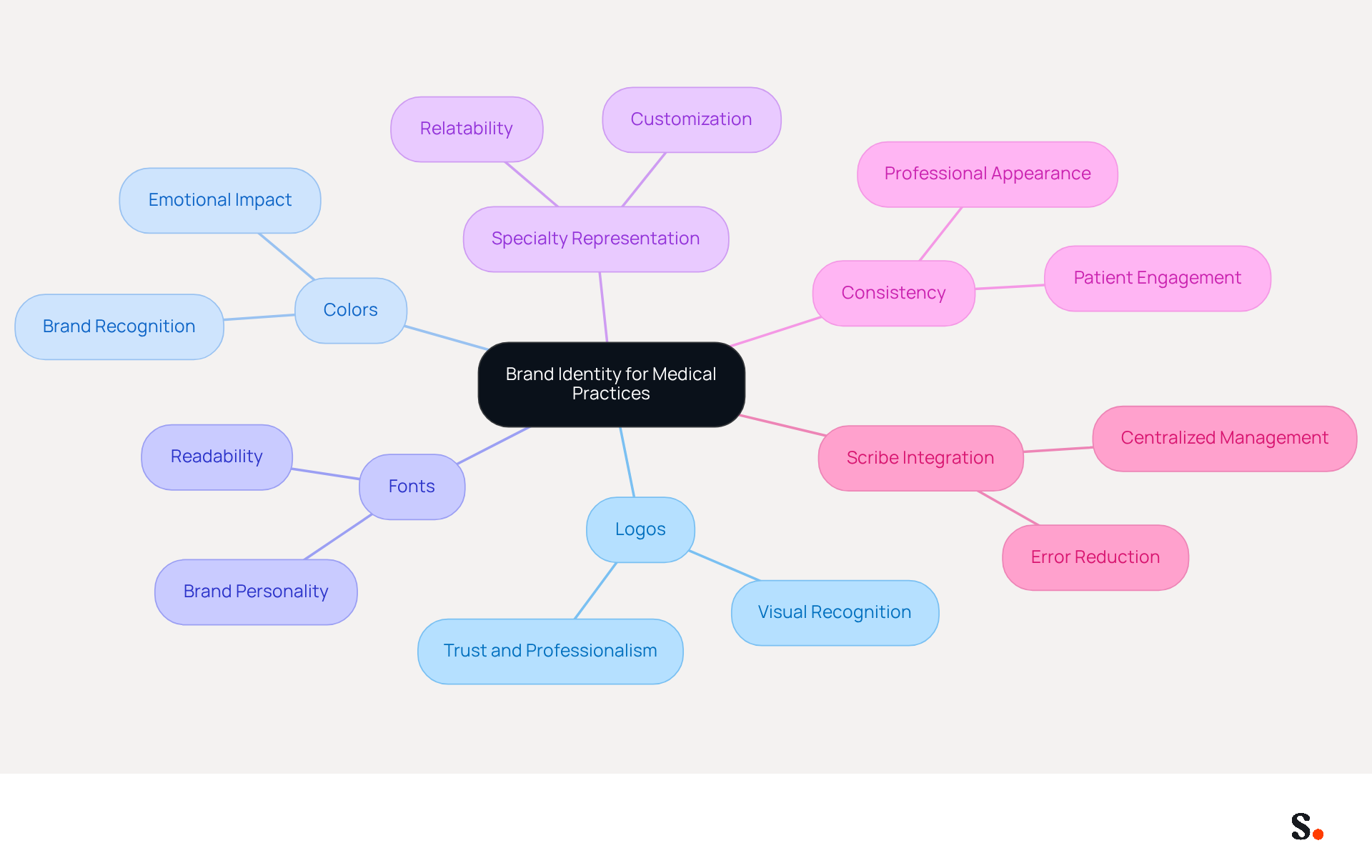
Defining a clear brand identity is crucial for medical practices to establish trust and professionalism. This means choosing logos, colors, and fonts that truly reflect the medical practice. A well-defined brand identity not only enhances recognition but also conveys professionalism and trustworthiness. For instance, incorporating the practice's logo and utilizing colors that align with the overall branding can significantly impact perception.
Furthermore, including elements that represent the medical specialty customizes the identity, making it more relatable to individuals seeking care. When practices ensure that every endorsement aligns with their brand identity, they reinforce their image and build reliability with their audience. Consistency in these marks is essential, as it fosters a professional appearance that can enhance patient trust and engagement.
Centralized management of digital signatures through Scribe guarantees that all identifiers are automatically refreshed, including the auto-filling of identifiers using your Business phone system as a data source. This feature reduces the risk of errors and enhances brand integrity. With Scribe's seamless integration with Calendly, any modifications made to your configuration automatically sync with your branding elements, ensuring that your identity remains consistent without requiring additional action from your team.
Moreover, Scribe's SOC 2 Type II compliance ensures that your data is managed securely, offering peace of mind as you handle your digital identifiers. Common pitfalls to avoid include using inconsistent logos or colors that do not align with the brand, which can confuse patients and erode their trust.
By adhering to best practices in defining brand identity and leveraging Scribe's automated management of digital signatures, medical practices can significantly enhance their communications and build stronger relationships with patients. Ultimately, a cohesive brand identity not only enhances communication but also strengthens the bond between practices and their patients.
Design Clear and Professional Signatures
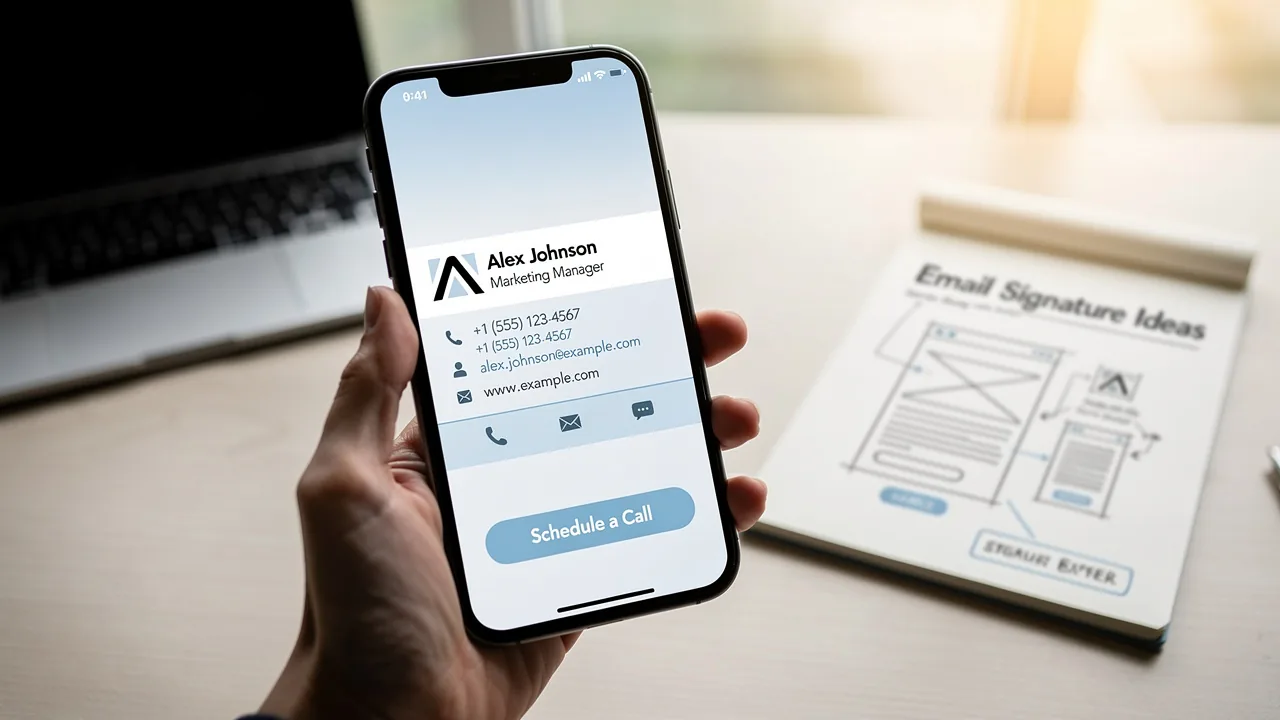
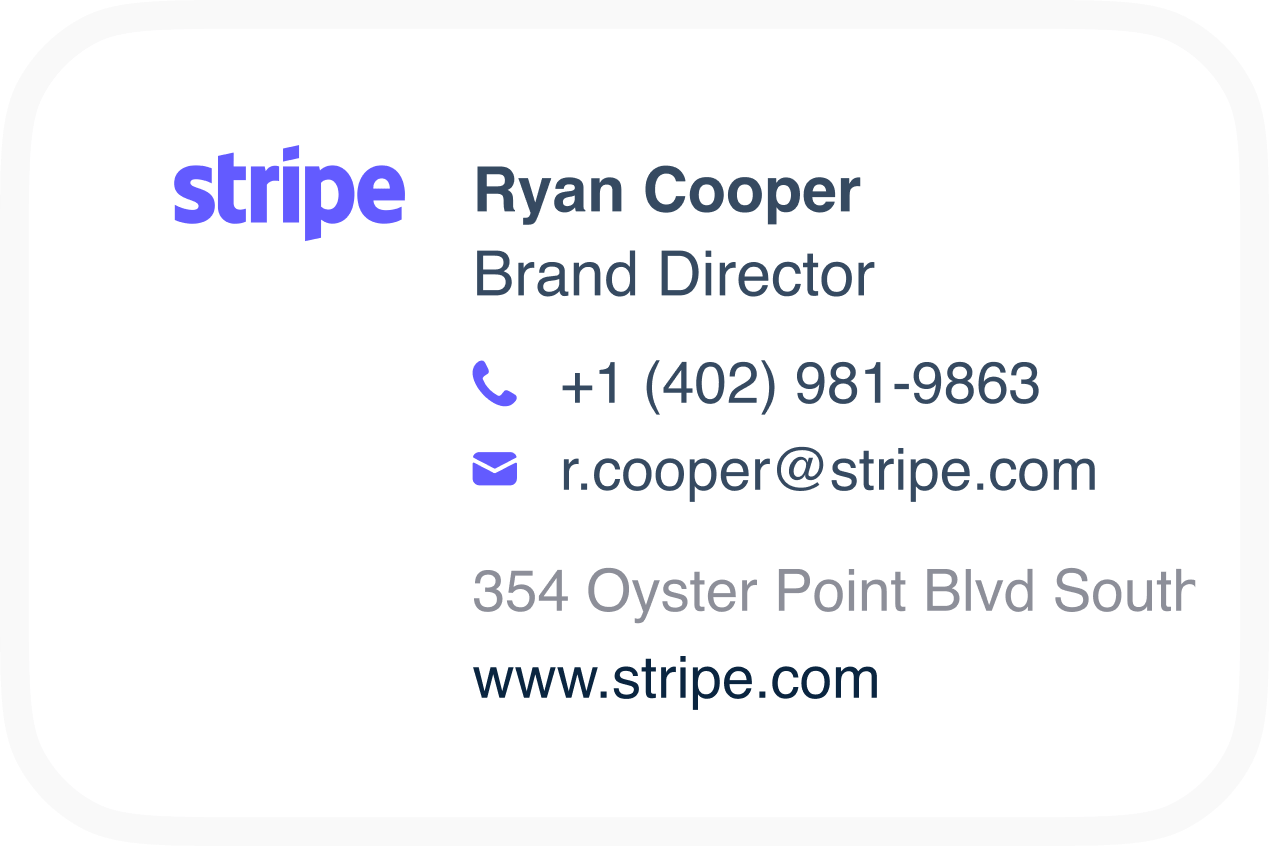
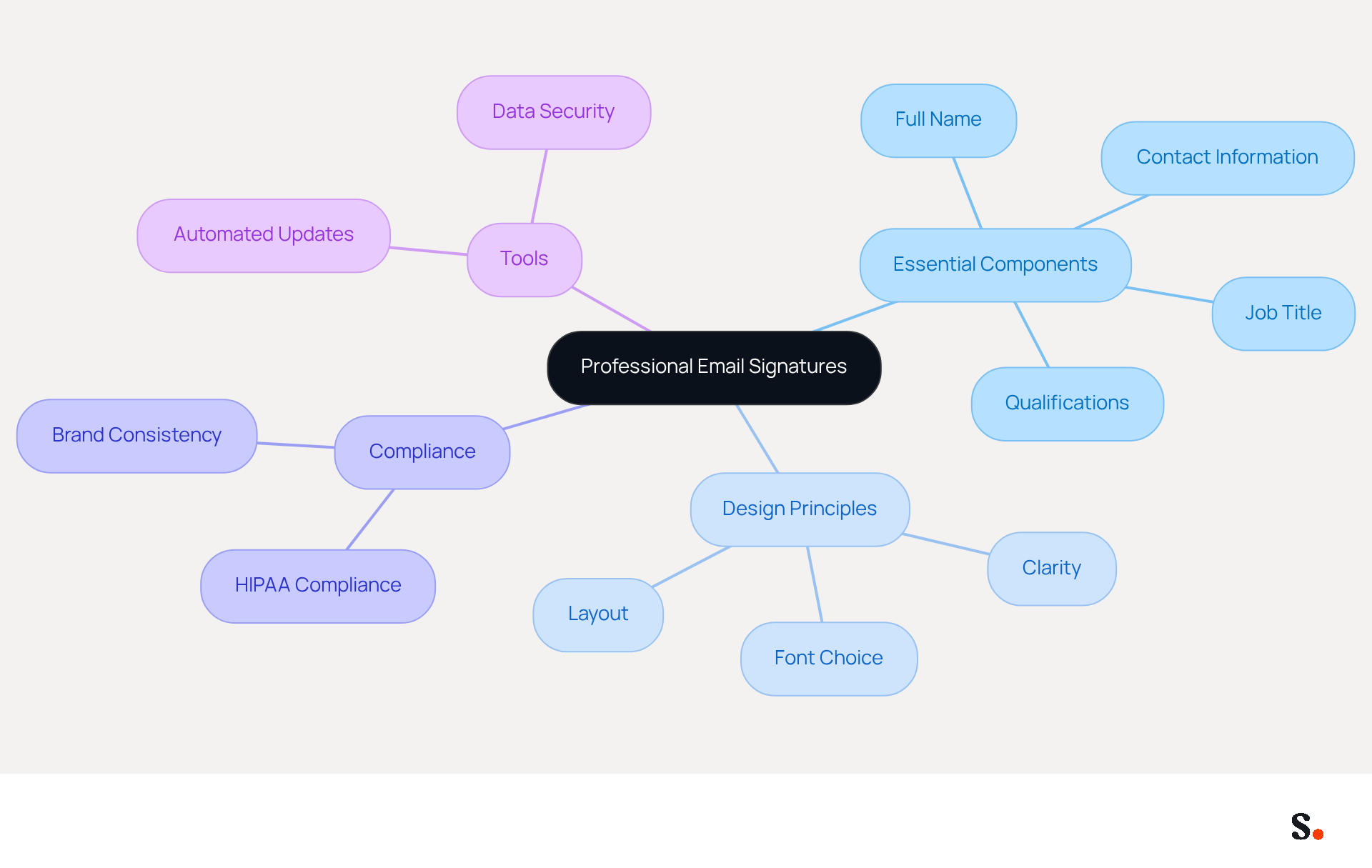
A professional email footer for doctors must prioritize clarity and readability to establish credibility and facilitate effective communication. Essential components include the full name, medical qualifications, job title, and contact information. For example, a well-structured designation could read: Dr. Jane Smith, MD, Family Medicine | (555) 123-4567 | jane.smith@hospital.com.
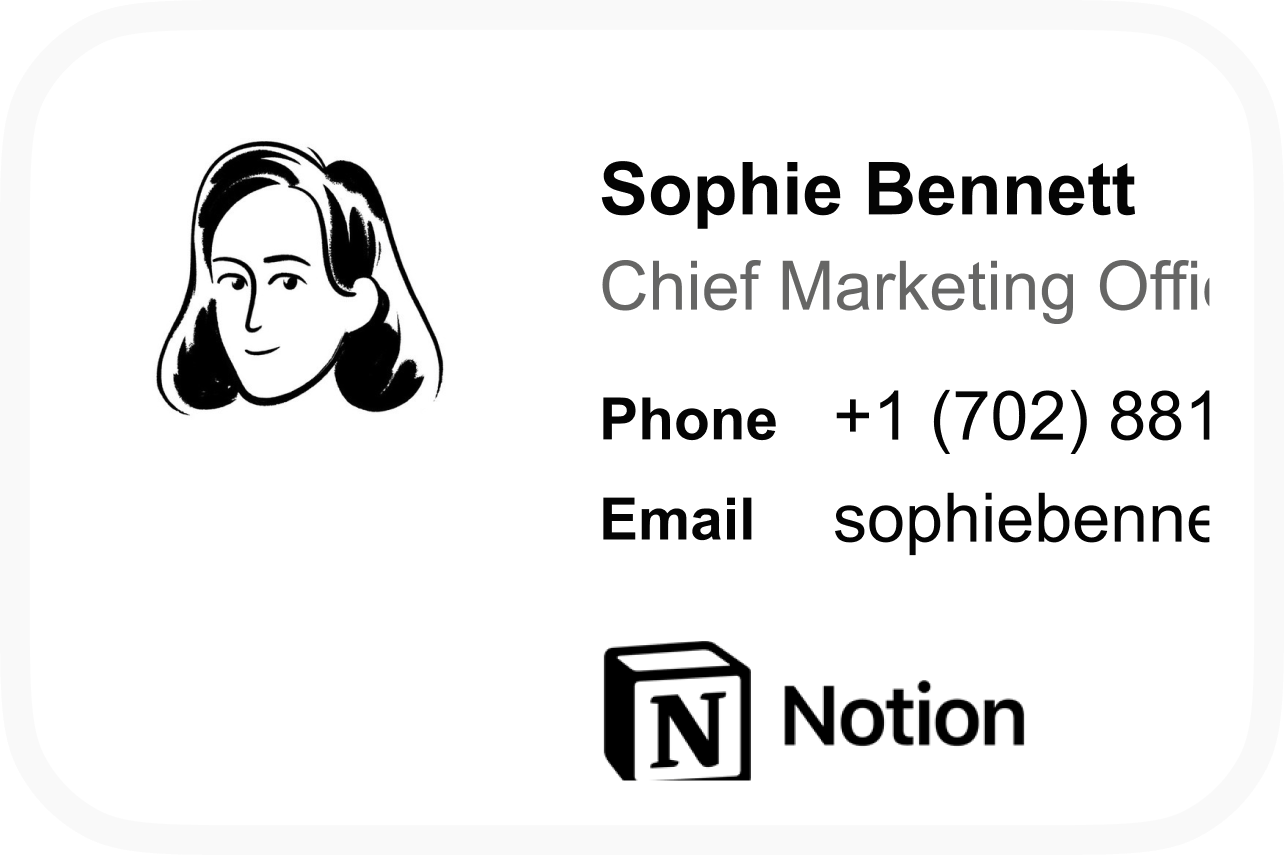
Adding a professional photo enhances approachability, helping to create a personal connection with patients. The layout should remain clean and uncluttered, avoiding excessive information that may distract from key details. Utilizing a simple, professional font and maintaining consistent sizing across all elements will significantly improve the overall appearance.
Studies indicate that a well-organized contact information block significantly boosts professional credibility and enhances patient communication. Additionally, it is essential to ensure HIPAA compliance by avoiding sensitive identifiers and maintaining a professional tone. Standardizing communication formats across the practice not only enhances brand consistency but also reinforces a unified image in interactions.
This tool makes handling approvals straightforward and efficient. The platform enables automated updates, ensuring that any modifications made to your business phone system or Calendly configuration are instantly reflected in your email footers. The tool automatically populates your teammates' initials using your business phone system as a data source, conserving time and ensuring that your initials are consistently current. Furthermore, Scribe's SOC 2 Type II compliance ensures that your data is handled securely, providing peace of mind as you communicate with patients.
By following these design principles and steering clear of common mistakes, such as including personal quotes or excessive credentials, doctors can ensure their marks are not only informative but also visually appealing, ultimately contributing to a more professional image in their communications.
Utilize Automation for Consistent Signature Management
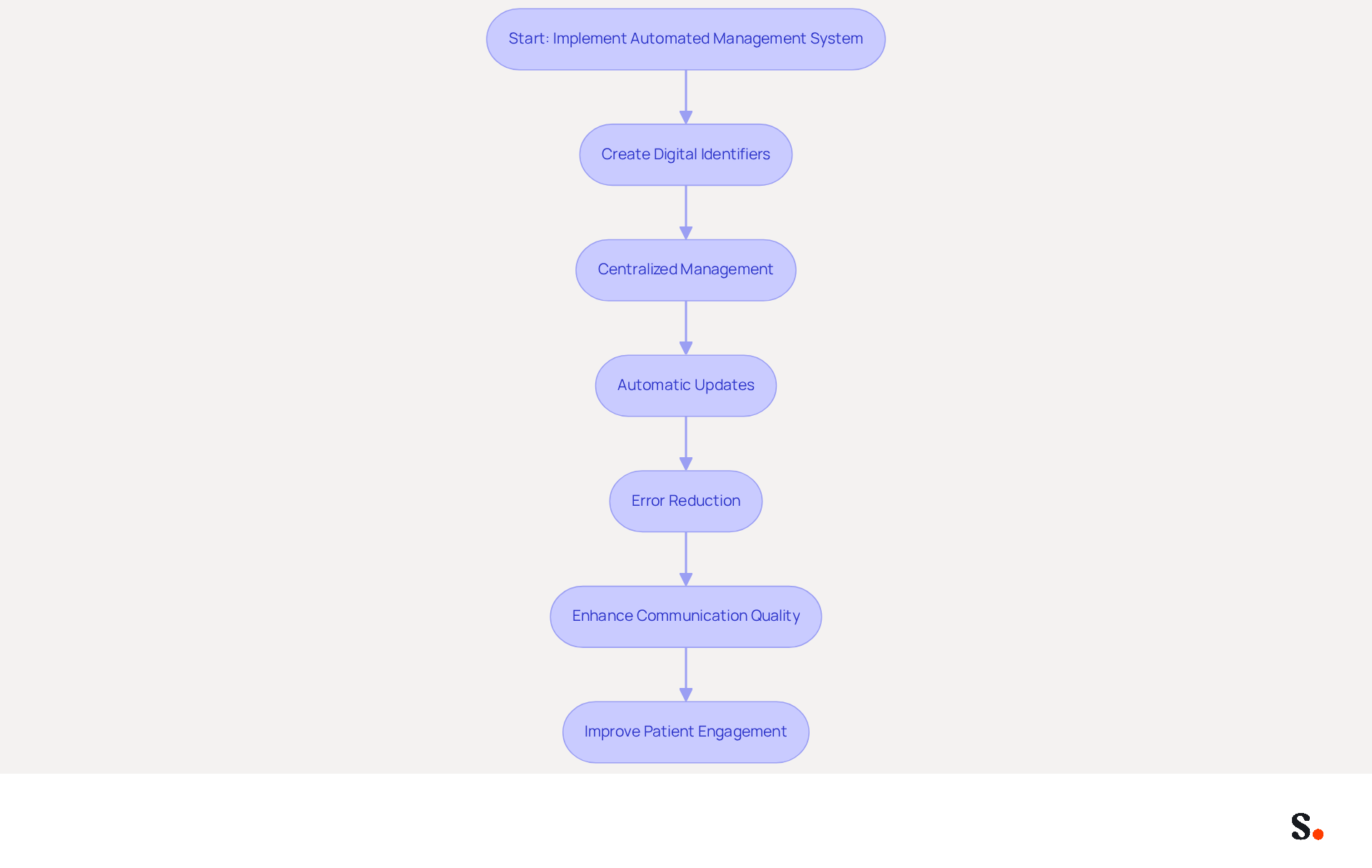
An automated management system for personal identifiers is essential for enhancing consistency and efficiency in medical practices. With Scribe, practices can create and manage digital identifiers for all staff members from a centralized platform. This ensures that any updates, such as changes in contact information or branding elements, are applied universally without requiring manual adjustments. Manual updates often lead to errors, which can compromise communication quality, while automation ensures every email reflects the most current information. For instance, if a doctor changes their phone number, the automated system updates the doctor signature example across all signatures instantly, saving time and maintaining a professional image in all communications.
Moreover, Scribe's SOC 2 Type II compliance guarantees that your data is managed securely, while its automated synchronization features with business phone systems offer real-time updates, improving brand consistency and adherence to data management requirements. Additionally, Scribe is GDPR compliant and offers SAML single sign-on integration, making it easier for employees to access the platform securely.
Statistics indicate that branded digital identifiers can increase trust in the sender by 76%, while 69% of consumers view a consistent professional identity as essential. These figures underscore the importance of maintaining a unified brand presence in healthcare communications. Furthermore, healthcare organizations that employ automated communication tools can enhance patient engagement and improve care outcomes by ensuring timely correspondence.
Case studies illustrate the efficiency of automated communication management. For instance, centralized management of digital identifiers enables healthcare organizations to convey important messages, such as appointment reminders or public health initiatives, effectively. This ability not only boosts engagement but also raises awareness among both patients and staff, demonstrating how Scribe can enhance communication efficiency in medical practices. Ultimately, adopting Scribe can redefine how medical practices manage their communications, leading to improved patient trust and engagement.
Ensure Compliance and Security in Signature Practices
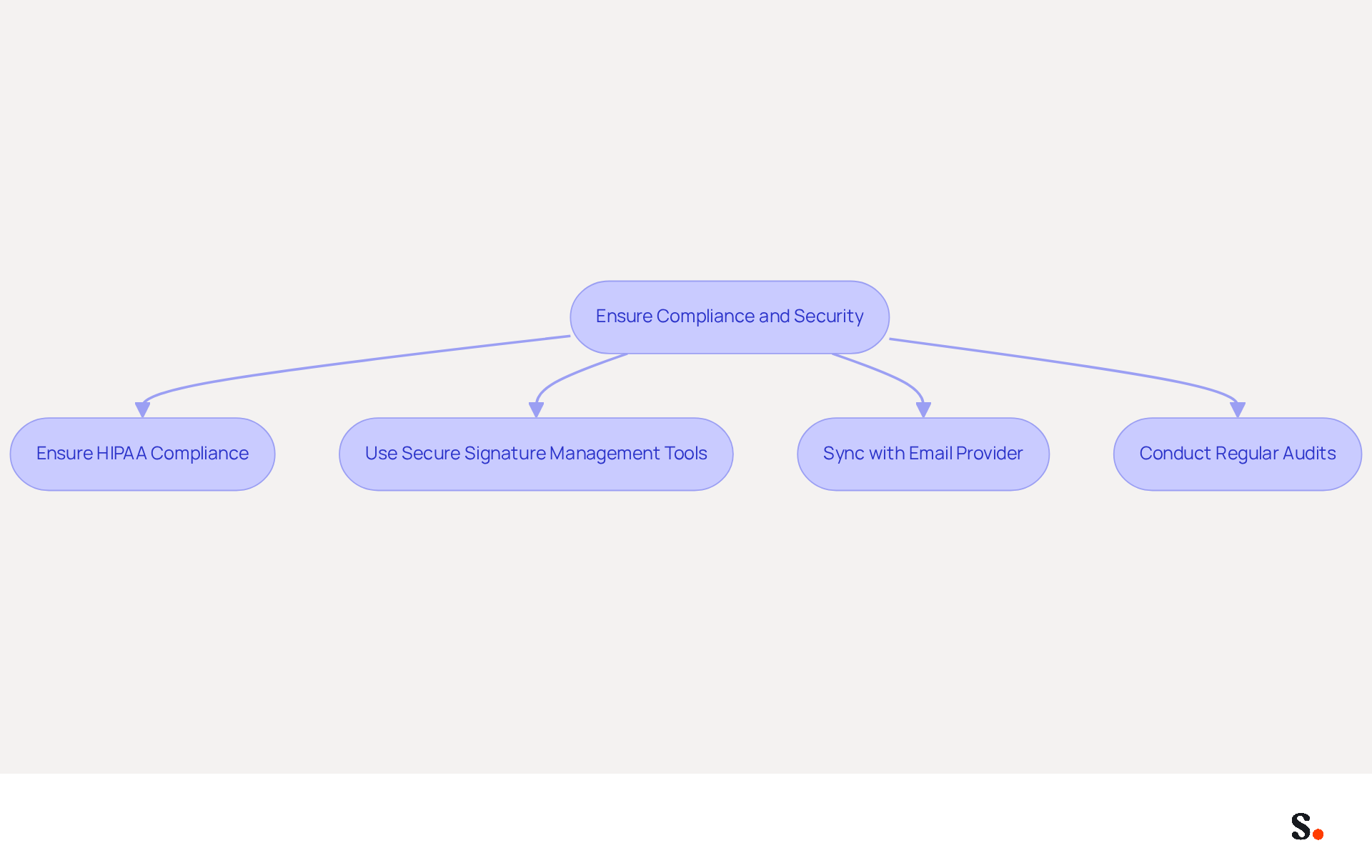
In the healthcare sector, ensuring compliance with regulations like HIPAA is not just important; it is essential for protecting patient information. Physicians must ensure their marks do not inadvertently disclose sensitive patient information, which includes avoiding personal patient details or any data that could compromise confidentiality.
Statistics reveal that in 2025, there were 170 email-related HIPAA breaches affecting over 2.5 million individuals, underscoring the risks associated with non-compliance. Secure signature management tools are essential for protecting against unauthorized access and ensuring encrypted communications.
To enable one-click synchronization, grant the application permission to connect with your email provider, which requires Super Admin access. By syncing Google Workspace with the platform, medical professionals can save time as their teammates' data is automatically updated, reflecting any changes in real-time without manual input. This streamlined process enhances branding while maintaining security compliance, as Scribe is SOC 2 Type II certified.
Conducting regular audits of email signatures is vital for spotting compliance issues and fixing them quickly. By focusing on compliance and security, healthcare professionals can not only protect their practice but also foster stronger relationships with their patients.
Conclusion
In the competitive healthcare landscape, a professional email signature is not just an accessory; it's a necessity for establishing trust and credibility. When healthcare professionals prioritize brand identity, clarity, automation, and compliance, they can craft signatures that boost communication and strengthen their practice's image. Utilizing tools like Scribe allows for seamless management of these signatures, ensuring that every detail aligns with the practice's branding while maintaining security and compliance.
Key insights from this article highlight the importance of:
- Defining a cohesive brand identity
- Designing clear and professional signatures
- Leveraging automation for consistency
- Adhering to compliance standards
Each of these elements plays a critical role in fostering patient trust and engagement. For instance, Scribe's automated updates and SOC 2 Type II compliance provide peace of mind while ensuring that all communications reflect the most current and accurate information.
In a landscape where effective communication is crucial, implementing best practices for email signatures can transform patient relationships and drive practice success. By prioritizing brand consistency and utilizing advanced tools for signature management, medical professionals can enhance their communication strategies, ultimately leading to improved patient trust and engagement. Ultimately, these practices not only protect sensitive information but also elevate the practice's standing as a trusted authority in healthcare.
Frequently Asked Questions
Why is defining a clear brand identity important for medical practices?
Defining a clear brand identity is crucial for medical practices as it establishes trust and professionalism, enhances recognition, and conveys reliability to patients.
What elements should be considered when creating a brand identity for a medical practice?
Key elements include choosing logos, colors, and fonts that reflect the medical practice, as well as incorporating elements that represent the medical specialty to make the identity relatable to patients.
How does consistency in branding affect patient trust?
Consistency in branding fosters a professional appearance, which enhances patient trust and engagement by reinforcing the practice's image and reliability.
What role does Scribe play in managing brand identity for medical practices?
Scribe centralizes the management of digital signatures, ensuring that all identifiers are automatically refreshed and synced with branding elements, reducing errors and enhancing brand integrity.
How does Scribe ensure data security for medical practices?
Scribe is SOC 2 Type II compliant, which ensures that data is managed securely, providing peace of mind when handling digital identifiers.
What common pitfalls should medical practices avoid when defining their brand identity?
Common pitfalls include using inconsistent logos or colors that do not align with the brand, which can confuse patients and erode their trust.
How can leveraging Scribe's automated management of digital signatures benefit medical practices?
Leveraging Scribe's automated management can enhance communications and build stronger relationships with patients by ensuring a cohesive brand identity.
List of Sources
- Define Brand Identity for Signature Design
- Division of Marketing and Communications updates Clemson University’s brand standards (https://news.clemson.edu/division-of-marketing-and-communications-updates-clemson-universitys-brand-standards)
- Branding Statistics: Surprising Numbers and Why Branding Matters (https://brandedagency.com/blog/branding-by-the-numbers-surprising-stats-and-why-branding-is-the-secret-to-success)
- Online Public Health Degrees (https://publichealth.tulane.edu/public-health/blog/healthcare-marketing)
- 29 Healthcare Marketing Statistics To Know for 2024 | NYTLicensing (https://nytlicensing.com/latest/trends/healthcare-marketing-stats)
- The impact of email signatures on your branding (https://signitic.com/en/resources/the-impact-of-email-signatures-on-your-branding)
- Design Clear and Professional Signatures
- Email Signatures for Doctors and Physicians | Email Signature Rescue Blog (https://emailsignaturerescue.com/blog/email-signatures-for-doctors-and-physicians)
- Resolve to clean up your email signature (https://pennstatehealthnews.org/topics/resolve-to-clean-up-your-email-signature)
- WiseStamp's "In The Eyes of The Customer" Report Reveals that Branded Email Signatures Receive Double the Total Fixations of Unbranded Email Signatures (https://prnewswire.com/news-releases/wisestamps-in-the-eyes-of-the-customer-report-reveals-that-branded-email-signatures-receive-double-the-total-fixations-of-unbranded-email-signatures-302823803.html)
- Johns Hopkins Medicine - Email Signature Creator (https://brand.hopkinsmedicine.org/brand/design-standards/email-signature-creator)
- Email Signature for Doctors: Templates, Credentials & Confidentiality Best Practices (https://syncsignature.com/blog/email-signature-for-doctors)
- Utilize Automation for Consistent Signature Management
- 4 Best Practices for Your Company Email Signature Strategy (https://scribe-mail.com/en-US/blog/4-best-practices-for-your-company-email-signature-strategy)
- Email Signature Management for Healthcare: A Complete Guide (https://exclaimer.com/email-signature-handbook/email-signature-management-for-healthcare)
- Healthcare email signature management | Rocketseed (https://rocketseed.com/email-signature-marketing-for-healthcare)
- Automated Healthcare Emails: Best Practices 2024 (https://cured.health/resources/how-to-craft-better-healthcare-automated-emails)
- Ensure Compliance and Security in Signature Practices
- How to Ensure Email Signature Compliance for Medical Services (https://wisestamp.com/guides/how-to-ensure-email-signature-compliance-for-medical-services)
- Complete HIPAA Email Compliance Guide for Healthcare Practices (https://bluetie.com/hipaa-email-compliance-guide-for-healthcare-practices)
- Email Signature Management for Healthcare: A Complete Guide (https://exclaimer.com/email-signature-handbook/email-signature-management-for-healthcare)
- Healthcare Under Siege: Your Email Security Needs a New Strategy (https://ironscales.com/blog/healthcare-under-siege-your-email-security-needs-a-new-strategy)
- HIPAA Compliance for Email - Updated for 2026 (https://hipaajournal.com/hipaa-compliance-for-email)
Get started with Scribe
Build a professional email signature
Free 14-day trial — no credit card.