4 Best Practices to Optimize Your ATL Campaigns Effectively
Crafting successful Above The Line (ATL) campaigns presents a significant challenge for marketers, as creativity alone is insufficient for achieving impactful
Sophie Grant
Email Signature Specialist, Scribe

On this page
Introduction
Crafting successful Above The Line (ATL) campaigns presents a significant challenge for marketers, as creativity alone is insufficient for achieving impactful results. By focusing on key components such as:
- Clear objectives
- Audience understanding
- Effective messaging
marketers can significantly enhance their campaign effectiveness. Yet, many organizations find it difficult to translate creative ideas into tangible outcomes in a competitive market. This article explores best practices that can optimize ATL campaigns, integrating insights from over 10,000 marketing and IT teams using Scribe, to help professionals navigate this complex terrain. Without a strategic approach, organizations risk falling behind in a landscape where effective engagement is paramount.
Identify Key Components of Effective ATL Campaigns
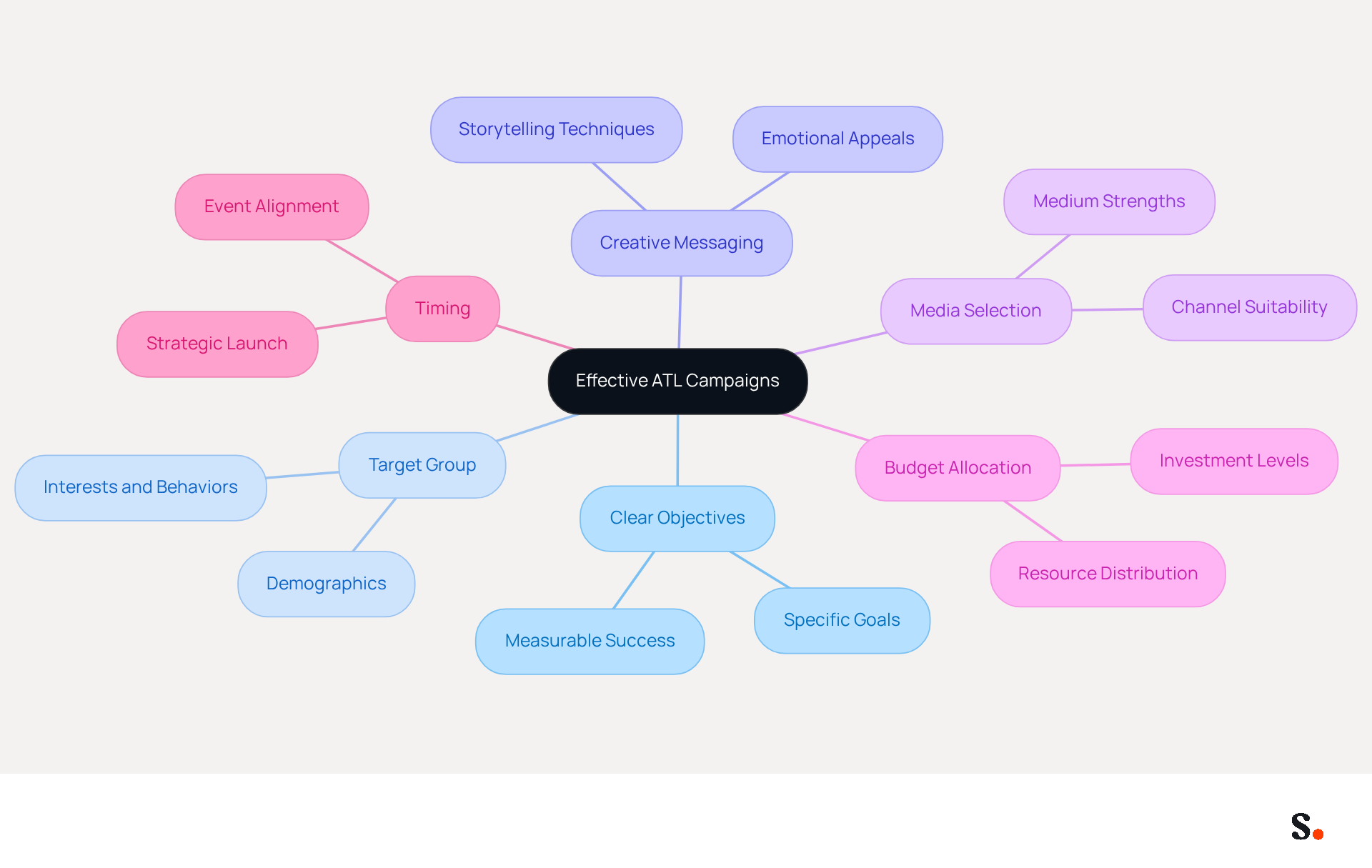
To achieve impactful ATL campaigns, identifying key components is crucial:
- Clear Objectives: Establish specific, measurable goals for your campaign, such as increasing brand awareness or driving traffic to your website. This clarity will direct your strategy and facilitate success measurement.
- Target Group: Understand who your target audience is and what resonates with them. This includes demographics, interests, and behaviors that can influence how you craft your messaging.
- Creative Messaging: Develop compelling and memorable messages that capture attention. Utilize storytelling techniques and emotional appeals to create a connection with your listeners.
- Media Selection: Choose the right channels for your initiative, such as television, radio, or print, based on where your target audience is most likely to engage. Each medium has its strengths and can impact the effectiveness of your message.
- Budget Allocation: Determine how much you are willing to invest in your ATL initiative. Allocate resources wisely to ensure maximum reach and impact.
- Timing: Plan your launch strategically to coincide with relevant events or seasons that can enhance visibility and engagement.
By concentrating on these elements, marketers can develop strong ATL campaigns that effectively connect with their target group and achieve desired results. Focusing on these elements not only enhances campaign effectiveness but also fosters deeper connections with your audience.
Understand Your Target Audience for Tailored Messaging
Understanding your target demographic is essential for success in creating impactful ATL campaigns. Here are key steps to achieve this:
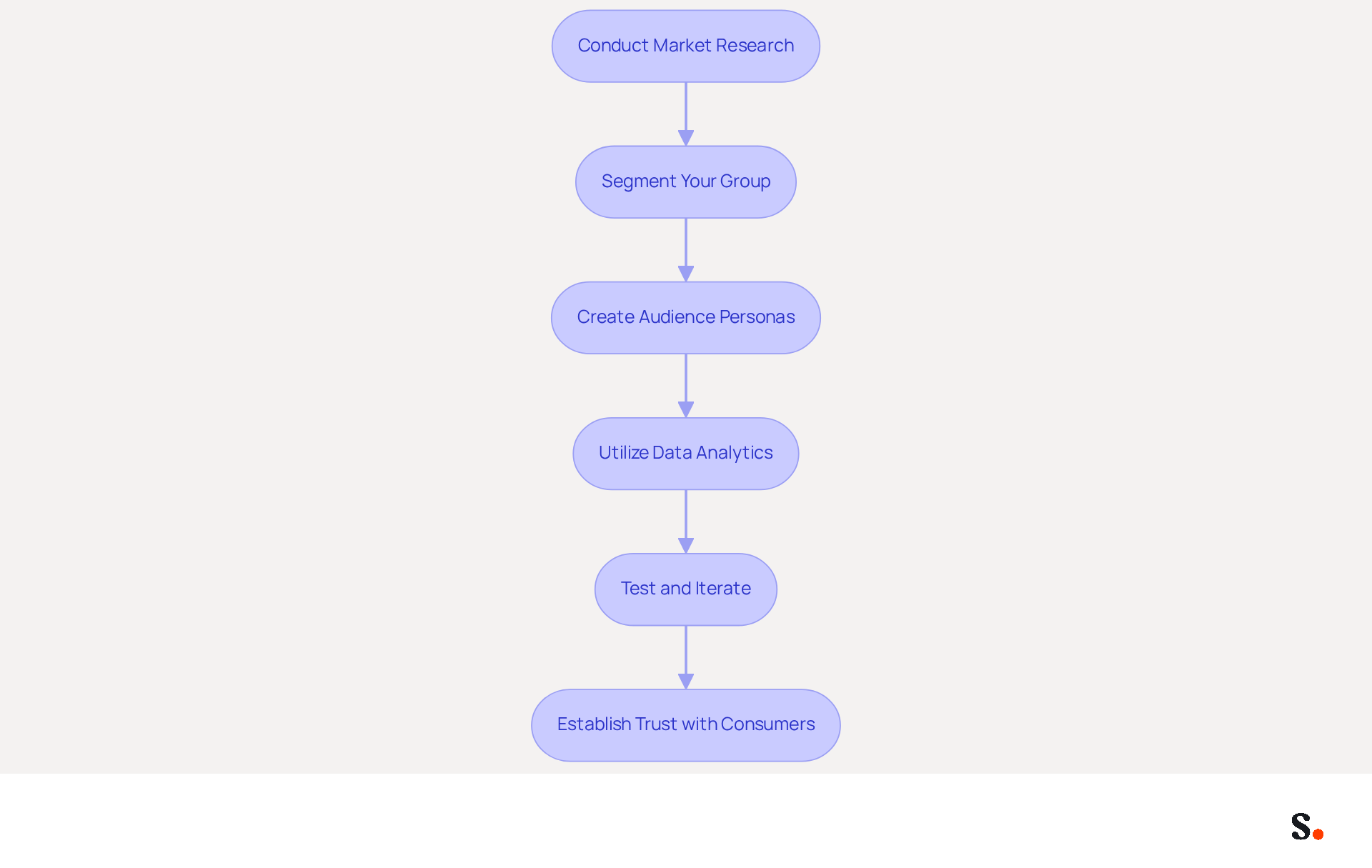
- Conduct Market Research: Utilize surveys, focus groups, and analytics tools to gather data on your target's preferences, behaviors, and pain points. This foundational information will guide your messaging strategy and ensure it resonates with your target group.
- Segment Your Group: Divide your group into distinct segments based on shared characteristics such as demographics, interests, and behaviors. Effective segmentation in ATL campaigns allows for targeted messaging that directly addresses the unique needs and interests of each group, enhancing engagement. Neasa Schukat emphasizes that effectively reaching your target group in 2026 is a systematic process that improves with each iteration.
- Create Audience Personas: Develop detailed profiles of your ideal customers, incorporating demographics, motivations, and pain points. These personas act as a guide throughout the creative process, ensuring that your ATL campaigns align with the expectations and preferences of your target group. A study by the Content Marketing Institute indicates that companies employing buyer personas experience a 60% increase in profitability, emphasizing their significance in marketing approaches.
- Utilize Data Analytics: Leverage analytics tools like Google Analytics (GA4) to track audience engagement and behavior. This data provides insights into which types of content and messaging are most effective, allowing for data-driven decision-making. In 2026, innovative organizations will operate continuous, real-time feedback systems to improve their marketing approaches.
- Test and Iterate: Implement A/B testing to evaluate different messaging strategies and refine your approach based on performance metrics. Continuous testing facilitates optimization and enhanced outcomes, ensuring that your initiatives remain relevant and effective.
Without a clear understanding of your target demographic, crafting effective messaging becomes a daunting task. Furthermore, as privacy-first marketing gains significance, incorporating consent-based data collection methods will help establish trust with your consumers. Ultimately, organizations that prioritize audience insights will forge deeper connections with consumers, leading to sustained growth and loyalty.
Measure and Optimize Campaign Performance for Continuous Improvement
To achieve success in your ATL campaigns, it is crucial to continuously measure and optimize performance. Here are key practices to implement:
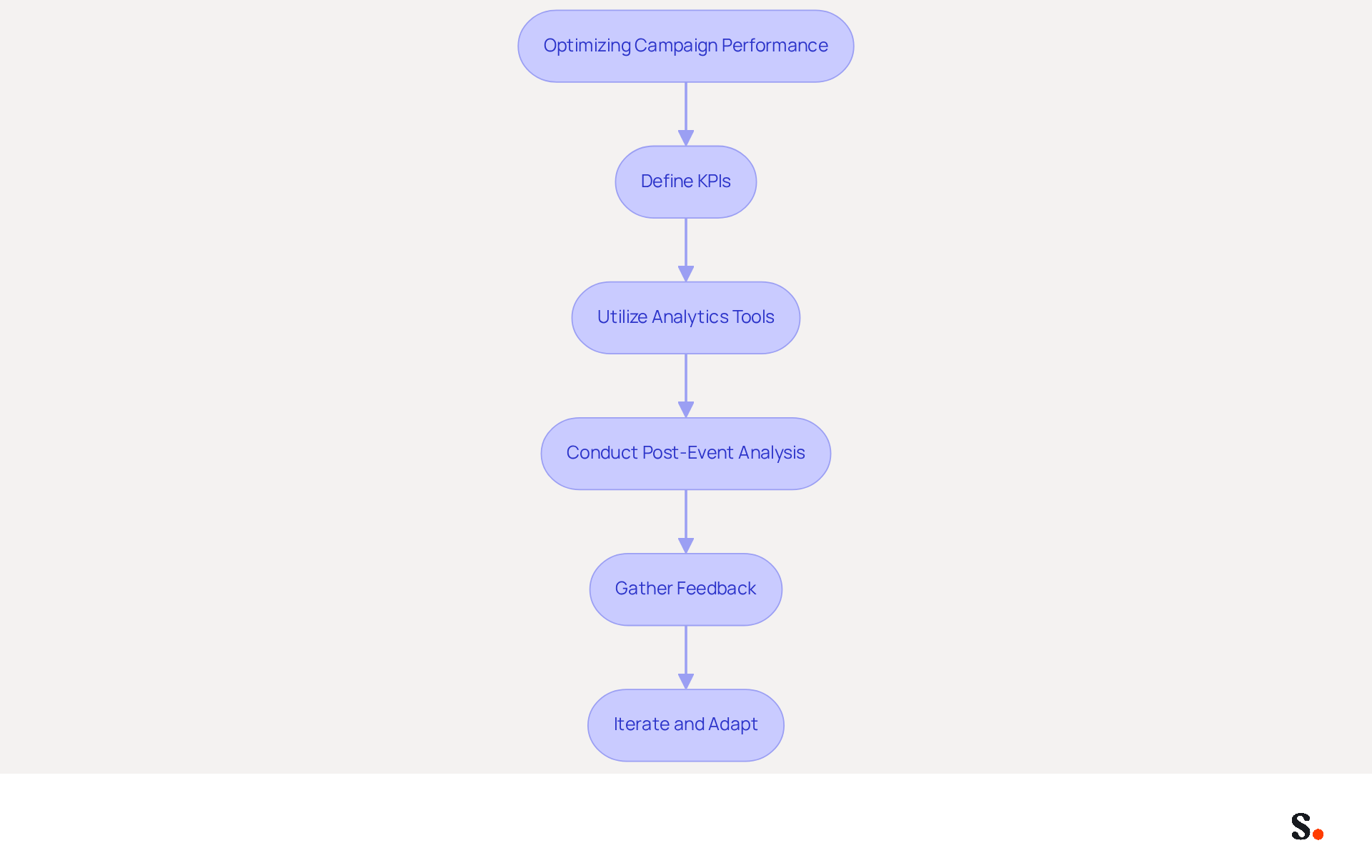
- Define Key Performance Indicators (KPIs): Establish KPIs that align with your objectives, such as reach, impressions, brand recall, and engagement rates. These metrics are essential for assessing the effectiveness of your initiative. For example, concentrating on actionable metrics such as customer acquisition cost (CAC) and conversion rates can offer deeper insights into performance. WSI highlights that keeping a profitable LTV-CAC ratio is essential for grasping customer value.
- Utilize Analytics Tools: Make sure to use analytics platforms to keep an eye on how your initiatives are performing in real-time. Tools like Google Analytics and social media insights offer valuable data on audience engagement and behavior, enabling marketers to make informed decisions. In 2026, leveraging advanced analytics will be vital for understanding the impact of various marketing tactics on sales and performance metrics. The adoption of real-time data analytics enables marketers to swiftly modify strategies based on emerging trends and consumer behaviors.
- Conduct Post-Event Analysis: After the initiative concludes, analyze the data to assess what worked and what didn’t. Look for patterns in audience engagement and identify successful elements that can be replicated in future initiatives. This practice aligns with the need for businesses to audit historical results to inform future strategies, ensuring continuous improvement. As emphasized in a case analysis, reviewing previous initiatives can significantly improve future planning and execution.
- Gather Feedback: Collect feedback from your audience through surveys or social media interactions. Understanding their perceptions can provide insights into how your initiative was received and highlight areas for improvement. Implementing feedback loops between marketing and sales can enhance the overall effectiveness of initiatives, as WSI points out, using specific metrics can significantly enhance decision-making and strategy refinement.
- Iterate and Adapt: Use the insights gained from your analysis to refine your strategies for future initiatives. Continuous improvement is key to staying relevant and effective in your marketing efforts. Without continuous improvement, marketers risk falling behind in a rapidly changing landscape. Failing to integrate measurement frameworks can lead to missed opportunities for demonstrating marketing effectiveness.
By implementing these practices, marketers can ensure that their ATL campaigns are not only effective but also continuously evolving to meet audience needs. This proactive approach not only enhances marketing effectiveness but also ensures alignment with evolving audience expectations.
Integrate ATL Campaigns with Digital Marketing Strategies
Integrating ATL campaigns with digital marketing strategies is crucial for maximizing effectiveness. Here are key steps to achieve this:
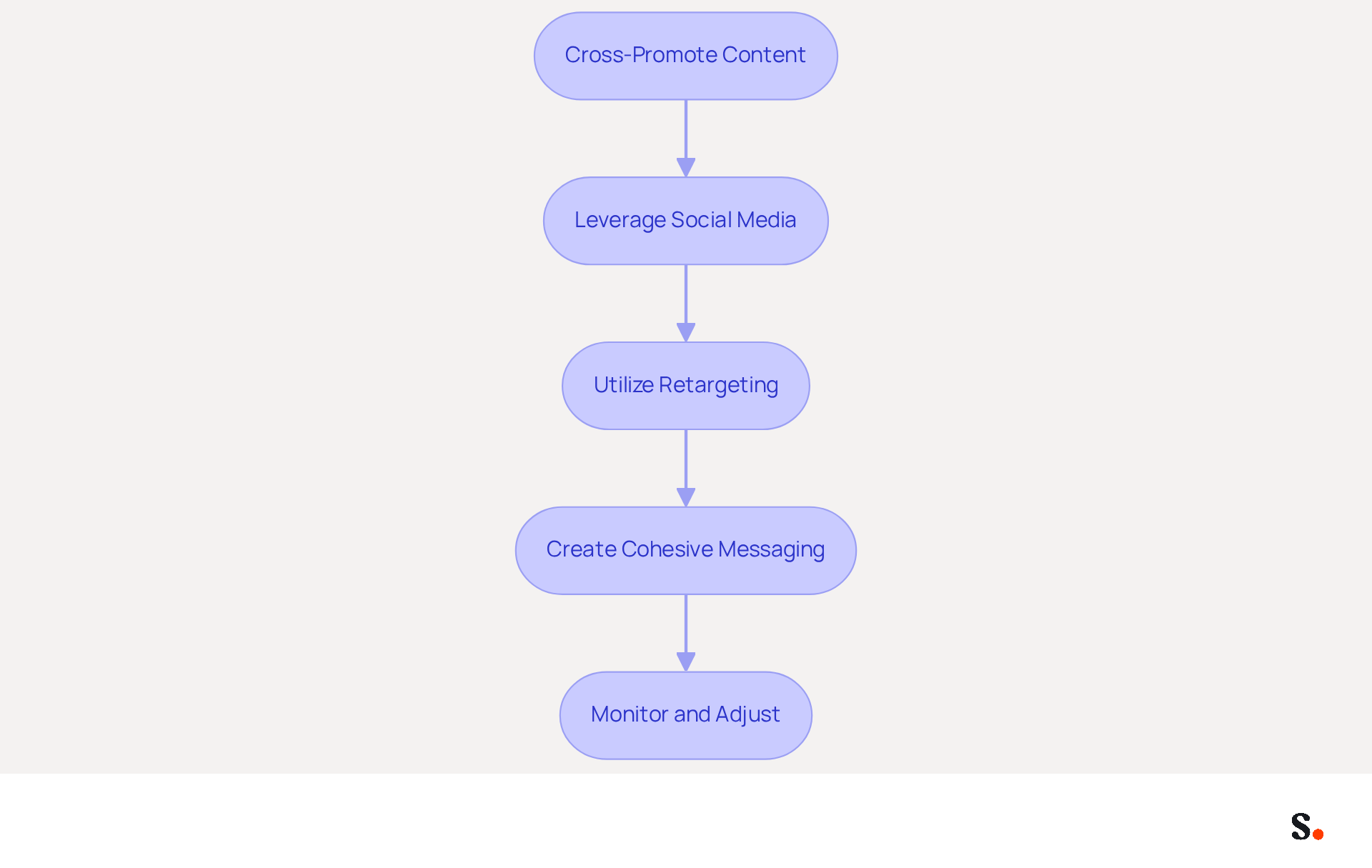
- Cross-Promote Content: Utilize your ATL initiatives to drive traffic to your digital platforms. Incorporate QR codes or URLs in your advertisements that link to landing pages or social media profiles, facilitating seamless transitions for consumers.
- Leverage Social Media: Amplify your ATL messaging through social media channels. Distribute content for your initiative, interact with your followers, and promote user-generated material to improve reach and engagement. This method broadens visibility and encourages community engagement.
- Utilize Retargeting: Implement retargeting strategies to reach users who engaged with your ATL initiatives online. This technique reinforces your message and drives conversions by reminding potential customers of your offerings.
- Create Cohesive Messaging: Ensure that your messaging is consistent across both ATL and digital channels. A unified voice strengthens brand recognition and builds trust with your audience, making it easier for them to connect with your brand.
- Monitor and Adjust: Continuously track the performance of both ATL and digital initiatives. Utilize insights from one channel to guide approaches in the other, creating a feedback loop that enhances overall effectiveness. Regular reviews allow for timely adjustments, ensuring that your marketing efforts remain aligned with consumer behavior.
By integrating ATL campaigns with digital marketing methods, marketers can develop a comprehensive strategy that boosts brand visibility and engagement. Research shows that 95% of marketers believe integrating marketing channels leads to better targeting of the right audience at the right time, highlighting the importance of a cohesive marketing strategy in today’s landscape. For instance, the Heinz 'Look Familiar?' campaign effectively utilized both ATL and digital channels to enhance brand recognition and consumer affinity, demonstrating the tangible benefits of such integration. Without this integration, brands risk diminishing their visibility and engagement in a competitive landscape.
Conclusion
Creating impactful Above The Line (ATL) campaigns is a complex challenge that demands strategic insight and audience understanding. Crafting effective ATL campaigns requires a strategic approach that encompasses:
- Understanding your audience
- Setting clear objectives
- Continuously optimizing performance
Focusing on these core elements helps marketers create campaigns that resonate with their target audience and drive measurable results.
Key practices discussed include:
- Identifying the essential components of ATL campaigns, such as creative messaging and appropriate media selection
- The importance of audience analysis for tailored messaging
- Measuring campaign performance through defined KPIs
- Utilizing analytics tools to adjust strategies for continued success
Integrating ATL efforts with digital marketing strategies further enhances visibility and engagement, creating a cohesive approach that maximizes impact.
Ultimately, the success of ATL campaigns hinges on a commitment to continuous improvement and audience understanding. Adopting these strategies not only enhances campaign effectiveness but also positions brands for sustained relevance in a dynamic market. By implementing these best practices, marketers can achieve their campaign goals and build lasting connections with their audience, ensuring their brand remains impactful in a competitive landscape.
Frequently Asked Questions
What are the key components of effective ATL campaigns?
The key components of effective ATL campaigns include clear objectives, understanding the target group, creative messaging, media selection, budget allocation, and timing.
Why are clear objectives important in ATL campaigns?
Clear objectives are important because they establish specific, measurable goals for the campaign, such as increasing brand awareness or driving traffic to a website, which directs strategy and facilitates success measurement.
How can understanding the target group enhance an ATL campaign?
Understanding the target group helps marketers identify demographics, interests, and behaviors that resonate with the audience, allowing for more tailored and effective messaging.
What role does creative messaging play in ATL campaigns?
Creative messaging plays a crucial role by developing compelling and memorable messages that capture attention, often utilizing storytelling techniques and emotional appeals to connect with listeners.
How should media selection be approached in ATL campaigns?
Media selection should be approached by choosing the right channels, such as television, radio, or print, based on where the target audience is most likely to engage, as each medium has its strengths.
Why is budget allocation significant for ATL initiatives?
Budget allocation is significant because it determines how much can be invested in the ATL initiative, and allocating resources wisely ensures maximum reach and impact.
What is the importance of timing in launching ATL campaigns?
Timing is important because planning the launch to coincide with relevant events or seasons can enhance visibility and engagement, making the campaign more effective.
List of Sources
- Identify Key Components of Effective ATL Campaigns
- 2026 Marketing Strategy: What Brands Should Prioritize This Year (https://mandr-group.com/2026-marketing-strategy-what-brands-should-prioritize-this-year)
- April 2026 Marketing News: Key Trends and Insights (https://seafoammedia.com/april-2026-marketing-news)
- Your 2026 Marketing Strategy Edge: Email, Education, And Authenticity (https://forbes.com/sites/lilianraji/2025/12/31/your-2026-marketing-strategy-edge-email-education-and-authenticity)
- 23 Marketing Statistics To Drive Your Strategy | NYTLicensing (https://nytlicensing.com/latest/trends/marketing-statistics-drive-your-strategy)
- 2026 Marketing Trends: What’s Next and How to Stay Ahead (https://rizco.com/2026-marketing-trends-future-strategy)
- Understand Your Target Audience for Tailored Messaging
- Market Research Trends 2026 - Trends in Marketing Research & Insights (https://rivaltech.com/market-research-trends-2026)
- The 4 market research trends shaping 2026 (https://qualtrics.com/articles/strategy-research/market-research-trends)
- 35 Market Research Tools And Resources For 2026 | GWI (https://gwi.com/blog/market-research-tools)
- How to Find Your Brand’s Audience in 2026: A Guide (https://medium.com/creative-black-pug-studio/how-to-find-your-brands-audience-in-2026-a-guide-eafd55c2f1a1)
- 2026 Market Research & Insights Trends Report (https://fuelcycle.com/ebook/2026-market-research-insights-trends-report)
- Measure and Optimize Campaign Performance for Continuous Improvement
- 9 Best Practices for Campaign Optimization and Measurement (https://madisonlogic.com/blog/how-to-measure-and-optimize-campaigns)
- Performance Marketing Guide 2026: AI & Data-Driven Growth | Neogen Media (https://neogenmedia.com/blog/performance-marketing-complete-guide-2026)
- Best Practices for Measuring Campaign Performance (https://linkedin.com/top-content/marketing/measuring-marketing-success/best-practices-for-measuring-campaign-performance)
- Marketing Measurement in 2026: Strategies for Success - Kepler - The Future in Focus™ (https://keplergrp.com/expertise/marketing-measurement-in-2026-strategies-for-success)
- Digital Marketing Metrics To Track in 2026 (https://wsiworld.com/blog/marketing-metrics-that-matter-what-to-track-in-2026)
- Integrate ATL Campaigns with Digital Marketing Strategies
- Cross-channel marketing strategies for 2026: A practical guide for small teams | Criteo (https://criteo.com/blog/cross-channel-marketing-strategies-for-2026-a-practical-guide-for-small-teams)
- Creativity. Inspiration. Brand Brilliance. (https://famouscampaigns.com/2026/06/the-best-brand-campaigns-of-2026-so-far)
- 30 Cross-Channel Marketing Stats You Need to Know (https://iterable.com/blog/30-cross-channel-marketing-stats-you-need-to-know)
- The Most Important Digital Marketing Trends You Need to Know in 2026 | Digital Marketing Institute (https://digitalmarketinginstitute.com/blog/digital-marketing-trends-2026)
- 2026 Marketing Statistics, Trends, & Data (https://hubspot.com/marketing-statistics)
Get started with Scribe
Build a professional email signature
Free 14-day trial — no credit card.