Effective Ways to End an Email for Marketing Managers
The conclusion of an email often determines its overall impact, yet many marketing managers overlook its significance. Let’s explore effective strategies for
Sophie Grant
Email Signature Specialist, Scribe

Introduction
The conclusion of an email often determines its overall impact, yet many marketing managers overlook its significance. Let’s explore effective strategies for crafting email closures that enhance engagement and drive action. What strategies can marketing professionals use to ensure their email endings resonate and prompt responses, turning a simple sign-off into a compelling call to action?
Understand the Importance of Effective Email Closures
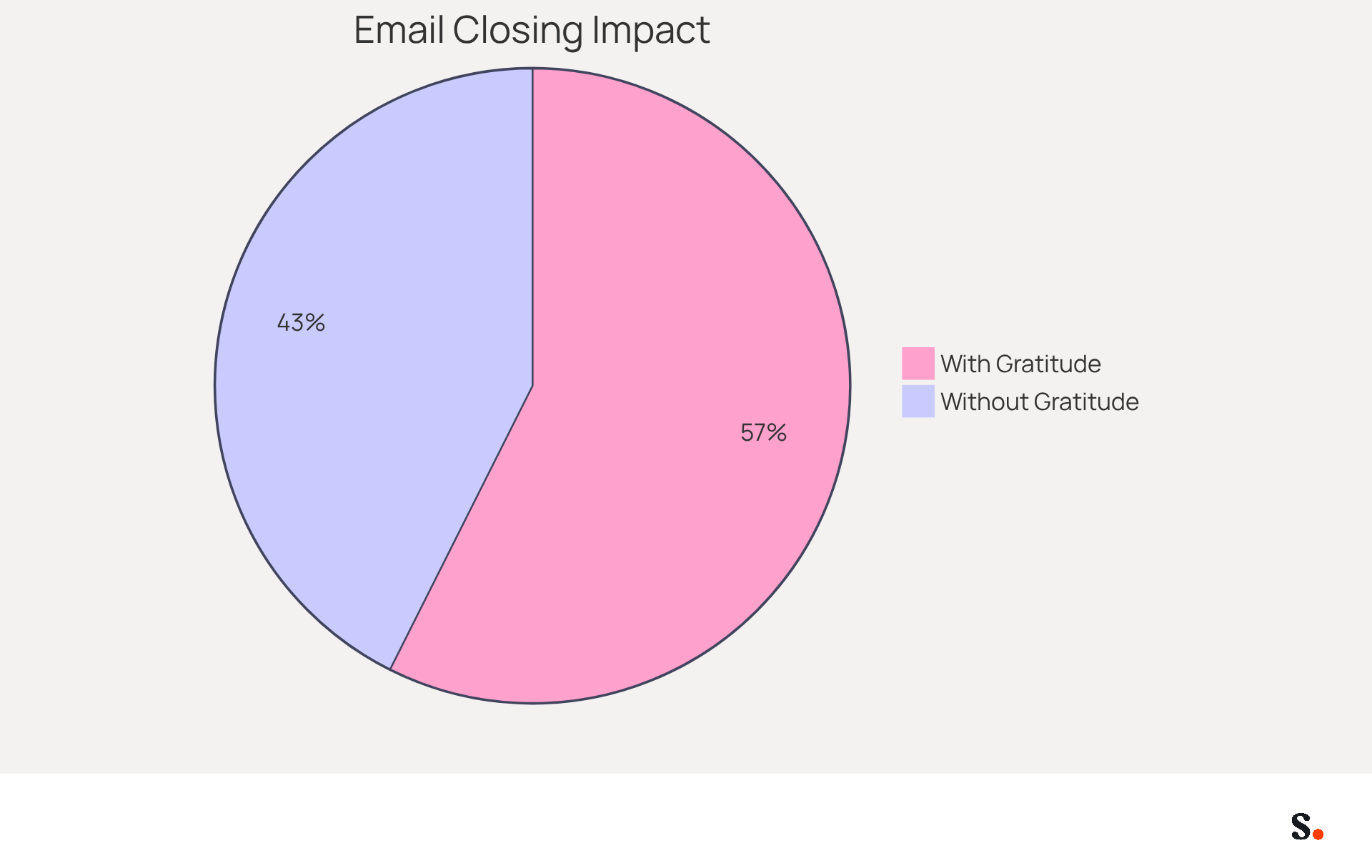
Effective conclusions in correspondence serve as crucial elements that directly influence recipient engagement and perception. A well-crafted conclusion reinforces the message's intent, leaving a lasting impression that enhances brand loyalty and trust. Data shows that emails that conclude with expressions of gratitude yield a response rate of 62%, in contrast to 46% for those that do not. This stark difference highlights how thoughtful conclusions can dramatically enhance engagement. Conclusions also offer an opportunity to reiterate key points and outline next steps, enhancing clarity and prompting action. Marketing managers must prioritize crafting conclusions that align with their brand voice and resonate with their audience to drive better campaign results.
Implement Proven Strategies for Email Closures
To maximize the effectiveness of email closures, marketing managers must implement strategic approaches that enhance engagement and response rates:
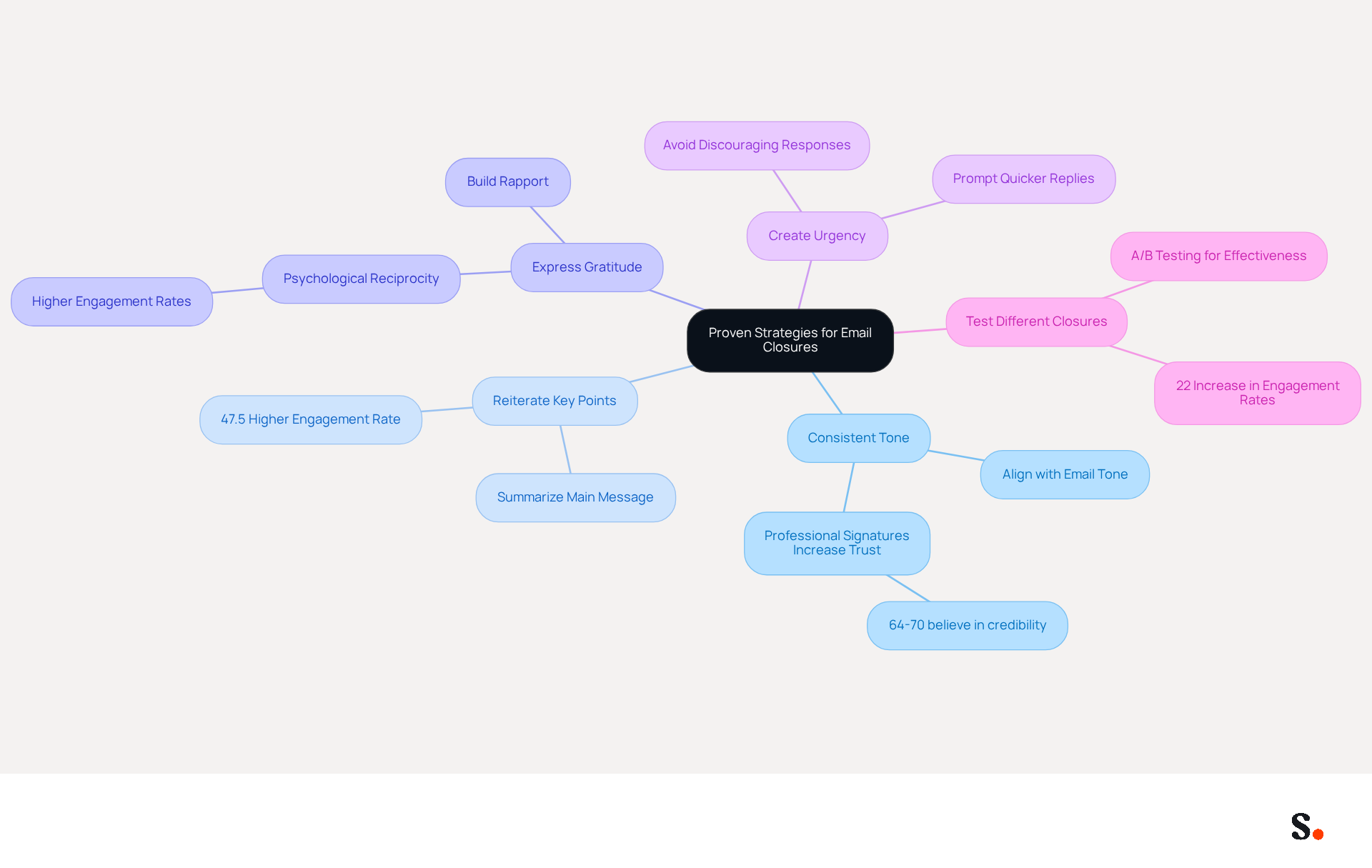
- Use a Consistent Tone: Ensure that the tone of your closure aligns with the overall tone of the email. For formal communications, opt for sign-offs like 'Sincerely' or 'Best regards.' In contrast, for more casual interactions, 'Cheers' or 'Thanks' may be appropriate. Consistency in tone is crucial, as 64-70% of respondents believe a professional branded signature increases trust and credibility. Professional signatures are often the last thing recipients see before they decide how to respond, making them crucial for effective communication.
- Reiterate Key Points: Briefly summarize the main message or action required from the individual. This reinforces the purpose of the email and clarifies expectations, making it easier for recipients to respond. Emails that incorporate effective ways to end an email achieve a 47.5% higher engagement rate, underscoring the importance of clear closing phrases.
- Express Gratitude: A simple 'Thank you for your time' can significantly enhance rapport and encourage a positive reaction. Research shows that emails containing expressions of gratitude, such as 'Thanks in advance,' experience higher engagement rates due to the psychological principle of reciprocity. This approach fosters goodwill and can lead to better engagement.
- Create Urgency: Phrases like 'Looking forward to your prompt reply' can instill a sense of urgency, prompting quicker replies. Without a sense of urgency, responses may lag, leading to missed opportunities. It's important to express urgency tactfully to avoid discouraging replies.
- Test Different Closures: Experiment with various sign-offs and closing lines to determine which resonate best with your audience. A/B testing can provide valuable insights into what works best for your specific context. Incorporating the statistic that branded signatures drive a 22% increase in engagement rates can further highlight the effectiveness of professional signatures in communications. Additionally, be mindful of common sign-off mistakes, such as being overly casual or having inaccurate contact details, to avoid pitfalls in your communications.
Ultimately, the right ways to end an email can transform a simple message into a compelling call to action, driving engagement and fostering relationships.
Personalize Your Email Endings for Greater Impact
Personalization in email sign-offs is crucial for enhancing engagement and response rates. Here are some effective ways to personalize your email endings:
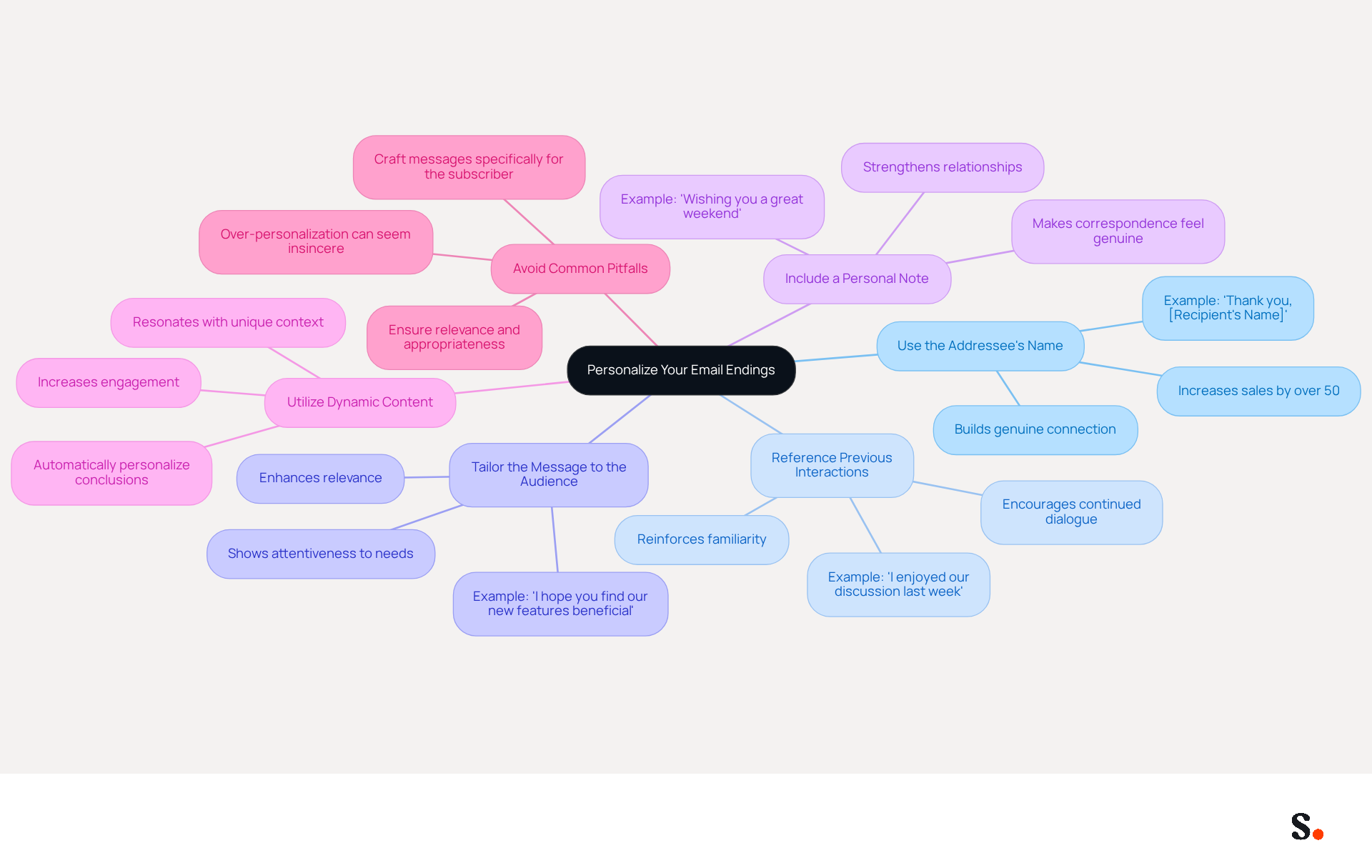
- Use the Addressee's Name: Addressing the recipient by name in the closure creates a personal touch. For example, 'Thank you, [Recipient's Name], for your attention to this matter.' This straightforward approach helps build a genuine connection and shows appreciation. Research indicates that personalized emails can drive over 50% more sales than generic campaigns, highlighting the effectiveness of this method.
- Reference Previous Interactions: Mentioning past conversations or interactions can remind the individual of your relationship. For instance, 'I enjoyed our discussion last week and look forward to your thoughts.' This approach reinforces familiarity and encourages continued dialogue.
- Tailor the Message to the Audience: Consider the preferences and interests of the individual when crafting your closure. If you know they appreciate a specific product or service, you might say, 'I hope you find our new features beneficial.' Tailoring your message enhances relevance and shows attentiveness to their needs.
- Include a Personal Note: Adding a brief personal message, such as wishing them a great weekend or expressing hope for their success, can make your correspondence feel more genuine and relatable. A personal touch can significantly strengthen your relationship with the recipient.
- Utilize Dynamic Content: If using a marketing platform, leverage dynamic content to automatically personalize conclusions based on user data. This not only enhances relevance but also increases engagement by ensuring that your message resonates with the recipient's unique context.
- Avoid Common Pitfalls: Over-personalization can lead to perceptions of insincerity, which may damage relationships. Ensure that your personalization efforts are relevant and appropriate to the context of your communication. As noted by experts like Thomas Hajdukowicz, effective personalization should feel as if the message was crafted specifically for the subscriber.
By personalizing effectively, you can significantly enhance engagement and explore various ways to end an email that foster stronger relationships.
Incorporate Clear Calls-to-Action in Your Closures
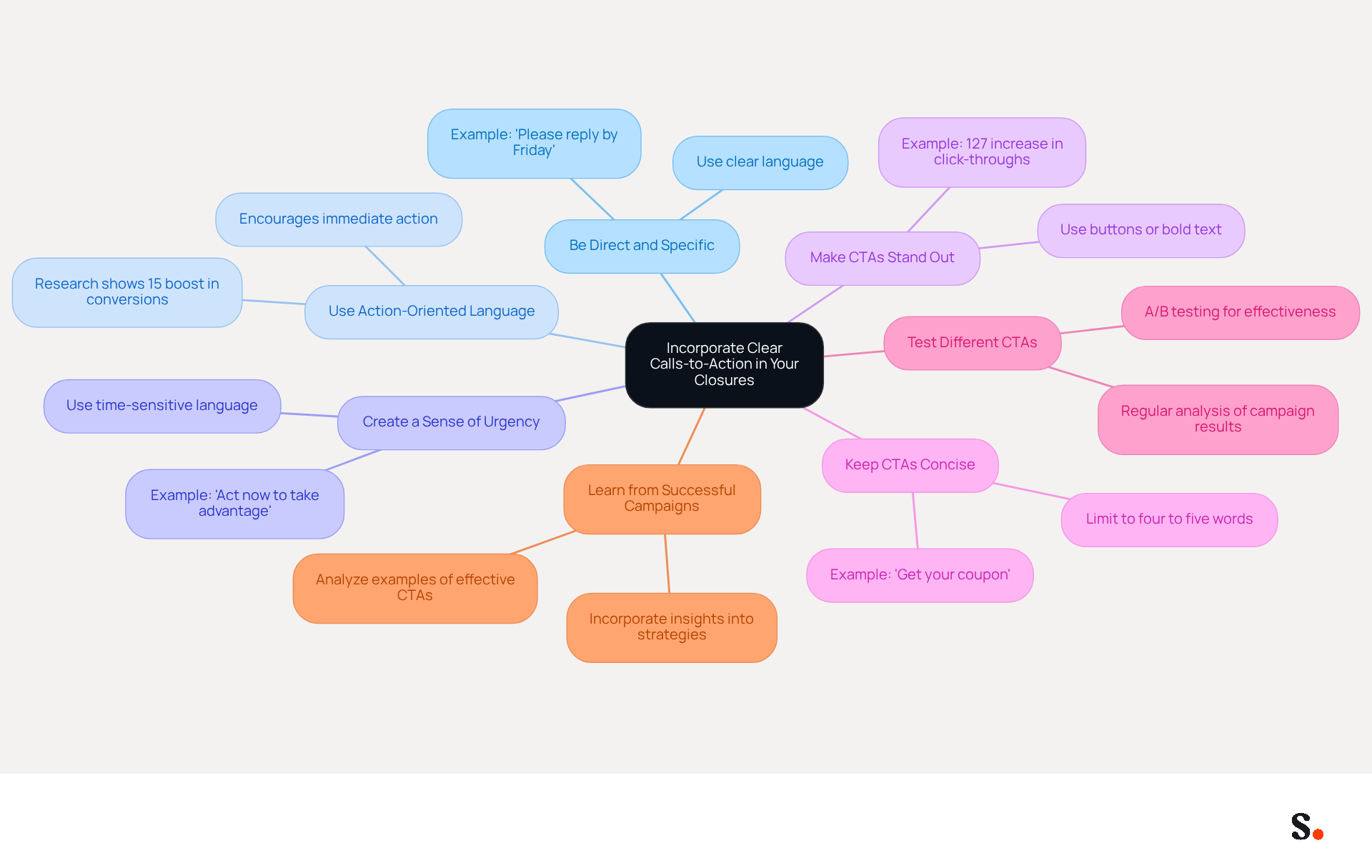
Incorporating a strategically positioned call-to-action (CTA) is one of the effective ways to end an email that can dramatically enhance engagement. Here are some best practices for incorporating CTAs:
- Be Direct and Specific: Use clear language that tells the recipient exactly what you want them to do. For example, 'Please reply by Friday to confirm your attendance.' This clarity minimizes confusion and increases the likelihood of a response.
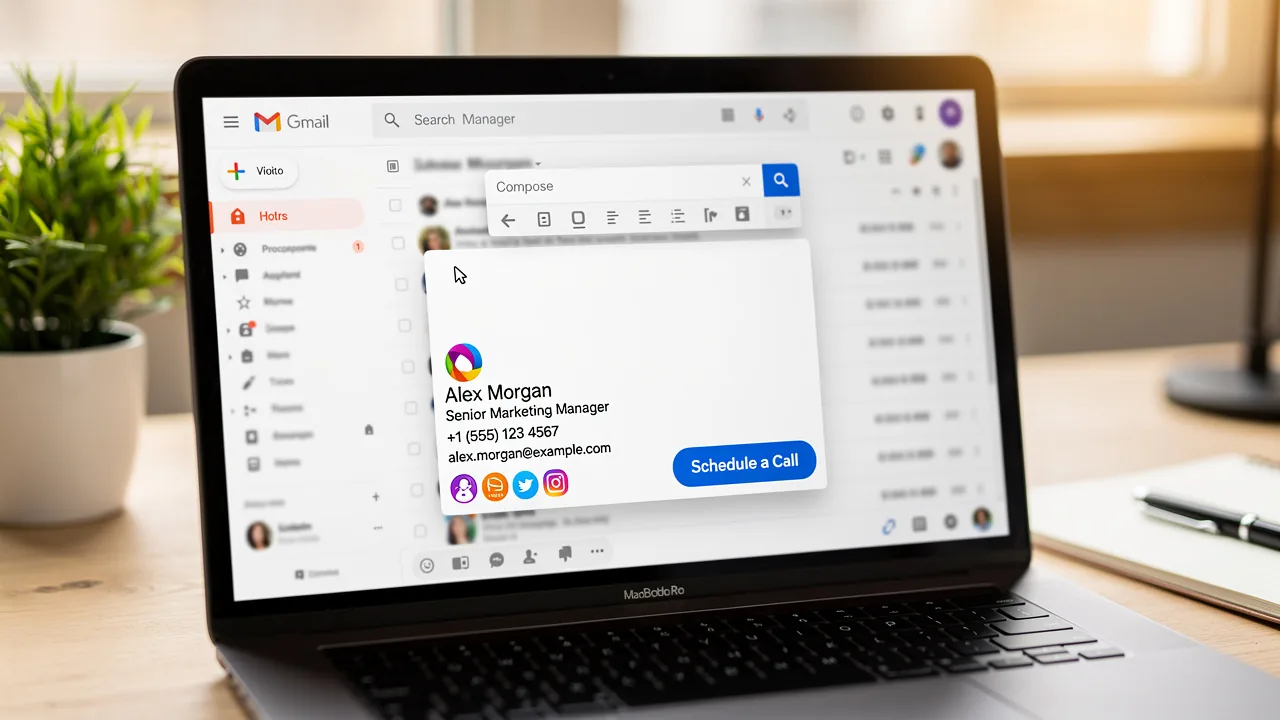
- Use Action-Oriented Language: Phrases like 'Click here to learn more' or 'Schedule a call with me' encourage immediate action. Research indicates that action-oriented phrases can boost conversions by nearly 15%.
- Create a Sense of Urgency: Incorporate time-sensitive language to prompt quicker responses, such as 'Act now to take advantage of this limited-time offer.' Finding the right balance in urgency is crucial to avoid spam filters.
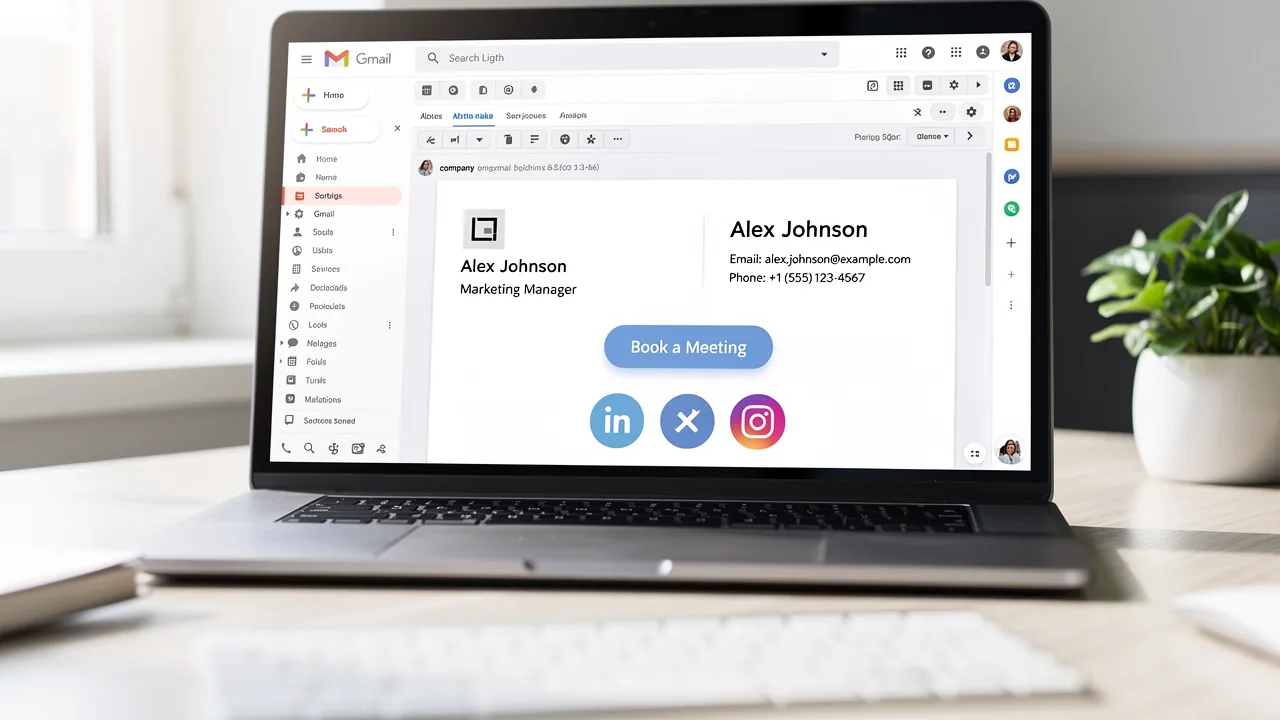
- Make CTAs Stand Out: If possible, use buttons or bold text to make your CTAs visually distinct. Good design, like using contrasting colors and whitespace, can boost visibility and engagement. In fact, redesigning a text link as a button led to a 127% increase in click-through rates.
- Keep CTAs Concise: It's best to keep your CTAs short-think four to five words max-to make them clear and effective.
- Test Different CTAs: Experiment with various CTAs to see which ones yield the best results. A/B testing can help determine the most effective wording and placement for your audience, ensuring your communications are optimized for engagement. Regular analysis of campaign results, including tracking click data, is crucial for continuous improvement, allowing you to refine your approach based on what resonates with your recipients.
- Learn from Successful Campaigns: Look at examples of successful campaigns that effectively used CTAs. For instance, companies that personalized their CTAs or created a sense of urgency often saw higher engagement rates. Incorporating these insights can provide practical guidance for your own email strategies. By refining your CTAs, you can explore various ways to end an email and transform your email communications into powerful tools for engagement.
Conclusion
Effective email closures are often overlooked yet are critical for maximizing engagement and driving responses. A well-crafted conclusion reinforces the message and leaves a lasting impression that influences recipient behavior. When marketing professionals prioritize thoughtful closures, they can build stronger relationships and boost campaign effectiveness.
Key strategies for effective email endings include:
- Maintaining a consistent tone
- Reiterating important points
- Expressing gratitude
- Creating urgency
- Personalizing messages
Each of these elements plays a crucial role in enhancing engagement rates, with research showing that personalized emails can increase sales by over 50%. Additionally, incorporating clear calls-to-action can transform a simple email into a compelling prompt for action, further driving engagement and response.
The impact of effective email closures is profound and far-reaching. By implementing these best practices, marketing managers can not only improve their communication but also leverage email as a powerful tool for building brand loyalty and achieving measurable marketing ROI. By neglecting these strategies, marketing managers may inadvertently hinder their ability to foster meaningful connections and achieve desired outcomes.
Frequently Asked Questions
Why are effective email closures important?
Effective email closures are crucial as they influence recipient engagement and perception, reinforcing the message's intent and leaving a lasting impression that enhances brand loyalty and trust.
What impact do expressions of gratitude have on email response rates?
Emails that conclude with expressions of gratitude yield a response rate of 62%, compared to 46% for those that do not, highlighting the importance of thoughtful conclusions in enhancing engagement.
How can conclusions in emails enhance clarity and prompt action?
Conclusions provide an opportunity to reiterate key points and outline next steps, which enhances clarity and encourages the recipient to take action.
What should marketing managers focus on when crafting email conclusions?
Marketing managers should prioritize crafting conclusions that align with their brand voice and resonate with their audience to drive better campaign results.
List of Sources
- Understand the Importance of Effective Email Closures
- Your Emails Are 36 Percent More Likely to Get a Reply If You End Them This Way (https://inc.com/jessica-stillman/your-emails-are-36-percent-more-likely-to-get-a-reply-if-you-close-them-this-way.html)
- Your Emails Are 36 Percent More Likely to Get a Reply If You End Them This Way (https://entrylevelrebel.medium.com/your-emails-are-36-percent-more-likely-to-get-a-reply-if-you-end-them-this-way-ef5e2b8c923d?source=topics_v2---------2-87--------------------71e204d7_51b1_4312_9b99_37bcabd35a93-------17)
- B2B Cold Email Statistics 2026: Benchmarks & What Works Now (https://martal.ca/b2b-cold-email-statistics-lb)
- Forget “Best” or “Sincerely,” This Email Closing Gets the Most Replies – The Boomerang Blog (https://blog.boomerangapp.com/2017/01/how-to-end-an-email-email-sign-offs)
- Implement Proven Strategies for Email Closures
- 40+ Email Signature Statistics for 2026 (Data + Insights) (https://wavecnct.com/blogs/email-signature-statistics)
- Mastering Professional Email Sign-Offs in 2026 (https://linkedin.com/pulse/mastering-professional-email-sign-offs-2026-bulksignature-qsr4e)
- How to end a cold email: 9 proven strategies to get replies (https://artisan.co/blog/how-to-end-a-cold-email)
- Best Email Closing Lines for Closing Deals (https://callboxinc.com/email-marketing/best-email-closing-lines-for-closing-deals)
- How to Close an Email: Proven Strategies for B2B Sales in 2025 (https://martal.ca/how-to-close-an-email-lb)
- Personalize Your Email Endings for Greater Impact
- The Top Email Marketing Trends for 2026 (https://litmus.com/blog/trends-in-email-marketing)
- The Power of Personalized Emails: A Guide for Marketers | Mailjet (https://mailjet.com/blog/email-best-practices/personalized-emails)
- Email Personalization: A Marketing Guide (https://salesforce.com/marketing/email/personalization)
- Marketer’s guide to email personalization best practices for 2024 (https://insiderone.com/email-personalization)
- Personalized email marketing: top 5 strategies for 2026 (https://maropost.com/blog/personalized-email-marketing-top-5-strategies)
- Incorporate Clear Calls-to-Action in Your Closures
- A Strategic Guide to Calls-to-Action (CTAs) in Email Marketing: Best Practices for Success (https://litmus.com/blog/click-tap-and-touch-a-guide-to-cta-best-practices)
- 4 Tips for Killer Call to Actions in Your Emails - Vero Blog (https://getvero.com/resources/email-marketing-calls-to-action)
- Mastering the art of email calls-to-action (https://smartbrief.com/original/mastering-the-art-of-email-calls-to-action)
- Mastering Calls To Action For Email Marketing Success (https://smartmessenger.co.uk/news-articles/what-makes-a-good-call-to-action-in-an-email-campaign)
- How to write the perfect call-to-action that gets results (plus examples) - Emma (https://myemma.com/blog/how-to-write-the-perfect-call-to-action-that-gets-results-plus-examples)
Get started with Scribe
Signatures for every role on your team
Free 14-day trial — no credit card.