Master Business Email Closing: 4 Best Practices for Marketing Managers
Navigating the complexities of business email closings presents a challenge for marketing managers seeking to elevate their communication skills. Effective
Sophie Grant
Email Signature Specialist, Scribe

Introduction
Navigating the complexities of business email closings presents a challenge for marketing managers seeking to elevate their communication skills. Effective email closings not only leave a lasting impression but also foster engagement and encourage responses from recipients. With numerous options available, how can one determine the most effective phrases and strategies to employ?
Let’s explore four best practices that will help marketing managers create compelling email closings, making sure their messages resonate and prompt action.
Establish the Right Tone for Professional Emails
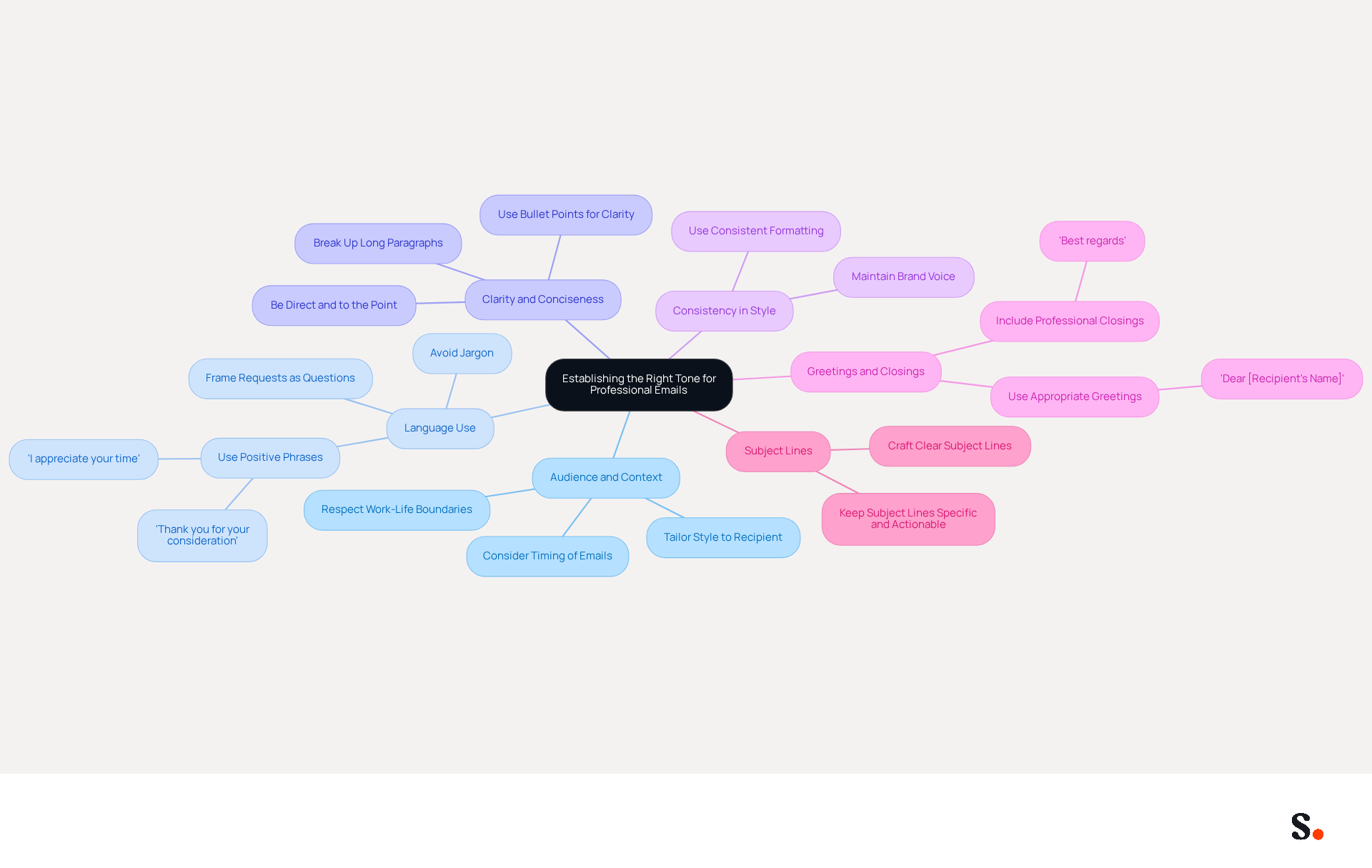
To establish the right tone in professional emails, it is essential to consider the audience and context of the communication. Tailor your style to fit the recipient's role and your relationship with them. Utilizing positive language can significantly enhance the quality of your message. Phrases like 'I appreciate your time' or 'Thank you for your consideration' foster a welcoming atmosphere.
Clarity and conciseness are paramount. Avoid jargon and overly complex sentences. Given that professionals often check emails late at night or on mobile devices, ensuring clarity in communication is more important than ever. Maintaining consistency in style throughout your communications reinforces your brand's voice, which is particularly crucial for marketing managers who represent their company's image. A well-crafted correspondence thread reflects positively on your professionalism.
Make sure to use appropriate greetings and a business email closing. Starting with a polite greeting such as 'Dear [Recipient's Name]' and concluding with a business email closing like 'Best regards' maintains professionalism and sets the right tone. Crafting clear subject lines is also crucial for improving open rates and reducing confusion. A subject line should convey the key information and action required, functioning like a headline for your message.
By implementing these strategies, marketing managers can ensure their messages resonate well with recipients, fostering better communication and relationships. Ultimately, effective communication strategies can significantly enhance professional relationships and operational efficiency.
Utilize Effective Closing Phrases and Sign-Offs
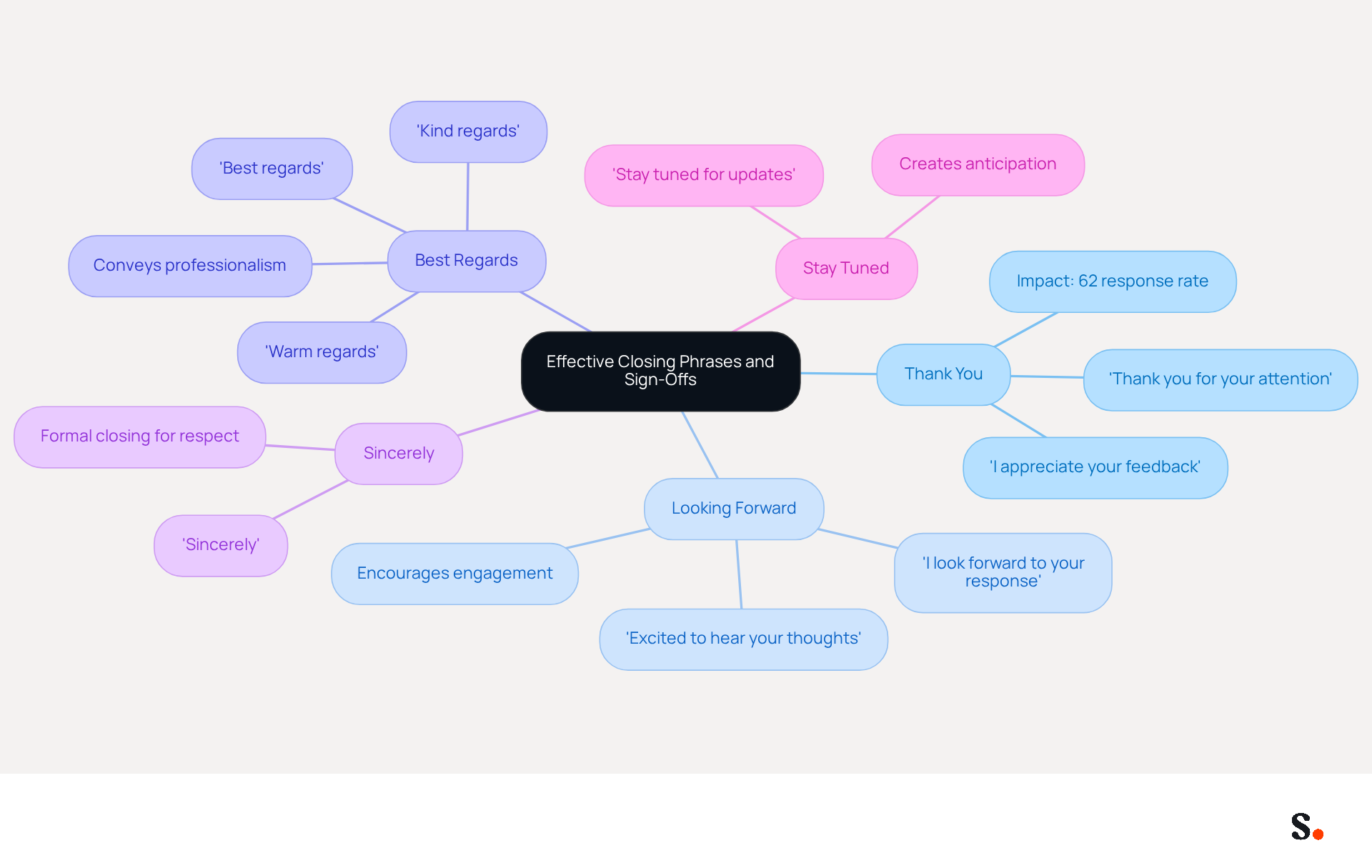
Effective business email closing can significantly influence recipient engagement and response rates. To enhance the effectiveness of your email closings, consider incorporating the following phrases and sign-offs:
- Thank You: Expressing gratitude fosters goodwill. Use phrases like 'Thank you for your attention' or 'I appreciate your feedback' to leave a positive impression. Studies indicate that expressing gratitude can lead to a 62% response rate, highlighting the importance of a thoughtful business email closing.
- Looking Forward: Phrases such as 'I look forward to your response' or 'Excited to hear your thoughts' encourage engagement and prompt a reply, reinforcing the importance of follow-up in business communications.
- Best Regards: This classic sign-off conveys professionalism. Alternatives like 'Kind regards' or 'Warm regards' offer a slightly more personal touch, suitable for various contexts. According to Andrew Paulsen, choosing the right business email closing is crucial and should align with your relationship with the recipient.
- A business email closing such as 'Sincerely' is a formal closing that is appropriate for business communications, especially when addressing clients or higher-ups, ensuring respect and professionalism.
- Stay Tuned: This phrase is especially useful in marketing communications, suggesting that more information or updates will follow, keeping the recipient engaged and anticipating future communications. Furthermore, creating urgency in message closings can encourage quicker responses, making phrases like 'Looking forward to your reply' even more effective.
Incorporating these effective closing phrases and sign-offs can greatly improve communication effectiveness for marketing managers, leaving a lasting positive impression and encouraging further interaction. Remember to avoid overly casual phrases, as they can undermine professionalism.
Incorporate Calls to Action for Enhanced Engagement
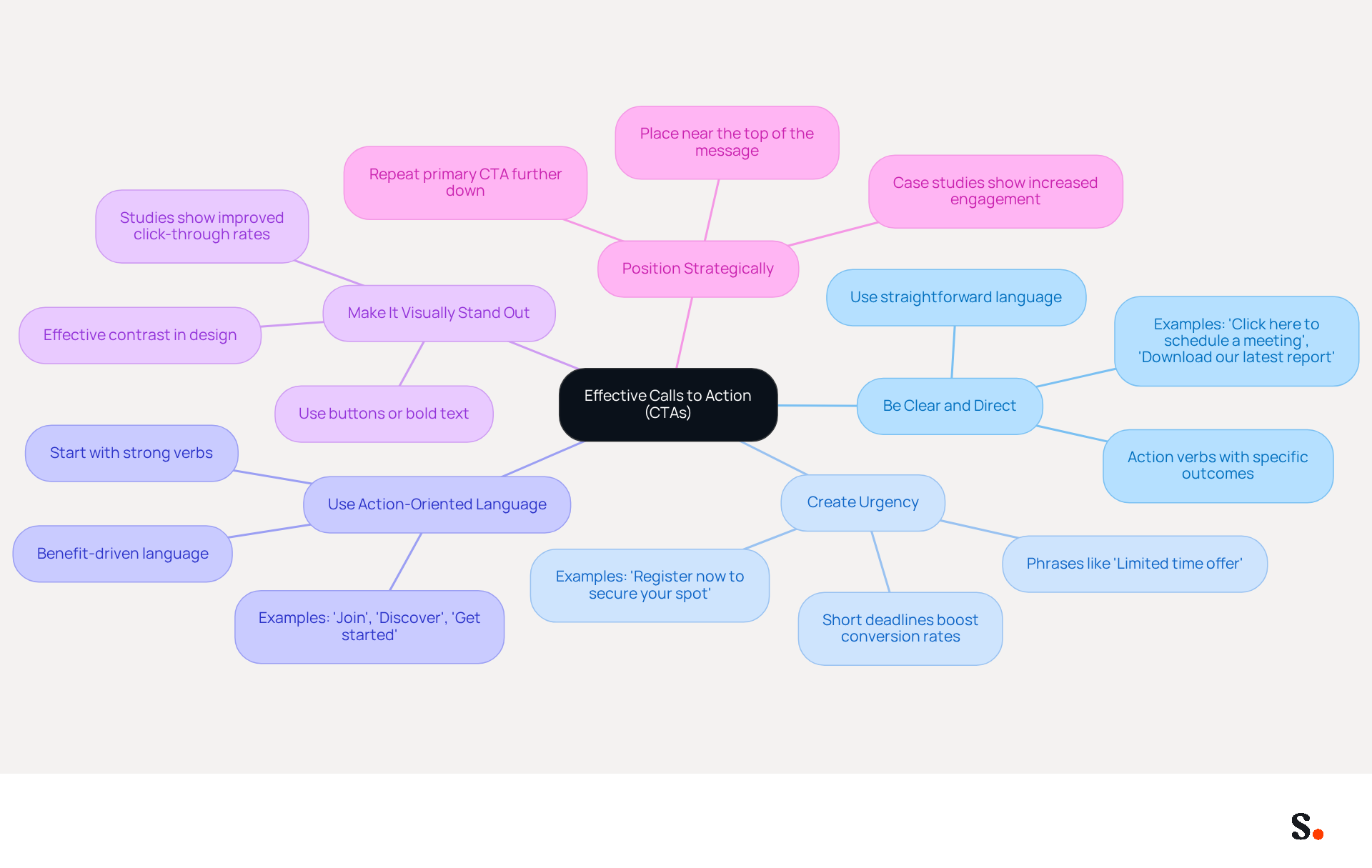
Crafting effective calls to action (CTAs) is crucial for maximizing engagement in email communications:
- Be Clear and Direct: Use straightforward language that clearly states what you want the person to do. For example, 'Click here to schedule a meeting' or 'Download our latest report.' Aaron Brooks emphasizes that using action verbs with specific outcomes, instead of passive language, greatly enhances engagement.
- Create Urgency: Phrases like 'Limited time offer' or 'Register now to secure your spot' can encourage immediate action from individuals. Studies indicate that short deadlines, like 24-hour offers, effectively prompt quick decisions, boosting conversion rates by as much as 10%.
- Use Action-Oriented Language: Start your CTA with strong verbs such as 'Join,' 'Discover,' or 'Get started' to motivate recipients to take action. High-converting CTAs utilize benefit-driven language that addresses user concerns and creates urgency, as noted by Brooks.
- Make It Visually Stand Out: Use buttons or bold text to make your CTA prominent within the message. Effective contrast in design, such as vibrant colors and sufficient whitespace, can draw attention and increase engagement. Studies indicate that visually distinct CTAs can improve click-through rates significantly.
- Position Strategically: Place your CTA near the top of the message or after key information to ensure it is easily visible and accessible. Repeating the primary CTA further down can capture the attention of enthusiastic readers who may miss the first instance. Case studies have shown that strategic placement of CTAs leads to increased engagement, as subscribers are more likely to see and act on the primary CTA.
When marketing managers effectively incorporate CTAs, they can really boost engagement and drive the actions they want from their audience, which can lead to better conversion rates. Remember, many marketers struggle with crafting effective CTAs that resonate with their audience. Ultimately, the clarity and effectiveness of your CTAs can be the difference between a successful campaign and one that falls flat.
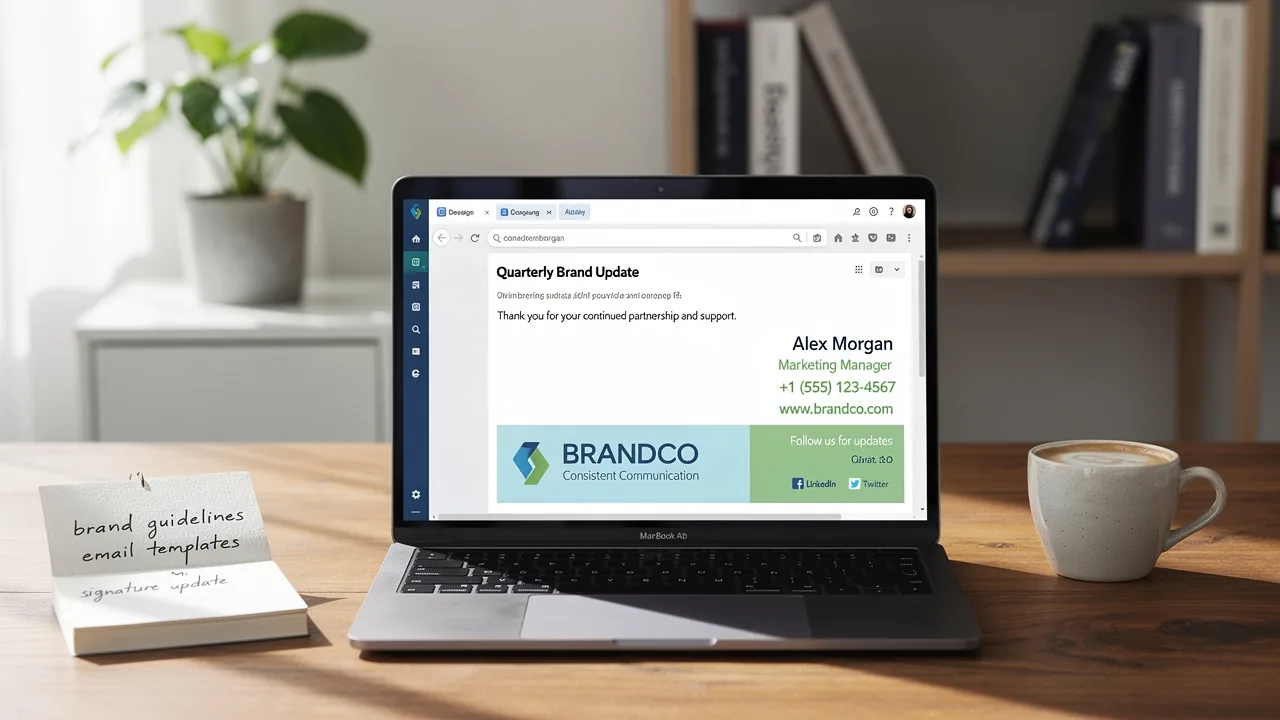
Ensure Brand Consistency with Professional Email Signatures
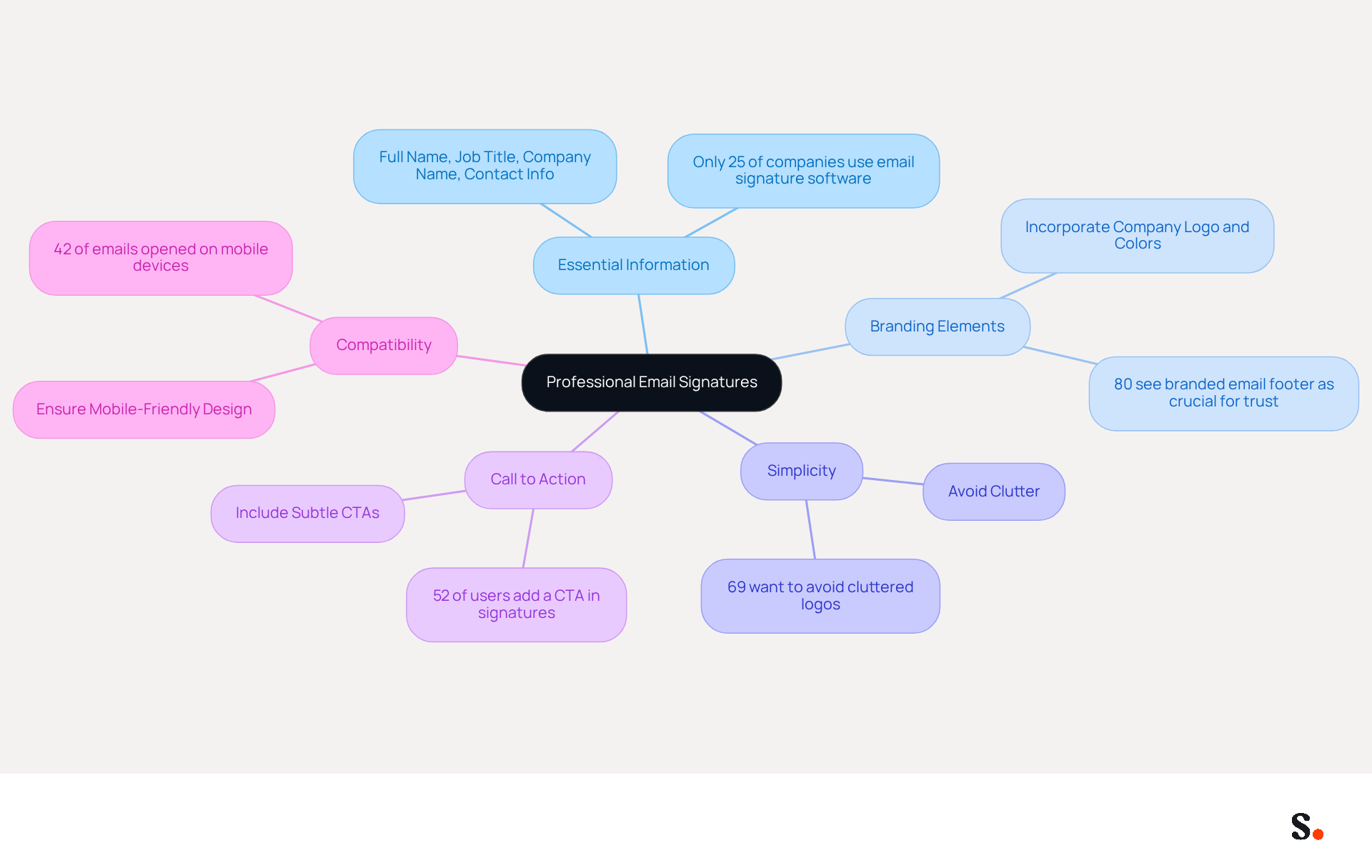
Creating a professional email signature is essential for maintaining brand consistency and enhancing communication effectiveness. To achieve this, consider the following best practices:
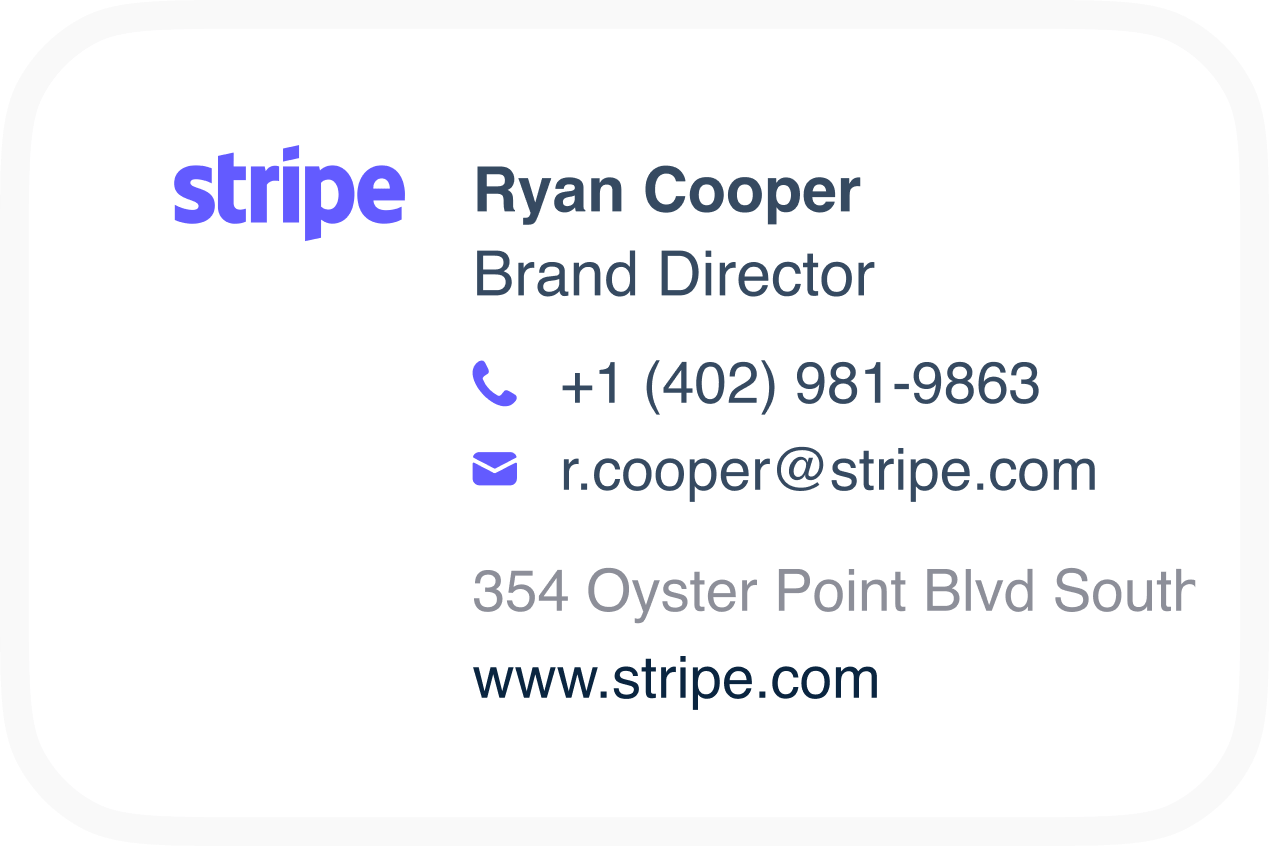
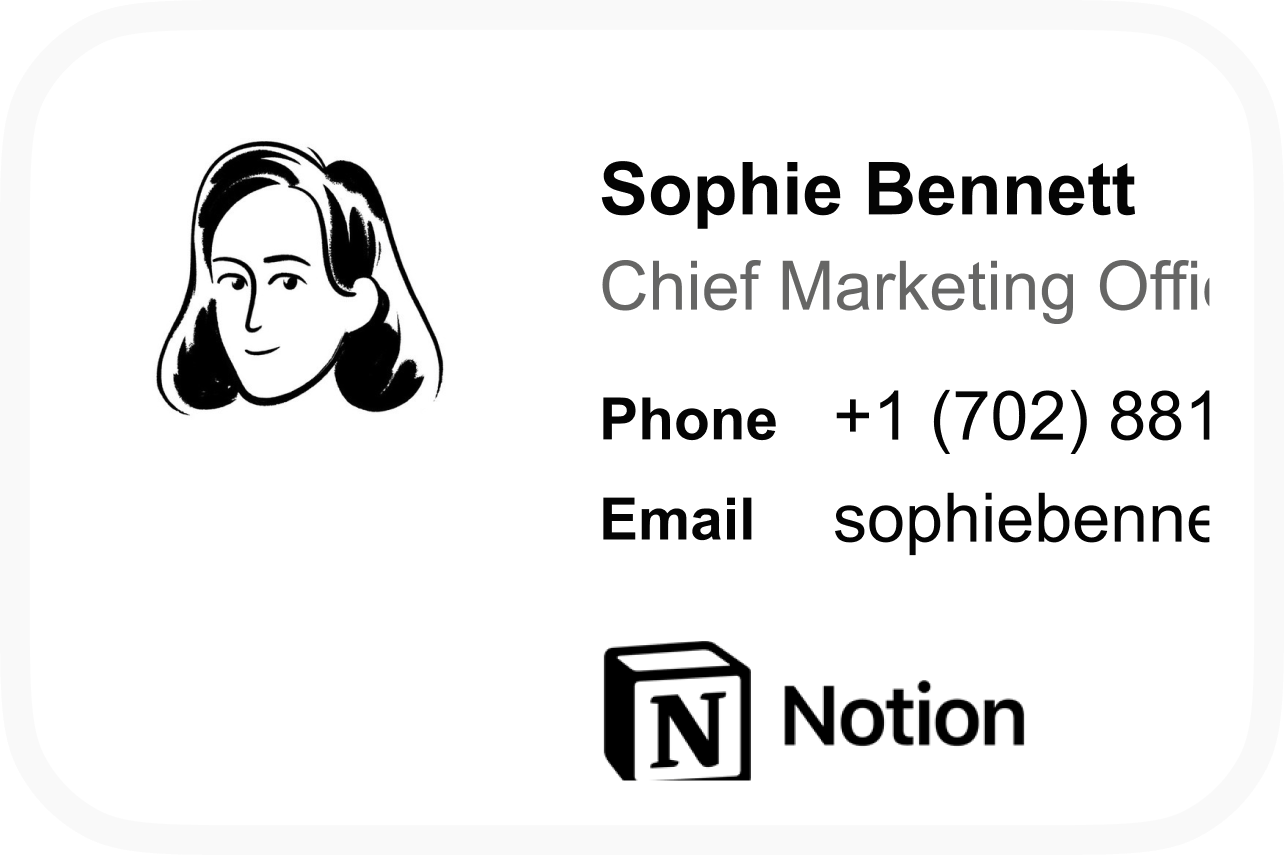
- Include Essential Information: Your signature should contain your full name, job title, company name, and contact information. This ensures recipients can easily identify you and reach out if needed.
- Incorporate Branding Elements: Integrate your company logo and colors into the design of the email footer. This strengthens brand identity and ensures your communications are visually cohesive. A recent study found that 80% of people see a branded email footer as crucial for building trust and recognition.
- Keep It Simple: Avoid cluttering your sign-off with excessive information or graphics. A simple, clean design communicates professionalism and effectiveness. Cluttered logos can confuse your audience and misrepresent your brand, something 69% of consumers want to avoid.
- Add a Call to Action: Including a subtle CTA, such as 'Visit our website' or 'Follow us on LinkedIn,' can encourage recipients to engage further with your brand. Interestingly, 52% of users add a call-to-action in their email signatures, which can greatly boost engagement.
- Test for Compatibility: Ensure your message footer displays correctly across various messaging clients and devices. If your signature isn’t mobile-friendly, you risk losing touch with a large segment of your audience.
To enable one-click synchronization with Scribe, you must grant permission for Scribe to connect with your service provider. As a Super Admin, you can select which teammates to sync, ensuring that not all Google Workspace accounts need to be included. All changes made in your provider directory will be automatically synced with Scribe, enhancing teammate information from HR software and other sources. By adhering to these best practices, marketing managers can create digital identifiers that not only enhance brand consistency but also function as effective marketing tools. The strategic use of email signatures can lead to a 22% increase in response rates and a 15% boost in click-through rates, making them a vital component of any marketing strategy.
Conclusion
Effective email closings are crucial for marketing managers seeking to enhance their communication strategies. By focusing on the right tone, impactful closing phrases, clear calls to action, and consistent email signatures, marketing professionals can improve engagement and build stronger relationships.
Key strategies discussed include:
- Establishing a professional tone tailored to the recipient
- Utilizing impactful closing phrases that encourage responses
- Incorporating clear calls to action that drive engagement
- Maintaining brand consistency through well-designed email signatures that reinforces the company's identity and serves as a powerful marketing tool
These practices collectively contribute to a more effective communication strategy, ultimately leading to improved response rates and stronger connections.
Mastering email closings is vital for effective communication in today’s digital landscape. When marketing managers apply these best practices, they can truly elevate their email communications, making sure they resonate with recipients and prompt the actions they want. Embracing these techniques will enhance individual interactions and contribute to the overall success of marketing efforts, making it imperative for professionals to refine their email closing strategies.
Frequently Asked Questions
How can I establish the right tone in professional emails?
To establish the right tone in professional emails, consider the audience and context of your communication. Tailor your style to fit the recipient's role and your relationship with them, and use positive language to enhance your message.
Why is clarity and conciseness important in professional emails?
Clarity and conciseness are crucial because professionals often check emails late at night or on mobile devices. Clear communication helps ensure your message is understood and reduces the risk of confusion.
How can I maintain consistency in my email style?
Maintaining consistency in style throughout your communications reinforces your brand's voice. This is particularly important for marketing managers who represent their company's image.
What are appropriate greetings and closings for professional emails?
Start with a polite greeting such as 'Dear [Recipient's Name]' and conclude with a business email closing like 'Best regards' to maintain professionalism and set the right tone.
How important are subject lines in professional emails?
Crafting clear subject lines is crucial for improving open rates and reducing confusion. A subject line should convey the key information and action required, functioning like a headline for your message.
What strategies can marketing managers use to improve their email communication?
Marketing managers can use positive language, ensure clarity and conciseness, maintain consistency in style, use appropriate greetings and closings, and craft clear subject lines to enhance their email communication and foster better relationships.
List of Sources
- Establish the Right Tone for Professional Emails
- 25 Email Etiquette Examples 2026: Professional Guide (https://lagrowthmachine.com/email-etiquette-examples-2026)
- Email habits that make you look more professional at work (https://qz.com/professional-email-habits)
- How to Use Proper Email Etiquette in 2026 (https://linkedin.com/pulse/how-use-proper-email-etiquette-2026-get-ahead-by-linkedin-news-v5zke)
- Email Etiquette in the Corporate World: Best Practices for 2026 (https://orielacademy.com/email-etiquette-in-the-corporate-world-best-practices-for-2026)
- Email Etiquette in the Workplace (https://adminvc.ucla.edu/news/email-etiquette-workplace)
- Utilize Effective Closing Phrases and Sign-Offs
- Mastering Professional Email Sign-Offs in 2026 (https://linkedin.com/pulse/mastering-professional-email-sign-offs-2026-bulksignature-qsr4e)
- Effective Ways to End an Email for Marketing Managers (https://scribe-mail.com/en-US/blog/effective-ways-to-end-an-email-for-marketing-managers)
- Best Email Closing Lines for Closing Deals (https://callboxinc.com/email-marketing/best-email-closing-lines-for-closing-deals)
- How to End an Email Professionally (With Examples) (https://iconnect.isenberg.umass.edu/blog/2024/07/10/how-to-end-an-email-professionally-with-examples)
- Incorporate Calls to Action for Enhanced Engagement
- How to Create a Sense of Urgency for Conversions in Email Right Now (https://campaignmonitor.com/blog/email-marketing/how-to-create-sense-urgency-in-emails)
- Call to Action in Emails: Examples, Templates, Tips [2026] (https://mailtrap.io/blog/call-to-action-in-emails/amp)
- Best practices for email CTAs in 2026, with examples | Zoho Zeptomail (https://zoho.com/zeptomail/articles/email-cta.html)
- 15 CTA Best Practices to Increase Conversions (2026) (https://ventureharbour.com/15-call-action-best-practices-increase-conversions)
- A Strategic Guide to Calls-to-Action (CTAs) in Email Marketing: Best Practices for Success (https://litmus.com/blog/click-tap-and-touch-a-guide-to-cta-best-practices)
- Ensure Brand Consistency with Professional Email Signatures
- Why Email Signatures Must Be In Your 2026 Marketing Plan | Rocketseed (https://rocketseed.com/blog/2026-marketing-plan-email-signatures)
- Why Team Email Signatures Matter More Than You Think: The Hidden Impact on Brand Trust and Customer Experience (https://getmailbird.com/why-team-email-signatures-matter-brand-trust)
- The impact of email signatures on your branding (https://signitic.com/en/resources/the-impact-of-email-signatures-on-your-branding)
- Research Recap: Branded Email Signatures Increase Company Recognition, Trust - B2BMX INSIGHTS (https://demandgenreport.com/industry-news/research-recap-branded-email-signatures-increase-company-recognition-trust/47252)
- 40+ Email Signature Statistics for 2026 (Data + Insights) (https://wavecnct.com/blogs/email-signature-statistics)
Get started with Scribe
Signatures for every role on your team
Free 14-day trial — no credit card.