Master Closing Email Greetings: Best Practices for Effective Sign-Offs
In a world where first impressions matter, the way you close an email can make all the difference. Mastering the art of closing email greetings is essential
Sophie Grant
Email Signature Specialist, Scribe
Introduction
In a world where first impressions matter, the way you close an email can make all the difference. Mastering the art of closing email greetings is essential for effective communication in today's professional landscape. The way an email is signed off can significantly influence the recipient's perception and response, making it crucial to align the tone and context of the closing with the overall message.
Navigating the myriad of email sign-off options can be overwhelming for professionals. This article provides essential strategies for creating impactful email closings, offering insights into:
- Context-specific sign-offs
- The importance of brand consistency
- Common pitfalls to avoid
Mastering your email sign-offs can elevate your professional image and foster better communication.
Align Tone and Context with Email Closings
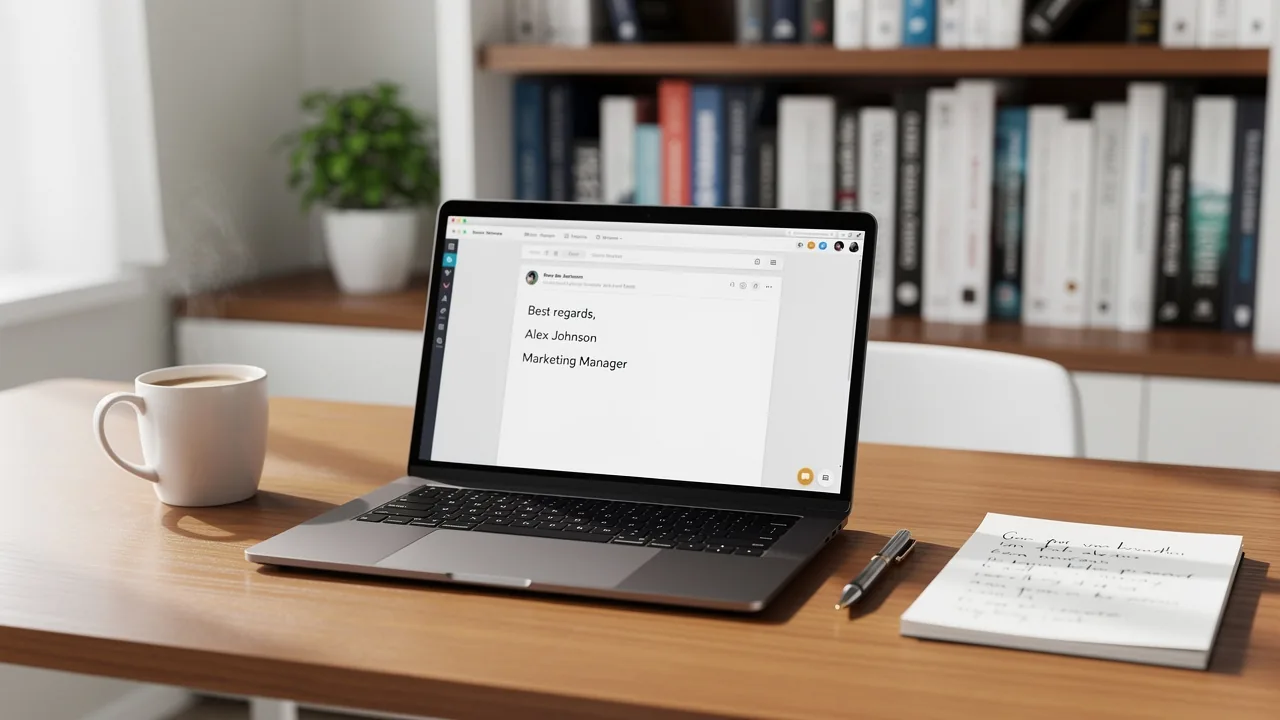
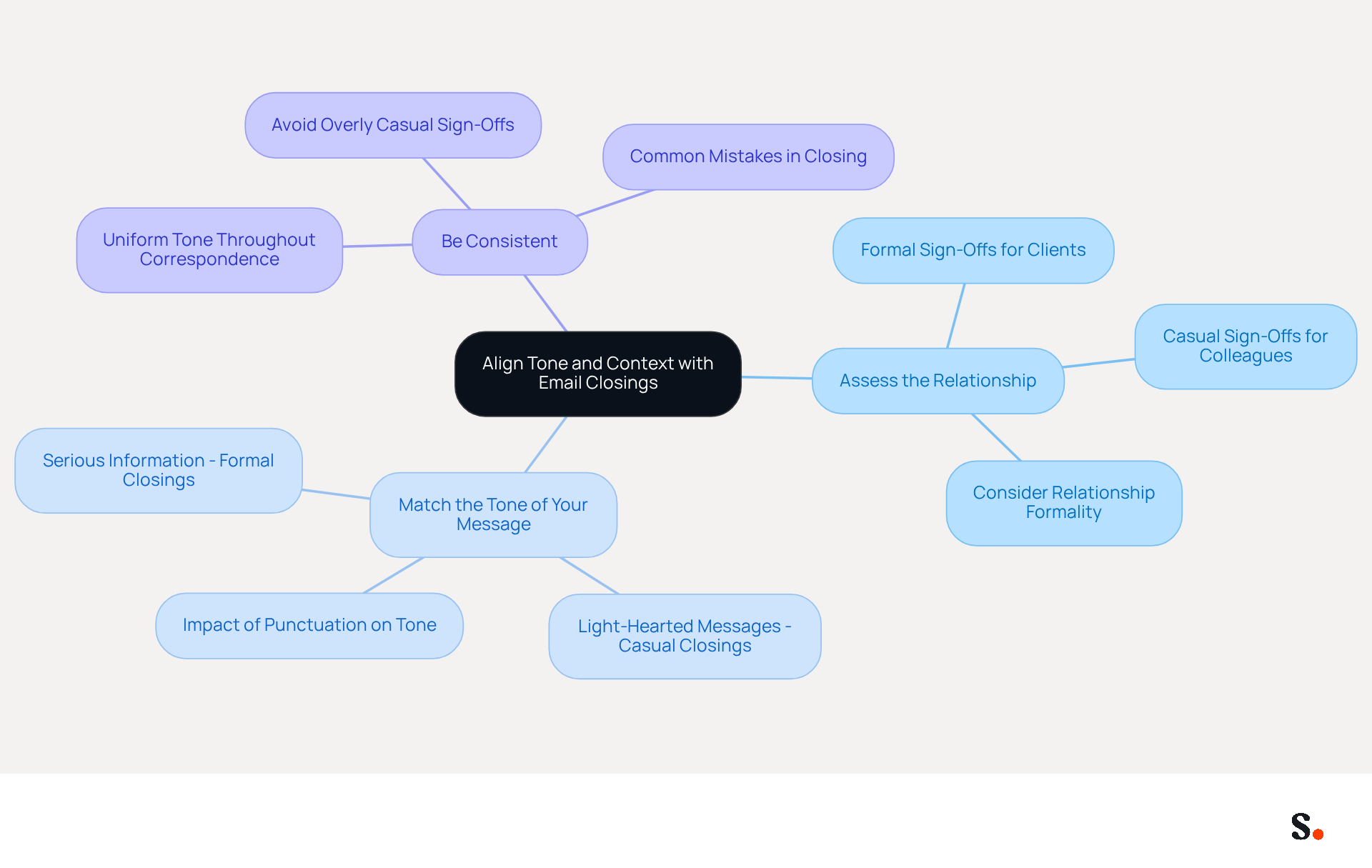
Effective communication and relationship management rely on the use of closing email greetings. To ensure your closing email greetings are effective, it is crucial to align the tone of your conclusion with the overall context of your communication. For instance, a formal message to a client should conclude with a professional sign-off like 'Sincerely' or 'Best regards,' while a casual note to a colleague might be better suited to a friendly 'Cheers' or 'Thanks!'. This alignment reflects your understanding of the relationship and reinforces the message's intent. Consider the following best practices:
- Assess the Relationship: Determine the level of formality in your relationship with the recipient. Use formal sign-offs for clients or superiors and casual ones for peers. According to industry standards, effective closing email greetings for formal communication include 'Best regards,' 'Kind regards,' and 'Sincerely'.
- Match the Tone of Your Message: If your correspondence conveys serious or important information, opt for a more formal closing. On the other hand, if the message is light-hearted, a casual farewell can enhance the friendly tone. The right closing email greetings can significantly impact how your message is perceived, as slight modifications in punctuation can change the tone from enthusiastic to serious.
- Be Consistent: Maintain a uniform tone throughout your correspondence, including the closing. This consistency helps build trust and professionalism in your communications. Common mistakes in closing include being overly casual or using the same closing repeatedly, which can lead to misunderstandings.
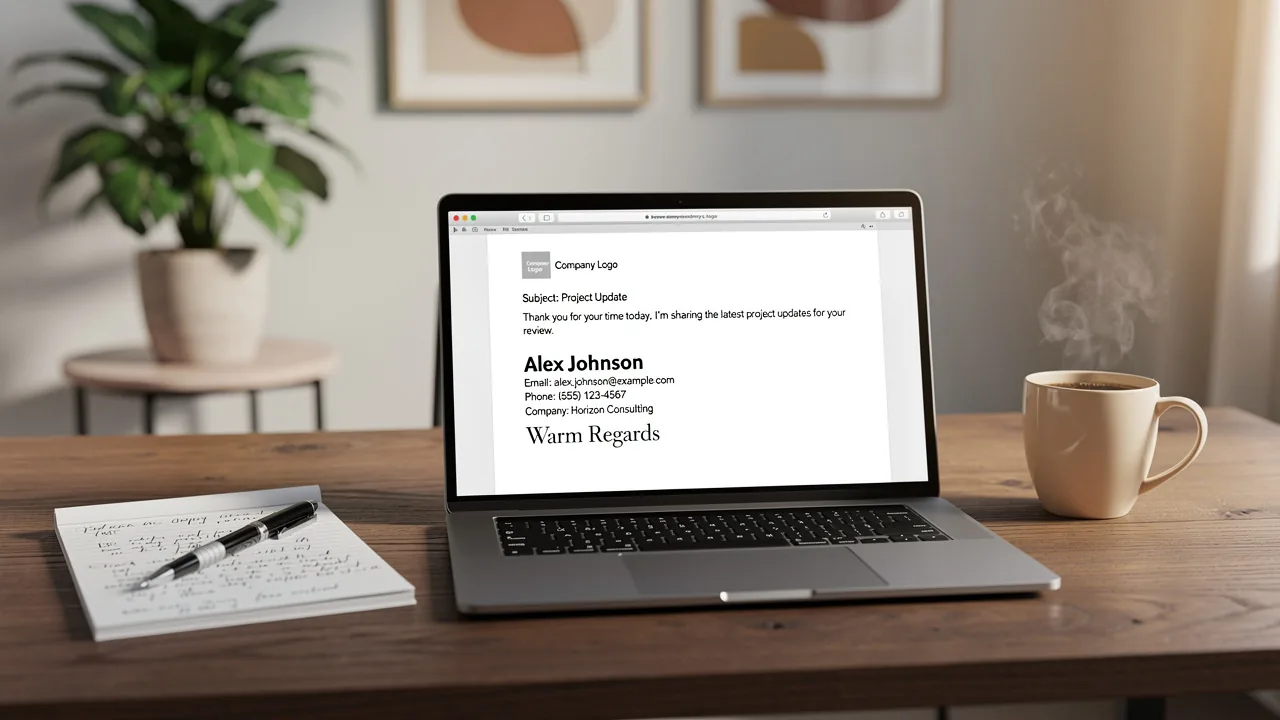
A well-organized message conclusion, along with appropriate closing email greetings, serves as a digital business card, reinforcing your brand identity and ensuring clarity in communication. By following these guidelines, you can significantly improve the clarity and effectiveness of your communications.
Utilize Context-Specific Email Sign-Offs
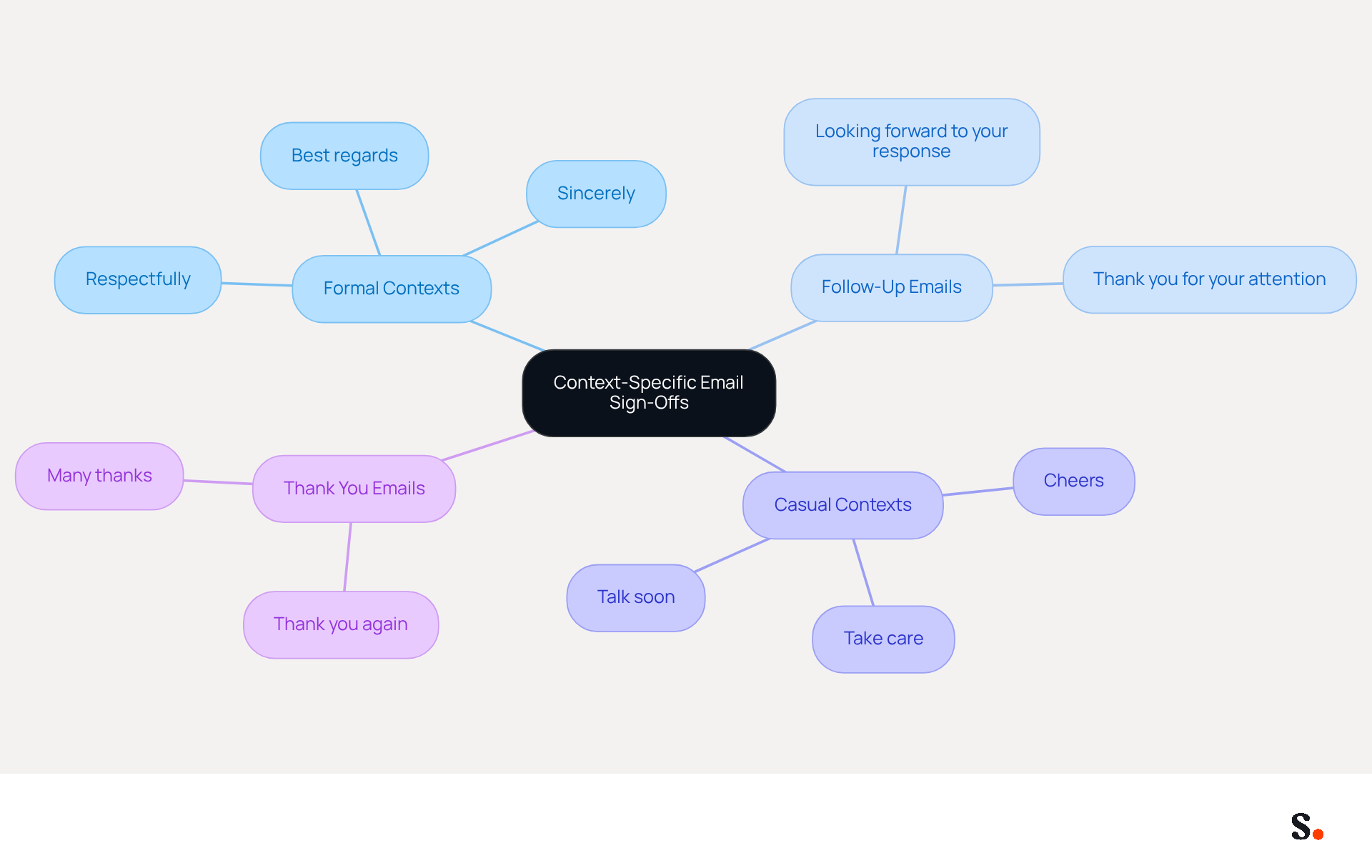
The choice of closing email greetings can significantly influence how the recipient perceives your message. Here are some context-specific sign-offs to consider:
- Formal Contexts: For business communications, use sign-offs like 'Best regards,' 'Sincerely,' or 'Respectfully.' These convey professionalism and respect, making them suitable for interactions with clients, bosses, or unfamiliar recipients.
- Follow-Up Emails: If you’re following up on a previous conversation, consider using 'Looking forward to your response' or 'Thank you for your attention.' These phrases encourage engagement and indicate your eagerness to continue the dialogue, enhancing the likelihood of a response.
- Casual Contexts: In informal settings, feel free to use phrases like 'Cheers,' 'Take care,' or 'Talk soon.' These create a friendly atmosphere and can strengthen personal connections, particularly among long-term coworkers.
- Thank You Emails: When expressing gratitude, use sign-offs like 'Thank you again' or 'Many thanks.' This reinforces your appreciation and leaves a positive impression, which is crucial for maintaining strong relationships.
Studies indicate that closing email greetings that express appreciation, such as 'Best regards' or 'Thanks in advance,' lead to higher response rates, underscoring the importance of context in your closing choices. As noted by Amotz Harari, customizing your email closing to fit the recipient, subject, and emotional tone is essential. By tailoring your sign-off to the context, you enhance the relevance of your communication and foster better relationships. Using an overly casual sign-off in a formal email can lead to misunderstandings and diminish your professionalism.
Ensure Brand Consistency with Automated Signatures
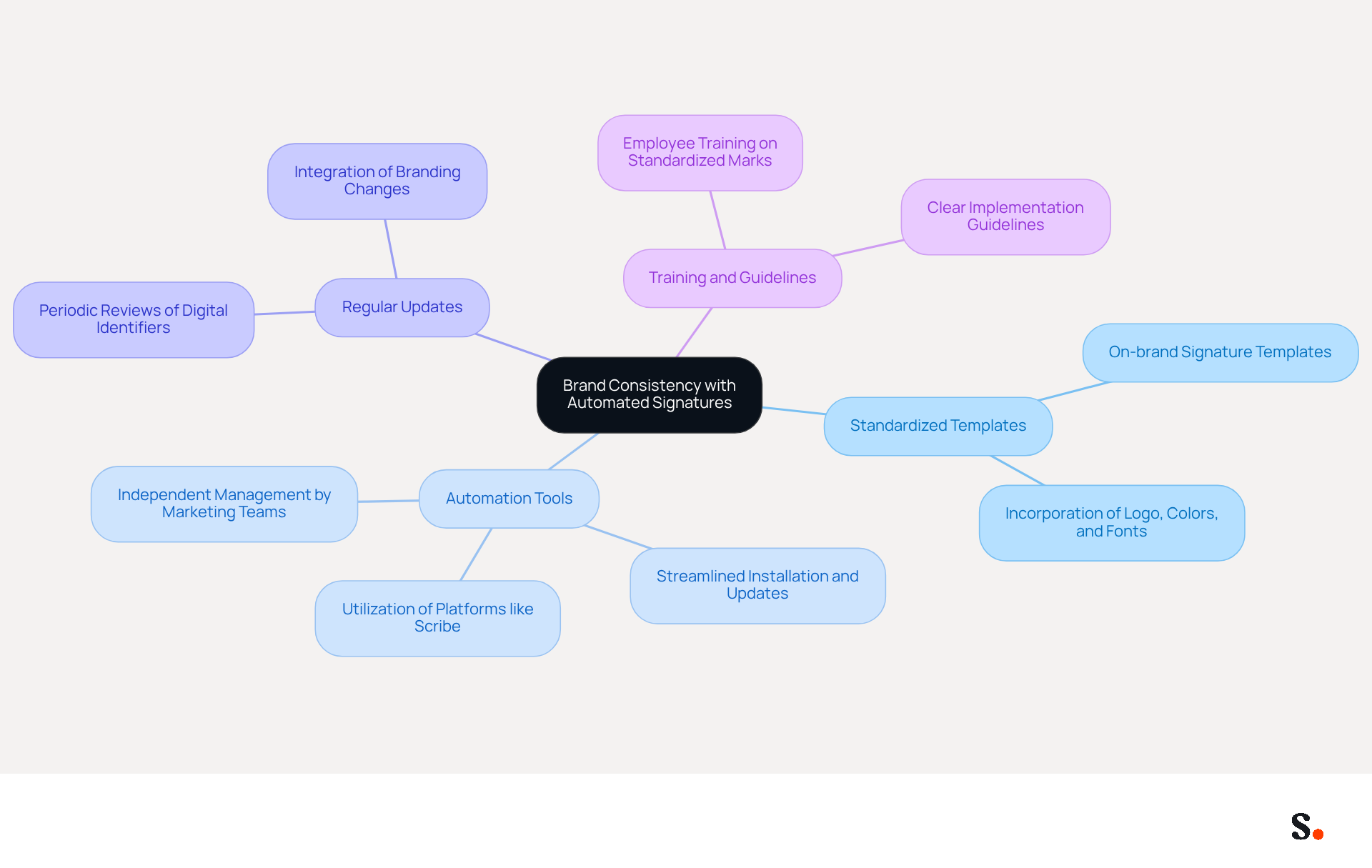
To maintain brand consistency across all interactions, implementing automated communication identifiers is essential. Here’s how to implement them effectively:
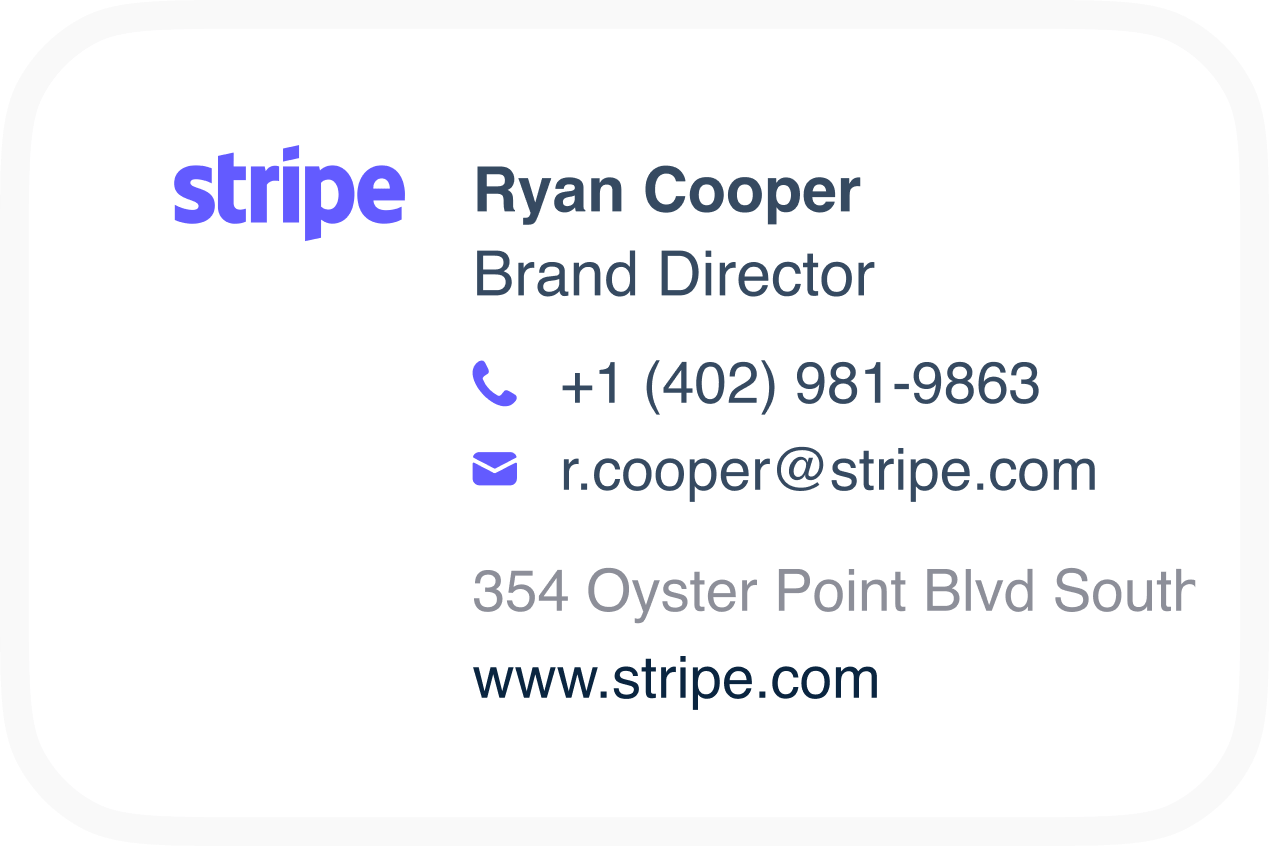
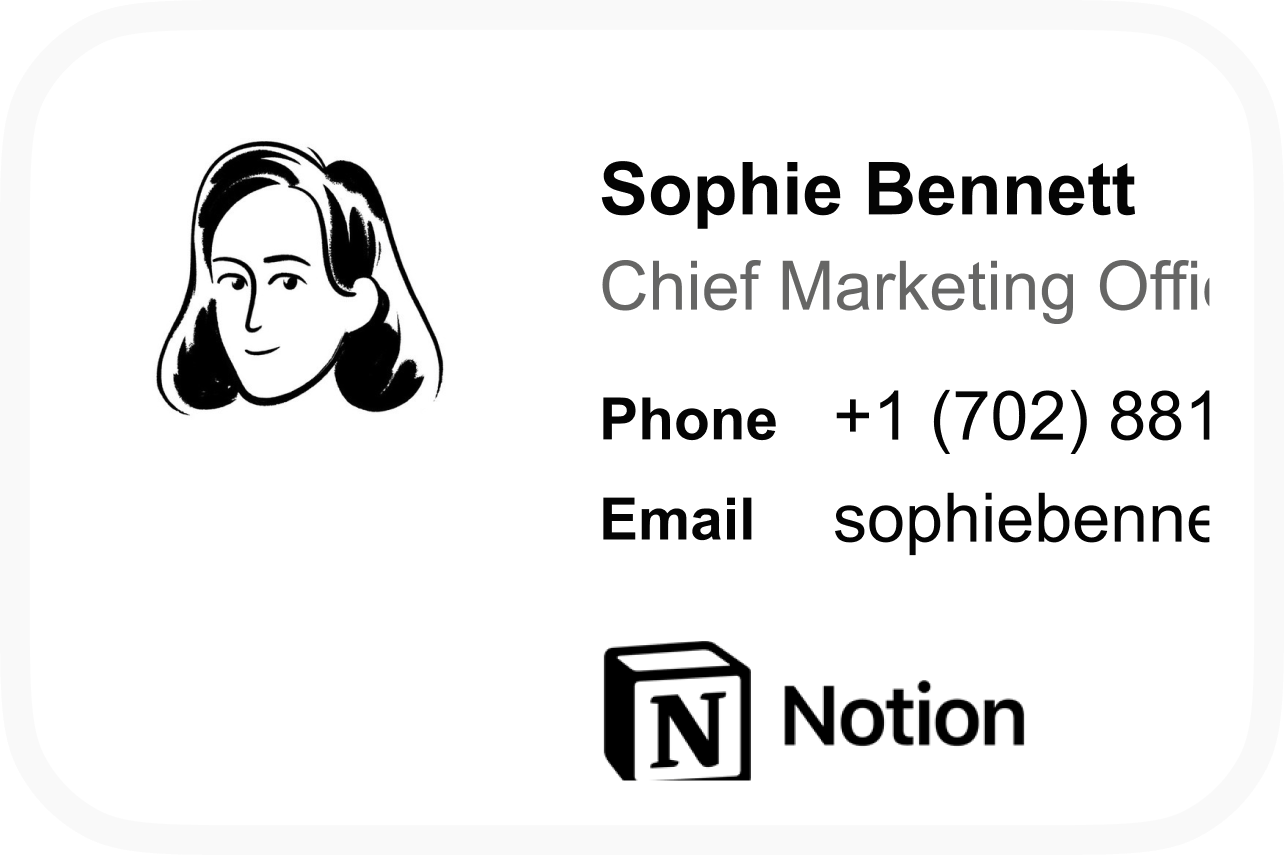
- Standardized Templates: Develop on-brand signature templates that incorporate your company logo, colors, and fonts. This ensures that every message sent reflects your brand identity, enhancing recognition and trust among recipients.
- Automation Tools: Utilize platforms like Scribe to streamline the installation and updating of digital identifiers throughout your organization. This approach eliminates discrepancies and ensures that all employees utilize the latest branding elements, significantly improving professionalism and engagement. Scribe's unique capabilities enable marketing teams to manage their digital identifiers independently after the initial IT setup, ensuring seamless updates without further IT involvement.
- Regular Updates: Schedule periodic reviews of your digital identifiers to integrate any changes in branding, such as new logos or taglines. Keeping your communications fresh and relevant is crucial for maintaining a strong brand presence.
- Training and Guidelines: Offer training for employees on the significance of using standardized marks and provide clear guidelines for implementation. This promotes a culture of brand consistency within the organization, ensuring that every message acts as a marketing tool.
Using automated identifiers helps businesses enhance their brand image, ensuring that each message strengthens marketing efforts and builds trust with recipients. Furthermore, by joining Scribe's affiliate program, you can earn a 50% commission while promoting brand consistency in digital formats, offering a $30 credit to new subscribers. Studies show that brands with consistent messaging see a notable increase in social media engagement and website traffic. Scribe's SOC 2 Type II compliance guarantees that your data is secure, making it a trustworthy option for safe signature automation. Ultimately, the right tools can transform how your brand is perceived, making every interaction count.
Avoid Common Mistakes in Email Closings
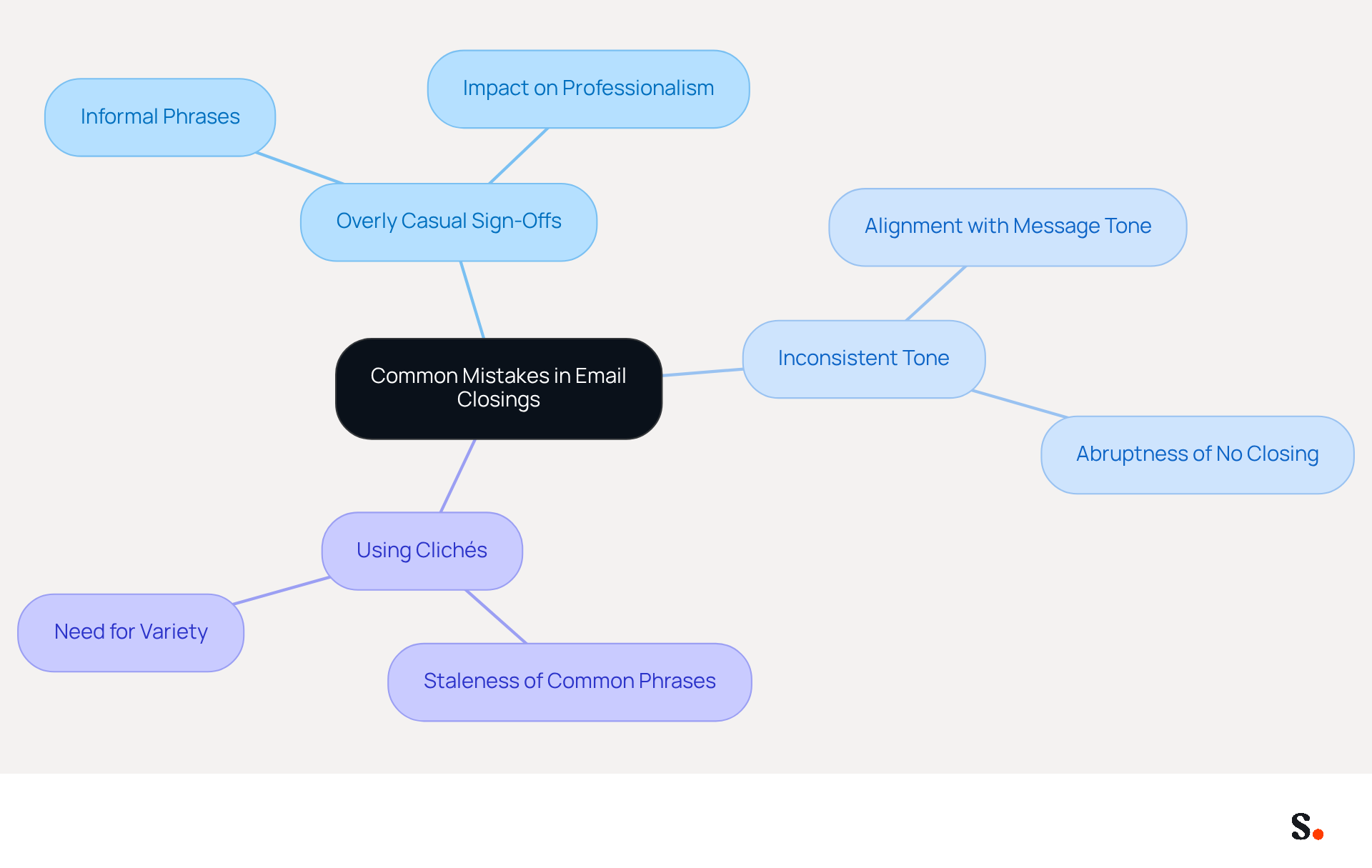
To maintain professionalism in your correspondence, it is crucial to avoid common pitfalls in your closing email greetings. Here are some pitfalls to watch out for:
- Overly Casual Sign-Offs: Informal sign-offs such as 'Later' or 'TTYL' can undermine your professionalism and may not be well-received by recipients. Maintaining a formal tone is essential in professional settings.
- Inconsistent Tone: Ensure that your closing aligns with the tone of your message. A formal message should not end with casual closing email greetings, as this inconsistency can confuse the recipient regarding your intent. Neglecting to include closing email greetings means you should always have a sign-off. Leaving a message without a closing can seem abrupt and unprofessional, missing a chance to reinforce your point and create a positive impression.
- Using Clichés: While phrases like 'Best' or 'Regards' are acceptable, overusing them can make your communication feel stale. Varying your sign-offs can keep your messages fresh and engaging.
Furthermore, recognizing these common mistakes and using Scribe's features can improve the professionalism of your email communications and make a positive impression. By syncing your Google Workspace with Scribe, you save time as your teammates' data is automatically updated, allowing for seamless auto-filling of signature information. This means any changes in your Google Workspace, such as updates to job positions or group assignments, will be reflected in Scribe without any manual input. Responding within 24 hours not only shows respect for the sender's time but also strengthens professional relationships. Attention to these details can significantly enhance your communication effectiveness and foster stronger professional relationships.
Conclusion
Closing email greetings effectively is crucial for fostering professional relationships and ensuring clear communication. Aligning your sign-off tone with the context of your messages enhances professionalism and clarity in your correspondence. Whether addressing a client or a colleague, a well-chosen closing can strengthen your message and create a memorable impact.
Key insights from this article emphasize the importance of:
- Context-specific sign-offs
- The need for brand consistency through automated signatures
- The many professionals who struggle with common mistakes in email closings that can undermine their communication efforts
Utilizing formal greetings for business communications, casual sign-offs for informal exchanges, and maintaining a consistent tone throughout your messages are all vital practices. Additionally, leveraging tools like Scribe can streamline the management of email signatures, ensuring that your brand identity remains intact across all communications.
Ultimately, this can foster stronger professional relationships and enhance communication outcomes. When you put these best practices into action, you’ll find that your connections grow stronger and your communication becomes more effective. Thoughtful email sign-offs not only convey your message but also play a pivotal role in shaping your professional identity.
Frequently Asked Questions
Why is it important to align the tone of email closings with the context of communication?
Aligning the tone of email closings with the context is crucial for effective communication and relationship management. It reflects your understanding of the relationship with the recipient and reinforces the message's intent.
What are some examples of formal email closings?
Formal email closings include "Sincerely," "Best regards," and "Kind regards." These are appropriate for messages to clients or superiors.
When should I use casual email closings?
Casual email closings, such as "Cheers" or "Thanks!", are better suited for informal messages to colleagues or peers.
How does the tone of the message affect the choice of closing?
If the message conveys serious or important information, a more formal closing is appropriate. Conversely, a light-hearted message can benefit from a casual farewell to enhance the friendly tone.
What are some common mistakes to avoid in email closings?
Common mistakes include being overly casual in formal communications or using the same closing repeatedly, which can lead to misunderstandings.
How can a well-organized message conclusion and appropriate closing impact communication?
A well-organized message conclusion and appropriate closing serve as a digital business card, reinforcing your brand identity and ensuring clarity in communication.
List of Sources
- Align Tone and Context with Email Closings
- Mastering Professional Email Sign-Offs in 2026 (https://linkedin.com/pulse/mastering-professional-email-sign-offs-2026-bulksignature-qsr4e)
- Please Don’t Let Me Be Misunderstood: The Importance Of Tone In Emails (https://productive.io/blog/misunderstandings-importance-of-tone-in-emails)
- Email Sign Offs Professional: Best Practices for Business Emails (https://mailwarm.com/blog/professional-email-sign-offs-best-practices)
- CRM Article: Mastering Email Communication: The Power of Tone and Style - Smallbizcrm (https://smallbizcrm.com/blog/crm-article-mastering-email-communication-the-power-of-tone-and-style)
- Utilize Context-Specific Email Sign-Offs
- Best Email Sign-Offs for Any Correspondence (https://wisestamp.com/examples/email-sign-offs)
- 63 Best Email Sign-Offs for Every Situation (https://tabular.email/blog/best-email-sign-offs)
- How to End an Email: 100+ Best Sign-Offs & Real Examples (https://omnisend.com/blog/email-sign-offs)
- Ensure Brand Consistency with Automated Signatures
- demandgenreport.com (https://demandgenreport.com/industry-news/research-recap-branded-email-signatures-increase-company-recognition-trust/47252)
- Automating Email Signatures: How IT Teams Streamline Processes & Reduce Risk (https://exclaimer.com/blog/streamlining-it-processes-automated-email-signatures)
- Email Signature Branding: Consistency and Impact | Crossware365 (https://crossware365.com/blog/mastering-email-signature-branding-market-presence)
- Master Email Stamps: Best Practices for Effective Signatures (https://scribe-mail.com/en-US/blog/master-email-stamps-best-practices-for-effective-signatures)
- The impact of email signatures on your branding (https://signitic.com/en/resources/the-impact-of-email-signatures-on-your-branding)
- Avoid Common Mistakes in Email Closings
- The Dos and Don’ts of Business Email Etiquette (https://grammarly.com/blog/emailing/business-email-etiquette)
- Email Etiquette in the Workplace (https://adminvc.ucla.edu/news/email-etiquette-workplace)
- Email Etiquette: A Guide to Professional Communication (https://getfishtank.com/insights/email-etiquette-a-guide-to-professional-communication)
- Email Etiquette: Professionalism in Digital Communication (https://linkedin.com/pulse/email-etiquette-professionalism-digital-communication-john-leightley-cizze)
- Email Etiquette: Dos and Don’ts of Professional Emails (https://businessnewsdaily.com/8262-email-etiquette-tips.html)
Get started with Scribe
Build a professional email signature
Free 14-day trial — no credit card.