Master Closing Email Remarks: Best Practices for Marketing Managers
For marketing managers, the ability to close emails effectively is crucial for enhancing communication and engagement. Using effective techniques allows
Sophie Grant
Email Signature Specialist, Scribe

Introduction
For marketing managers, the ability to close emails effectively is crucial for enhancing communication and engagement. Using effective techniques allows professionals to convey messages clearly and build stronger connections with their audience. Yet, balancing professionalism with engagement presents a challenge.
How can one ensure their email closings resonate and encourage responses? This article will explore proven strategies for creating effective email closings that enhance clarity and engagement, ultimately driving better results.
Establish a Professional Tone and Clarity in Closings
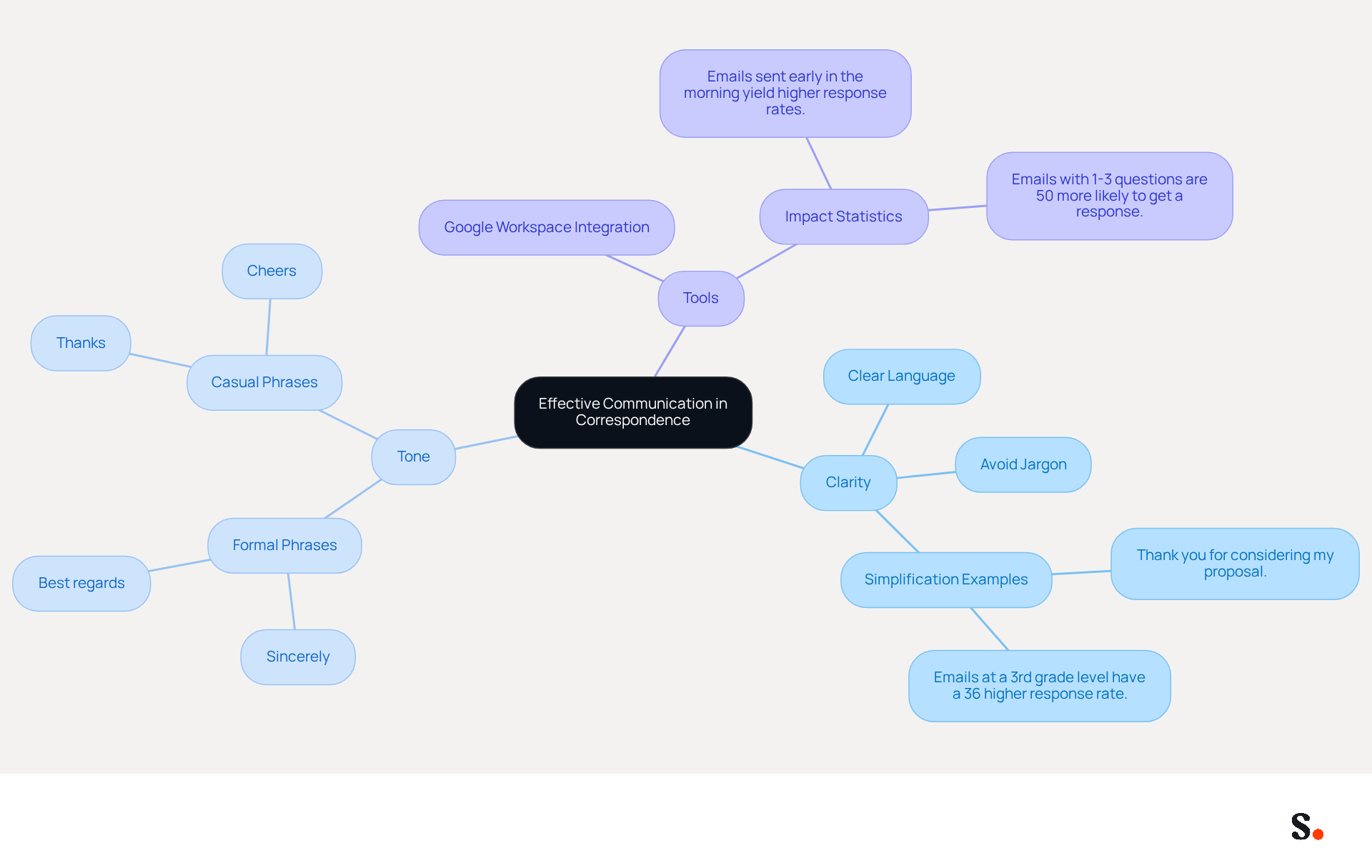
To ensure your correspondence is effective, clarity and conciseness are paramount. Utilize clear and concise language. Avoid jargon and complex sentences that can lead to misunderstandings, making your message less effective. For example, instead of saying, 'I would like to express my gratitude for your consideration of my proposal,' opt for 'Thank you for considering my proposal.' This simplification makes your message clearer and more impactful.
Additionally, maintain a consistent tone throughout your correspondence. If your message is formal, your closing email remarks should also reflect that. For formal communications, use phrases like 'Sincerely' or 'Best regards' in your closing email remarks, while 'Thanks' or 'Cheers' can be suitable for more casual interactions. This consistency reinforces your message and ensures that the recipient understands your intent clearly.
Furthermore, syncing your Google Workspace with Scribe makes managing your correspondence identifiers easier. This integration saves time as it automatically updates your teammates' information, ensuring that your signatures are always current and professional. For instance, a marketing manager who used clear conclusions saw a 30% increase in engagement rates, highlighting the significant effect of tone and clarity in correspondence. Moreover, messages composed at a 3rd-grade reading level achieve a 36% higher response rate than those at a college level, emphasizing the significance of simplicity in communication. By prioritizing simplicity and professionalism, you can significantly improve your communication outcomes.
Utilize Engaging Closing Phrases and Sign-Offs
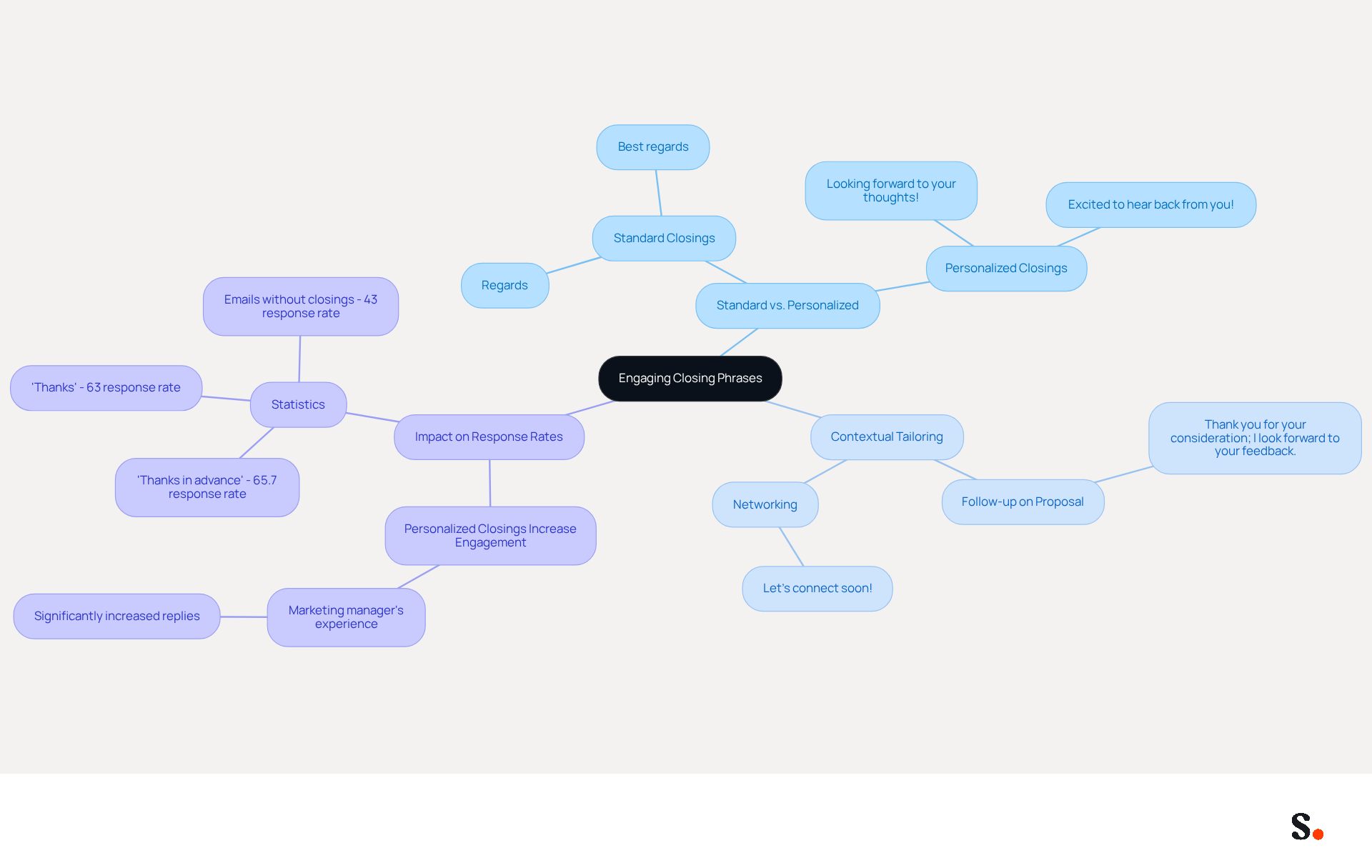
Standard closing email remarks often fall flat, while personalized closing email remarks can truly engage your audience. To enhance your closing email remarks, consider incorporating phrases that encourage further interaction. For example, instead of a standard 'Best regards,' you might say, 'Looking forward to your thoughts!' or 'Excited to hear back from you!' These phrases convey enthusiasm and encourage a response.
Furthermore, tailor your closing email remarks to fit the situation of your message. If you're following up on a proposal, a statement like 'Thank you for your consideration; I look forward to your feedback' can be effective. For networking messages, consider using 'Let’s connect soon!' to foster a sense of camaraderie.
Studies indicate that personalized sign-offs can increase response rates significantly. For instance, a marketing manager who adopted more engaging sign-offs reported a significant uptick in replies from potential clients, demonstrating the power of thoughtful communication.
Incorporate a Professional Email Signature for Brand Consistency
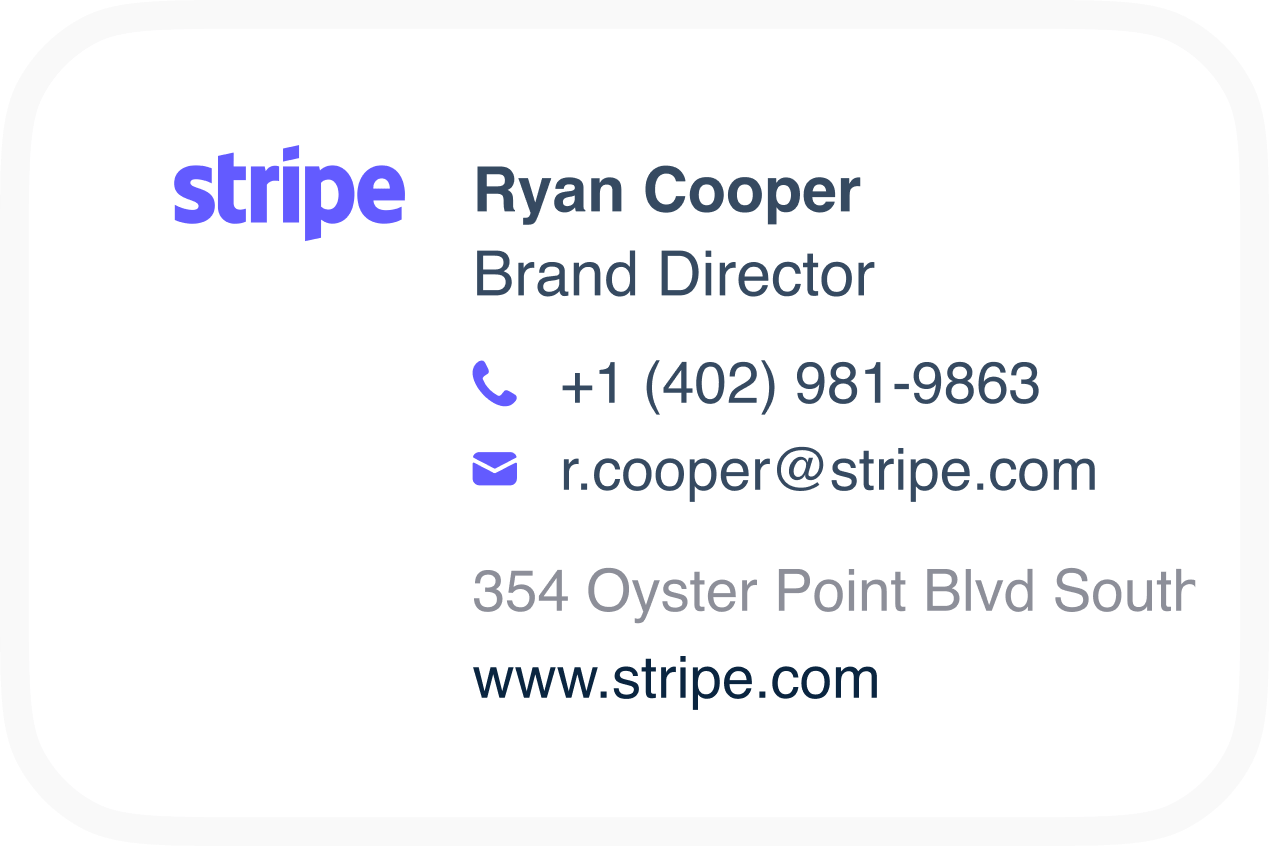
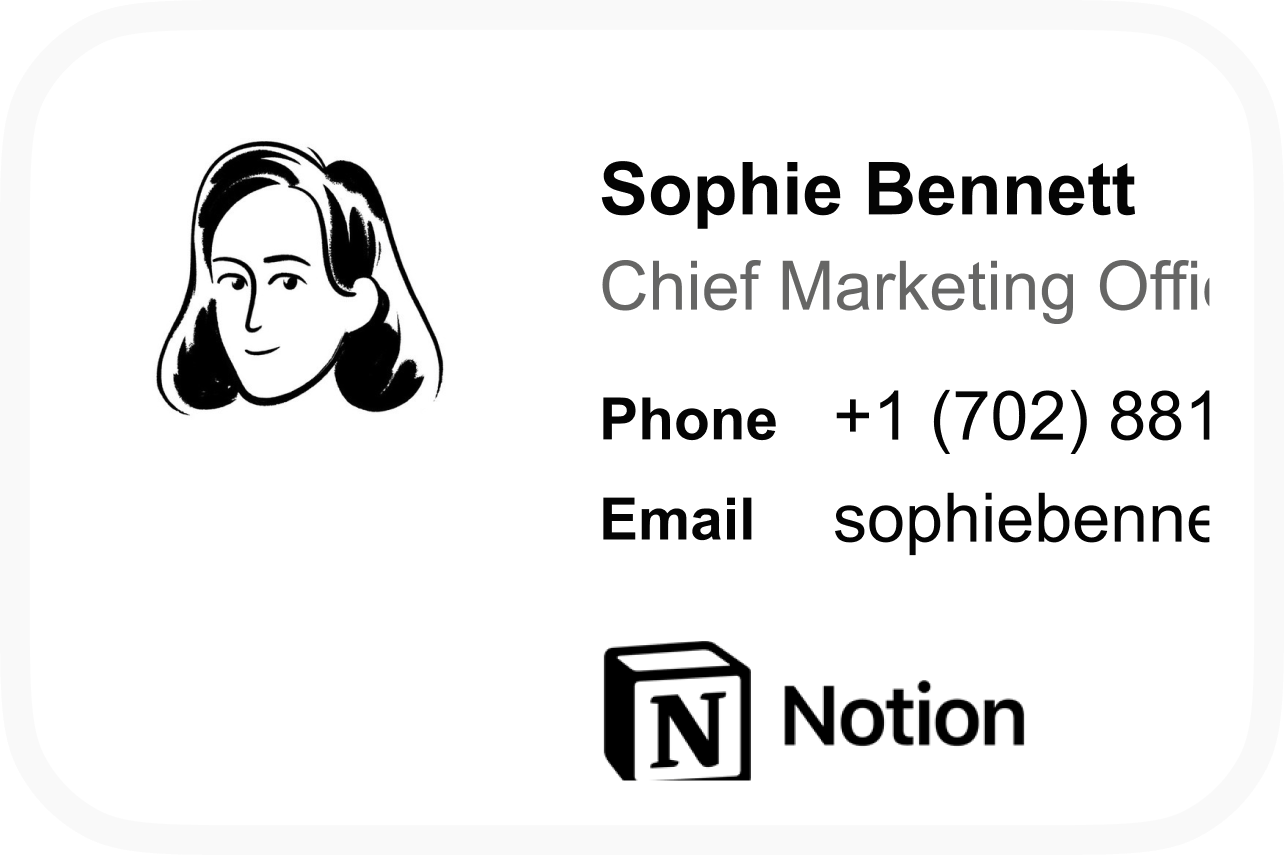
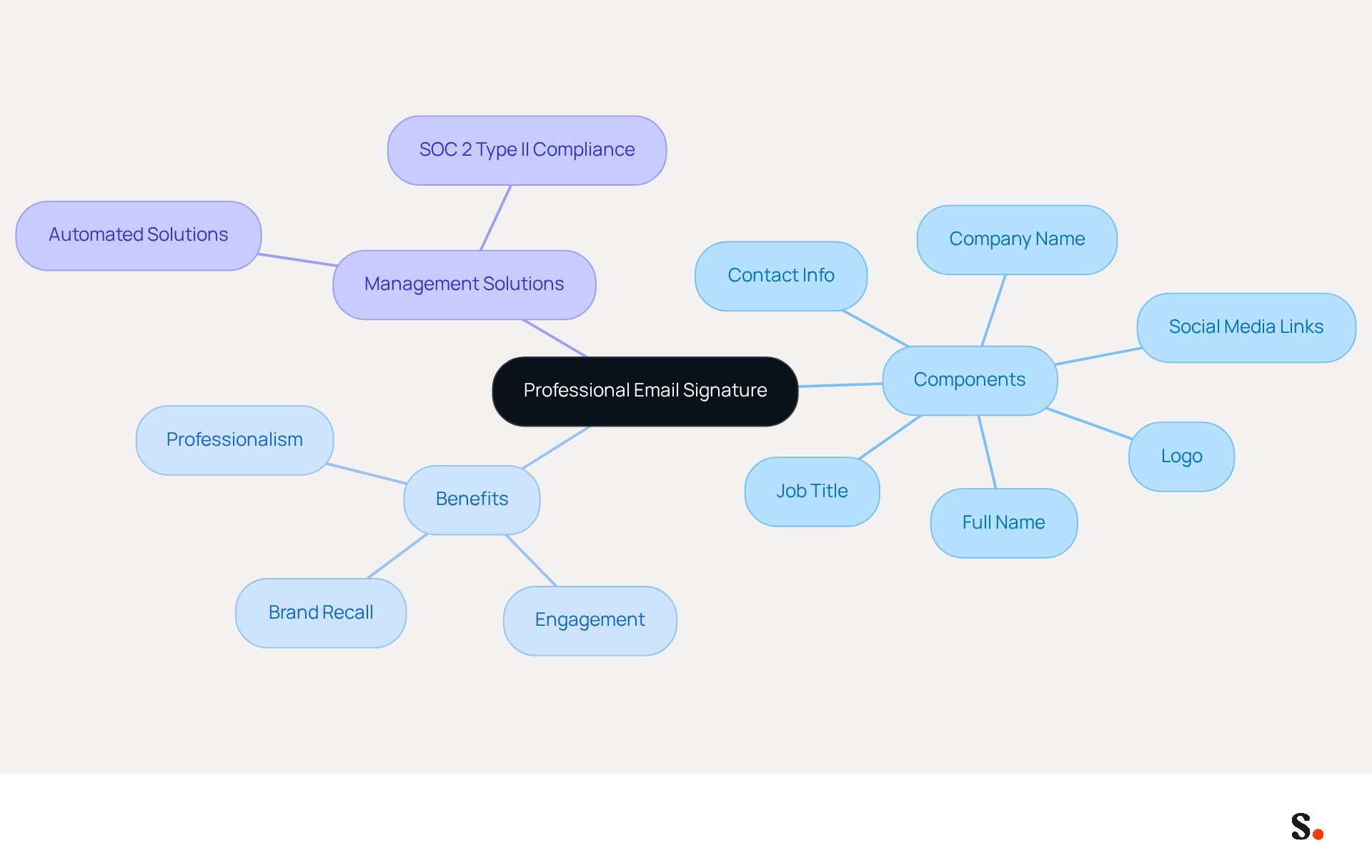
A professional email footer is not just a formality; it is a vital component of your brand identity and should include your full name, job title, company name, and contact information. For instance, a well-structured signature might appear as follows:
John Doe
Marketing Manager
Scribe
johndoe@scribe.com
(123) 456-7890
In addition to basic contact details, including your company logo and social media links enhances brand recognition and offers recipients multiple ways to connect. Your email footer must be visually appealing and align with your company's branding guidelines.
Research indicates that companies using standardized email signatures see a 15% boost in brand recall. This statistic underscores the importance of maintaining a professional digital identity to ensure brand consistency and enhance interaction effectiveness. Furthermore, incorporating interactive elements in your footer can boost engagement and simplify interactions, decreasing message volume. By utilizing Scribe's automated solutions, organizations can effortlessly implement and manage these identifiers, ensuring that every message sent reinforces their brand image. With Scribe, any modifications made in your Aircall setup will automatically sync with your digital identifiers, providing effortless updates and maintaining brand consistency across all interactions. Moreover, Scribe's dedication to SOC 2 Type II compliance guarantees secure data management, providing you with peace of mind as you handle your signatures. By prioritizing your email signature management, you can ensure that every interaction reinforces your brand's integrity and professionalism.
Tailor Closings to Context: Follow-Ups, Networking, and More
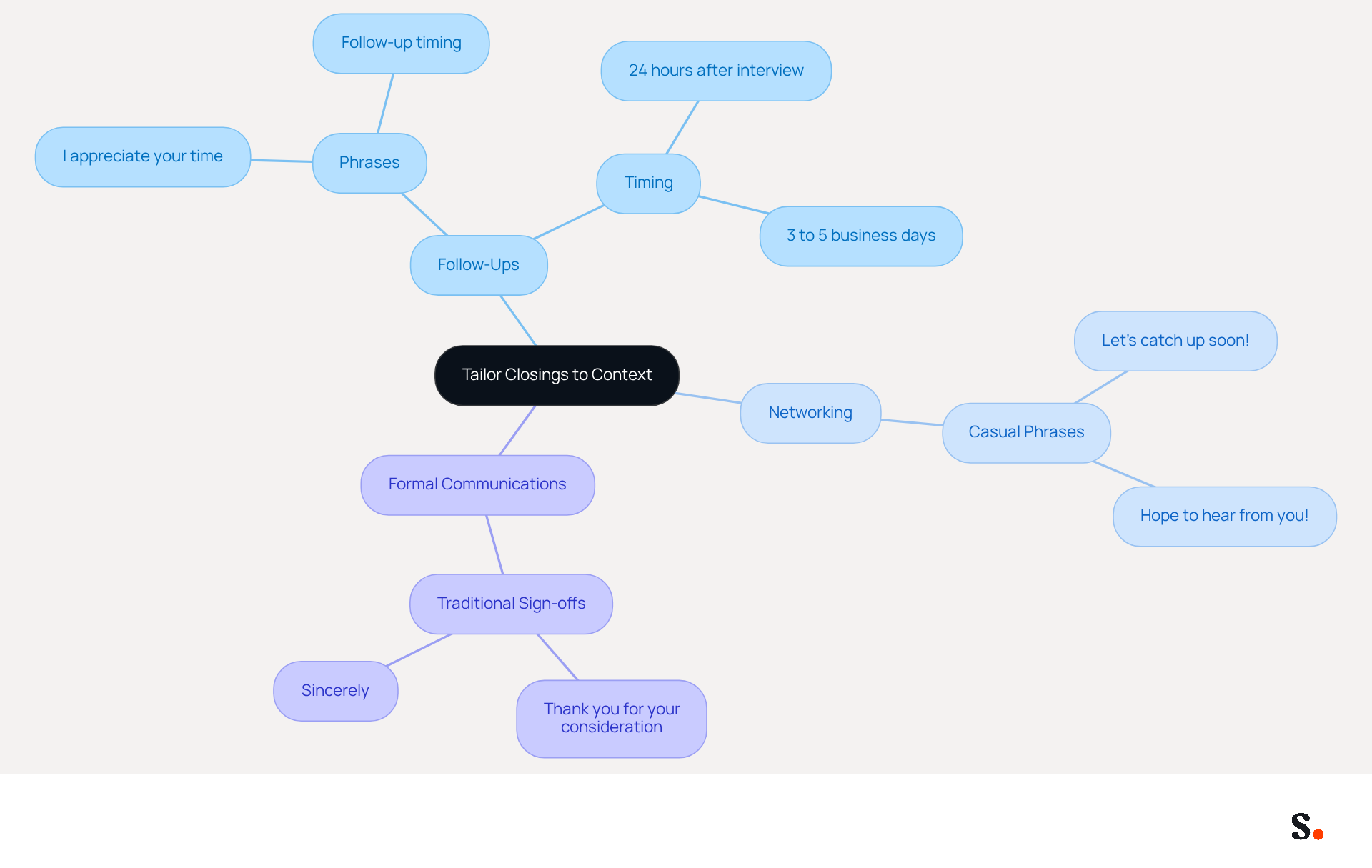
In professional communication, the closing email remarks can greatly influence the recipient's response. In follow-up emails, using phrases like 'I appreciate your time and look forward to your feedback' shows respect for the recipient's schedule and encourages a response. A casual farewell, such as 'Let’s catch up soon!', can help foster a friendly tone and strengthen connections. For formal communications, a traditional sign-off like 'Thank you for your consideration' is more suitable.
When you tailor your closing email remarks to the context, you not only demonstrate professionalism but also increase your chances of receiving a positive response. For instance, a marketing manager who customized their message sign-offs based on context reported a 25% increase in successful follow-ups, as emphasized in a recent study. Furthermore, research shows that follow-up messages sent within 3 to 5 business days yield higher response rates, making timely and contextually relevant closings even more essential in achieving desired outcomes. Providing context in follow-up emails, such as the date and topic of previous interactions, can further enhance engagement and response rates.
Conclusion
Effective closing remarks in emails are vital for marketing managers seeking to enhance communication and build professional relationships. By prioritizing clarity, tone, and personalization, the impact of email correspondence can be significantly amplified. A well-crafted closing reflects professionalism and fosters engagement, making it essential for marketing professionals.
Key strategies discussed include:
- Maintaining a consistent tone that aligns with the message's formality.
- Utilizing engaging phrases that invite responses.
- Incorporating a professional email signature that reinforces brand identity.
The integration of tools like Scribe can streamline the management of email signatures, ensuring that every communication is not only professional but also consistent with the brand's image. Furthermore, tailoring closings to specific contexts - such as follow-ups or networking - can significantly improve engagement and strengthen professional connections.
Mastering email closings is about more than just finishing a message; it’s about making a memorable impact. By implementing these best practices, marketing managers can enhance their communication effectiveness, strengthen relationships, and drive better outcomes in their professional endeavors. By mastering these techniques, marketing managers can turn their email correspondence into a strategic asset that fosters engagement and drives success.
Frequently Asked Questions
Why is clarity and conciseness important in correspondence?
Clarity and conciseness are important because they ensure that your message is effective and easily understood. Using clear language avoids misunderstandings and enhances the impact of your communication.
How can I simplify my language in correspondence?
You can simplify your language by avoiding jargon and complex sentences. For example, instead of saying, "I would like to express my gratitude for your consideration of my proposal," you can say, "Thank you for considering my proposal."
What should I consider when choosing a tone for my correspondence?
You should maintain a consistent tone throughout your correspondence. If your message is formal, use formal closing remarks like "Sincerely" or "Best regards." For casual interactions, phrases like "Thanks" or "Cheers" are more appropriate.
How does syncing Google Workspace with Scribe help in managing correspondence?
Syncing Google Workspace with Scribe helps manage correspondence identifiers by automatically updating your teammates' information, ensuring that your signatures are always current and professional.
What impact does using clear conclusions have on engagement rates?
Using clear conclusions can significantly increase engagement rates; for instance, a marketing manager who implemented this saw a 30% increase in engagement.
How does the reading level of a message affect response rates?
Messages composed at a 3rd-grade reading level achieve a 36% higher response rate compared to those written at a college level, highlighting the importance of simplicity in communication.
List of Sources
- Establish a Professional Tone and Clarity in Closings
- Mastering Professional Email Sign-Offs in 2026 (https://linkedin.com/pulse/mastering-professional-email-sign-offs-2026-bulksignature-qsr4e)
- 7 Tips for Getting More Responses to Your Emails (With Data!) – The Boomerang Blog (https://blog.boomerangapp.com/2016/02/7-tips-for-getting-more-responses-to-your-emails-with-data)
- Email Etiquette At Work: Universal Rules For Every Professional (https://forbes.com/councils/forbescoachescouncil/2026/04/16/email-etiquette-at-work-universal-rules-for-every-professional)
- 40 Email vs SMS Response Rate Statistics for Dealers | Demand Local, Inc. (https://demandlocal.com/blog/email-vs-sms-response-rate-statistics)
- April 2026 news: Your email is performing. Your data might not be. (https://linkedin.com/pulse/april-2026-news-your-email-performing-data-might-mailgun-om7te)
- Utilize Engaging Closing Phrases and Sign-Offs
- Why 'Is Best' is a Good Email Sign-Off for Engagement (https://scribe-mail.com/en-US/blog/why-is-best-is-a-good-email-sign-off-for-engagement)
- 12 Email Sign-Offs That Get Responses [2026 Data] (https://lagrowthmachine.com/email-sign-offs-get-responses)
- Forget “Best” or “Sincerely,” This Email Closing Gets the Most Replies – The Boomerang Blog (https://blog.boomerangapp.com/2017/01/how-to-end-an-email-email-sign-offs)
- How to Create More Effective Email Sign-Offs - SCORE (https://score.org/articles/how-create-more-effective-email-sign-offs)
- Is 'Best' a Good Way to End an Email? Compare Sign-Offs Here (https://scribe-mail.com/en-US/blog/is-best-a-good-way-to-end-an-email-compare-sign-offs-here)
- Incorporate a Professional Email Signature for Brand Consistency
- Why Team Email Signatures Matter More Than You Think: The Hidden Impact on Brand Trust and Customer Experience (https://getmailbird.com/why-team-email-signatures-matter-brand-trust)
- The impact of email signatures on your branding (https://signitic.com/en/resources/the-impact-of-email-signatures-on-your-branding)
- Research Recap: Branded Email Signatures Increase Company Recognition, Trust - B2BMX INSIGHTS (https://demandgenreport.com/industry-news/research-recap-branded-email-signatures-increase-company-recognition-trust/47252)
- Why Email Signatures Must Be In Your 2026 Marketing Plan | Rocketseed (https://rocketseed.com/blog/2026-marketing-plan-email-signatures)
- Tailor Closings to Context: Follow-Ups, Networking, and More
- Follow up emails: best practices and 3 key examples | Adobe Acrobat (https://adobe.com/acrobat/resources/follow-up-emails.html)
- The art of the follow up | Browser Media (https://browsermedia.agency/blog/the-art-of-the-follow-up)
- The Ultimate Guide On How To Write A Follow Up Email (https://hubspot.com/sales/follow-up-email)
- 5 Tips For Informing Your Follow-Up Strategy (https://blog.onepitch.co/5-tips-for-informing-your-follow-up-strategy?hs_amp=true)
- Follow-Up Emails: The Complete Guide (https://letsignit.com/blog/how-to-write-a-follow-up-email)
Get started with Scribe
Signatures for every role on your team
Free 14-day trial — no credit card.