Maximize Marketing Impact with Effective QR Code Desktop Readers
While QR codes promise to revolutionize marketing, their successful integration poses significant challenges for businesses. As businesses rush to adopt QR
Sophie Grant
Email Signature Specialist, Scribe

Introduction
While QR codes promise to revolutionize marketing, their successful integration poses significant challenges for businesses. As businesses rush to adopt QR codes, they often overlook the complexities of effective integration, particularly regarding security and compliance. Navigating these complexities is crucial for organizations aiming to leverage QR codes effectively and maintain consumer trust.
Understand QR Codes and Their Marketing Potential
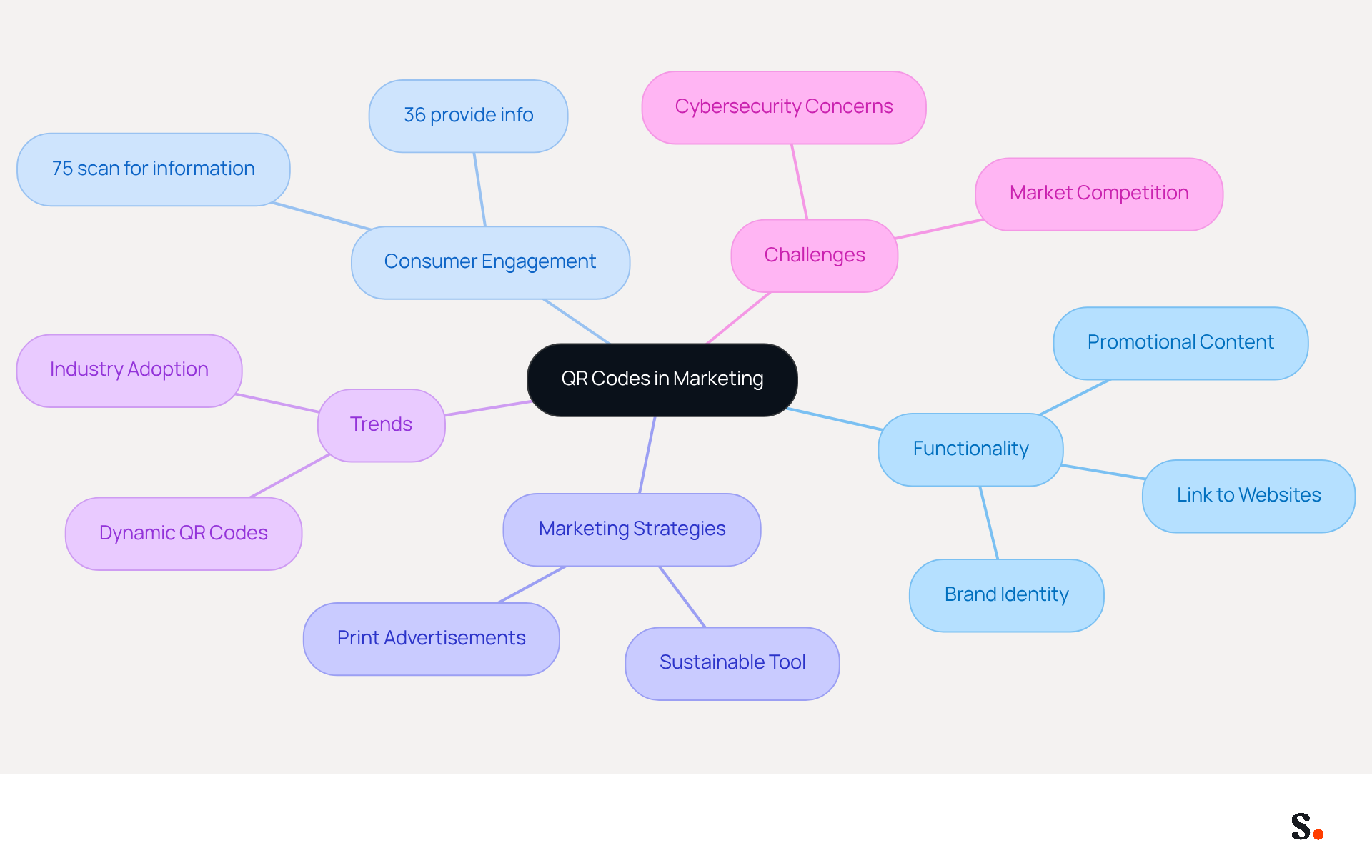
QR symbols serve as a powerful tool for marketers, bridging the gap between offline and online consumer engagement. These two-dimensional barcodes are designed to hold significant information, ideal for promotional use. They can link to websites, promotional content, or social media pages, providing instant access to information for consumers. The marketing potential of QR symbols lies in their ability to enhance engagement and drive conversions. For instance, placing QR symbols on print advertisements can guide customers to a landing page with additional information or special offers.
Furthermore, QR symbols can be tailored to represent brand identity, making them not only functional but also visually appealing. According to a report by Uniqode, 75% of consumers scan QR symbols to obtain more information, demonstrating their ability to engage consumers effectively. However, only 36% of marketers provide this information, highlighting the need for companies to align QR destinations with consumer needs. Additionally, 73% of organizations report a decrease in printed materials due to QR technology, underscoring their role as a sustainable promotional tool. By incorporating QR symbols into marketing strategies, organizations can create engaging experiences that foster brand loyalty and drive sales.
Recent trends indicate that dynamic QR symbols are becoming essential for marketers, allowing real-time updates without the need for reprinting materials. This flexibility is crucial as organizations adapt to rapidly changing market conditions. Moreover, case studies from various industries illustrate the successful implementation of QR symbols, with sectors like retail and hospitality leading the way in adoption. As the QR technology market is projected to grow significantly, businesses that leverage this innovation effectively will likely see enhanced marketing outcomes. However, it is also important to be aware of potential cybersecurity concerns, such as quishing, which emerged as a significant issue in 2025. Organizations that fail to adopt QR technology risk falling behind in a competitive market.
Select Effective QR Code Desktop Readers for Campaigns
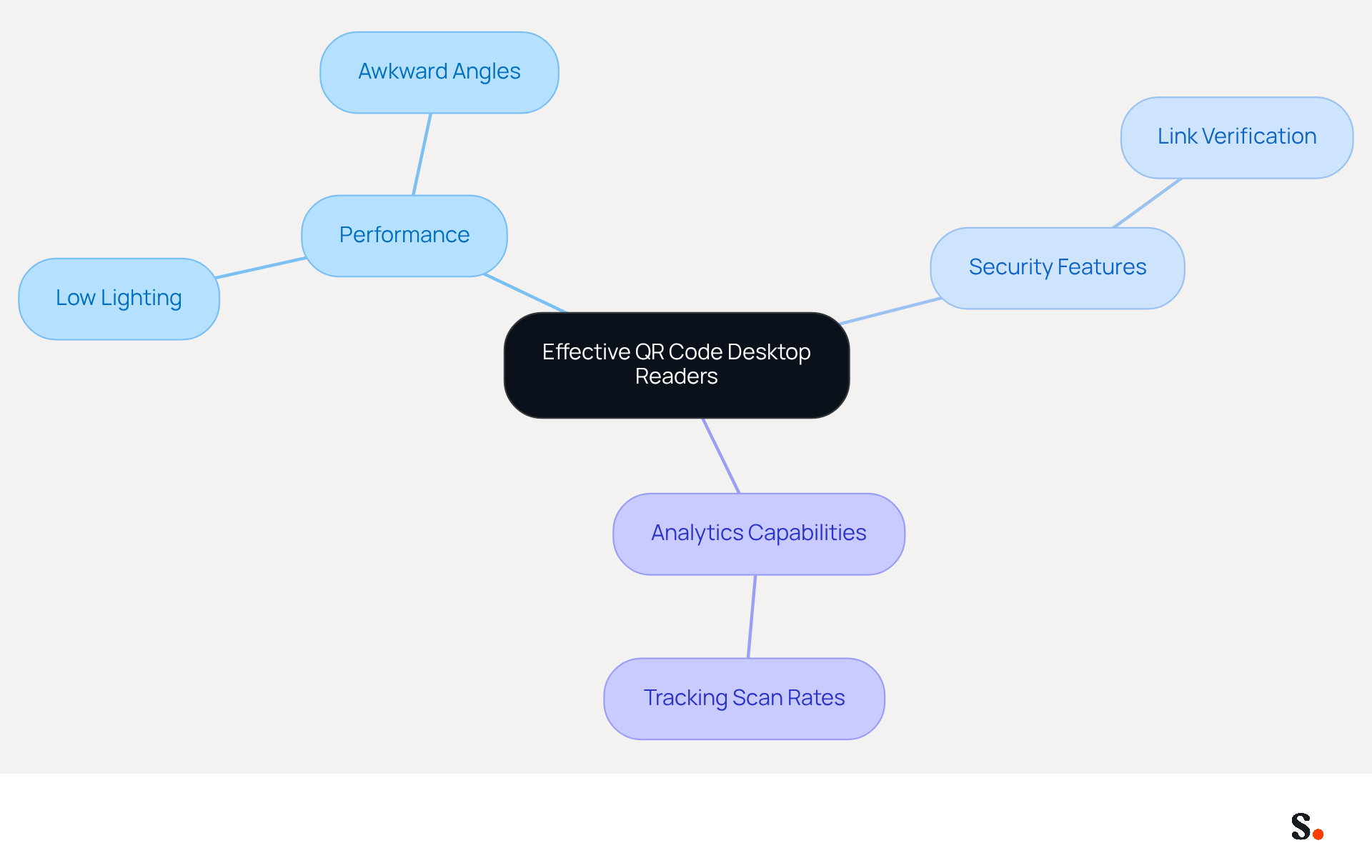
When selecting a QR code desktop reader for desktop use, it is crucial to evaluate its performance in challenging conditions, such as low lighting or awkward angles. An effective QR code desktop reader must scan symbols quickly and accurately, especially in these situations. Tools like CodeTwo's QR code desktop reader and generator offer an intuitive interface and robust scanning features, making them ideal for businesses looking to integrate QR codes into their promotional strategies.
Security features are also vital; certain QR readers can verify links for safety before users access them, protecting them from potential threats. Seek out readers equipped with analytics capabilities, as they enable tracking of scan rates and user engagement, providing valuable insights for your campaigns. Ultimately, the right QR scanner not only enhances user experience but also provides critical data that can drive future marketing success.
Integrate QR Codes into Marketing Strategies for Maximum Impact
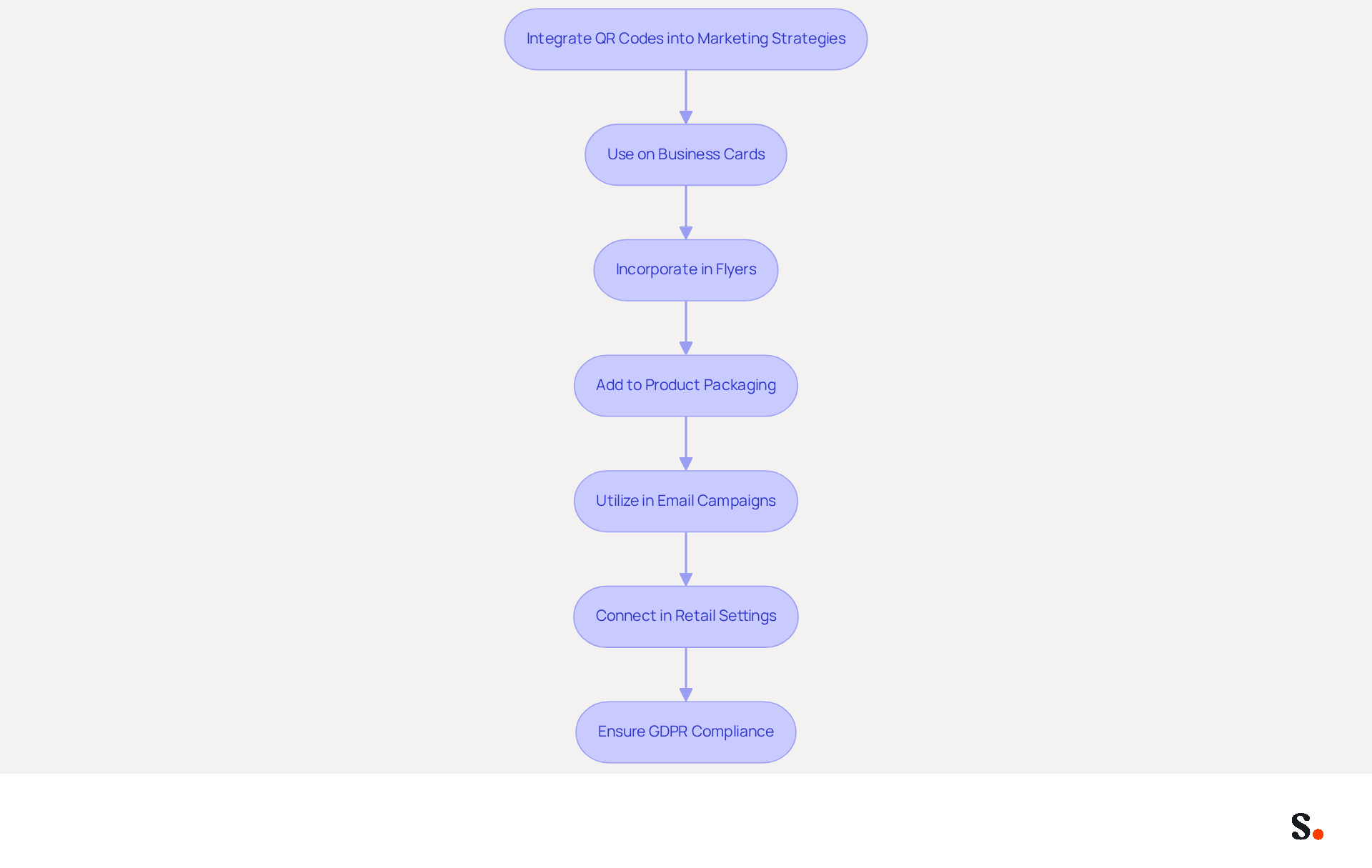
To maximize customer engagement, businesses must strategically integrate QR symbols into their marketing efforts. For instance, use QR symbols on business cards, flyers, and product packaging to direct customers to online content or special promotions. Ensure that these QR symbols lead to mobile-optimized landing pages to enhance user experience.
Additionally, consider utilizing QR symbols in email marketing campaigns. By incorporating QR symbols in newsletters, you can drive traffic to exclusive offers or content, thereby improving engagement rates. In retail settings, QR symbols can connect customers to product information and reviews, making it easier for them to make informed decisions. Based on industry surveys, many marketers are currently using QR symbols in their strategies and plan to increase their usage, indicating a significant opportunity for businesses.
Successful case studies highlight the adaptability of QR symbols. For example, Taco Bell's Doritos Locos Tacos campaign employed QR symbols on packaging to guide customers to interactive content, resulting in increased engagement and sales. Taco Bell noted, "By incorporating QR symbols into their promotional strategy, Taco Bell was able to drive engagement, increase sales, and build brand awareness with their target audience." Similarly, using QR symbols in event ticketing has streamlined check-ins and provided attendees with convenient access to event information, demonstrating their efficiency across various promotional channels.
Furthermore, organizations must ensure their QR data collection adheres to GDPR and CCPA regulations, adding a significant layer of responsibility to the marketing strategies discussed. This shift in strategy can lead to increased customer loyalty and sales. By prioritizing compliance with data regulations, businesses not only protect themselves but also build trust with their customers.
Track and Analyze QR Code Campaign Performance
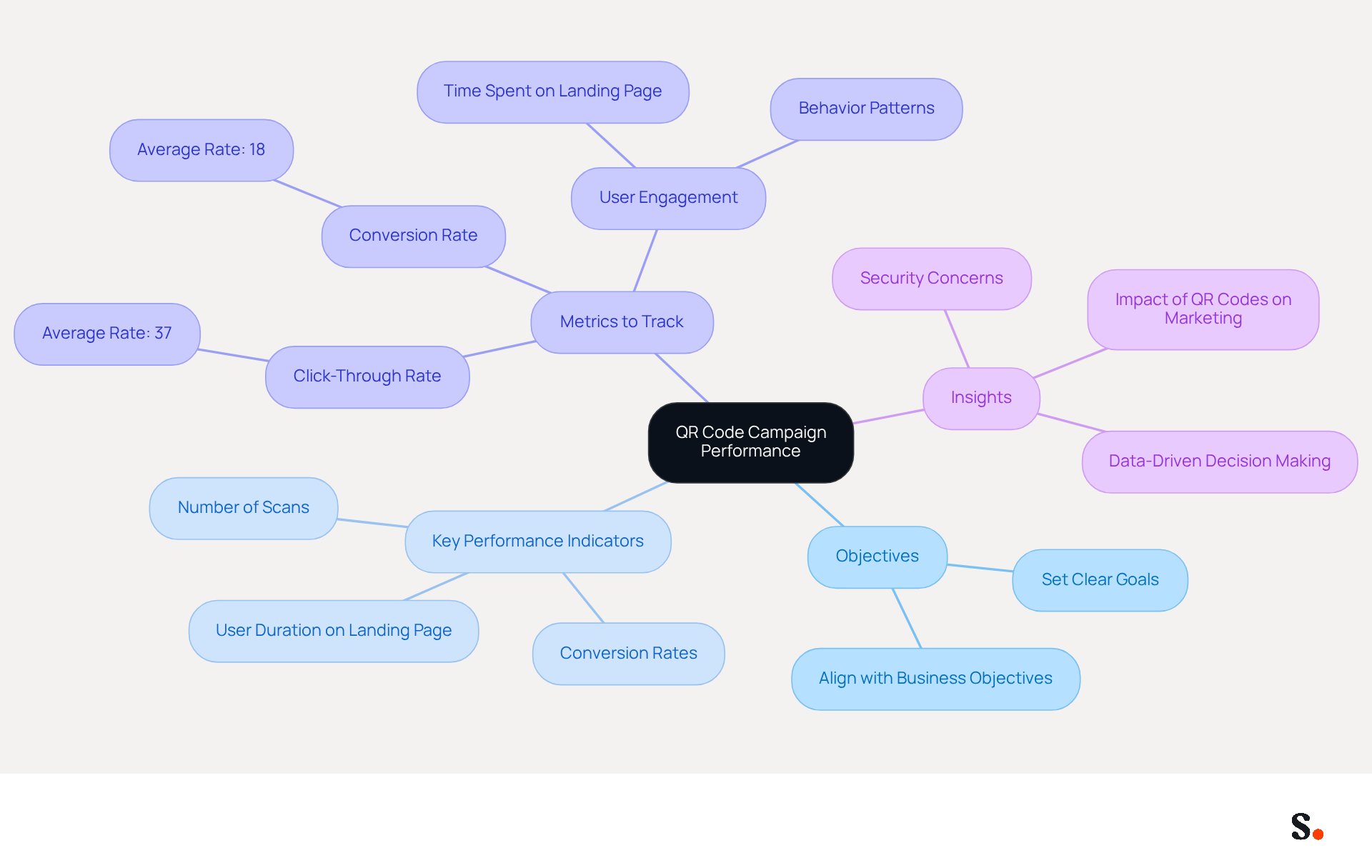
To maximize the effectiveness of QR initiatives, it is crucial to track and analyze their performance meticulously. By integrating Google Analytics with QR codes, marketers can effectively monitor the traffic generated from scans, providing a clear assessment of their initiatives. Notably, QR codes achieve an average click-through rate of 37%, which serves as a benchmark for evaluating initiative success.
Before initiating QR initiatives, it is essential to set clear objectives and key performance indicators (KPIs). Important metrics to track include:
- The number of scans
- Conversion rates
- The duration users spend on the landing page
QR initiatives deliver an average conversion rate of 18%, surpassing traditional media and emphasizing their effectiveness. For instance, a retail brand that implemented QR tracking reported a 30% increase in conversion rates by optimizing their landing pages based on user feedback and behavior patterns. This illustrates the significant impact of data-driven decision-making in enhancing campaign performance.
However, potential security issues related to QR codes could undermine user trust and engagement. Additionally, the ability to export scan data and summaries to CSV or Excel for analysis can greatly benefit marketers in refining their strategies. As the QR code market is projected to grow to $33.13 billion by 2030, understanding these metrics and insights will be essential for leveraging QR codes effectively in marketing strategies. As the QR code landscape evolves, marketers must remain vigilant and adaptable to leverage these tools successfully.
Conclusion
Incorporating QR codes into marketing strategies can significantly enhance consumer engagement and drive conversions, yet many businesses face challenges in their effective implementation. By effectively utilizing these two-dimensional barcodes, organizations can bridge the gap between offline and online interactions, creating seamless experiences that resonate with customers. Using QR codes strategically helps build brand loyalty and allows businesses to succeed in today's digital world.
Key insights emphasize the need to:
- Choose effective QR code readers
- Integrate them across marketing channels
- Track campaign performance closely
The ability to analyze metrics such as scan rates and conversion rates empowers marketers to refine their strategies and maximize the impact of their initiatives. Successful case studies, such as Taco Bell's innovative use of QR codes, demonstrate the tangible benefits of this technology in driving engagement and sales.
As the QR code market continues to expand, businesses must remain proactive in adopting these tools while ensuring compliance with data regulations like GDPR and CCPA. By prioritizing security and user experience, organizations can build trust with their customers and leverage QR codes to unlock their full marketing potential. By embracing QR codes, brands not only enhance their marketing effectiveness but also position themselves for long-term success in a rapidly evolving digital landscape.
Frequently Asked Questions
What are QR codes and how are they used in marketing?
QR codes, or QR symbols, are two-dimensional barcodes that hold significant information and are used in marketing to bridge the gap between offline and online consumer engagement. They can link to websites, promotional content, or social media pages, providing instant access to information for consumers.
What is the marketing potential of QR codes?
The marketing potential of QR codes lies in their ability to enhance consumer engagement and drive conversions. For example, placing QR codes on print advertisements can direct customers to landing pages with additional information or special offers.
How do QR codes contribute to brand identity?
QR codes can be tailored to represent brand identity, making them not only functional but also visually appealing, which helps in reinforcing brand recognition.
What percentage of consumers scan QR codes for more information?
According to a report by Uniqode, 75% of consumers scan QR codes to obtain more information, indicating their effectiveness in engaging consumers.
How many marketers provide information through QR codes?
Only 36% of marketers provide information through QR codes, highlighting a gap between consumer interest and marketer engagement.
What impact has QR technology had on printed materials?
73% of organizations report a decrease in printed materials due to QR technology, indicating its role as a sustainable promotional tool.
What are dynamic QR codes and why are they important?
Dynamic QR codes allow for real-time updates without the need for reprinting materials, providing flexibility for organizations to adapt to rapidly changing market conditions.
Which industries are leading in the adoption of QR codes?
Industries such as retail and hospitality are leading the way in the adoption of QR codes, showcasing successful implementation in their marketing strategies.
What are the cybersecurity concerns associated with QR codes?
Potential cybersecurity concerns include 'quishing,' which emerged as a significant issue in 2025, highlighting the need for organizations to be aware of security risks when using QR technology.
What is the future outlook for QR technology in marketing?
The QR technology market is projected to grow significantly, and businesses that effectively leverage this innovation are likely to see enhanced marketing outcomes. Organizations that fail to adopt QR technology risk falling behind in a competitive market.
List of Sources
- Understand QR Codes and Their Marketing Potential
- How QR Codes Are Making a Comeback in Print Advertising (2026 Guide) (https://niagaraprintexpress.ca/qr-codes-comeback-print-advertising-2026)
- QR Code Marketing Trends in 2026: Latest News & Strategies (https://qrstuff.com/feeds/blog/qr-code-marketing-news-october-2025)
- QR Code Statistics 2026: 60+ Facts and Data (https://wavecnct.com/blogs/qr-code-statistics)
- How Marketers Optimized QR Codes to Drive Engagement and Sales (https://uschamber.com/co/good-company/launch-pad/brands-using-qr-codes-to-drive-sales)
- How QR codes can help marketers: From seamless commerce to developing a deeper understanding of customers (https://emarketer.com/content/how-qr-codes-help-marketers-seamless-commerce-developing-deeper-understanding-of-customers)
- Select Effective QR Code Desktop Readers for Campaigns
- How QR Codes Are Making a Comeback in Print Advertising (2026 Guide) (https://niagaraprintexpress.ca/qr-codes-comeback-print-advertising-2026)
- How Brands Use QR Codes to Boost Engagement and Drive Sales (https://uschamber.com/co/good-company/launch-pad/qr-codes-customer-engagement-sales)
- The Ultimate Guide to QR Code Marketing in 2026 (https://weely.ai/blog/qr-code-marketing-in-2026)
- Uniqode Launches Una, an AI Assistant to Improve QR Campaign Performance (https://prnewswire.com/news-releases/uniqode-launches-una-an-ai-assistant-to-improve-qr-campaign-performance-302838490.html)
- 2026 Top QR Code Reader Trends You Should Know? (https://yhdaa.com/blog/2026-qr-code-reader-trends-you-should-know)
- Integrate QR Codes into Marketing Strategies for Maximum Impact
- QR code trends for 2026: What to expect • QRCodeKIT (https://qrcodekit.com/news/qr-code-trends)
- How to Power Your QR Code Email Marketing Campaign for Success (https://campaignmonitor.com/blog/email-marketing/guide-to-qr-codes-and-html-email)
- How To Incorporate QR Codes in Your Digital Marketing Strategy (https://thriveagency.com/news/how-to-incorporate-qr-codes-in-your-digital-marketing-strategy)
- QR Code Marketing Strategy: Campaigns That Work (2026) (https://qrforever.com/blog/qr-codes-marketing-campaigns-strategies)
- How to use a QR code in your marketing strategy (https://adobe.com/express/learn/blog/qr-code-marketing)
- Track and Analyze QR Code Campaign Performance
- 30+ QR Code Statistics to Help Drive Your Marketing Strategy in 2026 (https://bitly.com/blog/qr-code-statistics)
- Measuring QR Code ROI: Campaigns, Data, and Real Impact | QR Tiger (https://qrcode-tiger.com/qr-code-roi)
- QR Code Analytics Features for Data-Driven Insights - QRNow (https://qrnow.com/features/qr-code-analytics-features-for-data-driven-insights)
- How 6 news organizations are using QR codes to drive traffic to news content - Poynter (https://poynter.org/newsletters/2011/how-6-news-organizations-are-using-qr-codes-to-drive-traffic-to-news-content)
Get started with Scribe
See why teams switch to Scribe
Free 14-day trial — no credit card.