Understanding Warm Regards Meaning: Context, Use, and Examples
The effective use of email sign-offs is crucial in professional communication, influencing perceptions and relationships. This analysis examines the meaning
Sophie Grant
Email Signature Specialist, Scribe

Introduction
The effective use of email sign-offs is crucial in professional communication, influencing perceptions and relationships. This analysis examines the meaning, context, and implications of using "Warm regards," including its historical roots and its potential to enhance relationships in diverse professional settings. Understanding the impact of this seemingly simple sign-off is essential, as its misuse can lead to significant misunderstandings.
Define 'Warm Regards': Meaning and Usage
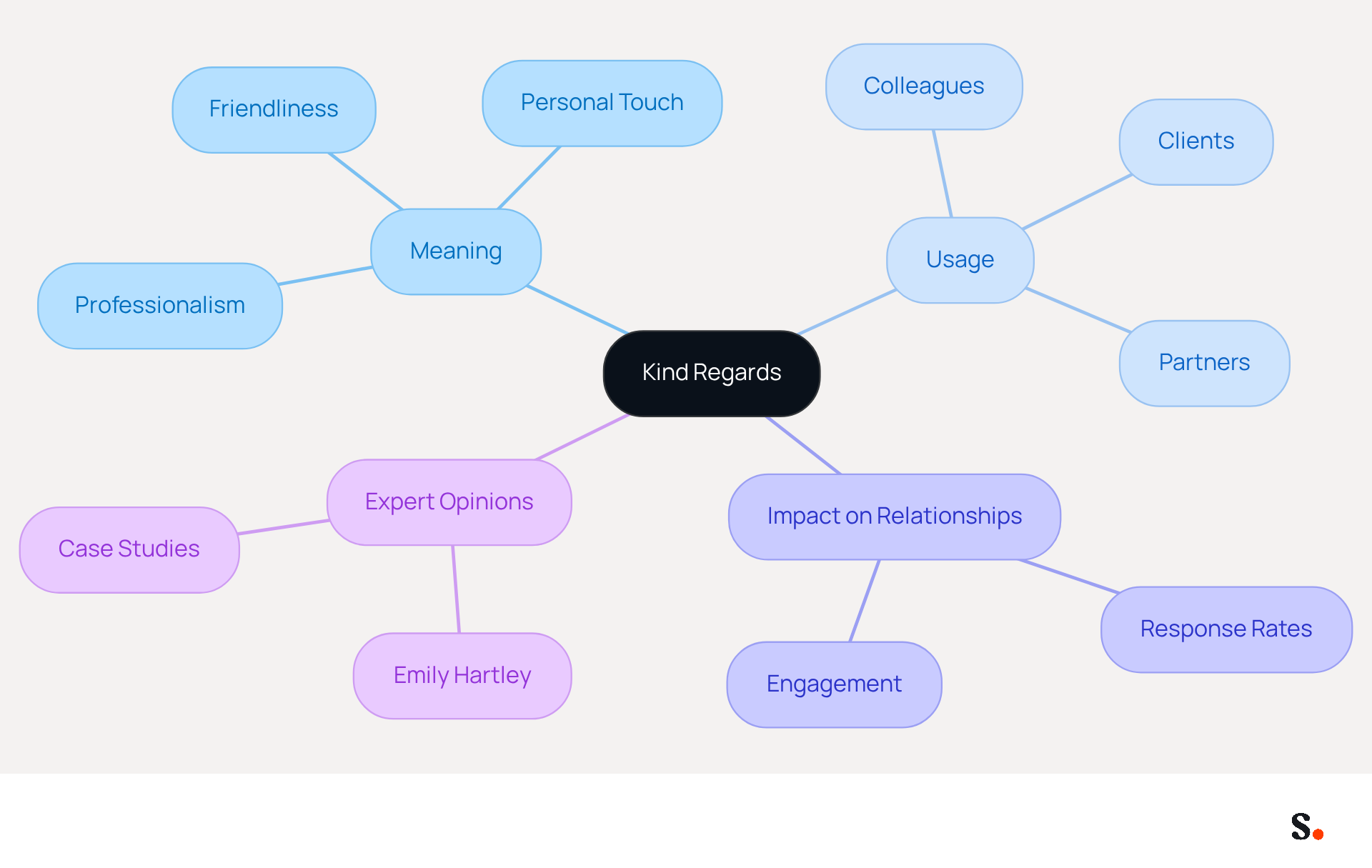
Finding the right email sign-off can significantly influence professional relationships. Kind regards is a commonly acknowledged email sign-off that achieves a balance between professionalism and friendliness. It conveys goodwill and positive sentiment towards the recipient, making it an ideal choice for various professional contexts. Unlike more formal closings such as Sincerely or Best wishes, Kind regards adds a personal touch, indicating that the sender values their connection with the recipient. It is especially effective in communications with colleagues, clients, and partners, as it helps maintain a cordial tone.
The impact of email sign-offs on recipient response rates is significant. Research shows that personalized emails with thoughtful sign-offs can boost conversions by up to six times compared to generic messages. Friendly greetings cultivate a sense of connection, increasing the chances of a favorable reply. In fact, using this sign-off can humanize the sender, strengthening client connections, especially in industries where personal ties are vital.
Experts agree that Kind regards works well for ongoing professional connections because it conveys warmth and sincerity. Emily Hartley observes that while Kind regards is suitable for friendly interactions, it may not be appropriate for formal communication that requires a more traditional closing. Case studies, such as the one titled Implications of Kind Regards in Business, emphasize that organizations using Kind regards in their communications have experienced enhanced engagement and trust from recipients. This shift in approach can lead to improved relationships and increased response rates, reinforcing the significance of selecting the appropriate sign-off to align with the tone of the message and the connection with the recipient.
Explore the Context and Origin of 'Warm Regards'
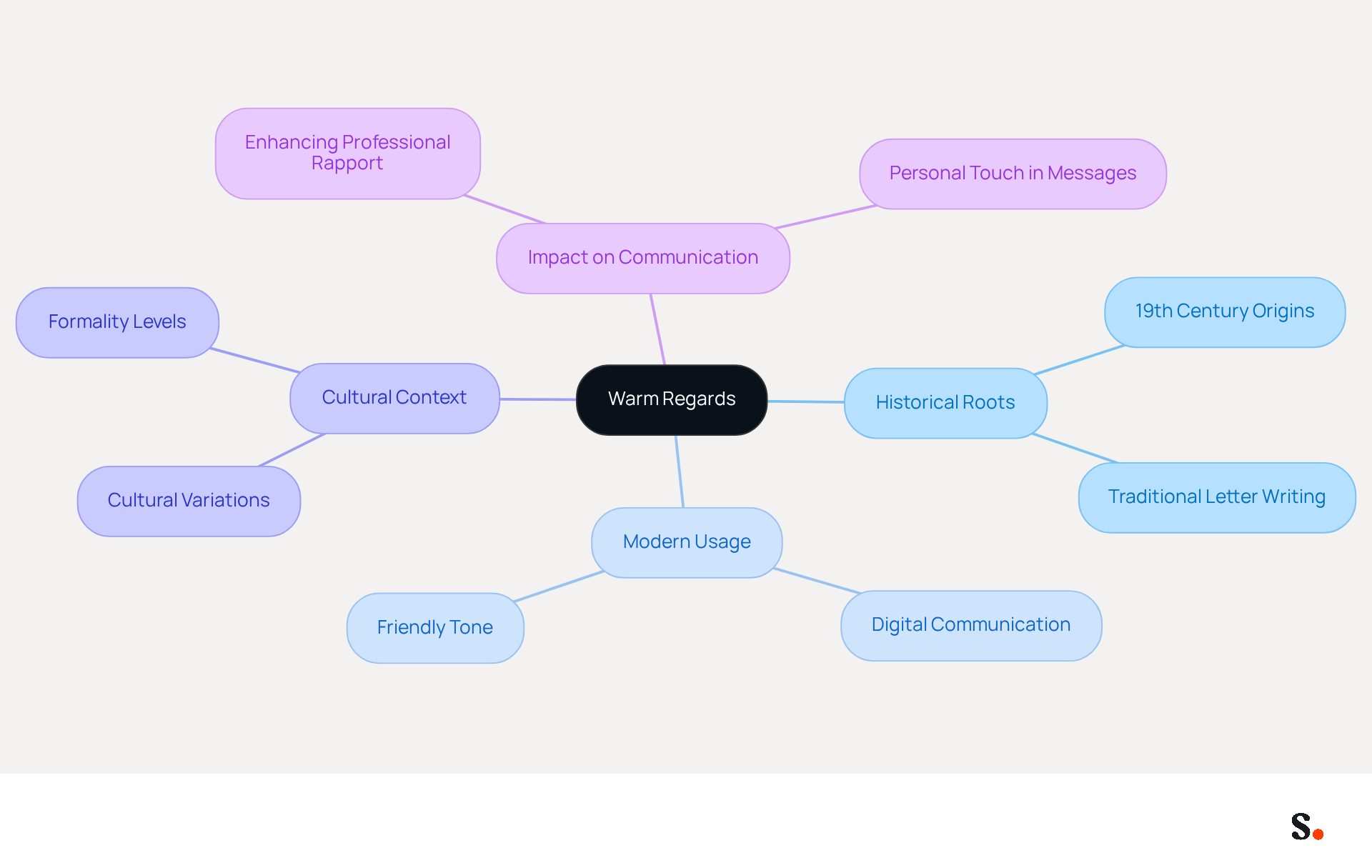
The phrase 'Kind regards' reflects a shift in communication styles, blending tradition with modernity. Its roots lie in traditional letter writing, where closings were often more elaborate and formal. The term 'regards' has been in use since the 19th century, serving as a means to convey respect and good wishes. The term 'warm' adds a personal touch, indicating genuine warmth towards the recipient. This phrase has gained popularity in the digital age, particularly in email communication, where a friendly tone can enhance connections and foster collaboration.
It is crucial to use 'Kind Wishes' carefully, especially in serious matters, as it may not always convey the appropriate level of formality required. Case studies illustrate that using 'warm regards meaning' in professional settings can positively impact client relationships, demonstrating appreciation and respect. For instance, research indicates that the warm regards meaning can enhance professional rapport, making communications feel more personal and sincere.
Furthermore, cultural context plays a significant role in the suitability of 'Kind Regards'; in some cultures, it is viewed as friendly and acceptable in business environments, while in others, a more formal approach may be favored. Recognizing the cultural implications of sign-offs can significantly enhance professional interactions.
Identify Key Characteristics and Implications of 'Warm Regards'
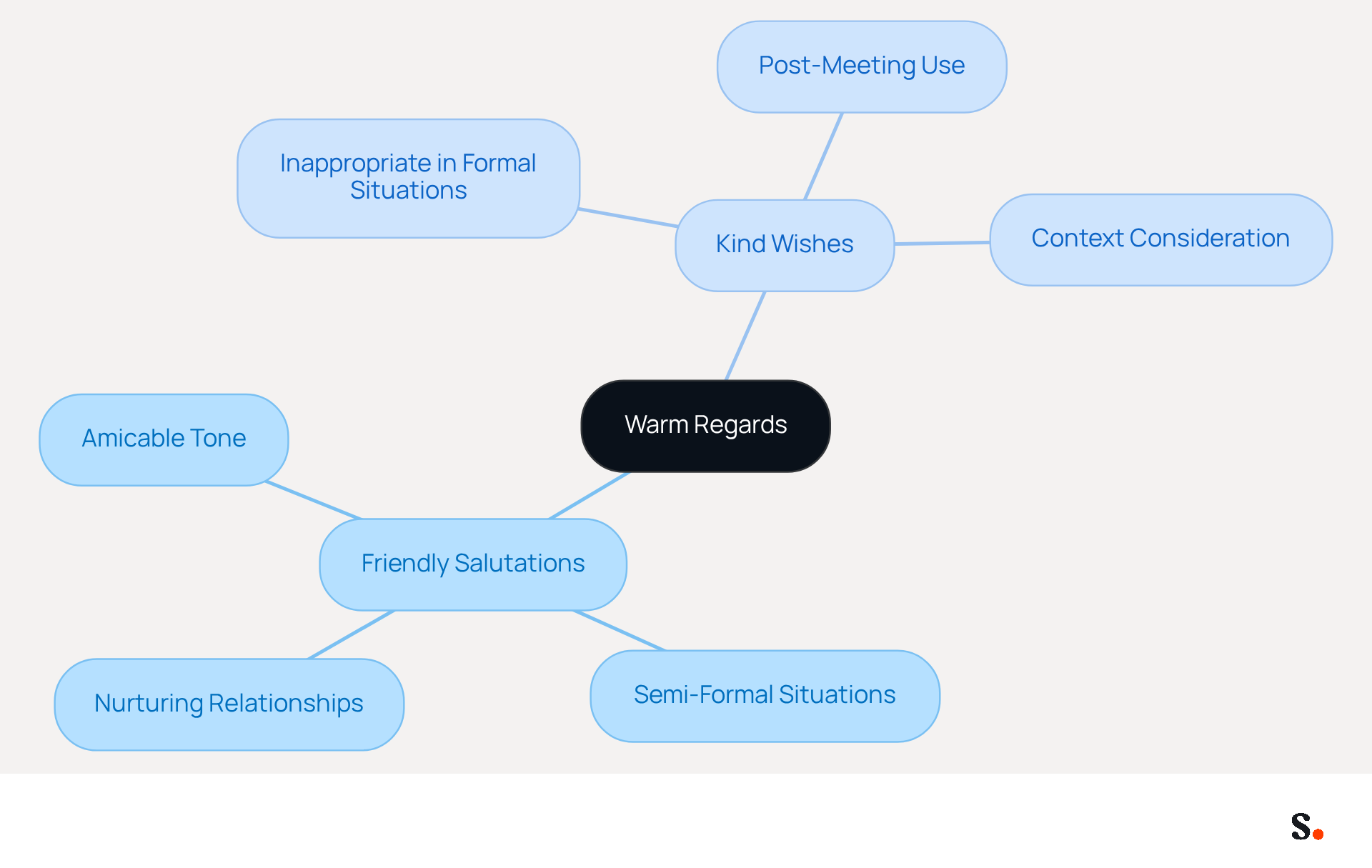
The choice of email sign-off can significantly affect the tone and effectiveness of communication. The expression 'Friendly Salutations' is defined by its amicable tone and adaptability, making it appropriate for semi-formal situations. It is commonly employed in emails directed at colleagues, clients, or acquaintances, where a blend of professionalism and warmth is essential. This sign-off conveys familiarity and respect, which is particularly beneficial for nurturing ongoing relationships.
However, choosing the wrong sign-off can lead to misunderstandings or a lack of professionalism. 'Kind Wishes' may not be the ideal choice for initial communications or highly formal situations, where traditional closings like 'Sincerely' or 'Best Wishes' are more suitable. Furthermore, 'Kind Wishes' is less prevalent in formal business letters, highlighting the necessity to consider the context carefully. It is particularly suitable after friendly chats or successful meetings, as it helps maintain a positive connection.
Grasping these nuances is vital for effective communication. The right sign-off can greatly influence how the recipient perceives your message and help foster positive interactions. Experts recommend considering your relationship with the recipient and the context of your message when selecting an email closing. Ultimately, a well-chosen sign-off not only reflects professionalism but also strengthens connections.
Provide Examples of 'Warm Regards' in Professional Communication
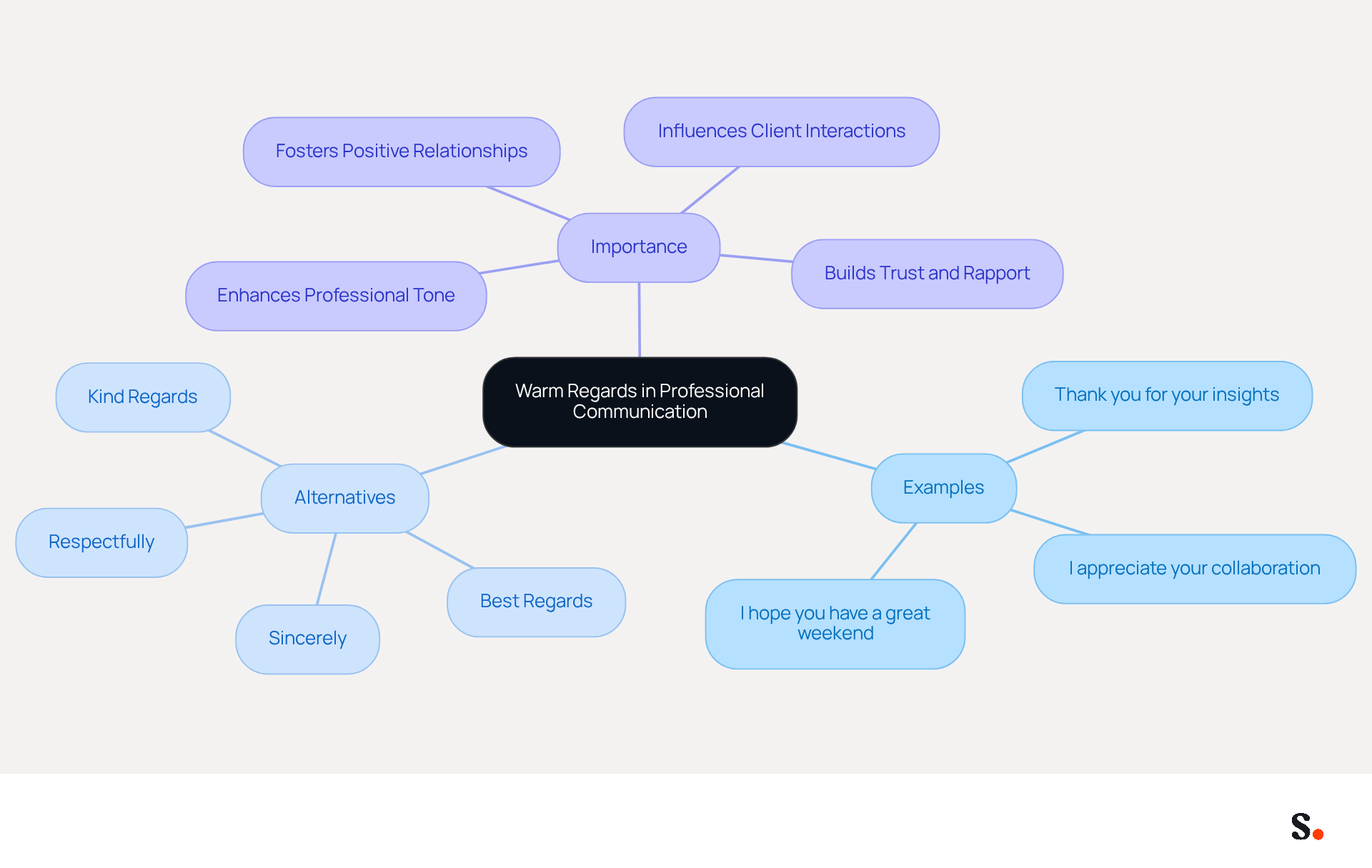
Using 'Kind Wishes' in professional communication is essential for fostering positive relationships. For instance, after a successful meeting, one might say, 'Thank you for your insights during our discussion.'
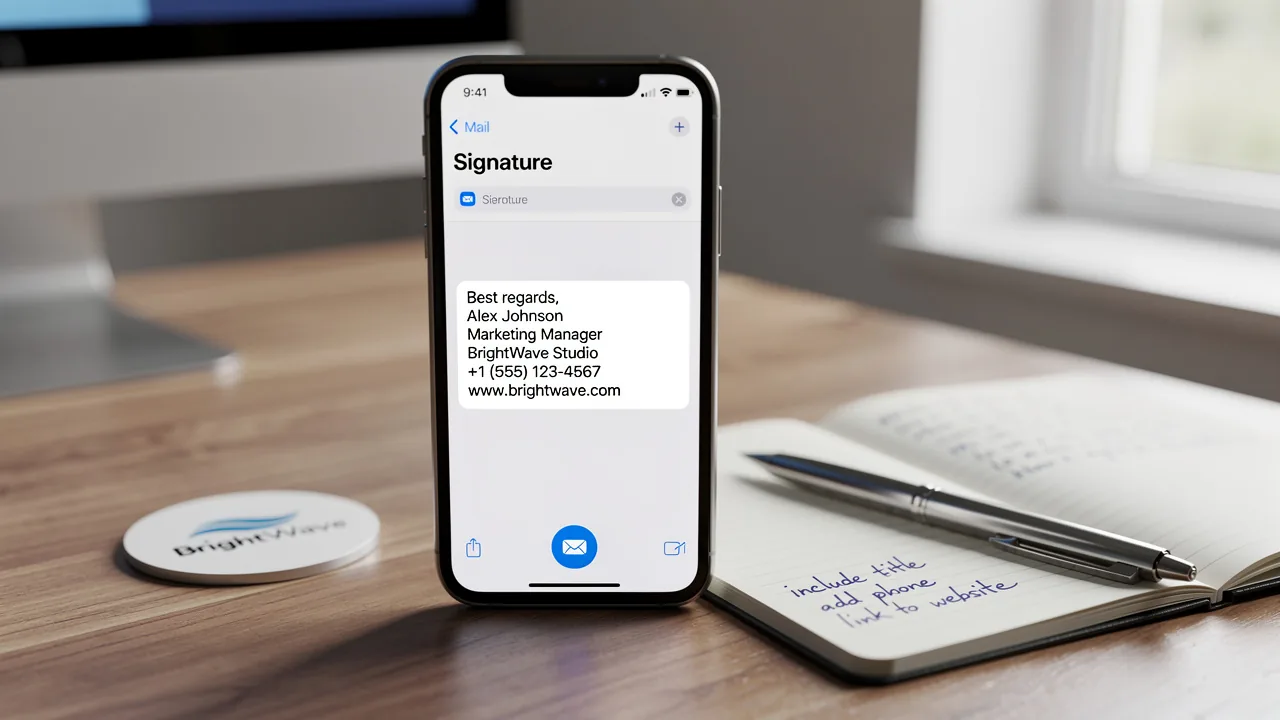
'Warm regards meaning' is often expressed at the end of a letter, followed by [Your Name]. Following up on a project, a message could read, 'I appreciate your collaboration on this project.'
'Warm regards meaning' is often expressed at the end of a letter, followed by [Your Name]. In a friendly email to a colleague, you might express, 'I hope you have a great weekend!'
'Warm regards meaning' is often expressed at the end of a letter, followed by [Your Name]. These examples illustrate how 'Kind Salutations' effectively convey appreciation and foster a positive tone in various professional interactions, enhancing rapport and encouraging ongoing communication.
It's crucial to use 'Warm Wishes' appropriately, considering the context and tone of the message, as it can significantly influence client interactions. Additionally, alternatives like 'Best Regards' or 'Kind Regards' can also be effective, depending on the level of formality and the relationship with the recipient.
Conclusion
The phrase "Warm Regards" serves as a bridge between professionalism and personal connection in communication. It encapsulates a sentiment of goodwill, making it an ideal choice for various professional interactions. Using this sign-off conveys warmth and sincerity, building stronger connections with colleagues, clients, and partners alike.
Throughout the discussion, the article highlighted the significance of selecting the right email sign-off. It explored the historical context and evolution of "Warm Regards," emphasizing its adaptability in modern communication. Key insights included the importance of context, the potential for enhanced engagement, and the cultural nuances that influence its appropriateness. Real-world examples illustrated how this phrase can effectively nurture ongoing professional relationships and improve response rates.
Ultimately, understanding the implications of "Warm Regards" can transform professional interactions. Without the right sign-off, messages may fail to resonate with recipients. When you thoughtfully use this sign-off in your messages, you can enhance your rapport with recipients, ensuring messages are received with the intended warmth and respect. Embracing such nuances can significantly enhance communication effectiveness and foster a collaborative work environment.
Frequently Asked Questions
What does "Warm Regards" mean in the context of email sign-offs?
"Warm Regards" is a friendly email sign-off that conveys goodwill and positive sentiment towards the recipient, making it suitable for various professional contexts.
How does "Warm Regards" compare to other email sign-offs?
Unlike more formal closings such as "Sincerely" or "Best wishes," "Warm Regards" adds a personal touch, indicating that the sender values their connection with the recipient.
In what situations is "Warm Regards" most effective?
"Warm Regards" is especially effective in communications with colleagues, clients, and partners, as it helps maintain a cordial tone.
What impact do email sign-offs have on recipient response rates?
Personalized emails with thoughtful sign-offs, like "Warm Regards," can boost conversions by up to six times compared to generic messages, as they cultivate a sense of connection and increase the chances of a favorable reply.
What do experts say about the use of "Warm Regards"?
Experts agree that "Warm Regards" works well for ongoing professional connections because it conveys warmth and sincerity, although it may not be appropriate for formal communications requiring a more traditional closing.
What evidence supports the effectiveness of "Warm Regards" in business communications?
Case studies, such as "Implications of Kind Regards in Business," show that organizations using "Warm Regards" have experienced enhanced engagement and trust from recipients, leading to improved relationships and increased response rates.
List of Sources
- Define 'Warm Regards': Meaning and Usage
- Warm Regards Meaning: Understanding the Significance of This Common Email Sign-Off (https://serchen.com/blog/warm-regards-meaning)
- Warm Regards vs Best Regards vs Kind Regards: Choosing the Right Email Sign-Off (https://salesforge.ai/blog/warm-regards-vs-best-regards-vs-kind-regards)
- Email signature statistics: Why every business should optimize their email signatures — Stripo.email (https://stripo.email/blog/email-signature-statistics-why-every-business-should-optimize-their-email-signatures)
- 100 Compelling Email Statistics for 2026 | PGM Solutions (https://porchgroupmedia.com/blog/100-compelling-email-statistics-to-inform-your-strategy-in-2023)
- What your email sign-off really means | Ben Pobjie (https://theguardian.com/commentisfree/2013/jul/17/email-sign-off-etiquette)
- Explore the Context and Origin of 'Warm Regards'
- Warm Regards Meaning: Understanding the Significance of This Common Email Sign-Off (https://serchen.com/blog/warm-regards-meaning)
- Difference between "Warm regards" and "Best regards" (https://english.stackexchange.com/questions/46977/difference-between-warm-regards-and-best-regards)
- A personal history of email closings, 1988-present (https://dmcampbellwsu.org/2016/04/13/a-personal-history-of-email-closings-1988-present)
- Identify Key Characteristics and Implications of 'Warm Regards'
- How to Sign Off on an Email Correctly | Rocketseed (https://rocketseed.com/blog/correct-way-to-sign-off-emails)
- Warm Regards vs Best Regards vs Kind Regards: Choosing the Right Email Sign-Off (https://salesforge.ai/blog/warm-regards-vs-best-regards-vs-kind-regards)
- Warm Regards Meaning: Understanding the Significance of This Common Email Sign-Off (https://serchen.com/blog/warm-regards-meaning)
- Email Sign Offs for Every Industry and Situation | Mailchimp (https://mailchimp.com/resources/email-sign-offs)
- Provide Examples of 'Warm Regards' in Professional Communication
- Warm Regards vs Best Regards vs Kind Regards: Choosing the Right Email Sign-Off (https://salesforge.ai/blog/warm-regards-vs-best-regards-vs-kind-regards)
- Warm Regards Meaning: Understanding the Significance of This Common Email Sign-Off (https://serchen.com/blog/warm-regards-meaning)
- Email Sign Offs Professional: Best Practices for Business Emails (https://mailwarm.com/blog/professional-email-sign-offs-best-practices)
- The Best (and Worst) Ways To Sign an Email | Robert H. Smith School of Business (https://rhsmith.umd.edu/research/best-and-worst-ways-sign-email)
Get started with Scribe
Build a professional email signature
Free 14-day trial — no credit card.