Why 'Is All the Best' is a Good Sign-Off for Professionals
The choice of email sign-off plays a crucial role in shaping professional interactions, often serving as the final touch that leaves a lasting impression
Sophie Grant
Email Signature Specialist, Scribe

On this page
Introduction
The choice of email sign-off plays a crucial role in shaping professional interactions, often serving as the final touch that leaves a lasting impression. Among the myriad options available, 'Is All the Best' stands out for its unique ability to blend warmth with professionalism, fostering genuine connections in a digital landscape where communication can often feel impersonal. Yet, the effectiveness of this sign-off prompts an important question: in what contexts does 'Is All the Best' truly enhance communication, and could its misuse lead to unintended consequences?
Exploring the nuances of this phrase highlights its advantages and possible drawbacks, revealing the potential pitfalls that professionals must navigate to maintain clarity and rapport in their correspondence.
Understand the Appeal of 'Is All the Best' in Professional Contexts
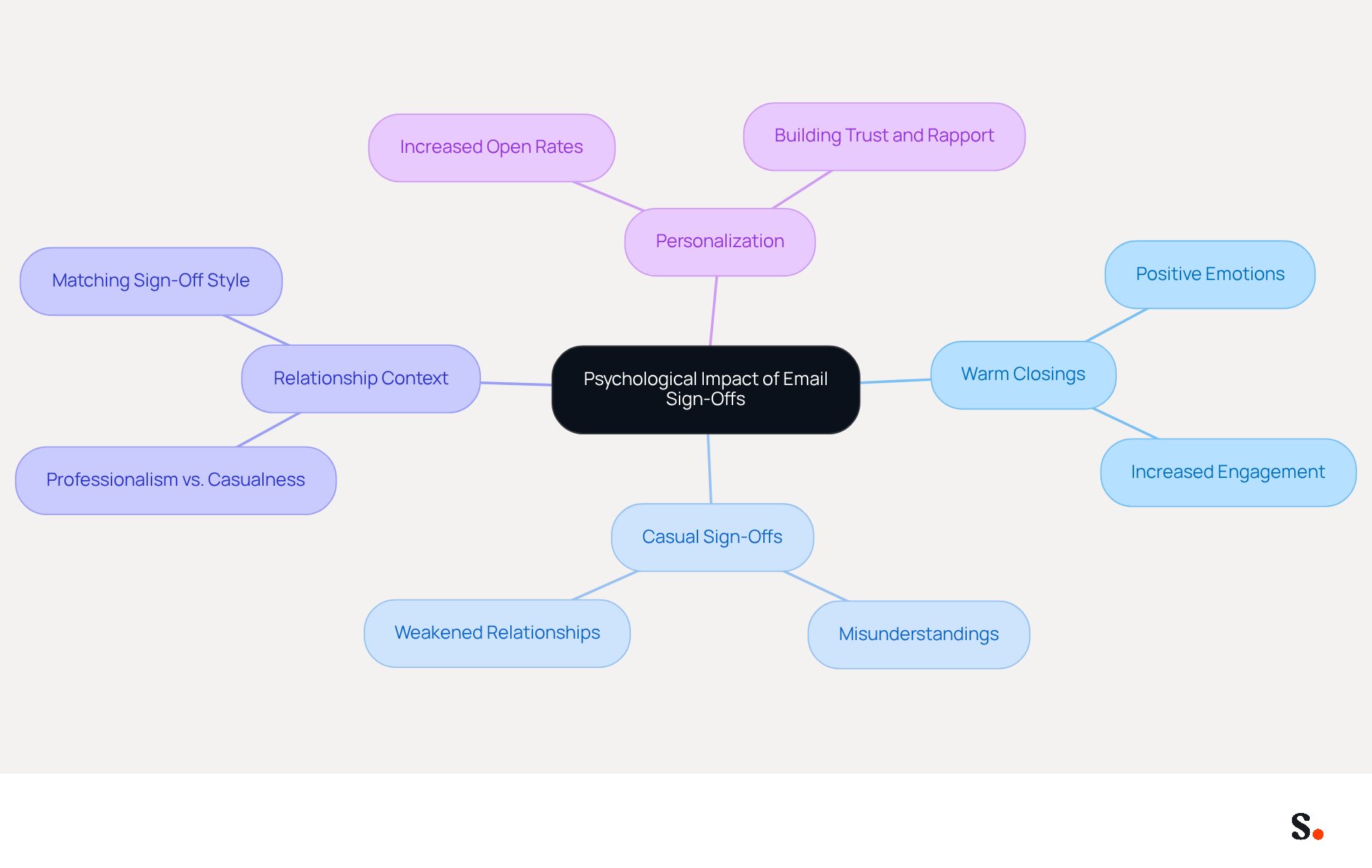
In professional communication, the choice of closing phrase can significantly influence the tone and effectiveness of the message. 'Is All the Best' is a good sign-off that stands out as a closing phrase resonating with professionals due to its unique blend of warmth and professionalism. Unlike traditional closings such as 'Sincerely' or 'Regards,' this phrase conveys genuine goodwill, fostering a personal connection with the recipient. This is particularly important in industries like sales and marketing, where building relationships is essential.
Its versatility allows it to be effectively used in various contexts, from casual exchanges to more formal communications, making it a preferred choice among many professionals. Research shows that emails with warm closings, such as 'Thanks,' receive a 63% response rate, while those that say 'Thanks in advance' achieve 65.7%. This suggests that a thoughtful sign-off can enhance engagement and encourage positive responses.
Case studies, such as those on 'Job Application Email Sign-Offs' and 'General Professional Email Sign-Offs,' illustrate that sign-offs tailored to the context can significantly impact the effectiveness of communication. This highlights that the phrase 'is all the best a good sign-off' serves as both a friendly closing and a strategic option in professional communication. Ultimately, choosing the right sign-off can be the difference between a standard email and one that leaves a lasting impression.
Explore the Psychological Impact of Email Sign-Offs on Recipients
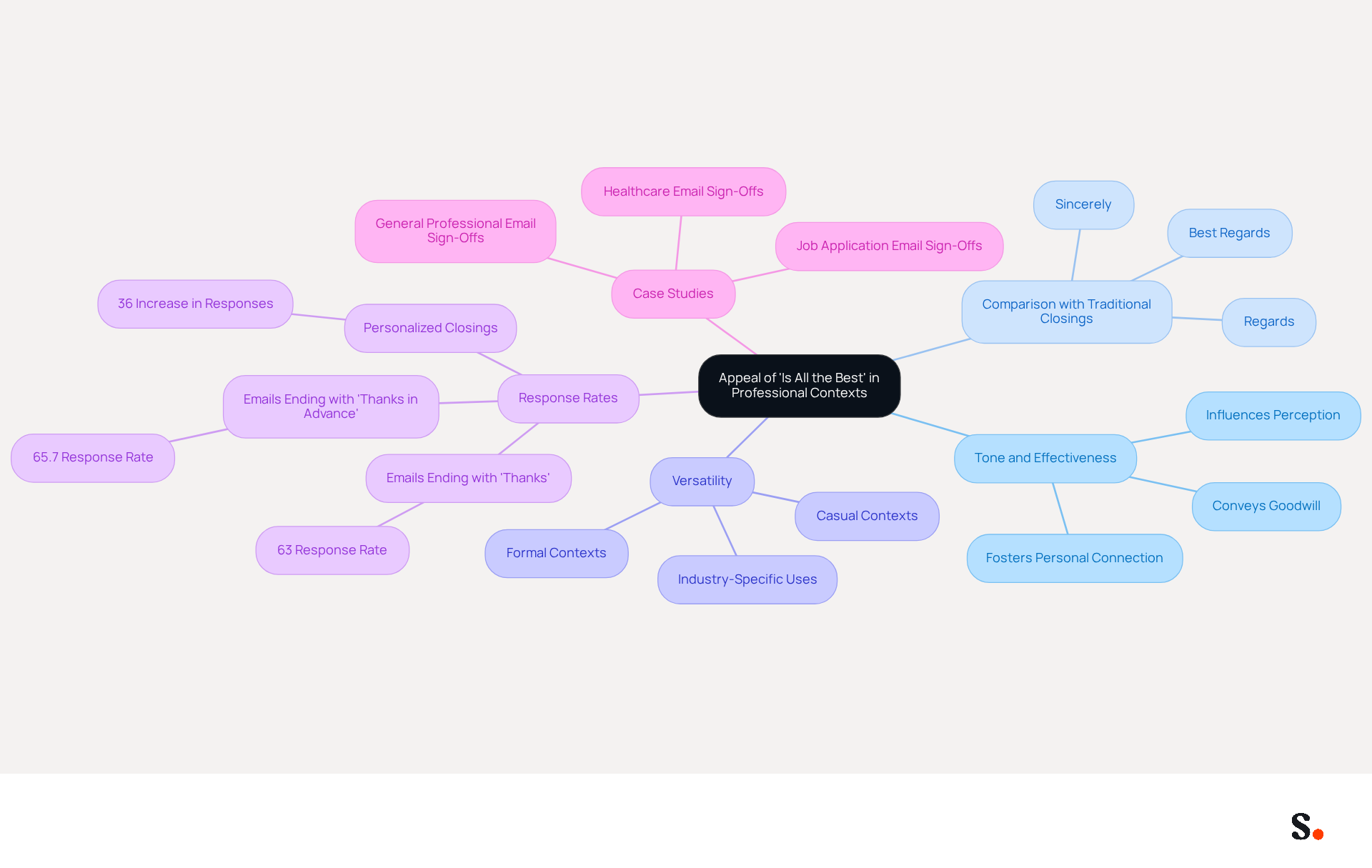
The choice of email sign-off plays a critical role in shaping recipient perceptions and influencing communication effectiveness. Research indicates that warm closings, like 'Is Preferred,' evoke positive emotions and make recipients feel valued. This emotional connection is crucial for enhancing engagement and responsiveness. In contrast, overly casual sign-offs can lead to misunderstandings and weaken professional relationships. By opting for 'Is Best,' senders can cultivate a friendly tone that promotes open communication and collaboration, particularly beneficial in team-oriented environments.
Furthermore, the choice of sign-off should take into account the relationship with the recipient and the context of the message, as these factors are crucial for effective communication. Interestingly, personalized messages have been shown to increase open rates by 26%, further supporting the strategic use of warm sign-offs to enhance engagement. Ultimately, the right sign-off can transform a simple message into a powerful tool for fostering connections.
Identify Appropriate Contexts for Using 'Is All the Best'
Choosing the right sign-off in professional communication is crucial for fostering positive relationships.
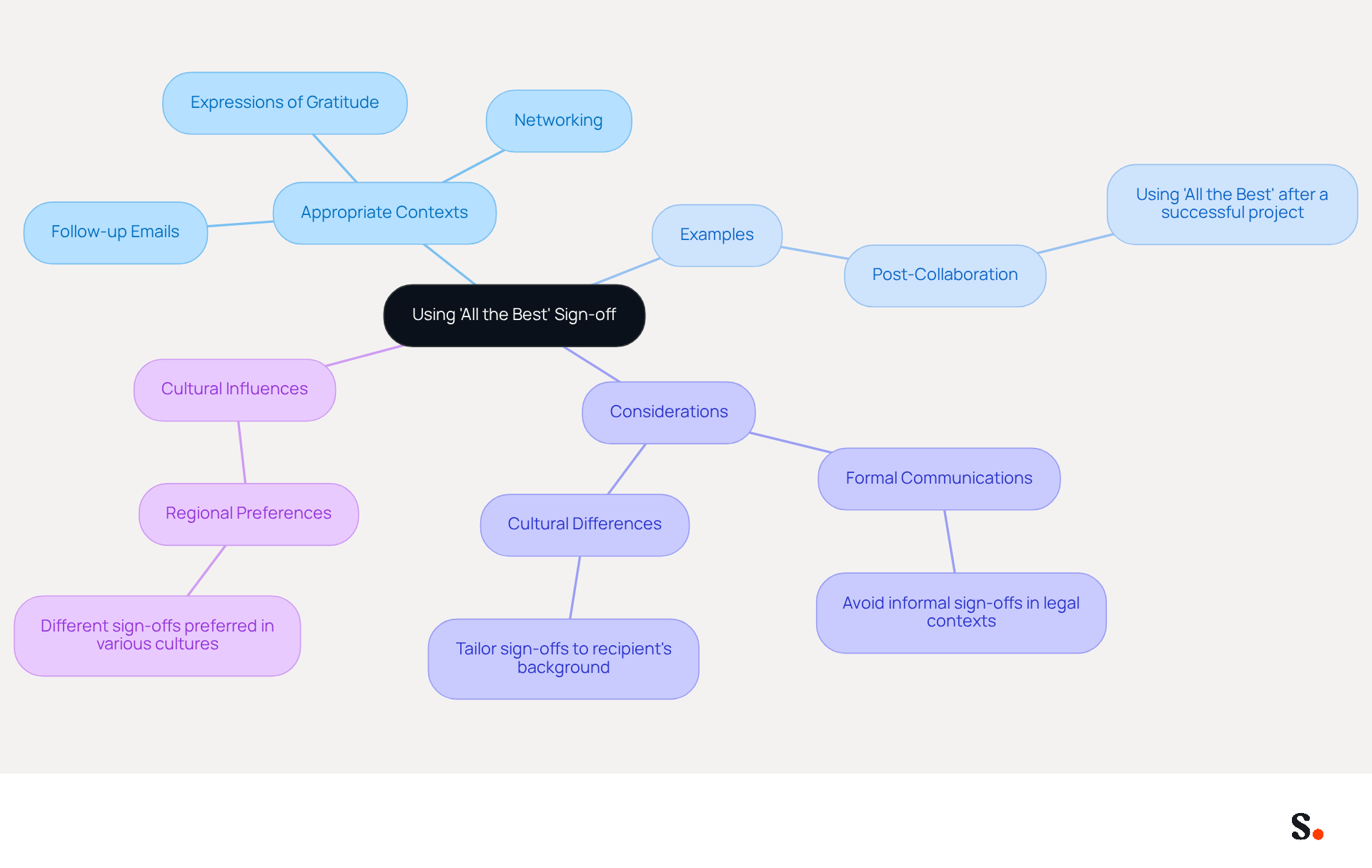
- 'All the Finest' is ideally suited for contexts where a blend of professionalism and warmth is desired.
- This sign-off is effective in follow-up emails, networking communications, and expressions of gratitude.
- For instance, after a successful collaboration, using 'All the Best' can reinforce positive feelings and strengthen professional ties.
- Customizing conclusions to match the recipient's preferences enhances engagement, as messages with expressions of gratitude have a response rate of 62%, compared to 46% for those without such expressions.
- However, using informal sign-offs can lead to misunderstandings in formal communications, such as legal correspondence or initial outreach to unfamiliar contacts, where a more traditional sign-off is often unsuitable.
- Cultural differences can also influence the suitability of closing remarks, making it essential to consider the recipient's background.
- Failing to recognize these nuances can diminish the effectiveness of your communication.
Ultimately, a thoughtful sign-off can significantly impact the recipient's perception and response.
Assess the Risks of Ineffective Email Sign-Offs
While 'Is All the Best' is often appreciated, its misuse can lead to significant misunderstandings in professional communication. For instance, in contexts requiring a more formal tone, this sign-off may appear overly casual or insincere. However, overuse can diminish its impact and make it feel less sincere. Miscommunication can lead to a loss of credibility and trust in professional relationships.
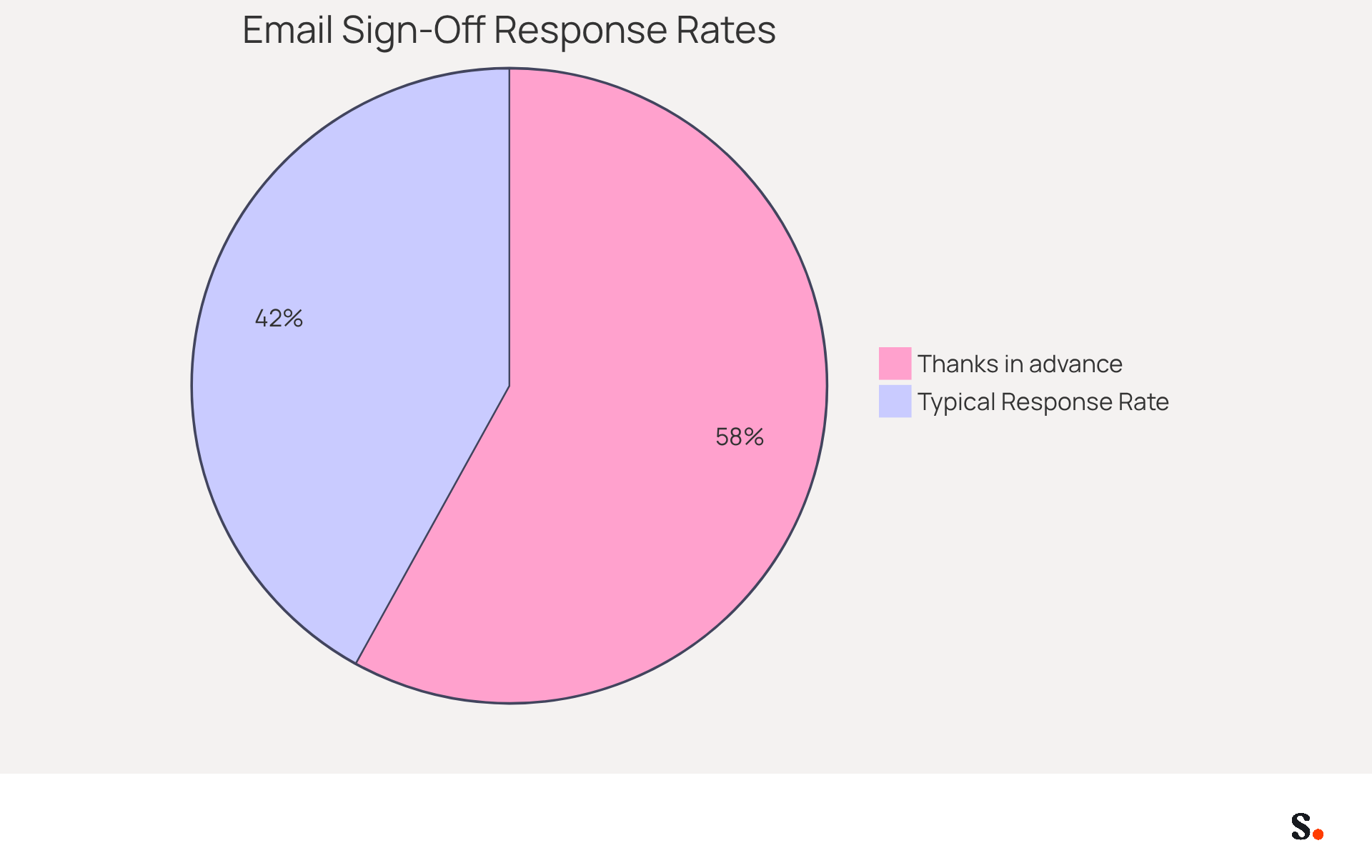
Studies indicate that thoughtful sign-offs can really boost response rates, with communications concluding with 'Thanks in advance' achieving a 65.7% response rate. Moreover, the typical response rate for messages is approximately 47.5%, underscoring the importance of selecting the appropriate closing to enhance engagement.
Therefore, professionals must be mindful of their approval choices to maintain clarity and professionalism in their communications. As noted by Susan Cooney, 'Don’t underestimate the power of a well-crafted email sign-off.' Ultimately, the choice of sign-off can either strengthen or weaken professional relationships, making it a critical consideration.
Conclusion
The choice of email sign-off is a critical factor in shaping professional relationships and communication effectiveness. Among various options, 'Is All the Best' effectively combines warmth and professionalism. This sign-off not only fosters goodwill but also strengthens connections, especially in relationship-driven industries.
The psychological impact of sign-offs is significant; warm closings can evoke positive emotions and enhance engagement among recipients. 'Is All the Best' is versatile, suitable for both casual and formal communications, which reinforces its effectiveness in diverse contexts. Inappropriate sign-offs can lead to misunderstandings and damage professional relationships, highlighting the need for careful communication choices.
Choosing the right sign-off is a powerful strategy in professional communication. Opting for 'Is All the Best' cultivates a friendly tone that promotes open dialogue and collaboration. Embracing this sign-off enhances interactions and improves response rates, making it an essential tool for professionals.
Frequently Asked Questions
What is the significance of the closing phrase 'Is All the Best' in professional communication?
'Is All the Best' is a closing phrase that stands out due to its unique blend of warmth and professionalism, fostering a personal connection with the recipient.
How does 'Is All the Best' compare to traditional sign-offs like 'Sincerely' or 'Regards'?
Unlike traditional sign-offs, 'Is All the Best' conveys genuine goodwill and is more effective in building relationships, especially in industries like sales and marketing.
In what contexts can 'Is All the Best' be used?
This phrase is versatile and can be effectively used in various contexts, ranging from casual exchanges to more formal communications.
What impact do warm closings have on email response rates?
Research indicates that emails with warm closings, such as 'Thanks,' receive a 63% response rate, while those that say 'Thanks in advance' achieve 65.7%, suggesting that thoughtful sign-offs enhance engagement.
How do case studies support the effectiveness of tailored sign-offs?
Case studies on 'Job Application Email Sign-Offs' and 'General Professional Email Sign-Offs' illustrate that sign-offs tailored to the context can significantly impact communication effectiveness.
Why is choosing the right sign-off important in professional emails?
The right sign-off can differentiate a standard email from one that leaves a lasting impression, making it a strategic option in professional communication.
List of Sources
- Understand the Appeal of 'Is All the Best' in Professional Contexts
- Is 'Best' a Good Way to End an Email? Compare Sign-Offs Here (https://scribe-mail.com/en-US/blog/is-best-a-good-way-to-end-an-email-compare-sign-offs-here)
- Email Sign Offs for Every Industry and Situation | Mailchimp (https://mailchimp.com/resources/email-sign-offs)
- Why 'Is Best' is a Good Email Sign-Off for Engagement (https://scribe-mail.com/en-US/blog/why-is-best-is-a-good-email-sign-off-for-engagement)
- How to End Any Professional Email (Plus a List of Sign-Offs for When You’re Tired of Saying “Best”) (https://careerservices.upenn.edu/blog/2021/01/08/how-to-end-any-professional-email-plus-a-list-of-sign-offs-for-when-youre-tired-of-saying-best)
- Explore the Psychological Impact of Email Sign-Offs on Recipients
- Master the Take Care Email Sign-Off: Best Practices for Impact (https://scribe-mail.com/en-US/blog/master-the-take-care-email-sign-off-best-practices-for-impact)
- 75 Best Email Sign-Offs for Any Situation - All-in-One Marketing Automation Toolset | FosterFlow (https://fosterflow.ai/75-best-email-sign-offs-for-any-situation)
- Why 'Is Best' is a Good Email Sign-Off for Engagement (https://scribe-mail.com/en-US/blog/why-is-best-is-a-good-email-sign-off-for-engagement)
- The Unsung Hero of Your Inbox: Why Email Sign-Offs Matter (https://linkedin.com/pulse/unsung-hero-your-inbox-why-email-sign-offs-matter-susan-cooney-cvafc)
- Identify Appropriate Contexts for Using 'Is All the Best'
- How to end an email: 70+ professional sign-offs & examples (https://blog.superhuman.com/how-to-end-an-email)
- Master the Take Care Email Sign-Off: Best Practices for Impact (https://scribe-mail.com/en-US/blog/master-the-take-care-email-sign-off-best-practices-for-impact)
- Master Warmly Email Sign-Offs: Best Practices for Impactful Communication (https://scribe-mail.com/en-US/blog/master-warmly-email-sign-offs-best-practices-for-impactful-communication)
- Is 'Best' a Good Way to End an Email? Compare Sign-Offs Here (https://scribe-mail.com/en-US/blog/is-best-a-good-way-to-end-an-email-compare-sign-offs-here)
- Assess the Risks of Ineffective Email Sign-Offs
- 80+ Professional Email Sign-Offs for Every Situation, Role, and Industry (https://syncsignature.com/blog/email-sign-offs)
- How to Sign Off on an Email Correctly | Rocketseed (https://rocketseed.com/blog/correct-way-to-sign-off-emails)
- Best Email Sign-Offs: 15 Examples for Every Situation (https://beanstalkconsulting.co/blogs/best-email-sign-offs)
- 50 Best Email Sign-Offs to End an Email Properly in [year] (https://elementor.com/blog/best-email-sign-offs)
- The Unsung Hero of Your Inbox: Why Email Sign-Offs Matter (https://linkedin.com/pulse/unsung-hero-your-inbox-why-email-sign-offs-matter-susan-cooney-cvafc)
Get started with Scribe
Build a professional email signature
Free 14-day trial — no credit card.