Why 'Is Best' is a Good Email Sign-Off for Engagement
While often overlooked, the choice of email sign-off can significantly impact professional relationships and the responses they elicit. This raises the
Sophie Grant
Email Signature Specialist, Scribe

On this page
- Introduction
- Explore the Psychological Impact of 'Is Best' as an Email Sign-Off
- Understand the Role of Email Sign-Offs in Professional Communication
- Analyze the Impact of Effective Sign-Offs on Engagement and Response Rates
- Consider Alternatives: Comparing 'Is Best' with Other Effective Sign-Offs
- Conclusion
- Frequently Asked Questions
- List of Sources
Introduction
While often overlooked, the choice of email sign-off can significantly impact professional relationships and the responses they elicit. This raises the question: what makes 'Is Best' particularly compelling compared to other common sign-offs? By examining the psychological impact and effectiveness of 'Is Best,' we can uncover its advantages and the nuances that enhance business communication.
Explore the Psychological Impact of 'Is Best' as an Email Sign-Off
In professional communication, the choice of email closing is best a good email sign-off, as it can significantly influence the recipient's perception and response. The phrase 'Is Best' as an email closing carries a unique psychological weight. It conveys a sense of professionalism while also maintaining a level of warmth and approachability.
Understanding how sign-offs evoke emotional reactions is crucial, as they significantly influence how recipients interpret the sender's intent and character. For instance, the phrase 'Is Best' is best a good email sign-off because it can be interpreted as a blend of formality and friendliness, making it suitable for various professional contexts. This blend of formality and friendliness can build trust and rapport, encouraging more open engagement from recipients.
Furthermore, the recency effect suggests that the last thing a recipient reads can linger in their memory, making the choice of sign-off particularly impactful. By opting for 'Is Best a good email sign-off,' senders may leave a lasting positive impression, which enhances the likelihood of future interactions.
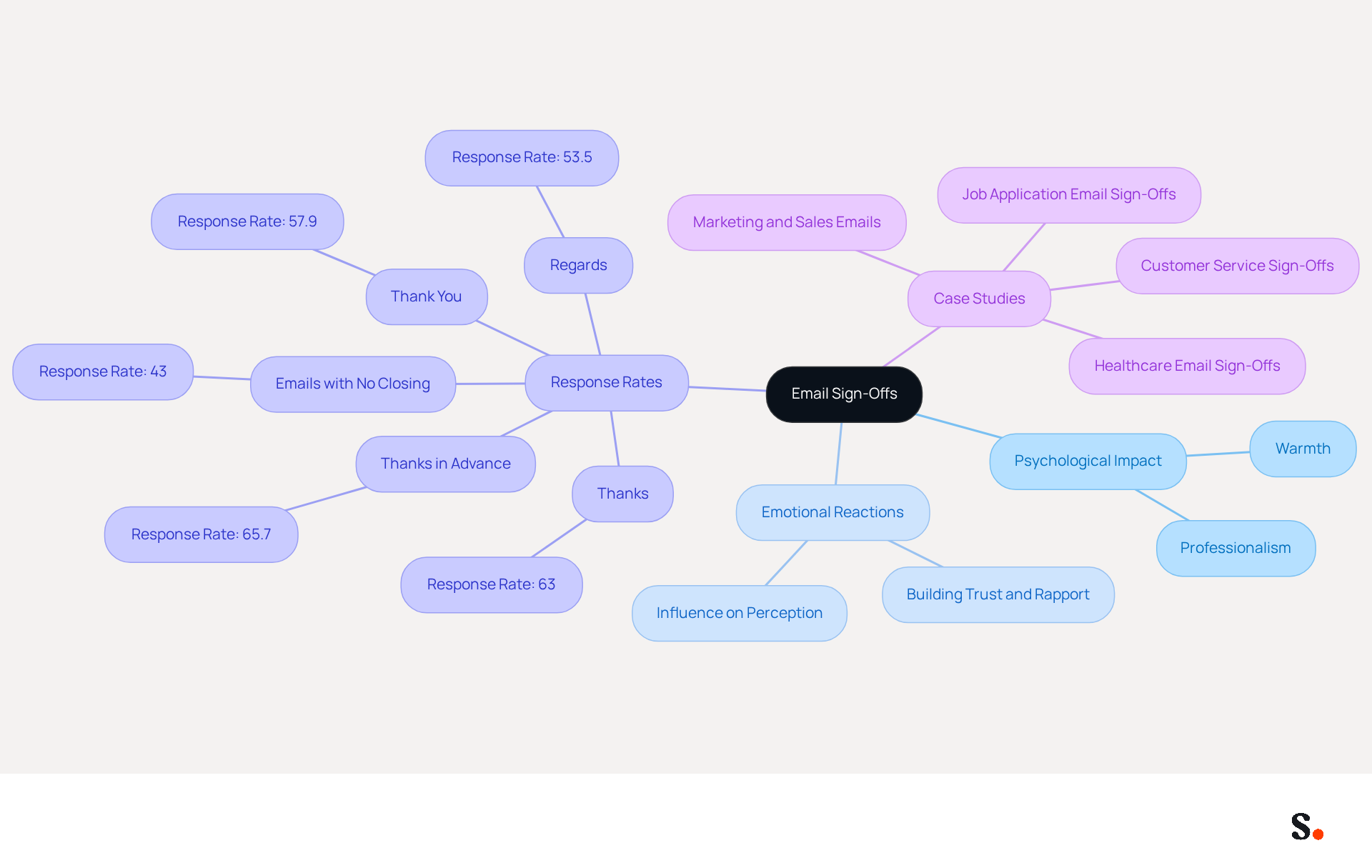
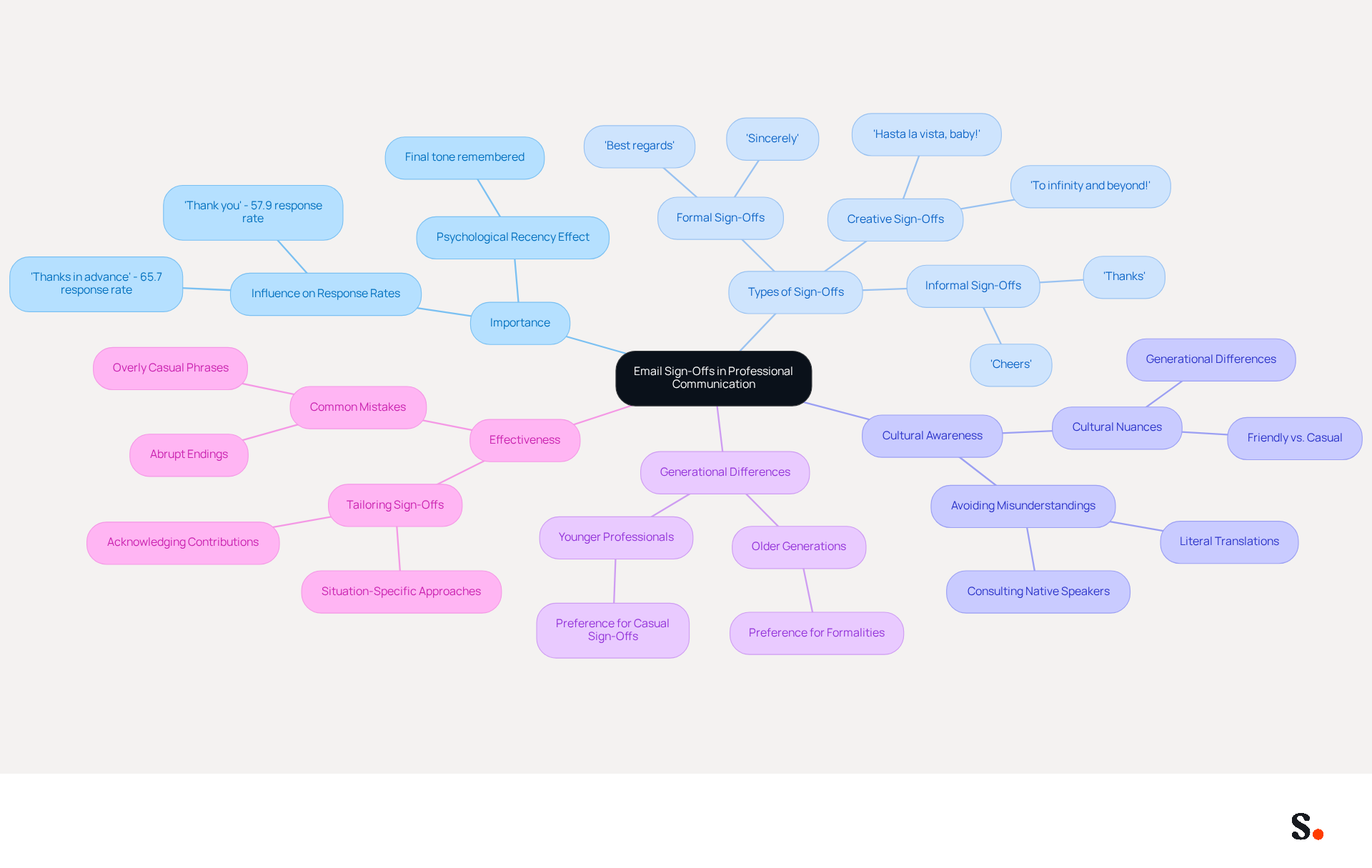
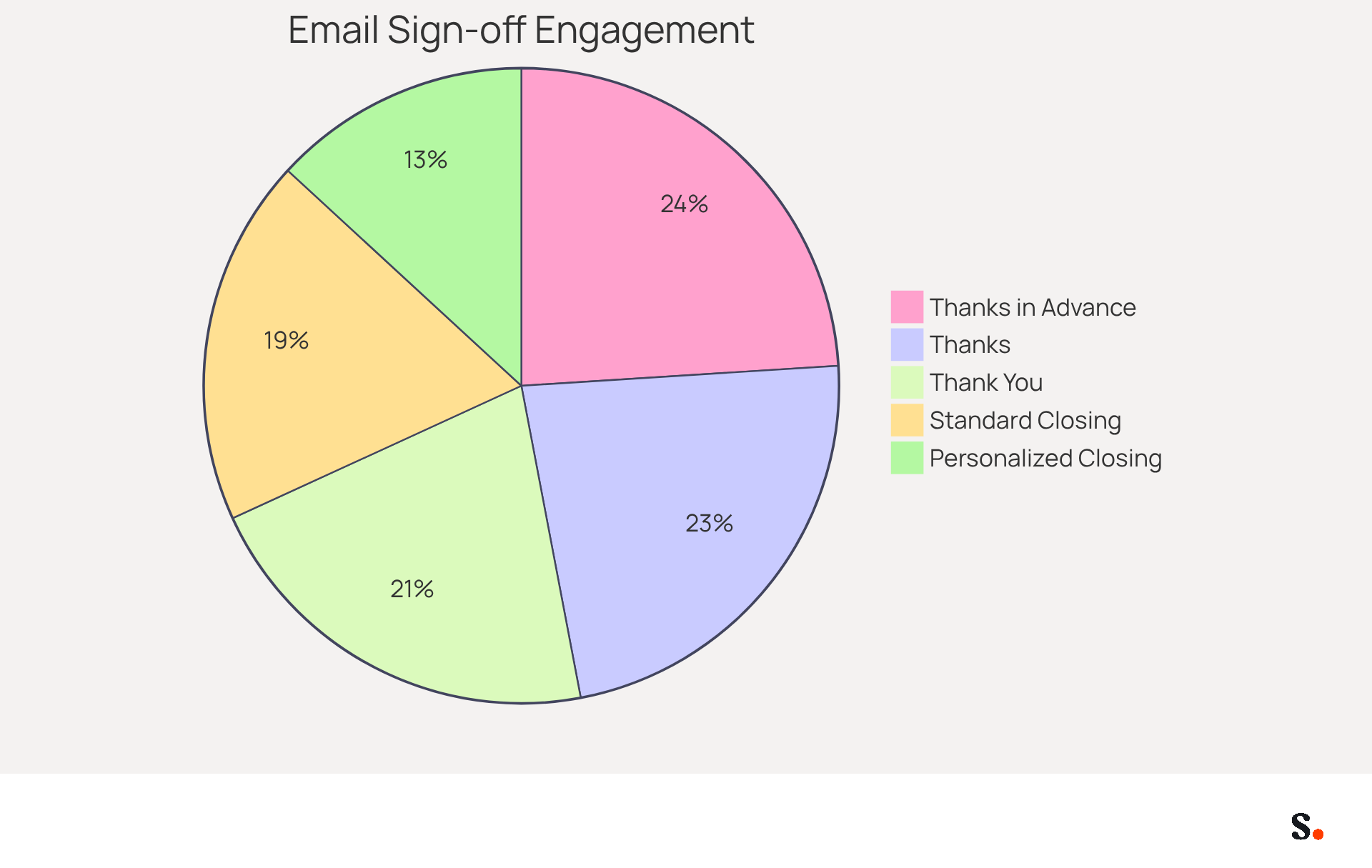
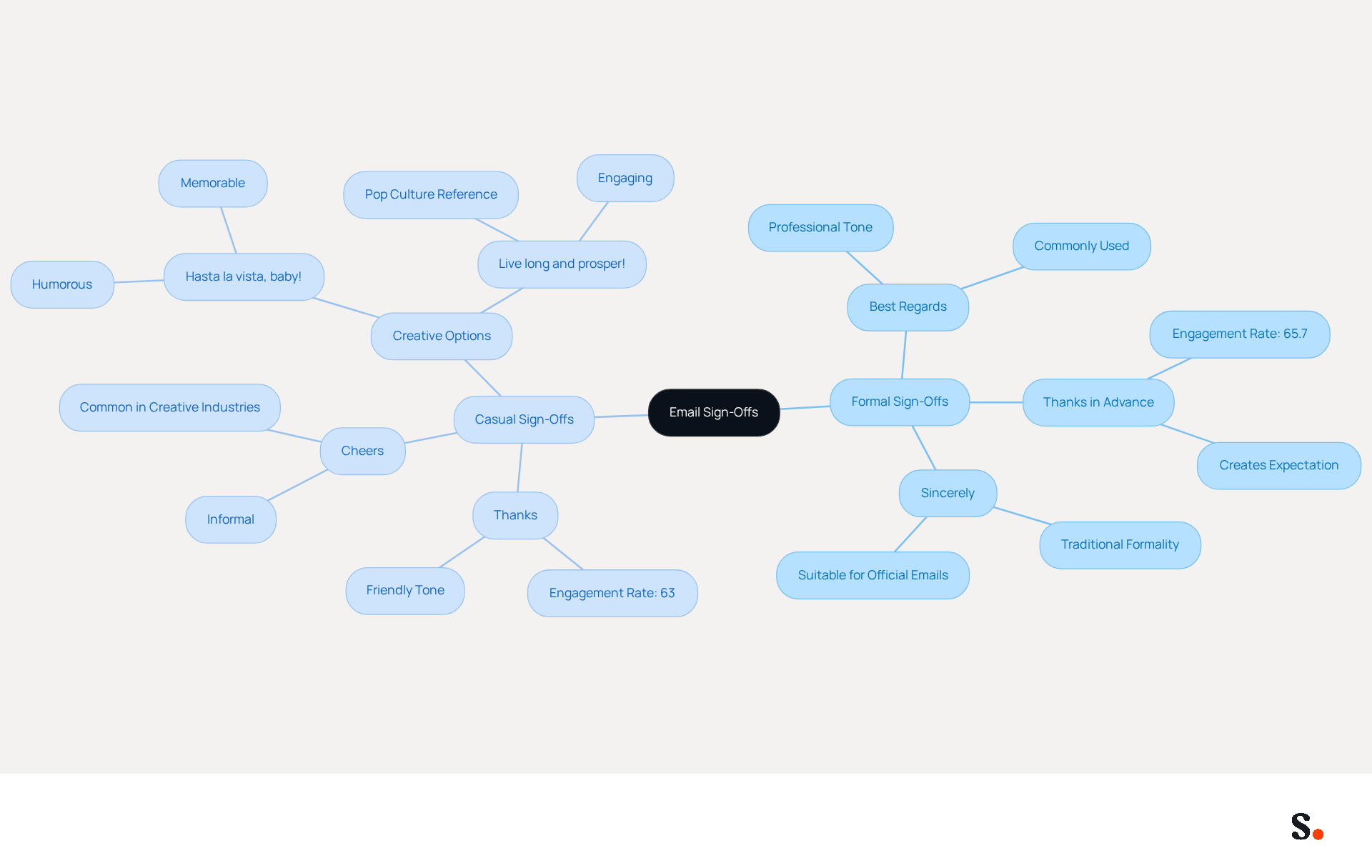
Interestingly, messages that end with gratitude-based phrases, such as 'Thanks,' see a reply rate of 63%, while those concluding with 'Thanks in advance' reach 65.7%. Furthermore, emails lacking closings have an average response rate of 43%, highlighting the significance of effective endings.
Case studies demonstrate the effectiveness of customized closures; for instance, in corporate settings, phrases like 'Best regards' and 'Sincerely' are widely accepted, conveying professionalism. Ultimately, understanding the nuances of email sign-offs can transform communication strategies, leading to more fruitful professional engagements.
Understand the Role of Email Sign-Offs in Professional Communication
The choice of email sign-offs is best a good email sign-off, as it can significantly influence professional communication outcomes. They serve as the final touchpoint in a message, concluding the email while reinforcing the sender's tone and intent. A thoughtful sign-off conveys respect, gratitude, or urgency, influencing how the recipient responds. For instance, the phrase 'is best a good email sign-off' strikes a balance between professionalism and friendliness, making it versatile for various contexts. In contrast, more formal closings like 'Sincerely' may come across as rigid, while casual ones like 'Cheers' might lack the necessary professionalism in certain situations. Understanding these nuances allows professionals to tailor their sign-offs, enhancing clarity and fostering positive relationships.
Cultural awareness is crucial when creating message closings, as misunderstandings can arise when cultural nuances are overlooked. For example, what is considered a friendly sign-off in one culture may be perceived as overly casual or even disrespectful in another. Additionally, recognizing this generational divide is essential for effective communication; younger professionals may favor more relaxed endings, while older generations might prefer traditional formalities.
Research shows that saying 'Thanks in advance' can boost response rates significantly, highlighting the effectiveness of showing appreciation. Furthermore, the psychological recency effect indicates that recipients often remember the final tone of a message long after forgetting its specifics, making the choice of sign-off crucial. Customizing approvals to the situation enhances clarity and suitability, ultimately boosting the overall effectiveness of communication. By refining their sign-offs, professionals can ensure their messages resonate and foster stronger connections.
Analyze the Impact of Effective Sign-Offs on Engagement and Response Rates
Research indicates that the choice of sign-off significantly impacts engagement and interaction rates. Messages that conclude with 'is best a good email sign-off' demonstrate significantly higher engagement rates than standard closings. A study found that messages with personalized or considerate closings experienced a response increase of up to 36%. This indicates that recipients are more inclined to respond to messages perceived as personalized and thoughtful. Furthermore, the emotional resonance of the phrase 'is best a good email sign-off' encourages recipients to respond positively, conveying a sense of care and professionalism. Analysis of case studies reveals that effective sign-offs serve as strategic tools, enhancing communication and strengthening professional relationships.
Consider Alternatives: Comparing 'Is Best' with Other Effective Sign-Offs
While 'Is Best' is a strong choice for email closings, it is best a good email sign-off to explore alternatives that can enhance communication effectiveness. For instance, 'Best Regards' offers a similar level of professionalism but may feel slightly more formal. Conversely, sign-offs like 'Thanks' (which has a 63% engagement rate) or 'Cheers' can convey a more casual tone, suitable for less formal communications.
Choosing the right sign-off can significantly influence the recipient's perception of your message. For example:
- 'Thanks in advance' can create a sense of expectation and urgency, achieving a remarkable 65.7% response rate.
- 'Looking forward to your response' encourages engagement and dialogue.
Additionally, incorporating a courteous sign-off is crucial to avoid appearing rude, as it reflects professionalism and respect. Using creative sign-offs like 'Hasta la vista, baby!' or 'Live long and prosper!' can make your emails stand out, but it's important to consider how the recipient might react. By carefully selecting your sign-off, you can ensure your message resonates appropriately with your audience.
Conclusion
The impact of email sign-offs, particularly the phrase 'Is Best,' is crucial in professional communication. This closing conveys professionalism while also being warm and approachable, making it a versatile choice for various contexts. Understanding the psychological impact of sign-offs can enhance communication strategies and encourage more meaningful engagement with recipients.
Throughout the discussion, key insights have emerged regarding the role of email sign-offs in shaping perceptions and influencing response rates. The phrase 'Is Best' stands out as a powerful tool that balances formality and friendliness, leading to higher engagement levels compared to more traditional closings. Additionally, the importance of cultural awareness and the psychological recency effect highlights how the final words of a message can leave a lasting impression, ultimately affecting future interactions.
Given these insights, professionals should think carefully about their email sign-offs as a strategic element of their communication. By opting for thoughtful and effective closings like 'Is Best,' individuals can significantly improve their engagement rates and foster stronger professional relationships. Embracing the nuances of email sign-offs not only enhances clarity but also contributes to a more positive and productive communication environment. Ultimately, the choice of sign-off can redefine professional interactions and enhance overall communication effectiveness.
Frequently Asked Questions
Why is the choice of email sign-off important in professional communication?
The choice of email sign-off is important because it can significantly influence the recipient's perception and response, affecting how they interpret the sender's intent and character.
What does the phrase 'Is Best' convey as an email sign-off?
The phrase 'Is Best' conveys a sense of professionalism while maintaining warmth and approachability, making it suitable for various professional contexts.
How does the psychological impact of sign-offs affect recipient engagement?
Sign-offs evoke emotional reactions that can build trust and rapport, encouraging more open engagement from recipients.
What is the recency effect in relation to email sign-offs?
The recency effect suggests that the last thing a recipient reads can linger in their memory, making the choice of sign-off particularly impactful and leaving a lasting positive impression.
How do different email sign-offs compare in terms of response rates?
Emails that end with gratitude-based phrases, such as 'Thanks,' have a reply rate of 63%, while those concluding with 'Thanks in advance' reach 65.7%. In contrast, emails lacking closings have an average response rate of 43%.
What are some commonly accepted email sign-offs in corporate settings?
Commonly accepted email sign-offs in corporate settings include phrases like 'Best regards' and 'Sincerely,' which convey professionalism.
How can understanding email sign-offs improve communication strategies?
Understanding the nuances of email sign-offs can transform communication strategies, leading to more fruitful professional engagements by enhancing the likelihood of positive responses.
List of Sources
- Explore the Psychological Impact of 'Is Best' as an Email Sign-Off
- 12 Email Sign-Offs That Get Responses [2026 Data] (https://lagrowthmachine.com/email-sign-offs-get-responses)
- Email Sign Offs for Every Industry and Situation | Mailchimp (https://mailchimp.com/resources/email-sign-offs)
- The Psychology Behind Effective Email Signatures | What Research Says About Trust and Professionalism (https://signandgo.io/blog/the-psychology-behind-effective-email-signatures)
- Email Endings: 11 Best Email Signoffs to Boost Your Credibility (https://outplay.ai/blog/email-sign-offs)
- Understand the Role of Email Sign-Offs in Professional Communication
- Mastering Professional Email Sign-Offs in 2026 (https://linkedin.com/pulse/mastering-professional-email-sign-offs-2026-bulksignature-qsr4e)
- How to Sign Off on an Email Correctly | Rocketseed (https://rocketseed.com/blog/correct-way-to-sign-off-emails)
- The do's and don’ts of work email signoffs (https://today.com/money/work-email-signoffs-professional-closings-do-s-don-ts-t165648)
- All the Best Email Sign-Offs & Why Email Etiquette Still Matters | InHerSight (https://inhersight.com/blog/people-belonging/email-signoffs)
- Email Sign Offs for Every Industry and Situation | Mailchimp (https://mailchimp.com/resources/email-sign-offs)
- Analyze the Impact of Effective Sign-Offs on Engagement and Response Rates
- Your Emails Are 36 Percent More Likely to Get a Reply If You End Them This Way (https://inc.com/jessica-stillman/your-emails-are-36-percent-more-likely-to-get-a-reply-if-you-close-them-this-way.html)
- Email signature statistics: Why every business should optimize their email signatures — Stripo.email (https://stripo.email/blog/email-signature-statistics-why-every-business-should-optimize-their-email-signatures)
- How Email Signatures Impact Marketing Performance (https://letsignit.com/blog/how-email-signatures-impact-marketing-performance)
- Increase Response Rates with These Email Closings (https://linkedin.com/pulse/increase-response-rates-email-closings-sarah-warlick)
- An analysis of 350,000 messages found the best way to end an email if you want a response (https://finance.yahoo.com/news/analysis-350-000-messages-found-184308178.html)
- Consider Alternatives: Comparing 'Is Best' with Other Effective Sign-Offs
- How to Sign Off on an Email Correctly | Rocketseed (https://rocketseed.com/blog/correct-way-to-sign-off-emails)
- 3 Best Regards Alternatives to Enhance Your Email Sign-Offs (https://scribe-mail.com/en-US/blog/3-best-regards-alternatives-to-enhance-your-email-sign-offs)
- Email Sign Offs for Every Industry and Situation | Mailchimp (https://mailchimp.com/resources/email-sign-offs)
Get started with Scribe
Build a professional email signature
Free 14-day trial — no credit card.