4 Best Practices for Effective Email Closings in Marketing
Effective email closings are not merely polite farewells; they serve as critical touchpoints for reinforcing brand identity and strengthening professional
Sophie Grant
Email Signature Specialist, Scribe

Introduction
Effective email closings are not merely polite farewells; they serve as critical touchpoints for reinforcing brand identity and strengthening professional relationships. Marketing professionals must navigate complex communication landscapes, where understanding tone and consistency can greatly boost engagement and response rates. Marketers often find it challenging to craft email closings that truly resonate with their audience, which can lead to missed opportunities for engagement and relationship building. Addressing these challenges is essential for marketers aiming to enhance their communication effectiveness and maintain professionalism.
Choose the Right Tone for Your Email Closing
Selecting the right style for your email closings is crucial for maintaining professionalism and fostering positive relationships. Here are some best practices:
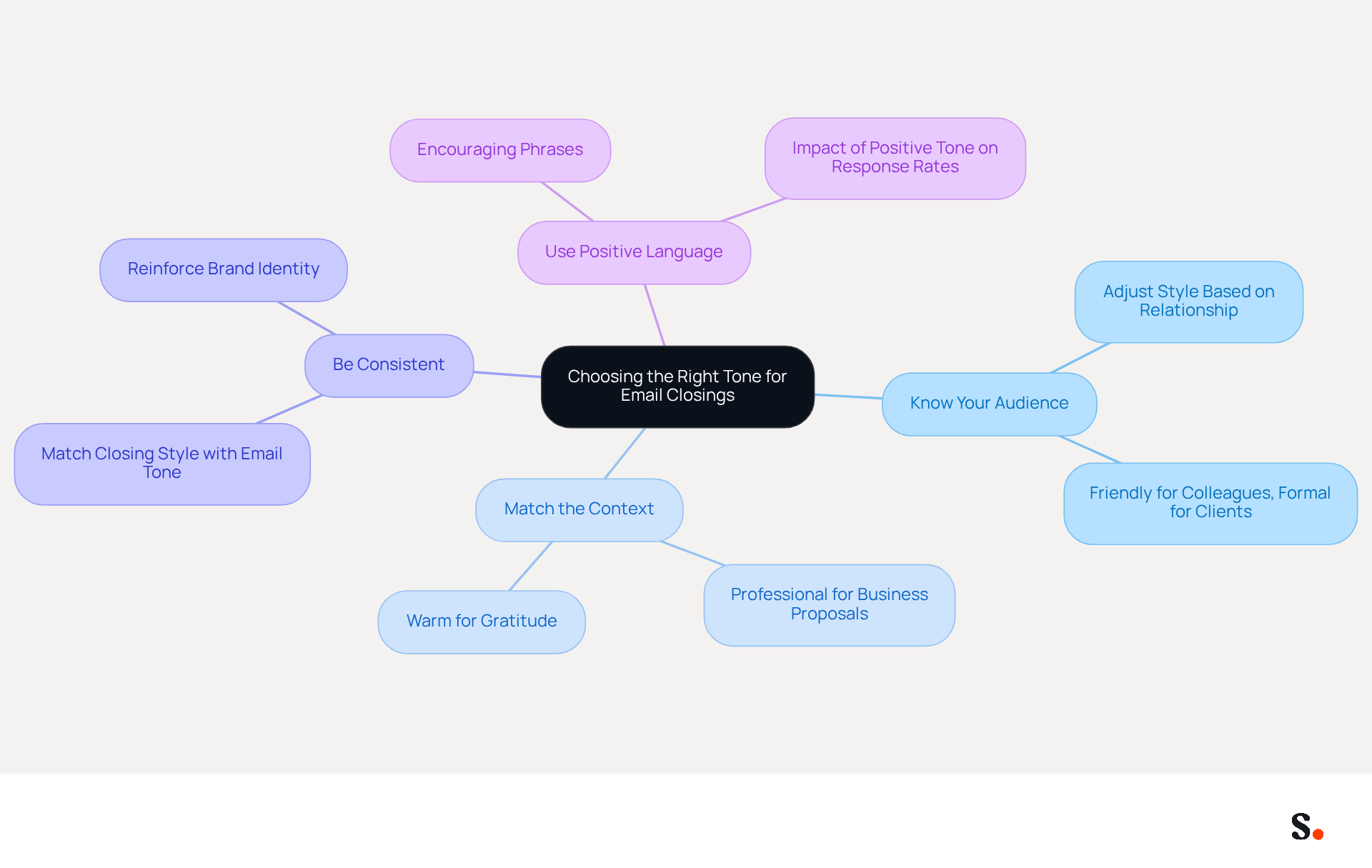
- Know Your Audience: Adjust your style based on the recipient's relationship with you. For example, a friendly manner may be suitable for colleagues, while a more formal approach is appropriate for clients.
- Match the Context: Consider the context of your email. If you are following up on a business proposal, it is essential to use professional email closings. On the other hand, if you are expressing gratitude to a colleague for their assistance, a warmer manner can enhance rapport.
- Be Consistent: Ensure that the style of your closing matches the style of the entire email. A mismatch in style can lead to misunderstandings, potentially damaging professional relationships. Uniformity in style throughout all interactions is essential for reinforcing your brand identity.
- Use Positive Language: Phrases like "I look forward to hearing from you" or "Thank you for your time" convey enthusiasm and appreciation, encouraging a positive response. Studies indicate that a positive tone can prompt faster replies, with 62% of employees responding more quickly to positively framed requests.
By selecting the right style for your email closings, you can significantly enhance the effectiveness of your communications and foster stronger professional connections. Richard Conn, Senior Director for Demand Generation, highlights that the tone of voice in communications is essential for your brand, influencing how messages are perceived and received. Furthermore, incorporating personalization in your messages can further enhance customer relationships, making your communications more engaging.
Utilize Effective Email Sign-Off Examples
Choosing the right email closings can significantly impact the effectiveness of your communication. Here are some effective email sign-off examples that can enhance your email communications:
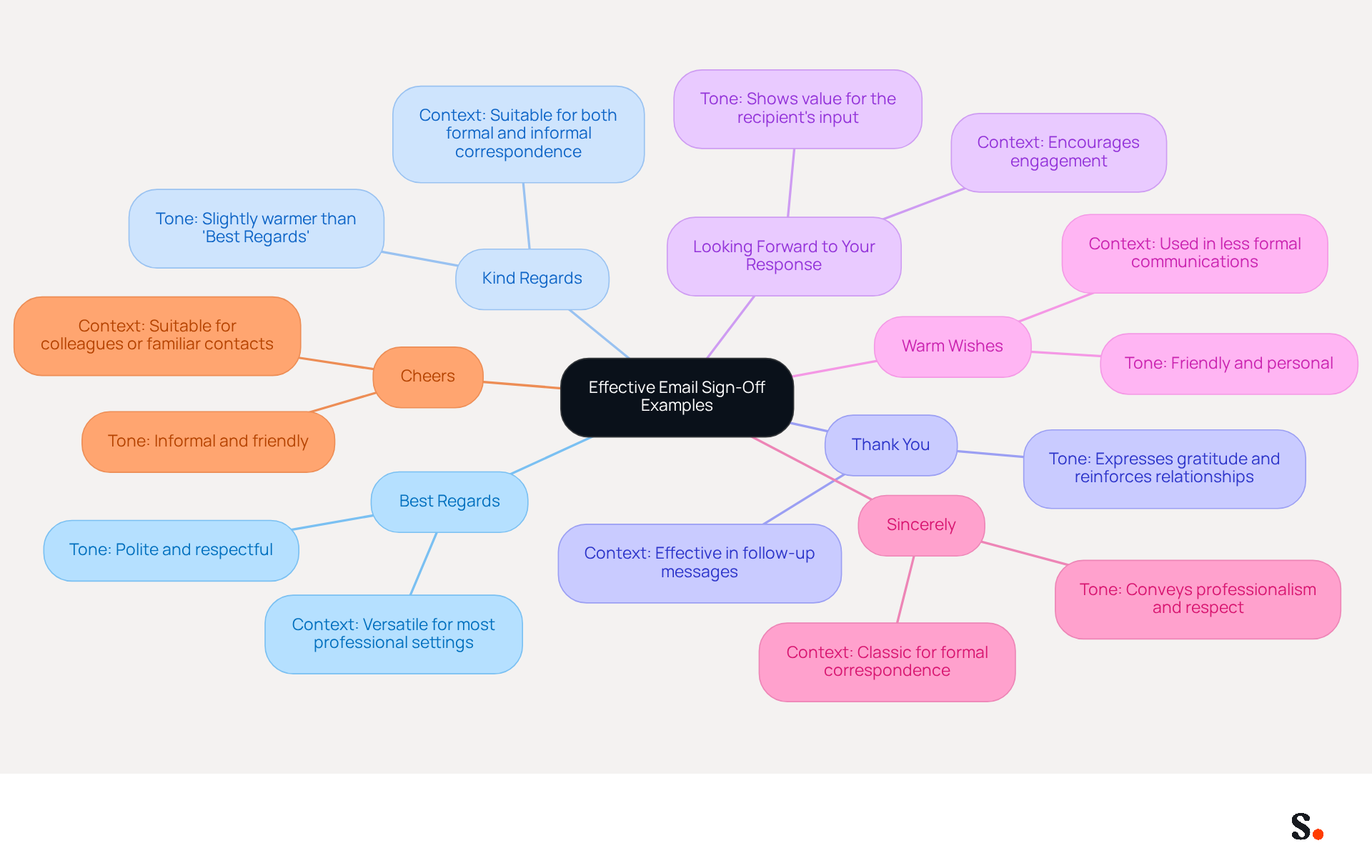
- Best Regards: A versatile closing that works in most professional contexts, maintaining a polite tone.
- Kind Regards: Slightly warmer than 'Best Regards,' this sign-off is suitable for both formal and informal correspondence, fostering a friendly atmosphere.
- Thank You: This expression of gratitude is particularly effective in follow-up messages or after receiving assistance, reinforcing positive relationships. Research indicates that expressing gratitude can boost response rates, which typically hover around 47.5%.
- Looking Forward to Your Response: This closing statement encourages engagement and indicates that you value the recipient's input, prompting a reply.
- Warm Wishes: A friendly closing that can be used in less formal communications, adding a personal touch.
- Sincerely: A classic closing that conveys professionalism, especially in formal correspondence, ensuring respect.
- Cheers: Informal and friendly, this farewell is suitable for colleagues or familiar contacts, promoting a relaxed tone.
Using these email closings can elevate your professionalism and lead to more favorable responses, as studies suggest. Ultimately, the right email closings can significantly shape the recipient's perception and response, making them a crucial element of professional correspondence.
Ensure Brand Consistency in Email Signatures
To ensure your email signatures effectively represent your brand, it's crucial to follow best practices that enhance consistency and professionalism:
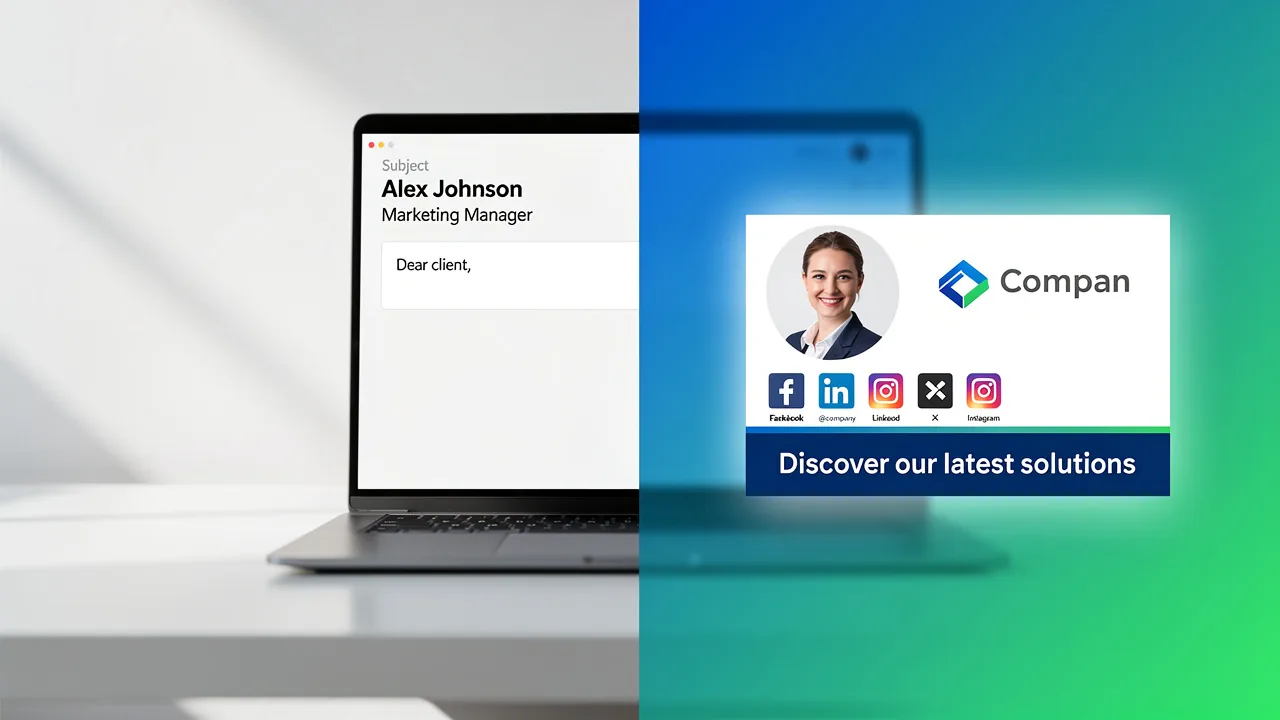
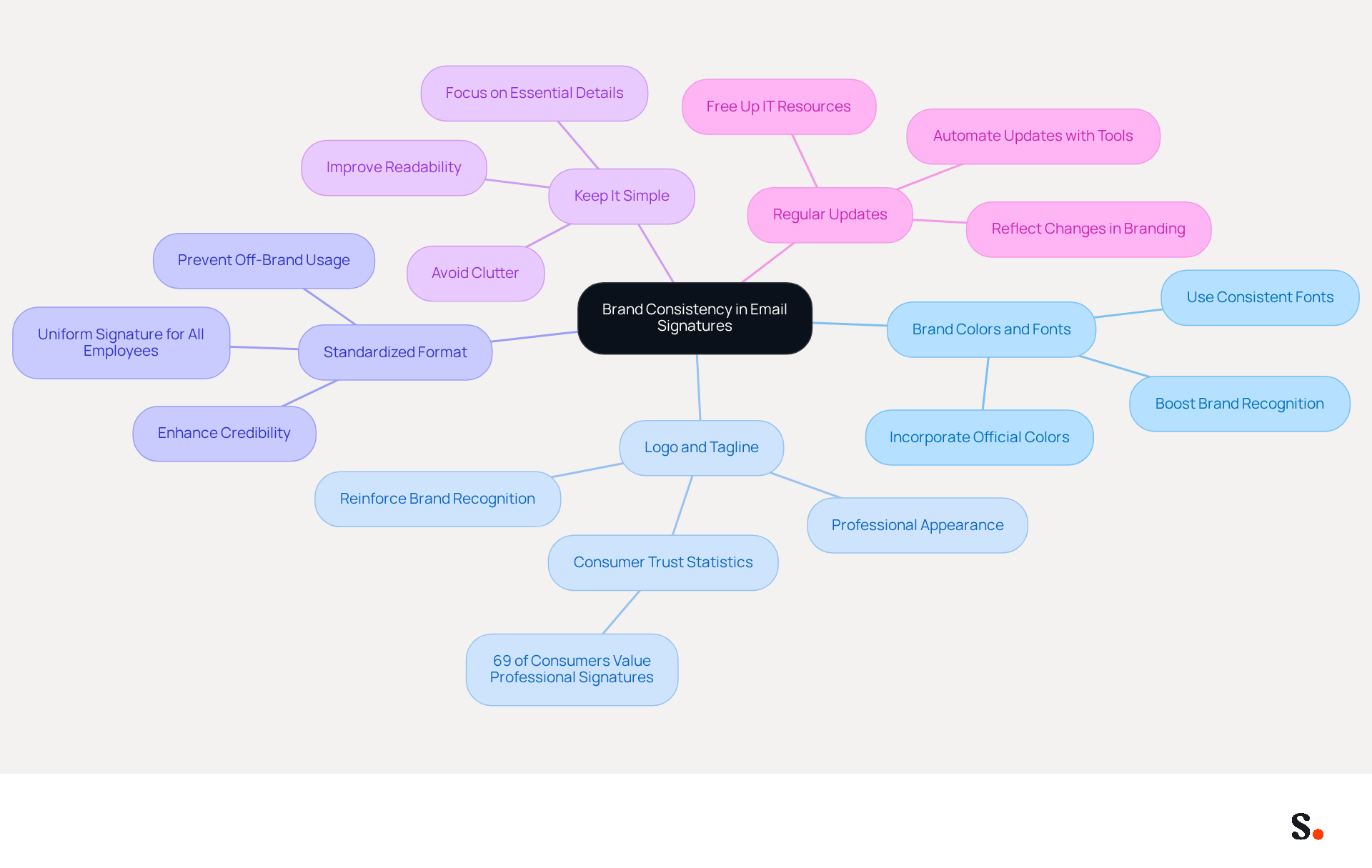
- Use Brand Colors and Fonts: Incorporate your company's official colors and fonts in the signature design to create a cohesive look that aligns with your brand identity. Consistent branding can boost brand recognition significantly, making it vital for effective communication.
- Include Logo and Tagline: Adding your company logo and tagline reinforces brand recognition and provides a professional appearance. A striking 69% of consumers feel that a professionally branded signature is crucial for companies, as it builds trust and fosters engagement.
- Standardize Signature Format: Create a standardized format for all employees to use, ensuring that every message sent from your organization reflects the same branding. Without a standardized format, employees may inadvertently use off-brand colors or layouts, risking the organization's credibility.
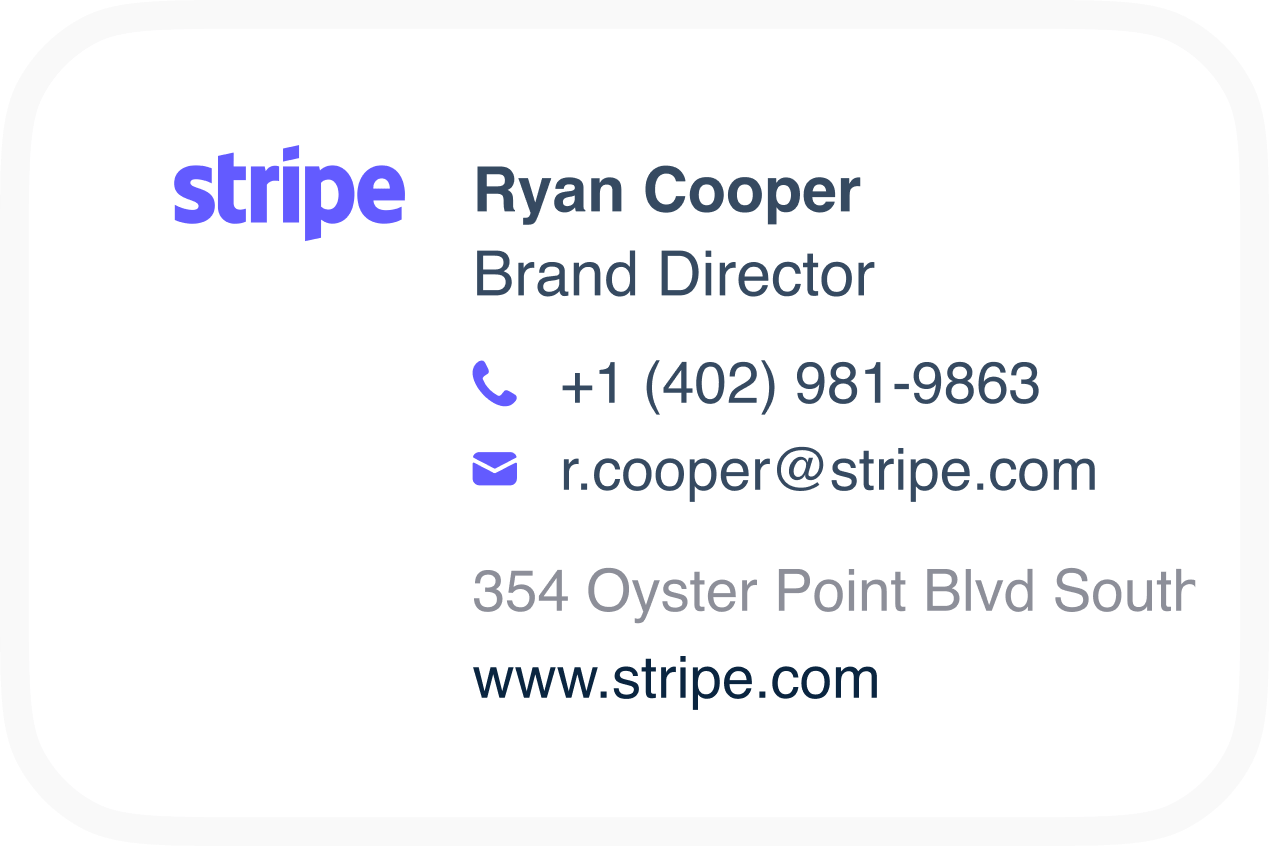
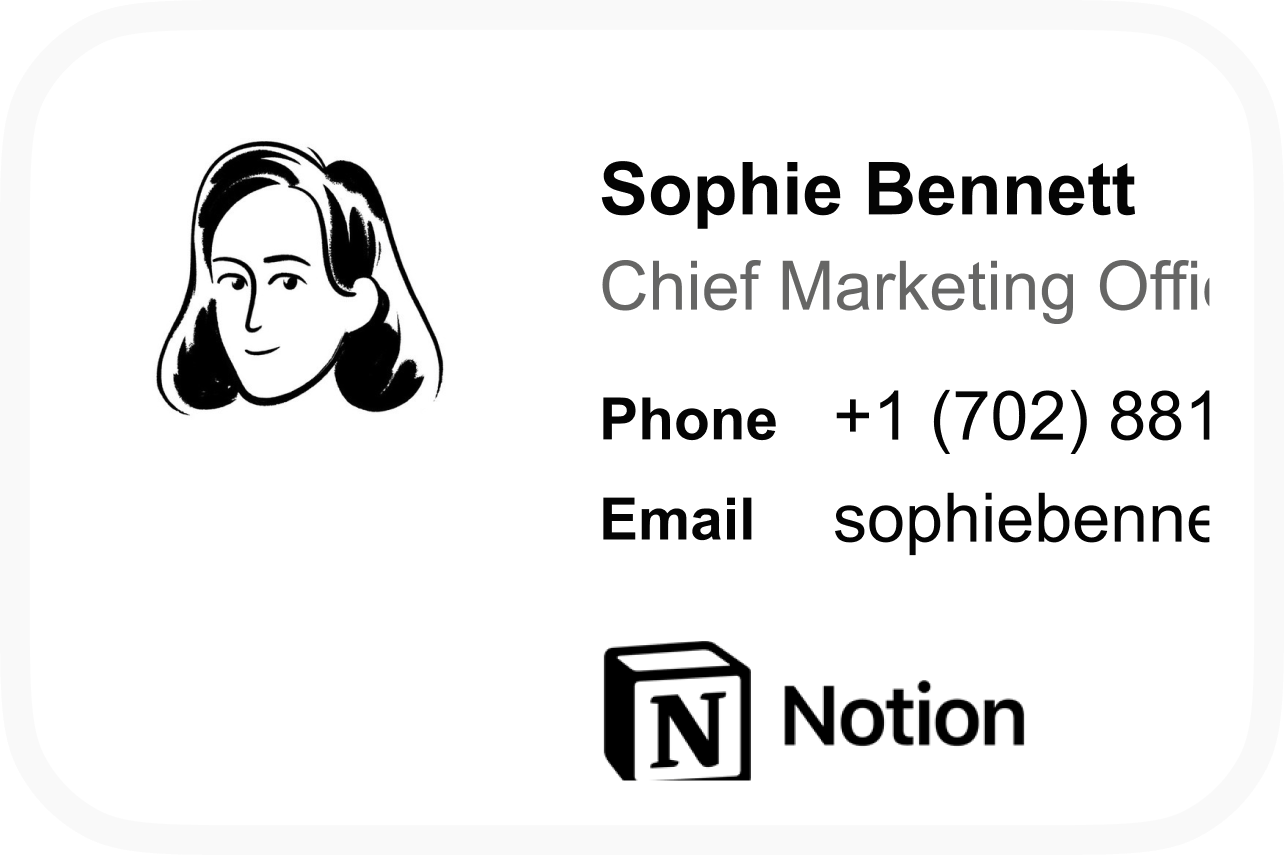
- Keep It Simple: Avoid cluttering the signature with excessive information. Focus on essential details like name, title, contact information, and a single call-to-action. Marketers agree that a clear hierarchy in your signature not only boosts readability but also engages recipients more effectively.
- Regular Updates: Ensure that signatures are updated regularly to reflect any changes in branding or personnel. Utilizing a platform like Scribe can automate this process, ensuring consistency across the board and freeing up IT resources for more strategic tasks.
Implementing these practices not only enhances visibility but also transforms every email into a strategic marketing tool. Ultimately, each email signature becomes a strategic asset that can elevate your brand's presence in the marketplace.
Avoid Common Mistakes in Email Closings
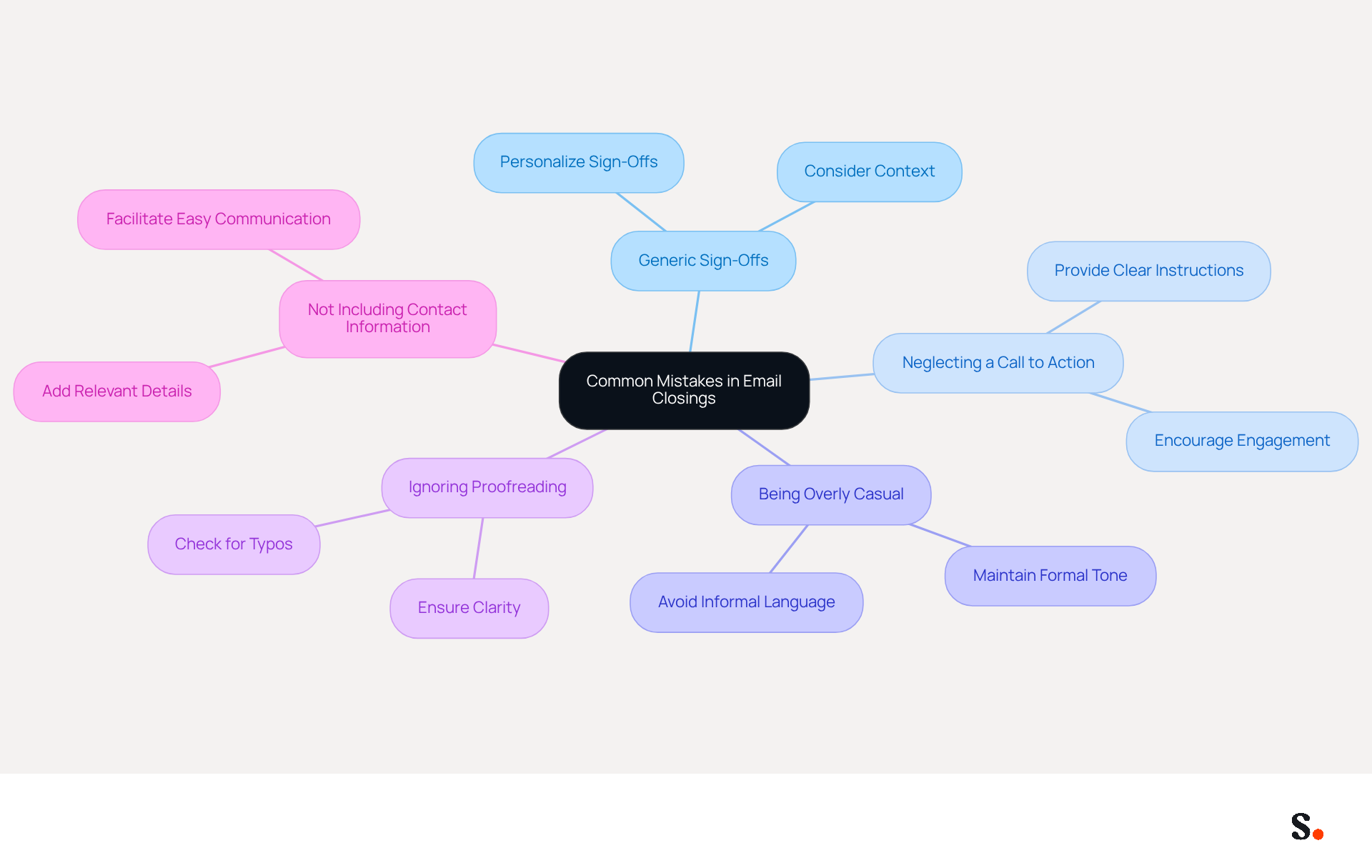
To elevate your email communication, it's essential to recognize and rectify common pitfalls in email closings:
- Using Generic Sign-Offs: Phrases like "Best" or "Regards" can come across as impersonal. Tailor your sign-off to the recipient and context to foster a more engaging closing. As Judith Kallos notes, using a personalized approach can significantly improve the recipient's perception of your professionalism.
- Neglecting a Call to Action: Without a clear call to action, recipients may feel lost and disengaged. Always guide them on what you expect after they read your email. This clarity can enhance engagement and response rates.
- Being Overly Casual: Being overly casual can hurt your professionalism, even if you mean well. Avoid overly casual sign-offs unless you have a close relationship with the recipient. Diane Gottsman emphasizes that maintaining a formal tone is essential to convey seriousness in business communications.
- Ignoring Proofreading: Typos or grammatical errors in your closing can detract from your professionalism. Neglecting to proofread can lead to misunderstandings and a tarnished reputation. Always proofread your messages before sending them to ensure clarity and correctness.
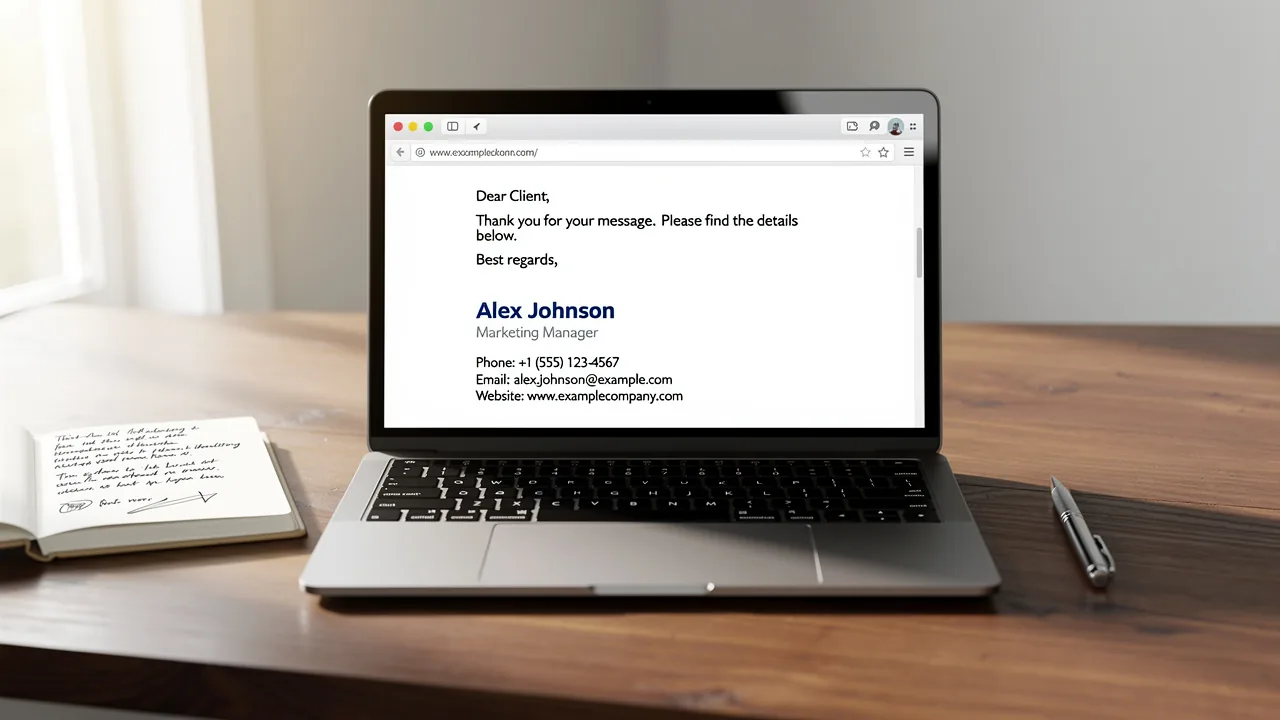
- Not Including Contact Information: Ensure that your signature contains relevant contact details, making it easy for recipients to reach you. This practice not only enhances interaction but also demonstrates your attention to detail.
By being mindful of these common mistakes, you can significantly enhance your written interactions and improve your professional image. Ultimately, the email closings you choose can significantly shape how your professionalism is perceived.
Conclusion
Crafting the right email closing is essential for effective marketing communication, yet many marketers overlook its significance. By understanding the nuances of tone, consistency, and professionalism, marketers can significantly enhance their interactions and foster stronger relationships with their audience. A well-crafted email closing serves as the final impression, influencing the recipient's response and perception of the brand.
Key insights from this article highlight the necessity of:
- Tailoring email closings to the audience and context
- Utilizing effective sign-offs
- Ensuring brand consistency in email signatures
- Avoiding common pitfalls
By implementing these best practices, marketers can create a cohesive and engaging communication strategy that resonates with recipients. The use of positive language and personalized touches can further elevate the effectiveness of email closings, leading to improved response rates and stronger professional connections.
Mastering email closings goes beyond etiquette; it’s a strategic move to boost brand visibility and engagement. As organizations strive for 100% brand consistency and measurable marketing ROI, adopting these best practices will transform every email into a powerful marketing tool. By refining email closings, marketers can not only enhance their communication but also significantly impact their brand's reputation and client relationships.
Frequently Asked Questions
Why is it important to choose the right tone for email closings?
Selecting the right tone for email closings is crucial for maintaining professionalism and fostering positive relationships.
How should I adjust my email closing style based on my audience?
You should adjust your style based on your relationship with the recipient; a friendly tone may be suitable for colleagues, while a more formal approach is appropriate for clients.
What should I consider regarding the context of my email when choosing a closing?
Consider the context of your email; for example, use professional closings for business proposals and warmer closings when expressing gratitude to colleagues.
Why is consistency in email closing style important?
Consistency in style ensures that the closing matches the entire email, preventing misunderstandings and reinforcing your brand identity.
What type of language should I use in my email closings?
Use positive language, such as 'I look forward to hearing from you' or 'Thank you for your time,' as it conveys enthusiasm and appreciation, encouraging positive responses.
How does a positive tone in email closings affect response rates?
Studies indicate that a positive tone can prompt faster replies, with 62% of employees responding more quickly to positively framed requests.
What additional factor can enhance customer relationships in email communications?
Incorporating personalization in your messages can further enhance customer relationships, making your communications more engaging.
List of Sources
- Choose the Right Tone for Your Email Closing
- Email Etiquette in the Workplace (https://adminvc.ucla.edu/news/email-etiquette-workplace)
- Survey Reveals The Best Tone of Voice to Take with Customers (https://verticalresponse.com/blog/survey-reveals-the-best-tone-of-voice-to-take-with-customers)
- How to Find the Right Email Tone of Voice for Your Brand (https://zerobounce.net/blog/email-resources/be-a-better-marketer/email-tone-voice)
- Set the Tone in Email: How You Say It Is as Important as What You Say - E-WRITE (https://ewriteonline.com/set-the-tone-in-email-how-you-say-it-is-as-important-as-what-you-say)
- Why Tone Matters More Than Ever in Business Communication (https://marketingprofs.com/charts/2023/48913/why-tone-matters-business-communication)
- Utilize Effective Email Sign-Off Examples
- 50 Best Email Sign-Offs to End an Email Properly in [year] (https://elementor.com/blog/best-email-sign-offs)
- Mastering Professional Email Sign-Offs in 2026 (https://linkedin.com/pulse/mastering-professional-email-sign-offs-2026-bulksignature-qsr4e)
- Email Sign Offs for Every Industry and Situation | Mailchimp (https://mailchimp.com/resources/email-sign-offs)
- How to End an Email: 43 Ways to Sign Off on an Email (2026) (https://respona.com/blog/how-to-end-an-email)
- Best Email Sign-Offs: 15 Examples for Every Situation (https://beanstalkconsulting.co/blogs/best-email-sign-offs)
- Ensure Brand Consistency in Email Signatures
- Email Branding Tips For a Consistent Customer Experience | OneSignal (https://onesignal.com/blog/email-branding-tips-to-create-a-b)
- Using Email Signatures for Marketing | CloudM (https://cloudm.io/resources/blog/using-email-signatures-for-marketing-how-every-email-can-boost-your-brand)
- Consistently Branded Email Signatures at Scale (https://exclaimer.com/solutions/enhance-brand-consistency)
- Exclaimer Research: 67% of Marketers Expect Email Signatures to Support With Lead Gen In 2023 (https://businesswire.com/news/home/20230612141095/en/Exclaimer-Research-67-of-Marketers-Expect-Email-Signatures-to-Support-With-Lead-Gen-In-2023)
- Why email signature is important in corporate world ? (https://linkedin.com/pulse/why-email-signature-important-corporate-world-vibhuti-chauhan-fprzc)
- Avoid Common Mistakes in Email Closings
- The 12 Most Common Email Mistakes Professionals Make (https://businessinsider.com/common-email-mistakes-professionals-make-2014-7)
- Avoid These Common Business Email Pitfalls - Olson Duncan (https://olsonduncan.com/avoid-these-common-business-email-pitfalls)
- Email mistakes to avoid | LinkedIn (https://linkedin.com/news/story/email-mistakes-to-avoid-6450428)
- How to Avoid Common Email Mistakes (https://linkedin.com/pulse/how-avoid-common-email-mistakes-mel-lester)
- Eight Email Mistakes To Avoid (https://ppai.org/media-hub/eight-email-mistakes-to-avoid)
Get started with Scribe
See why teams switch to Scribe
Free 14-day trial — no credit card.