Best Practices for Professional Email Signature Templates
In a landscape where brand identity is paramount, many organizations overlook a critical tool: their email signatures. Professional email signatures are a
Sophie Grant
Email Signature Specialist, Scribe
Introduction
In a landscape where brand identity is paramount, many organizations overlook a critical tool: their email signatures. Professional email signatures are a powerful tool that reinforces brand consistency and enhances communication effectiveness, yet they are often overlooked.
So, how can businesses make sure their email signatures reflect their brand accurately while also engaging recipients? Let’s explore best practices for creating professional email signature templates that captivate audiences and maintain brand integrity, transforming every email into a strategic marketing opportunity.
Establish Brand Consistency in Email Signatures
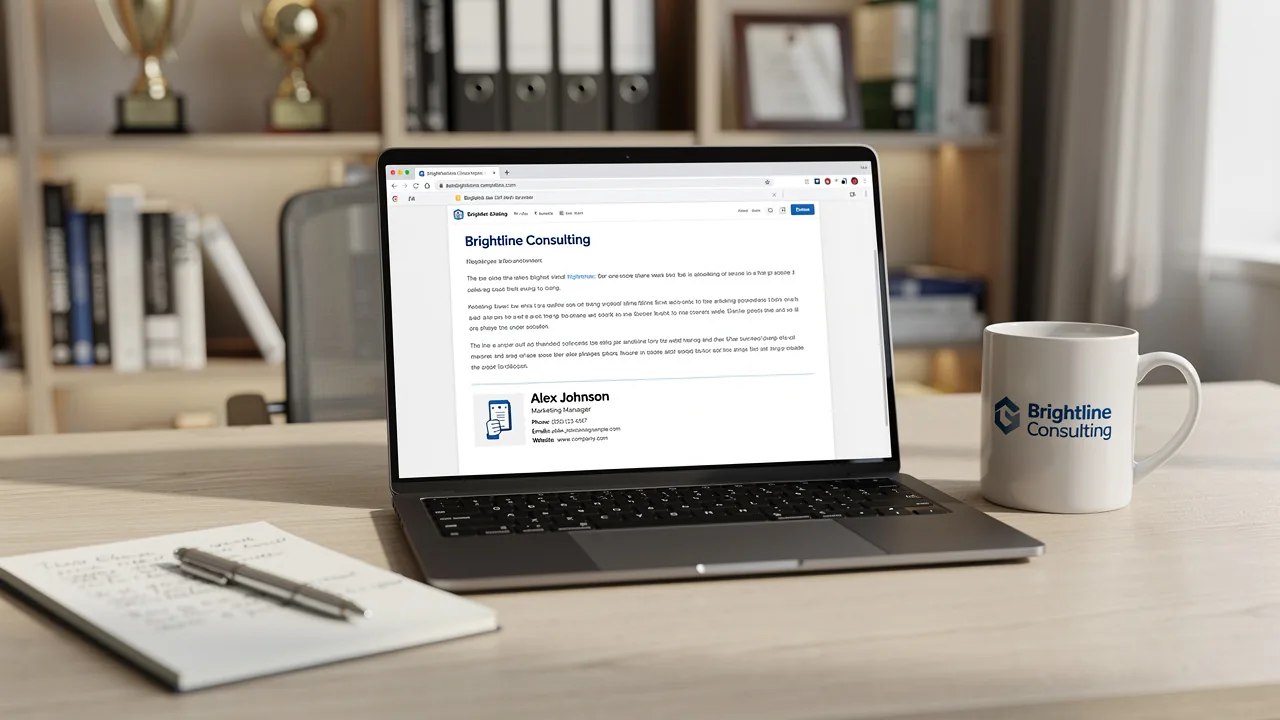
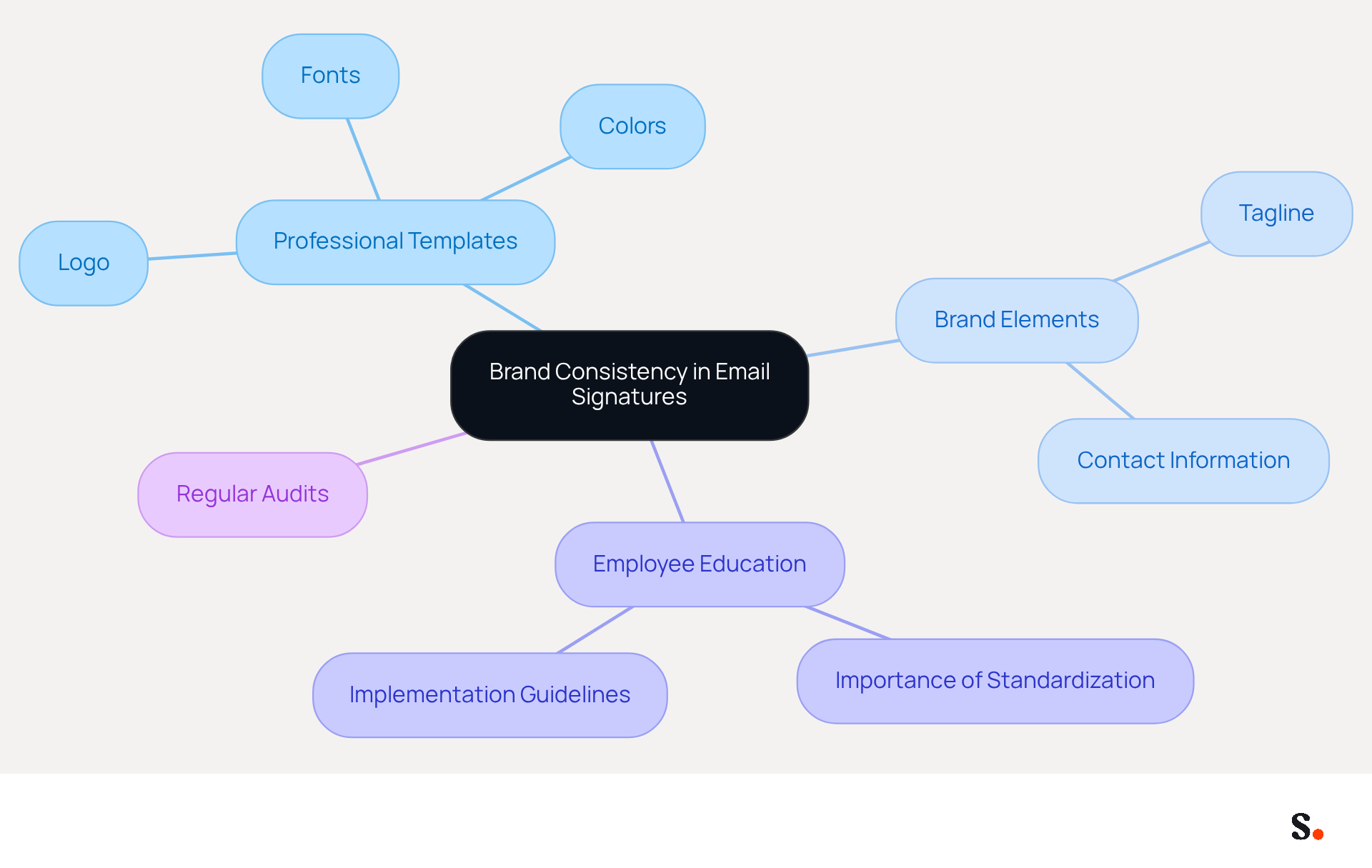
To ensure a strong brand presence, it is crucial to maintain consistency in professional email signature templates throughout the organization. Start by creating professional email signature templates that feature your logo, company colors, and fonts. This approach guarantees that every employee's signature aligns with the company's visual identity by using professional email signature templates, thereby reinforcing brand recognition.
To maintain a cohesive professional appearance, it is essential to limit variations in signing styles within the organization. A single, approved design should be utilized by all employees. Interestingly, research indicates that 69% of consumers believe that using professional email signature templates is vital for a company's identity.
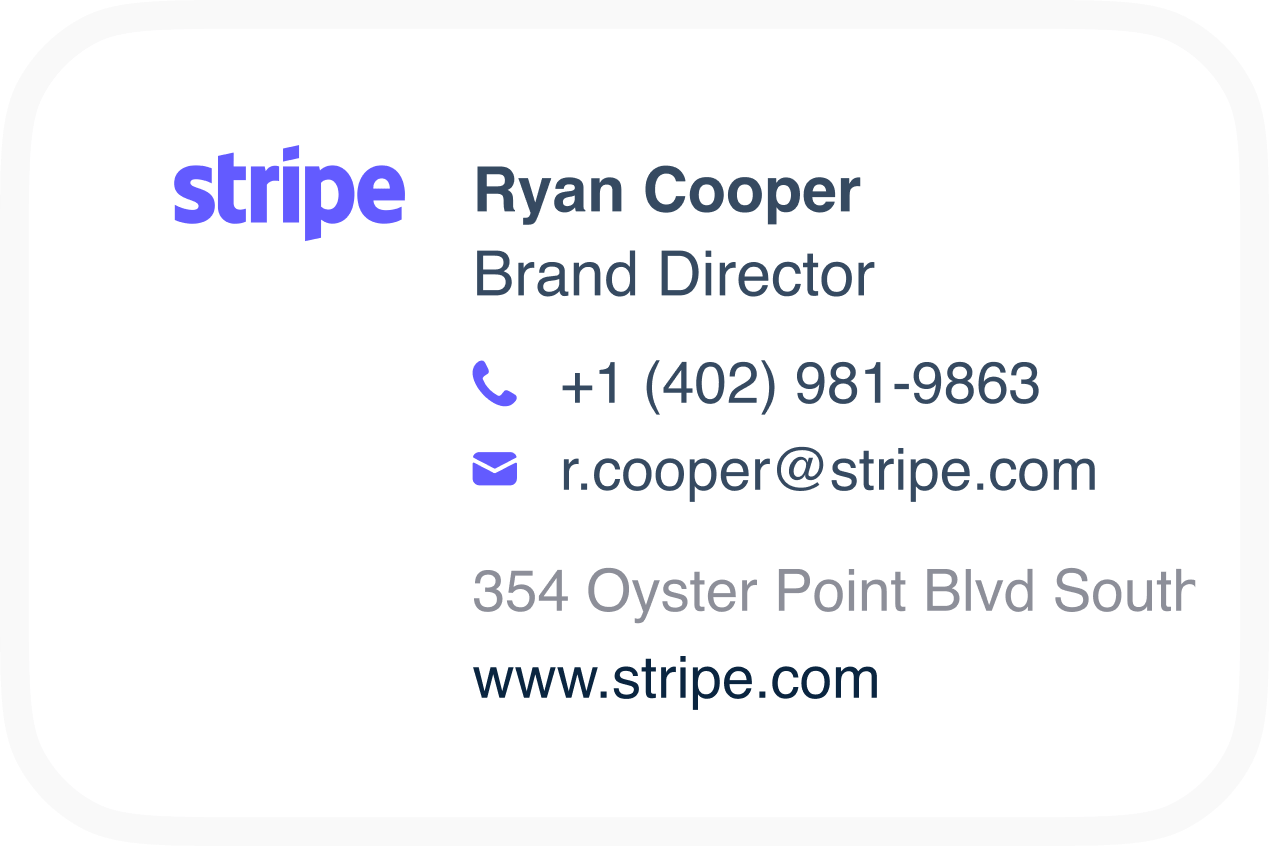
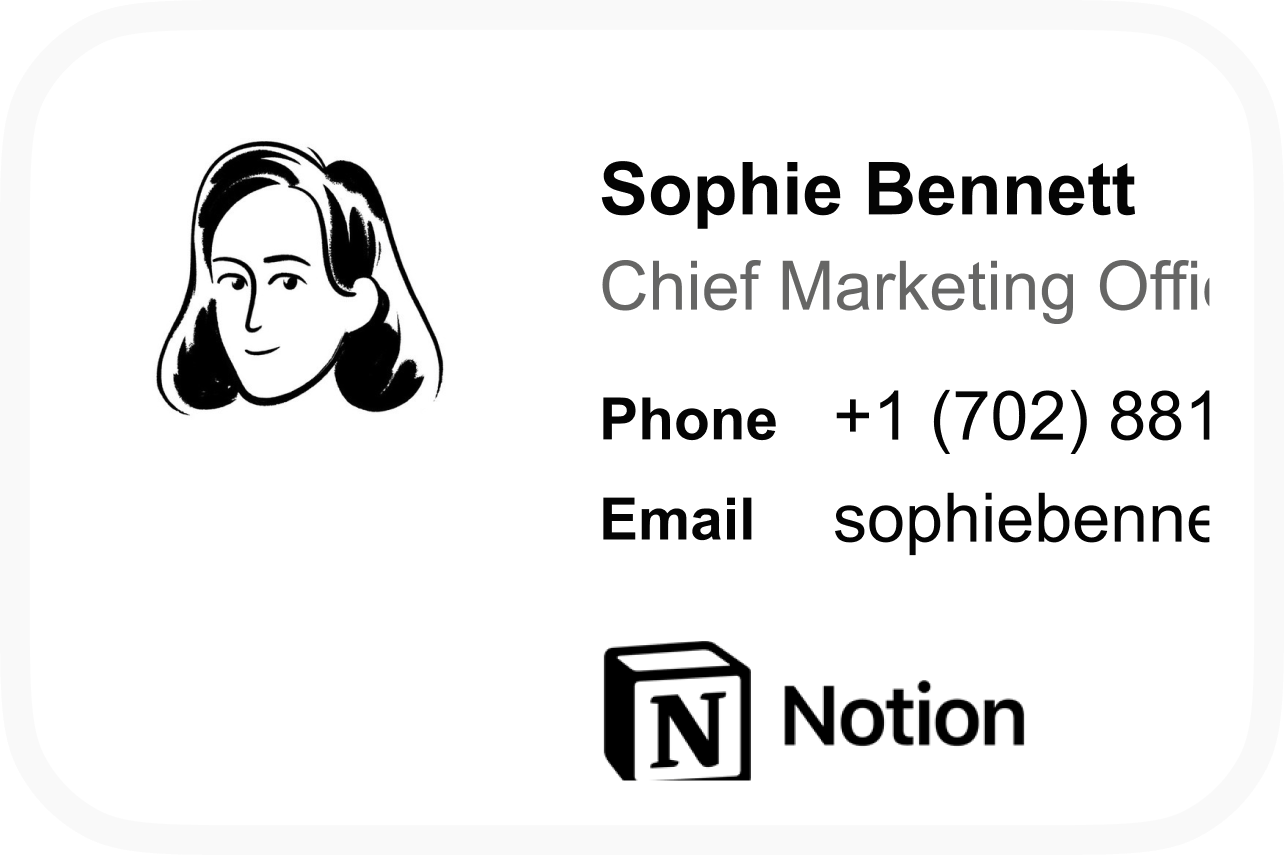
Incorporate key brand elements such as the company logo, tagline, and contact information. This not only strengthens brand identity but also provides recipients with the necessary information to reach out, enhancing communication effectiveness.
Consistently update all identifiers to reflect any branding changes, such as new logos or contact information. Automation tools like Scribe can simplify this process, enabling effective management of update approvals.
Finally, educate employees on the importance of using the standardized signature and how to implement it. This will help ensure compliance and promote a deeper understanding of brand representation in communications. Regular audits can also assist in preserving accuracy, as 42% of consumers have a negative perception of a business when they receive a message lacking a branded identifier. Ultimately, neglecting these practices can erode consumer trust and weaken brand identity in the long run.
Design Engaging Email Signature Templates
To create effective professional email signature templates, organizations must prioritize clarity and engagement.
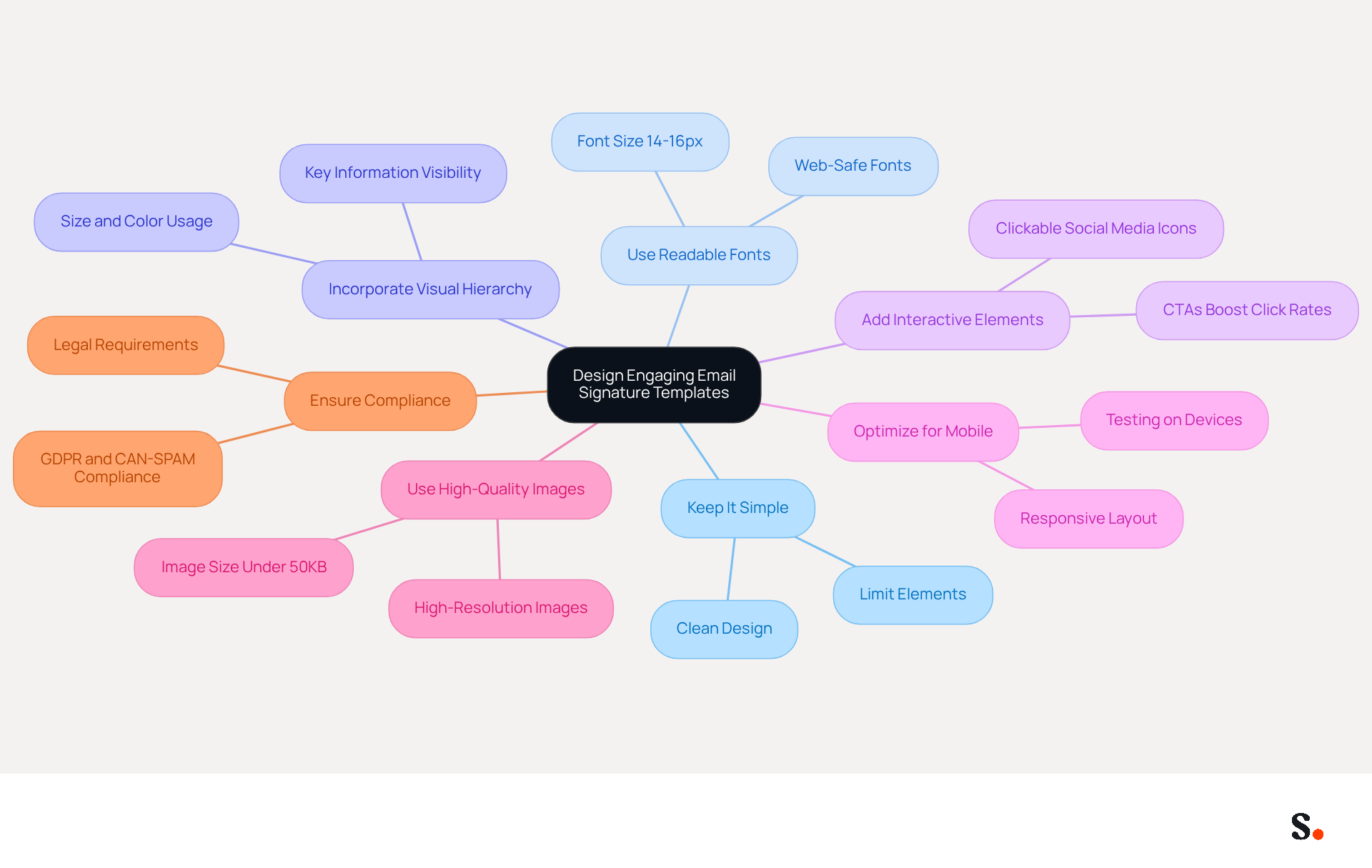
- Keep It Simple: A clean and uncluttered design is visually appealing. Limiting the number of elements helps avoid overwhelming the recipient, as shorter messages lead to higher click rates.
- Use Readable Fonts: Choose web-safe fonts that are easy to read across different devices. Stick to a maximum of two font types to maintain consistency and professionalism, with recommended sizes between 14-16px for body text.
- Incorporate Visual Hierarchy: Use size and color to create a visual hierarchy that guides the reader's eye. Important information, such as the name and job title, should stand out, ensuring recipients can absorb key details in under three seconds.
- Add Interactive Elements: In fact, incorporating strategic CTAs like calendar booking links can boost click rates by as much as 26%. Including clickable elements like social media icons, website links, or call-to-action buttons encourages engagement and provides recipients with easy access to more information.
- Optimize for Mobile: Ensure that the mark is mobile-friendly by testing its appearance on various devices. A responsive layout improves user experience and accessibility, particularly as over 60% of business correspondence is accessed on mobile devices. Without mobile optimization, organizations risk losing engagement from over 60% of their audience. This oversight can result in missed opportunities for connection and communication.
- Use High-Quality Images: If including images, such as logos or headshots, ensure they are high-resolution and properly sized to avoid distortion. Images should be optimized for quick loading, with a total weight under 50KB, reflecting professionalism and attention to detail. Including a professional headshot can increase response rates by approximately 32%.
- Ensure Compliance: Be aware of legal requirements for electronic communications, such as GDPR and CAN-SPAM regulations. Scribe's commitment to GDPR compliance ensures that your correspondence management adheres to these standards, helping to avoid potential legal issues and maintain trust with recipients. Additionally, Scribe's SAML single sign-on integration enhances security, allowing for seamless access through your identity provider.
By implementing these best practices, organizations can significantly enhance their digital communication strategies and incorporate professional email signature templates to foster stronger connections with their audience. Syncing your Google Workspace with Scribe allows for effortless updates, ensuring that any changes in your team are automatically reflected in your correspondence identifiers, saving time and maintaining consistency.
Utilize Automation for Efficient Signature Management
To achieve efficient signature management, organizations must adopt strategic automation practices that streamline processes and enhance compliance:
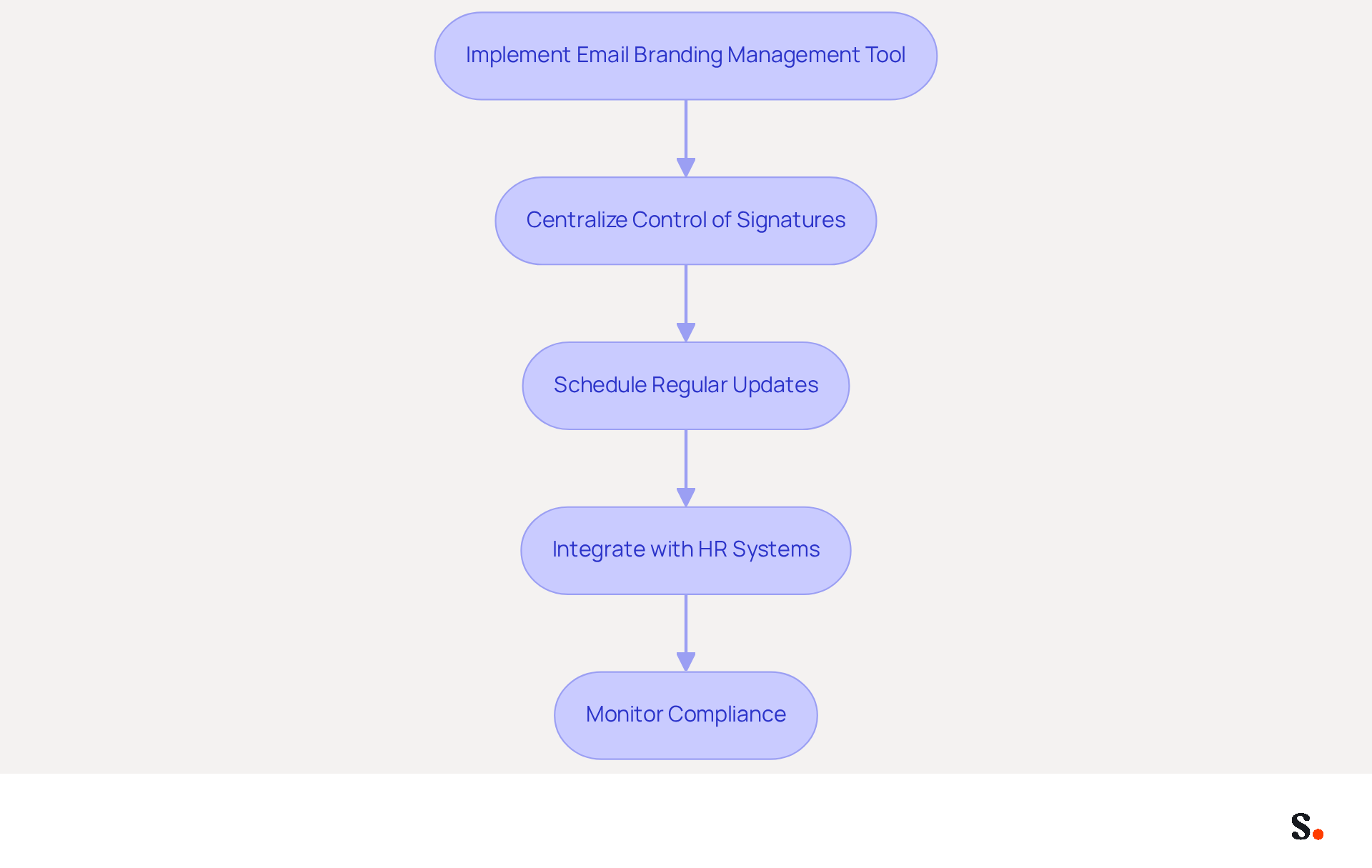
- Implement an Email Branding Management Tool: Leverage a platform like Scribe to automate the creation and deployment of email branding elements across your organization. This ensures that all endorsements remain consistent and up-to-date, turning them into measurable communication tools.
- Centralize Control of Signatures: Maintain a centralized control system where modifications to the template can be made in one location and automatically updated for all users. Manual updates often lead to errors and inconsistencies, creating compliance risks. This approach reduces the need for manual updates, ensuring compliance with brand guidelines.
- Schedule Regular Updates: Set a timetable for regular revisions to the template to reflect any changes in branding or contact information. Automation tools can facilitate this process, ensuring timely updates and minimizing the risk of outdated information.
- Integrate with HR Systems: Connect the management tool for electronic signatures with HR systems to automatically update them based on employee data changes, such as new hires or role changes. This integration simplifies the onboarding process and ensures consistency across the organization.
- Monitor Compliance: Regularly review electronic correspondence identifiers to ensure adherence to brand guidelines and legal requirements. Automation tools can provide analytics to track adherence to standards, helping to mitigate compliance risks associated with manual management.
Organizations can save substantial costs with centralized management of digital branding, as evidenced by statistics indicating that a company of 500 employees could spend about $28,000 each year on manual oversight. By implementing these practices, organizations can significantly reduce costs and enhance operational efficiency, transforming every email into a powerful branding opportunity.
Measure and Optimize Email Signature Performance
To enhance the effectiveness of email signatures, it is crucial to implement best practices for measurement and optimization:
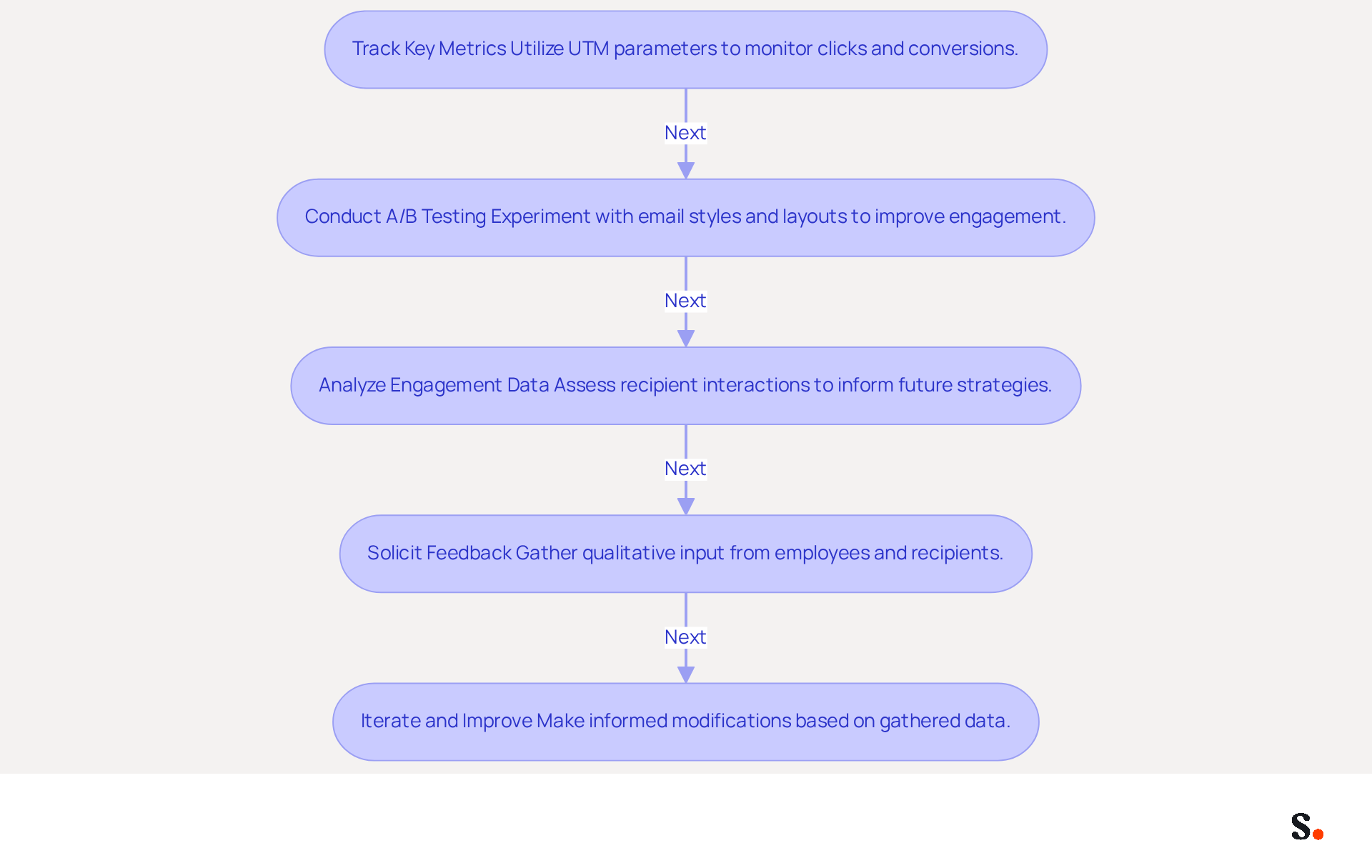
- Track Key Metrics: Utilize UTM parameters to monitor clicks and conversions from messages. Essential metrics to focus on include click-through rates (CTR), which average around 2.3% for B2B marketing messages and can peak above 12% for targeted audiences using Scribe. Conversion rates can range from 0.5% to 5% for automated campaigns. Regular assessment of these metrics offers valuable insights into engagement levels and overall effectiveness, especially with Scribe's integration with Google Workspace.
- Conduct A/B Testing: Experiment with various email styles, layouts, and calls to action to identify which versions resonate most with recipients. Organizations that implement A/B testing often see significant improvements in engagement metrics, with some reporting increases of up to 40%. For example, a SaaS firm saw a 20% increase in clicks and conversions after enhancing its message footer.
- Analyze Engagement Data: Utilize analytics tools to assess how recipients interact with their messages. Look for patterns in engagement data, such as high click rates or low conversion rates, to inform future design and content decisions. Keeping an organized contact list is essential for enhancing deliverability and evaluating the effectiveness of messaging branding. Furthermore, syncing your Google Workspace with Scribe enables automatic updates of your teammates' information, ensuring that any modifications are reflected in their details without manual input, thus saving time and enhancing consistency.
- Solicit Feedback: Gather qualitative input from employees and recipients regarding the effectiveness of electronic correspondence identifiers. Feedback can uncover insights that numbers alone might overlook, helping to refine strategies even further.
- Iterate and Improve: Utilize the gathered data to make informed modifications to electronic correspondence identifiers. Continuous optimization is essential; for instance, regular updates to content can keep it fresh and engaging, ultimately enhancing its role as a marketing tool and improving brand communication. By continuously refining email signatures based on data-driven insights, organizations can significantly improve their marketing outcomes.
Conclusion
Maintaining a professional email signature is crucial for reinforcing brand identity and communication strategy. When organizations implement best practices for email signatures, they can make sure every email reinforces their brand image and builds trust with recipients. A well-designed email signature is not just consistent; it’s a powerful marketing tool that shapes how a company is perceived.
Key strategies discussed include:
- Establishing brand consistency through standardized templates
- Designing engaging signatures that prioritize clarity and mobile optimization
- Utilizing automation tools like Scribe for efficient management
These practices not only streamline the process of updating signatures but also ensure compliance with legal standards such as GDPR and CCPA. Furthermore, measuring and optimizing email signature performance through analytics and A/B testing can lead to improved engagement rates, with Scribe users experiencing click-through rates as high as 12%.
In a world where digital communication is paramount, organizations must recognize the importance of their email signatures as an extension of their brand. Without these practices, companies risk losing potential engagement and trust from their audience. Ultimately, neglecting email signatures could mean missing out on valuable connections and brand loyalty.
Frequently Asked Questions
Why is brand consistency important in email signatures?
Brand consistency in email signatures is crucial for maintaining a strong brand presence and reinforcing brand recognition among consumers.
What elements should be included in professional email signature templates?
Professional email signature templates should include the company logo, company colors, fonts, tagline, and contact information to strengthen brand identity and enhance communication effectiveness.
How can organizations ensure all employees use the same email signature design?
Organizations should create a single, approved email signature design that all employees must use to limit variations in signing styles and maintain a cohesive professional appearance.
What percentage of consumers believe that professional email signature templates are vital for a company's identity?
Research indicates that 69% of consumers believe that using professional email signature templates is vital for a company's identity.
How should organizations handle updates to branding elements in email signatures?
Organizations should consistently update all identifiers in email signatures to reflect any branding changes, such as new logos or contact information. Automation tools like Scribe can help manage these updates effectively.
What steps should be taken to educate employees about email signature standards?
Organizations should educate employees on the importance of using the standardized email signature and provide guidance on how to implement it to ensure compliance and promote brand representation.
How can regular audits help maintain email signature accuracy?
Regular audits can assist in preserving accuracy in email signatures, as 42% of consumers have a negative perception of a business when they receive a message lacking a branded identifier.
What are the potential consequences of neglecting brand consistency in email signatures?
Neglecting brand consistency in email signatures can erode consumer trust and weaken brand identity over time.
List of Sources
- Establish Brand Consistency in Email Signatures
- 40+ Email Signature Statistics for 2026 (Data + Insights) (https://wavecnct.com/blogs/email-signature-statistics)
- Email signature statistics: Why every business should optimize their email signatures — Stripo.email (https://stripo.email/blog/email-signature-statistics-why-every-business-should-optimize-their-email-signatures)
- Why Email Signatures Must Be In Your 2026 Marketing Plan | Rocketseed (https://rocketseed.com/blog/what-are-the-biggest-email-trends-for-2026)
- Research Recap: Branded Email Signatures Increase Company Recognition, Trust - Demand Gen Report (https://demandgenreport.com/industry-news/research-recap-branded-email-signatures-increase-company-recognition-trust/47252)
- Why Team Email Signatures Matter More Than You Think: The Hidden Impact on Brand Trust and Customer Experience (https://getmailbird.com/why-team-email-signatures-matter-brand-trust)
- Design Engaging Email Signature Templates
- Email Signature Best Practices for 2026 (+ 15 Pro Examples) (https://wavecnct.com/blogs/email-signature-best-practices-2026)
- The Complete Email Signature Guide 2026: Best Practices and Policy (https://opensense.com/complete-email-signature-guide)
- Email Signature Design Trends in 2026: What Works and What to Drop (https://bulksignature.com/blog/email-signature-design-trends)
- Email Signature Trends 2026: What Designers Are Actually Using (https://markaplugin.com/blog/email-signature-trends-2026)
- Utilize Automation for Efficient Signature Management
- Email Signature Trends 2026: Centralized Control & Automation | SIGNandGO posted on the topic | LinkedIn (https://linkedin.com/posts/signngo_email-signature-trends-to-watch-in-2026-activity-7401523471786217473-zAVL)
- 40+ Email Signature Statistics for 2026 (Data + Insights) (https://wavecnct.com/blogs/email-signature-statistics)
- The True Cost of Manual Email Signature Management (2026) (https://exclaimer.com/email-signature-handbook/manual-email-signature-management-costs)
- Email Signature Management: What It Is and Why Companies Need It in 2026 (https://signandgo.io/blog/email-signature-management-what-it-is-and-why-companies-need-it-in-2026)
- 4 Best Practices for Effective Email Signature Management (https://scribe-mail.com/en-US/blog/4-best-practices-for-effective-email-signature-management)
- Measure and Optimize Email Signature Performance
- Email Signature Analytics: Unlocking Potential for Business Growth (https://wisestamp.com/blog/email-signature-analytics)
- The 5 key metrics to analyze your email signatures (https://signitic.com/en/resources/the-5-key-metrics-to-analyze-your-email-signatures)
- Email Metrics That Matter: What to Measure in 2026 (https://litmus.com/blog/email-metrics-that-matter-what-to-measure)
- 8 Email marketing metrics to optimise for success in 2026 - Klaviyo UK (https://klaviyo.com/uk/blog/email-marketing-metrics)
- Best Practices for a Standard Email Signature That Boosts Marketing ROI (https://scribe-mail.com/en-US/blog/best-practices-for-a-standard-email-signature-that-boosts-marketing-roi)
Get started with Scribe
Build a professional email signature
Free 14-day trial — no credit card.