Master Email Company Signature Best Practices for Marketing Success
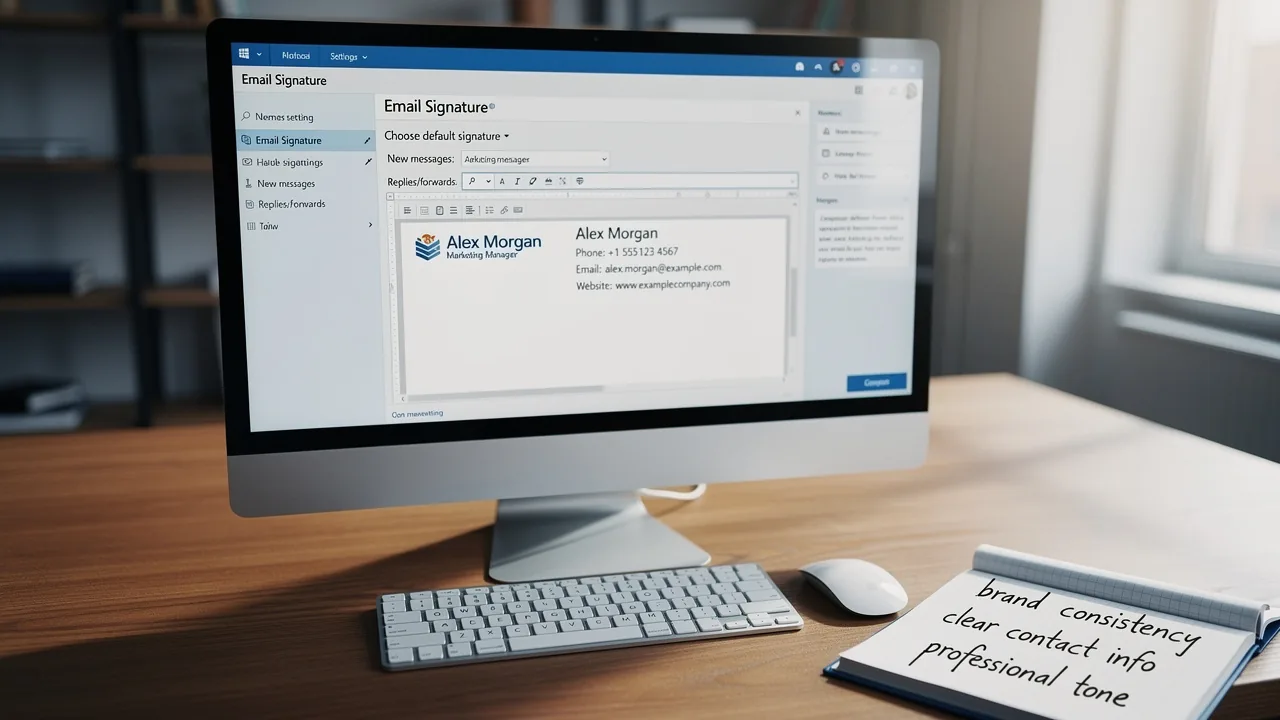
In a world where first impressions matter, a professional email signature can make or break your brand's communication strategy. Crafting a professional email
Sophie Grant
Email Signature Specialist, Scribe

On this page
- Introduction
- Identify Essential Components of a Professional Email Signature
- Ensure Brand Consistency Across Team Signatures
- Leverage Email Signatures for Marketing Campaigns and Lead Generation
- Utilize Automated Tools for Efficient Signature Management
- Conclusion
- Frequently Asked Questions
- List of Sources
Introduction
In a world where first impressions matter, a professional email signature can make or break your brand's communication strategy. Crafting a professional email signature is more than just a digital sign-off; it serves as a vital touchpoint for branding and communication in today's competitive landscape.
With numerous elements to balance, crafting an effective email signature can be daunting for businesses. How can they ensure their signatures not only look professional but also drive marketing success?
This article delves into essential strategies for creating impactful email signatures that resonate with audiences and elevate brand consistency across teams. Ultimately, a well-designed email signature is not just a formality; it is a strategic asset that can significantly influence how your brand is perceived.
Identify Essential Components of a Professional Email Signature
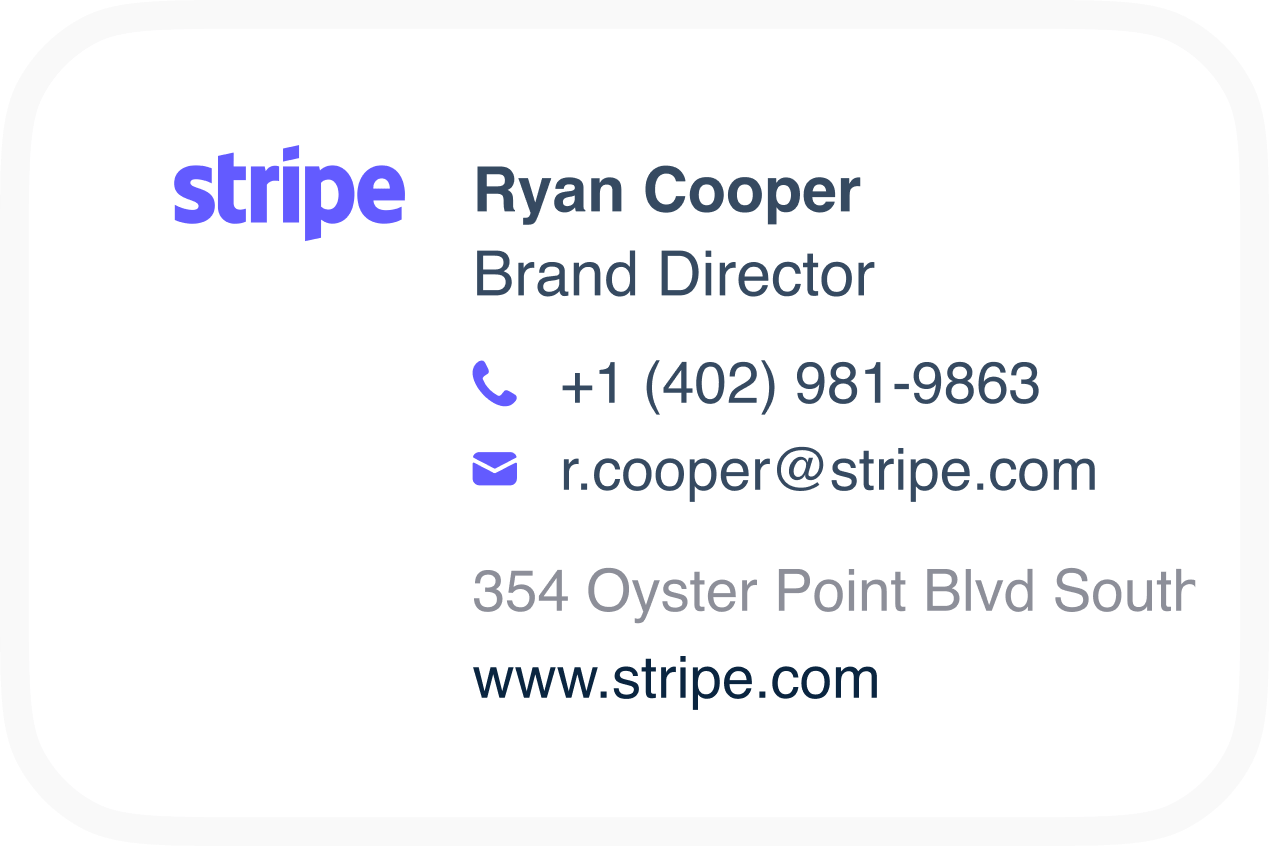
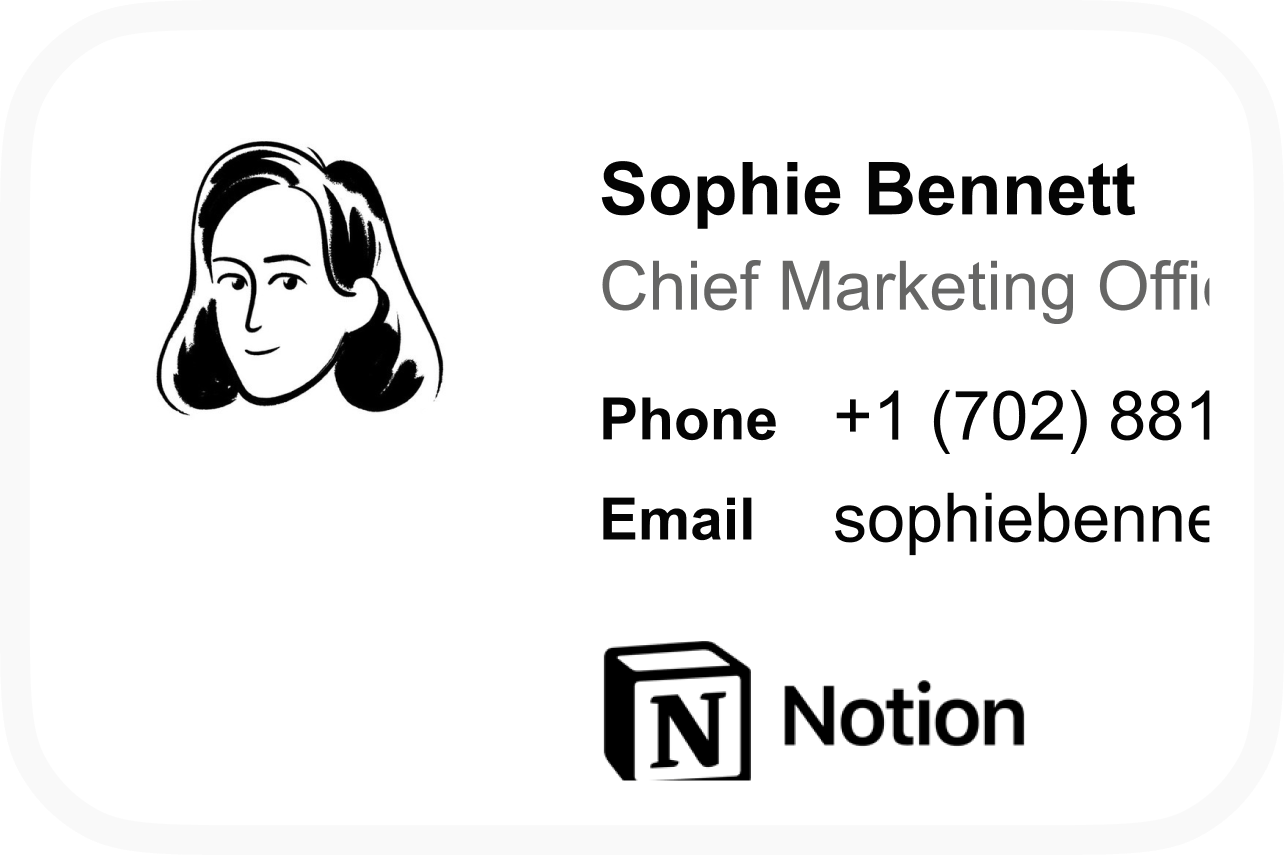
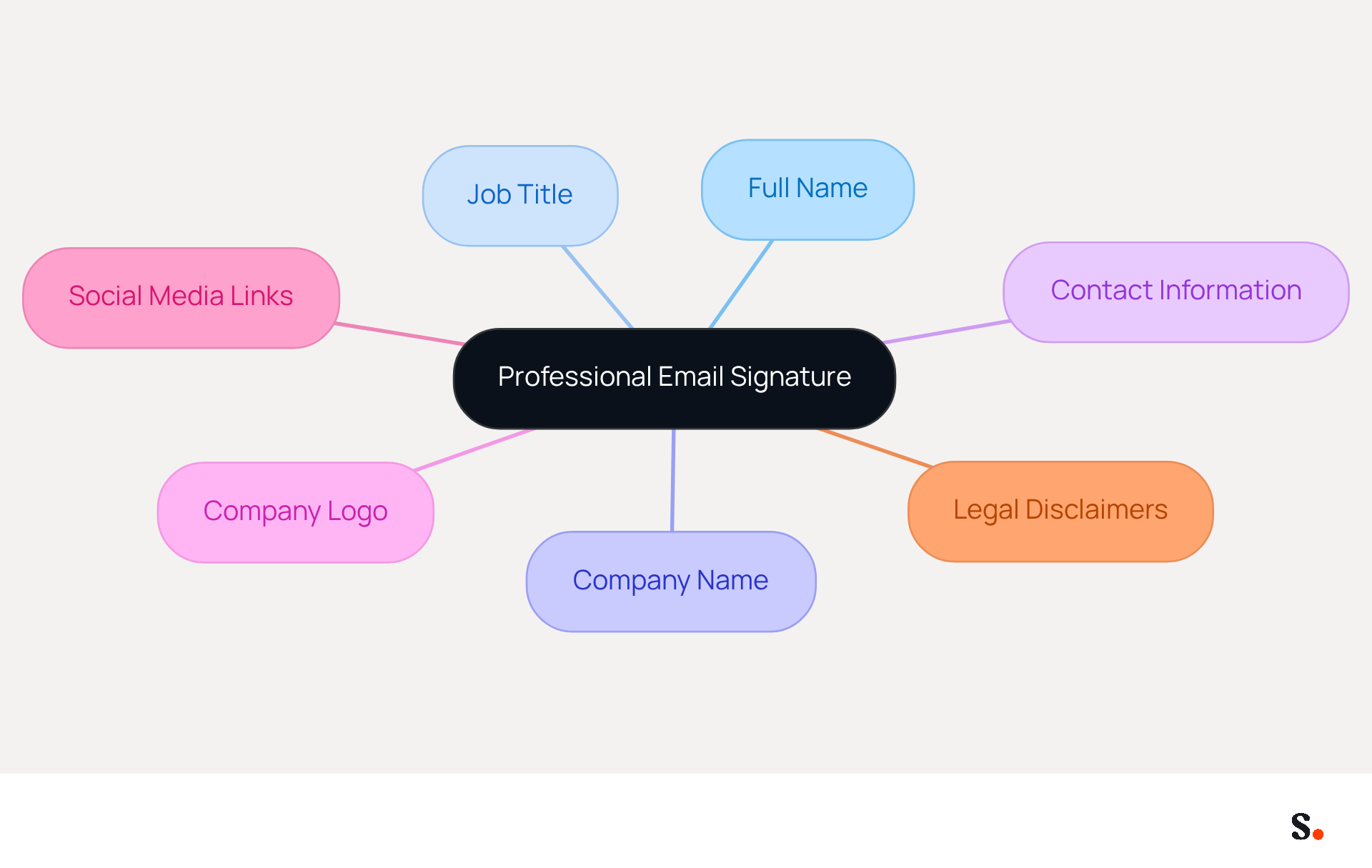
Creating a professional email signature is essential for establishing credibility and enhancing communication effectiveness. A professional email signature should include the following essential components:
- Full Name: Clearly state the sender's full name to establish identity.
- Job Title: Include the sender's position to provide context about their role within the organization.
- Company Name: Mention the company name to reinforce recognition of the label.
- Contact Information: Provide a phone number and email address for easy communication.
- Company Logo: Incorporate the company logo to enhance visibility.
- Social Media Links: Add links to professional social media profiles to encourage further engagement.
- Legal Disclaimers: If necessary, include any legal disclaimers relevant to your industry.
Including these components helps businesses present an informative and visually appealing identity, such as an email company signature, that aligns with their branding strategy. Furthermore, with Scribe's automated synchronization of communication identifiers with Aircall, any modifications made in your Aircall setup will be automatically reflected in your Scribe identifiers, ensuring improved uniformity across all communications. Neglecting these components can lead to missed opportunities for connection and brand reinforcement.
Ensure Brand Consistency Across Team Signatures
To ensure brand consistency across team signatures, implementing best practices is essential:
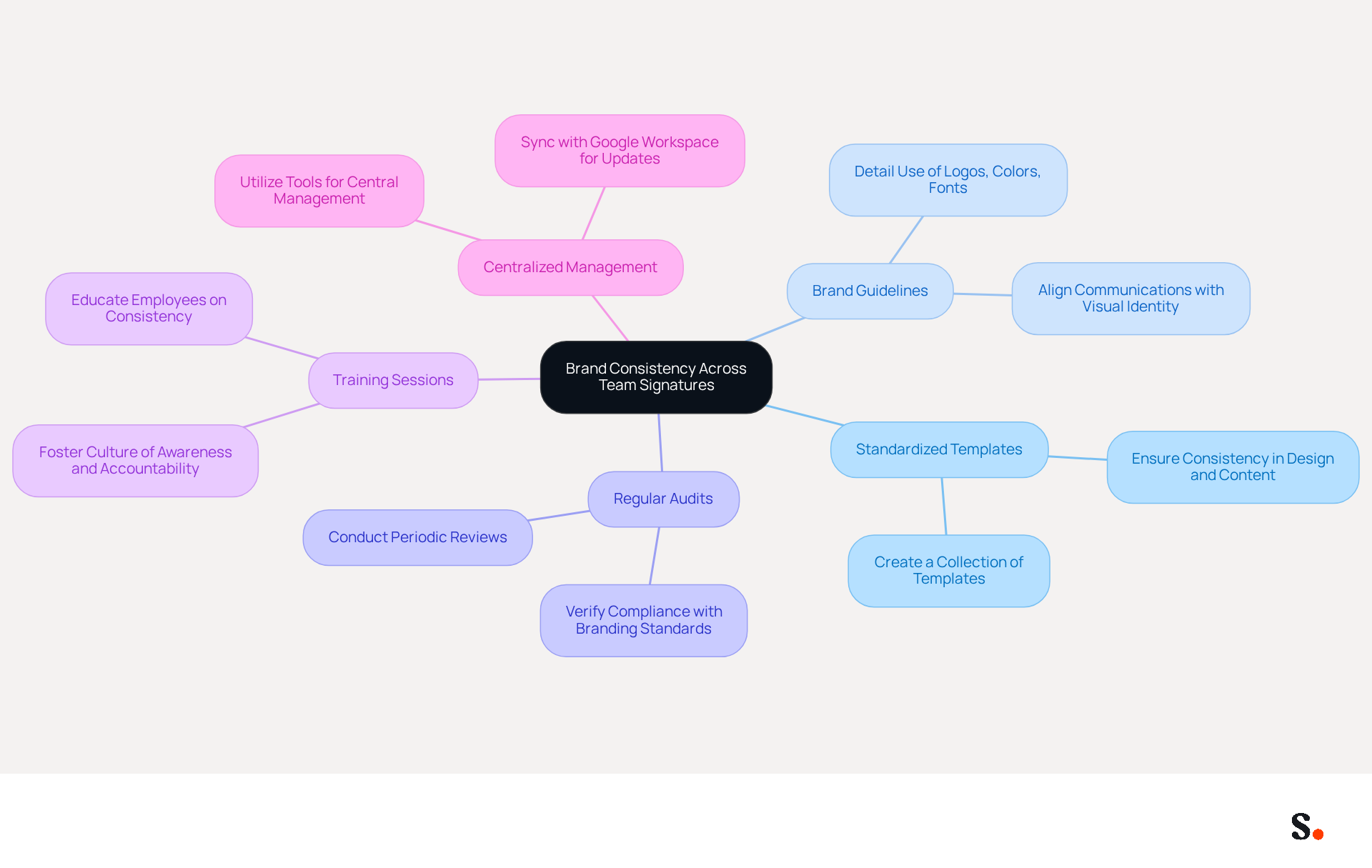
- Standardized Templates: Create a collection of standardized electronic communication templates that all employees must utilize. This method ensures consistency in design and content, strengthening identity.
- Brand Guidelines: Establish comprehensive brand guidelines detailing the use of logos, colors, fonts, and other design elements in digital communications. Clear guidelines help ensure that all communications, including the email company signature, align with the company's visual identity.
- Regular Audits: Conduct periodic reviews of electronic correspondence identifiers to verify compliance with branding standards and make necessary updates. Regular evaluations assist in preserving uniformity and adjusting to any shifts in branding strategies.
- Training Sessions: Provide instruction for employees on the importance of maintaining consistency in their messaging and how to effectively apply it in their email company signature. Educating staff fosters a culture of awareness and accountability.
- Centralized Management: Utilize tools like Scribe to manage and update marks from a central location. This ensures that any changes are instantly reflected across the organization, eliminating discrepancies and enhancing operational efficiency. By syncing with Google Workspace, Scribe allows for automatic updates of teammate information, saving time and ensuring accuracy.
Furthermore, consider joining Scribe's Affiliate Program, where you can earn a 50% commission while promoting consistency in email signatures. By providing a $30 credit to new subscribers, you not only improve your marketing efforts but also contribute to a unified image.
Adopting these practices helps companies create a cohesive image that enhances professionalism and builds trust with clients. In fact, studies show that 60% of customers are less likely to engage with companies that present inconsistent messaging. Furthermore, organizations that prioritize brand consistency can significantly boost customer retention rates, making it a strategic imperative for marketing success. Ultimately, prioritizing brand consistency is not just beneficial; it is essential for fostering lasting relationships with clients.
Leverage Email Signatures for Marketing Campaigns and Lead Generation
To maximize the impact of email signatures in marketing campaigns, businesses must adopt strategic approaches that enhance engagement and drive results:
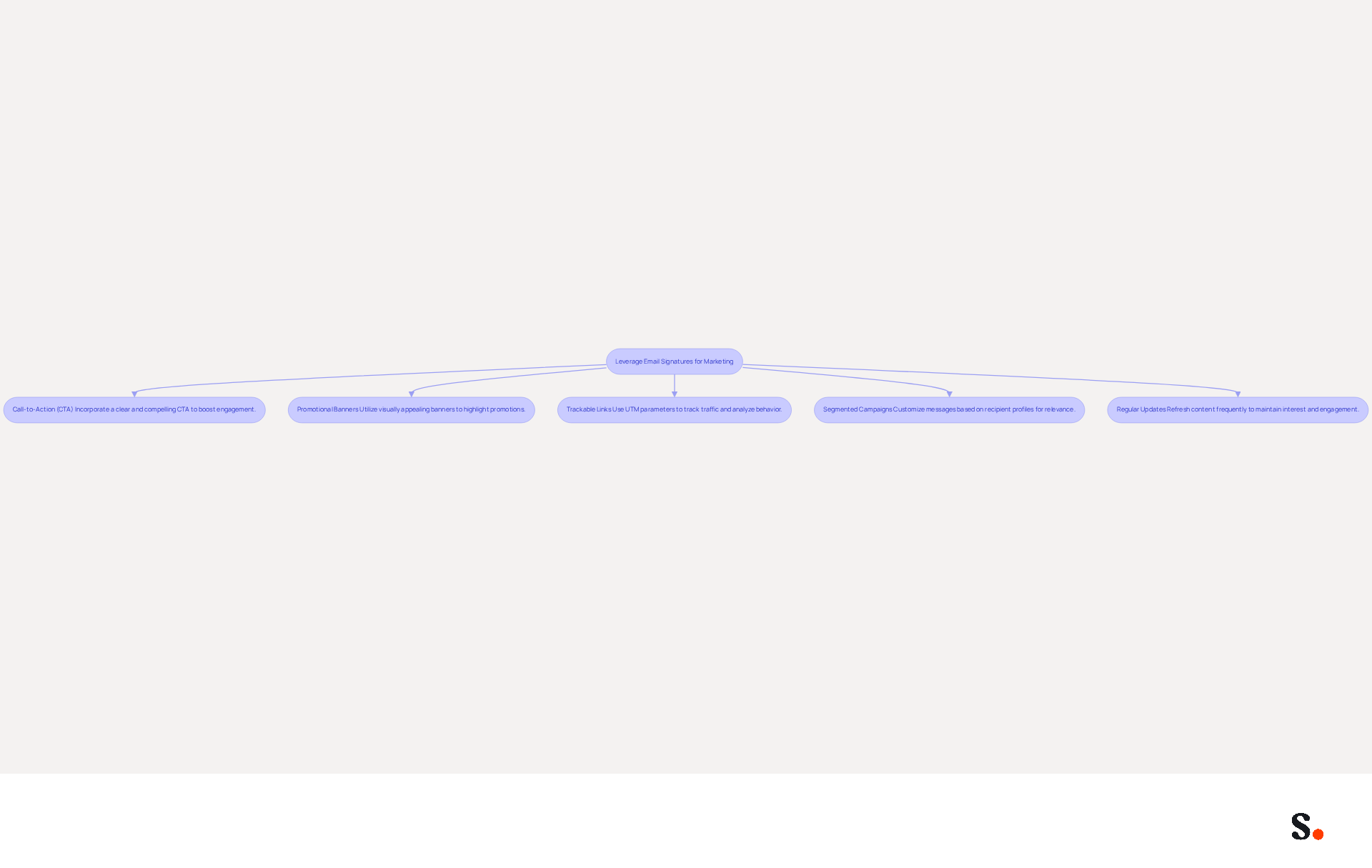
- Call-to-Action (CTA): Incorporate a clear and compelling CTA in the footer, directing recipients to a landing page, promotional offer, or event registration. Research indicates that a clear CTA can significantly boost engagement, with personalized elements increasing response rates by 26% (Newoldstamp).
- Promotional Banners: Utilize visually appealing banners to highlight current promotions or important announcements. Ensure these banners are mobile-friendly and designed to enhance the overall theme without overwhelming it. Experimenting with different designs can lead to higher click-through rates.
- Trackable Links: Using UTM parameters allows businesses to effectively track traffic from their email signatures, enabling thorough examination of user behavior and campaign effectiveness.
- Segmented Campaigns: Customize message identifiers based on the recipient's profile or the context of the correspondence to enhance relevance and engagement. Segmentation is crucial for ensuring that the content resonates with the audience, leading to improved interaction rates.
- Regular Updates: Keep the content fresh by frequently refreshing the branding with new promotions or campaigns. However, without regular updates, content can quickly become stale and disengaging. This practice not only maintains interest but also encourages ongoing engagement, as recipients are more likely to respond to timely and relevant offers.
By implementing these strategies, businesses can transform their electronic correspondences into powerful marketing tools that enhance visibility and drive conversions. This shift in strategy can lead to increased brand visibility and higher conversion rates, capitalizing on the fact that employees send an average of 40 business messages daily, creating numerous opportunities for brand recognition.
Utilize Automated Tools for Efficient Signature Management
To optimize email signature management through automation, consider the following best practices:
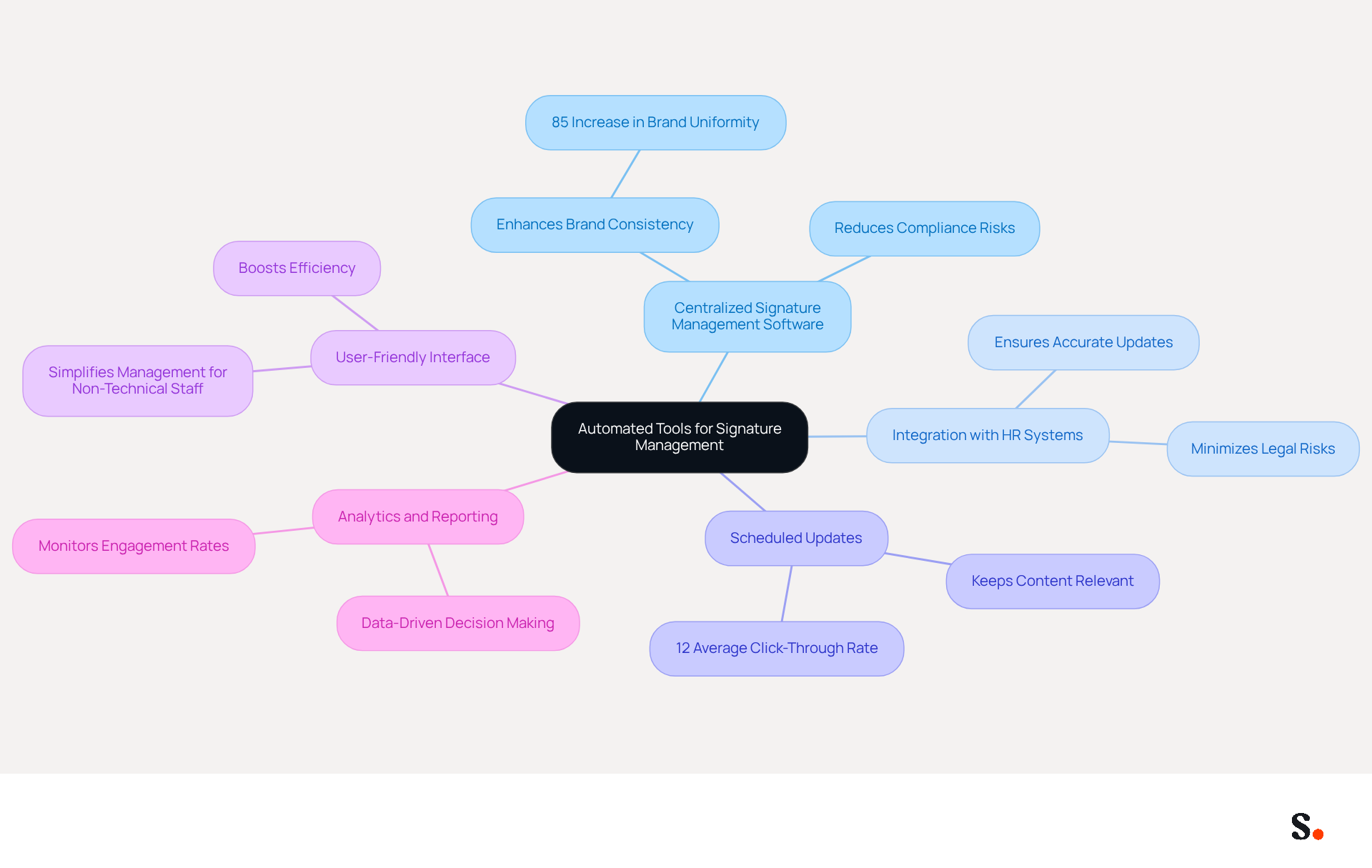
- Centralized Signature Management Software: Utilize platforms like Scribe to create, manage, and update email identifiers across the organization from a single dashboard. This centralized approach enhances brand consistency and reduces compliance risks, with organizations reporting an 85% increase in brand uniformity.
- Integration with HR Systems: Connect the management tool with HR systems to automatically update markings when employee information changes. This ensures accuracy and consistency, minimizing the risk of outdated information being sent, which can expose organizations to serious legal risks.
- Scheduled Updates: Set up scheduled updates for promotional content or seasonal messages to keep email footers relevant without manual intervention. This feature enables businesses to utilize digital identifiers as marketing channels, with campaigns achieving an average click-through rate of 12%.
- User-Friendly Interface: Choose tools that provide an intuitive interface, allowing non-technical staff to easily create and manage their digital identifiers. This ease of use is vital for organizations aiming to simplify their processes and boost efficiency.
- Analytics and Reporting: Utilize analytics features to monitor the effectiveness of digital identifiers in marketing campaigns. By monitoring engagement rates, businesses can make data-driven decisions for future strategies, ensuring that every message sent maximizes its marketing potential.
Moreover, marketing managers can participate in Scribe's Affiliate Program to receive a 50% commission while promoting brand uniformity in digital communications. By offering a $30 credit to new subscribers, affiliates can unlock a new marketing channel, further enhancing their organization's outreach efforts. Scribe's services are backed by SOC 2 Type II certification and compliance with GDPR and CCPA, ensuring security and trustworthiness. Ultimately, the right tools can transform an email company signature into a powerful marketing asset that drives engagement and brand loyalty.
By leveraging automated tools, businesses can streamline their email company signature management processes, ensuring consistency and maximizing the marketing potential of every email sent.
Conclusion
A professional email signature is more than just a digital signature; it serves as a strategic asset that can elevate brand visibility and communication effectiveness. When organizations incorporate essential components and maintain brand consistency, they can turn email signatures into powerful marketing tools that truly resonate with recipients.
Key practices discussed include:
- The importance of standardized templates
- Regular audits
- The use of automated tools like Scribe for centralized management
These strategies not only streamline the signature creation process but also ensure that every email sent accurately reflects the company's branding. Additionally, leveraging email signatures for marketing campaigns through clear calls-to-action and promotional banners can drive engagement and lead generation, ultimately contributing to marketing success.
Many organizations overlook the potential of email signatures, which can lead to missed opportunities for brand engagement. Without effective email signature management, organizations risk diminishing their professional image and losing valuable engagement opportunities. Embrace the power of email signatures as a vital component of your marketing strategy, and watch as they transform into a significant driver of engagement and brand loyalty.
Frequently Asked Questions
What is the purpose of a professional email signature?
A professional email signature is essential for establishing credibility and enhancing communication effectiveness.
What are the essential components of a professional email signature?
The essential components include the sender's full name, job title, company name, contact information (phone number and email address), company logo, social media links, and any necessary legal disclaimers.
Why is it important to include a full name in an email signature?
Including a full name helps establish the sender's identity, which is crucial for professional communication.
How does a job title contribute to a professional email signature?
A job title provides context about the sender's role within the organization, helping recipients understand their position.
What role does the company name play in an email signature?
Mentioning the company name reinforces recognition of the brand and adds credibility to the communication.
Why should contact information be included in an email signature?
Providing contact information, such as a phone number and email address, facilitates easy communication between the sender and the recipient.
How can a company logo enhance an email signature?
Incorporating a company logo enhances visibility and helps reinforce brand identity in communications.
What is the benefit of adding social media links to an email signature?
Adding links to professional social media profiles encourages further engagement and connection with recipients.
When should legal disclaimers be included in an email signature?
Legal disclaimers should be included if they are relevant to the sender's industry or necessary for compliance purposes.
How does Scribe improve the consistency of email signatures?
Scribe's automated synchronization with Aircall ensures that any modifications made in the Aircall setup are automatically reflected in Scribe identifiers, improving uniformity across all communications.
List of Sources
- Identify Essential Components of a Professional Email Signature
- The impact of email signatures on your branding (https://signitic.com/en/resources/the-impact-of-email-signatures-on-your-branding)
- Best Practices for a Correct Email Signature That Boosts Branding (https://scribe-mail.com/en-US/blog/best-practices-for-a-correct-email-signature-that-boosts-branding)
- Email Signature Best Practices for 2026 (+ 15 Pro Examples) (https://wavecnct.com/blogs/email-signature-best-practices-2026)
- The Importance Of A Business Email Signature | Wessex IT (https://wessexit.com/business-email-signature)
- Ensure Brand Consistency Across Team Signatures
- Email Signature Trends to Watch in 2026 | The Future of Email Signatures (https://signandgo.io/blog/email-signature-trends-to-watch-in-2026)
- Top email signature trends for companies in 2026 (https://bybrand.io/blog/trends-email-signatures)
- The impact of email signatures on your branding (https://signitic.com/en/resources/the-impact-of-email-signatures-on-your-branding)
- Easy Steps to Maintain Brand Consistency in Email Marketing — Stripo.email (https://stripo.email/blog/easy-steps-to-maintain-brand-consistency-in-email-marketing)
- Email Signature Design Trends for 2026: What’s In and What’s Out | Crossware365 (https://crossware365.com/blog/email-signature-design-trends-for-2026-whats-in-and-whats-out)
- Leverage Email Signatures for Marketing Campaigns and Lead Generation
- Email Marketing Trends 2026: Here's What to Keep an Eye on (https://mailjet.com/blog/email-best-practices/email-marketing-trends-2026)
- 6 Ways to Use Email Signature to Support Marketing Campaigns (https://clearout.io/blog/use-email-signature-to-support-marketing-campaigns)
- How to Run a Successful Email Signature Marketing Campaign - NEWOLDSTAMP - NEWOLDSTAMP (https://newoldstamp.com/blog/email-signature-marketing-guide)
- Exclaimer Research: 67% of Marketers Expect Email Signatures to Support With Lead Gen In 2023 (https://businesswire.com/news/home/20230612141095/en/Exclaimer-Research-67-of-Marketers-Expect-Email-Signatures-to-Support-With-Lead-Gen-In-2023)
- Why Email Signatures Must Be In Your 2026 Marketing Plan | Rocketseed (https://rocketseed.com/blog/2026-marketing-plan-email-signatures)
- Utilize Automated Tools for Efficient Signature Management
- Why Email Signature Management Software is Essential for Marketing Success (https://scribe-mail.com/en-US/blog/why-email-signature-management-software-is-essential-for-marketing-success)
- 4 Best Practices for Your Email Signature Management Solution (https://scribe-mail.com/en-US/blog/4-best-practices-for-your-email-signature-management-solution)
- Automating Email Signatures: How IT Teams Streamline Processes & Reduce Risk (https://exclaimer.com/blog/streamlining-it-processes-automated-email-signatures)
- Turn Email Signature Data into a Shared Win for IT & HR (https://exclaimer.com/resources/videos/email-signature-data-it-hr)
- Email Signature Trends 2026: Centralized Control & Automation | SIGNandGO posted on the topic | LinkedIn (https://linkedin.com/posts/signngo_email-signature-trends-to-watch-in-2026-activity-7401523471786217473-zAVL)
Get started with Scribe
Signatures for every role on your team
Free 14-day trial — no credit card.