Master End of Email Greetings: Best Practices for Marketing Managers
Many professionals underestimate the impact of their email greetings and closings, yet these elements are crucial for effective communication. Marketing
Sophie Grant
Email Signature Specialist, Scribe
On this page
Introduction
Many professionals underestimate the impact of their email greetings and closings, yet these elements are crucial for effective communication. Marketing managers can greatly benefit from understanding how thoughtful greetings and strategic sign-offs enhance engagement and reflect their brand values.
What common pitfalls might undermine these efforts, and how can professionals ensure every email leaves a lasting, positive impression?
Understand the Role of Greetings and Closings in Professional Emails
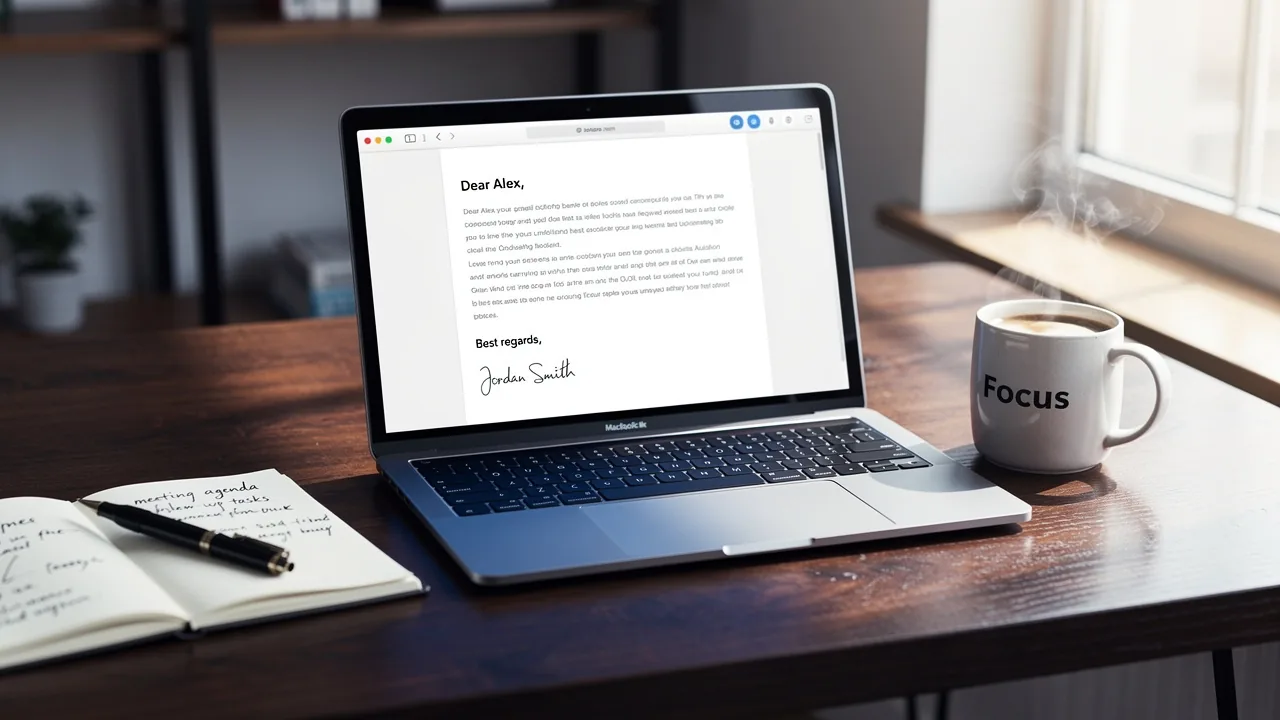
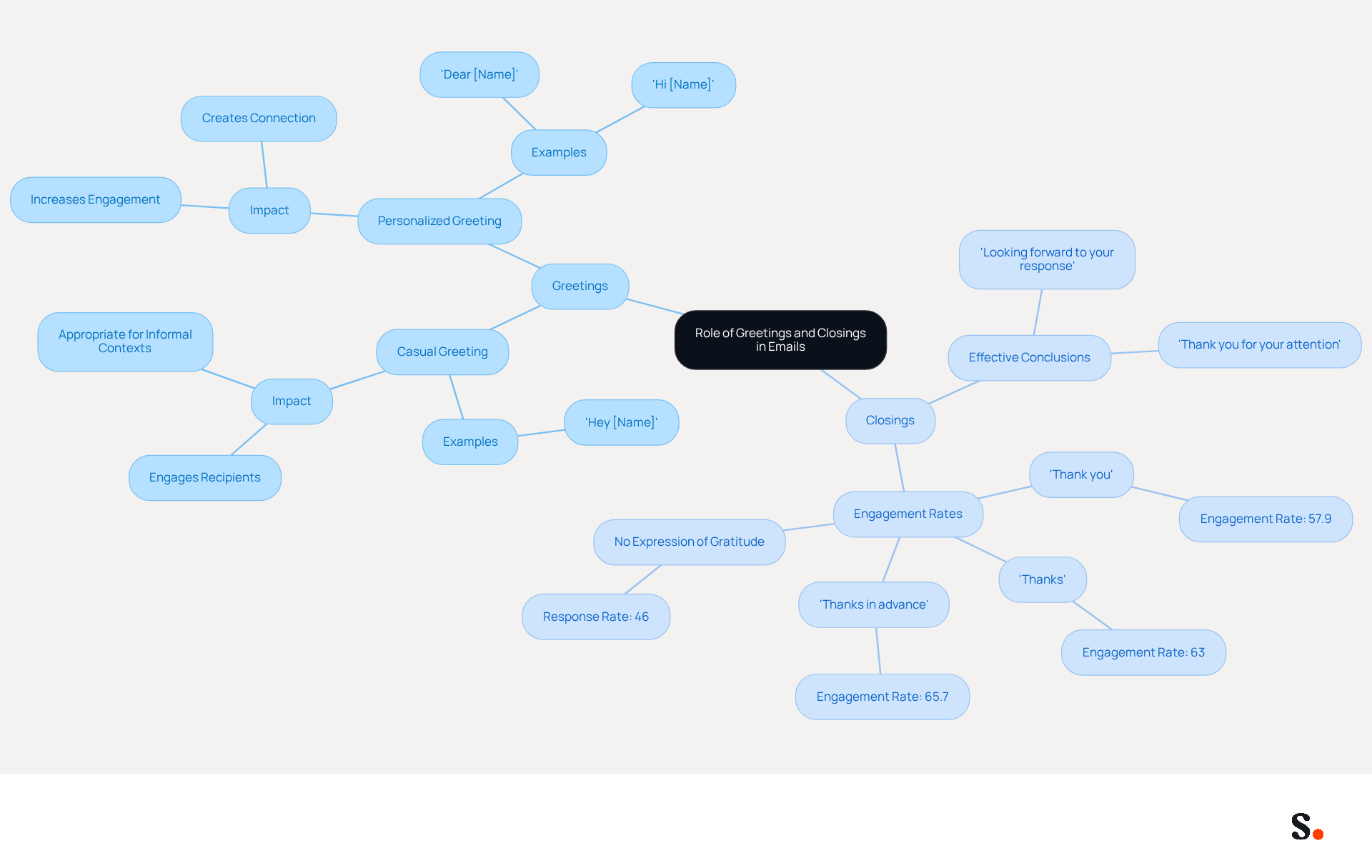
Many professionals overlook the impact of end of email greetings and farewells in their correspondence, yet these elements are pivotal in shaping the overall message. A well-crafted greeting not only establishes a respectful tone but also engages the recipient, encouraging them to read further. For instance, using a personalized greeting such as 'Dear [Name]' can create a sense of connection, while a more casual 'Hi [Name]' may be appropriate in less formal contexts. Studies show that thoughtful greetings can increase response rates by up to 22%, underscoring their importance in professional communication.
Similarly, the end of email greetings holds significant weight. It provides a final impression and can reinforce the message's intent. Effective conclusions, such as:
- 'Looking forward to your response'
- 'Thank you for your attention'
can prompt action and convey professionalism. Emails that end with 'Thank you' see a 57.9% engagement rate, while those that say 'Thanks' achieve an even higher rate of 63%. Furthermore, messages devoid of any expression of appreciation have a response rate of only 46%, highlighting the significance of incorporating gratitude in message sign-offs. Marketing managers should be aware of these elements to ensure their communications reflect the brand's values and cultivate positive connections with the audience. Understanding the nuances of greetings and farewells can transform how marketers connect with their audience, ultimately enhancing engagement.
Craft Effective Email Closings: Strategies and Examples
To craft effective email closings, marketing managers must employ strategies that enhance clarity and engagement:
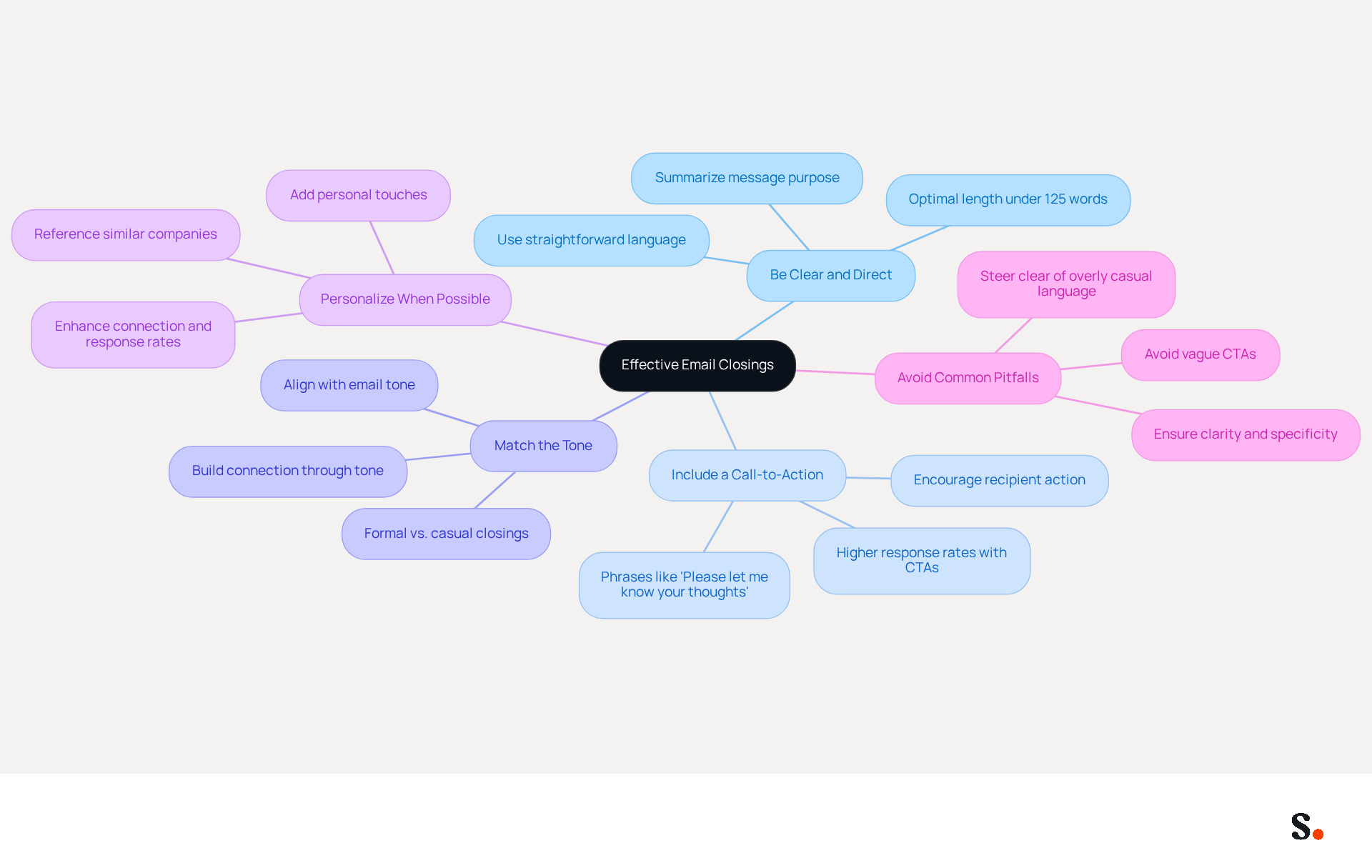
- Be Clear and Direct: Use straightforward language that summarizes the message's purpose. For instance, stating 'I look forward to discussing this further' clearly indicates the next steps and sets expectations. Studies indicate that messages under 125 words with clear conclusions achieve the best engagement.
- Make Sure to Include a Call-to-Action (CTA): Encourage the recipient to take action with phrases like 'Please let me know your thoughts' or 'I would appreciate your feedback.' This not only prompts a response but also keeps the conversation moving forward. Research indicates that messages with a concluding phrase experience higher response rates than those lacking it, making a clear CTA vital for engagement.
- Match the Tone: Align the conclusion with the overall tone of the email. For formal communications, use closings like 'Sincerely' or 'Best regards.' In more casual contexts, 'Thanks' or 'Cheers' may be appropriate. This approach keeps the communication professional and builds a connection.
- Personalize When Possible: Adding a personal touch, such as 'Thank you for your time, [Name],' can enhance the connection with the individual. Personalization has been shown to improve response rates, making recipients feel valued and acknowledged. Furthermore, concluding with a reference to assisting a similar company can leverage social proof and credibility.
- Avoid Common Pitfalls: Be cautious of vague CTAs or overly casual language, as these can lead to confusion and low engagement. Vague CTAs can confuse recipients, leading to missed opportunities for engagement. Ensuring clarity and specificity in your conclusion will help avoid misunderstandings and encourage a prompt response.
By applying these strategies, marketing managers can significantly improve their email effectiveness and foster stronger professional relationships.
Leverage Email Signatures for Brand Consistency and Marketing Impact
Despite their potential, many businesses fail to recognize the value of email footers as marketing tools. To maximize their impact, consider these best practices for email signatures:
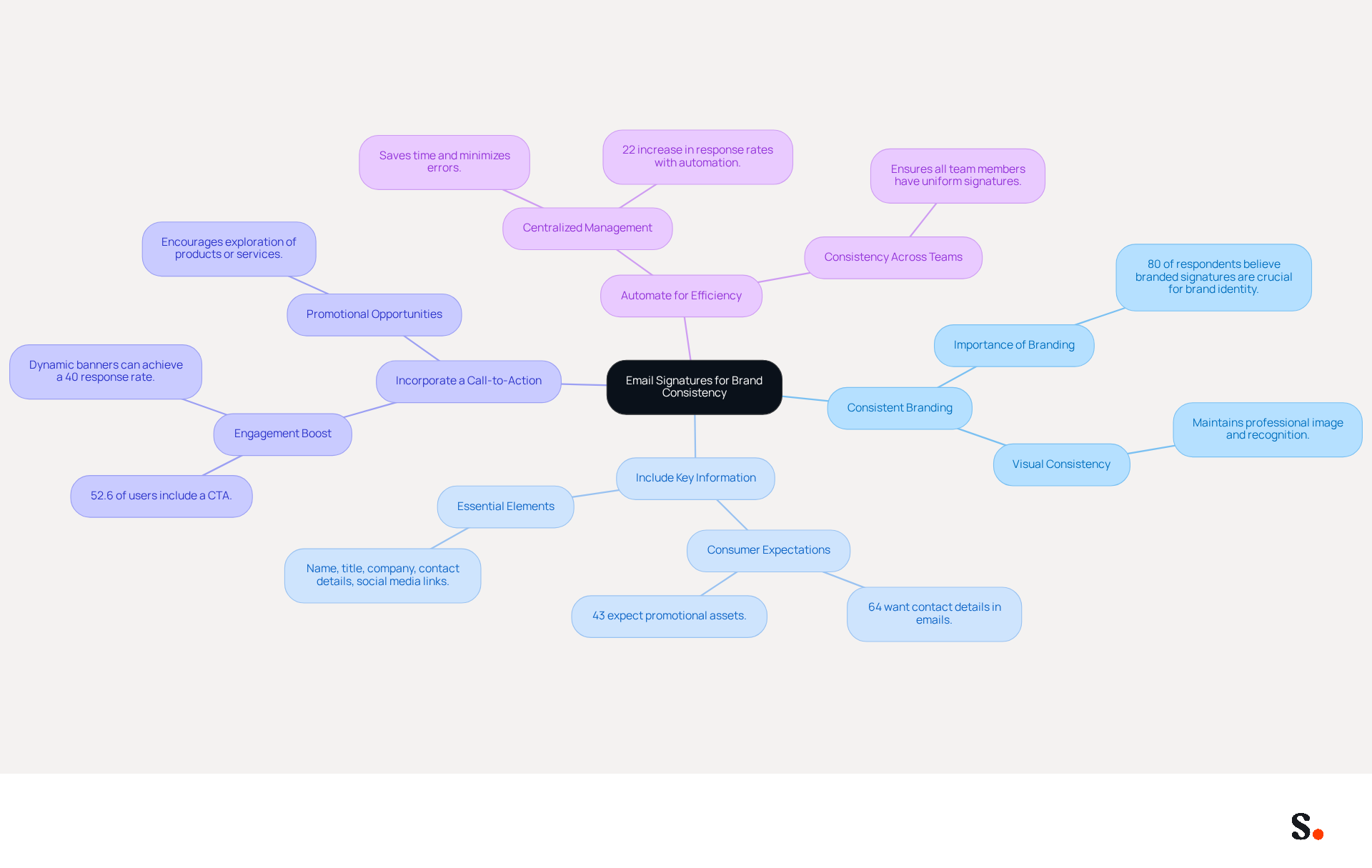
- Consistent Branding: Ensure that all electronic correspondence reflects Scribe's branding guidelines, including logos, colors, and fonts. This consistency strengthens brand identity and professionalism, as 80% of respondents think branded electronic communications are essential for a company's brand identity.
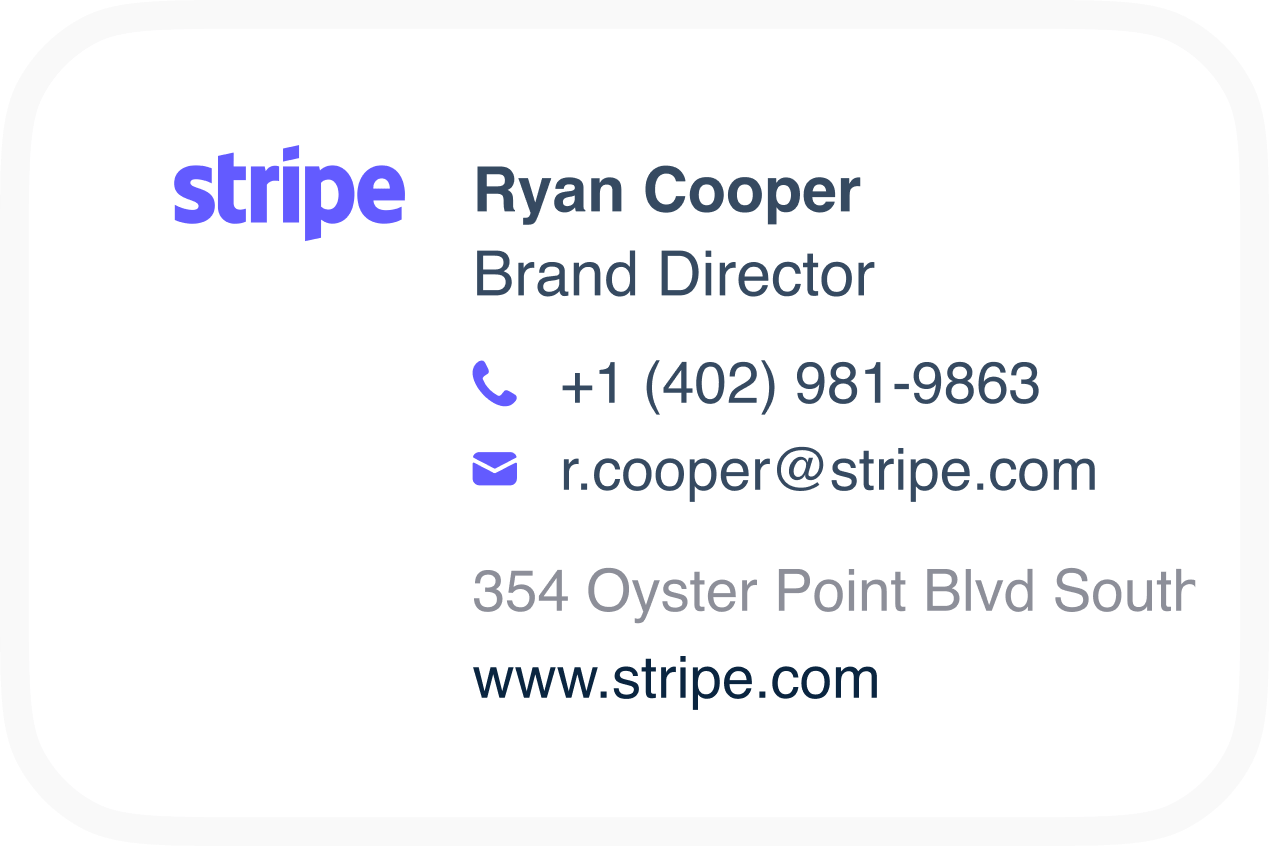
- Include Key Information: An effective message footer should contain the sender's name, title, company name, contact details, and links to social media profiles. This not only provides recipients with essential information but also encourages them to engage with the brand on multiple platforms. Research indicates that 64% of consumers desire contact information in electronic correspondence, and 43% anticipate promotional materials.
- Incorporate a Call-to-Action: Adding a promotional banner or a link to a current campaign in the email footer can drive traffic and increase conversions. For instance, a message like 'Check out our latest product launch!' can prompt recipients to explore further. Notably, 52.6% of users include a call-to-action in their email footers, which can significantly enhance engagement.
- Automate for Efficiency: Utilize tools like Scribe to streamline the management of email identifiers across the organization. This guarantees that all team members have current and uniform markings, saving time and minimizing mistakes. Centralized management can lead to a 22% increase in response rates, demonstrating the effectiveness of automated solutions.
Neglecting this opportunity can hinder a company's ability to connect with its audience and build lasting relationships.
Avoid Common Mistakes in Email Closings
To ensure effective email communication, marketing managers must recognize and avoid common pitfalls:
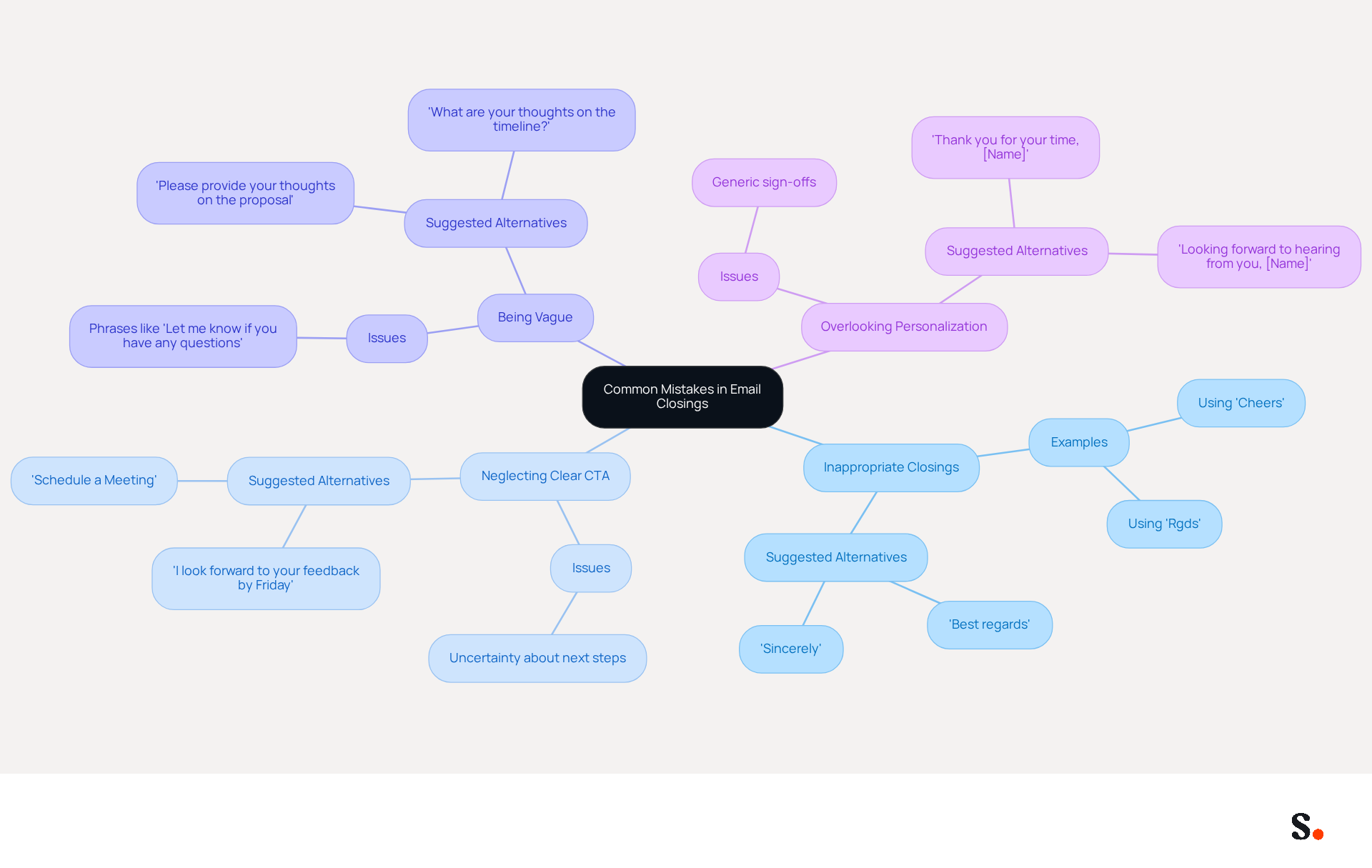
- Using inappropriate closings, such as overly casual or informal sign-offs like 'Cheers,' can undermine professionalism, particularly at the end of email greetings. Instead, opt for more suitable closings like 'Best regards' or 'Sincerely,' which convey respect and formality at the end of email greetings.
- Neglecting a Clear Call-to-Action: Failing to include a clear call-to-action (CTA) can leave individuals uncertain about the next steps. Directing individuals towards a specific action, like 'I look forward to your feedback by Friday,' can lead to click-through rates of 5% to 7% in optimal campaigns.
- Being Vague: Avoid vague phrases like 'Let me know if you have any questions.' Instead, be specific about what you expect from the individual, which enhances clarity and encourages engagement.
- Overlooking personalization at the end of email greetings by using generic sign-offs might make your emails feel less personal, which can weaken your connection with the recipient. Personalizing the closing, such as 'Thank you for your time, [Name],' can significantly enhance the effectiveness of your communication.
Furthermore, integrating Scribe with Google Workspace can greatly enhance management of email identifiers. By syncing your Google Workspace with Scribe, you save time as your teammates' data is automatically updated. This indicates that any modifications, such as job roles or group assignments, are reflected in Scribe without manual input, ensuring that your contact details are always up-to-date and professional. Moreover, Scribe's attribute feature enables auto-filling of identification information, enhancing efficiency. Scribe also complies with SOC 2 Type II, GDPR, and CCPA, ensuring that your signature management is secure and trustworthy. By addressing these issues and utilizing Scribe's features, marketing managers can significantly improve their email interactions.
Conclusion
Effective email communication is not just about what you say, but how you conclude your message. Mastering the art of email greetings and closings is essential for marketing managers aiming to enhance their professional communication. How you conclude an email can greatly affect how the recipient perceives and responds to your message, so it's essential to adopt best practices that showcase professionalism and brand values. By recognizing the significance of effective email closings, marketing managers can build stronger connections and enhance engagement, as seen in case studies where personalized sign-offs increased response rates by 20%.
Key strategies discussed include:
- The necessity of clear and direct language
- The inclusion of personalized touches
- The importance of aligning the tone with the overall message
Additionally, leveraging email signatures as branding tools can further amplify marketing efforts, ensuring consistency and professionalism across all communications. Many marketing managers struggle with unclear calls-to-action and inappropriate sign-offs, which can hinder effective communication. Avoiding these common pitfalls is vital for maintaining clarity and encouraging engagement.
In the end, how you greet and close your emails can really shape your professional relationships and boost your marketing effectiveness. By implementing these best practices, marketing managers can not only improve their email communication but also enhance their brand's presence and engagement in the digital landscape. Failing to implement these strategies may lead to missed opportunities and weakened professional relationships.
Frequently Asked Questions
Why are greetings important in professional emails?
Greetings establish a respectful tone and engage the recipient, encouraging them to read further. Personalized greetings can create a sense of connection.
How can the choice of greeting affect email response rates?
Thoughtful greetings can increase response rates by up to 22%, highlighting their importance in professional communication.
What role do email closings play in professional correspondence?
Email closings provide a final impression and can reinforce the message's intent, prompting action and conveying professionalism.
Which email closings are most effective for engagement?
Effective conclusions like 'Looking forward to your response' and 'Thank you for your attention' can prompt action. Emails that end with 'Thank you' have a 57.9% engagement rate, while those that say 'Thanks' achieve a 63% rate.
What happens if an email lacks an expression of appreciation in the closing?
Messages without any expression of appreciation have a response rate of only 46%, underscoring the significance of incorporating gratitude in sign-offs.
How should marketing managers approach greetings and closings in their emails?
Marketing managers should ensure their communications reflect the brand's values and cultivate positive connections with the audience by understanding the nuances of greetings and farewells.
List of Sources
- Understand the Role of Greetings and Closings in Professional Emails
- Is 'Best' a Good Way to End an Email? Compare Sign-Offs Here (https://scribe-mail.com/en-US/blog/is-best-a-good-way-to-end-an-email-compare-sign-offs-here)
- The Importance of Email Etiquette by Ambition UK (https://ambition.co.uk/blog/2018/02/the-importance-of-email-etiquette.amp)
- 49 Top Email Marketing Statistics (https://forbes.com/advisor/business/software/email-marketing-statistics)
- Email Etiquette: Best Practices for Professional Communication (https://memberportal.gfwc.org/news/communications-public-relations/111/111-Email-Etiquette-Best-Practices-for-Professional-Communication)
- Email Etiquette in the Workplace (https://adminvc.ucla.edu/news/email-etiquette-workplace)
- Craft Effective Email Closings: Strategies and Examples
- How to End an Email Professionally (With Examples) (https://iconnect.isenberg.umass.edu/blog/2024/07/10/how-to-end-an-email-professionally-with-examples)
- How to End an Email: 10+ Examples & Tips | Mailchimp (https://mailchimp.com/resources/how-to-end-an-email)
- Master Business Email Closing: 4 Best Practices for Marketing Managers (https://scribe-mail.com/en-US/blog/master-business-email-closing-4-best-practices-for-marketing-managers)
- How to Close an Email: Proven Strategies for B2B Sales in 2025 (https://martal.ca/how-to-close-an-email-lb)
- Best Email Closing Lines for Closing Deals (https://callboxinc.com/email-marketing/best-email-closing-lines-for-closing-deals)
- Leverage Email Signatures for Brand Consistency and Marketing Impact
- The impact of email signatures on your branding (https://signitic.com/en/resources/the-impact-of-email-signatures-on-your-branding)
- Research Recap: Branded Email Signatures Increase Company Recognition, Trust - Demand Gen Report (https://demandgenreport.com/industry-news/research-recap-branded-email-signatures-increase-company-recognition-trust/47252)
- 40+ Email Signature Statistics for 2026 (Data + Insights) (https://wavecnct.com/blogs/email-signature-statistics)
- Why Consistent Email Signatures Matter More Than You Think - Signite (https://signite.io/blog/consistent-email-signatures-matter-more-than-you-think)
- Here is how email signatures can lead to a consistent brand image (https://yougov.com/articles/41506-here-how-email-signatures-can-lead-consistent-bran)
- Avoid Common Mistakes in Email Closings
- How to Properly End an Email: 4 Steps for Professional Sign-Offs (https://scribe-mail.com/en-US/blog/how-to-properly-end-an-email-4-steps-for-professional-sign-offs)
- The Best (and Worst) Ways To Sign an Email | Robert H. Smith School of Business (https://rhsmith.umd.edu/research/best-and-worst-ways-sign-email)
- 5 Common Email Closing Mistakes and How to Avoid Them (https://intentamplify.com/blog/5-common-email-closing-mistakes-and-how-to-avoid-them)
- Email Etiquette in the Workplace (https://adminvc.ucla.edu/news/email-etiquette-workplace)
Get started with Scribe
Signatures for every role on your team
Free 14-day trial — no credit card.