Best Practices for a Professional Doctor Email Signature
A doctor's email signature is not merely a digital sign-off; it is a vital tool that can significantly impact professional communication. It enhances
Sophie Grant
Email Signature Specialist, Scribe
Introduction
A doctor's email signature is not merely a digital sign-off; it is a vital tool that can significantly impact professional communication. It enhances credibility and fosters trust with patients. By including essential elements such as:
- Medical credentials
- Contact information
- Compliance disclaimers
healthcare providers can create a signature that reflects their professionalism and adheres to legal standards like HIPAA. Despite the importance of email signatures, many practitioners find themselves making avoidable mistakes. These mistakes can lead to a loss of credibility and trust among patients.
How can doctors ensure their email signatures effectively convey their expertise while maintaining compliance and clarity? By addressing these challenges, doctors can enhance their professional image and strengthen patient relationships.
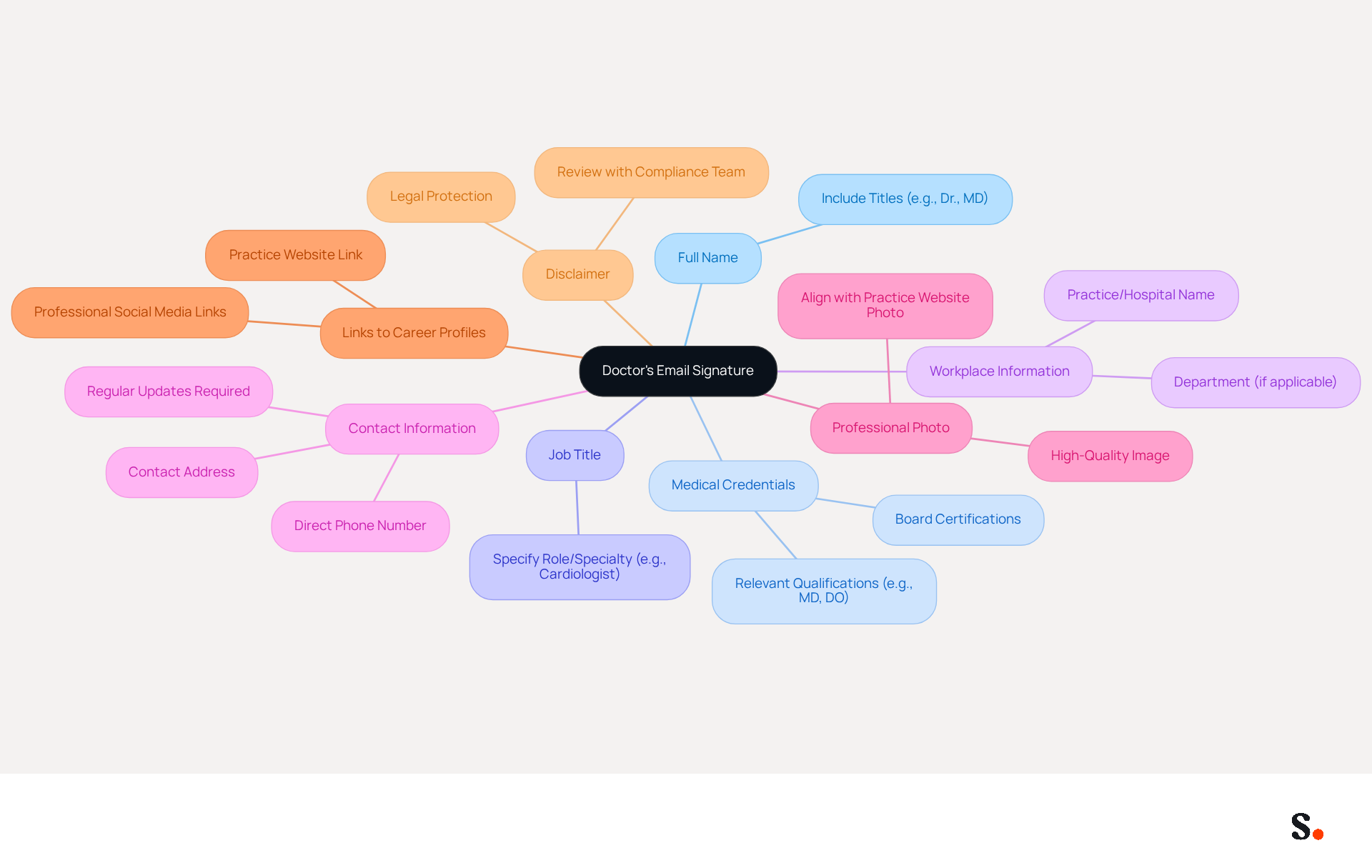
Identify Essential Elements of a Doctor's Email Signature
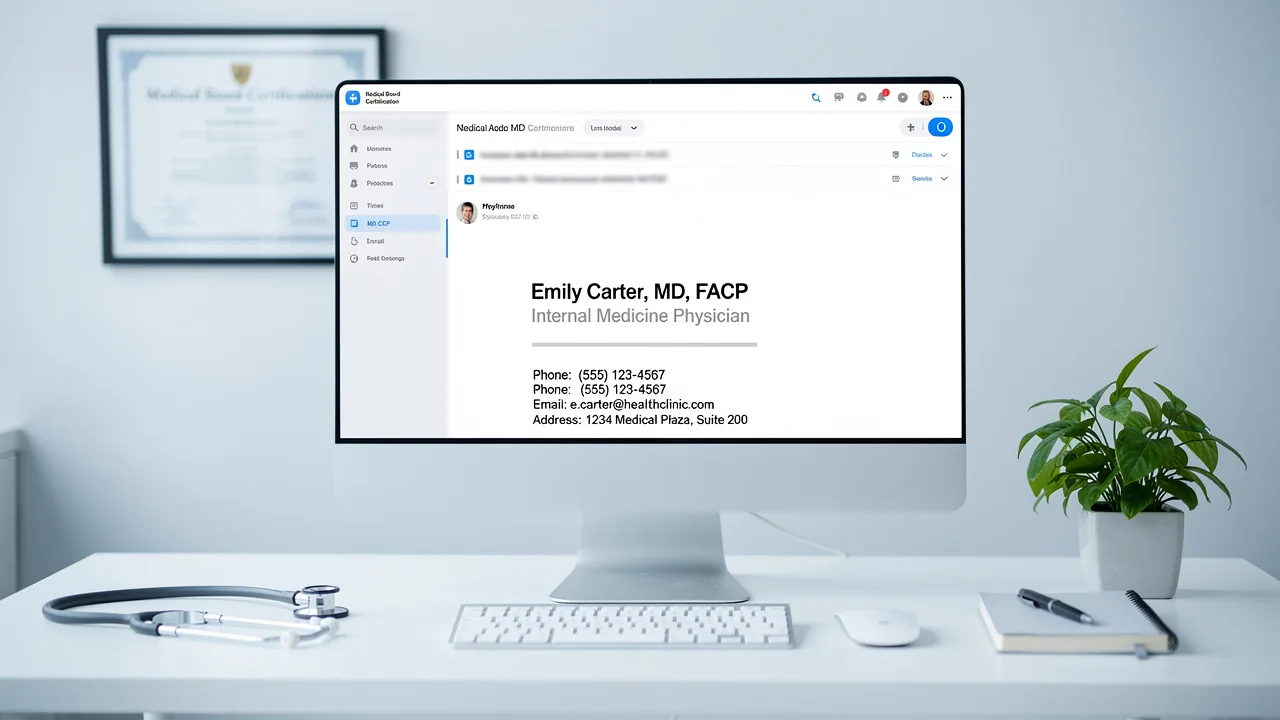
A professional doctor email signature is not just a formality; it is a vital tool for establishing credibility and facilitating communication. It should include the following essential elements:
- Full Name: Clearly state your full name, including any titles (e.g., Dr., MD, DO).
- Medical Credentials: Include relevant qualifications such as MD, DO, or any board certifications. Studies indicate that a clearly organized contact details section boosts credibility and fosters better communication with patients.
- Job Title: Specify your role or specialty (e.g., Cardiologist, Family Medicine). This clarity helps establish expertise and authority.
- Workplace Information: Provide the name of your practice or hospital, along with the department if applicable. Including this detail strengthens your professional affiliation and credibility.
- Contact Information: Include a direct phone number and contact address for easy communication. Regularly updating this information is crucial to avoid confusion and maintain trust. Failure to keep contact information current can lead to misunderstandings and erode patient trust. Scribe ensures that any updates to your Calendly setup are automatically reflected in your email branding, maintaining consistency and simplifying the update process. Scribe also adheres to SOC 2 Type II compliance, ensuring secure data handling.
- Professional Photo (optional): Including a high-quality photo can add a personal touch to your signature and build trust, provided it aligns with the photo on your practice's website.
- Links to Career Profiles: Consider adding links to your social media or practice website for further engagement. However, only include professional accounts to maintain the integrity of clinical communications.
- Disclaimer: Including a disclaimer in your correspondence footer is essential for legal protection and should be reviewed with your compliance team.
By incorporating these elements into their doctor email signature, doctors can establish a distinct identity that not only conveys professionalism but also facilitates effective communication with patients and colleagues. A well-organized message footer can enhance patient trust and communication, ultimately improving engagement and care outcomes. This, in turn, can lead to better patient satisfaction and health outcomes. Ultimately, a well-crafted doctor email signature can significantly impact patient interactions and overall satisfaction.
Format Medical Credentials for Clarity and Impact
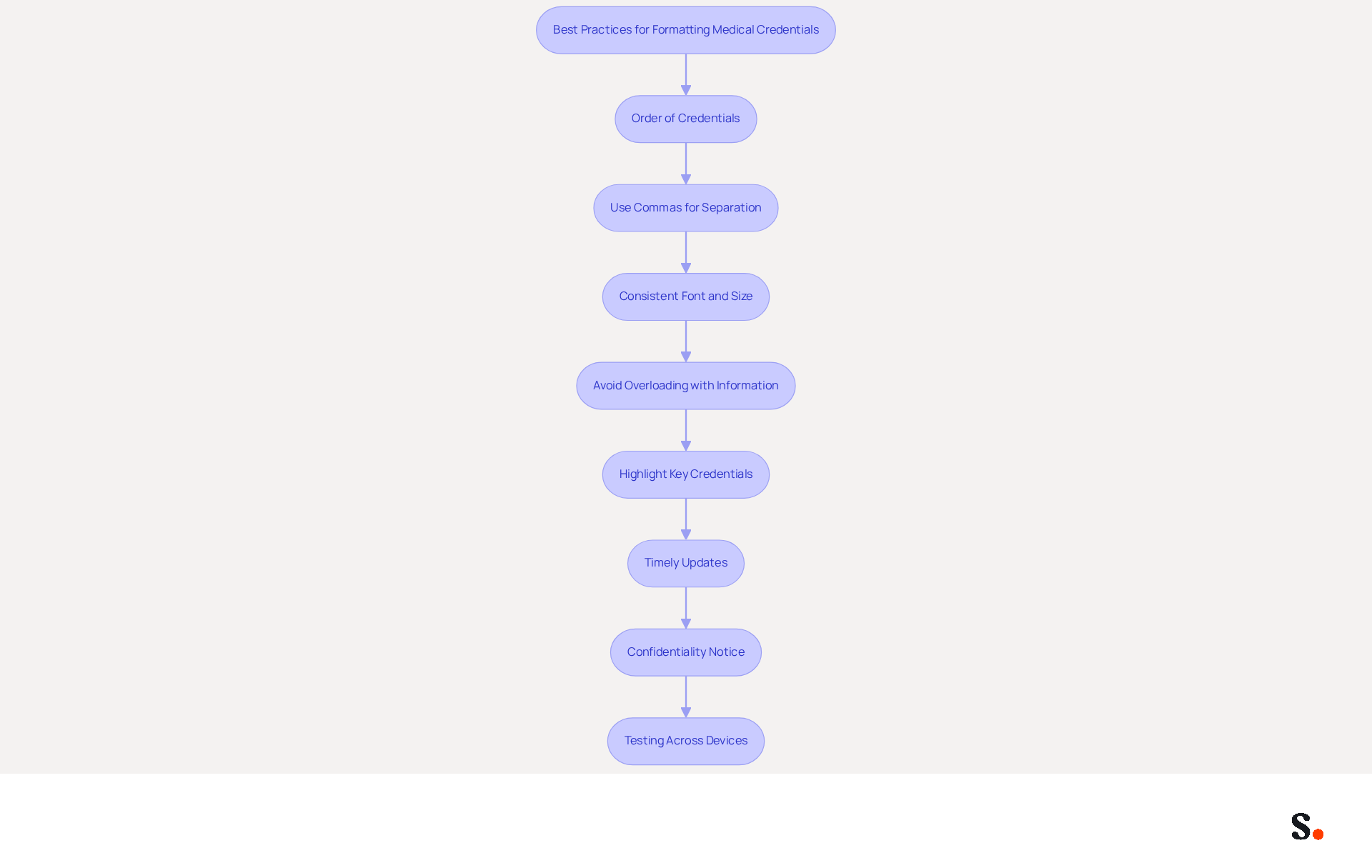
Many healthcare providers struggle to present their credentials in a way that is both clear and professional. When formatting medical credentials in an email signature, adhere to the following best practices to enhance clarity and professionalism:
- Order of Credentials: Begin with your primary medical degree (e.g., MD, DO), followed by additional qualifications or certifications (e.g., Board Certified in Internal Medicine). This order helps recipients quickly grasp your qualifications.
- Use Commas for Separation: Clearly separate different credentials with commas (e.g., John Smith, MD, FACP) to improve readability and prevent confusion.
- Consistent Font and Size: Maintain a uniform font and size throughout your mark to project a cohesive and professional appearance.
- Avoid Overloading with Information: Limit the number of credentials to those most relevant to your practice. This prevents clutter and ensures that the most crucial details stand out. Be cautious of common pitfalls, such as including excessive details that may overwhelm the reader.
- Highlight Key Credentials: Consider bolding your primary degree to draw attention to your most significant qualification, reinforcing your authority in communications.
- Timely Updates: Regularly refresh your contact details when changing positions, adding new credentials, or modifying your data to maintain credibility.
- Confidentiality Notice: Include a confidentiality notice to inform recipients about the sensitive nature of the information shared, which is essential in healthcare communications.
- Testing Across Devices: Ensure that your correspondence footer is tested across various devices and messaging clients to confirm readability and professionalism.
By adhering to these best practices, healthcare providers can significantly improve their professional image, which includes having a well-designed doctor email signature, and foster trust with patients.
Avoid Common Pitfalls in Doctor Email Signatures
To ensure effective communication, doctors must navigate common pitfalls in email signature design:
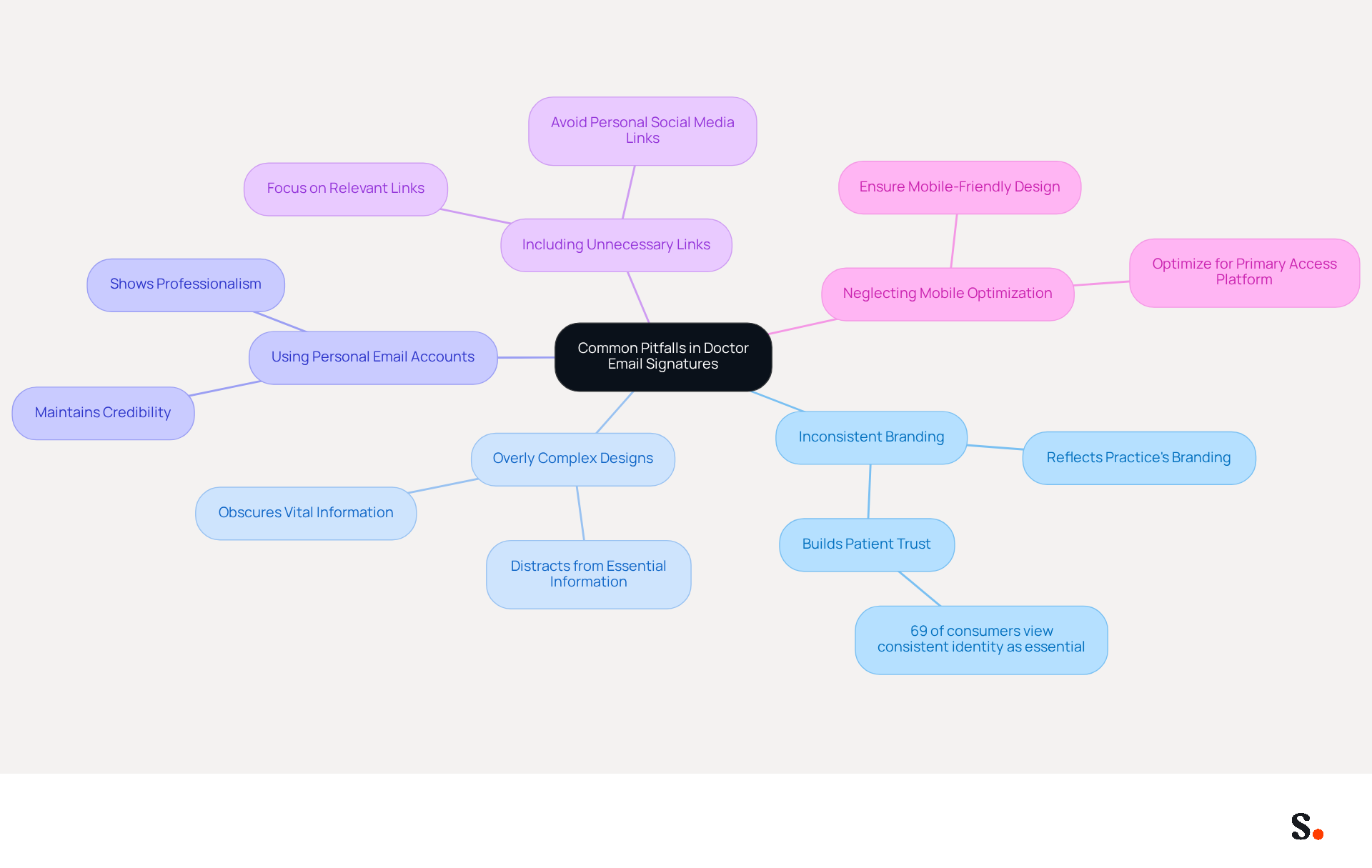
- Inconsistent Branding: Your signature should reflect your practice's branding, including consistent use of colors, logos, and fonts. A cohesive brand presence builds patient trust. In fact, 69% of consumers view a consistent identity as essential.
- Overly Complex Designs: Avoid excessive graphics or images that can distract from essential information. Complex designs can obscure vital information, making it harder for patients to understand your message. A well-organized signature boosts credibility and enhances patient communication.
- Using Personal Email Accounts: Always utilize an email address linked to your practice to maintain credibility. Using a practice-linked email shows professionalism and builds authority in your communications.
- Including Unnecessary Links: Limit links to only those that are relevant and professional, steering clear of personal social media links. This aids in maintaining focus and clarity in your autograph.
- Neglecting Mobile Optimization: Ensure that your identifier is mobile-friendly, as many recipients will view messages on their phones. With mobile devices serving as a primary platform for accessing messages, optimizing for mobile is crucial.
By avoiding these traps, doctors can improve the effectiveness and professionalism of their electronic correspondence, fostering better communication with patients and colleagues. Standardized electronic identifiers across healthcare organizations safeguard brand identity and reduce compliance risks. This shows the importance of a well-crafted signature.
Ensure HIPAA Compliance and Legal Considerations
To maintain HIPAA compliance in your email signature, it is essential to follow expert guidelines that protect patient privacy and ensure legal adherence:
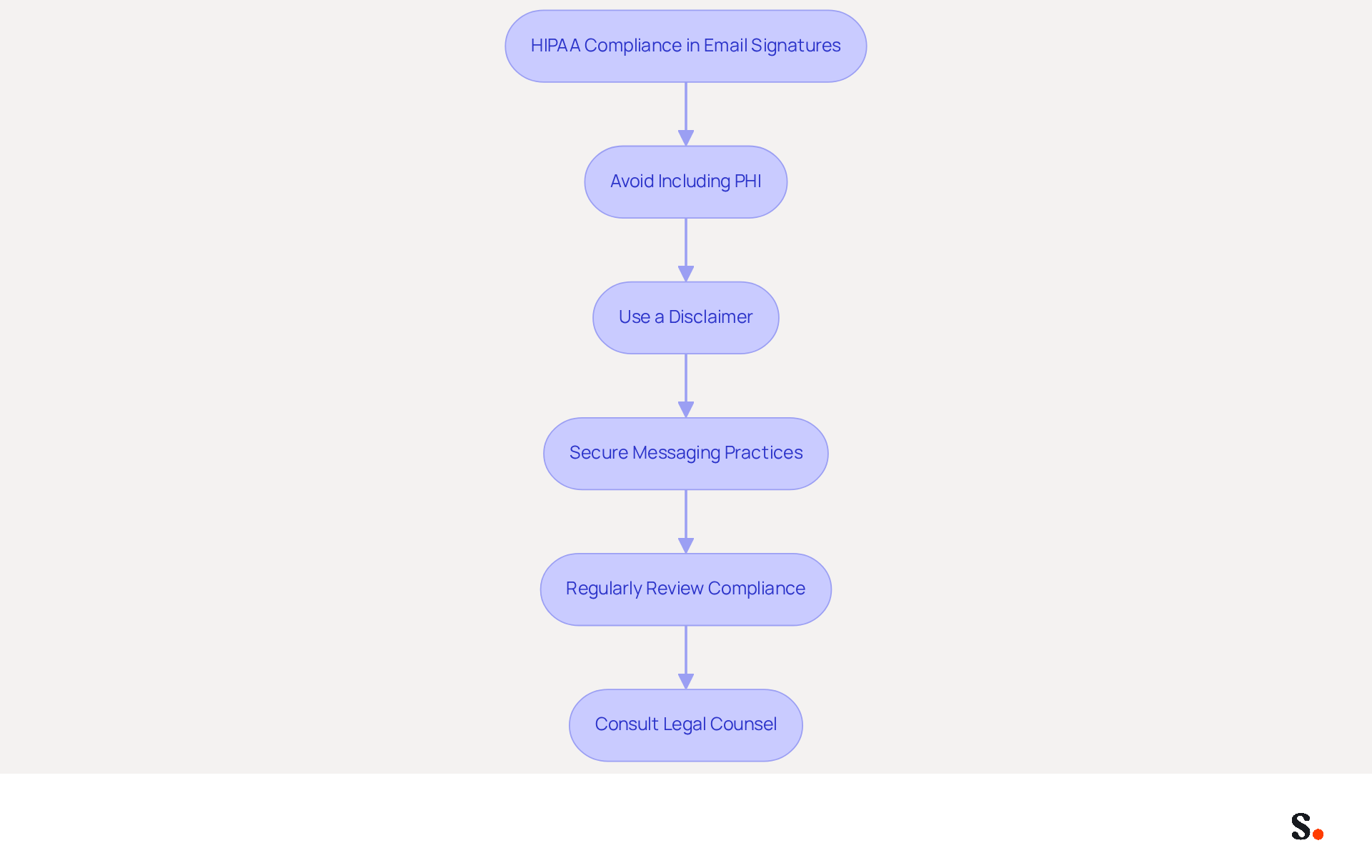
- Avoid Including Protected Health Information (PHI): Refrain from including any patient-specific information in your signature to protect patient privacy.
- Use a Disclaimer: Incorporate a standard HIPAA disclaimer at the end of your correspondence to inform recipients about the confidentiality of the details shared.
- Secure Messaging Practices: Utilize secure messaging solutions that encrypt communications containing sensitive information, ensuring that ePHI is protected during transmission. The frequency of email-related HIPAA breaches underscores the critical need for secure messaging practices. Scribe automates the management of your email signatures, ensuring they remain current and compliant without requiring manual updates from your team. Scribe's SOC 2 Type II compliance guarantees that your data is handled securely.
- Regularly Review Compliance: Stay informed about HIPAA regulations and routinely assess your messaging practices to ensure alignment with current standards. Regular security awareness training for all workforce members handling ePHI is essential to maintain compliance.
- Consult Legal Counsel: When uncertain, seek guidance from legal professionals to ensure that your electronic correspondence adheres to all applicable laws and regulations. Additionally, ensure that a Business Associate Agreement (BAA) is in place with your service provider, as this is crucial for HIPAA compliance.
By implementing these strategies, healthcare professionals can not only enhance their professional image through their doctor email signature but also significantly mitigate the risks associated with email communications.
Conclusion
Many healthcare providers overlook the significance of their email signatures, potentially undermining their professional image. A well-crafted email signature is essential for establishing credibility and ensuring effective communication with patients and colleagues. Incorporating key elements like your full name, medical credentials, job title, workplace, and contact details can create a signature that reflects professionalism and enhances patient trust and engagement.
Key insights discussed include:
- The importance of clearly formatting medical credentials
- Avoiding common pitfalls like inconsistent branding and overly complex designs
- Ensuring compliance with HIPAA regulations
By adhering to best practices, such as maintaining a cohesive brand identity and regularly updating contact information, doctors can significantly improve their professional image and foster better communication.
A well-crafted email signature does more than just sign off an email; it can truly enhance how patients interact with you. By prioritizing clarity, professionalism, and compliance, healthcare providers can ensure their email signatures effectively represent their practice and contribute to positive patient experiences. By prioritizing these best practices, healthcare providers can not only enhance their professional image but also foster trust and satisfaction among their patients.
Frequently Asked Questions
What is the purpose of a doctor's email signature?
A doctor's email signature is a vital tool for establishing credibility and facilitating communication with patients and colleagues.
What essential elements should be included in a doctor's email signature?
A doctor's email signature should include the following elements: full name, medical credentials, job title, workplace information, contact information, a professional photo (optional), links to career profiles, and a disclaimer.
Why is it important to include medical credentials in the email signature?
Including medical credentials, such as MD or DO, boosts credibility and fosters better communication with patients.
How does specifying a job title in the email signature help?
Specifying a job title or specialty helps establish the doctor's expertise and authority in their field.
What workplace information should be provided in the email signature?
The email signature should include the name of the practice or hospital and the department, if applicable, to strengthen professional affiliation and credibility.
Why is it important to keep contact information updated in the email signature?
Regularly updating contact information is crucial to avoid confusion and maintain trust with patients, as outdated information can lead to misunderstandings.
How does Scribe assist with maintaining email branding?
Scribe ensures that any updates to your Calendly setup are automatically reflected in your email branding, maintaining consistency and simplifying the update process.
Is it beneficial to include a professional photo in the email signature?
Including a high-quality photo can add a personal touch and build trust, provided it aligns with the photo on the practice's website.
What type of links can be added to the email signature?
Links to professional social media accounts or the practice website can be added for further engagement, but only professional accounts should be included to maintain the integrity of clinical communications.
Why is a disclaimer important in a doctor's email signature?
A disclaimer is essential for legal protection and should be reviewed with the compliance team to ensure it meets necessary legal standards.
List of Sources
- Identify Essential Elements of a Doctor's Email Signature
- Doctor Email Signature: Examples, Templates & Best Practices (https://exclaimer.com/email-signature-handbook/doctor-email-signature)
- 4 Best Practices for Crafting a Doctor Signature Example (https://scribe-mail.com/en-US/blog/4-best-practices-for-crafting-a-doctor-signature-example)
- Email Signature for Doctors: Templates, Credentials & Confidentiality Best Practices (https://syncsignature.com/blog/email-signature-for-doctors)
- Doctor Email Signature: Examples, Templates & Best Practices
- NEWOLDSTAMP (https://newoldstamp.com/blog/doctor-email-signatures)
- Doctor Email Signature Examples for Medical Professionals (https://bulksignature.com/blog/doctor-email-signature-examples-for-medical-professionals)
- Format Medical Credentials for Clarity and Impact
- Doctor Email Signature: Examples, Templates & Best Practices
- NEWOLDSTAMP (https://newoldstamp.com/blog/doctor-email-signatures)
- Email Signature for Doctors: Templates, Credentials & Confidentiality Best Practices (https://syncsignature.com/blog/email-signature-for-doctors)
- Healthcare Email Signature Examples and Best Practices | SyncSignature (https://syncsignature.com/healthcare-email-signature)
- 4 Best Practices for Crafting a Doctor Signature Example (https://scribe-mail.com/en-US/blog/4-best-practices-for-crafting-a-doctor-signature-example)
- Doctor Email Signature: Examples, Templates & Best Practices (https://exclaimer.com/email-signature-handbook/doctor-email-signature)
- Avoid Common Pitfalls in Doctor Email Signatures
- Worst email signature mistakes and how to avoid them (https://mail-signatures.com/articles/worst-email-signature-mistakes)
- Doctor Email Signature: Examples, Templates & Best Practices (https://exclaimer.com/email-signature-handbook/doctor-email-signature)
- 4 Best Practices for Crafting a Doctor Signature Example (https://scribe-mail.com/en-US/blog/4-best-practices-for-crafting-a-doctor-signature-example)
- Ensure HIPAA Compliance and Legal Considerations
- HIPAA Compliant Email: The Definitive Guide (2026 Update) | Paubox (https://paubox.com/blog/hipaa-compliant-email)
- Is Email HIPAA Compliant? Rules, Risks and Requirements (https://buzz.skyscape.com/is-email-hipaa-compliant)
- How to Ensure Email Signature Compliance for Medical Services (https://wisestamp.com/guides/how-to-ensure-email-signature-compliance-for-medical-services)
- HIPAA Compliance for Email - Updated for 2026 (https://hipaajournal.com/hipaa-compliance-for-email)
- HIPAA Compliant Email for Healthcare Providers: 2026 Guide (https://bellatorcyber.com/blog/hipaa-compliant-email-healthcare-providers)
Get started with Scribe
See why teams switch to Scribe
Free 14-day trial — no credit card.