Best Practices for a Professional Medical Doctor Email Signature
In the healthcare sector, a medical doctor's email signature serves as a vital tool for establishing trust and clarity in professional communication. Crafting
Sophie Grant
Email Signature Specialist, Scribe
Introduction
In the healthcare sector, a medical doctor's email signature serves as a vital tool for establishing trust and clarity in professional communication. Crafting an effective email signature involves not only including essential elements like credentials and contact information but also adhering to legal and ethical standards. Yet, how can doctors balance compliance with effective branding and patient engagement? We will explore best practices for crafting a professional email signature that not only showcases a doctor's expertise but also communicates their identity and values effectively.
Identify Essential Elements for a Doctor's Email Signature
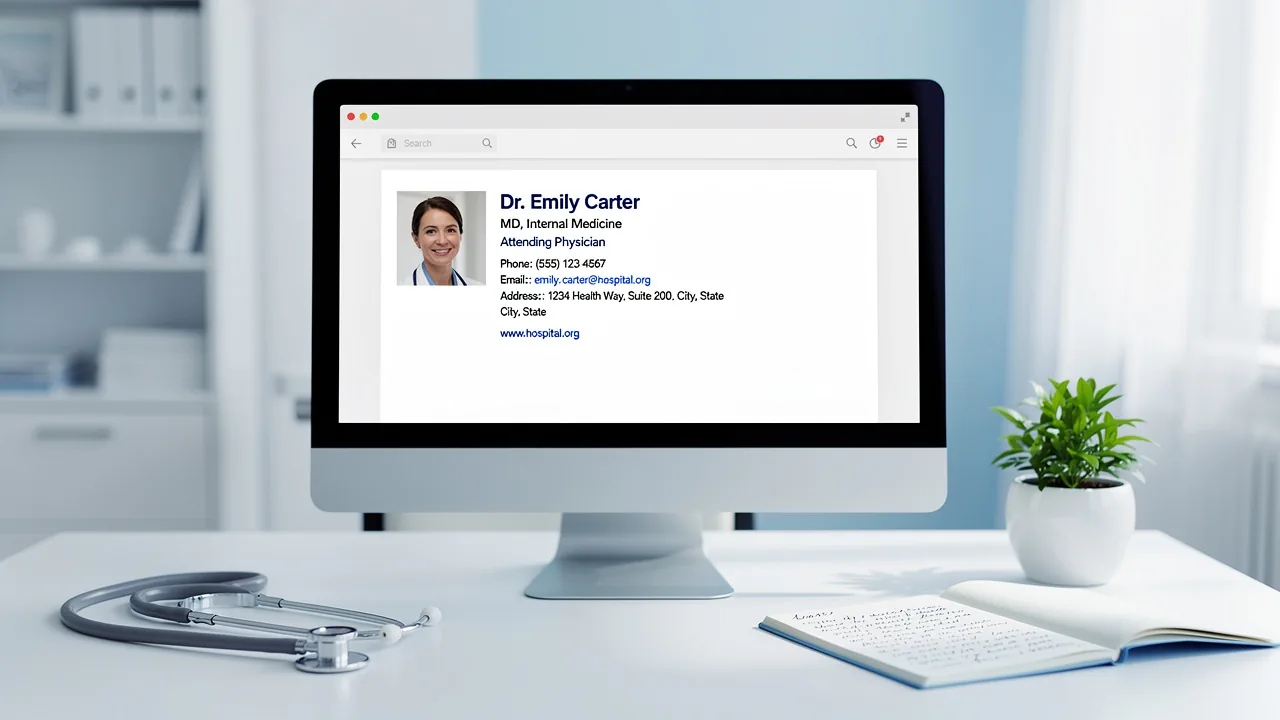
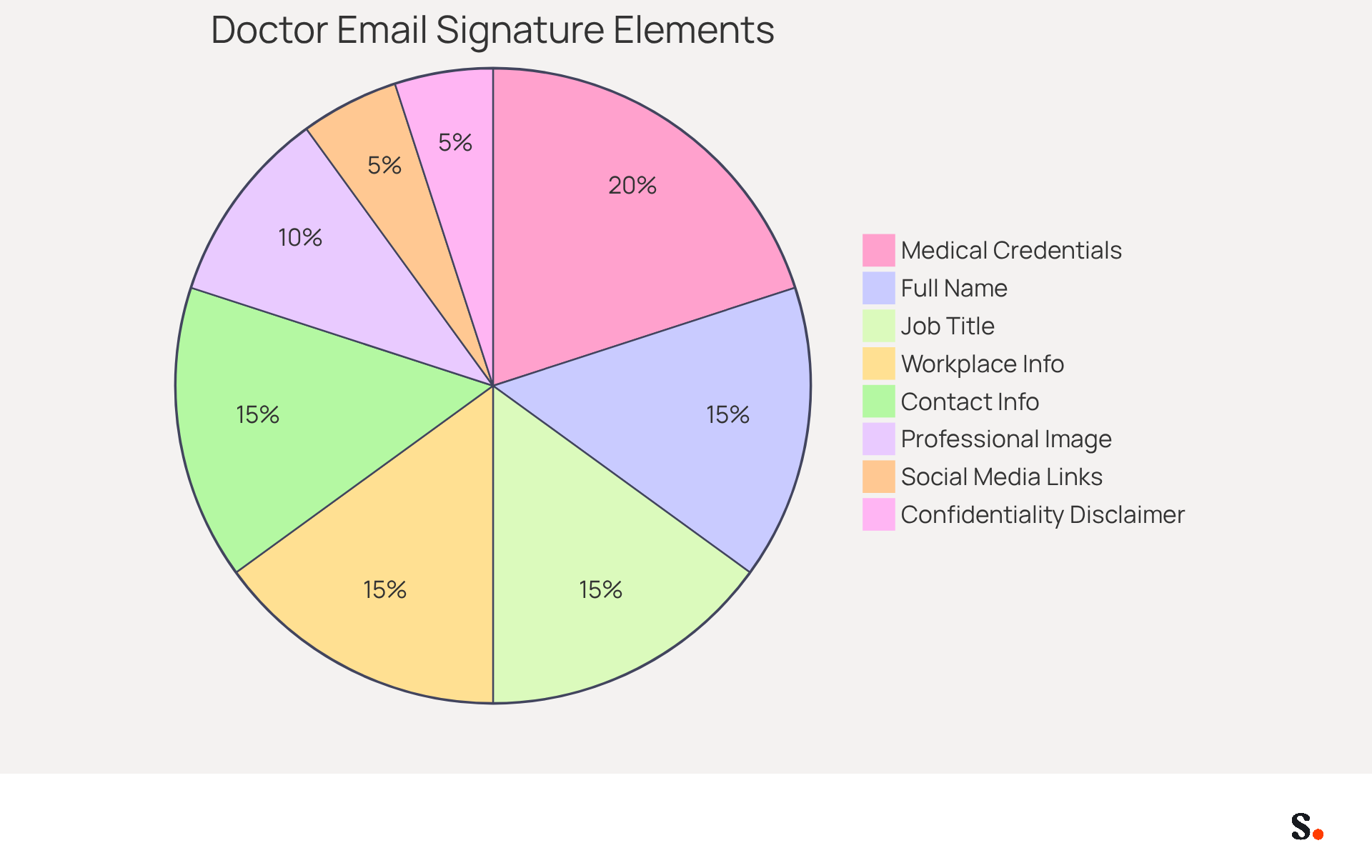
In the healthcare field, a medical doctor email signature is not just a formality; it serves as a vital tool for establishing trust and facilitating communication. A professional email signature for doctors should include the following essential elements:
- Full Name: Clearly state your full name to establish identity.
- Medical Credentials: Include relevant qualifications (e.g., MD, DO) to affirm your professional status. This is crucial in a credential-driven field where clarity enhances trust.
- Job Title: Specify your role (e.g., Consultant, General Practitioner) to clarify your position within the healthcare setting.
- Workplace Information: Provide the name of your practice or hospital, including the department if applicable, to ensure individuals know where to reach you.
- Contact Information: Include a direct phone number and email address for easy communication, as outdated contact details can create confusion.
- Including a professional image helps clients recognize you and adds a personal touch to your signature.
- Social Media Links: Optionally, include links to professional social media profiles to enhance engagement and visibility, but avoid personal accounts to maintain professionalism.
- Confidentiality Disclaimer: Including a confidentiality notice is essential to protect individual information and clarify that the email may contain confidential content.
By incorporating these elements, doctors can establish a distinct identity that includes a medical doctor email signature, which conveys professionalism and facilitates effective communication with patients and colleagues alike. Regularly updating these elements ensures that your communication remains clear and trustworthy, ultimately enhancing your professional relationships.
Format Medical Credentials for Clarity and Impact
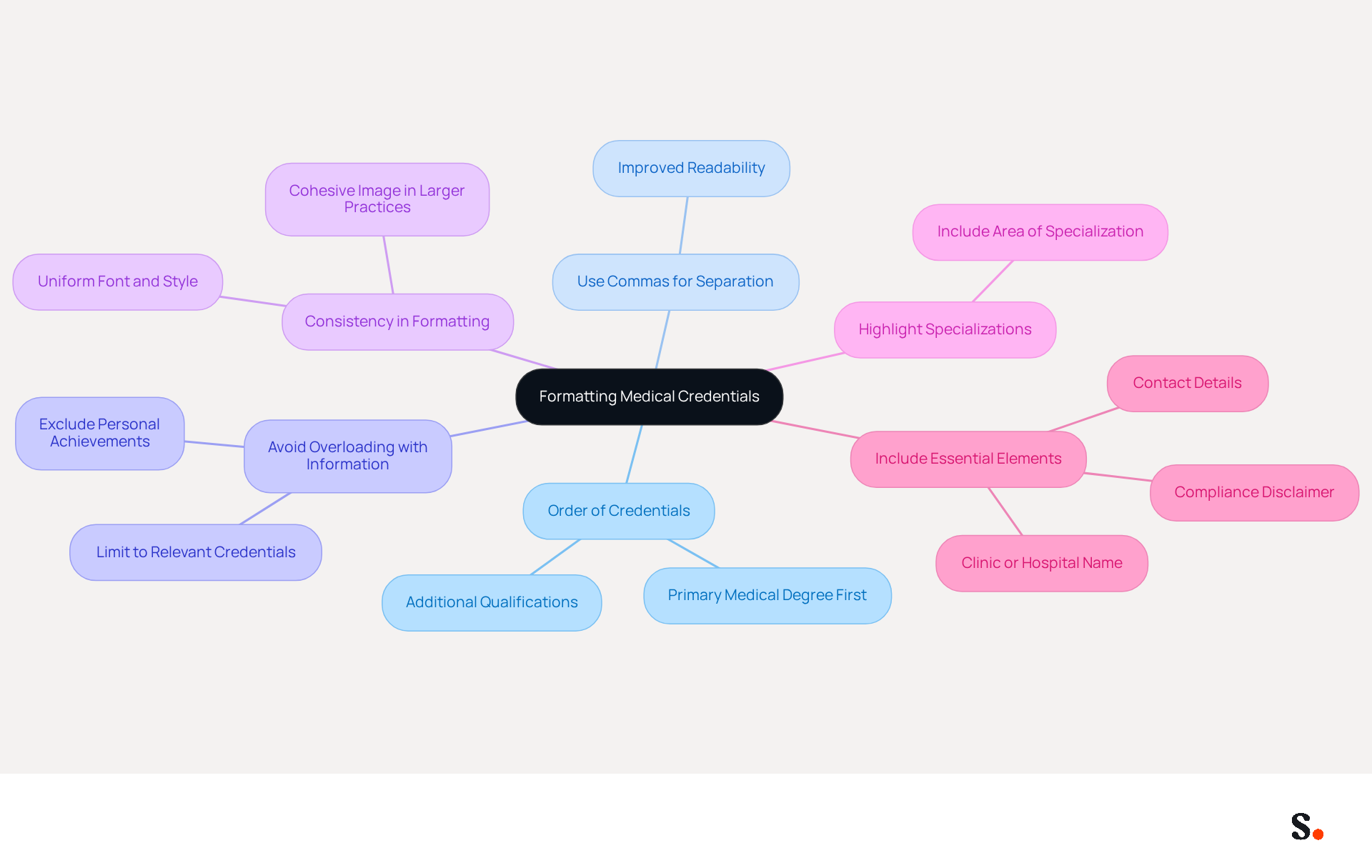
Properly formatting a medical doctor email signature is crucial for establishing professionalism and clarity. To enhance clarity and professionalism, adhere to the following best practices:
- Order of Credentials: Begin with your primary medical degree (e.g., MD, DO), followed by any additional qualifications or certifications relevant to your practice.
- Use Commas for Separation: Separate different credentials with commas for improved readability (e.g., John Doe, MD, FACP).
- Avoid Overloading with Information: Limit the number of credentials to those most pertinent to your current role to prevent clutter and maintain focus. Avoid including personal achievements unrelated to medical credentials.
- Consistency in Formatting: Ensure uniformity in formatting across all communications, using the same font and style for credentials to reinforce professionalism. This is particularly important in larger practices to maintain a cohesive image.
- Highlight Specializations: If applicable, include your area of specialization (e.g., Pediatrician, Cardiologist) to provide context and enhance the understanding of your qualifications.
- Include Essential Elements: A formal correspondence footer for doctors should also contain the clinic or hospital name, contact details, and a compliance disclaimer to establish credibility and professionalism.
An organized contact block conveys professionalism and encourages patient engagement. This is supported by evidence showing that clear formats improve communication and trust. Ultimately, a clear and concise medical doctor email signature not only enhances professionalism but also fosters stronger relationships with patients.
Ensure Compliance with Legal and Ethical Standards
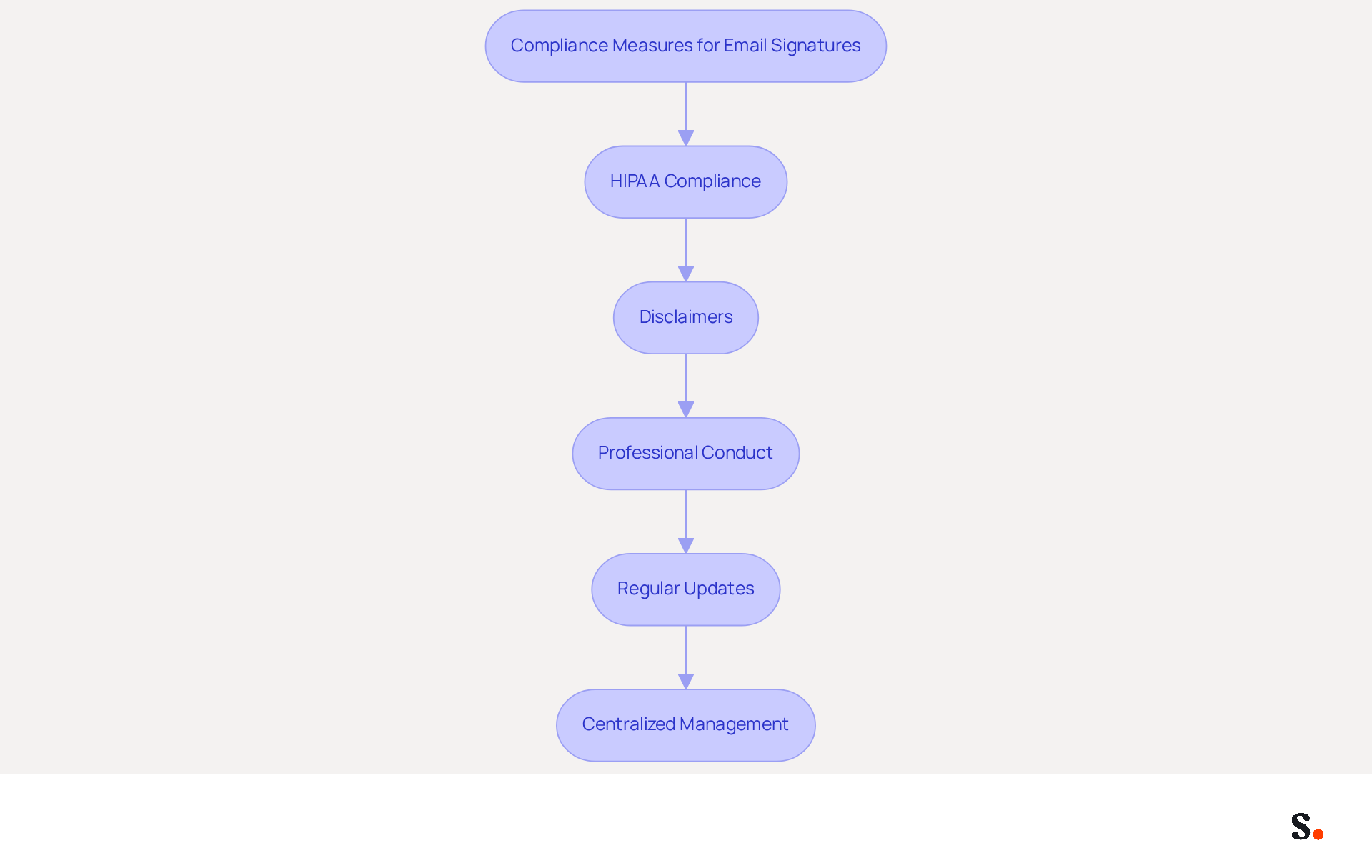
To maintain legal and ethical standards in email signatures, it is essential to implement specific compliance measures:
- HIPAA Compliance: It is crucial to avoid including any patient-specific information or protected health information (PHI) in your signature to adhere to HIPAA regulations. Failure to comply with HIPAA can lead to severe penalties and loss of patient trust.
- Disclaimers: Incorporate necessary disclaimers regarding confidentiality and the nature of electronic communications. Remind recipients that messages are not a replacement for expert medical advice, which is crucial for maintaining trust and clarity in communications.
- Professional Conduct: The tone and content of your email footer should reflect professional conduct. Avoid any promotional language that could be deemed inappropriate, as this can undermine the credibility of your practice.
- Regular Updates: Frequently review and refresh your electronic correspondence footer to ensure it remains compliant with evolving legal standards and organizational policies. Regular updates ensure your communications remain accurate and relevant.
- Centralized Management: Consider using a centralized tool like Scribe to maintain consistency and compliance across all communications within your practice. By implementing centralized management, practices can significantly reduce the risk of compliance issues and enhance their professional image.
Following these guidelines helps doctors protect themselves and their patients, while also maintaining a professional image in their communications, such as in their medical doctor email signature. For example, organizations that have adopted centralized management of electronic signatures have reported improved compliance rates and brand consistency, showing that practices with centralized management see improved compliance rates and brand consistency.
Incorporate Branding and Marketing Strategies
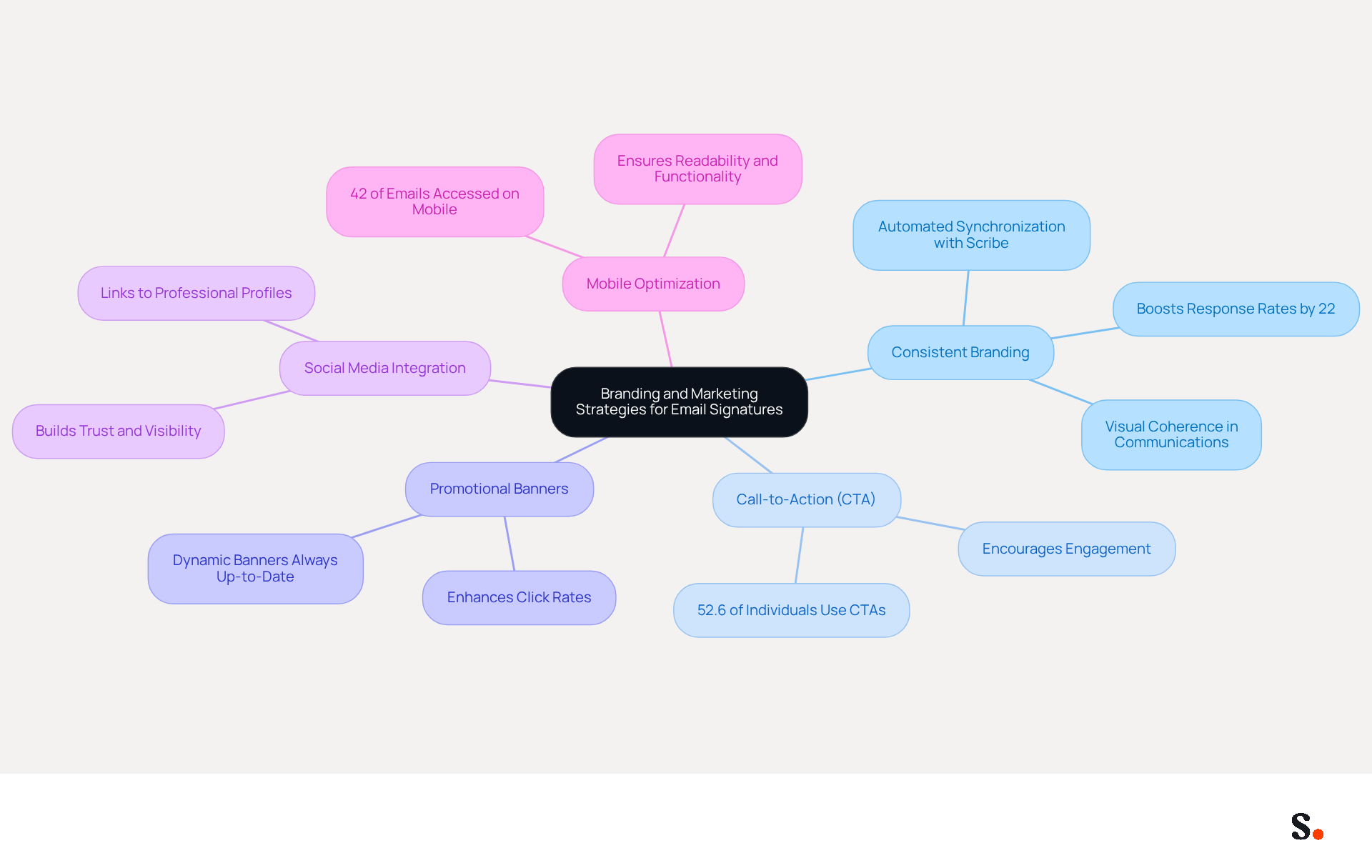
To maximize the effectiveness of a doctor's email signature, integrating strategic branding and marketing practices is crucial:
- Consistent Branding: Utilize your practice's logo and color scheme to create a cohesive brand image that aligns with your overall marketing strategy. Consistent branding can boost response rates by 22%, highlighting the need for visual coherence in communications. With Scribe, every modification made in your Aircall configuration will automatically be reflected in your email branding, ensuring that your identity remains consistent across all communications.
- Call-to-Action (CTA): Include a clear CTA, such as a link to book an appointment or access health resources, to encourage engagement from individuals. Incorporating a CTA can greatly improve engagement, as 52.6% of individuals indicate using CTAs in their signatures.
- Promotional Banners: Utilize promotional banners for upcoming events, health campaigns, or new services to inform individuals and encourage participation. Using dynamic banners can significantly enhance click rates, making them a powerful tool for engagement. Scribe's automated synchronization ensures that these banners are always up-to-date, maximizing their impact.
- Social Media Integration: Link to your professional social media profiles to encourage engagement and provide individuals with additional resources and information. Linking to your professional social media profiles can enhance visibility and build trust, as many recipients feel more confident when they see branded identifiers.
- Mobile Optimization: Ensure that your message footer is suitable for mobile devices, as many individuals access communications on their smartphones. However, many messages fail to display correctly on mobile devices, leading to potential miscommunication. Testing the authentication on various devices is essential, considering that 42% of messages are accessed on mobile devices, ensuring readability and functionality.
By implementing these branding and marketing strategies, along with the automated synchronization features of Scribe, doctors can transform their email signatures into effective medical doctor email signatures that enhance visibility and patient engagement. Ultimately, these strategies can redefine how patients perceive their healthcare providers, fostering trust and engagement.
Conclusion
Many medical professionals overlook the significance of their email signatures, potentially undermining their communication efforts. A professional email signature is essential for medical doctors; it establishes trust and professionalism in communication. By incorporating essential elements such as full name, medical credentials, job title, and contact information, doctors can create a signature that not only identifies them but also enhances their credibility in the eyes of patients and colleagues.
Throughout the article, key practices for:
- Formatting medical credentials
- Ensuring compliance with legal and ethical standards
- Integrating branding and marketing strategies
have been discussed. Proper formatting enhances clarity, while compliance with regulations like HIPAA safeguards patient information. Additionally, strategic branding through consistent visuals and calls-to-action can significantly improve engagement and visibility, enhancing the effectiveness of communication and marketing efforts.
Incorporating these best practices is vital for medical professionals aiming to foster trust and enhance communication with their patients. Using tools like Scribe helps doctors keep their email signatures compliant and consistent, making them more effective. Ultimately, a well-crafted email signature can be the difference between a fleeting interaction and a lasting patient relationship.
Frequently Asked Questions
What is the purpose of a doctor's email signature?
A doctor's email signature serves as a vital tool for establishing trust and facilitating communication in the healthcare field.
What essential elements should be included in a doctor's email signature?
A doctor's email signature should include the following essential elements: full name, medical credentials, job title, workplace information, contact information, a professional image, social media links (optional), and a confidentiality disclaimer.
Why is it important to include medical credentials in the email signature?
Including medical credentials (e.g., MD, DO) affirms a doctor's professional status and enhances trust in a credential-driven field.
How can workplace information be presented in a doctor's email signature?
Workplace information should include the name of the practice or hospital and the department, if applicable, to ensure individuals know where to reach the doctor.
What contact information should be provided in a doctor's email signature?
A doctor's email signature should include a direct phone number and email address for easy communication.
Why is it beneficial to include a professional image in the email signature?
Including a professional image helps clients recognize the doctor and adds a personal touch to the signature.
Should social media links be included in a doctor's email signature?
Social media links can be included to enhance engagement and visibility, but personal accounts should be avoided to maintain professionalism.
What is the purpose of a confidentiality disclaimer in a doctor's email signature?
A confidentiality disclaimer is essential to protect individual information and clarify that the email may contain confidential content.
How often should a doctor's email signature be updated?
Regularly updating the elements of a doctor's email signature ensures that communication remains clear and trustworthy, enhancing professional relationships.
List of Sources
- Identify Essential Elements for a Doctor's Email Signature
- Healthcare Email Signature Examples and Best Practices | SyncSignature (https://syncsignature.com/healthcare-email-signature)
- Doctor Email Signature: Examples, Templates & Best Practices (https://exclaimer.com/email-signature-handbook/doctor-email-signature)
- Email Signatures for Doctors - Gimmio (https://blog.gimm.io/email-signatures-for-doctors)
- A doctor's guide to professional email signatures (https://signitic.com/en/resources/email-signature-doctor)
- Doctor Email Signature: Examples, Templates & Best Practices
- NEWOLDSTAMP (https://newoldstamp.com/blog/doctor-email-signatures)
- Format Medical Credentials for Clarity and Impact
- Doctor Email Signature: Examples, Templates & Best Practices
- NEWOLDSTAMP (https://newoldstamp.com/blog/doctor-email-signatures)
- Doctor Email Signature Examples for Medical Professionals (https://bulksignature.com/blog/doctor-email-signature-examples-for-medical-professionals)
- Correct way of listing nursing credentials and email signatures | Newsroom (https://news.unchealthcare.org/2016/07/listing-credentials-email-signatures)
- Email Signature for Doctors: Templates, Credentials & Confidentiality Best Practices (https://syncsignature.com/blog/email-signature-for-doctors)
- Ensure Compliance with Legal and Ethical Standards
- The Top 5 HIPAA Email Disclaimer Examples | Exclaimer (https://exclaimer.com/email-signature-handbook/hipaa-email-disclaimer-examples)
- HIPAA Compliance for Email - Updated for 2026 (https://hipaajournal.com/hipaa-compliance-for-email)
- HIPAA Email Rules (https://hipaaguide.net/hipaa-email-rules)
- HIPAA Compliant Email: The Definitive Guide (2026 Update) | Paubox (https://paubox.com/blog/hipaa-compliant-email)
- Email Signature for Doctors: Templates, Credentials & Confidentiality Best Practices (https://syncsignature.com/blog/email-signature-for-doctors)
- Incorporate Branding and Marketing Strategies
- 15 Ways Email Signatures Can Boost Your Brand | Rocketseed (https://rocketseed.com/blog/15-ways-email-signature-branding-can-boost-your-brand)
- A doctor's guide to professional email signatures (https://signitic.com/en/resources/email-signature-doctor)
- 40+ Email Signature Statistics for 2026 (Data + Insights) (https://wavecnct.com/blogs/email-signature-statistics)
- The impact of email signatures on your branding (https://signitic.com/en/resources/the-impact-of-email-signatures-on-your-branding)
- Healthcare email signature management | Rocketseed (https://rocketseed.com/email-signature-marketing-for-healthcare)
Get started with Scribe
Manage signatures across your whole team
Free 14-day trial — no credit card.