What Does 'Warm Regards' Mean? Master Email Sign-Offs Today
The effective use of email sign-offs is crucial for enhancing professional communication, yet many professionals struggle with the implications of phrases like
Sophie Grant
Email Signature Specialist, Scribe
On this page
Introduction
The effective use of email sign-offs is crucial for enhancing professional communication, yet many professionals struggle with the implications of phrases like "Warm Regards." This common closing effectively balances warmth and professionalism, making it a preferred choice among marketing and IT teams. The challenge arises in determining the appropriate context for its use. Missteps in its usage can result in misunderstandings and hinder effective communication.
What implications does "Warm Regards" carry, and how can it improve email interactions in a business setting?
Define 'Warm Regards': Meaning and Usage
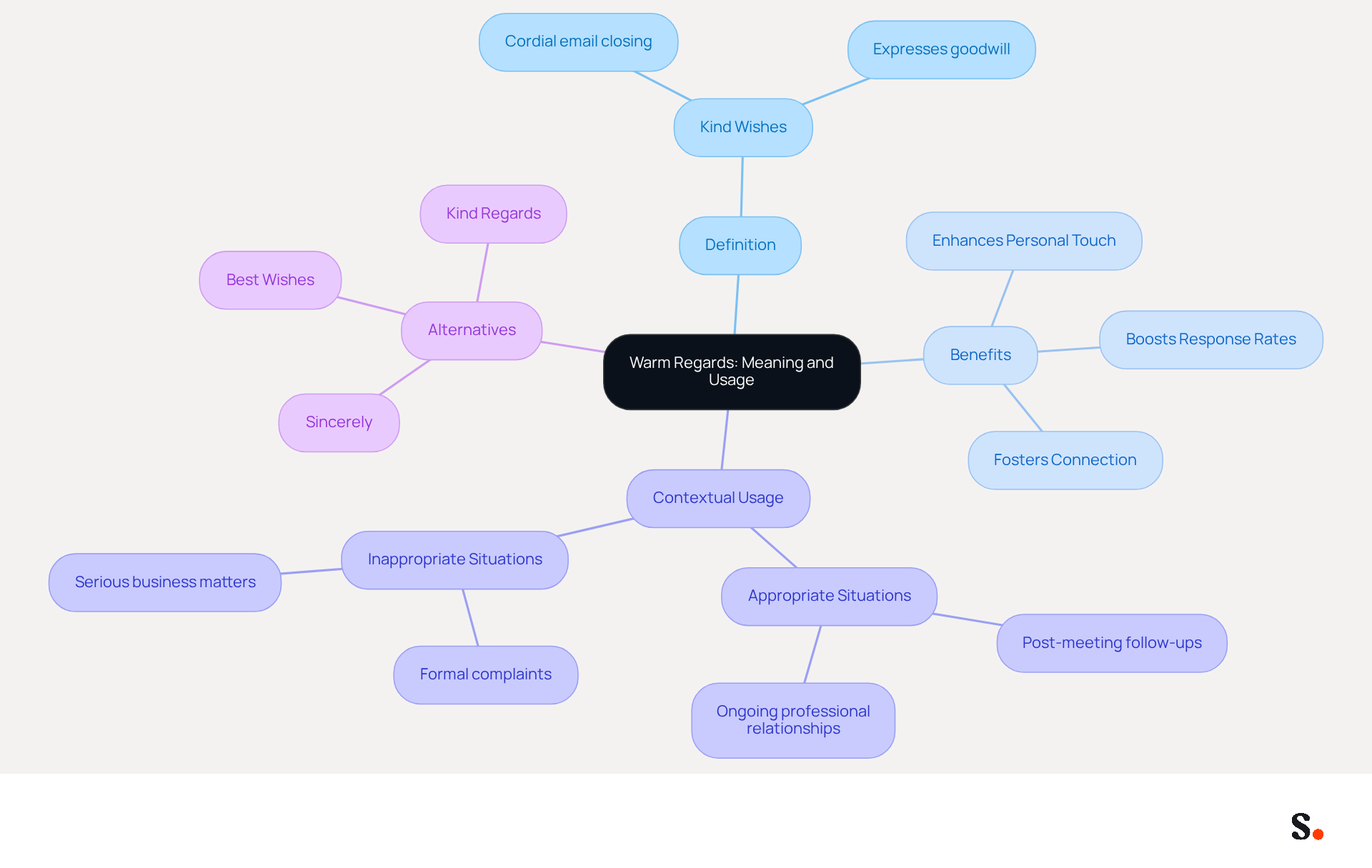
In professional communication, the choice of email closing can significantly impact the tone and effectiveness of the message. 'Friendly wishes' is a cordial email closing that expresses goodwill and positive feelings towards the recipient. This closing balances formality and warmth, making it ideal for ongoing professional relationships with colleagues and clients. The term 'warm' suggests familiarity, enhancing the personal touch in business interactions.
For example, following a fruitful meeting, using 'Kind Wishes' can convey gratitude and a desire to maintain positive engagement. Studies indicate that using 'Kind Wishes' can significantly boost response rates over more generic sign-offs, fostering a sense of connection and approachability. Moreover, personalized messages with thoughtful sign-offs often lead to six times higher conversion rates than their generic counterparts.
However, it is crucial to acknowledge that despite its popularity, 'Kind Wishes' may not always be the best choice in formal contexts, where a more traditional closing like 'Sincerely' might be preferred. In situations where professionalism is crucial, alternatives such as 'Best Wishes' or 'Kind Wishes' may be more appropriate.
Overall, 'Kind Wishes' serves as a versatile closing that personalizes communication and shows care for the recipient, strengthening business ties.
Contextual Applications of 'Warm Regards' in Professional Emails
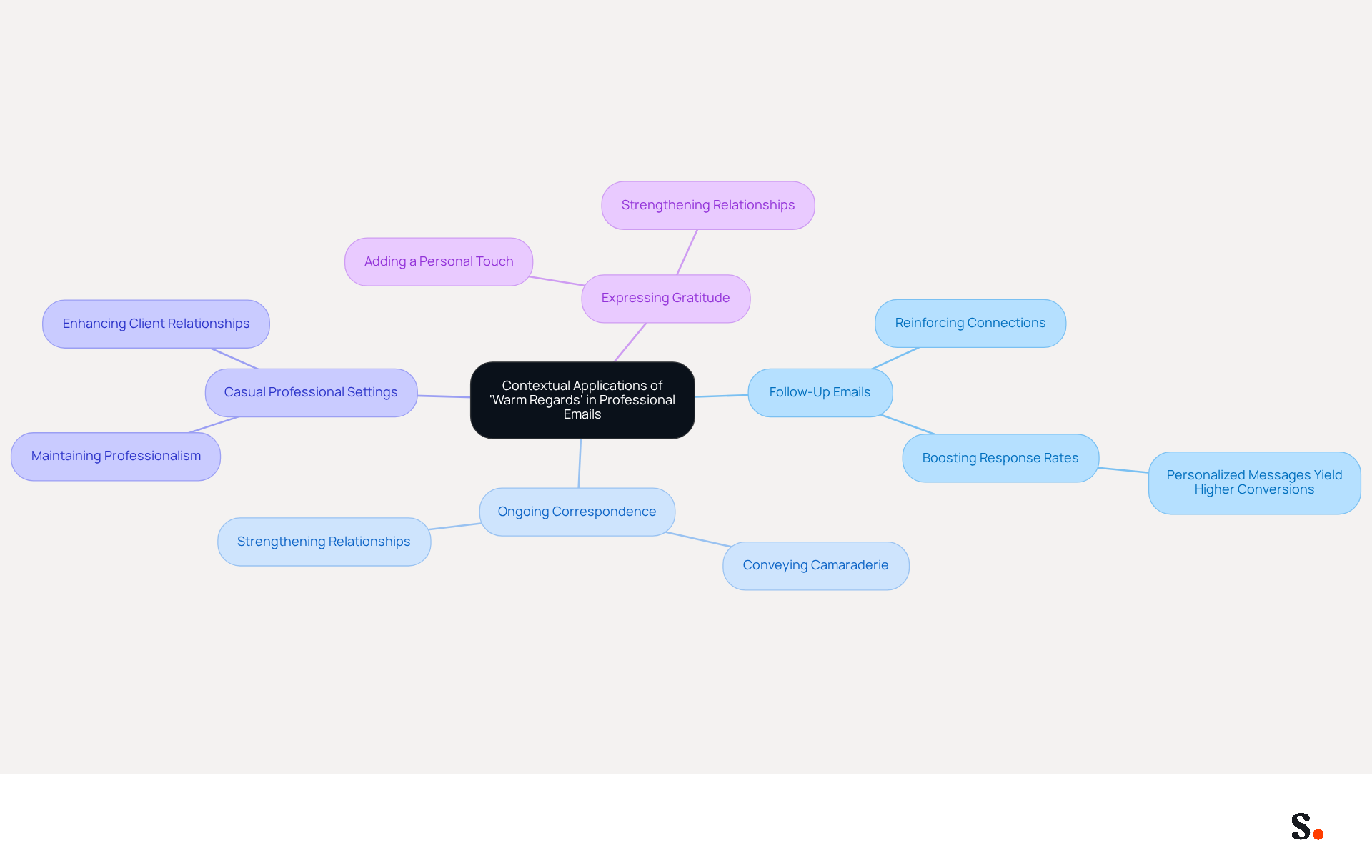
In professional communication, the choice of sign-off can significantly impact relationship-building. Here are some common contexts for its application:
- Follow-Up Emails: After a meeting or networking event, using 'Kind Wishes' can reinforce the positive connection made during the interaction. For instance, if you met someone at a conference, you might say, 'It was great chatting with you at the conference. Warm Wishes, [Your Name].' Research indicates that using 'Friendly Wishes' in follow-up emails can significantly boost response rates, with personalized messages yielding up to six times higher conversions than standard ones.
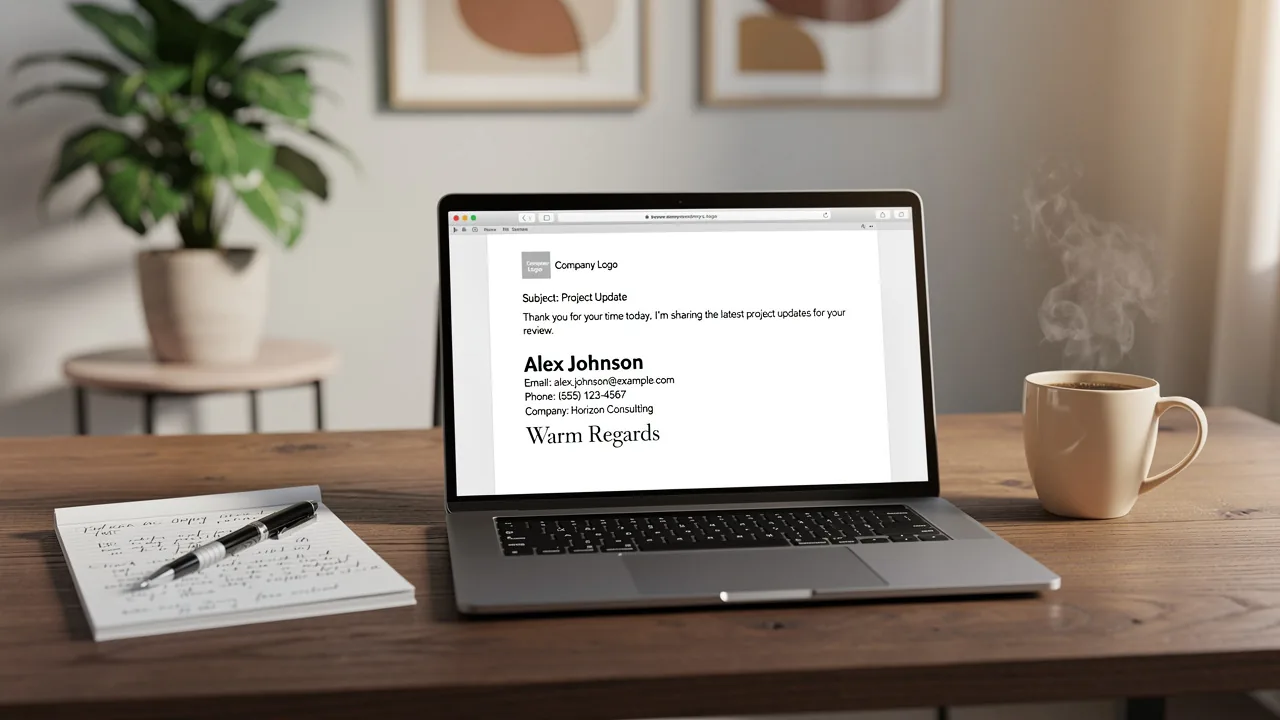
- Ongoing Correspondence: When communicating with colleagues or clients with whom you have an established relationship, 'Warm Regards' can convey a sense of camaraderie. For example, in a project update email, you might write, 'Looking forward to your feedback. Warm Wishes, [Your Name].' This approval helps to strengthen the relationship and fosters a collaborative atmosphere.
- Casual Professional Settings: In less formal industries or teams, 'Kind Wishes' can be a suitable sign-off that maintains professionalism while also being approachable. For example, in a creative agency, you might use it in emails to team members or clients. Case studies demonstrate that friendly sign-offs such as 'Kind Wishes' can enhance client relationships by conveying appreciation and respect.
- Expressing Gratitude: When thanking someone for their assistance or support, 'Kind Wishes' can add a personal touch. For instance, 'Thank you for your help with the project. Warm Wishes, [Your Name].' This expresses appreciation and strengthens the relationship.
By comprehending these situations, professionals can utilize 'Kind Wishes' effectively to improve their communication and cultivate stronger relationships.
Common Misconceptions and Mistakes with 'Warm Regards'
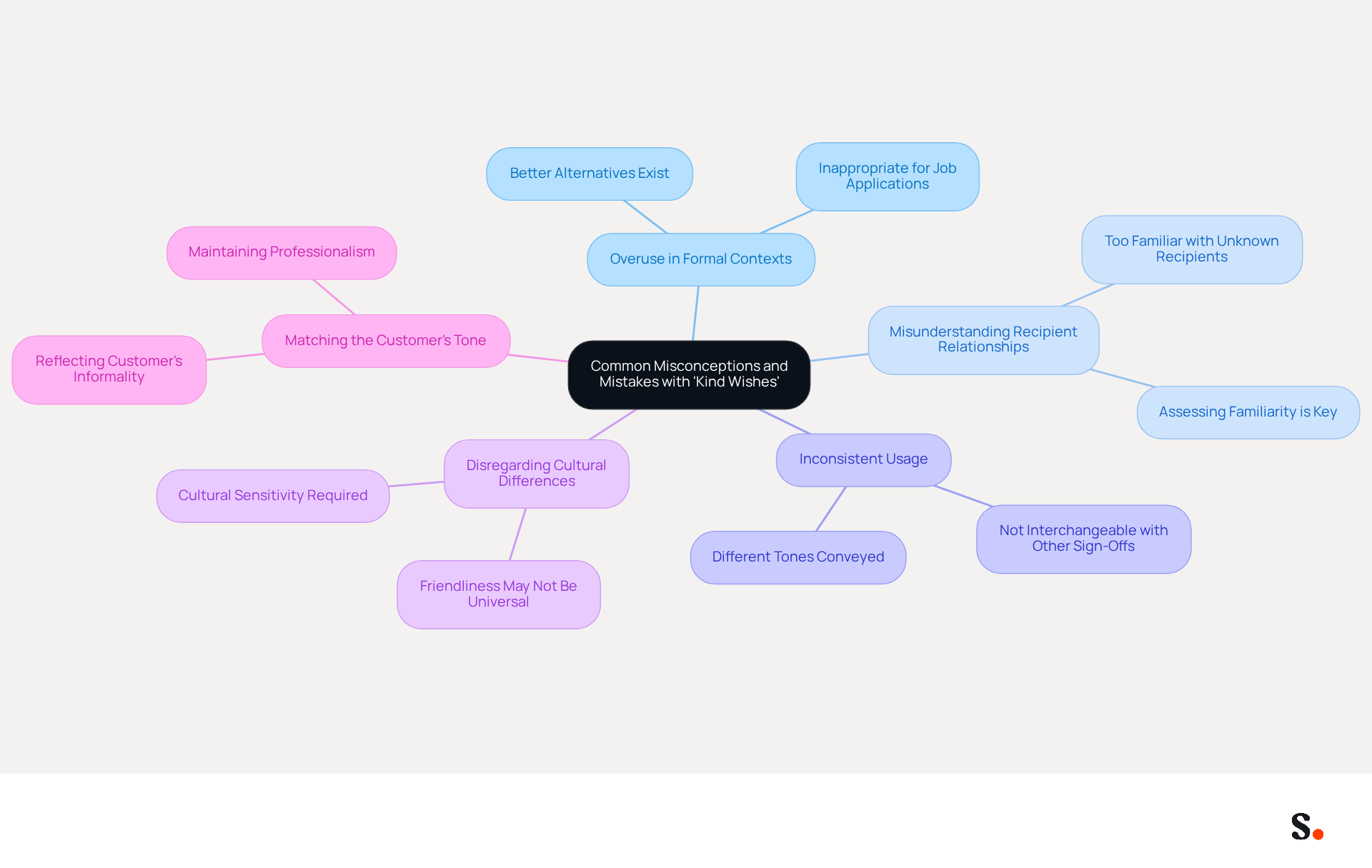
Despite its widespread use, 'Kind Wishes' often leads to misunderstandings in professional communication.
- Overuse in Formal Contexts: A common mistake is using 'Kind Wishes' in highly formal emails, such as job applications or legal correspondence. In these situations, traditional sign-offs like 'Sincerely' or 'Yours faithfully' are more appropriate.
- Some individuals mistakenly believe that 'Kind Wishes' is suitable for all recipients, regardless of the relationship. Assessing your familiarity with the recipient is essential; using it with someone you don't know well may come off as too familiar.
- Inconsistent Usage: Another misconception is that 'Friendly Wishes' can be used interchangeably with other sign-offs like 'Best Wishes' or 'Kind Wishes.' While they share similarities, each conveys a slightly different tone. 'Affectionate Salutations' is more personal, whereas 'Best Wishes' is more neutral.
- Disregarding Cultural Differences: Misunderstandings can arise when cultural contexts are overlooked. In certain cultures, the friendliness expressed by 'Kind Wishes' may not be well-received.
- Matching the Customer's Tone: Failing to match the customer's tone can negatively impact how a business is perceived. If a customer is informal and friendly, the response should reflect that, and vice versa for formal communication.
Recognizing these misunderstandings and applying effective messaging strategies can help professionals use 'Kind Wishes' more efficiently and navigate potential challenges in their communication. Given that 73 percent of people prefer email for communication, grasping the nuances of sign-offs is vital for professionalism and building positive relationships.
Alternatives to 'Warm Regards': Expanding Your Email Sign-Off Options
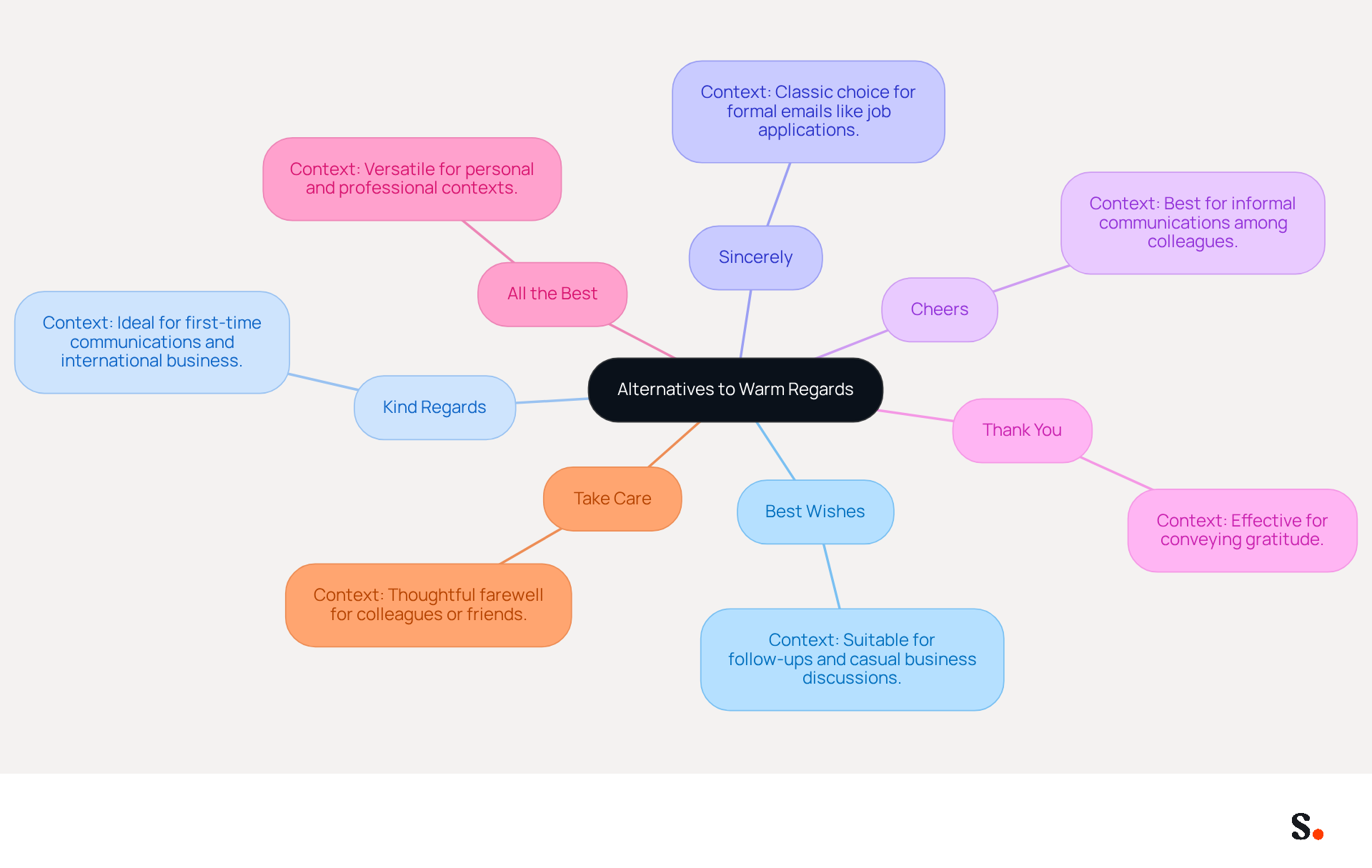
While 'Warm Regards' is commonly used, knowing what does warm regards mean can greatly impact communication effectiveness.
- Best Wishes: This neutral and widely accepted closing is suitable for most professional settings, conveying respect without being overly familiar.
- Kind Regards: Slightly more formal than 'Warm Regards,' this closing is ideal for first-time communications or when addressing someone you do not know well, making it effective in international business interactions.
- Sincerely: A classic choice for formal emails, such as job applications or official correspondence, 'Sincerely' maintains professionalism and respect.
- Cheers: This casual and friendly farewell is best reserved for informal communications or among colleagues with whom you share a close relationship, fostering a relaxed tone.
- Thank You: A simple and appreciative closing, 'Thank You' is effective when conveying gratitude, increasing the chances of a favorable reply.
- All the Best: This warm and friendly alternative can be used in both personal and professional contexts, making it versatile for various situations.
- Take Care: A thoughtful farewell that expresses warmth and concern, 'Take Care' is appropriate for messages to colleagues or friends, reinforcing a supportive tone.
Using different sign-off options helps professionals tailor their messages to match the tone and context of their communication. Studies indicate that thoughtful sign-offs can lead to a notable increase in engagement, with messages featuring warm, professional tones receiving up to 22% more responses. As Anna Verasai notes, "the way you end your letter also gives your reader an opening on how to interpret your message." Choosing the right sign-off not only reflects professionalism but also shapes the recipient's perception of your message.
Conclusion
The significance of email sign-offs, particularly 'Warm Regards,' is pivotal in shaping professional communication. This closing strikes a balance between formality and warmth, making it an excellent choice for nurturing ongoing relationships with colleagues and clients. Understanding these nuances helps professionals communicate more effectively and create a positive atmosphere.
Throughout the article, various contexts for using 'Warm Regards' have been explored, including follow-up emails, ongoing correspondence, and expressions of gratitude. Additionally, common misconceptions and mistakes associated with its usage have been addressed, highlighting how context and cultural sensitivity can make a real difference in communication. Alternatives to 'Warm Regards' have also been presented, providing a broader toolkit for professionals to tailor their sign-offs to specific situations.
Ultimately, mastering the art of email sign-offs is crucial for building strong professional relationships and ensuring effective communication. Neglecting to master this art can result in lost connections and diminished professional impact. Thoughtful communication can significantly influence professional relationships, making the choice of sign-off a critical factor in engagement.
Frequently Asked Questions
What does 'Warm Regards' mean in professional communication?
'Warm Regards' is a cordial email closing that expresses goodwill and positive feelings towards the recipient, balancing formality and warmth.
When is it appropriate to use 'Warm Regards'?
It is ideal for ongoing professional relationships with colleagues and clients, especially after positive interactions like meetings.
How does using 'Warm Regards' impact response rates?
Studies indicate that using 'Warm Regards' can significantly boost response rates compared to more generic sign-offs, fostering a sense of connection and approachability.
Are there any alternatives to 'Warm Regards' in formal contexts?
Yes, in formal contexts, alternatives such as 'Sincerely' or 'Best Wishes' may be more appropriate.
What are the benefits of using personalized email closings like 'Warm Regards'?
Personalized messages with thoughtful sign-offs often lead to six times higher conversion rates than generic counterparts, enhancing the personal touch in business interactions.
How does 'Warm Regards' strengthen business ties?
'Warm Regards' personalizes communication and shows care for the recipient, which helps in strengthening business relationships.
List of Sources
- Define 'Warm Regards': Meaning and Usage
- Understanding Warm Regards Meaning: Context, Use, and Examples (https://scribe-mail.com/en-US/blog/understanding-warm-regards-meaning-context-use-and-examples)
- Warm Regards Meaning: Understanding the Significance of This Common Email Sign-Off (https://serchen.com/blog/warm-regards-meaning)
- Warm Regards vs Best Regards vs Kind Regards: Choosing the Right Email Sign-Off (https://salesforge.ai/blog/warm-regards-vs-best-regards-vs-kind-regards)
- Difference between "Warm regards" and "Best regards" (https://english.stackexchange.com/questions/46977/difference-between-warm-regards-and-best-regards)
- Contextual Applications of 'Warm Regards' in Professional Emails
- Warm Regards Meaning: Understanding the Significance of This Common Email Sign-Off (https://serchen.com/blog/warm-regards-meaning)
- Understanding Warm Regards Meaning: Context, Use, and Examples (https://scribe-mail.com/en-US/blog/understanding-warm-regards-meaning-context-use-and-examples)
- Warm Regards vs Best Regards: Choosing the Right Email Sign-Off (https://oppora.ai/blog/warm-regards-vs-best-regards)
- These Numbers Will Show You Why Sending Follow-up Emails Is Crucial (https://woodpecker.co/blog/follow-up-statistics)
- Warm Regards vs Best Regards vs Kind Regards: Choosing the Right Email Sign-Off (https://salesforge.ai/blog/warm-regards-vs-best-regards-vs-kind-regards)
- Common Misconceptions and Mistakes with 'Warm Regards'
- Warm Regards Meaning: Understanding the Significance of This Common Email Sign-Off (https://serchen.com/blog/warm-regards-meaning)
- 10 Common Email Mistakes - Mindtools Membership (https://mindtools.com/at253lr/10-common-email-mistakes)
- Kind regards? Or is it 'Best'? How to charm with email etiquette (https://theguardian.com/small-business-network/2015/sep/11/email-etiquette-mistakes-businesses-custom)
- How to End a Professional Email (Without Saying Warmest Regards) (https://bluesummitsupplies.com/blogs/resources/how-to-end-a-professional-email-without-saying-warmest-regards)
- Alternatives to 'Warm Regards': Expanding Your Email Sign-Off Options
- 20 alternatives to end an email when “Warm Regards” is too boring (https://thehrdigest.com/20-alternatives-to-end-an-email-when-warm-regards-is-too-boring)
- How to End a Professional Email (Without Saying Warmest Regards) (https://bluesummitsupplies.com/blogs/resources/how-to-end-a-professional-email-without-saying-warmest-regards)
- 105 Alternatives to “Best Regards” for Your Email Sign-Off (https://wisestamp.com/blog/best-regard-alternatives)
- Best Regards or Kind Regards: Choosing the Right Email Closing (https://scribe-mail.com/en-US/blog/best-regards-or-kind-regards-choosing-the-right-email-closing)
- Best Email Sign-Offs for Any Correspondence (https://wisestamp.com/examples/email-sign-offs)
Get started with Scribe
Build a professional email signature
Free 14-day trial — no credit card.